David Velez’s approach to photography is marked by a distinct interest in form, geometry, and the quiet vulnerabilities of masculinity. Based in Seixal, near Lisbon, David holds a degree in Photography and Visual Culture from the IADE-U Institute of Art, Design and Enterprise.
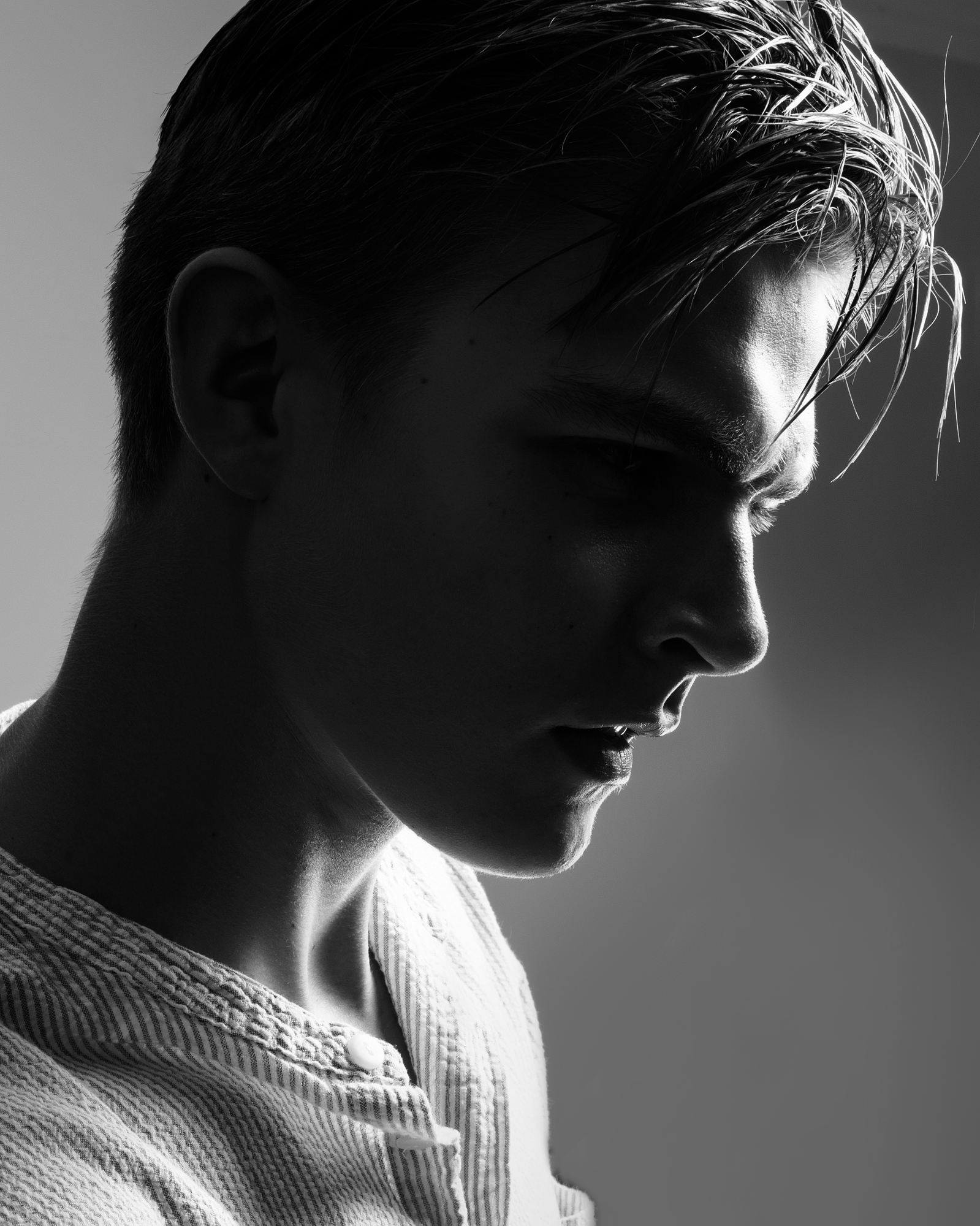
His portfolio balances fashion and lifestyle with a dedicated study of the male form and beauty. Viewing photography as an evolving discipline where the learning process never truly finishes, Velez creates work that feels polished, deliberate, and deeply human. We spoke with David about his academic foundations, the subtleties of capturing the male form, and his continuous evolution as an artist.
David, to kick things off, could you share a bit about your early days in Portugal? What inspired you to study photography and visual culture at IADE-U?
My passion for photography began around high school. I remember my parents always having film cameras around the house. As a kid, I would use them to photograph my toys and rooms.
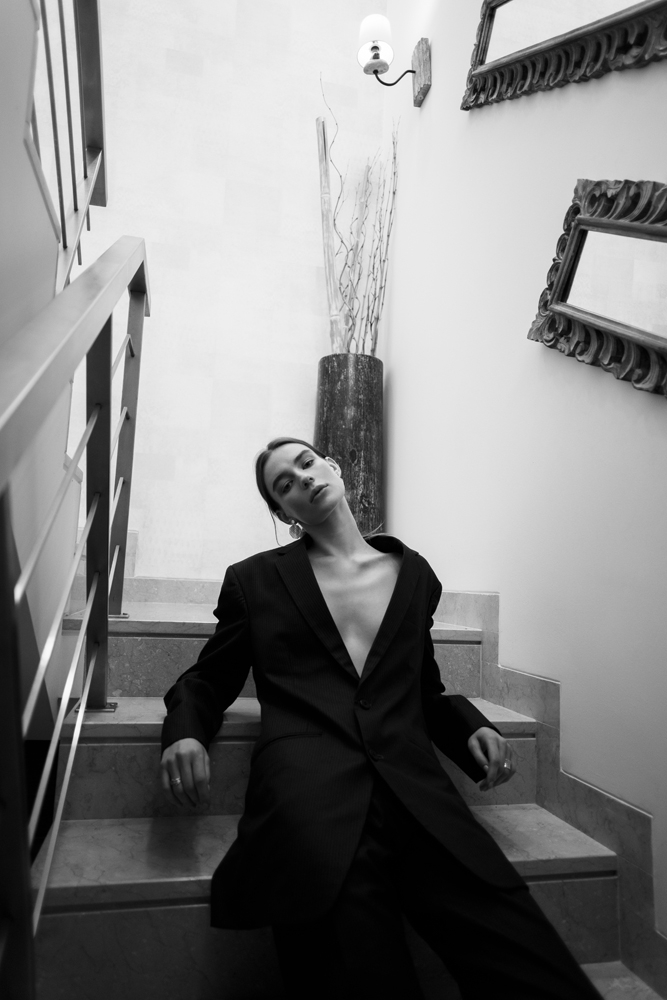
To be completely honest, after I finished high school with a course in graphic design, I felt a bit lost. I actually took a gap year where I did basically nothing! (Laughs). Even though the love for photography was already there, I didn’t know what my next steps should be. College wasn’t originally in my plans.
Then, I discovered the photography degree at IADE-U. With my parents’ support, I enrolled to deepen my knowledge—especially around studio photography and artificial light.
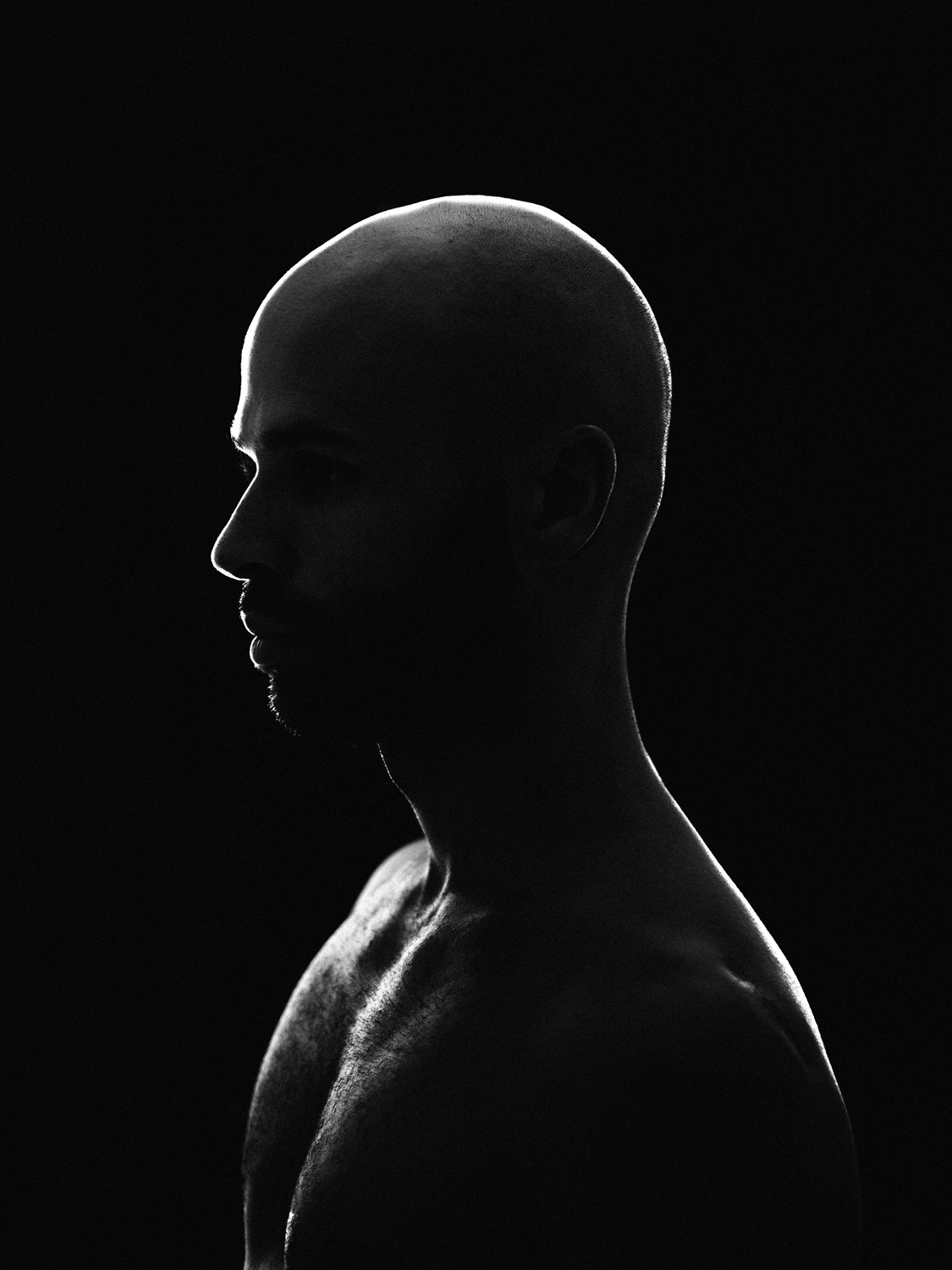
Your work highlights beauty, the male form, and body photography, all of which require a lot of trust. How do you build rapport with your models to make them feel comfortable and secure?
I always try to keep the atmosphere on set fun and relaxed. I play music and ask my models what they like to listen to so they can unwind. Most importantly, we talk well in advance about the shoot. We discuss the kind of photos we want to create, their comfort levels, and how much skin they are okay showing.
I share inspiration images and give clear direction throughout the shoot. If I project total confidence, it helps the model feel comfortable too.
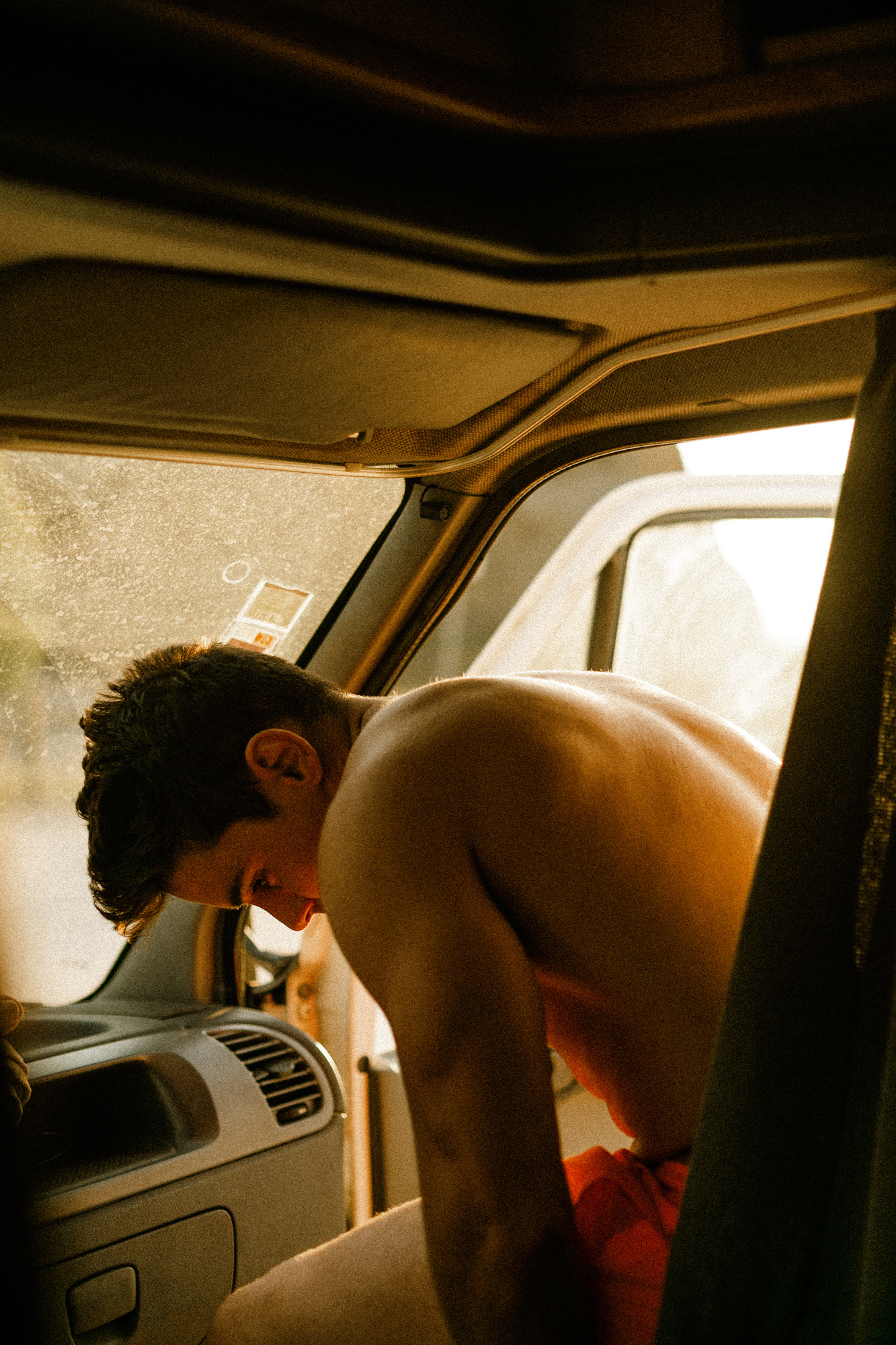
For personal projects, I intentionally look for male models who are already comfortable with this style of photography and posing with fewer clothes. I want the process to feel effortless for them. We focus on simple, grounded poses—like sitting on the floor, reading a book, or just walking around. The poses might not feel natural in the moment, but they look completely natural in the end.
If I show that I’m super comfortable, that will help make the model more comfortable.
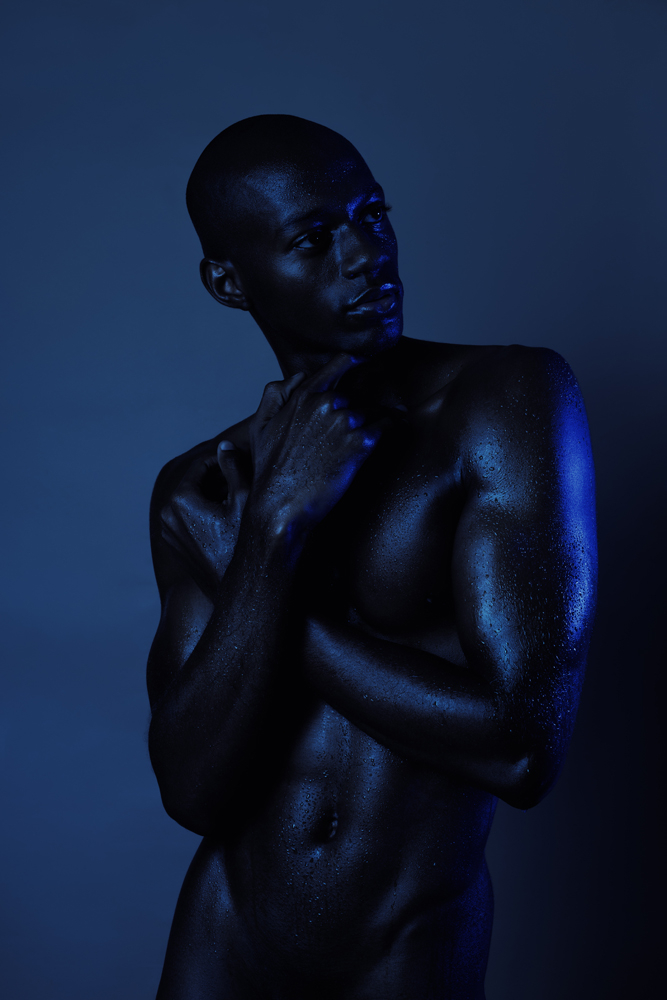
You’ve mentioned that learning in photography never truly ends. Looking back at your early work compared to now, what is the biggest technical or visual lesson you’ve learned?
It’s actually funny to look back at my first photos. I used to do a lot of self-portraits, and they were so silly and technically rough! I started out like most photographers do—shooting flowers, macros, and landscapes.
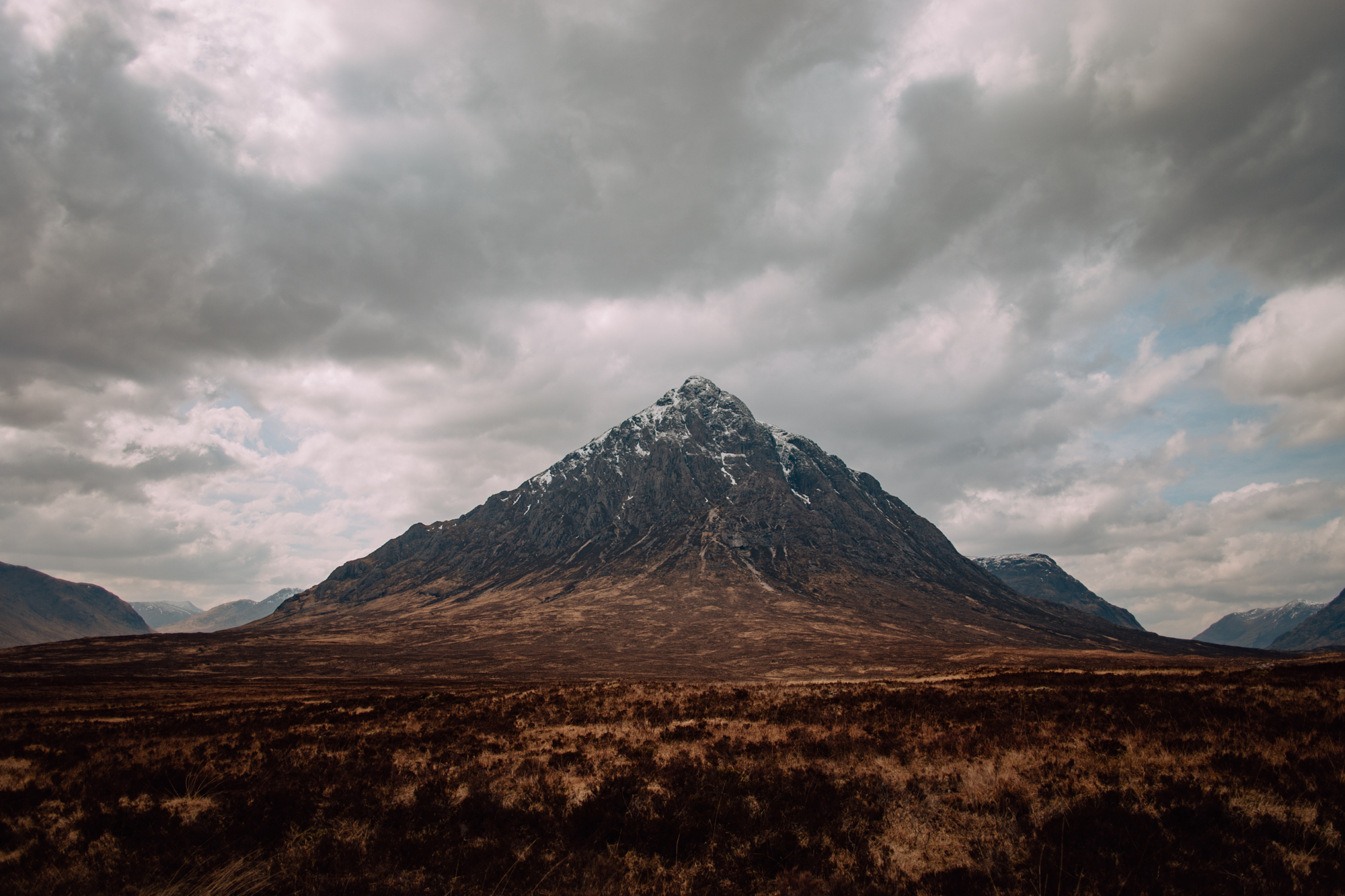
But as I found my passion for shooting the male form, the biggest shift became my approach and direction. I no longer just bring a model to a location, snap infinite photos, and hope for the best.
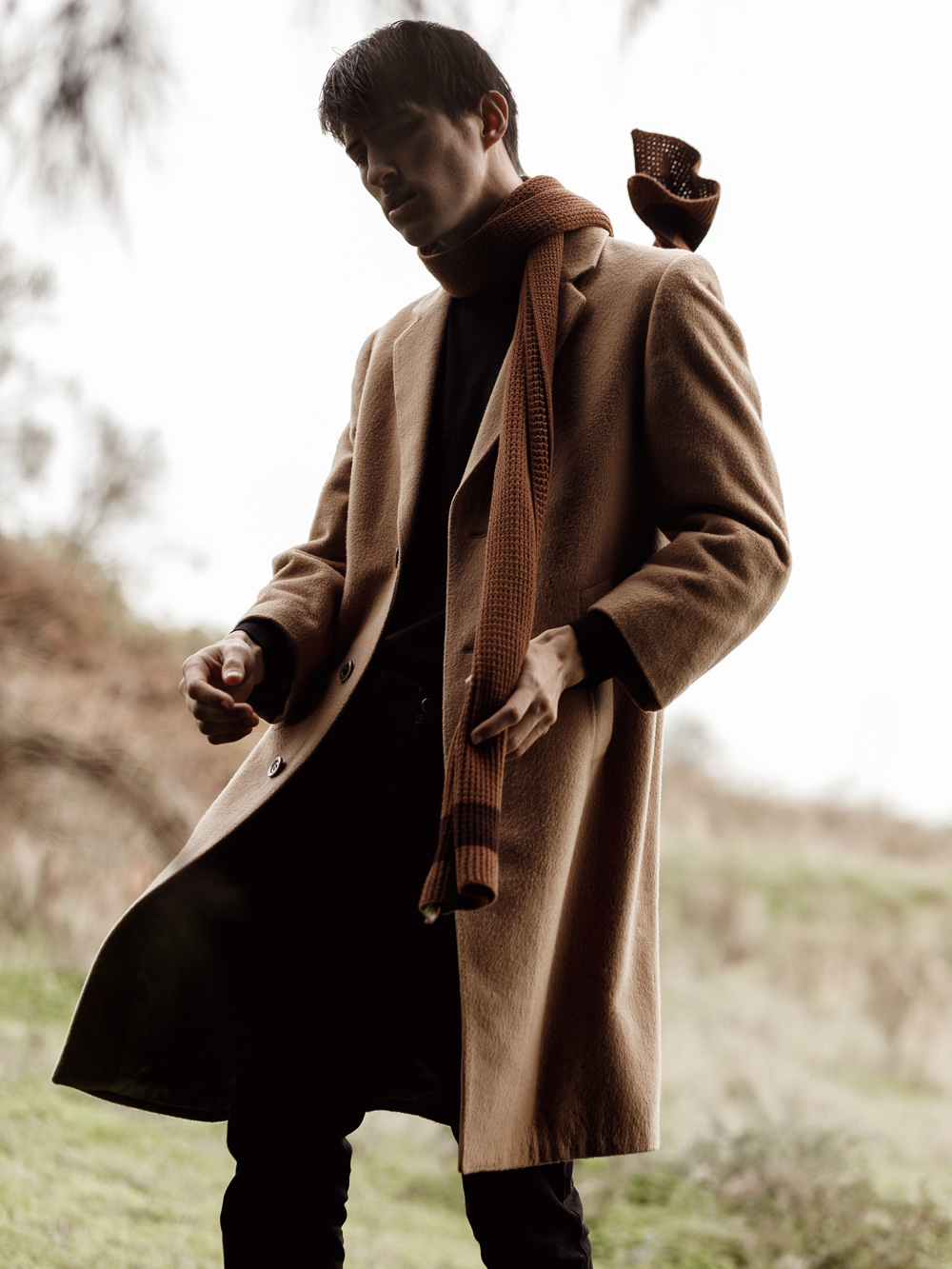
Today, I go in with a clear vision and specific images in mind. Even when the models are fully clothed, I handle the styling to ensure it aligns with my aesthetic. Early on, it was just me, a camera, and a guy shooting for hours without a plan. Now, every frame is deliberate.
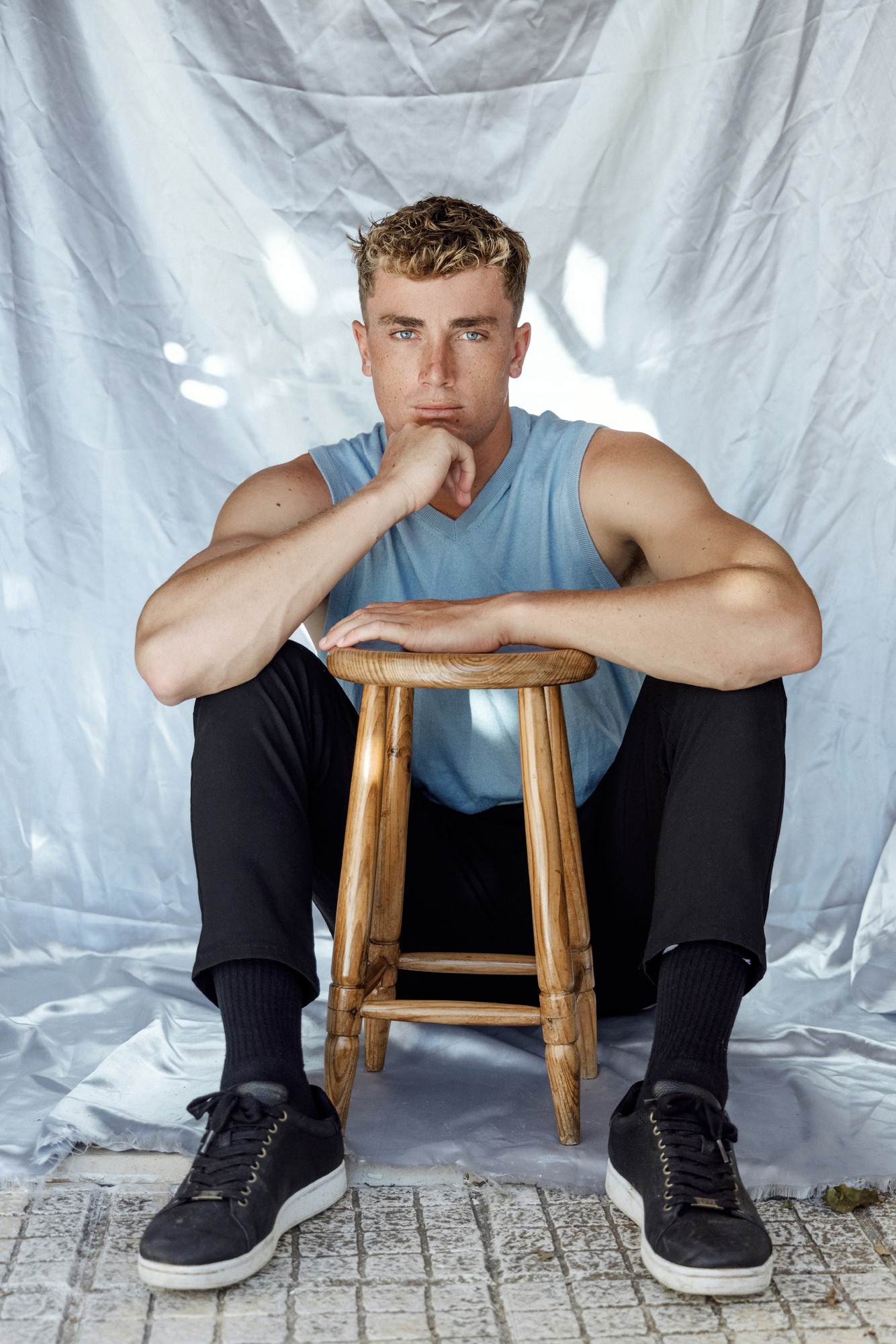
Your portfolio transitions smoothly between lifestyle images and structured fashion photography. How do you balance spontaneous, real-life energy with the strict control of fashion shoots?
I actually focus more on lifestyle, commercial images, and model test shoots than high fashion. Because these styles are different, they require unique vibes.
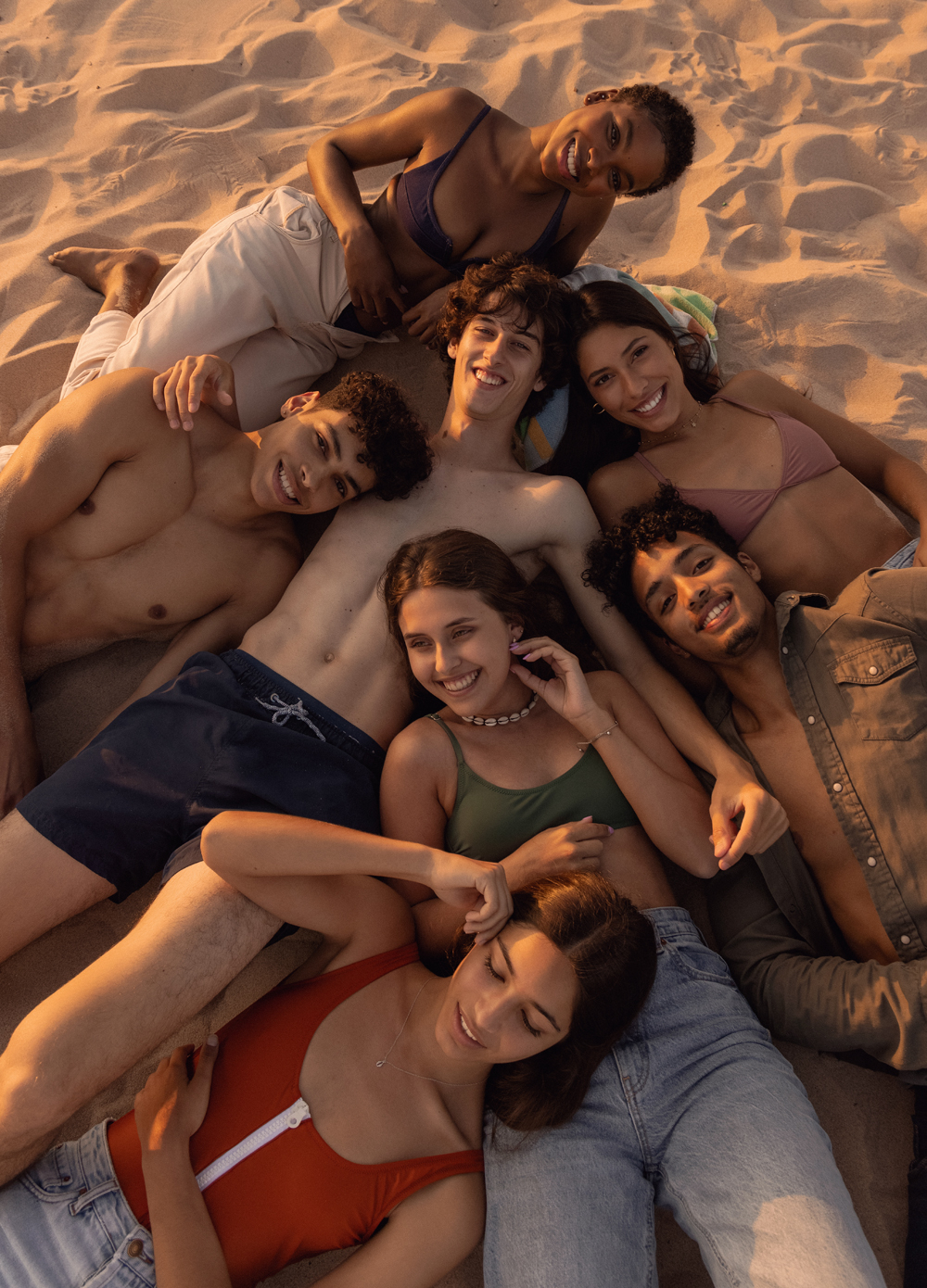
What I love to do is blend them. I mix elements of fashion with lifestyle, adding a “sexy” mood that defines my work. If you look at my portfolio, you’ll see I don’t shoot avant-garde outfits or crazy fashion stories; that’s just not my style. My approach to fashion is softer, leaning heavily into male beauty, anatomy, and a relaxed atmosphere.
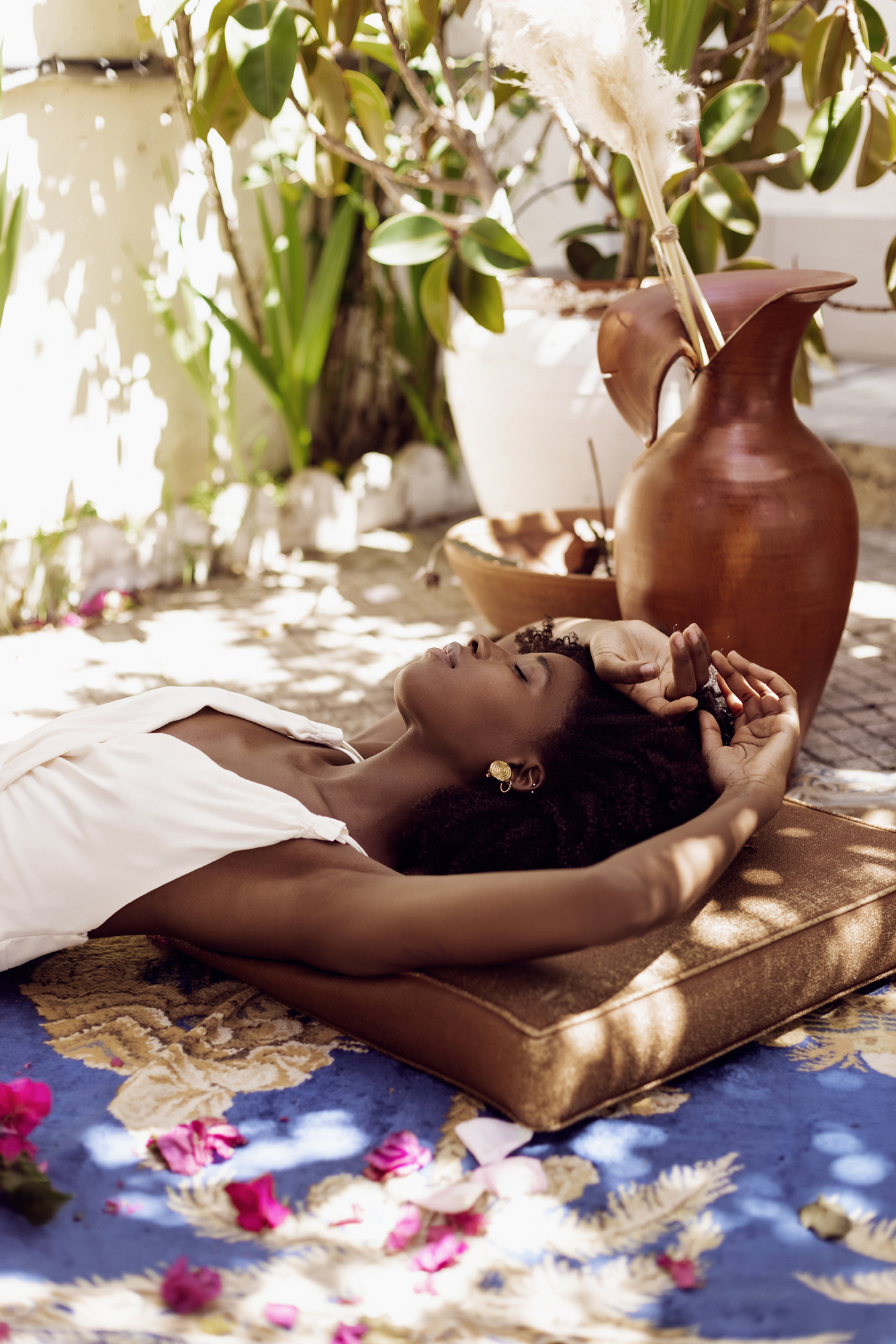
The light and coastal geography near Lisbon are beautiful. How does your home environment in Seixal influence your choice of locations and lighting setups?
I have a homemade studio where I shoot frequently using both strobes and natural light. I’m lucky to have a house with plenty of spots that serve as mini-sets, especially during spring and summer when the light is beautiful.
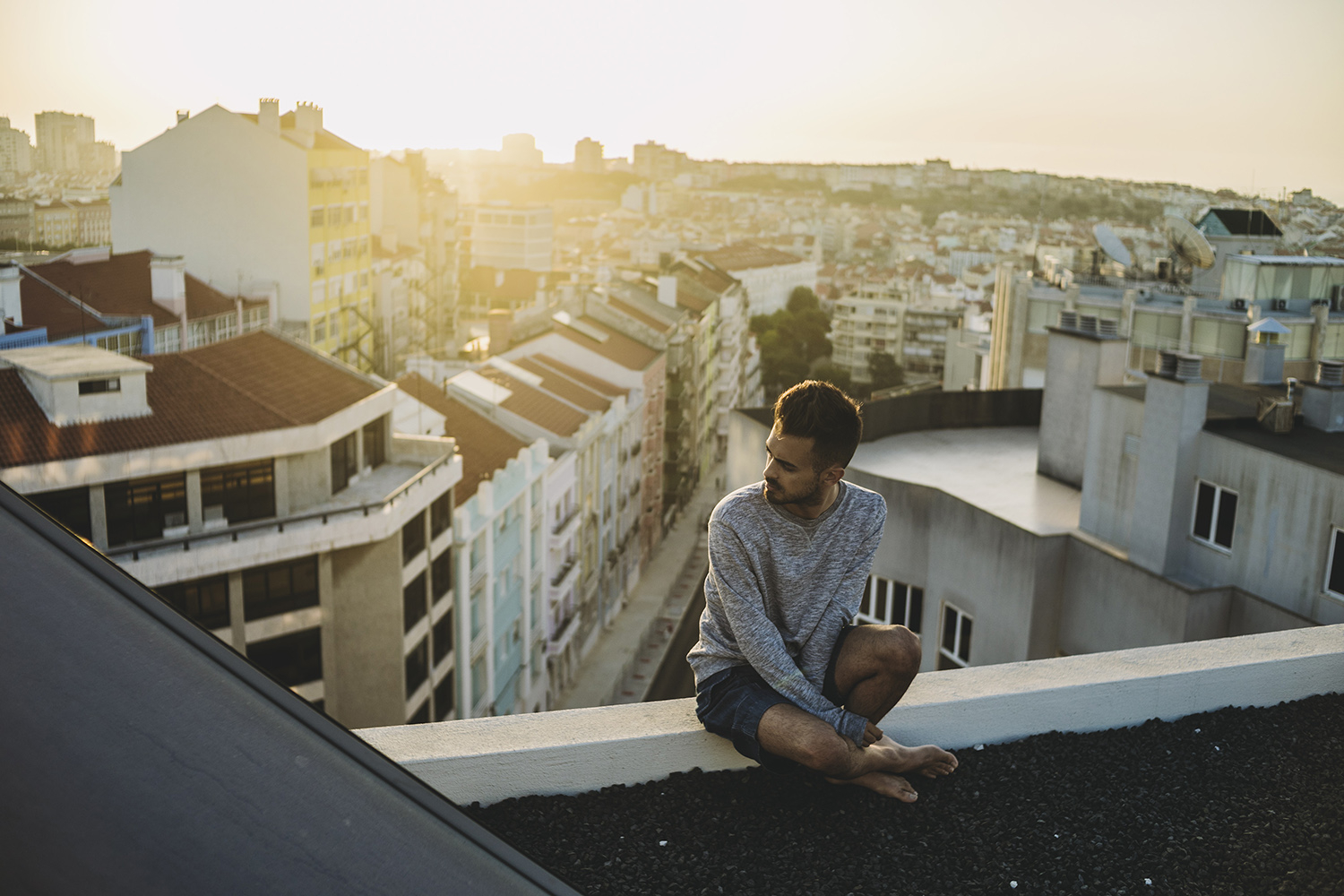
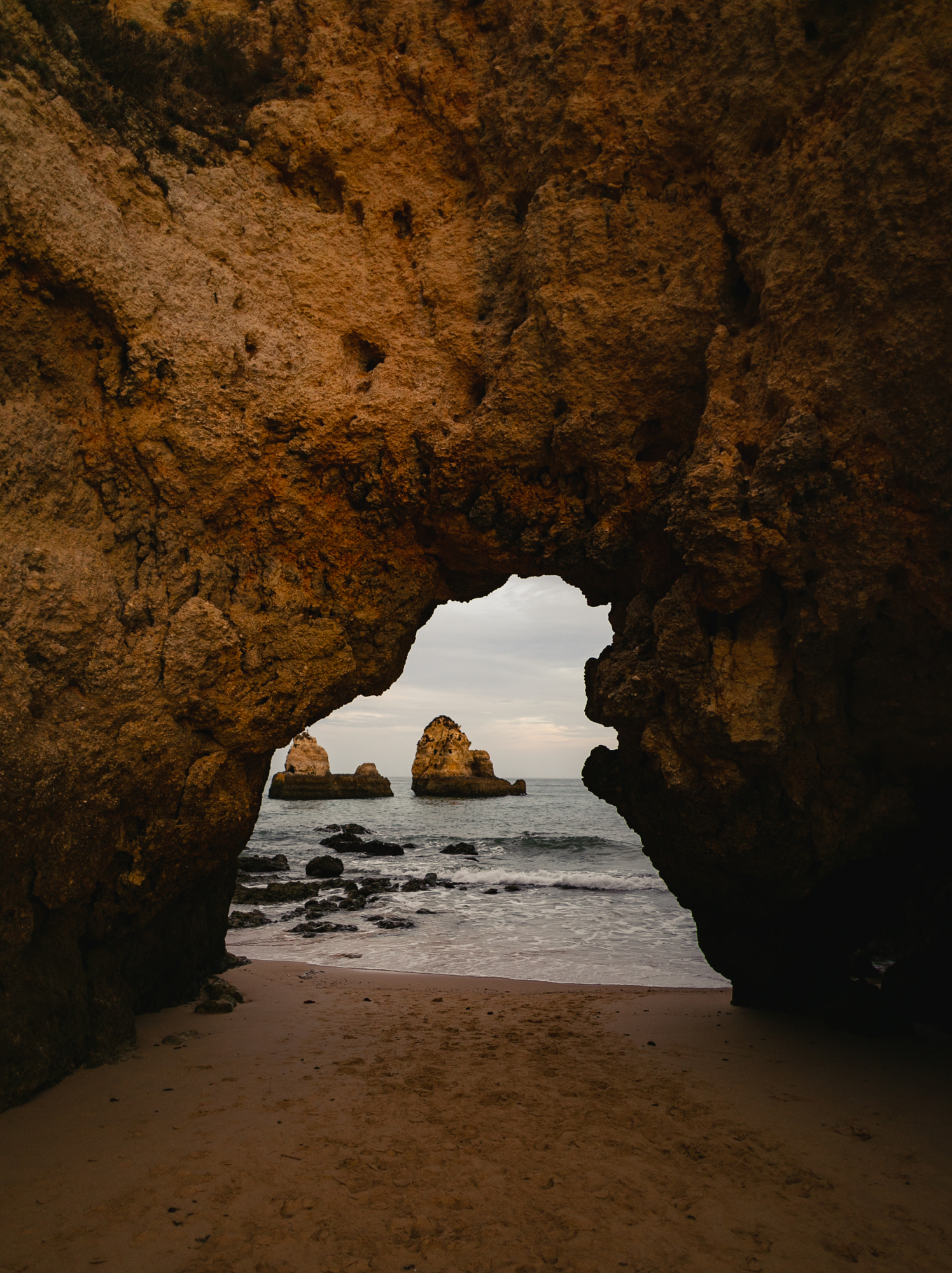
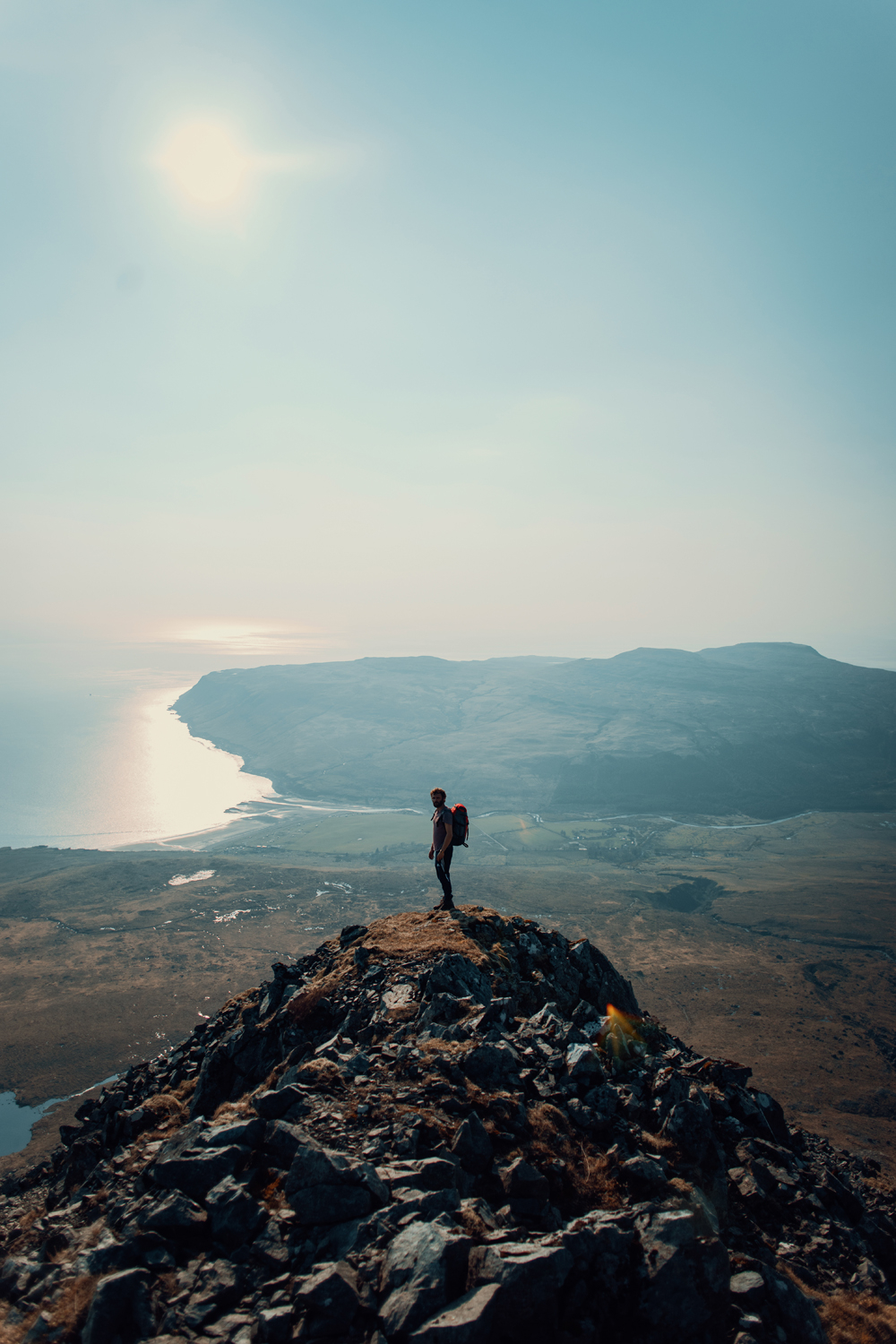
Around my home, there are woods and green spaces that are perfect for outdoor shoots. Plus, I’m only 25 minutes away from the beach and 25 minutes from Lisbon. That makes it incredibly easy to switch between coastal backdrops and urban cityscapes.
When photographing the human body, it’s easy to focus purely on anatomy. Yet, your images always feel like personal portraits. How do you ensure the subject’s personality shines through?
It really depends on the goal of the shoot. Sometimes, the primary focus is the person and their personality. In those cases, the body is there, but it serves the portrait. We explore who they are through specific poses and directions.
Other times, the shoot is purely about anatomy—and that is completely fine! There is nothing wrong with celebrating the human form for its shapes alone. Not every photo needs a massive backstory or deep emotional weight to be valuable.
Digital portraiture often relies on heavy skin smoothing. How do you approach editing to maintain a natural, honest skin texture?
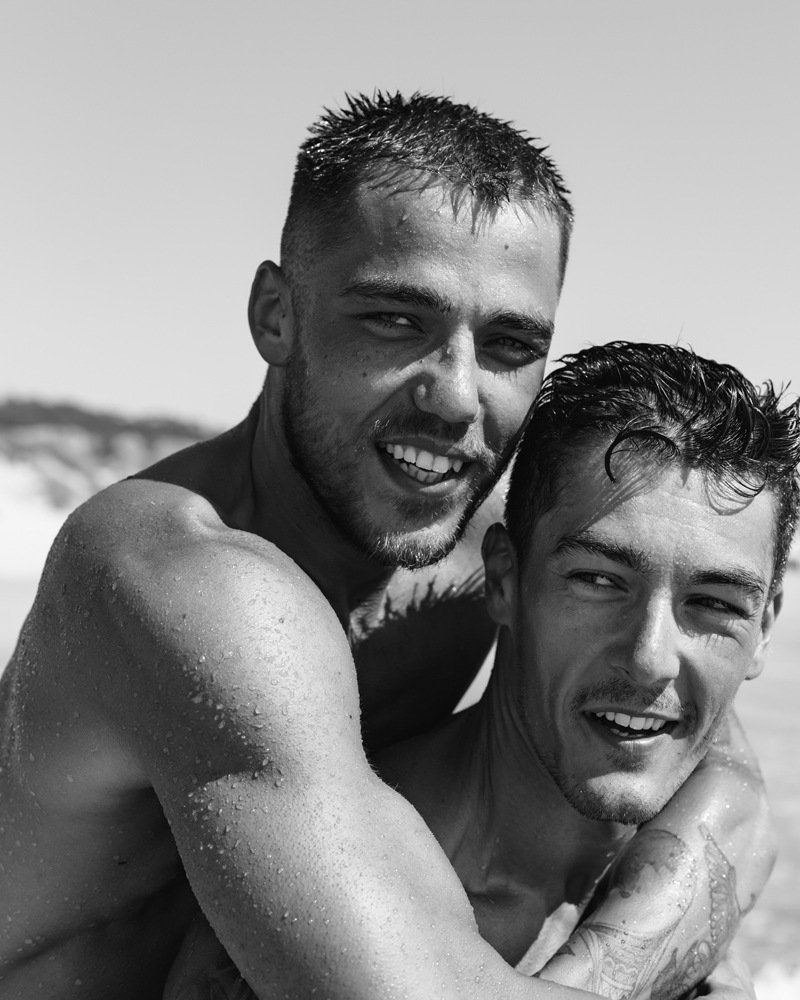
I won’t lie—it is easy to lose myself in post-processing and skin smoothing sometimes! (Laughs). But it always depends on whether it’s a client job or a personal project.
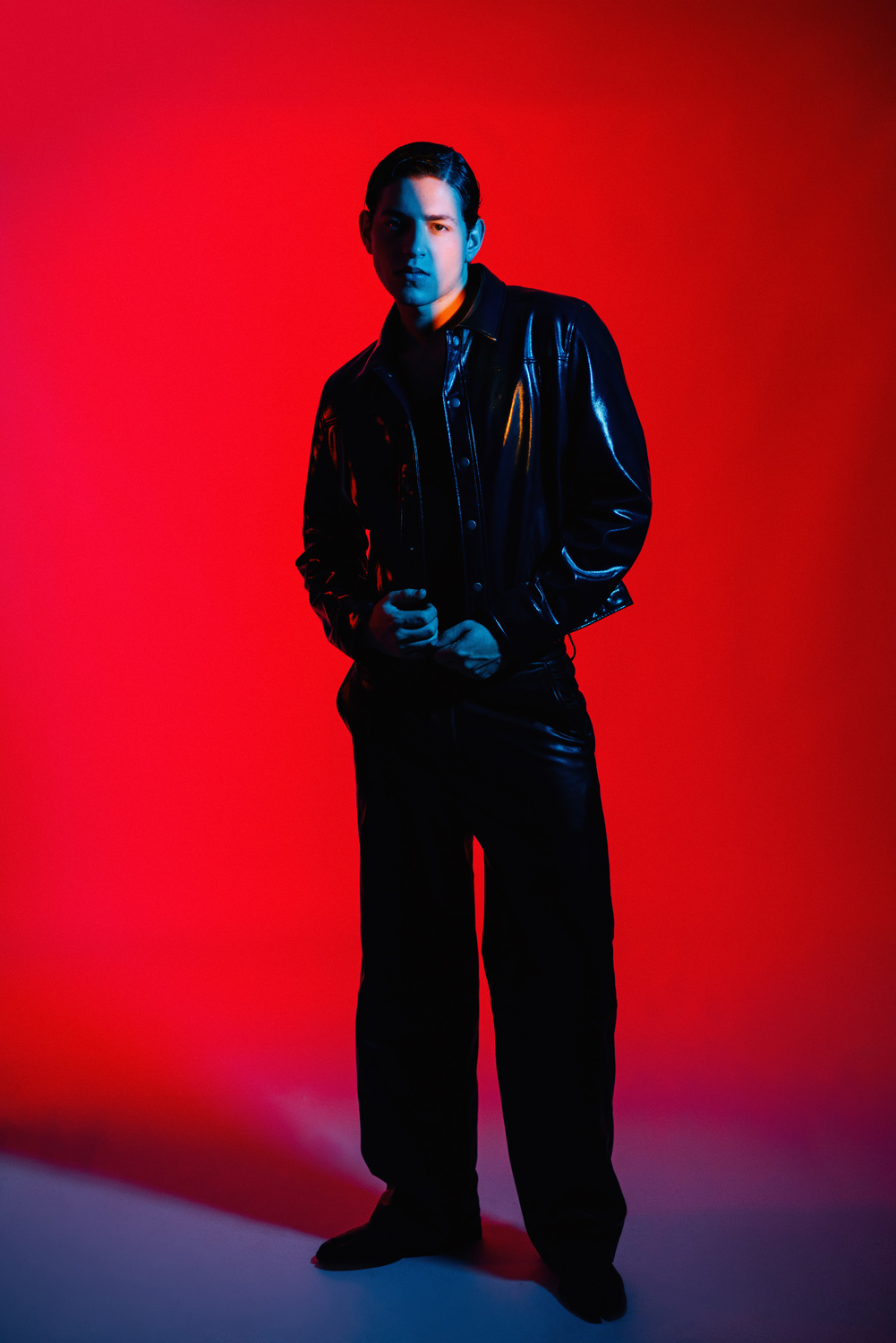
I love color grading; I feel a photo isn’t truly complete until I’ve applied my color palette. However, retouching requires intense focus so I don’t cross the line into looking unnatural. I try to respect the natural skin texture while giving the photo what it needs. I’m constantly learning new retouching techniques to keep my work looking polished yet honest.
Building a global presence on platforms like 500px exposes your work to an international audience. How has this shaped your view of what makes a portrait universally relatable?
Honestly, I’ve always believed in creating photography for myself rather than trying to please everyone else. Because of that, my perspective on what makes an image “universally relatable” hasn’t shifted much. It always depends on who is looking at the photo.
That said, it is incredible to hear from people all over the world and get their unique feedback. When international clients book me specifically because they love my aesthetic, it’s an amazing feeling.
Our previous featured photographer, Enrique Murciano, asked: “What has to happen in a scene for you to feel that you have not only taken a photograph but also captured something true, real, and honest?”
The energy between the model and me has to be amazing. When the light hits the model perfectly and everything aligns, I get this wave of pure excitement.
I start giving compliments, saying “Oh my god,” and holding my hands to my forehead. Then I show the back of the camera to the model, and they have the exact same reaction. That’s when I know we’ve captured something real.
I usually end up saying, “I know I said just five more minutes, and it’s already been an hour—but this is really good!”
To wrap things up, do you have any upcoming series, editorials, or creative collaborations you’d like to share?
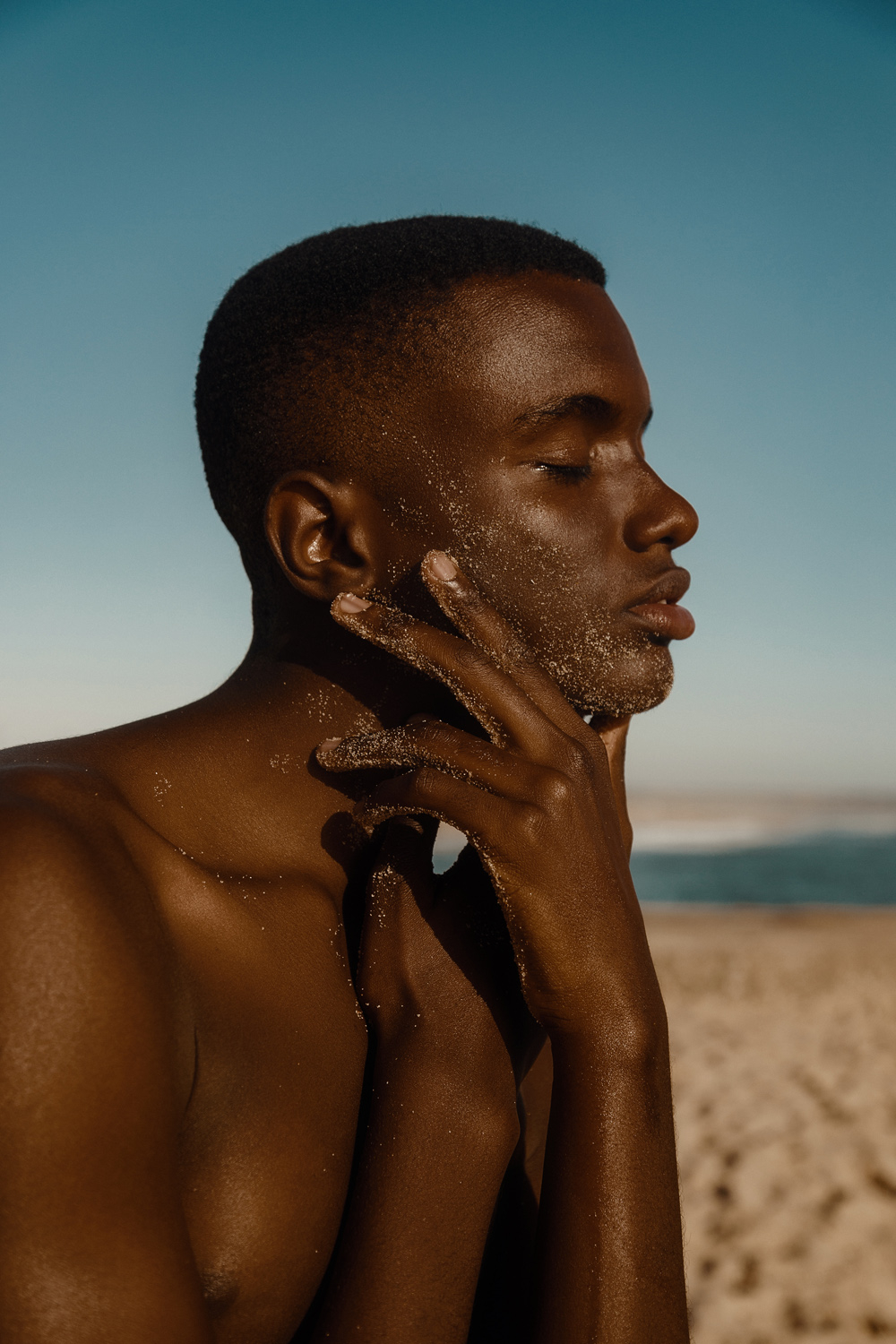
In 2024, I started a series called Golden Boys. It focuses on the male form using a specific style of warm light and color grading. It’s a simple concept, but I love the aesthetic.
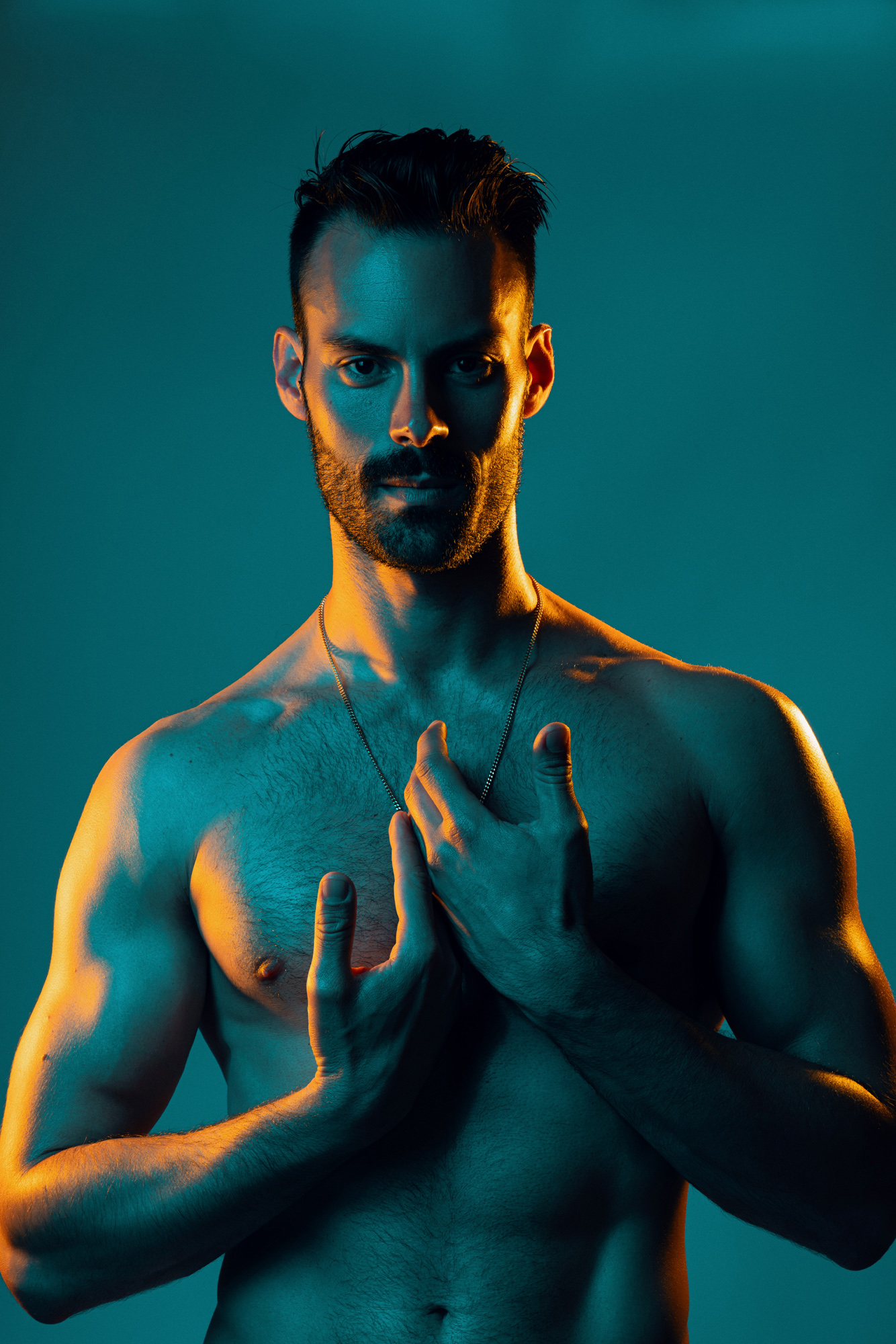
I’ve been shooting with models, dancers, and gymnasts. I am really proud of the results so far, and I hope to keep expanding the series. My dream is to showcase it in an exhibition someday.