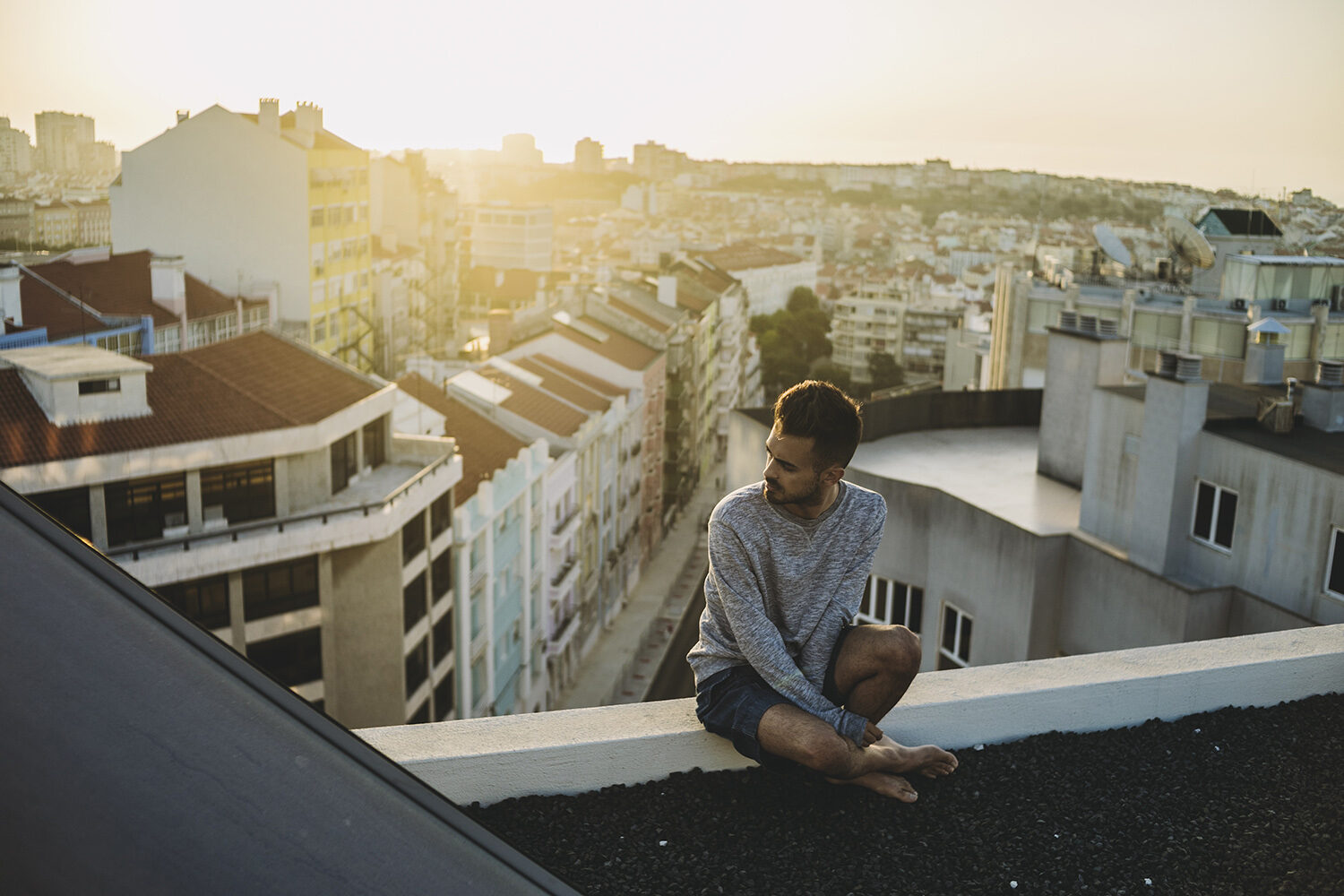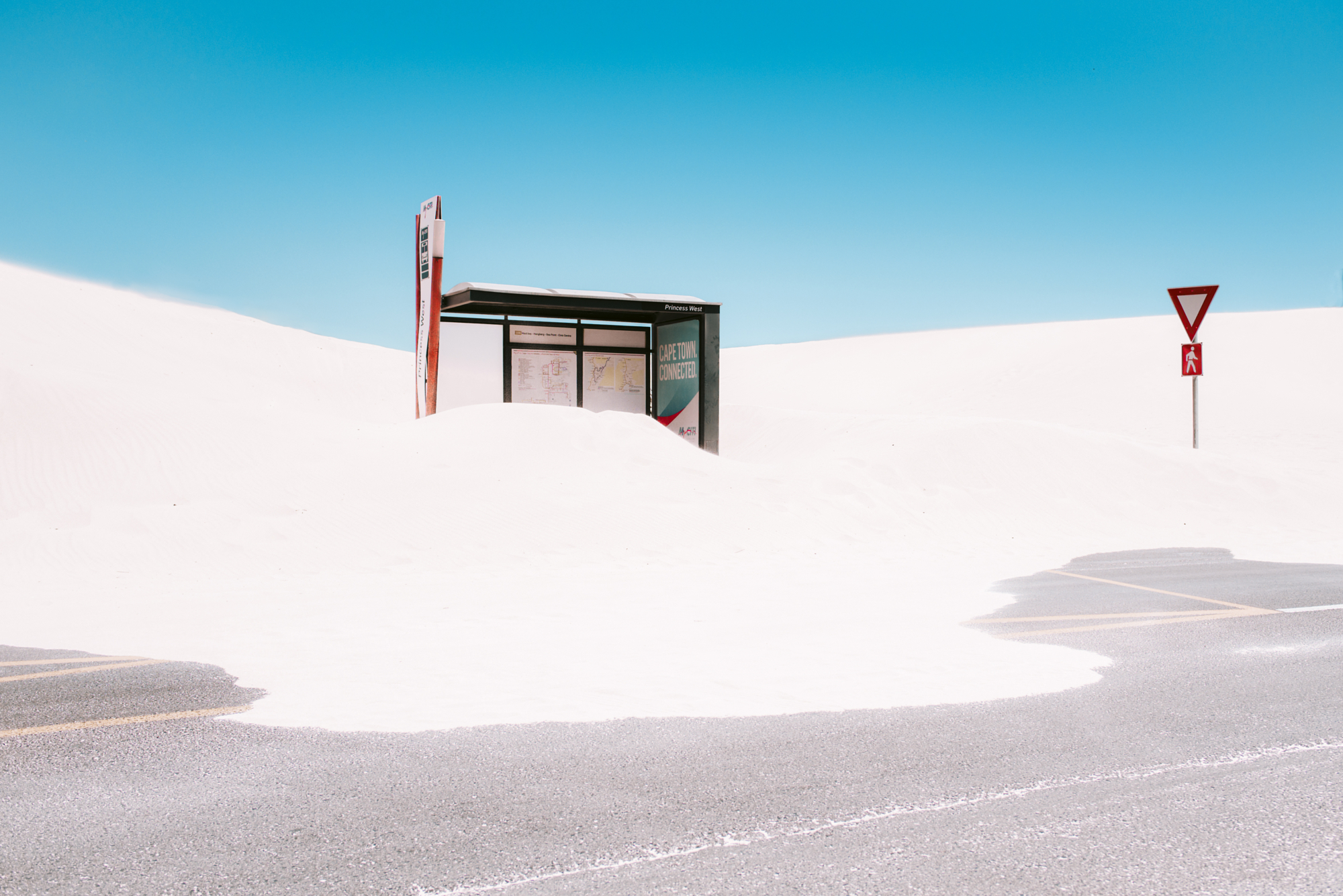
Midday sun has a reputation. Harsh shadows, blown-out highlights, squinting subjects, flat washed-out skies. Most photography guides tell you to wait it out and shoot at golden hour instead. But harsh sunlight photography doesn’t have to be a compromise. With the right approach, midday light becomes a creative tool with a look entirely its own.
Why harsh sunlight is harder to shoot
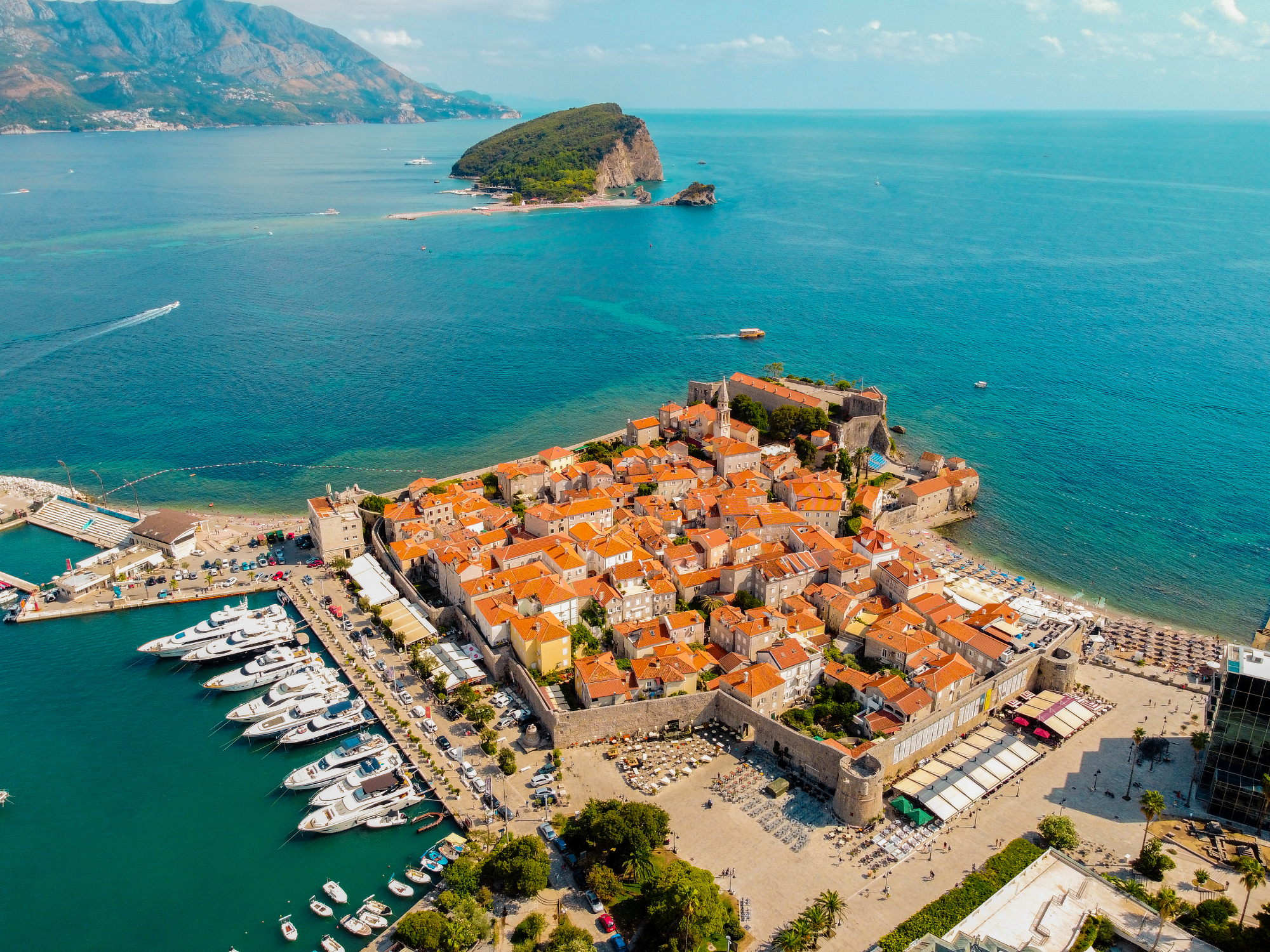
Direct overhead sun creates hard light with almost no diffusion. Shadows fall straight down, contrast spikes, and your camera’s sensor struggles to hold detail in both the brightest and darkest parts of the frame at the same time. Skin tones can look unflattering, skies go pale, and colors that would pop at golden hour look washed and lifeless.
Understanding why it’s difficult is the first step to working with it intentionally.
Embrace the contrast
The defining quality of harsh sunlight photography is contrast. Rather than fighting it, commit to it.
Go graphic and bold
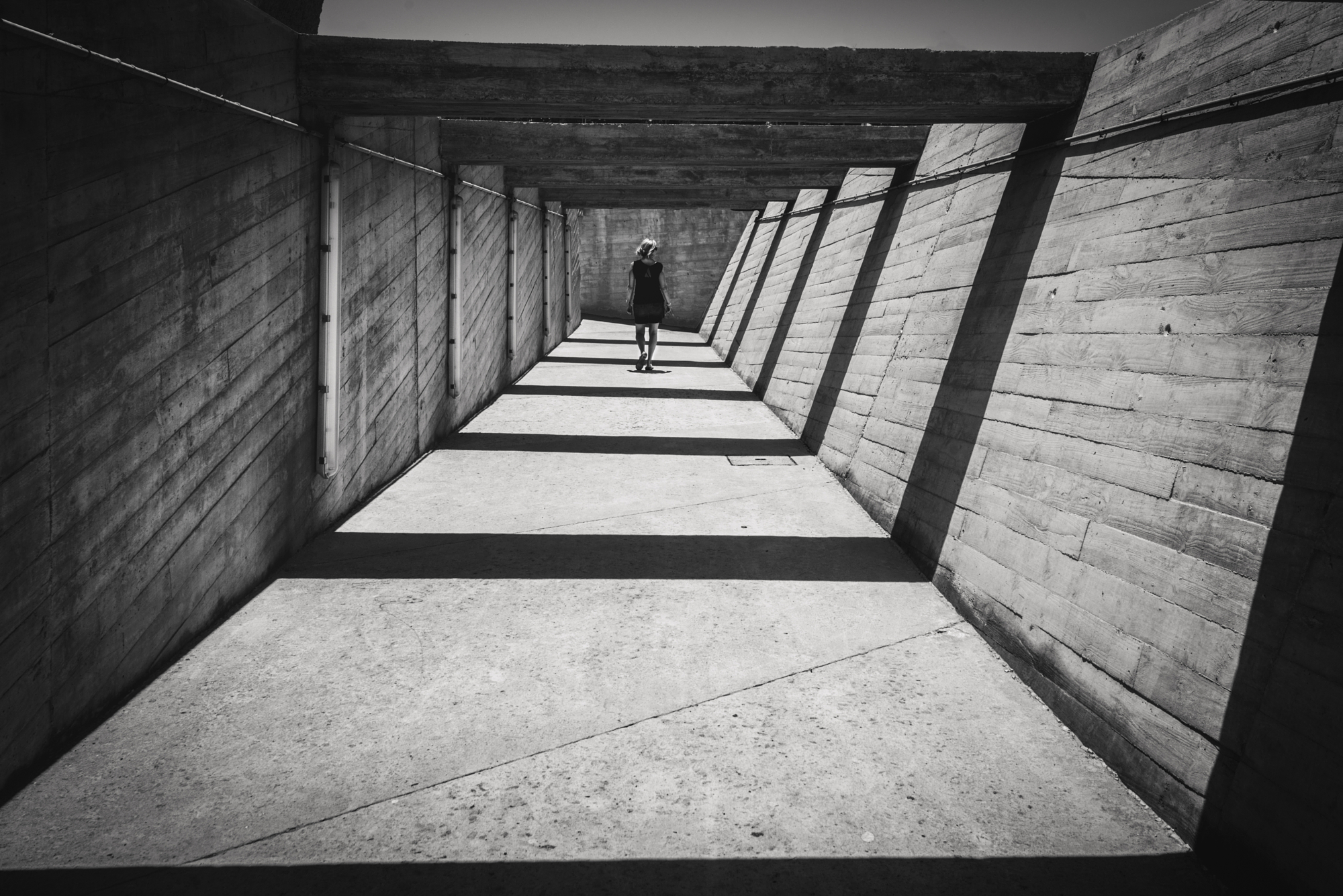
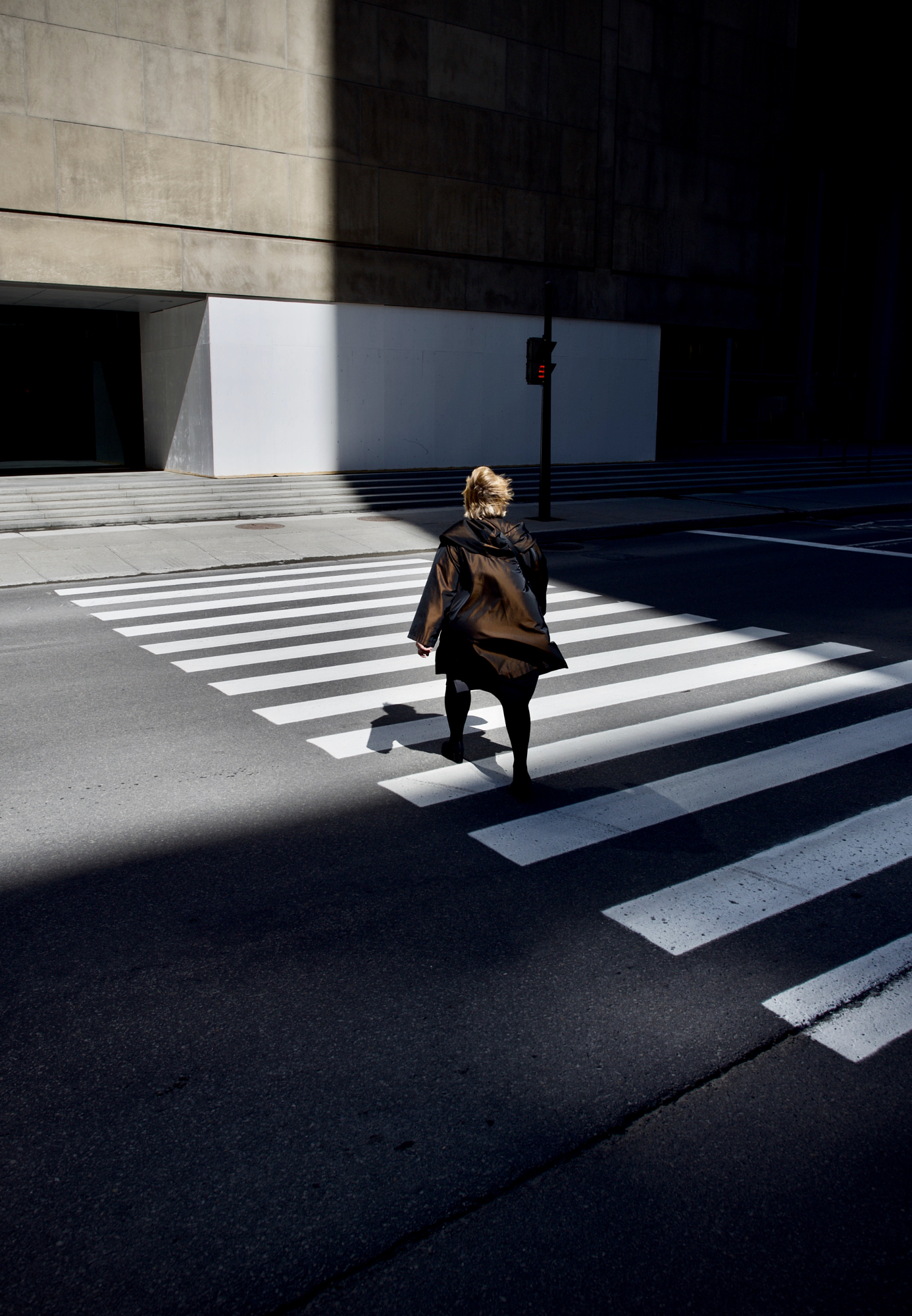
High contrast light reduces scenes to strong shapes, deep blacks, and bright whites. Street photography, architecture, and abstract work thrive in these conditions. Look for subjects where bold shadow patterns become part of the composition rather than a problem to solve.
Shoot into shade
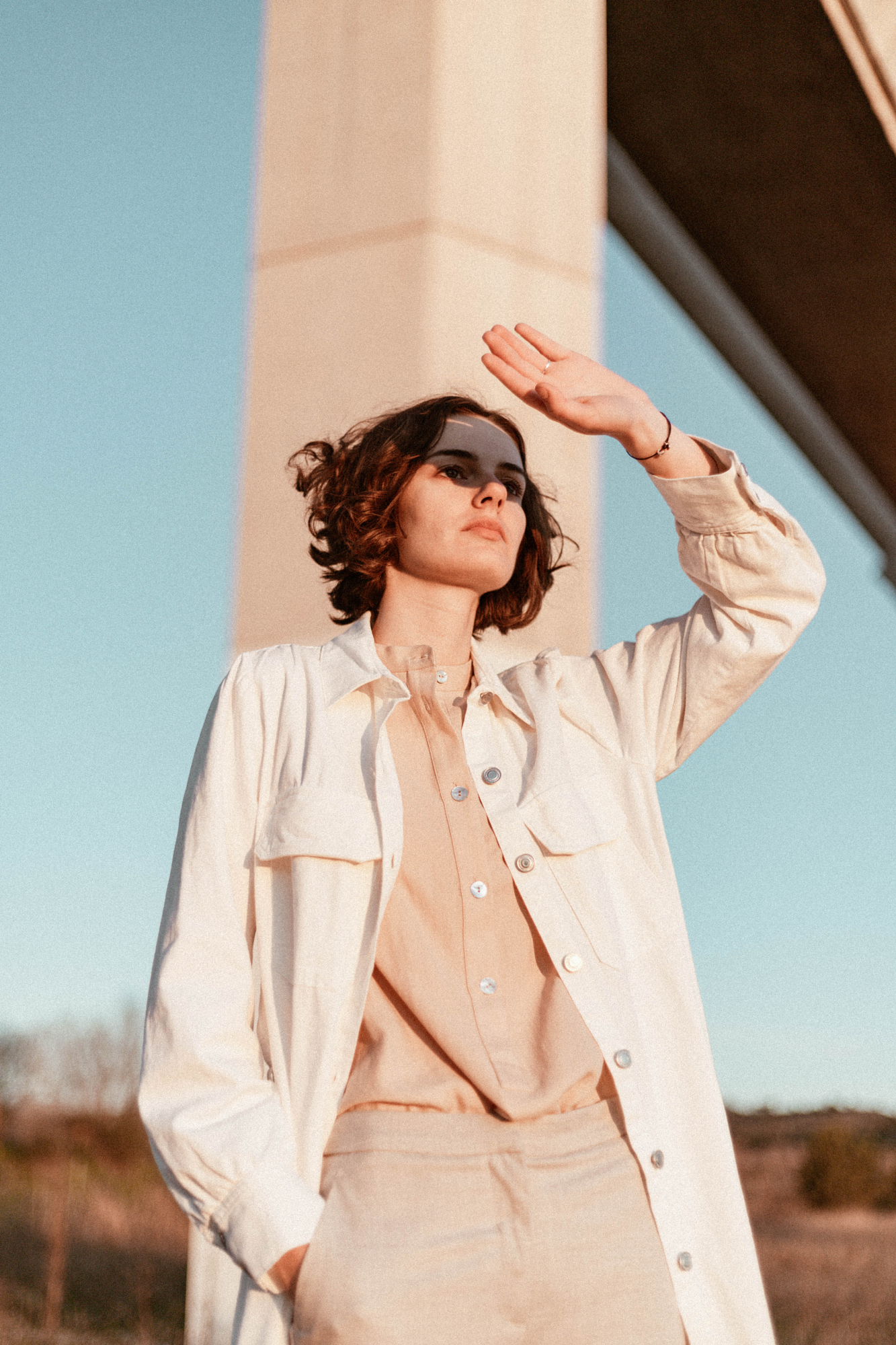
Open shade on a sunny day is one of the most underrated light sources in photography. A subject standing just inside a building entrance, under a tree canopy, or beside a wall in shadow gets soft, even light while the bright background adds natural depth and separation. The key is keeping your subject fully in shade so the light is consistent.
Use shadows as subjects
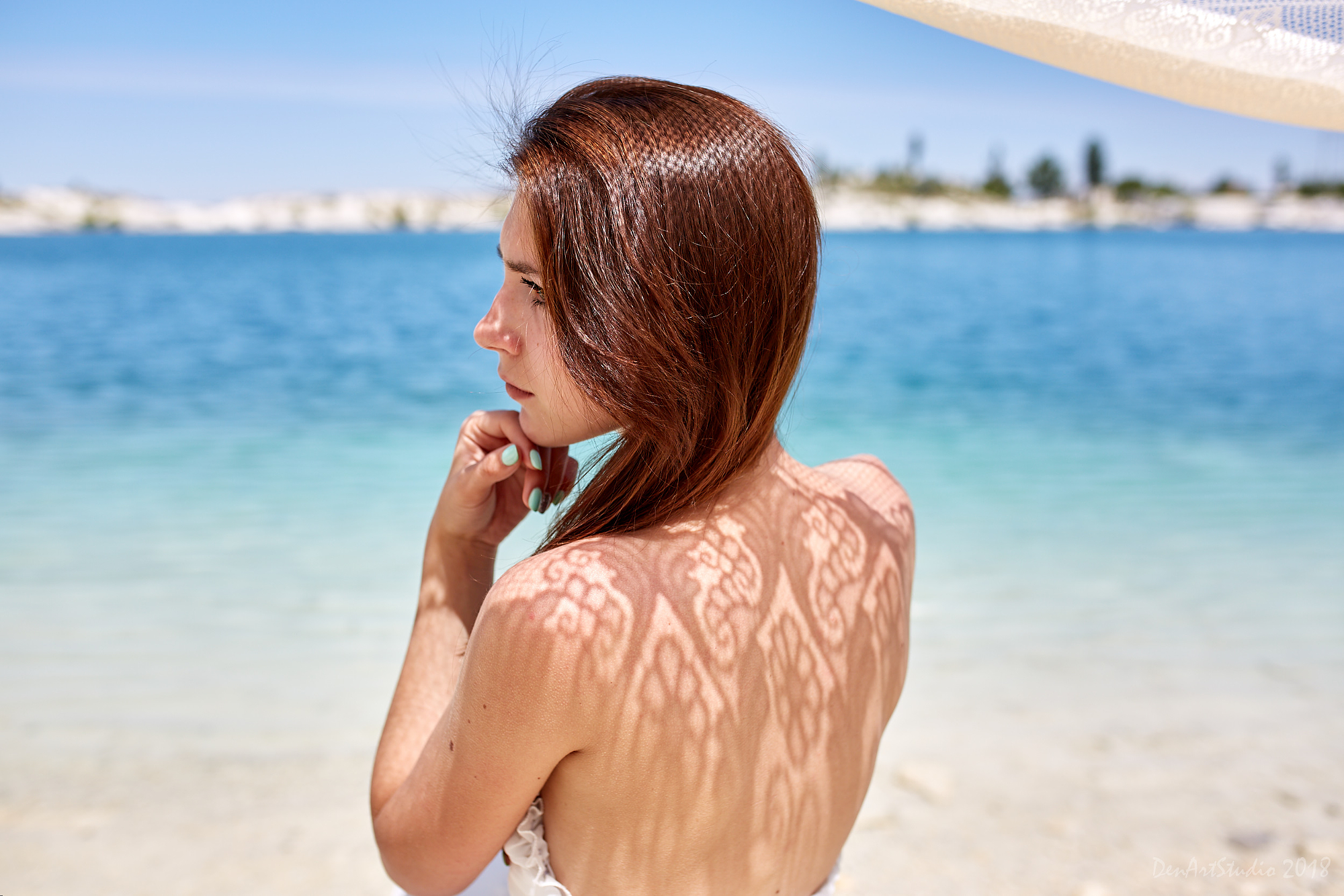
Harsh sunlight casts the kind of hard, graphic shadows that simply don’t exist in soft light. The shadow of a fire escape on a brick wall, a person’s silhouette stretched across pavement, the geometric shadow of a fence on sand. In harsh sunlight photography, shadows stop being a nuisance and start being the point.
Practical techniques that help
Expose for the subject, not the sky
In harsh conditions, you often can’t expose for everything at once. Decide what matters most and expose for that. A correctly exposed subject against a blown-out sky can look intentional and cinematic. A correctly exposed sky with an underexposed subject usually looks like a mistake.
Use a reflector or fill flash
A small silver or white reflector bounces sunlight back into deep shadows without changing the character of the scene. Fill flash at low power does the same thing electronically, lifting shadow detail just enough without making the image look lit. In portrait work specifically, either tool can salvage an otherwise unflattering midday setup.
Shoot RAW and bracket
The dynamic range challenge of harsh sunlight photography is real. RAW files give you the most latitude in post when recovering shadow detail or pulling back highlights. Bracketing two or three exposures gives you options that a single JPEG simply won’t.
The photographers who lean into it
Some of the most iconic street and documentary photography was shot in harsh midday sun. The flatness and severity of the light became part of the visual language. Vivid shadows, graphic shapes, high contrast tones. The conditions that most photographers avoid became a signature aesthetic.
Midday sun isn’t ideal light. But ideal light and interesting light are not always the same thing.