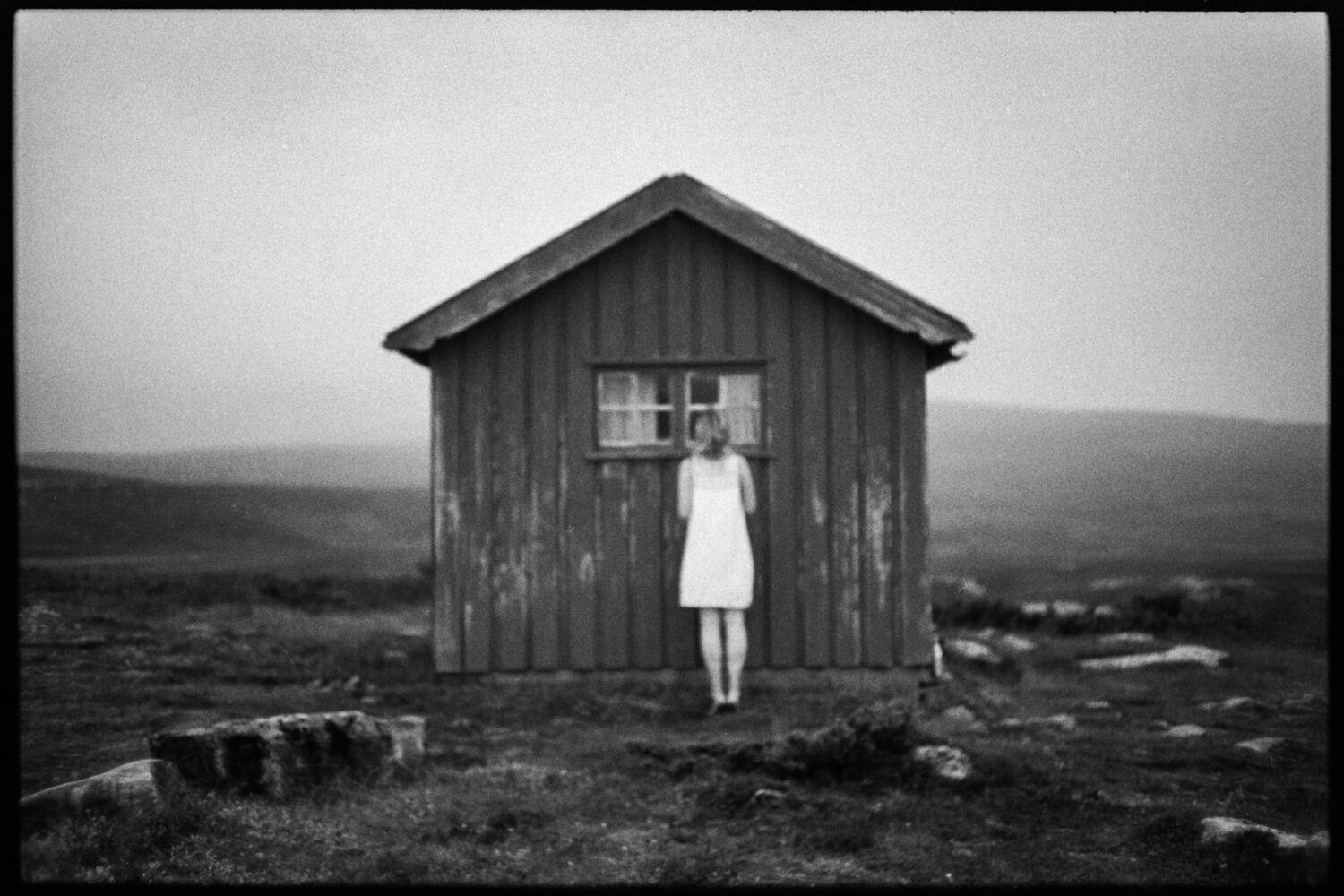
The best reflection photographs rarely happen by accident. They happen when a photographer learns to see surfaces differently. A puddle after rain, a shopfront window, the polished hood of a car. These aren’t obstacles or backgrounds. They’re second frames hiding inside the first one. Finding reflections in photography is less about gear or technique and more about training your eye to notice what most people walk past.
Water reflections
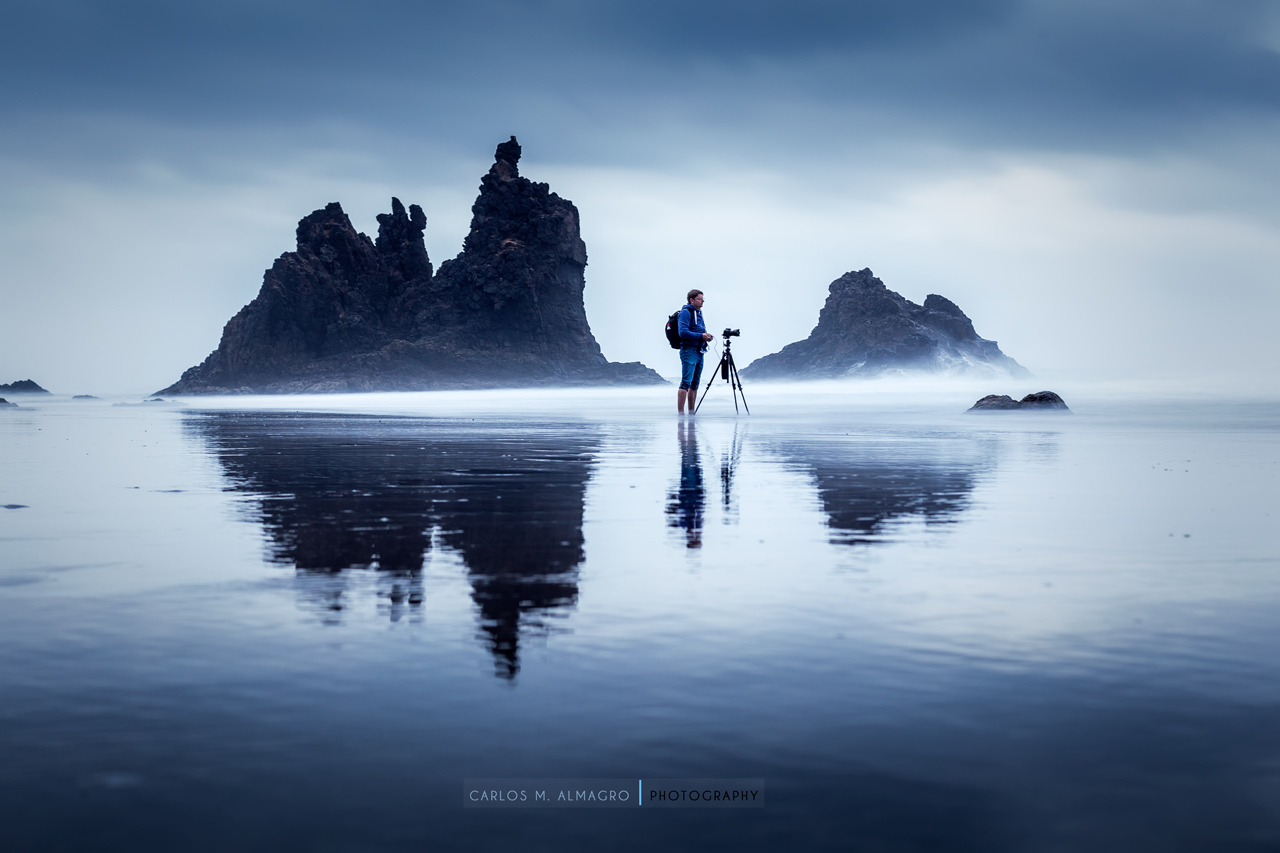
Still water is the most forgiving reflection surface a photographer can work with. Lakes, ponds, and flooded fields mirror the sky and surroundings with almost perfect fidelity when the wind is calm. The result is a natural symmetry that can make an ordinary landscape feel monumental.

Work at the right time
Water reflections are at their sharpest and most colorful at golden hour and blue hour, when the sky itself is worth reflecting. Midday sun on water creates harsh glare rather than clean reflection. Early morning is often ideal because wind tends to be lowest and the light is already working in your favor.
Get low
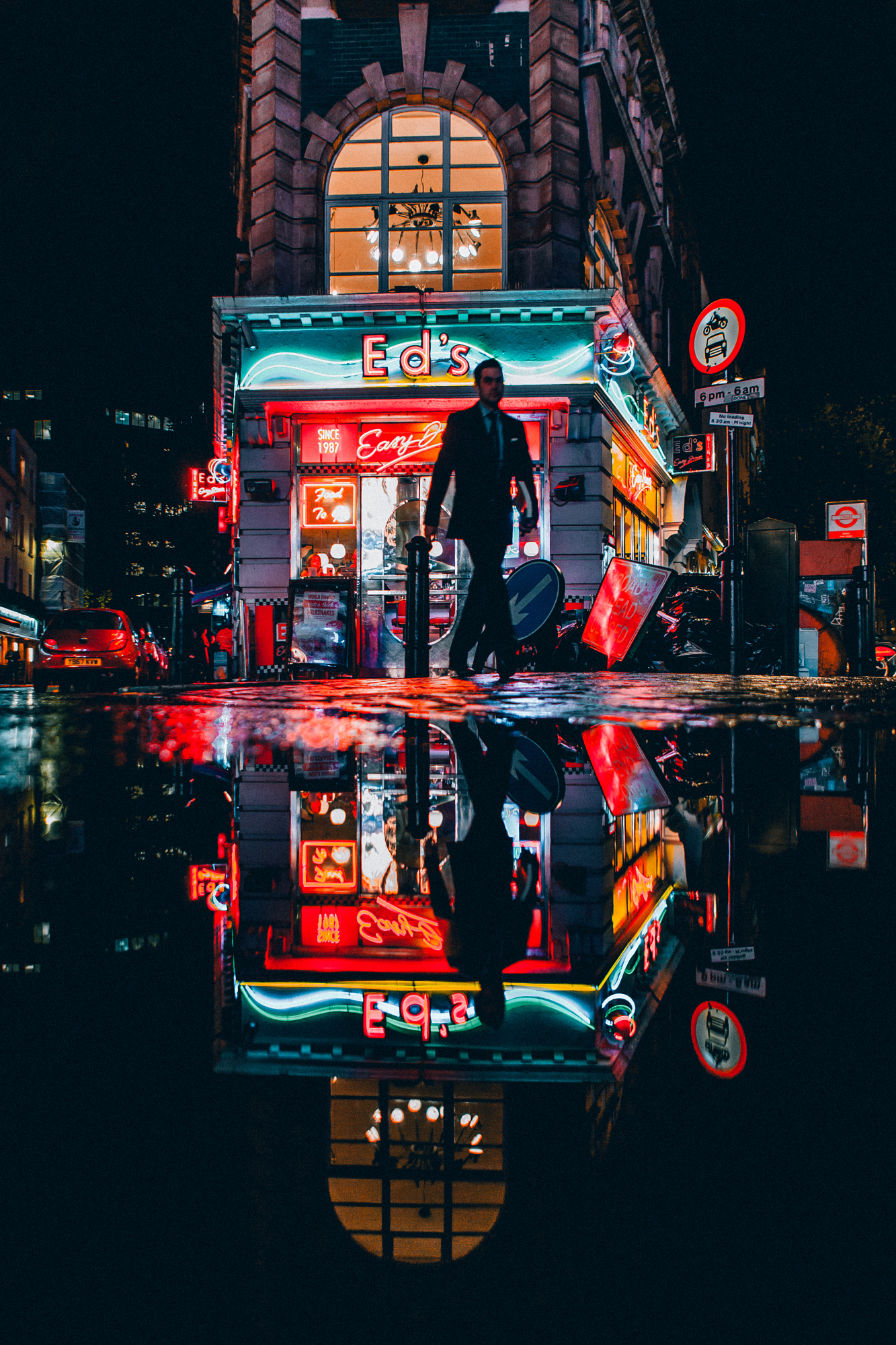
The lower your camera sits relative to the water surface, the more of the reflection fills the frame. A shot taken standing at full height might catch a sliver of reflection. The same shot taken from ground level can split the frame evenly between world and mirror image.
Include movement deliberately
A slight breeze introduces ripples that distort the reflection into something more painterly. Finding reflections in photography doesn’t always mean seeking perfect clarity. Sometimes the broken, impressionistic version of a reflection is more interesting than a sharp one.
Glass and windows
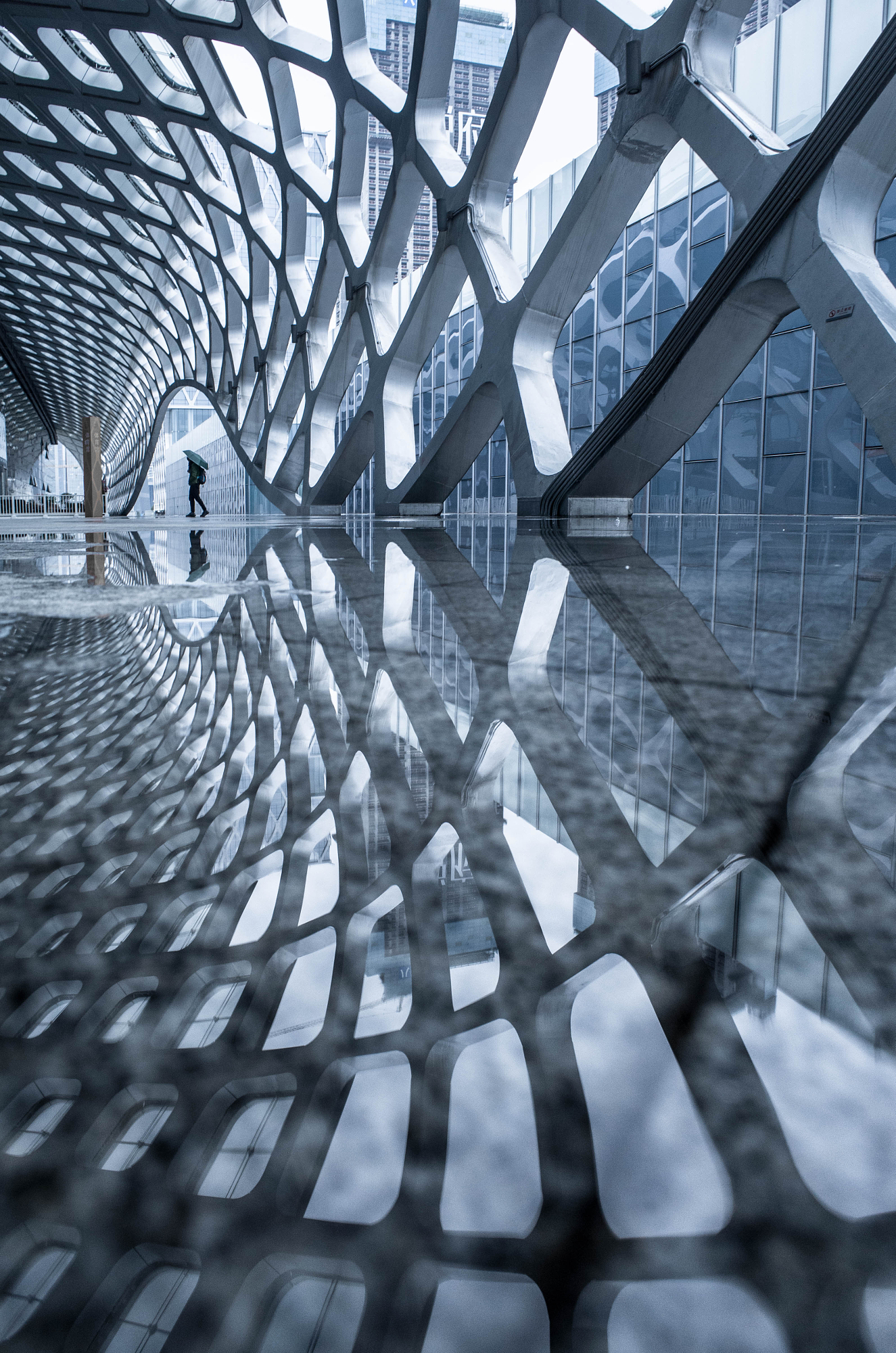
Glass reflects and transmits simultaneously, which makes it one of the most compositionally rich surfaces in urban photography. A shop window might show you the street behind you, the interior display in front of you, and the overlap of both in the same frame.
Use the overlap
The most compelling window reflection photographs layer two realities at once. A person’s reflection superimposed over a display of objects, a building mirrored in the glass facade of another. Look for moments where the reflected image and the transmitted image interact rather than simply coexist.
Control your angle
The amount of reflection versus transmission you see in glass is largely determined by angle and light. Standing at roughly 45 degrees to a window in bright sun will give you strong reflection. Standing face-on in lower light lets more of the interior show through. Small shifts in position produce dramatically different results.
Everyday surfaces
Finding reflections in photography doesn’t require a lake or a glass tower. The most creative work often comes from surfaces people ignore entirely.
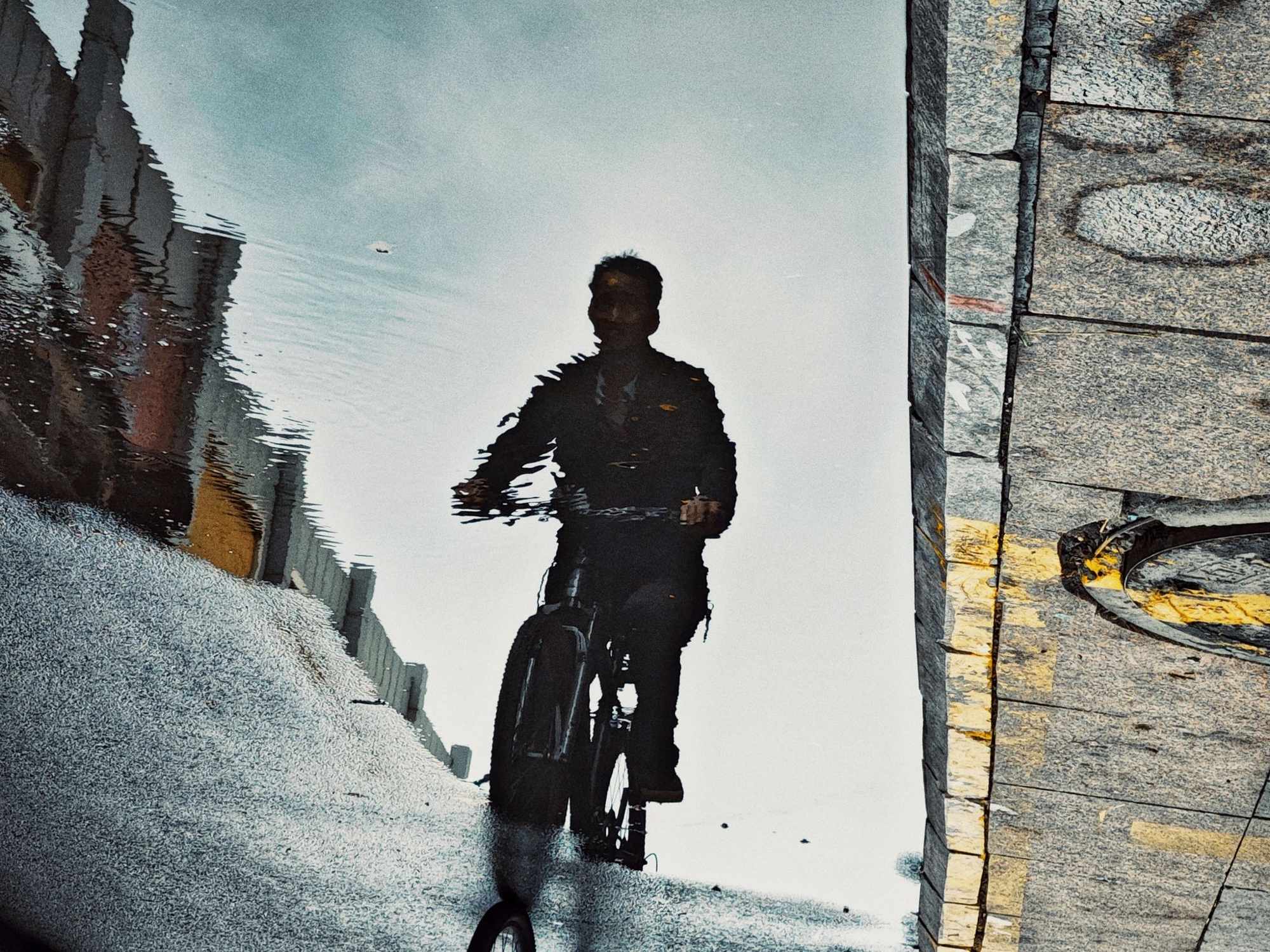
Puddles and wet pavement
A wet street after rain turns an ordinary urban scene into something cinematic. Puddles are particularly useful because they’re small enough to compose around precisely. Position the puddle in the foreground, find a strong subject to reflect, and shoot from low enough that the reflection fills the puddle’s frame.
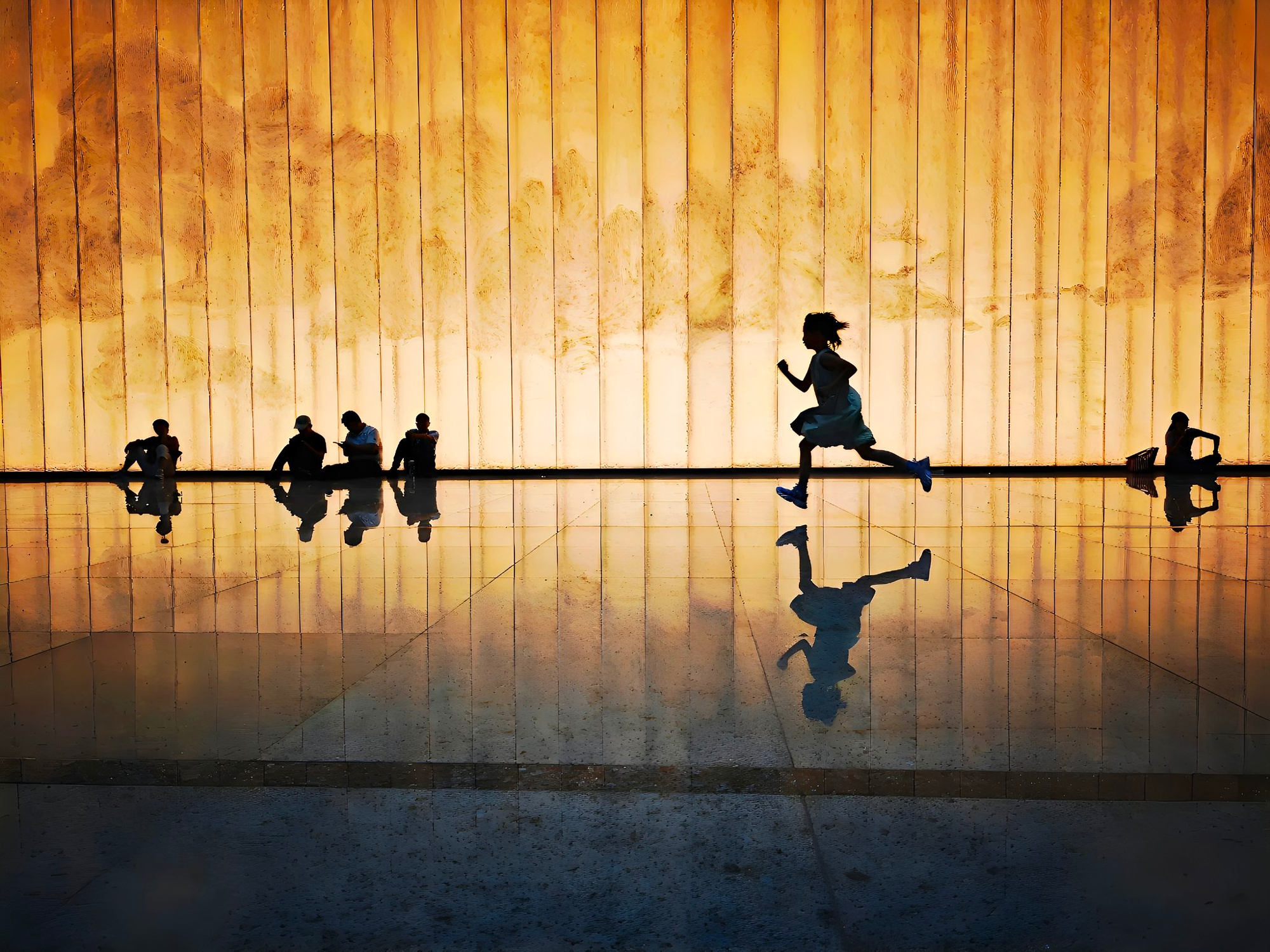
Metal and polished surfaces
Car hoods, chrome fixtures, the back of a spoon, a stainless steel countertop. These surfaces distort as much as they reflect, which creates a warped, surreal quality that flat mirrors don’t. The distortion itself becomes the visual interest.
Sunglasses and eyes
At close range, convex surfaces like sunglasses or even the curved surface of an eye can hold an entire scene in a few centimeters of frame. These are harder to execute but produce images that reward a second look.
One compositional rule worth keeping
Whether the surface is water, glass, or polished metal, the reflection is only as strong as what it reflects. Before setting up the shot, look at the reflected image as its own subject. If it wouldn’t make an interesting photograph on its own, the reflection probably won’t rescue it. The strongest reflection photographs work as two images living inside one frame.