Enrique Murciano believes that photography is inherently simple. For him, the art form is not about complex gear or heavy manipulation, but rather the patience required to wait for the exact right combination of light, shadow, and humanity. His black and white street photography isolates fleeting moments, elevating the ordinary interactions of daily life into immortalized stories. We spoke with Enrique about his philosophy of observation, the threads that make a moment unique, and why he views the camera as a tool for bringing knowledge to others.
Enrique, to get us started, could you share a bit about your background and what first sparked your passion for capturing the world through a lens?
I am currently 66 years old, and I took my first photograph when I was 14 with a Kodak Brownie camera. My father had an improvised darkroom in the bathroom at home, without an enlarger. He used to make contact prints from 6×6 negatives, which resulted in tiny photographs. But I still remember, as if it were yesterday, the magic of watching those images appear in the developer.
I also remember the slide projections my mother used to show with an old Kodak projector. They were family photographs taken with an Olympus Pen. Whenever there was a slide projection in the living room, and it felt like a celebration.
It was when I was 24 that I bought my first serious camera, a Nikon FM2. When you start photography, you photograph everything: landscapes, macro, street, studio, portraits… But, without really knowing why, I began to move towards street photography, perhaps because it requires less equipment and gives you great satisfaction.
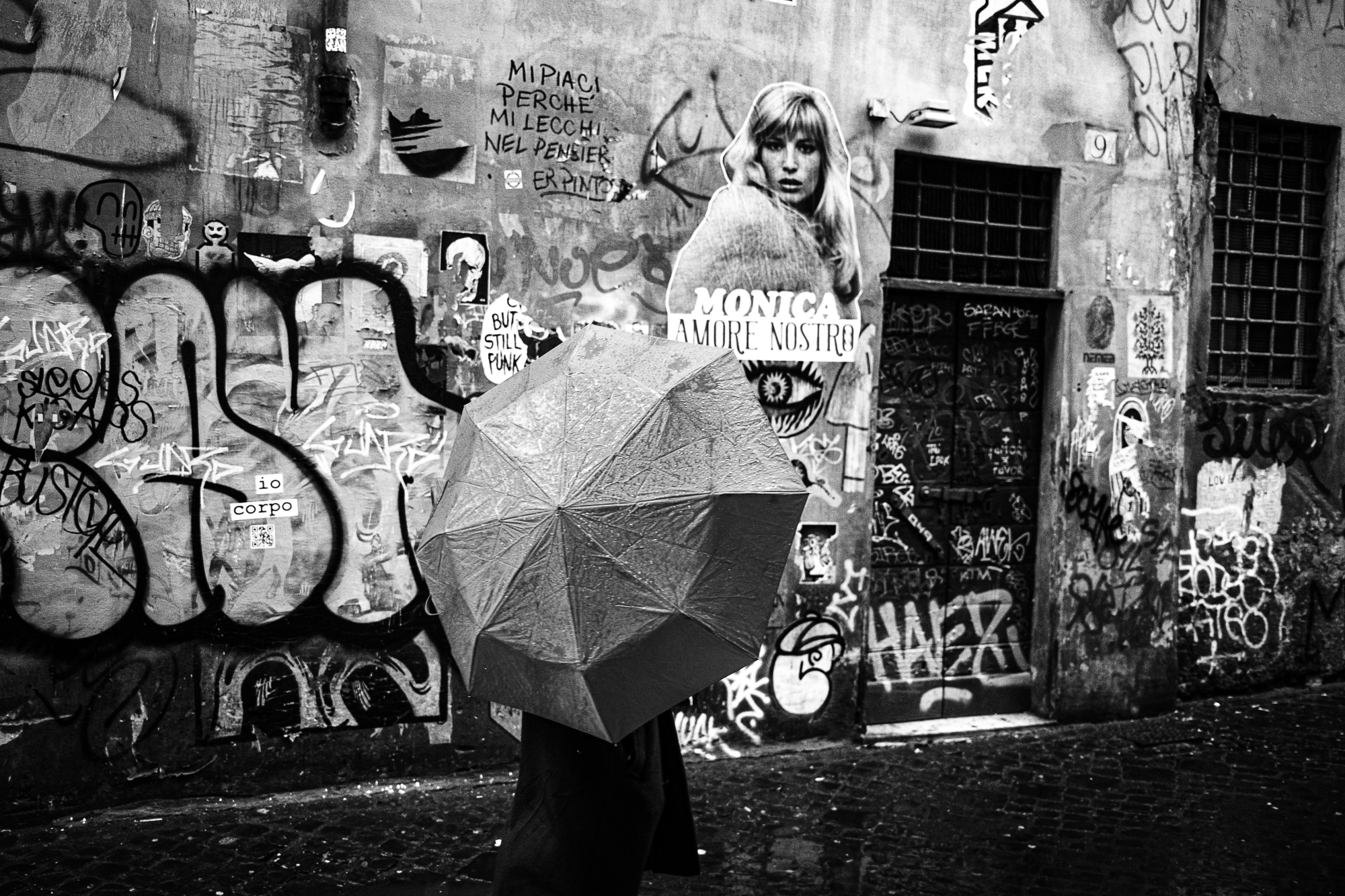
The street has always seemed to me like an immense stage where everything happens without a script: people walk, wait, cross paths, smile, and get lost in their thoughts. Over time, I understood that photography allowed me to preserve the moments that usually disappear without anyone seeing them. I do not look for great events but for small everyday gestures that contain something true: a look, a shadow, a posture, an unexpected smile. That is where my interest really began: in discovering that the ordinary world, when observed with patience, can become extraordinary.
You describe photography as “simple,” yet waiting for the right light, shadow, and smile can sometimes require immense discipline. How do you cultivate the patience and focus needed to stand on a busy street corner and just wait for the scene to unfold?
When I say that photography is simple, I do not mean that it is easy. For me, it is simple in its essence: to look, to wait, and to shoot when life gives you something. But that waiting requires discipline.
In the street, I often find the setting first: a light, a shadow, a wall, a corner, a certain geometry. Then I wait for the human element that completes the image. It may take seconds, or it may never happen. That is the hardest part: accepting that there is not always a photograph.
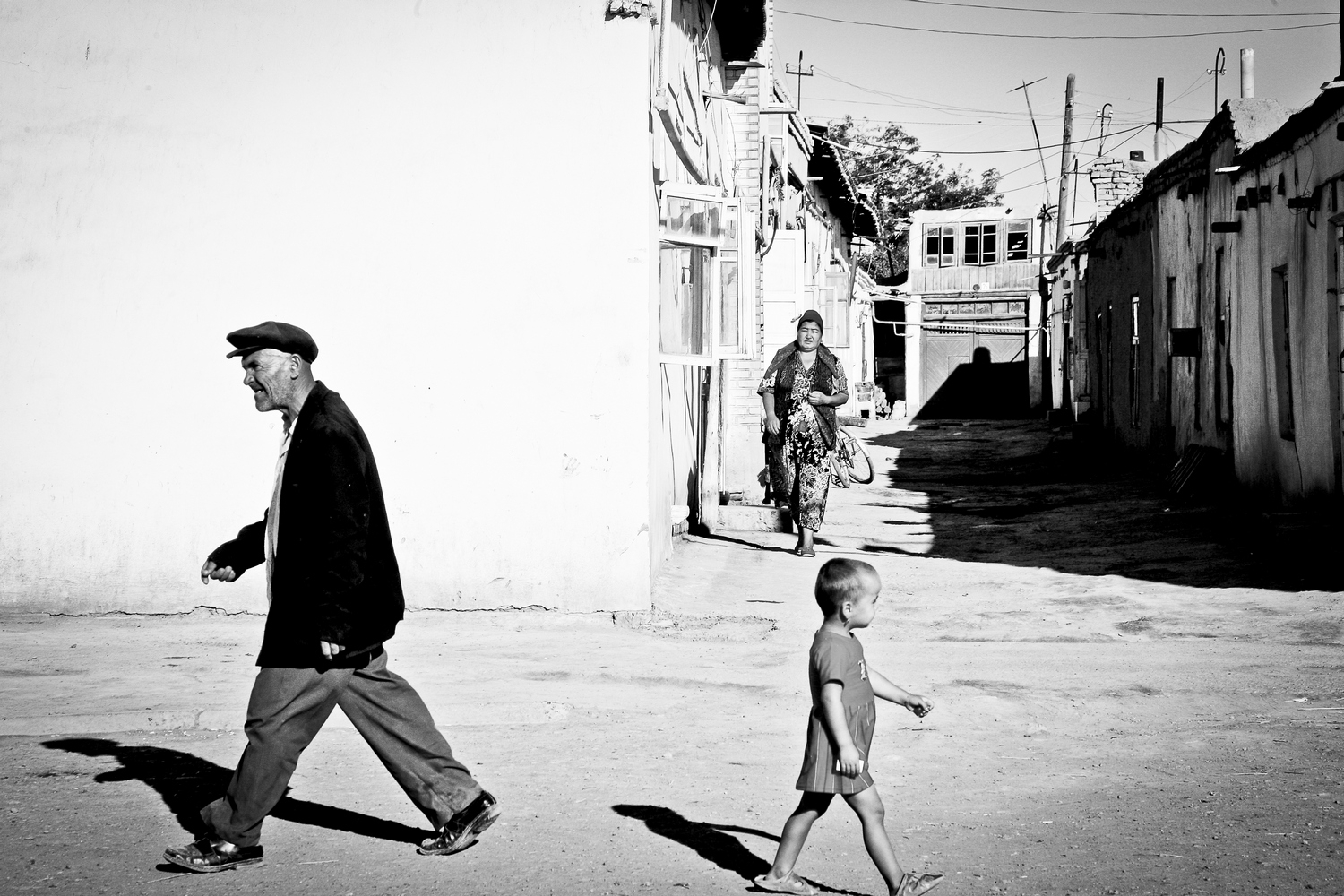
Patience is cultivated by understanding that the street owes you nothing. You cannot force a good photograph. You can only be ready when it appears. For me, waiting and remaining alert are part of the image. The photograph begins long before pressing the shutter.
On one occasion, while trying to take a photograph—only trying, because I never actually managed to take it—the individual lunged at me, snatched my camera from my hands, a Fuji X100, and threw it to the ground. Suddenly, the camera became an interchangeable-lens camera: the body on one side and the lens on the other.
The police had to intervene, and all the passers-by stood there watching as if I were committing a crime by taking photographs in the street. It was a very unpleasant situation.
You work almost exclusively in monochrome. Does working without color allow you to better “isolate and immortalize” the human core of a scene?
I have always found it very difficult to do street photography in color. I deeply admire street photographers who work in color.
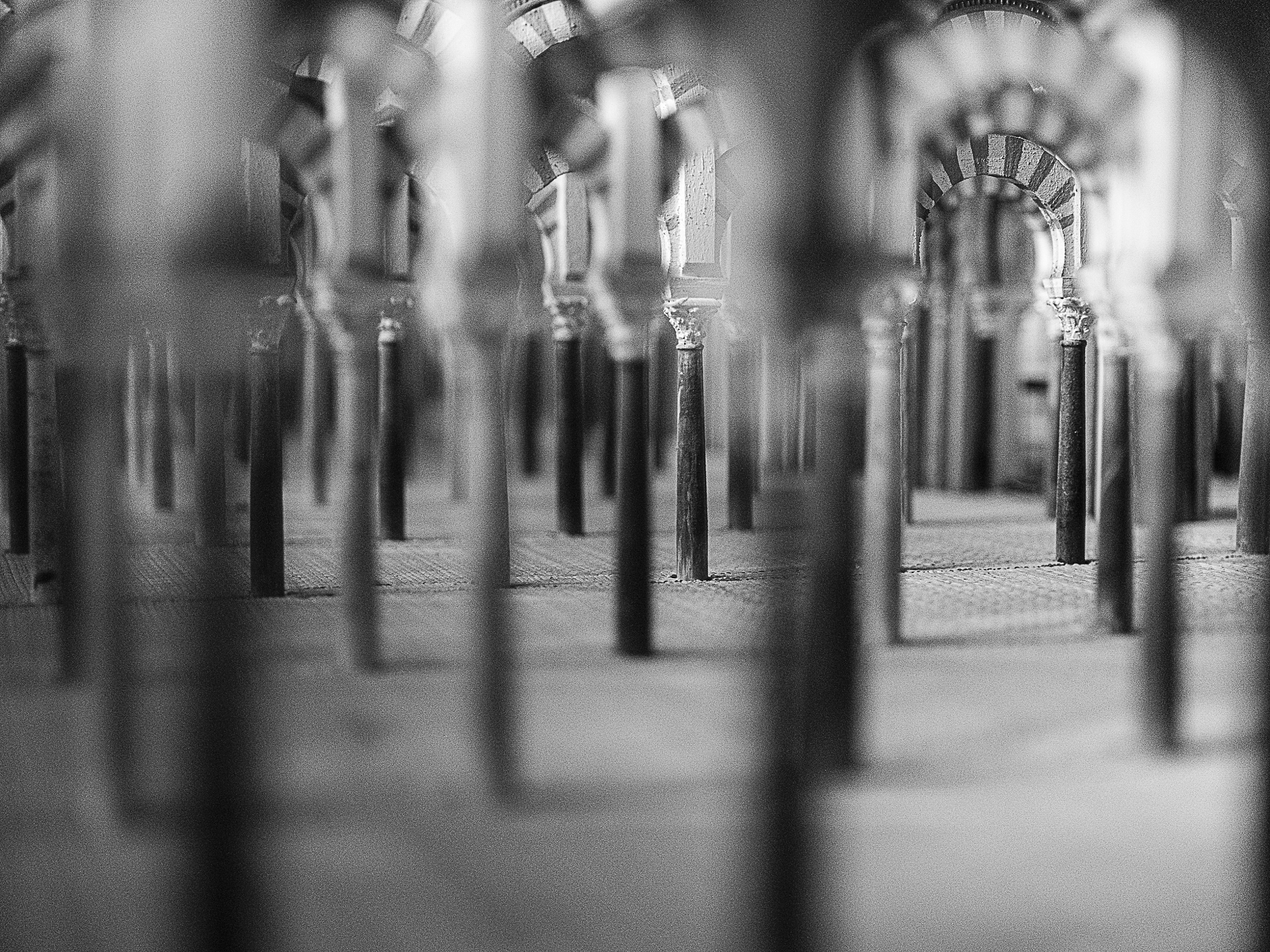
Black and white helps me remove noise. Color can be beautiful, but sometimes it distracts. When I work in black and white, I feel that the image is reduced to what is essential: light, shadow, form, gesture, and emotion.
In street photography, black and white has something timeless about it. It turns a scene into something more universal. The color of the clothes, the shop window, or the traffic light no longer matters so much; what matters is the relationship between people, the expression, the contrast, and the story one can sense.
Yes, I believe it helps me to isolate, immobilize, and immortalize the human element. Black and white does not impoverish reality; in my case, it concentrates it.
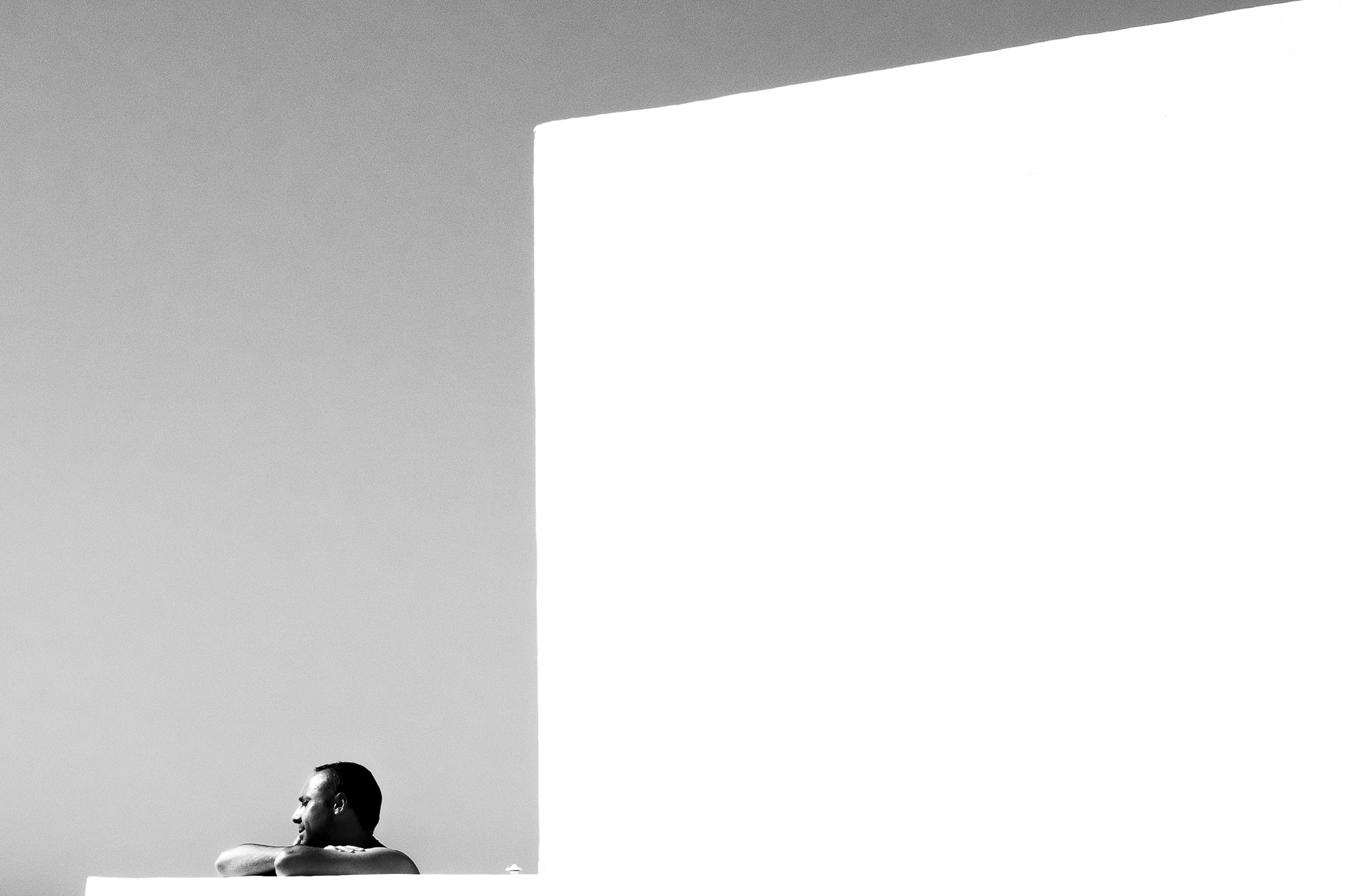
I think black and white helps me simplify the scene. And there must always, or almost always, be a human element in my photographs. Without the human element, I believe street photography loses its meaning.
When observing strangers, what are the specific visual or emotional cues that signal to you that a moment is worth your shutter click?
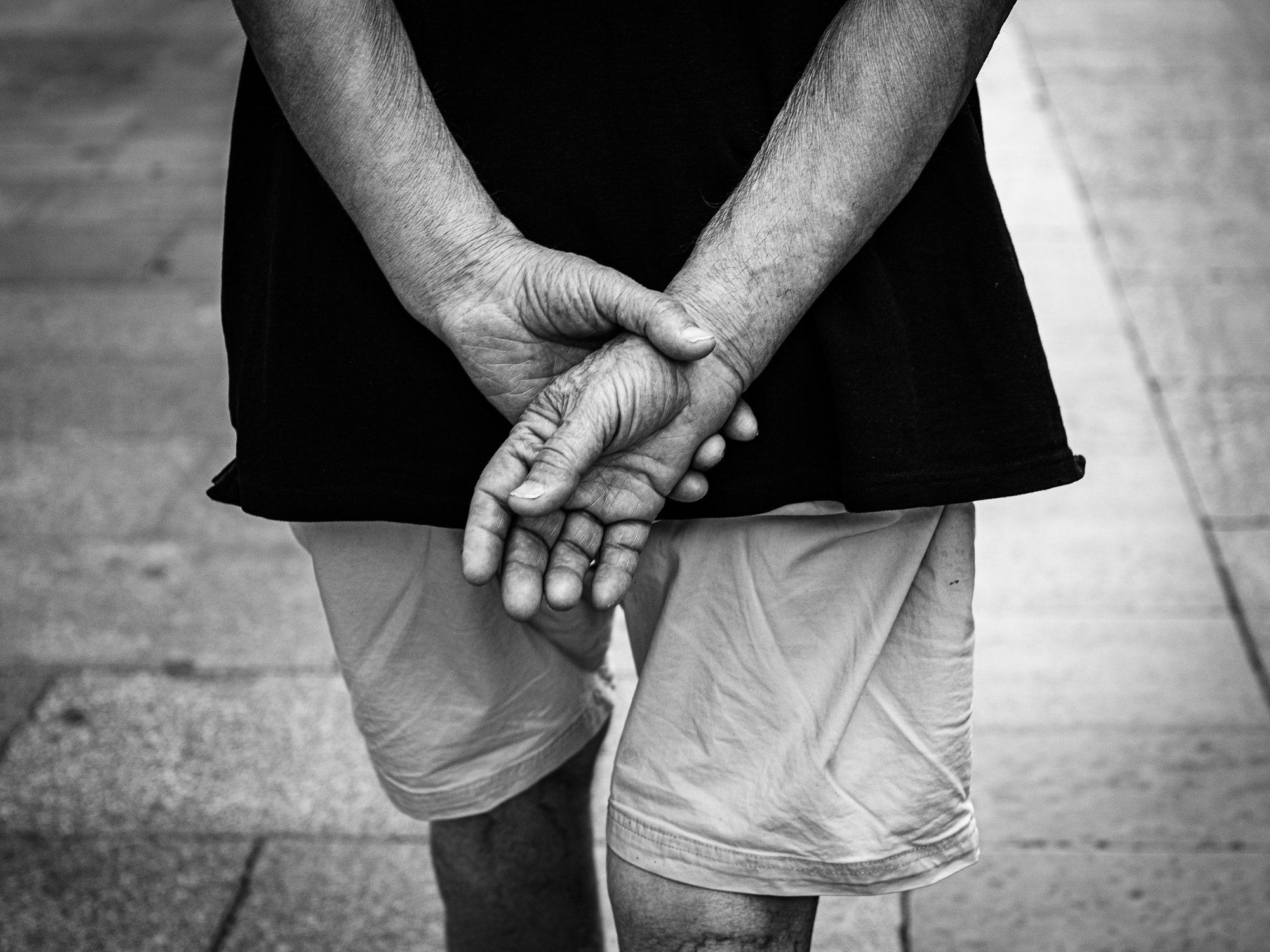
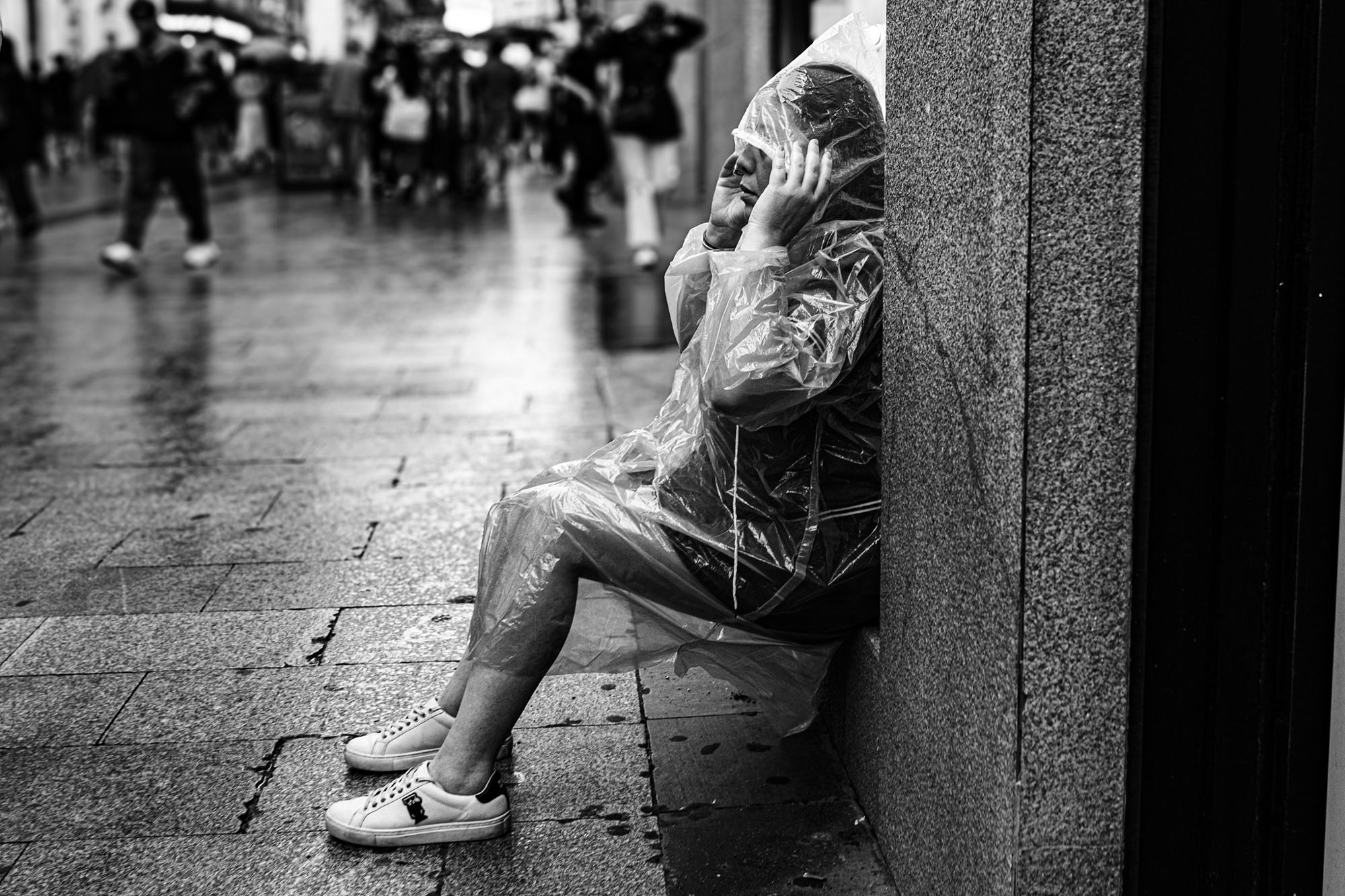
I look for small signs: a lost gaze, a smile that suddenly appears, a hand placed in a special way, a person who seems to be in their own world while everything moves around them.
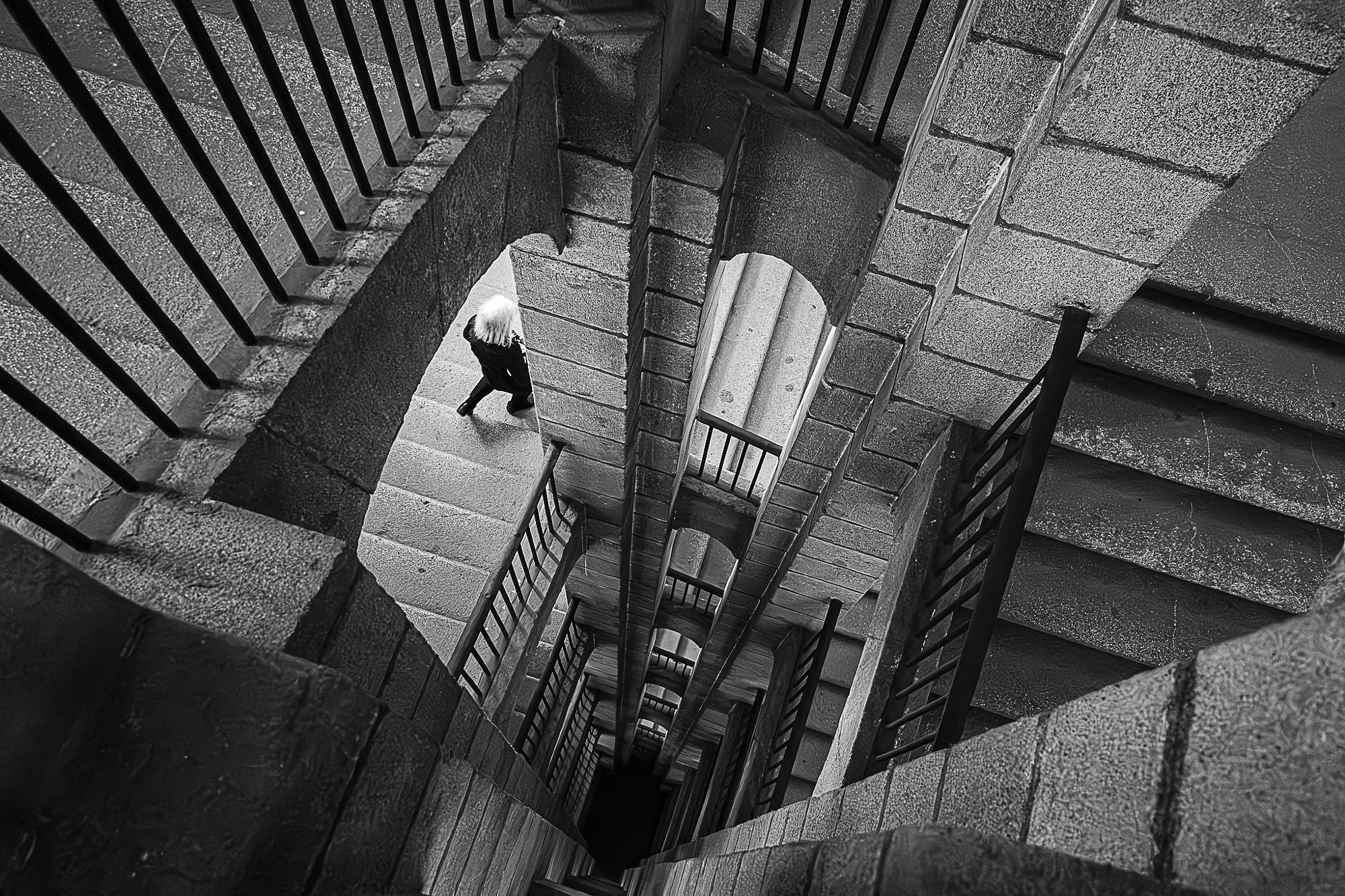
I am also very interested in the relationship between the body and space—how someone crosses a shadow, how they pause under a light, how they fit into a composition that was already waiting.
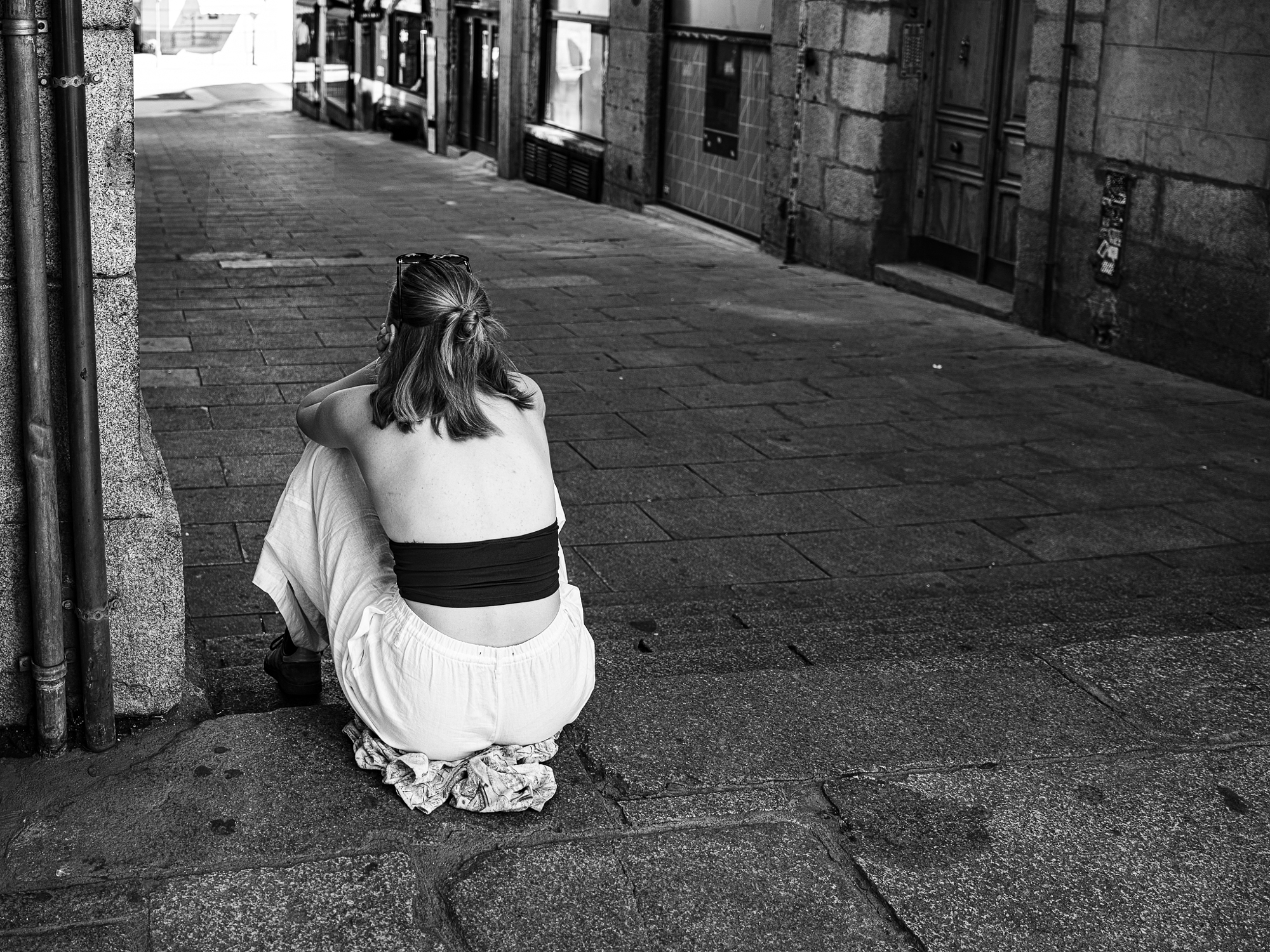
Emotionally, I am drawn to ambiguous moments. Not necessarily obvious happiness or clear sadness, but those intermediate gestures that allow the viewer to imagine. I like a photograph not to explain everything. I like to leave a door open.
While many photographers are caught up in the latest gear and complex editing, you prioritize simplicity. How do you keep your focus on the narrative rather than the equipment?
Equipment is important up to a point, but it cannot replace the eye. An expensive camera does not see for you. It may give you technical quality, speed, or comfort, but photography is born before that: in the way you observe.
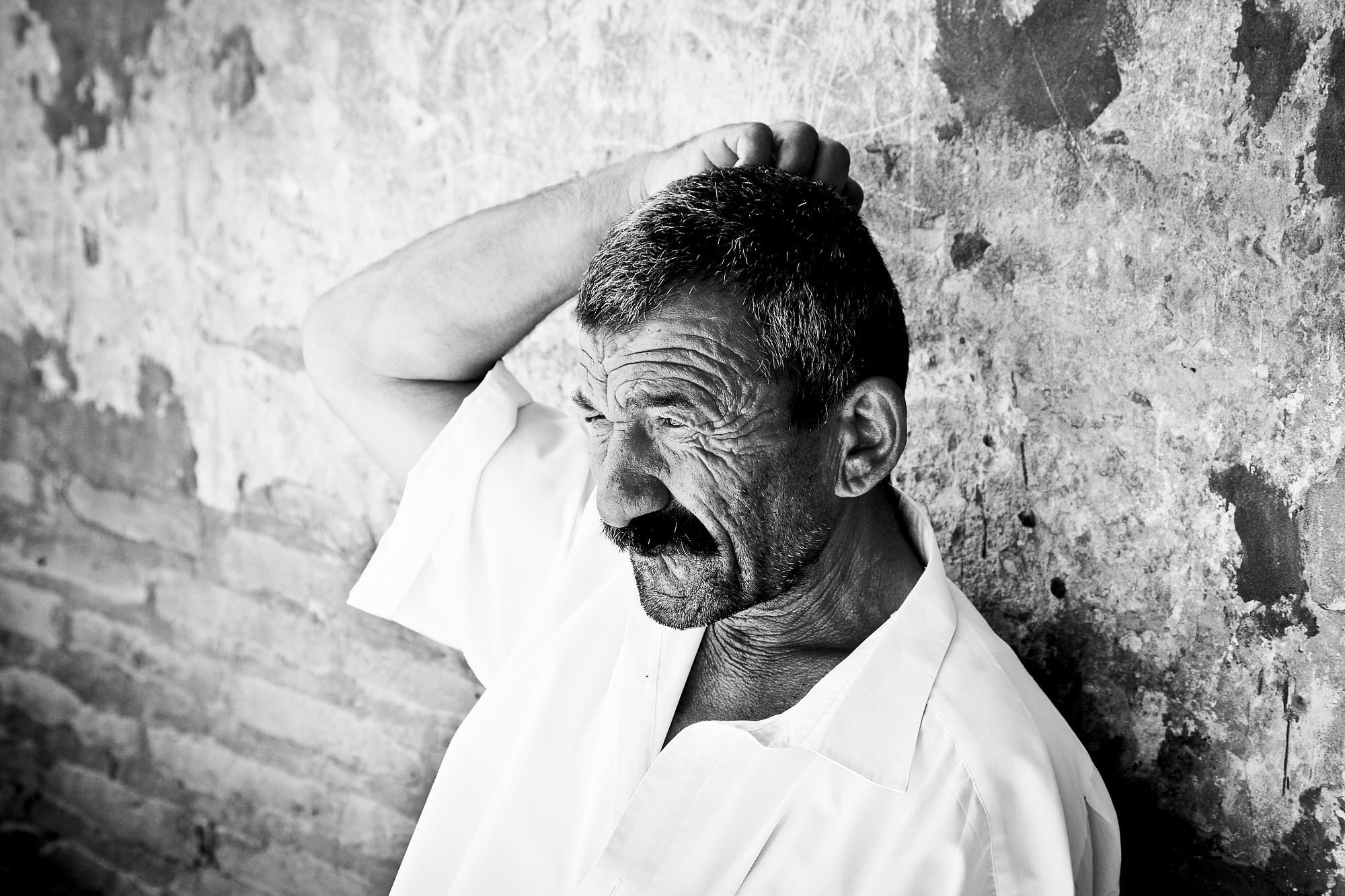
I try to use tools that do not come between the street and me. The simpler the equipment, the freer I feel. I do not want to be thinking about menus, lenses, or settings when something unrepeatable is happening in front of me.
For me, the question is not, “What camera was this photograph taken with?” But “What is this image telling me?” If a photograph moves you, makes you think, or stops the viewer for a few seconds, then the tool has already fulfilled its purpose.
For those who are interested in knowing what equipment I use, I would say that I almost always carry a Fuji X100VI. My preferred focal lengths are 35mm and 50mm.
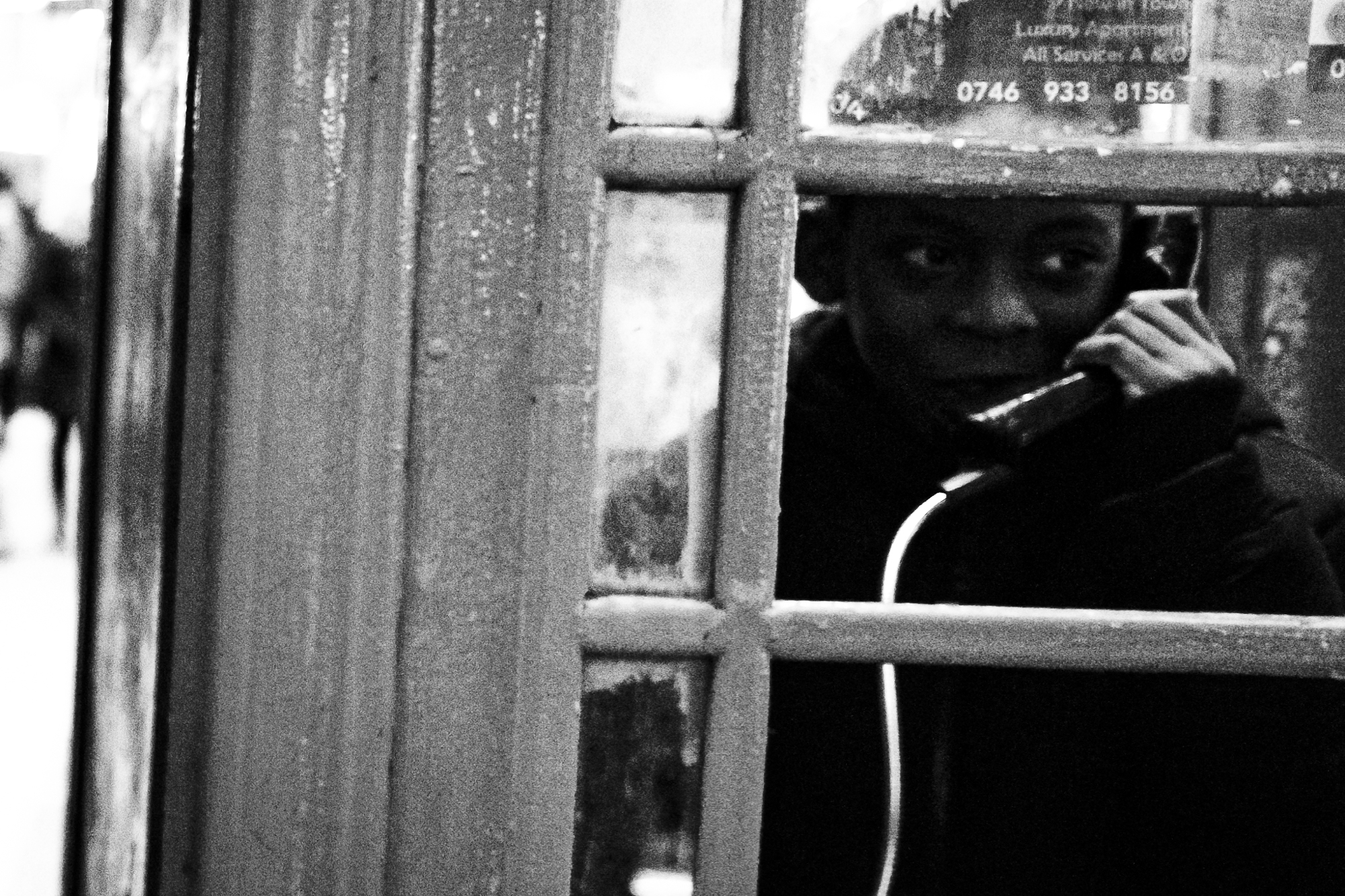
Viewing photography as a way to connect with and share knowledge with others, what is the primary truth or lesson about society that you hope people take away when they look at your street portraits?
I believe street photography reminds us that we are all part of the same scene. Even though we live quickly, even though we pass by one another without looking, there is a shared humanity in the simplest gestures.
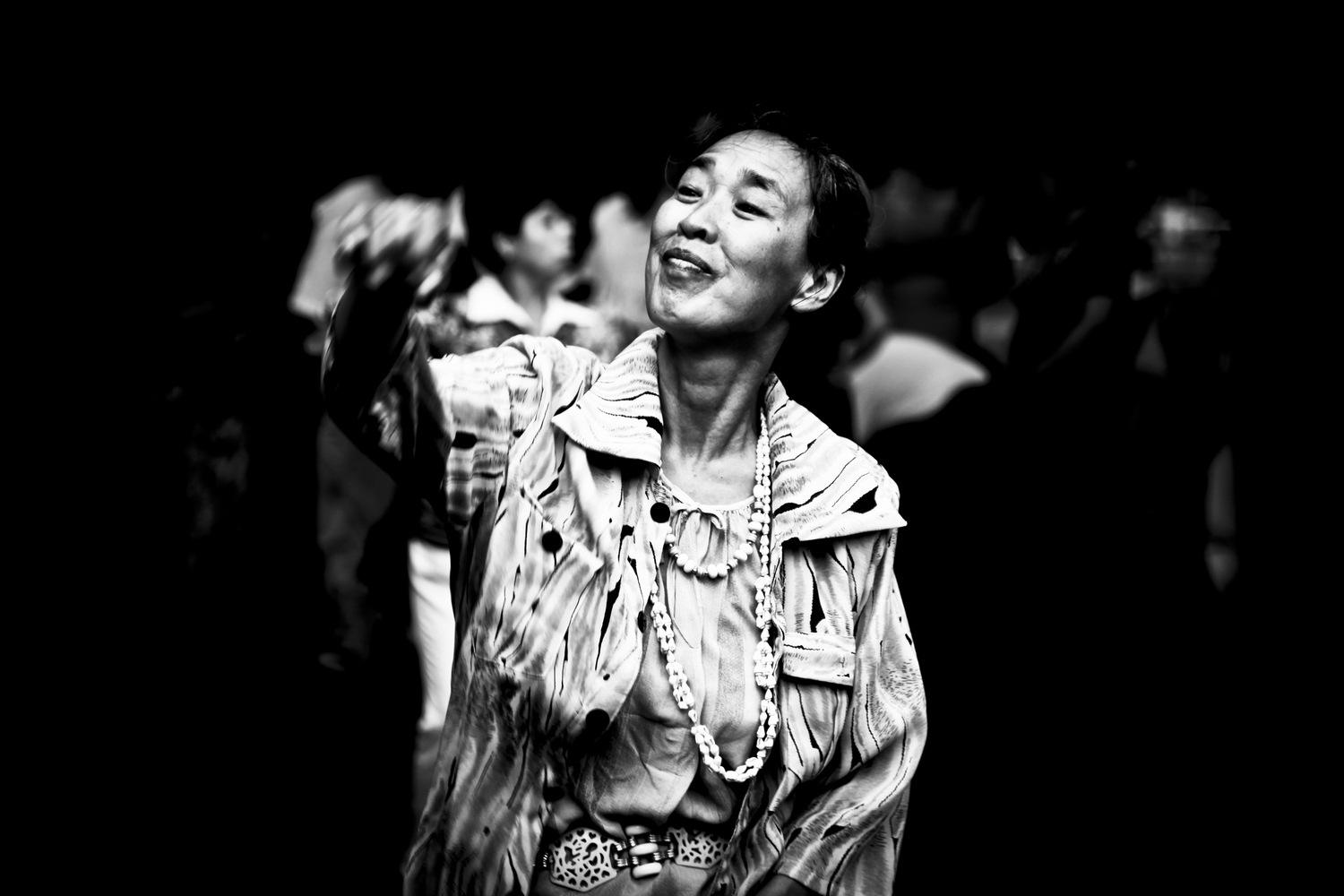
I would like people who look at my photographs to feel that everyday life has value. That the anonymous people in my photos also have a story. That a street, a crossing, or a corner can contain beauty, loneliness, humor, tenderness, or mystery.
Society is full of invisible moments. Photography serves to rescue them and say, “This mattered too.”
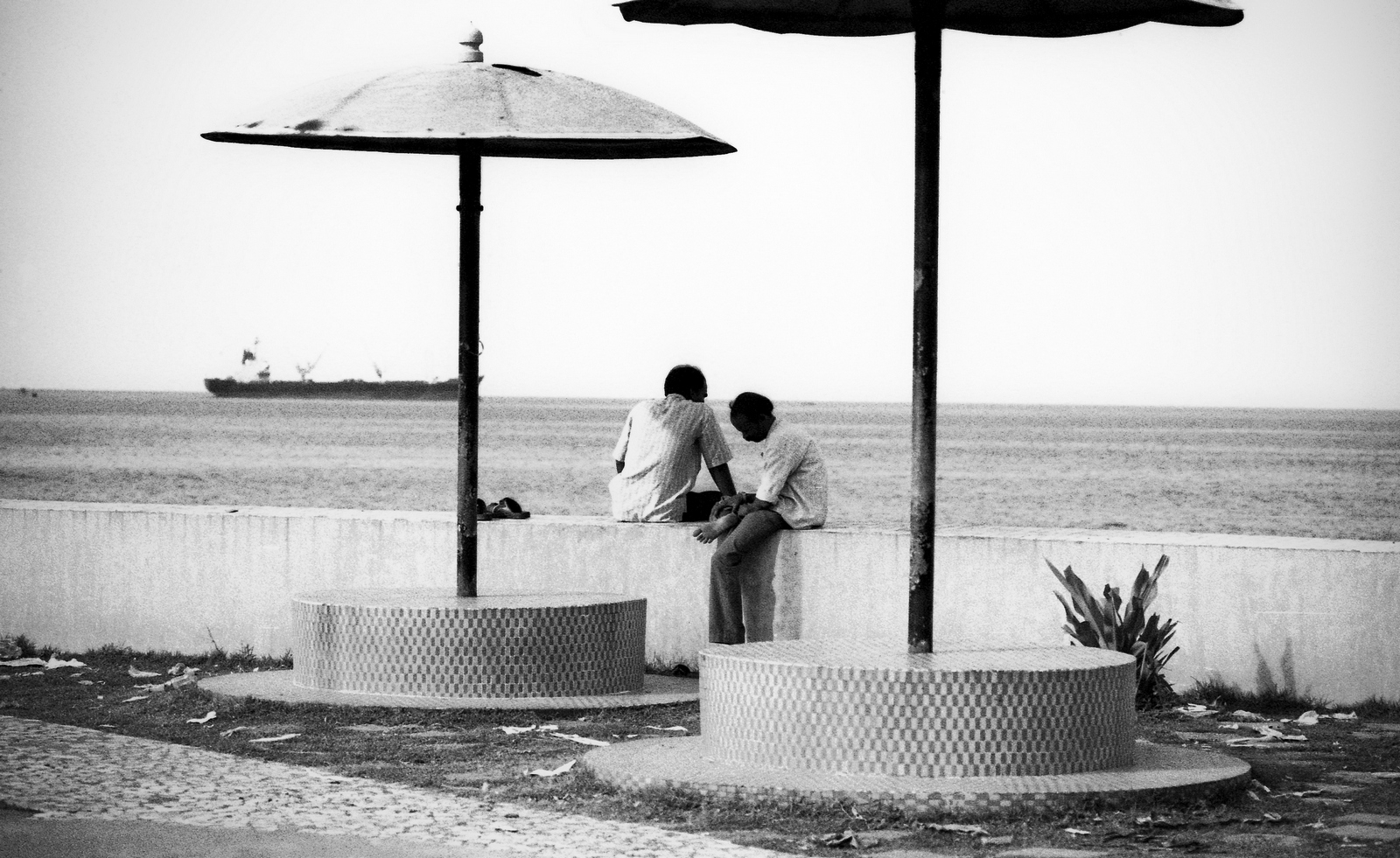
If I had to sum it up in one idea, I would say that society is full of invisible moments. Photography serves to rescue them and say, “This mattered too.”
Reflecting on your portfolio, is there one image that perfectly captures your philosophy of the “right shadow and the right smile”?
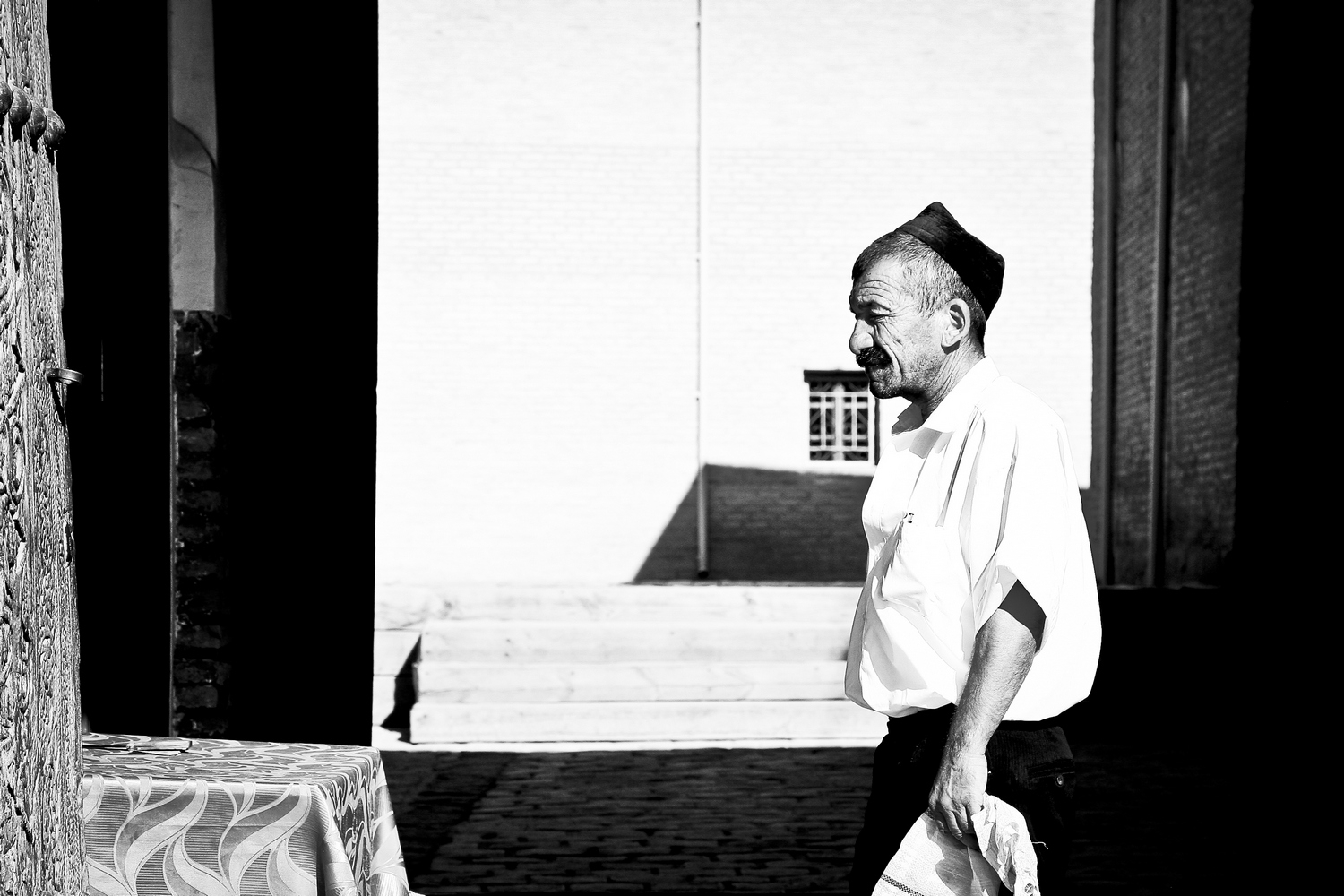
There is one photograph that, for me, sums up quite well the way I understand the street: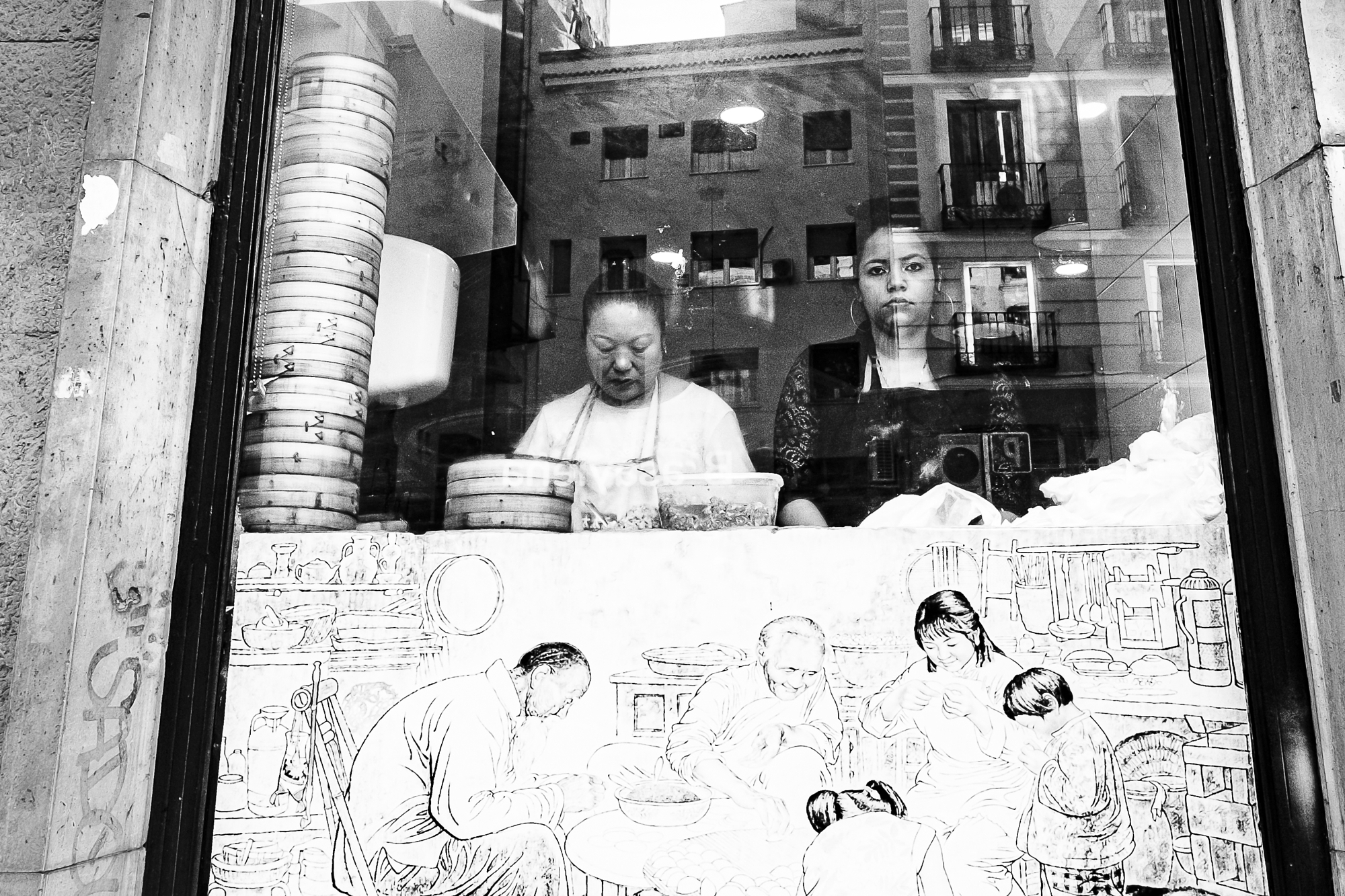 It was a simple scene: a sharply lit area, a deep shadow, and a person who appeared at the exact right moment with an expression that changed everything.
I had been waiting for a while. The composition was there, but it lacked life. People passed by, but nothing quite fell into place. Suddenly, that person appeared, crossed the light, smiled for just an instant, and everything became orderly. The shadow, the gesture, and the space came together.
I like that photo because it was not aggressively searched for. It was a reward for waiting. For me, it represents exactly that: photography as an encounter between patience and chance.
To me, the look on this woman’s face suggests that maybe this wasn’t the future she had hoped for. Making gyozas for ten hours a day wasn’t what she expected for herself; it wasn’t the promised future.
We have a question from a previous featured photographer, Filip Chmielecki, who asked, “How important is photo post-production in your work? Do you think it’s just a way to enhance what’s in the photo, or is it part of your style?”
For me, post-production is not extremely important, but it must serve the photograph, not dominate it. I do not understand it as a way of inventing another image, but as a way of better revealing and elevating what was already there.
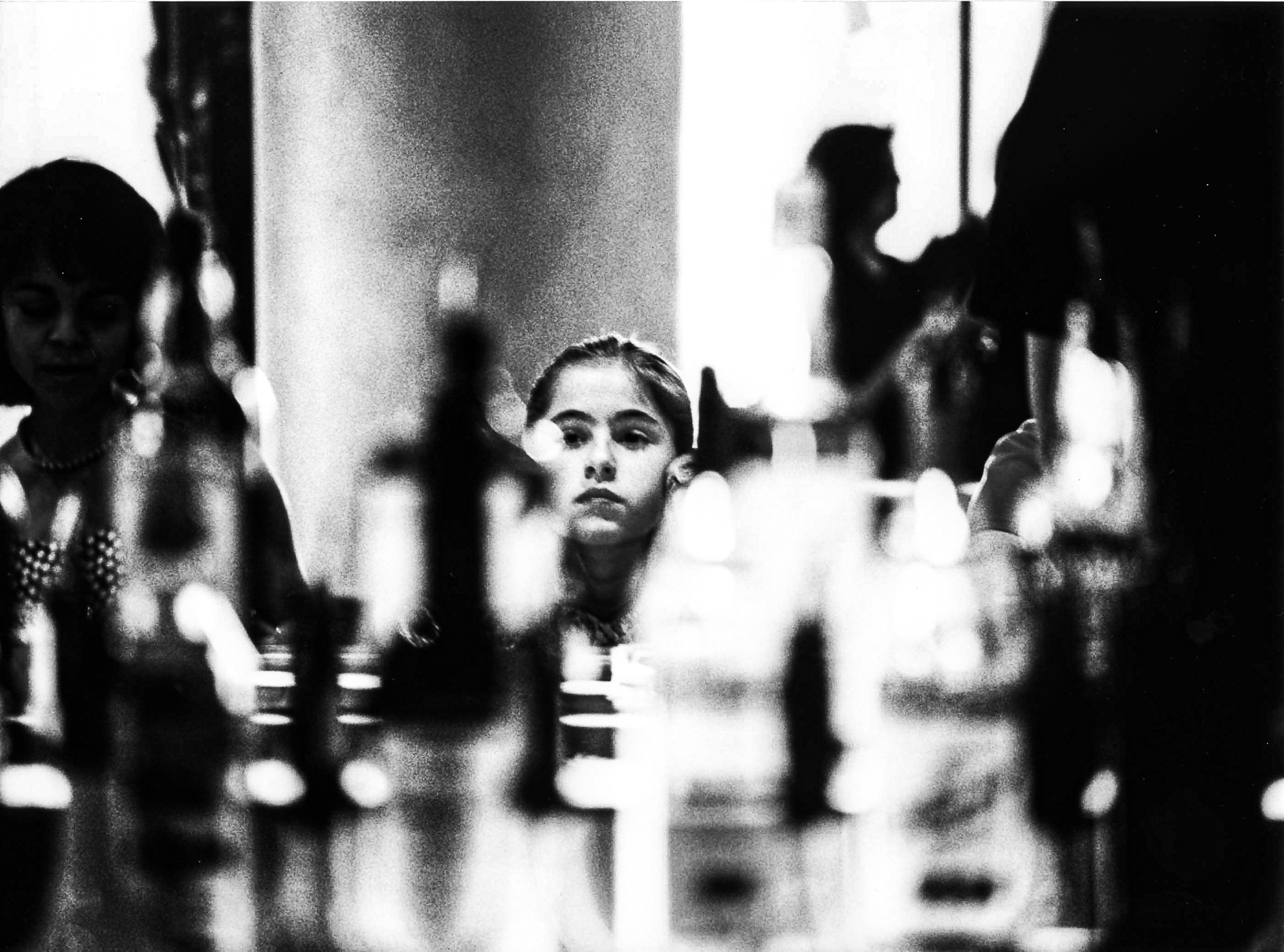
I work on contrast, light, shadows, and the framing if necessary, but I try not to lose the honesty of the moment. In black and white, editing is part of the language because it helps guide the eye and reinforce the atmosphere.
I would say that post-production is part of my style, but in a restrained way. I do not want the editing to be noticeable. I want the scene to be felt.
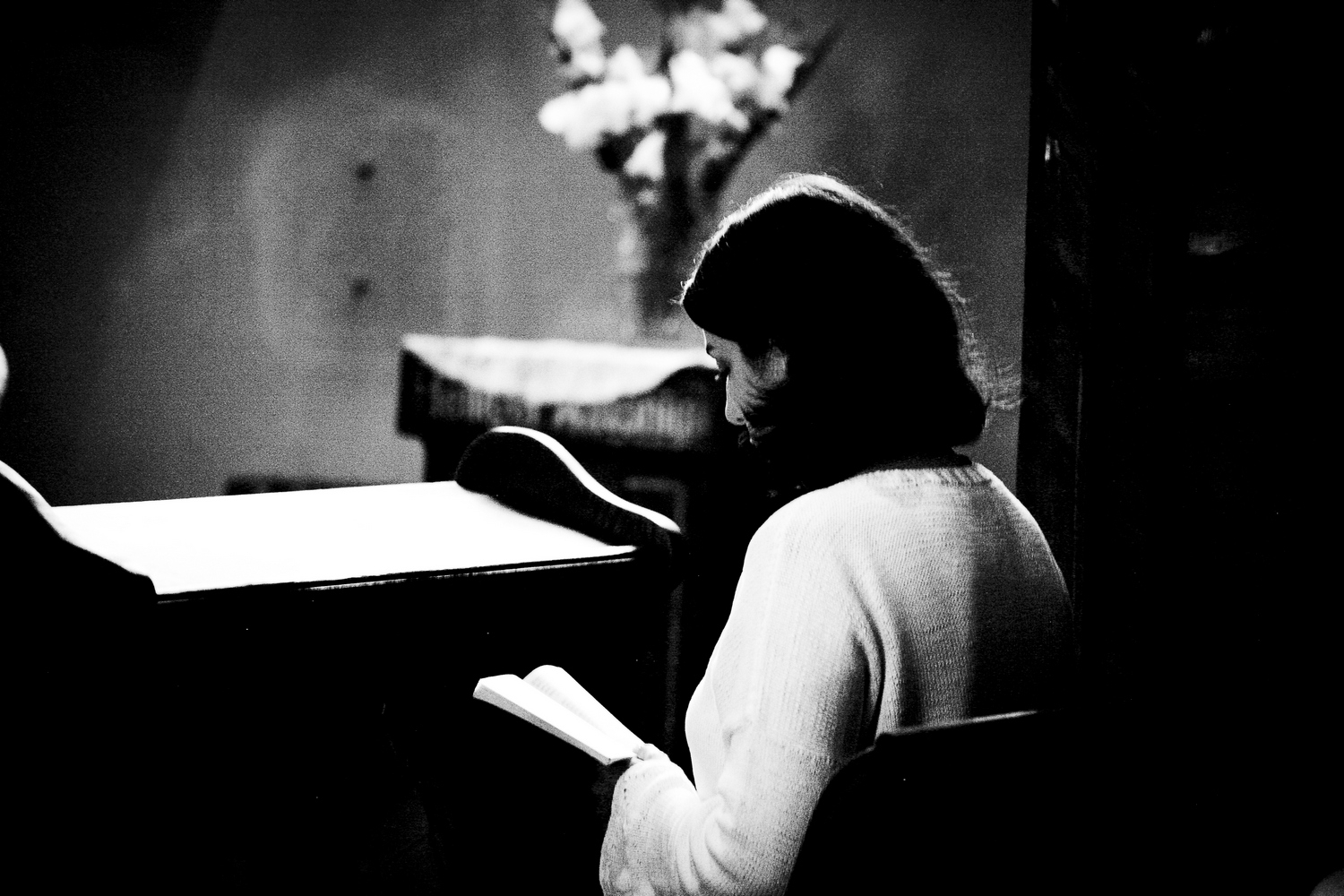
To wrap up, are there any upcoming projects, exhibitions, or new series you’re currently working on that we should look out for?
I am currently still working on a personal series connected to the street, light, and human behavior in urban spaces. I am especially interested in how people inhabit the city without being fully aware of the visual beauty they generate.
I would also like to continue developing projects where black and white allow me to build a more timeless view of everyday life. Not so much to document a specific city, but to capture emotions that could belong anywhere.
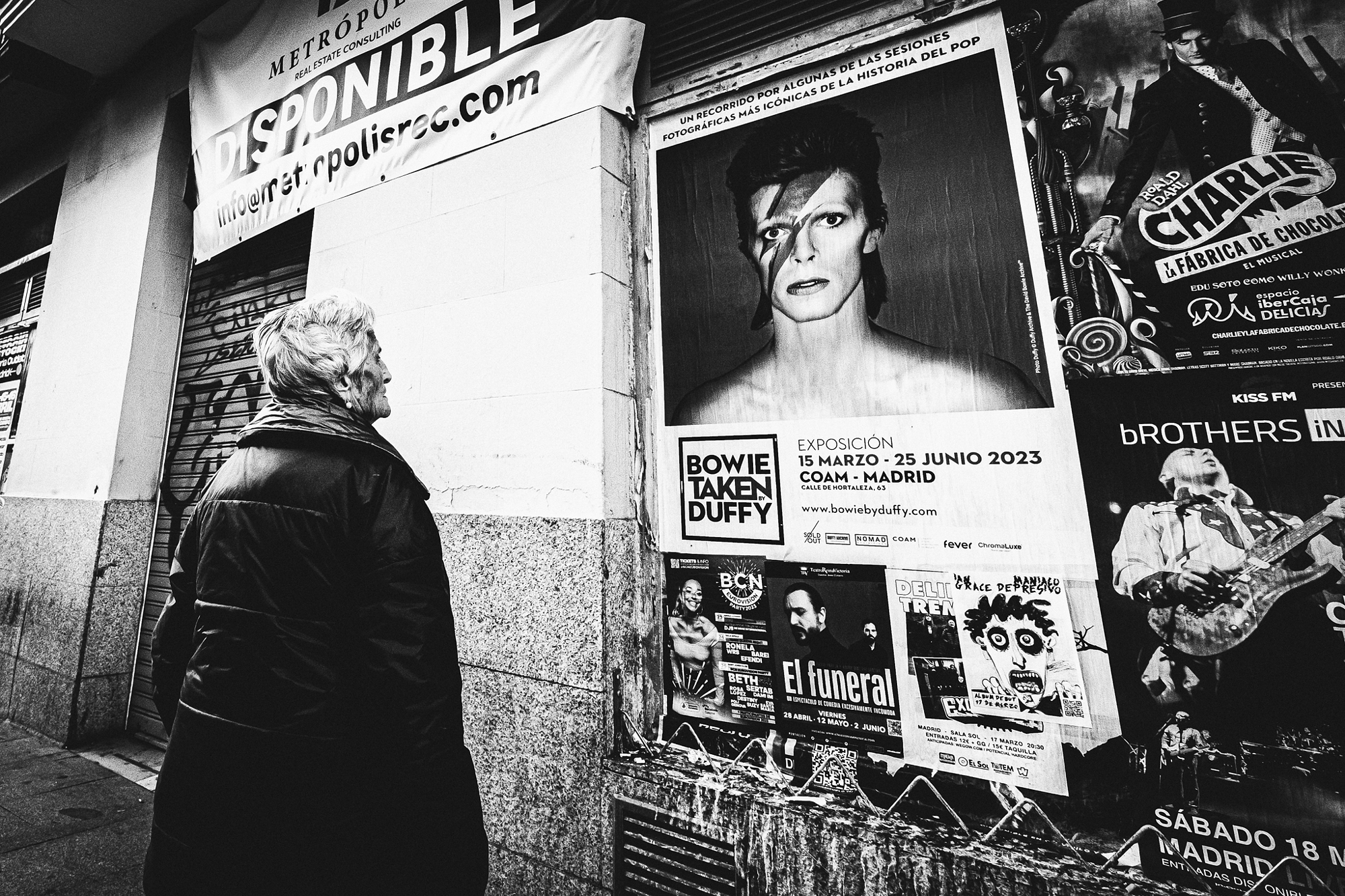
My intention is to keep walking, observing, and allowing the street to surprise me. Many times, the best projects are born that way: not from a closed idea, but from a repetition of glances that gradually reveal a common thread.
A photograph that expresses timelessness is one of the most complete kinds of photographs one can make.
A photograph that expresses timelessness seems to me to be one of the most complete kinds of photographs one can make.