Andrew Shenouda trained as an architect before he ever picked up a camera professionally, and it shows in every frame. Born in Cairo in 1988, he now shoots architectural photography for practices most people only know from magazine credits. Gerber Architekten. Bollinger + Grohmann. John Robertson Architects. His portfolio also covers buildings designed by MVRDV, Zaha Hadid Architects, Snohetta, Archea Associati, and 51N4E.
He has won the Architecture MasterPrize three times in two years. He has also picked up an honorable mention at the PX3 Prix de la Photographie. His images have run everywhere from ArchDaily to Wikipedia.
We spoke with Andrew about photographing other people’s buildings. We talked about documenting cities that are still under construction, and about what the ancient stuff still teaches him.
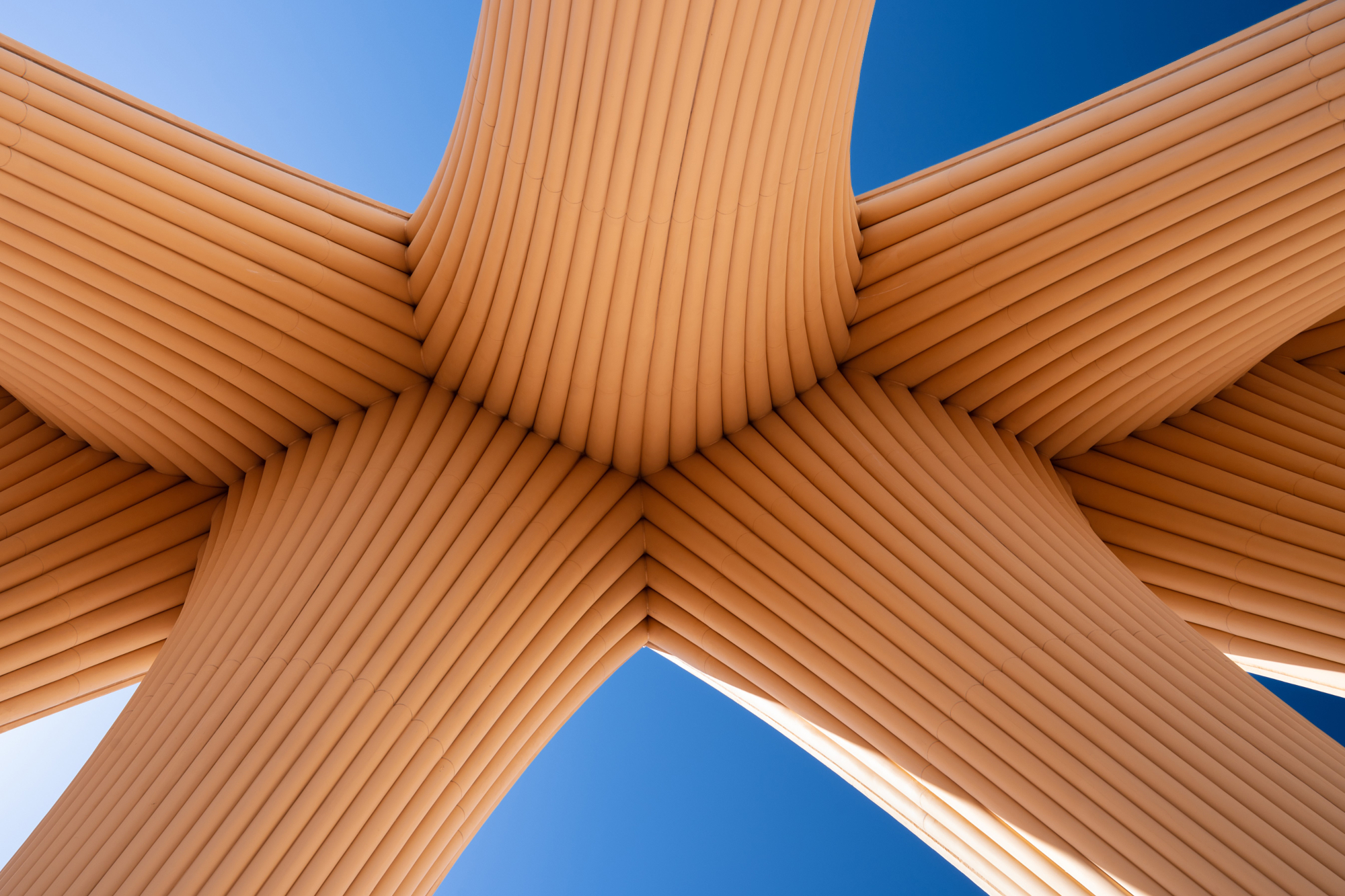
From Architecture School to Architectural Photography
Andrew, take us back to the start. You studied architecture at the Arab Academy in Cairo, then taught yourself photography. At some point the camera clearly won. When did you realize you would rather photograph buildings than design them?
I wouldn’t say the camera replaced architecture. In many ways, architecture became the foundation of my photography.
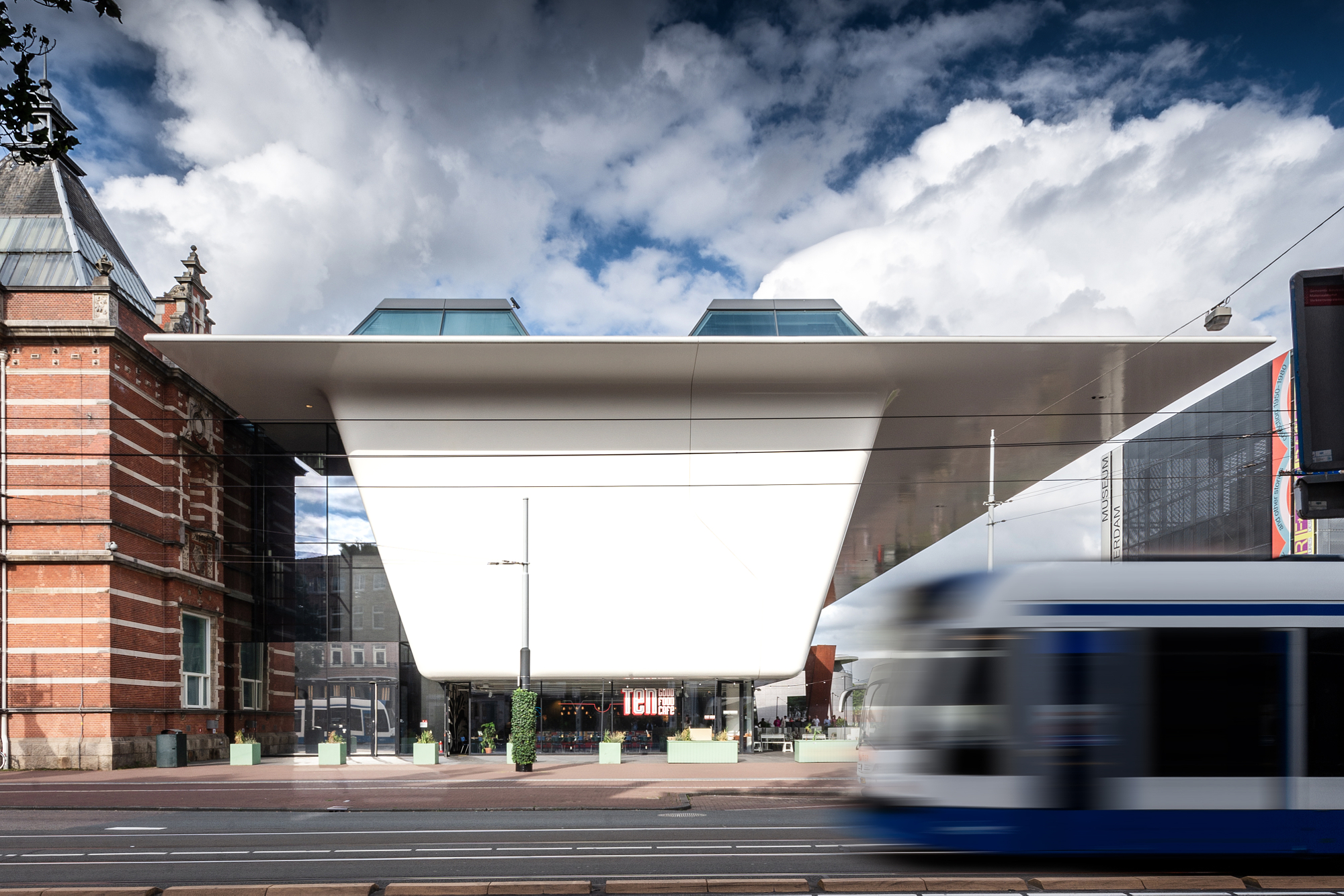
From the very beginning of my studies, we were taught the visual principles of architecture. Perspective. Light and shadow. Drawings that show a project in 2D. We also studied architectural history and theory, and that exposed me to a wide range of architectural photography on platforms like 500px.
Photography gradually became another form of visual study for me. It led me to explore different techniques and different ways of interpreting architecture through the camera.
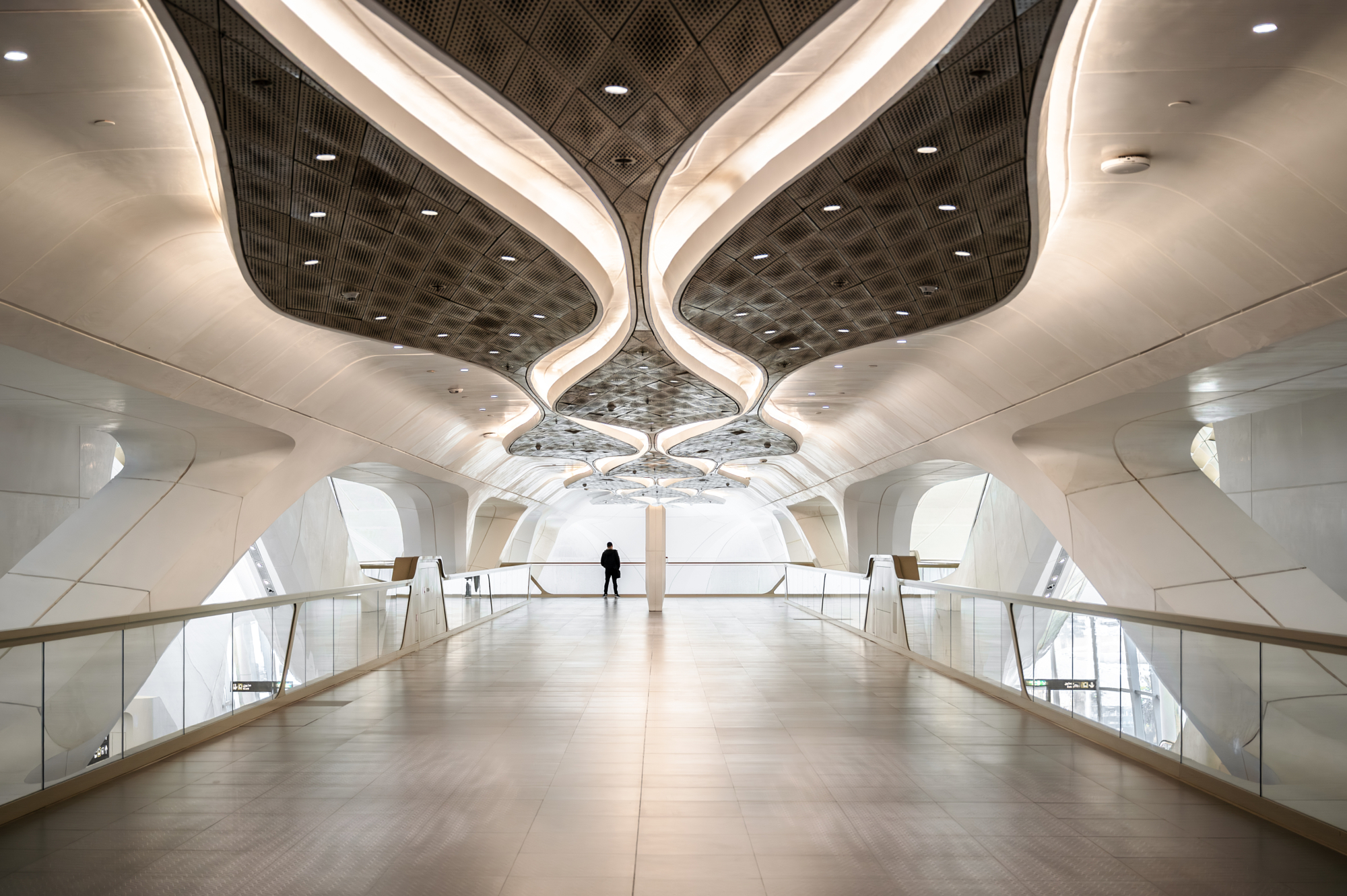
Reading a Building the Way Its Architect Did
Being an architect who photographs architecture is a real advantage and possibly a curse. You can read a building the way its designer read it. That means you can also see where it did not quite come off. How much of your job is showing the design as intended?
I would never call it a curse. I’d call it a challenge.
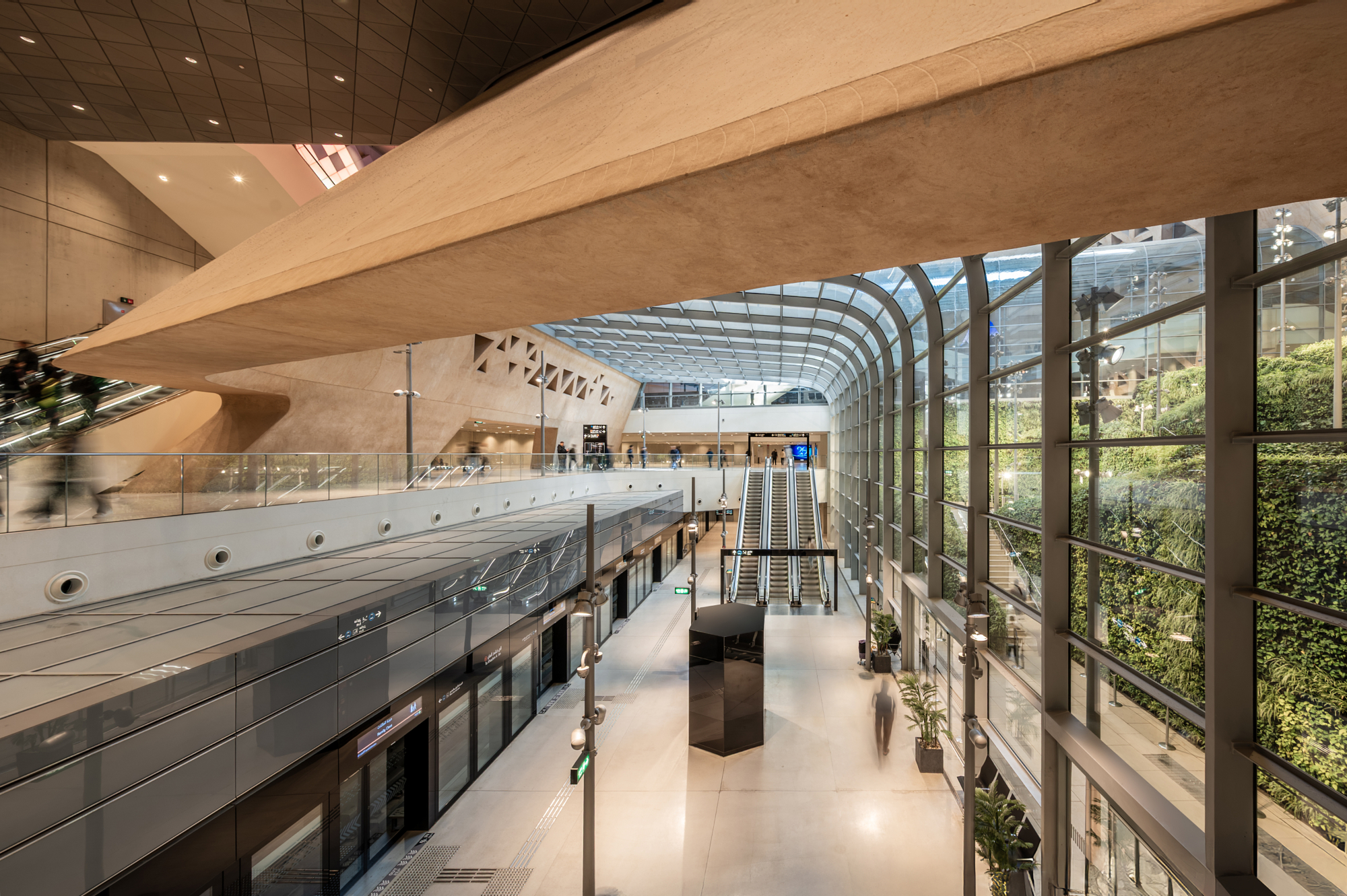
My approach is to read and analyze a project by understanding its design intent. That means looking at its forms, its spatial experience, its materials and its design features. Even when the built result differs from the drawings or renders, the core design idea is usually still there.
Shooting for Three Clients on One Job
On a single project, the architect, the developer, and the contractor all want a different picture of the same building. One wants the idea. Another wants the asset. A third wants the workmanship. How do you satisfy all three in one shoot, and who wins when you cannot?
It depends on the relationship and agreement between the different parties involved in the project.
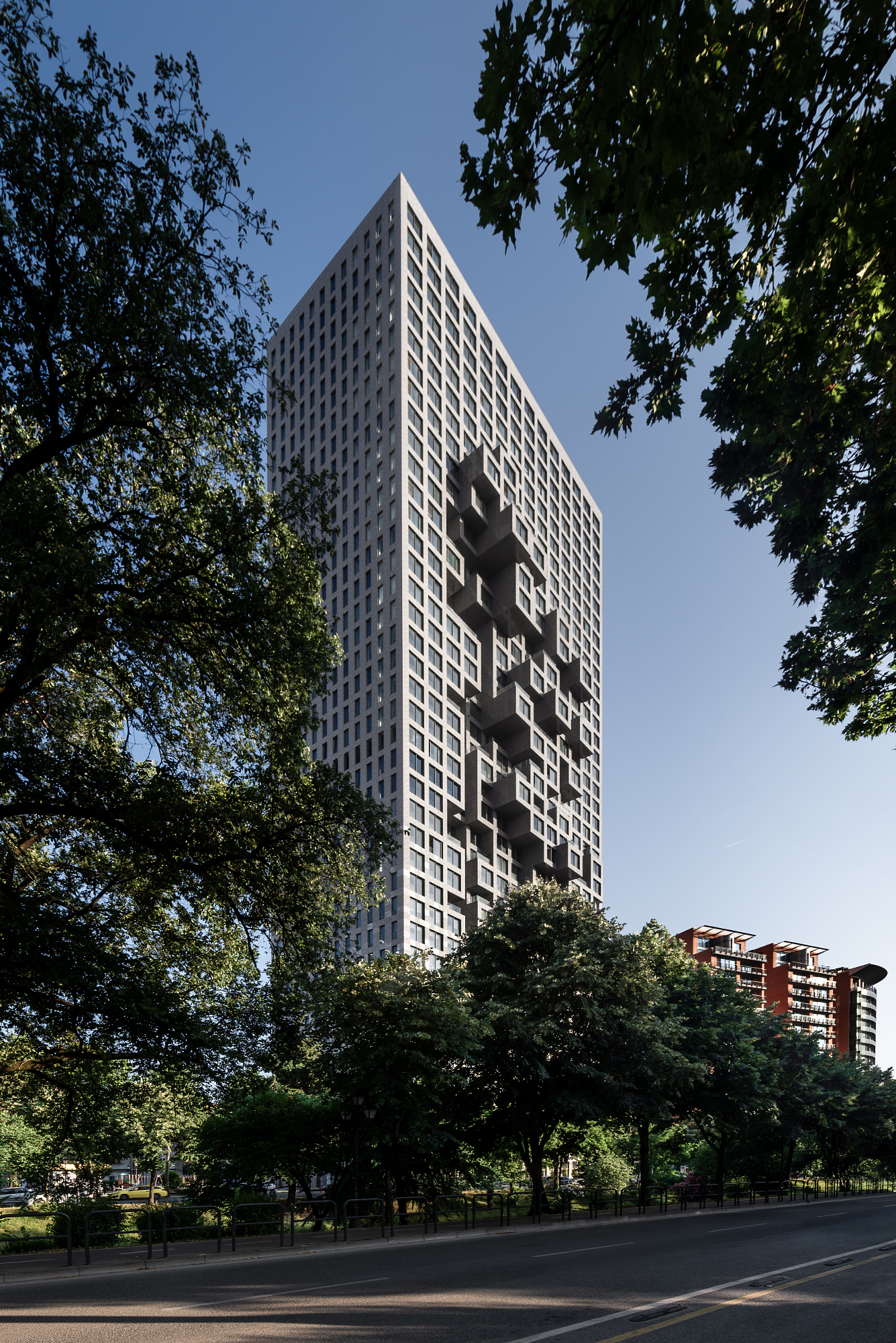
In many cases, the architect, developer, and contractor will each use the final photographs differently. So the most important thing is understanding what each one needs from the shoot. There is usually a lot of overlap between those needs. But I still try to build enough variety into the final set to cover everyone.
What the Awards Are Actually Judging
You have won the Architecture MasterPrize three times since 2024 and taken an honorable mention at PX3. Competition work and client work are not the same animal. Do the award images come out of commissions? Or do you shoot differently when nobody is paying you?
It varies. Award images don’t necessarily come from commissioned work, and I don’t really shoot differently without a client.
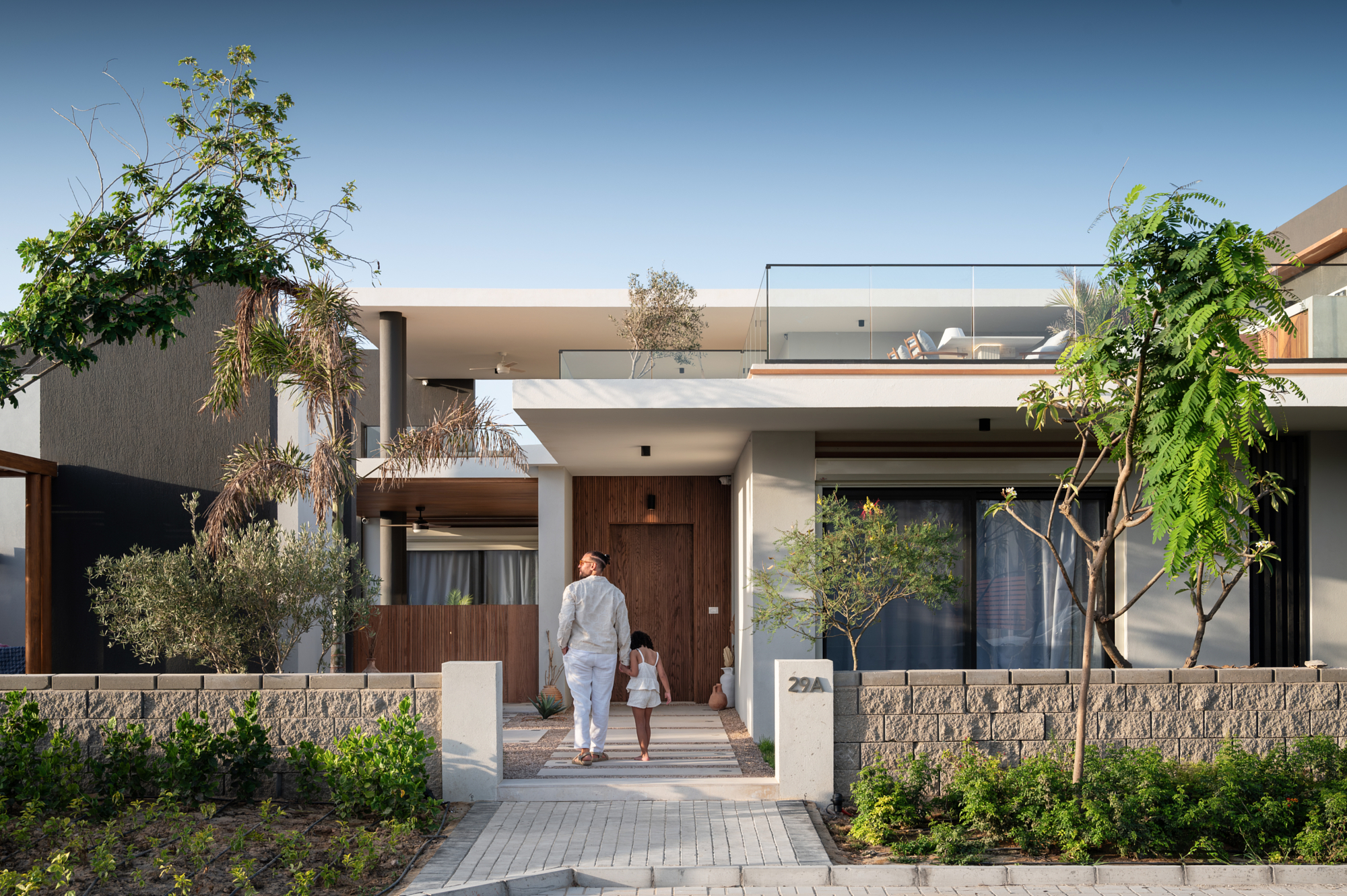
I simply respond to what catches my eye in the architecture, whether that’s a form, a detail, a spatial relationship, or a quality of light.
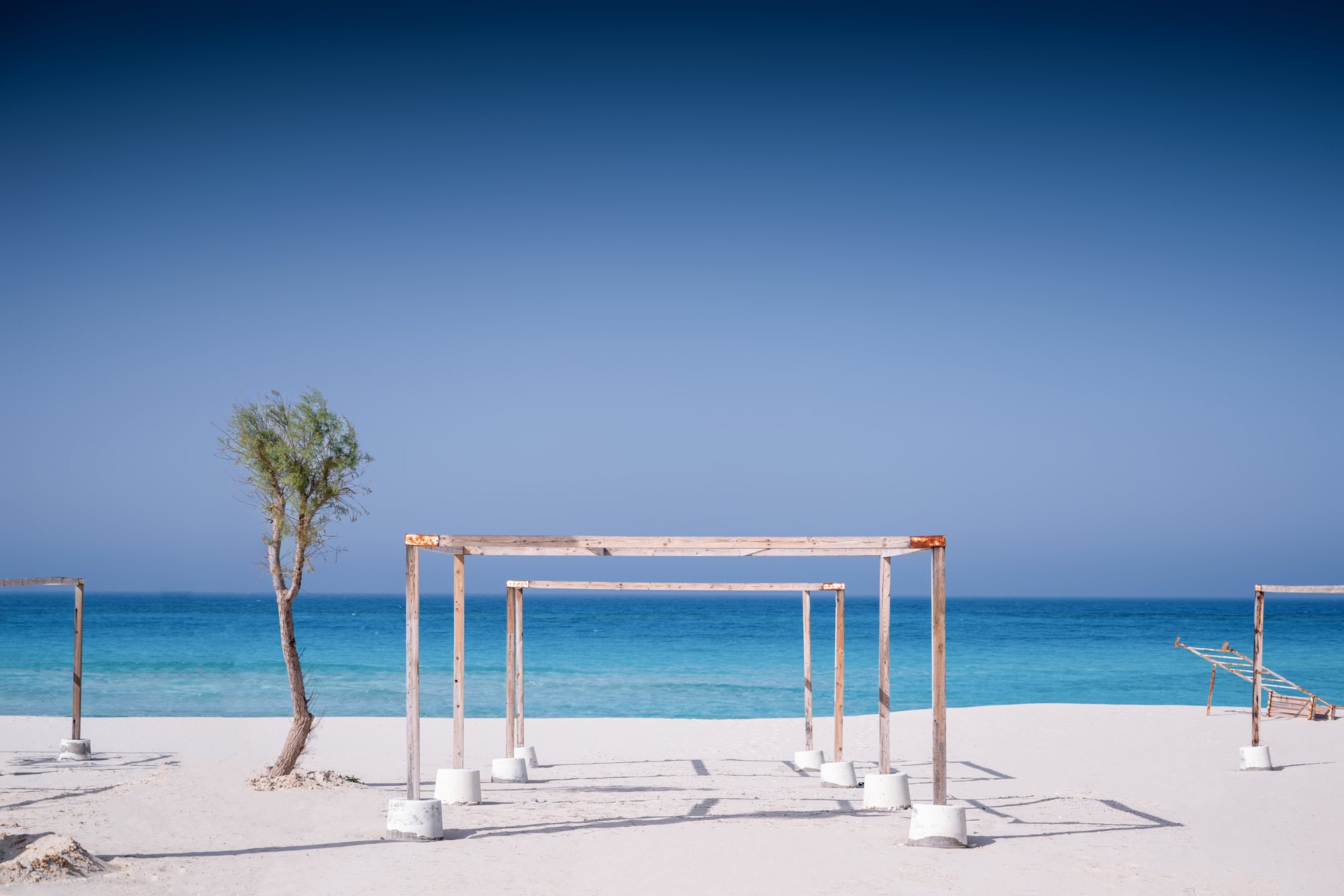
Photographing Cities That Don’t Exist Yet
A lot of your portfolio is cities in the middle of becoming themselves. New Alamein rising out of the desert. King Abdullah Road. Downtown Tirana. Photographing a place before it is finished is closer to reportage than to advertising. What is it like documenting somewhere that does not properly exist yet?
Each place is different.
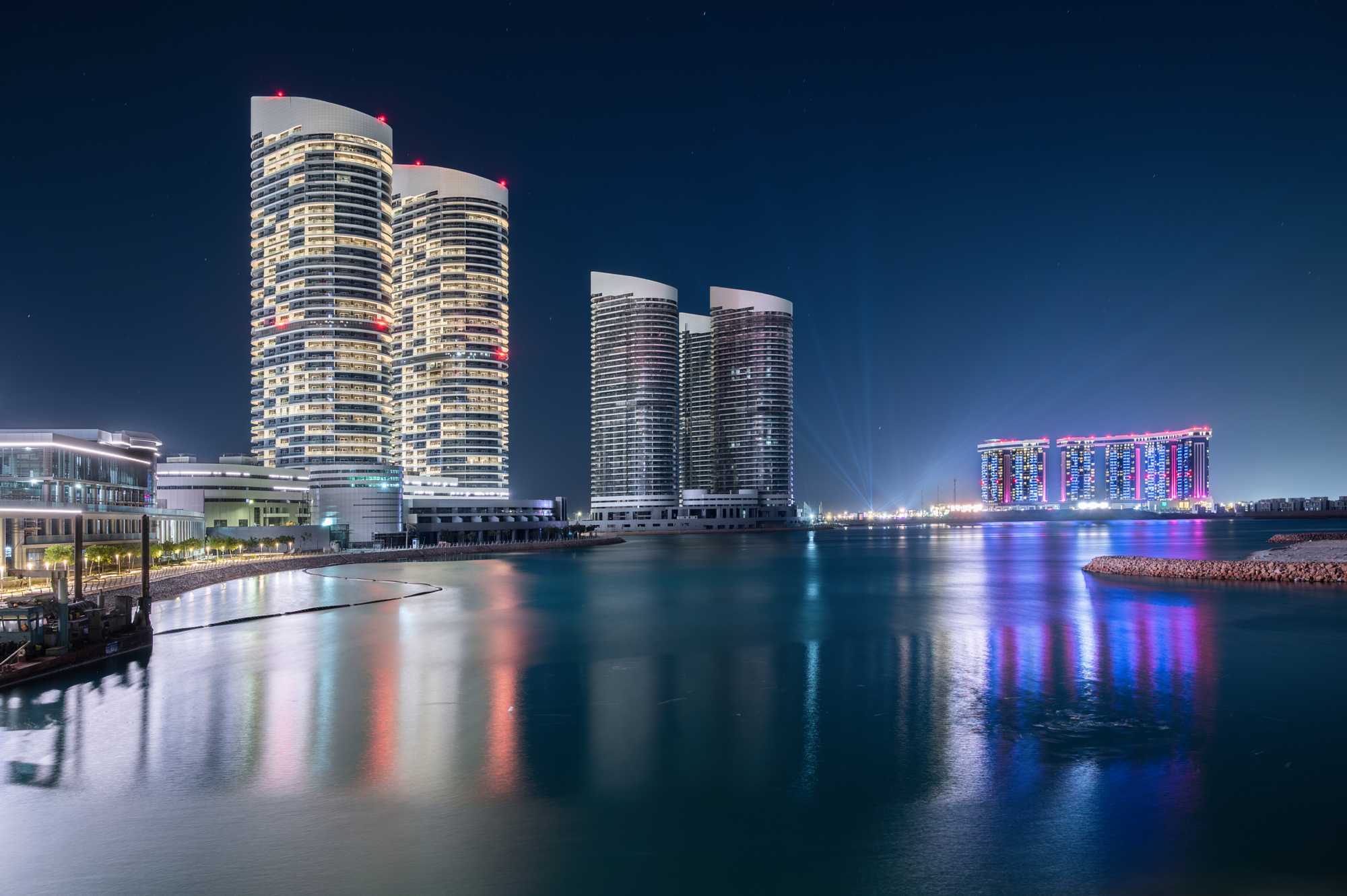
New Alamein felt like a new skyline emerging from its coastal landscape. King Abdullah Road is different. That one is about reshaping an existing urban environment through greenery, landscape, sculptural landmarks, and water features. Downtown Tirana is different again. It is an established city, transforming from a largely post-socialist urban fabric into a denser contemporary capital. New towers and internationally designed projects are reshaping its skyline and its identity.
Waiting for Blue Hour
Light is the one thing on a shoot day you cannot schedule, and you clearly love the blue hour. How much of a commission is spent simply waiting? And how do you explain to a client that the building will not be ready to be photographed until eight in the evening?
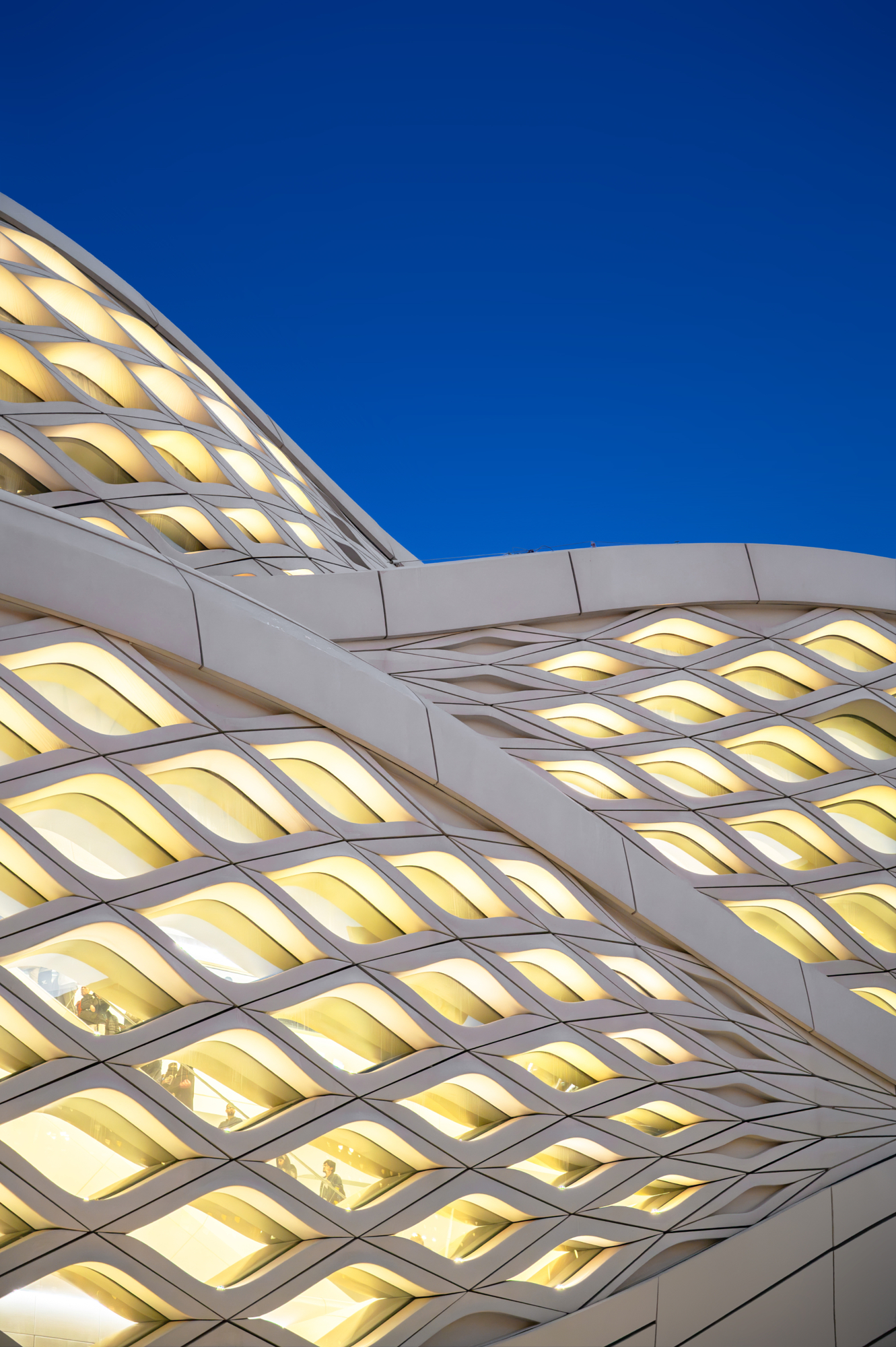
Before every shoot, I study the weather forecast, sun direction, building orientation, and surrounding context. I usually do this with the help of layout plans, renders, or even mobile reference shots.
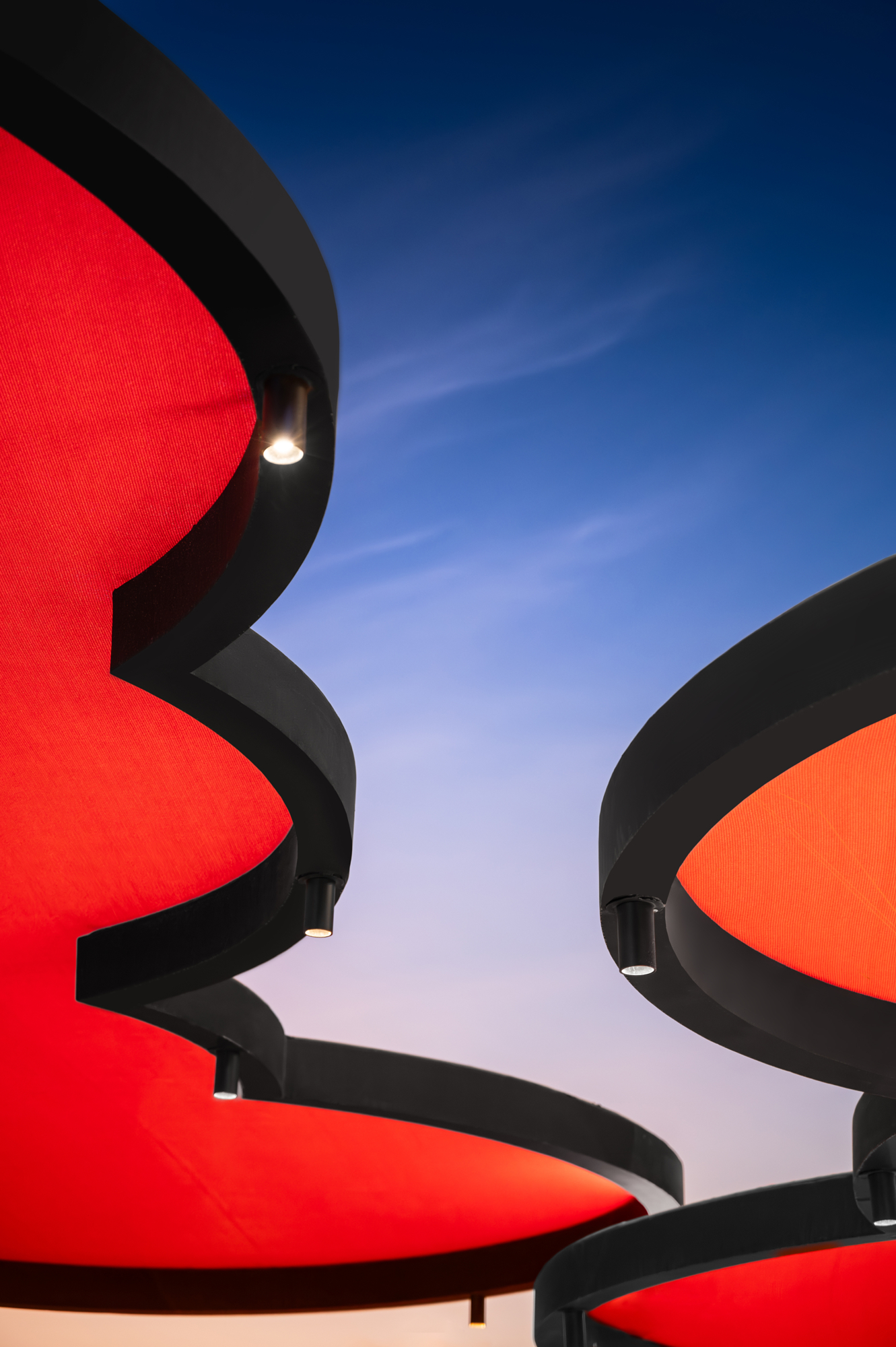
During the day, I track the changing light and shadows to find the best angle on each facade. I also use that time to work out the best light for the interior spaces, if I need it. By the time blue hour arrives, I already know exactly where I need to be.
What Two Thousand Years of Architecture Teaches Him
Between the towers and the hotel interiors, there is Kalabsha Temple, the Maiden Tower in Baku, and the Palais Garnier. Buildings that have already outlived everyone who argued about them. What does photographing something two thousand years old do to the way you photograph something that opened last month?
Historical architecture, for me, is strongly connected to identity and place. Much of contemporary architecture today follows a more international language instead.
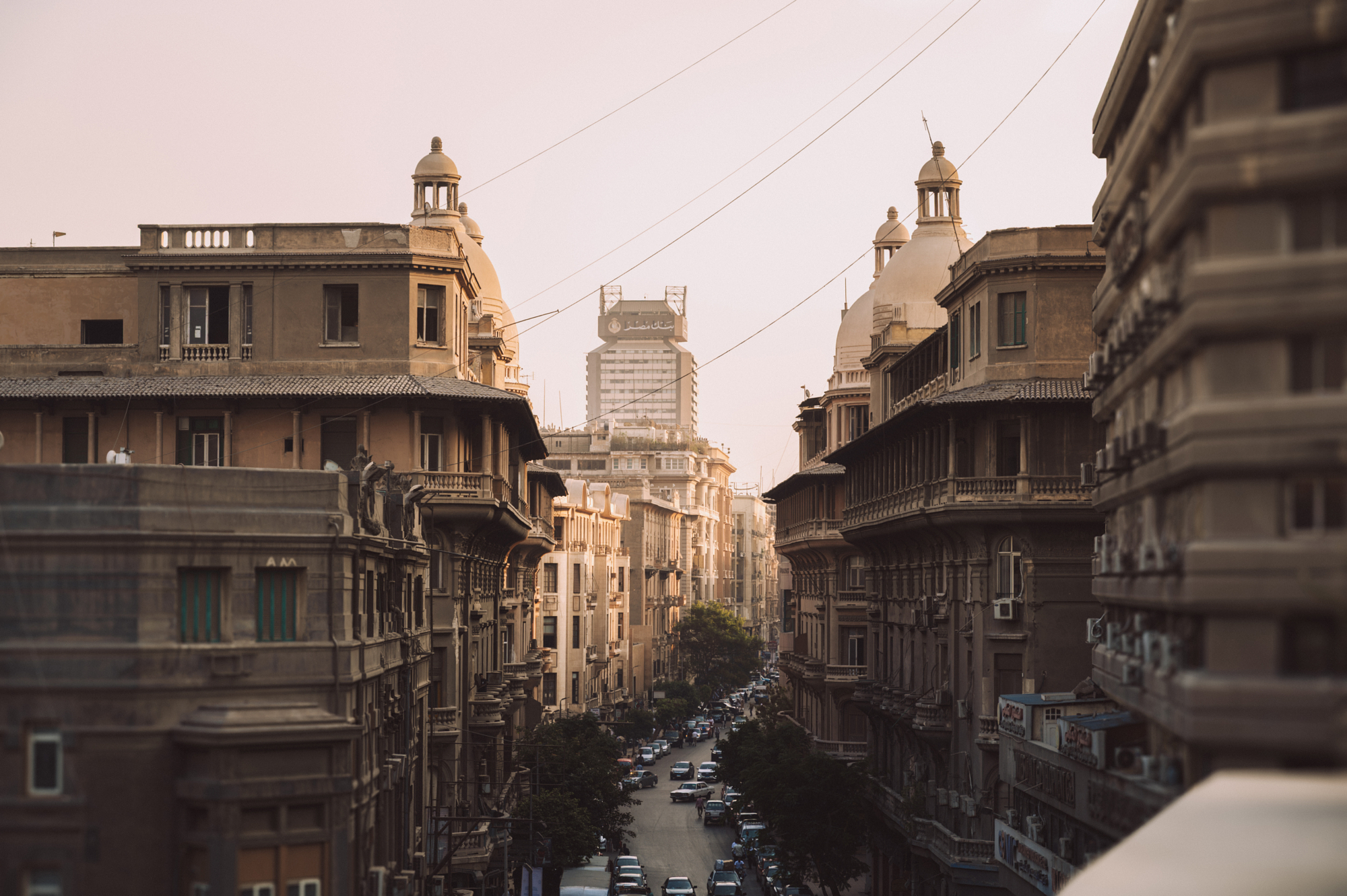
Photographing both becomes a form of visual study. I’m always analyzing how form, details, materials, and features express the period and identity of a building.
Up in the Air Over Riyadh and Paris
The drone rewrote architectural photography in about five years, and your aerials of Riyadh and Paris show you took to it. What did going up in the air give you? And is there anything about working from the ground that has quietly been lost?
The Riyadh aerials were photographed from a helicopter in 2014. The Paris images were taken from elevated viewpoints like Sacré-Cœur and the Eiffel Tower.
What I find especially interesting about photographing from above is that I start to build a mental map of the city. I can see how roads intersect. I can see how districts connect and where a building sits within the larger urban structure. When I return to ground level, I have a much clearer sense of where I am.
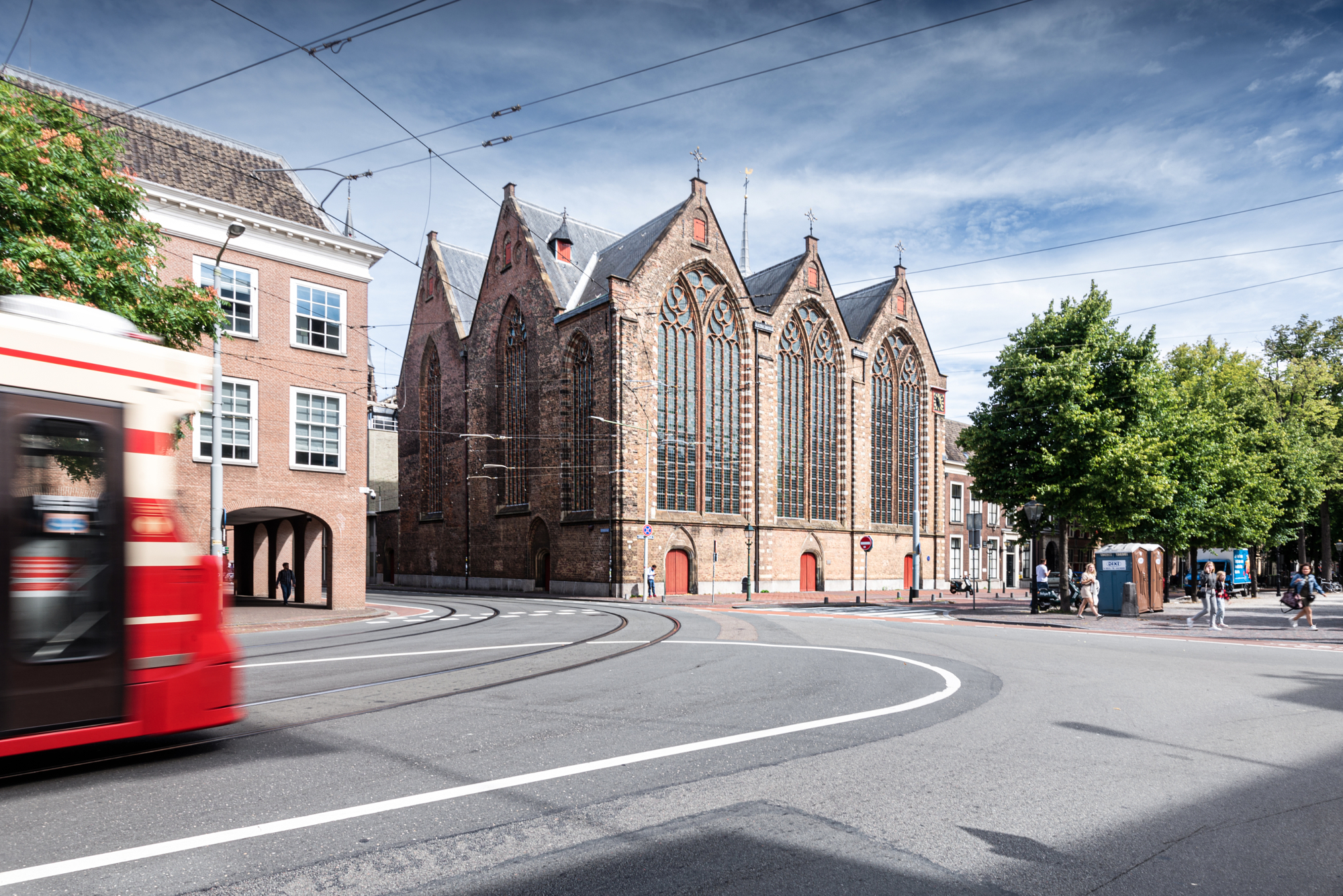
Drones give more control and speed. A professional camera from a helicopter offers greater flexibility in focal length and composition. What the ground gives you, and height cannot, is scale and material. From the air, a building looks the way a 1:50 model looks on a desk. On foot, it is something you approach and walk around. You get the context, and you get the spatial experience. Both are necessary, but they give you very different things.
Does the Job Make Him a Worse Tourist?
When you are off the clock and simply walking through a city, can you actually look at a building, or are you always framing it? Has the job made you a worse tourist?
I actually enjoy my tourism experience through my lens, discovering the culture, architecture, environment, and landscape, and expressing my experience through photography.
So I wouldn’t say the job has made me a worse tourist. If anything, it encourages me to travel and discover the world.
What Comes Next
Andrew, thank you for this. To finish, are there any projects or shoots on the horizon that you would like to point our readers toward?
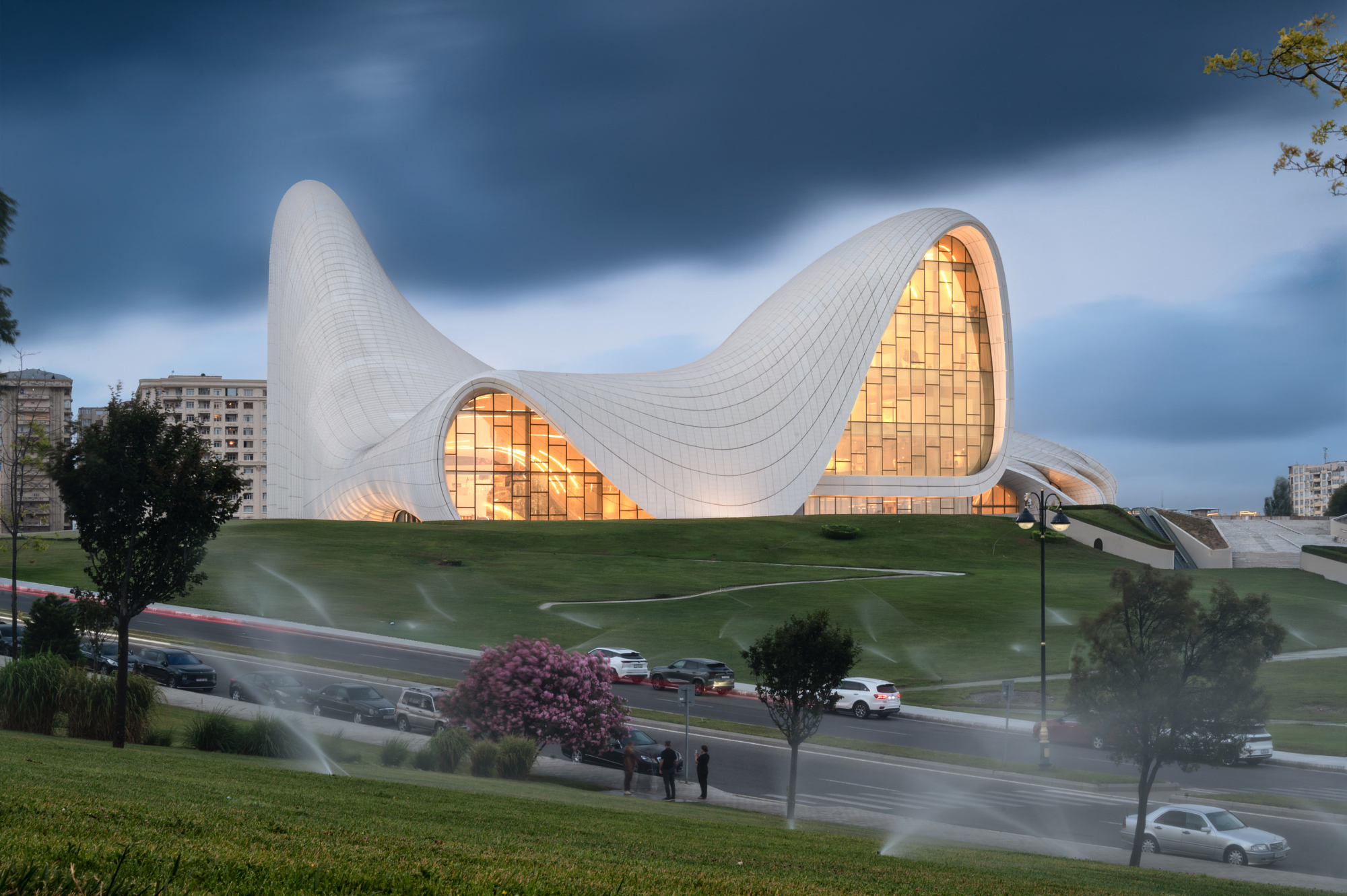
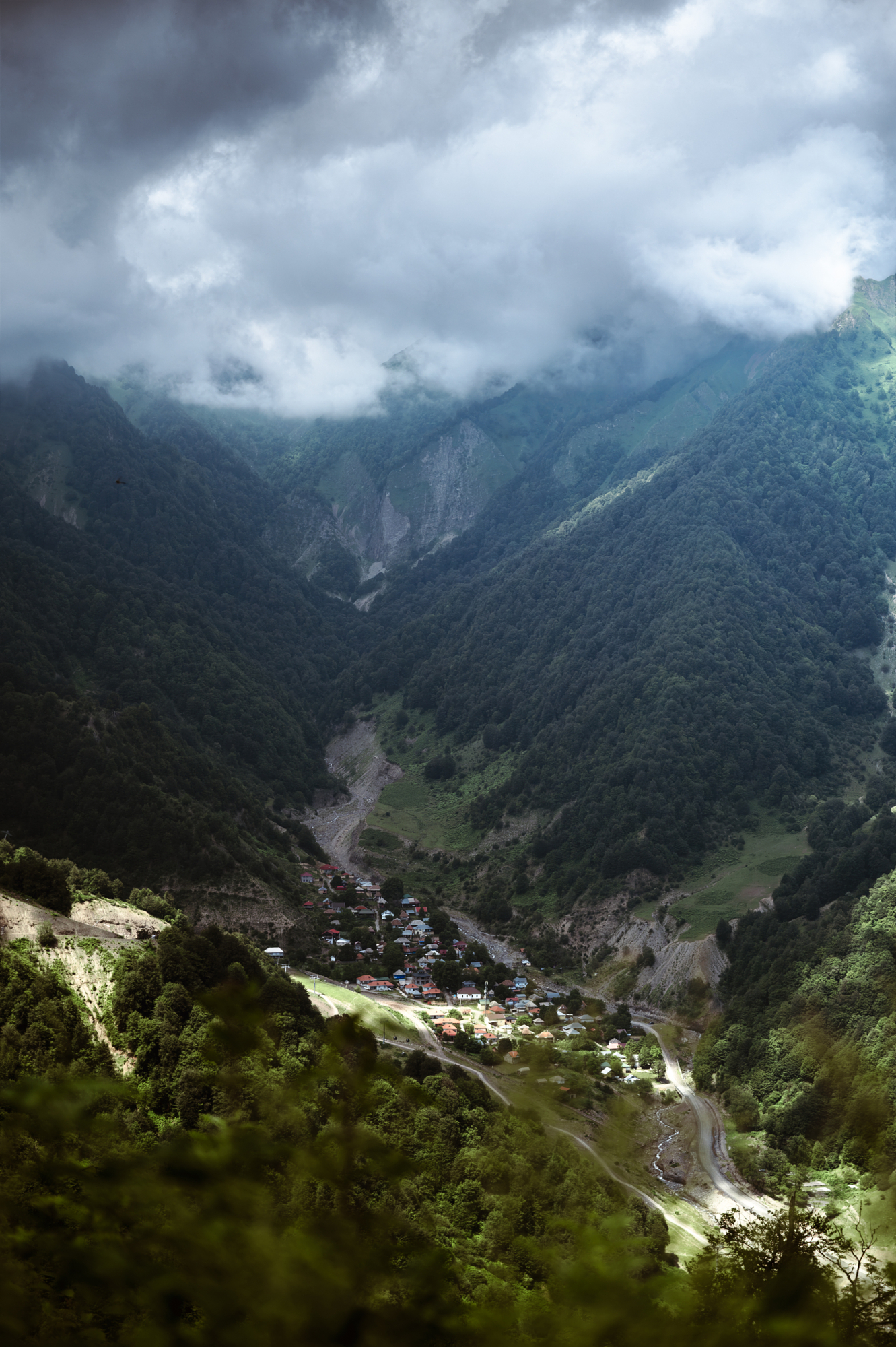
I have a few upcoming architectural shoots in Egypt and Saudi Arabia. Those will cover residential, commercial, and cultural projects. I’m also planning to share more work from my recent trip to Azerbaijan.
See More of Andrew Shenouda’s Work
To see more of Andrew’s architectural photography, visit his 500px Profile, see his commissioned projects at andrewshenouda.com, and follow him on Instagram at @andrew_shenouda.