The change from summer to fall doesn’t arrive all at once. It comes in small visual increments: a softer quality to the afternoon light, a shift in the angle of shadows, the first warm tones appearing in a canopy that was solid green a week ago. Summer to fall photography is less about chasing dramatic autumn color and more about learning to read the subtle signals the light sends before the season fully turns. Those transitional moments, when both seasons exist in the same frame, are often the most compelling images of the year.
How the light actually changes
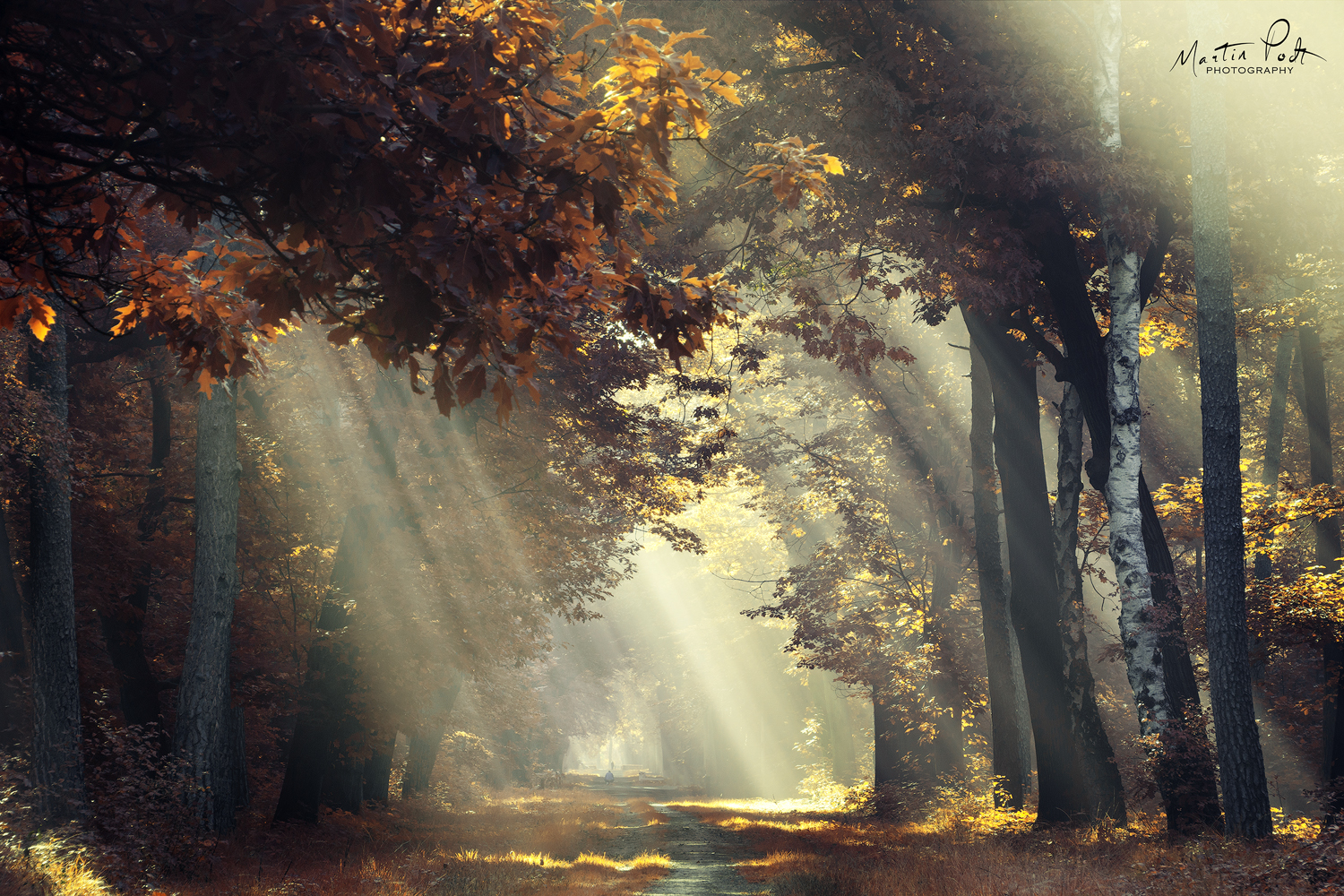
The most significant shift between summer and fall light is the sun’s position in the sky. As the earth tilts, the sun sits lower on the horizon throughout the day, not just at golden hour. This means longer shadows, warmer directional light for more hours, and a quality of illumination that feels fundamentally different from the high overhead sun of midsummer.
Summer to fall photography captures this shift most clearly in the middle hours of the day. In July, 2pm light is flat and harsh. By late September, 2pm light can have the warmth and directionality of what used to be early evening. The same location, the same time, looks like a different place.
What to look for in the transition
Mixed color in the canopy
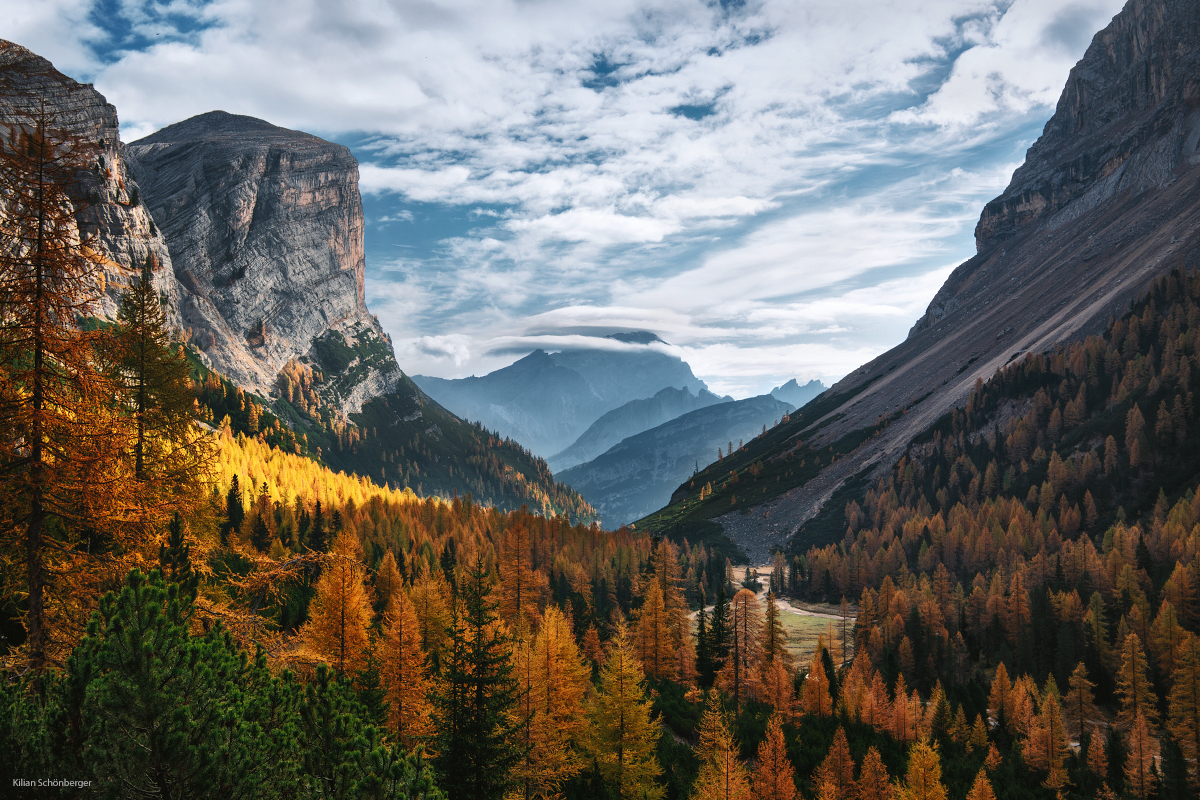
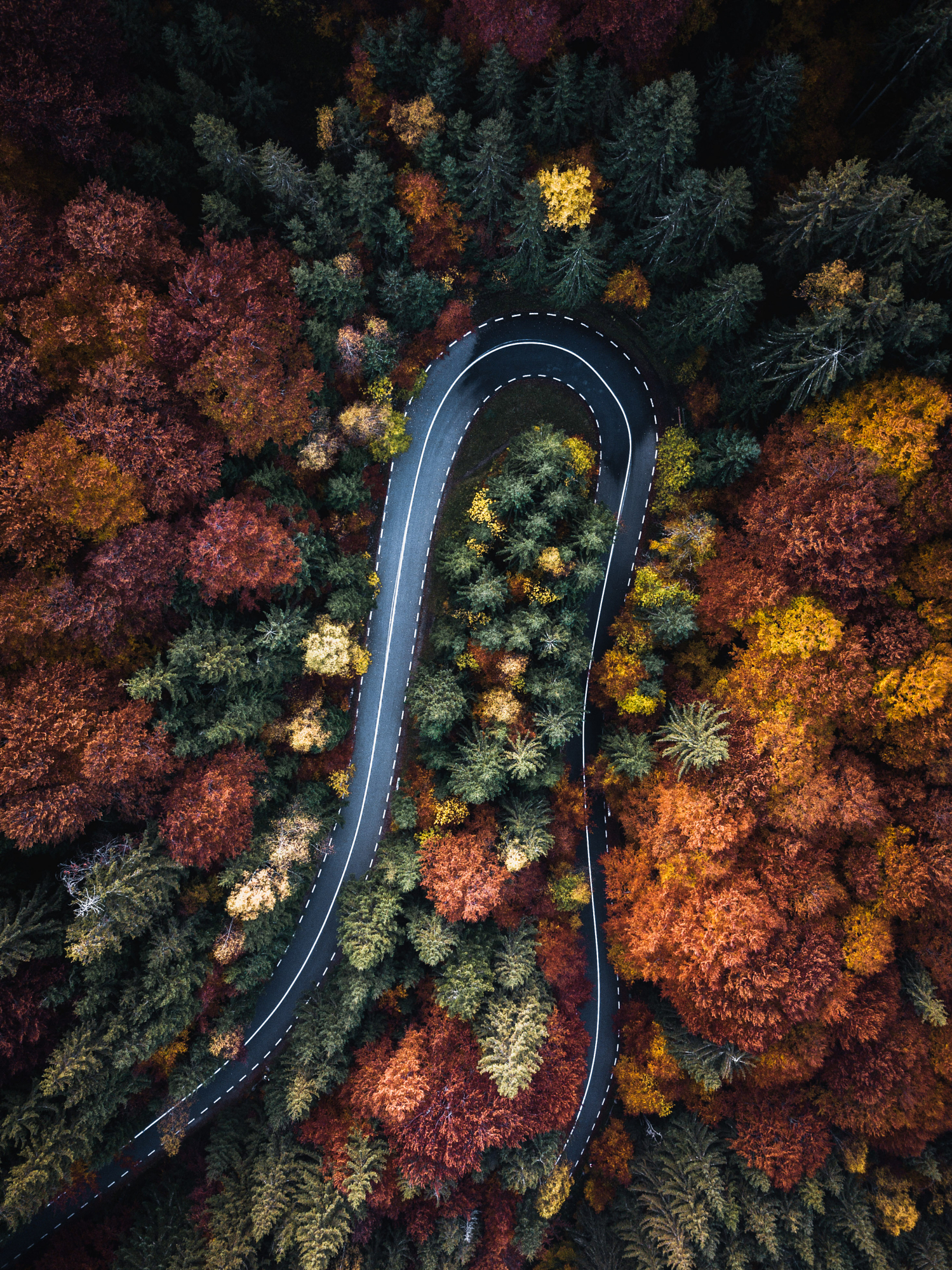
The most photogenic moment in summer to fall photography isn’t peak autumn color. It’s the week or two before, when green, yellow, orange, and red exist in the same tree or the same hillside. That variety of tone within a natural subject is richer and more complex than a uniformly orange forest, and the light passing through partially changed leaves has a quality that full autumn simply doesn’t offer.
Long shadows in open spaces
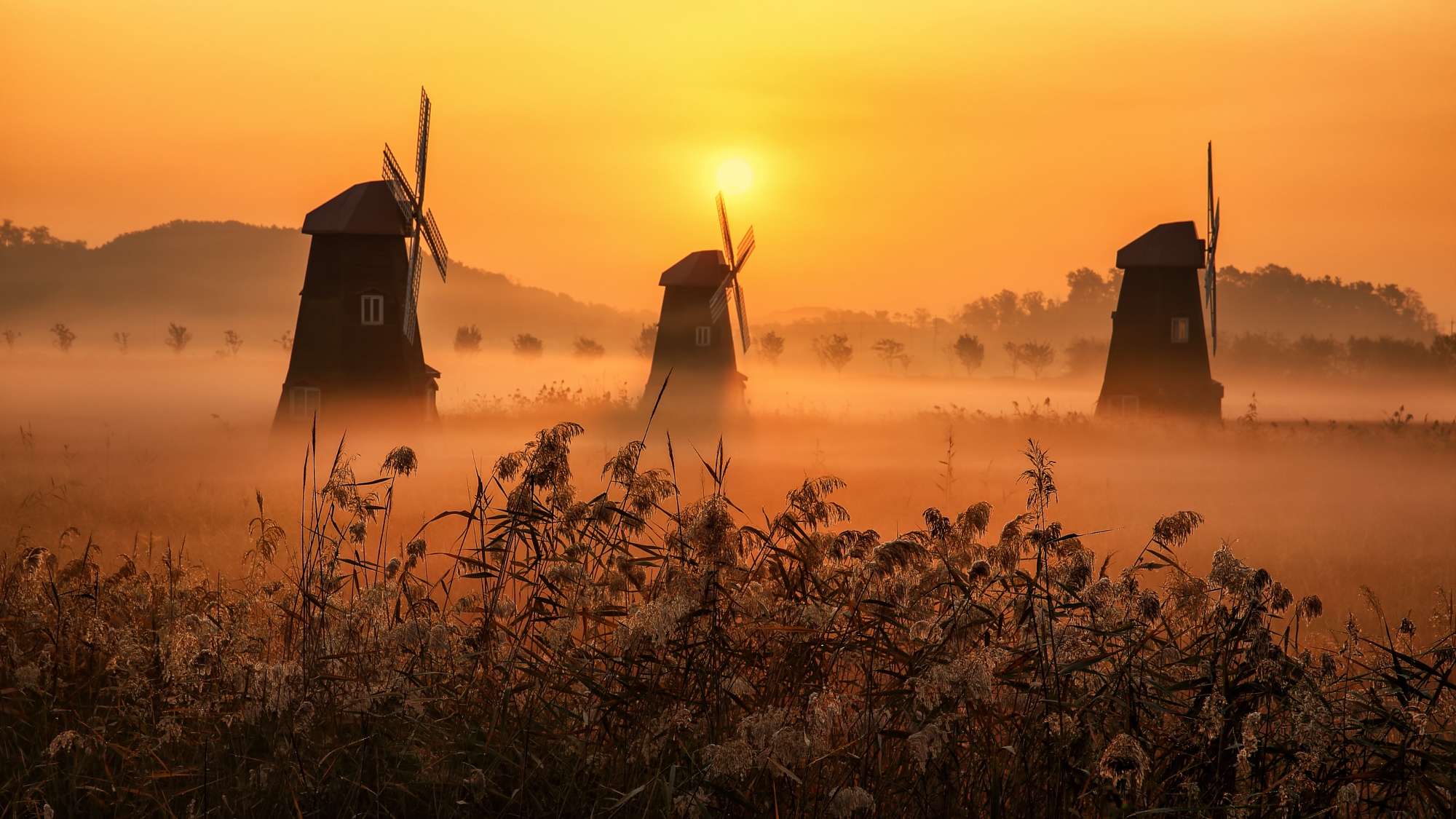
Fields, parks, and open landscapes reveal the changing sun angle most clearly. Morning and afternoon shadows stretch further than they did in summer, creating graphic lines across grass and gravel that didn’t exist two months earlier. These shadows are one of the clearest visual signals of seasonal transition and one of the most useful compositional tools in fall photography.

Warm light on cool surfaces
The contrast between the season’s last warm light and surfaces that are beginning to cool visually, stone, water, pale sky, produces some of the most emotionally resonant images in summer to fall photography. The warmth feels temporary. The coolness feels like what’s coming. Both exist in the same frame.
Practical approaches
Return to locations you shot in summer. The comparison between your summer frames and what you find in early fall often produces the clearest sense of how much has changed. The same bench, the same path, the same tree. Same camera position, different light, different season.
Shoot earlier and later than you would in summer. The lower sun means golden hour arrives sooner and lasts longer. What was a rushed 20-minute window in June becomes a generous, slow-moving hour of warm light by October.
Pay attention to the quality of haze. Summer heat creates a thick atmospheric haze that flattens distant subjects. Fall air tends to be cleaner and clearer, which means better detail in backgrounds and stronger color at distance.

The emotional register of transition
Summer to fall photography carries a particular emotional weight that pure autumn images sometimes miss. Transition implies something ending. The last of the warm light. The last green before the change. That sense of impermanence is what gives transitional season photography its resonance, and it comes through most clearly when the image holds both seasons in the same frame rather than committing entirely to one.