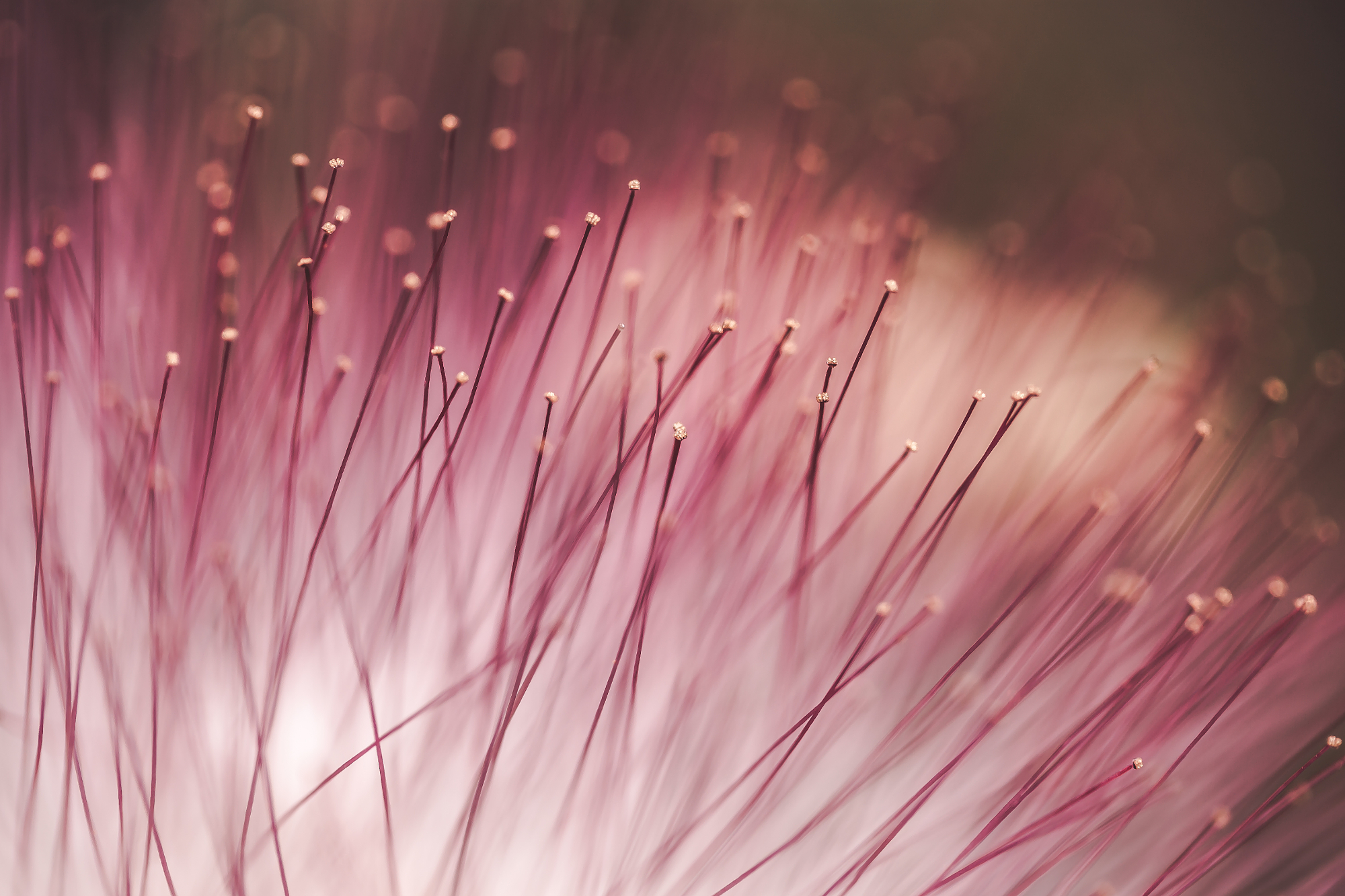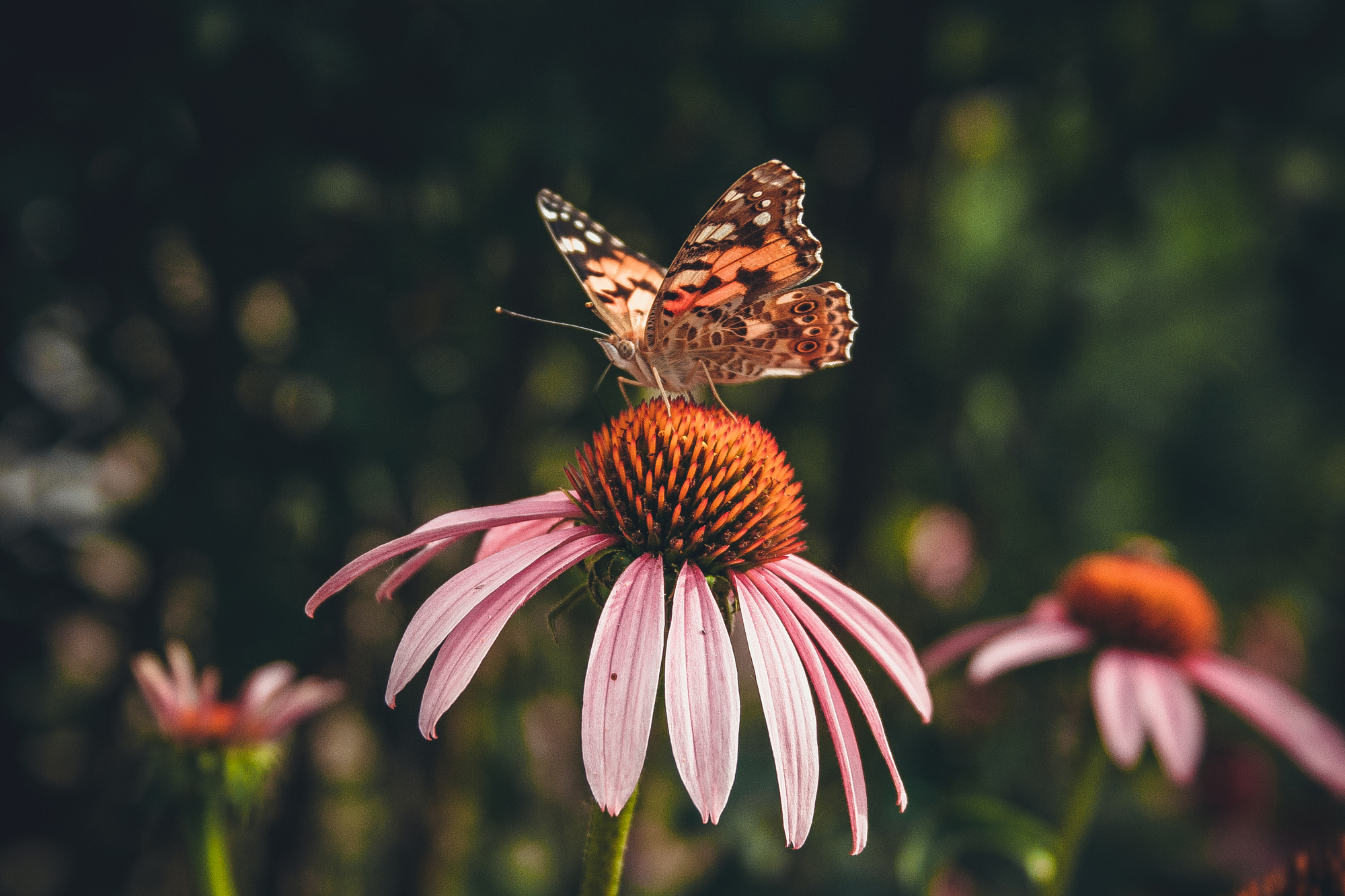
Small subjects demand precision. In insect and flower photography, every detail matters, from focus to lighting to timing. Unlike beginner macro photography, this approach requires more control and patience.
However, the payoff is worth it. You capture textures, colors, and moments that most people never notice.
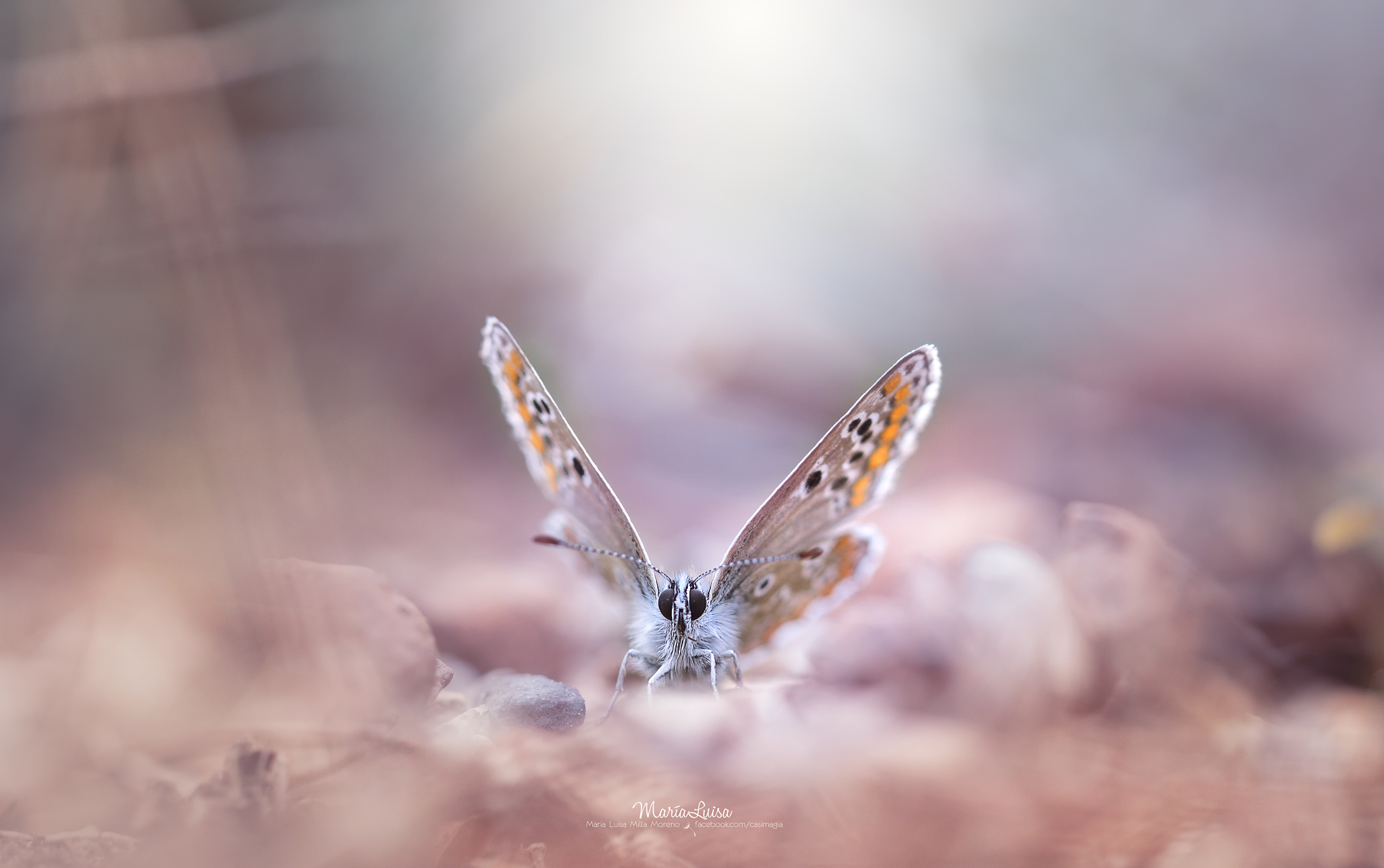
What Makes Insect and Flower Photography Challenging?
Insect and flower photography combines two very different subjects, each with its own challenges.
Flowers remain still, but they are highly sensitive to changing light and even slight wind. Insects, on the other hand, are unpredictable and constantly in motion.
As a result, you need to adapt quickly when shooting. At close range, even small mistakes in focus, composition, or exposure become much more noticeable.
Mastering Focus for Sharp Details
Focus is critical. In insect and flower photography, depth of field is extremely shallow.
To improve sharpness:
- Focus on the most important detail (often the eyes for insects)
- Use manual focus when possible
- Take multiple shots to ensure accuracy
As a result, your images will feel crisp and intentional.
Using Light to Enhance Texture and Color
Light reveals texture. Therefore, it plays a major role in insect and flower photography.
To get the best results:
- Use soft natural light in early morning or late afternoon
- Avoid harsh midday sunlight
- Experiment with side lighting for depth
Colors appear richer and details stand out.
Controlling Movement and Stability
Movement is one of the biggest challenges in insect and flower photography. Even the slightest motion from your subject, the wind, or your own hands can cause blur and ruin an otherwise strong image.
When photographing insects, use a faster shutter speed to freeze their movements. Stabilize your camera with a tripod or a steady hand, and watch for brief moments when your subject pauses.
Patience is one of your most valuable tools. The more willing you are to wait, the better your chances of capturing a sharp and compelling image.

Composition for Clean Macro Images
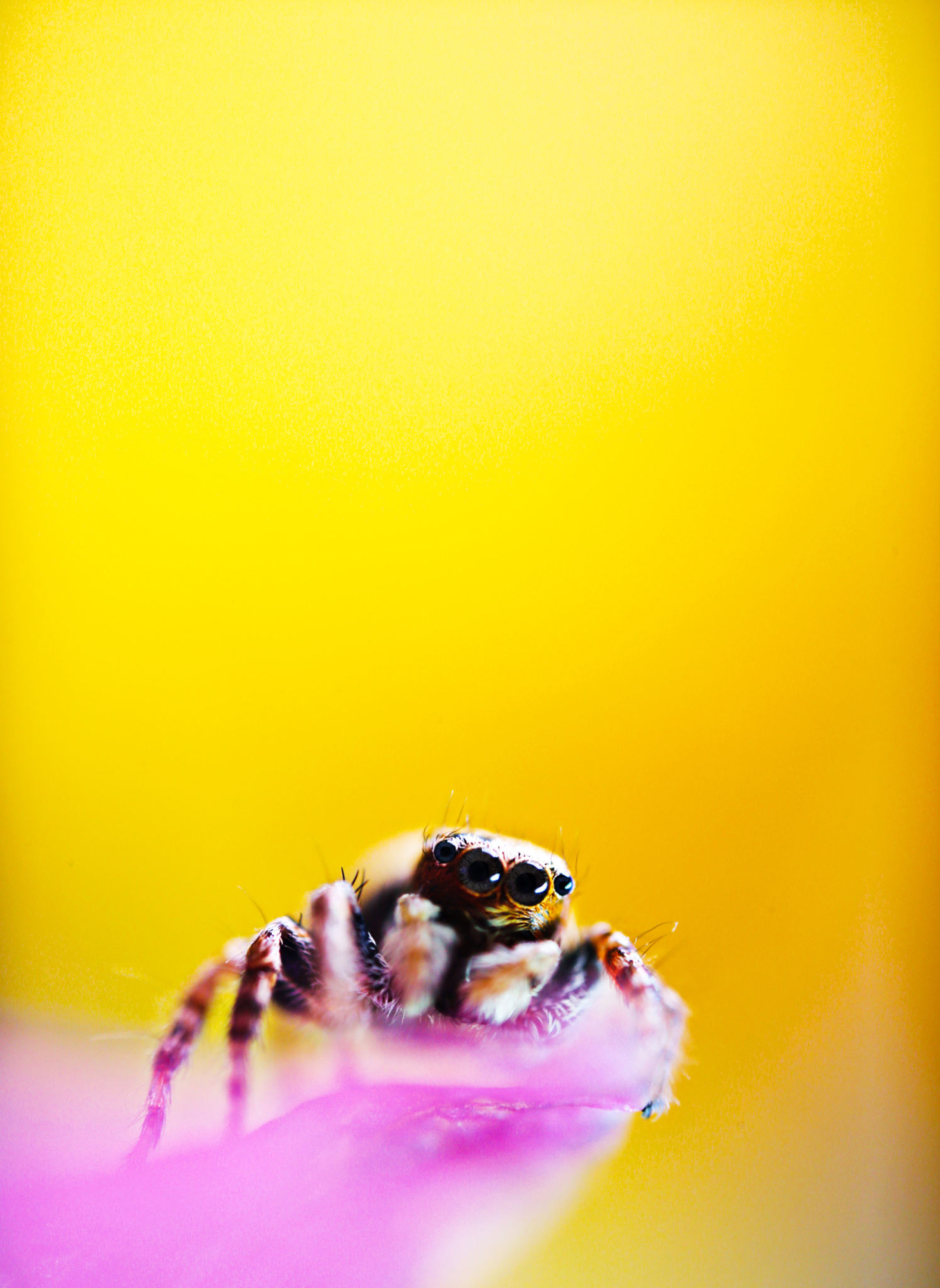
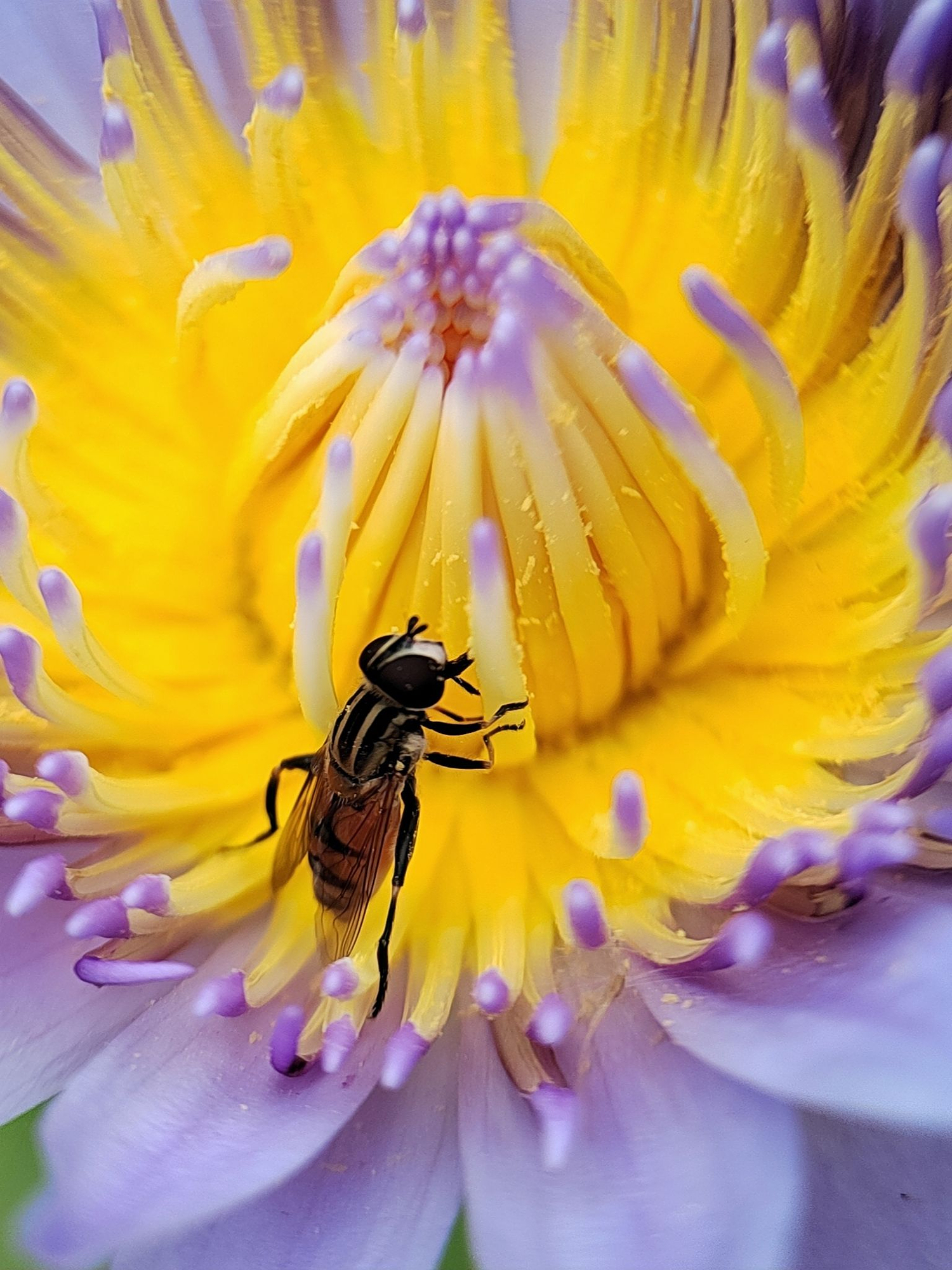
Macro scenes can become visually cluttered very quickly, especially when photographing insects and flowers. Strong composition helps keep your images clean and focused.
Simplify the background, isolate your subject, and use color contrast to make the main subject stand out. When these elements work together, the viewer’s attention is drawn exactly where you want it.
As a result, your subject becomes the clear focus of the image.
Getting Close Without Disturbing Your Subject
Insects are sensitive to movement. Therefore, your approach matters.
To get closer:
- Move slowly and avoid sudden movements
- Avoid casting shadows over your subject
- Observe behavior before shooting
As a result, you increase your chances of capturing natural moments.
Advanced Tip: Focus Stacking for Maximum Detail
For more advanced results, try focus stacking. This technique combines multiple images to increase depth of field.
In insect and flower photography, this allows you to:
- Keep more of your subject in focus
- Capture extreme detail
- Create highly refined images
However, it requires practice and post-processing.
Why Insect and Flower Photography Works
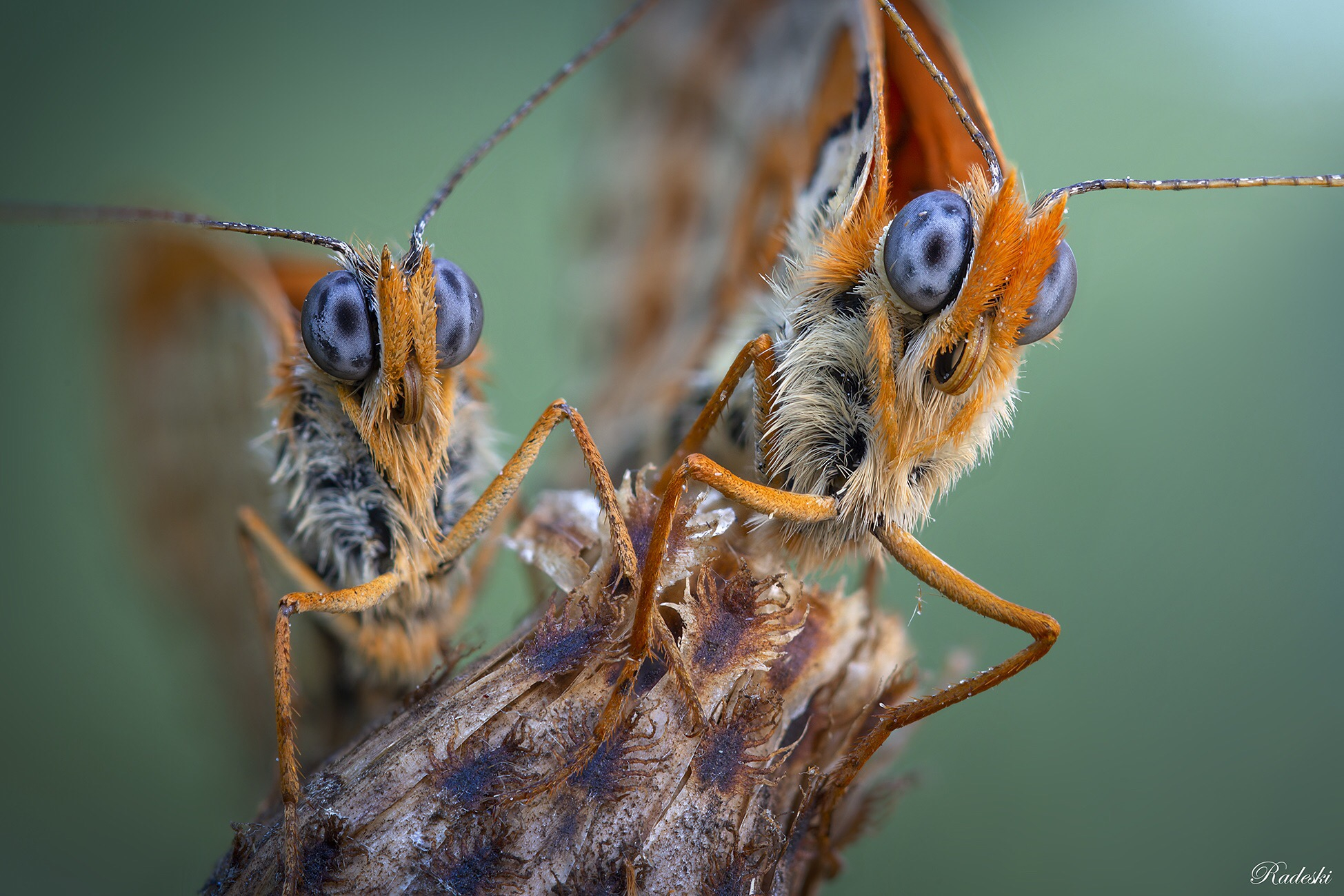
Small subjects reveal extraordinary detail and challenge your technical skills in ways that few other genres can.
Insect and flower photography highlights intricate textures and patterns, pushes your precision, and uncovers beauty that often goes unnoticed.
As a result, this type of photography helps you grow as a more patient, observant, and technically skilled photographer.
Final Thoughts on Insect and Flower Photography
You don’t need rare subjects. Instead, focus on what’s already around you. Slow down. Observe carefully. Be patient.
Mastering insect and flower photography is about control and attention to detail.