Phil Davson is a photographer who operates in two vastly different worlds. Whether he is capturing the unpredictable movements of wildlife or the rigid geometry of city architecture, his portfolio is defined by an absolute commitment to technical excellence. As an award-winning photographer, he has mastered the art of observation in incredibly challenging environments.
We spoke with Phil about the duality of his subjects, the patience required for nightscapes, and the mental shift necessary to move seamlessly from the wilderness to the urban landscape.
Phil, to start, could you tell us about your background? What initially drew you to photography, and how did your journey behind the lens begin?
My true photographic journey began with the advent of digital cameras and the exciting new possibilities of post-production editing. In February 2000, I bought what was quite an expensive camera at the time—a Fujifilm FinePix 4700 digital zoom with a whopping 2.4 megapixels!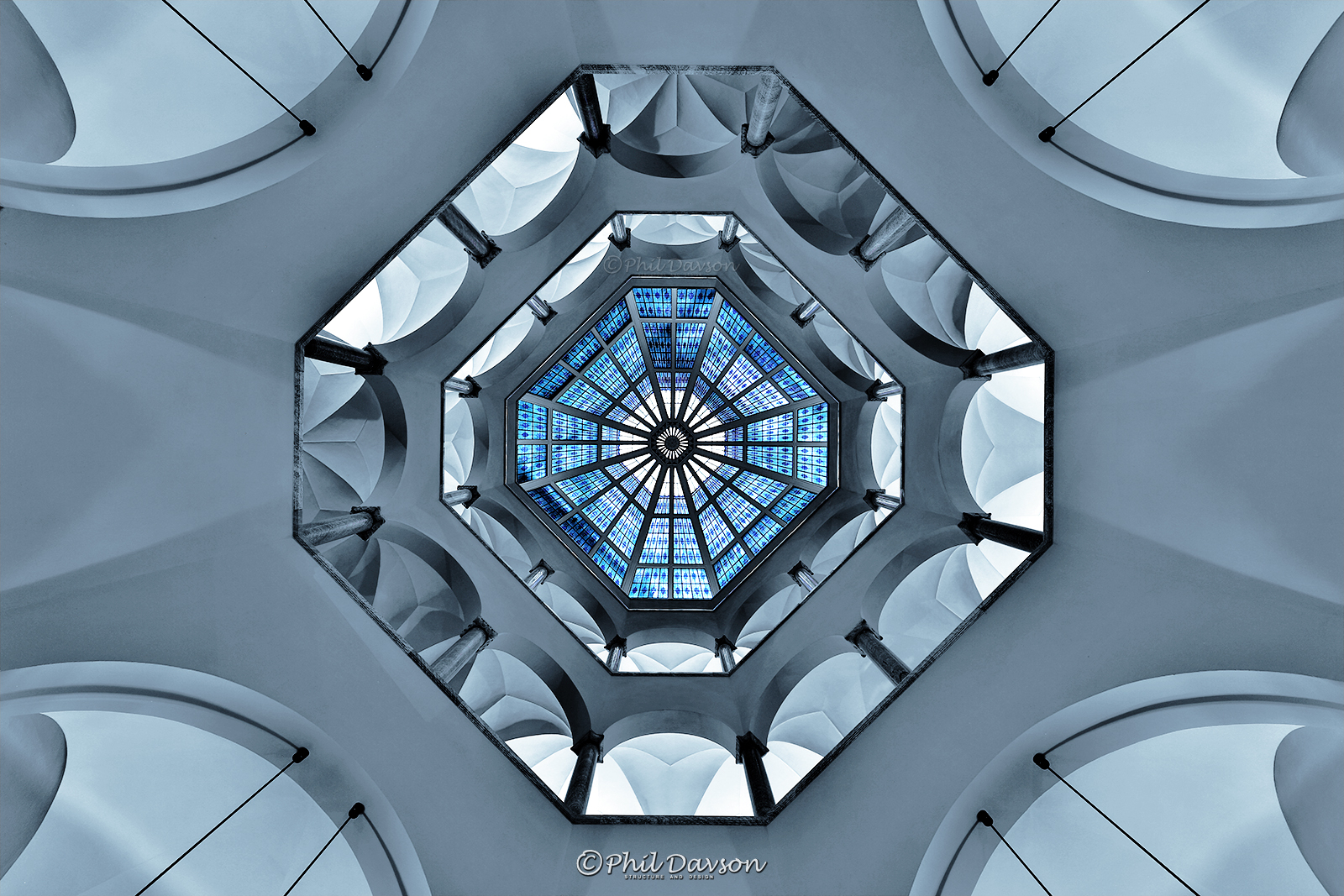
Before 2000, my experience was mostly limited to using a Kodak Instamatic for holiday snapshots, though I had occasionally borrowed an old Voigtländer Vito Automatic (f/2.8, 50mm) from my dad.
Wildlife photography is chaotic and unpredictable, whereas architectural photography demands slow, deliberate composition. How do you mentally transition between these two contrasting ways of seeing the world?
Photography can easily become an obsession—I used to be a total “photoholic,” though I’ve since scaled back that intensity, not least to save my marriage!
Surprisingly, transitioning from the unpredictable, high-patience world of wildlife, which comes with plenty of frustration and disappointment, to the precise, deliberate composition of city nightscapes felt incredibly natural. It really comes down to where you are at any given time.
On my days off from my regular job, I would spend my daylight hours out in nature, which I absolutely love. Conversely, when my job took me away from home and the office to work externally, my free time was spent in urban environments. Every evening, I would use that time to research, scout locations, prospect subjects, and plan my shots.
Shooting nightscapes comes with significant lighting challenges. What draws you to urban environments after dark, and what technical hurdles did you have to overcome to master this aesthetic?
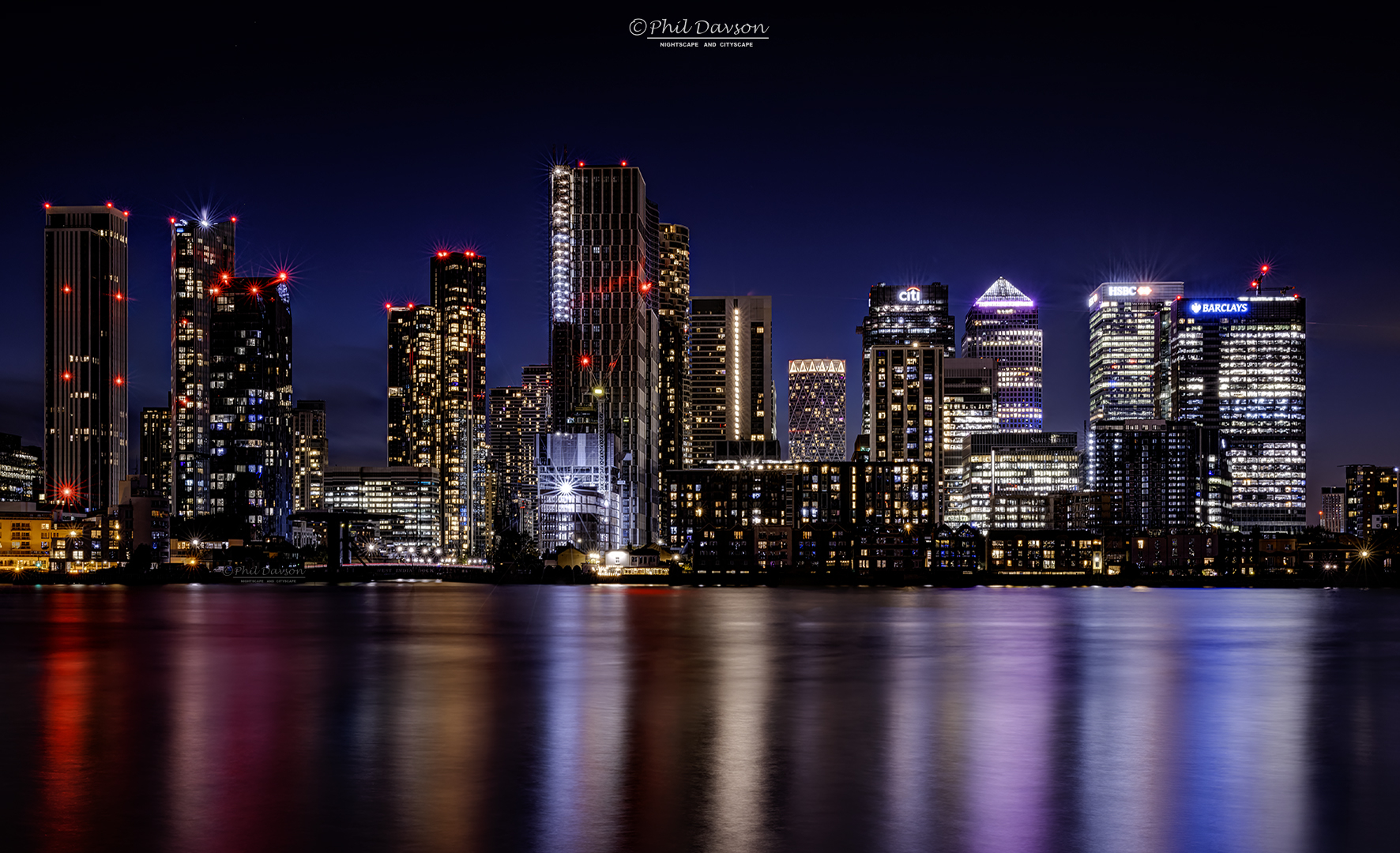
Urban night photography is an intriguing puzzle that requires a lot of research and trial. Through relentless practice, often returning to the exact same subject and location, you train your eyes to see the final composition before you even set up.
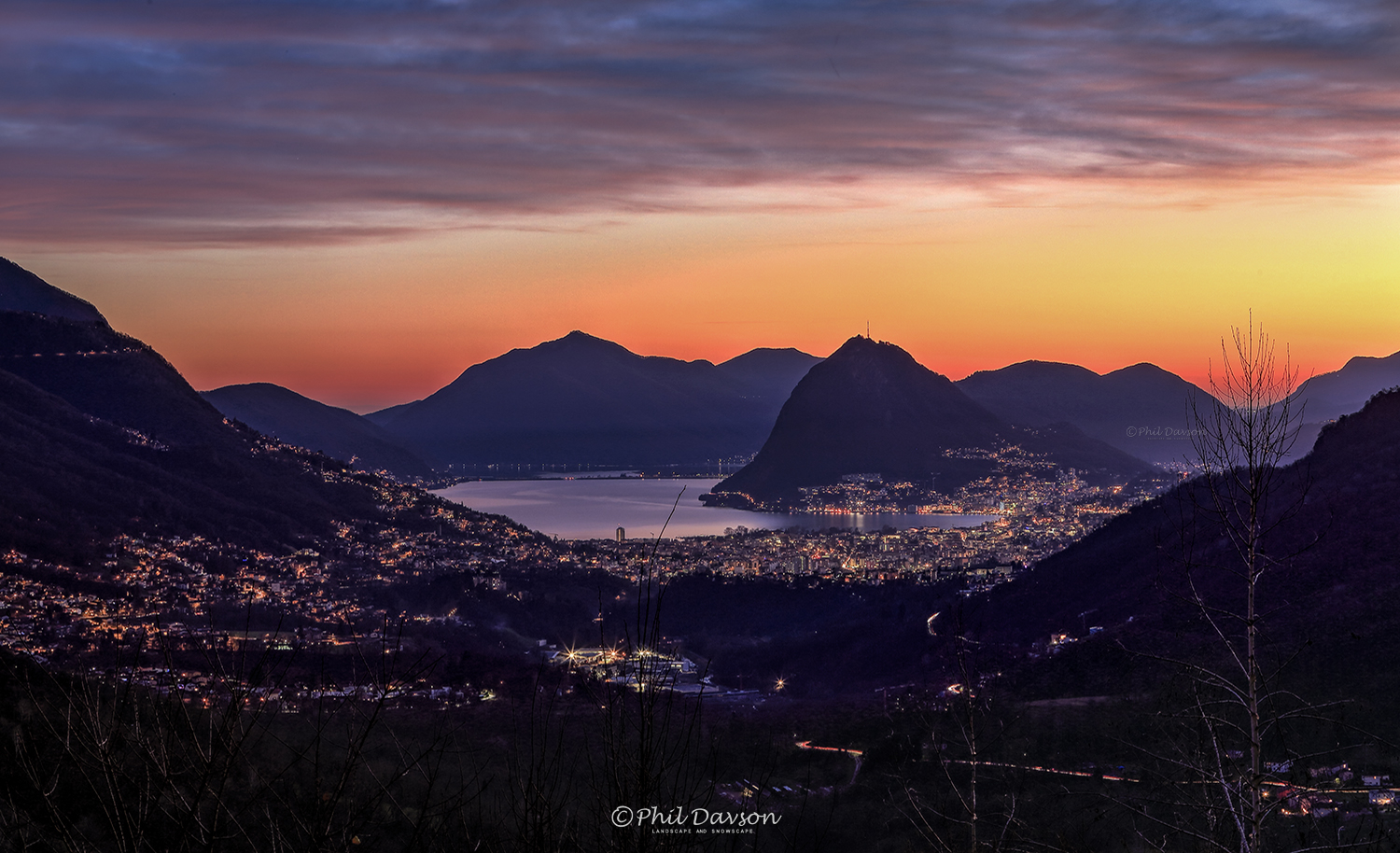
The technical hurdles were both many and interesting. Long exposures require a sturdy tripod and a remote cable release (or built-in timer) to capture motion smoothly while keeping the ISO low for maximum image quality. Then there was mastering HDR (High Dynamic Range). When HDR first arrived, almost everyone used it incorrectly because few truly understood how to balance it. Every genre has technical mountains to climb, and night photography is no exception.
Finding a fresh perspective on world-famous landmarks can be difficult. When you arrive at a highly photographed location, what is your strategy for capturing a unique angle or detail?
If you are visiting a landmark for the first time, my advice is to take the classic “postcard” shot first. Get it out of your system. Then, study that image on your camera screen and ask yourself: What specific element of this building draws me in the most? From there, try to get closer.
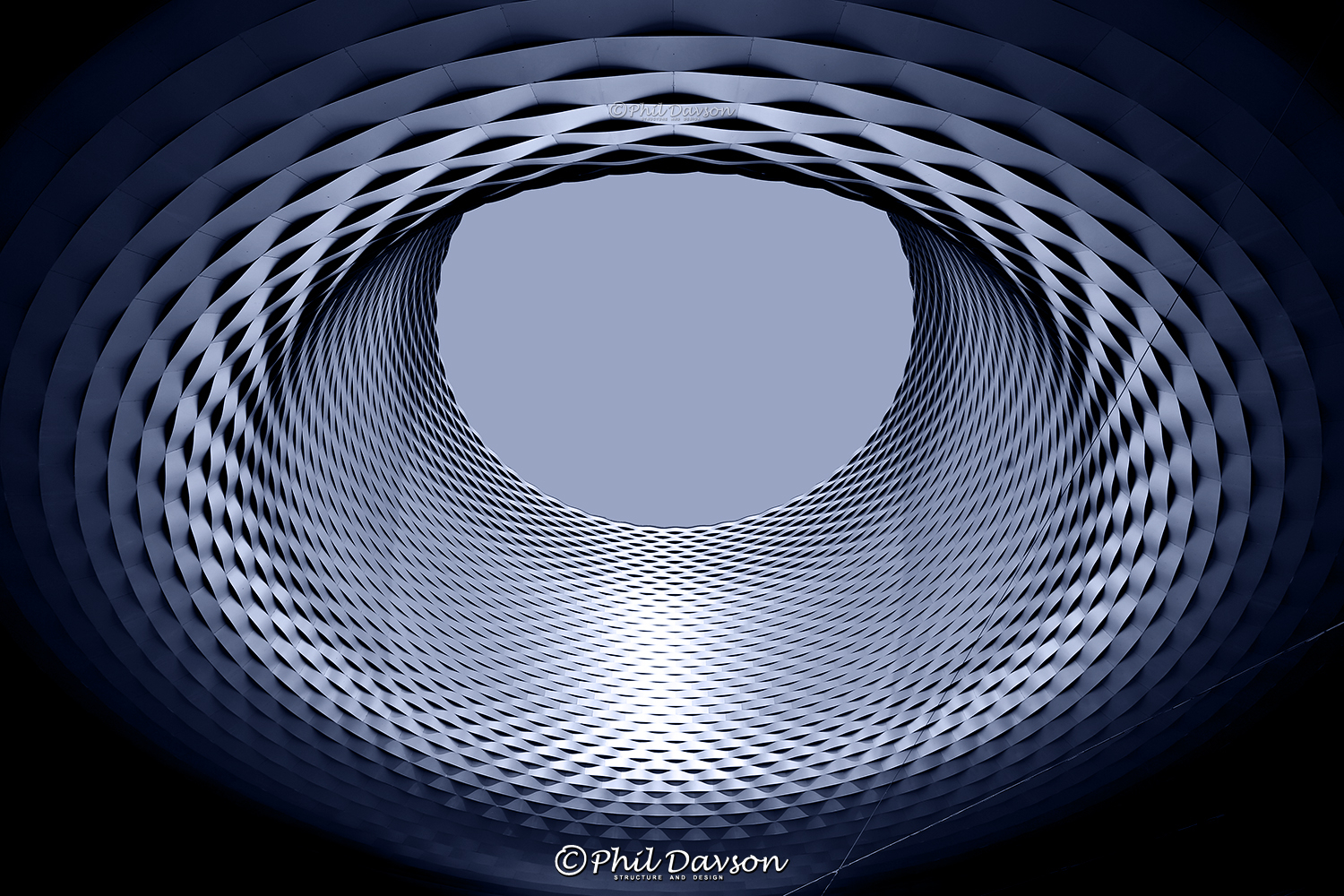
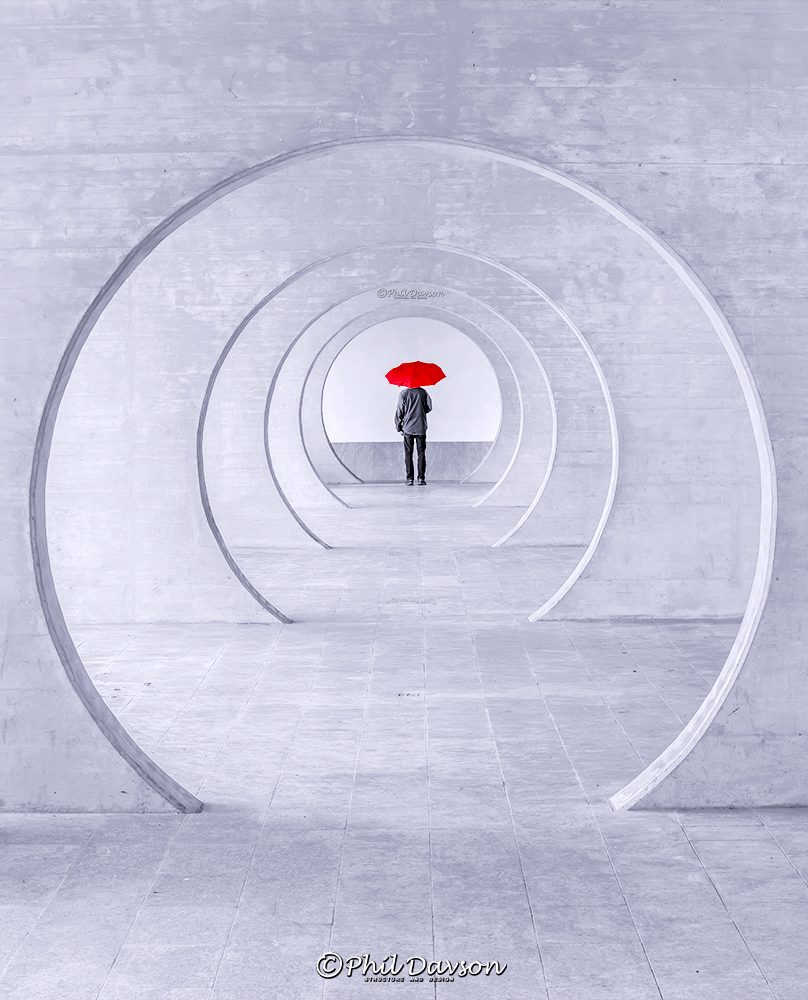
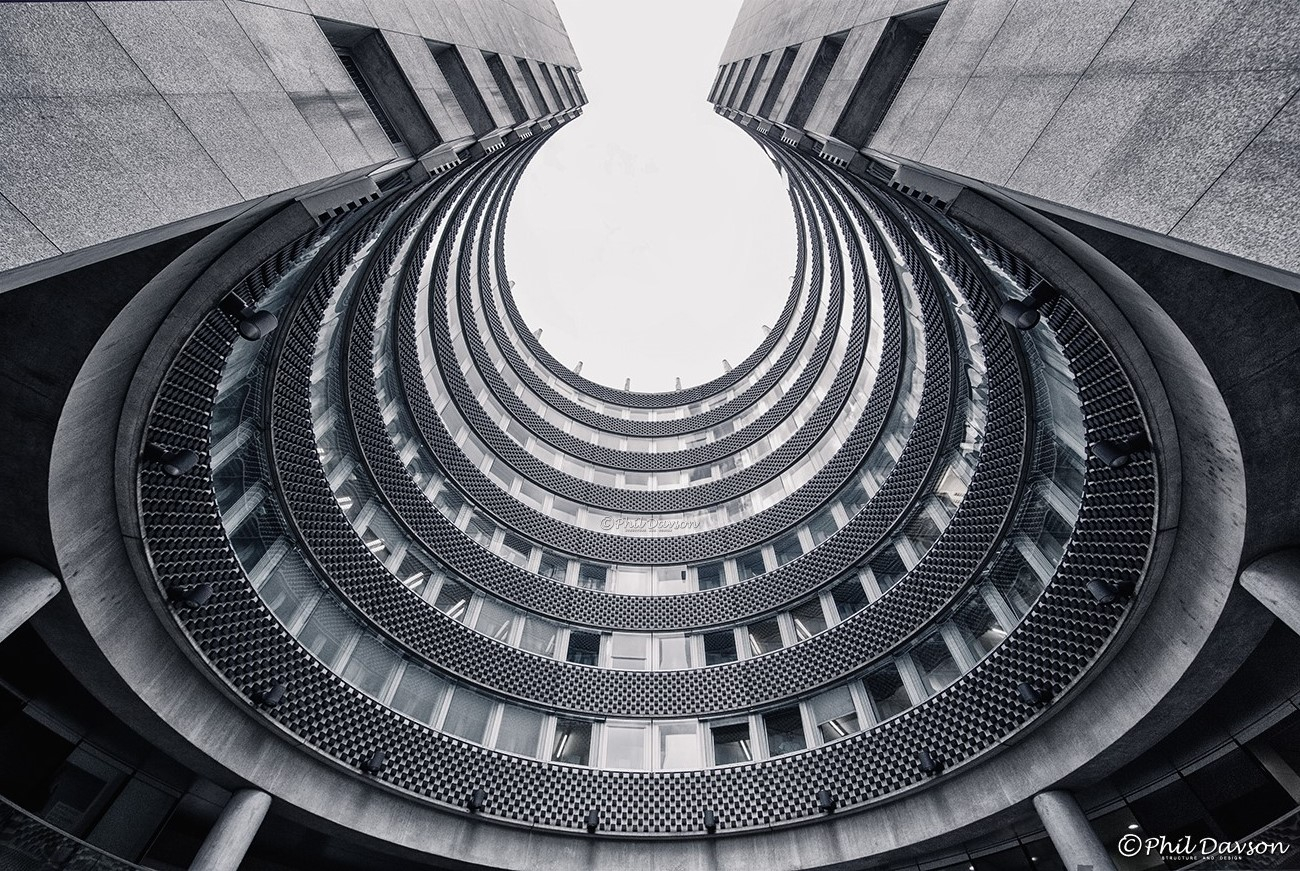
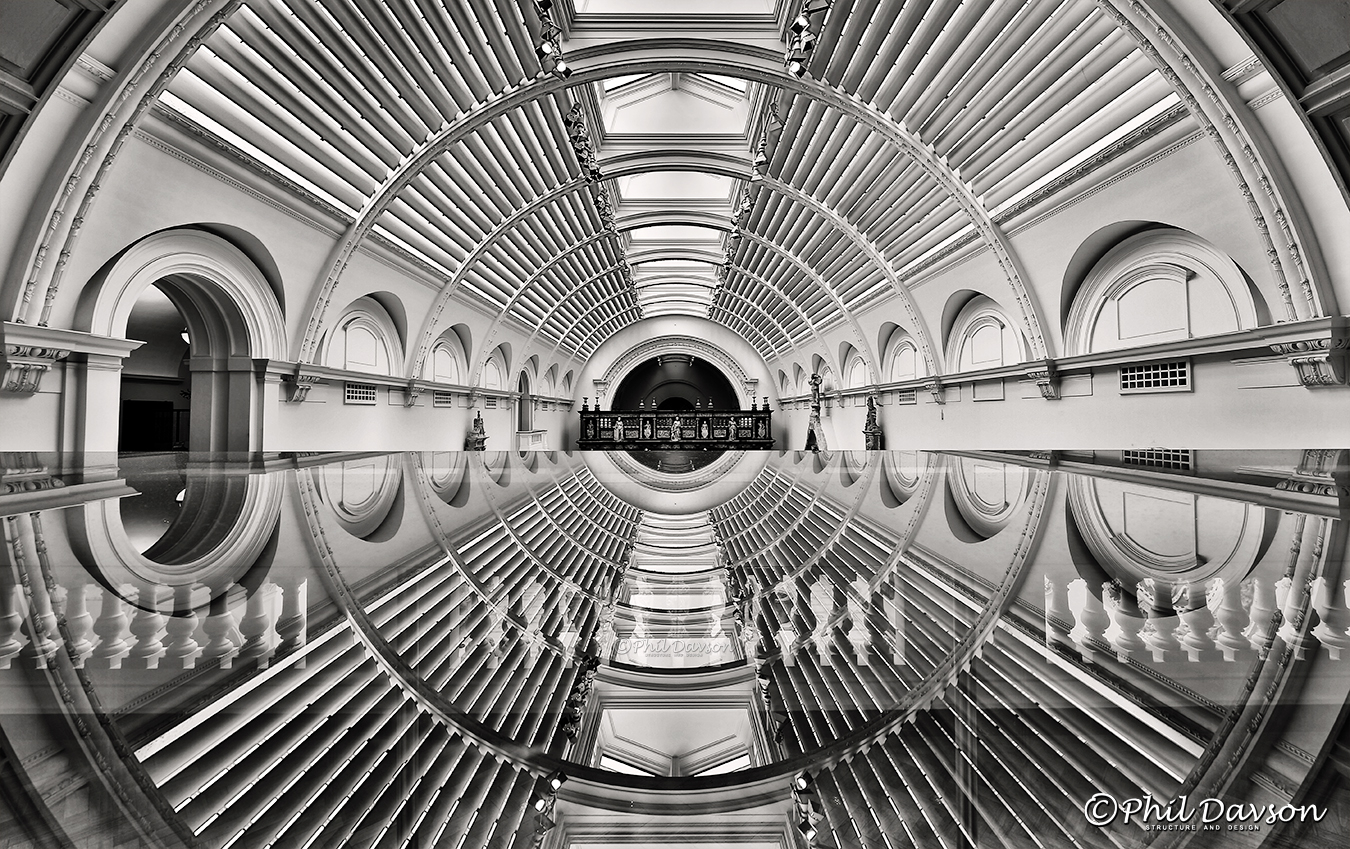
With architecture, it’s not just about the exterior; the interiors offer incredible graphic appeal. Look for unique structures on every level, the geometry of a ceiling, the sweep of a staircase, or the repeating patterns of different floors. I am always searching for strong diagonals, dramatic top-down or bottom-up perspectives, and abstract details.
Your wildlife photography reflects a deep respect for animals in their natural habitats. What has spending hours waiting in the field taught you about patience and timing in your everyday life?
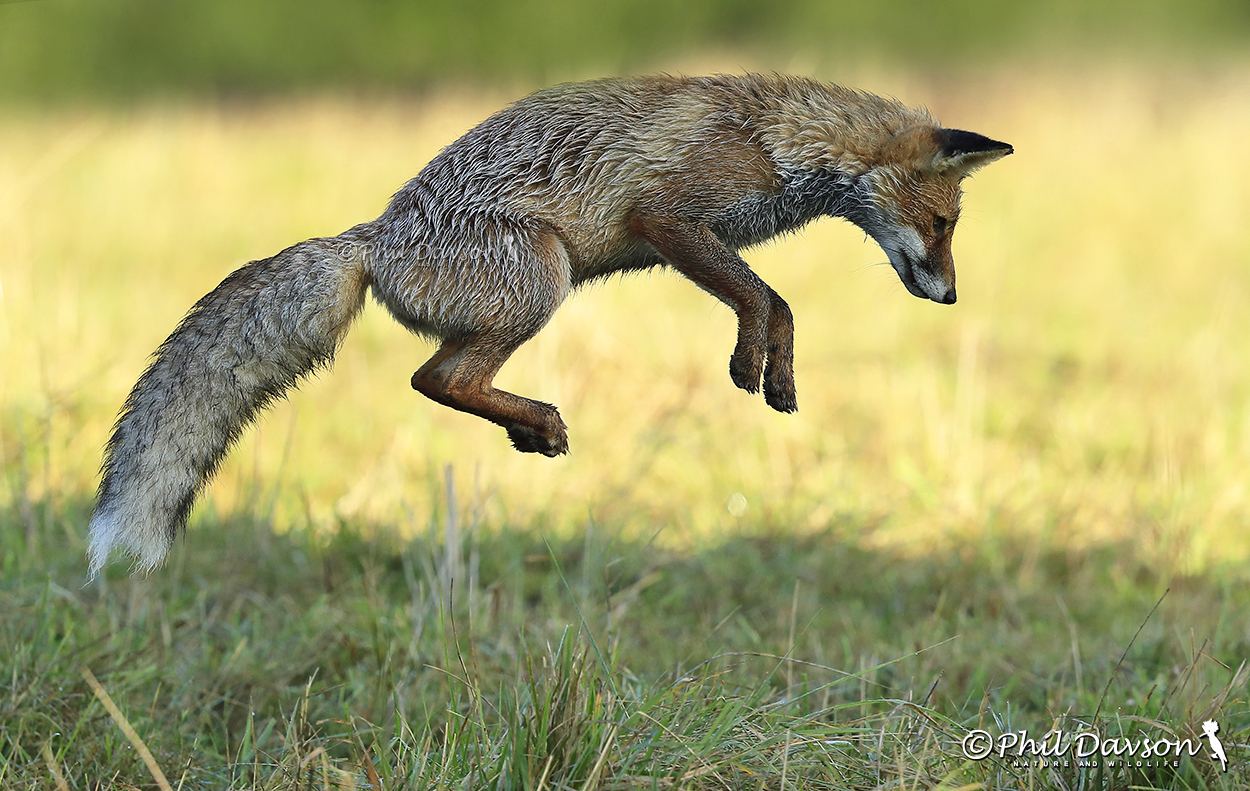
Respecting the animal or bird is paramount. The more time you spend observing them, the better you understand their behavioral patterns.
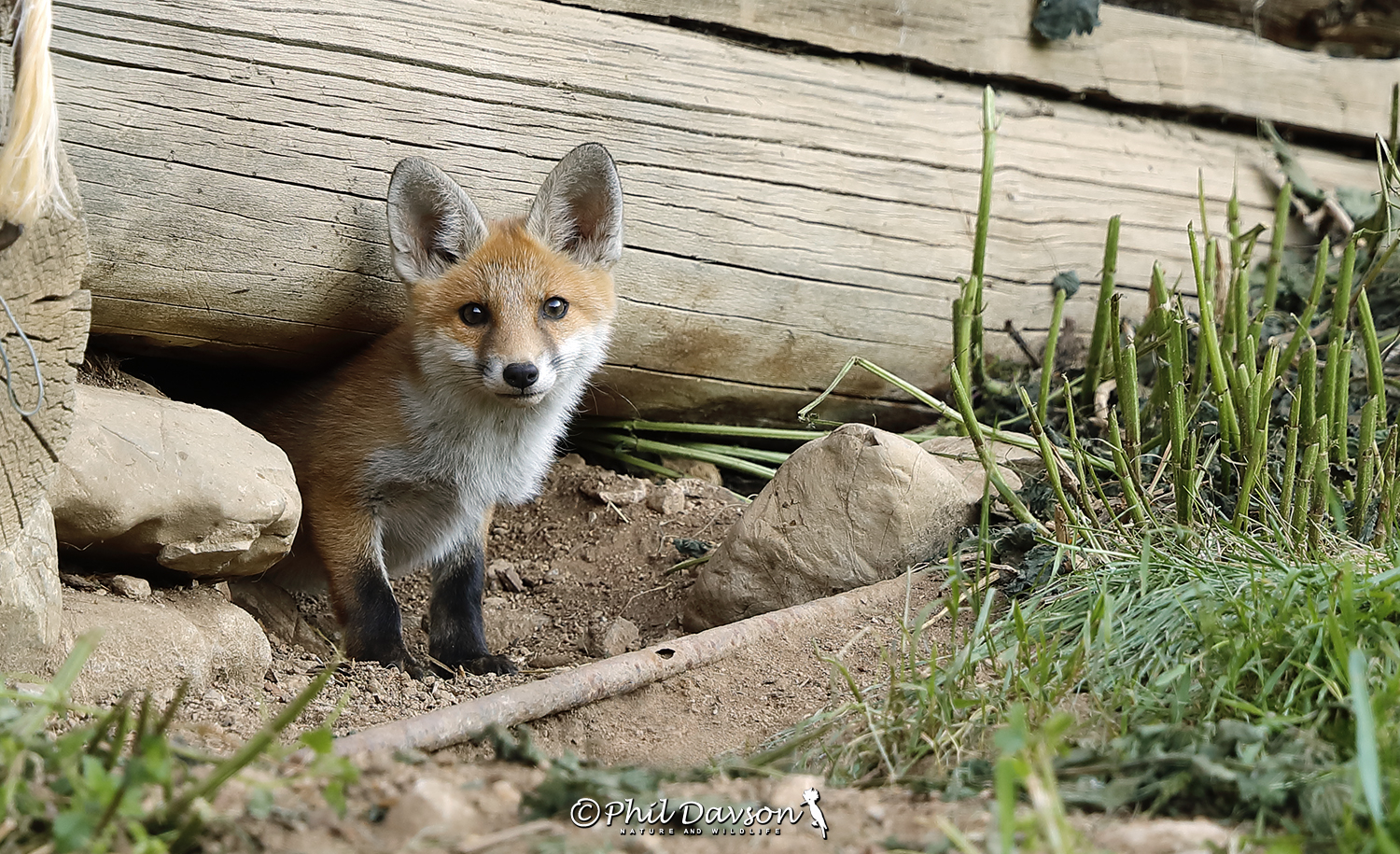
This understanding is critical when you’re trying to anticipate “the moment,” that split second where the seemingly impossible shot becomes possible. Because of this, patience plays a massive role in my daily life; it has truly become a vital part of who I am as a person.
Is there a particular photograph in your portfolio that you are especially proud of? What is the story behind it?
There are so many to choose from, but right now, one image stands out: my shot of flying swallows titled Morning Inspirations.
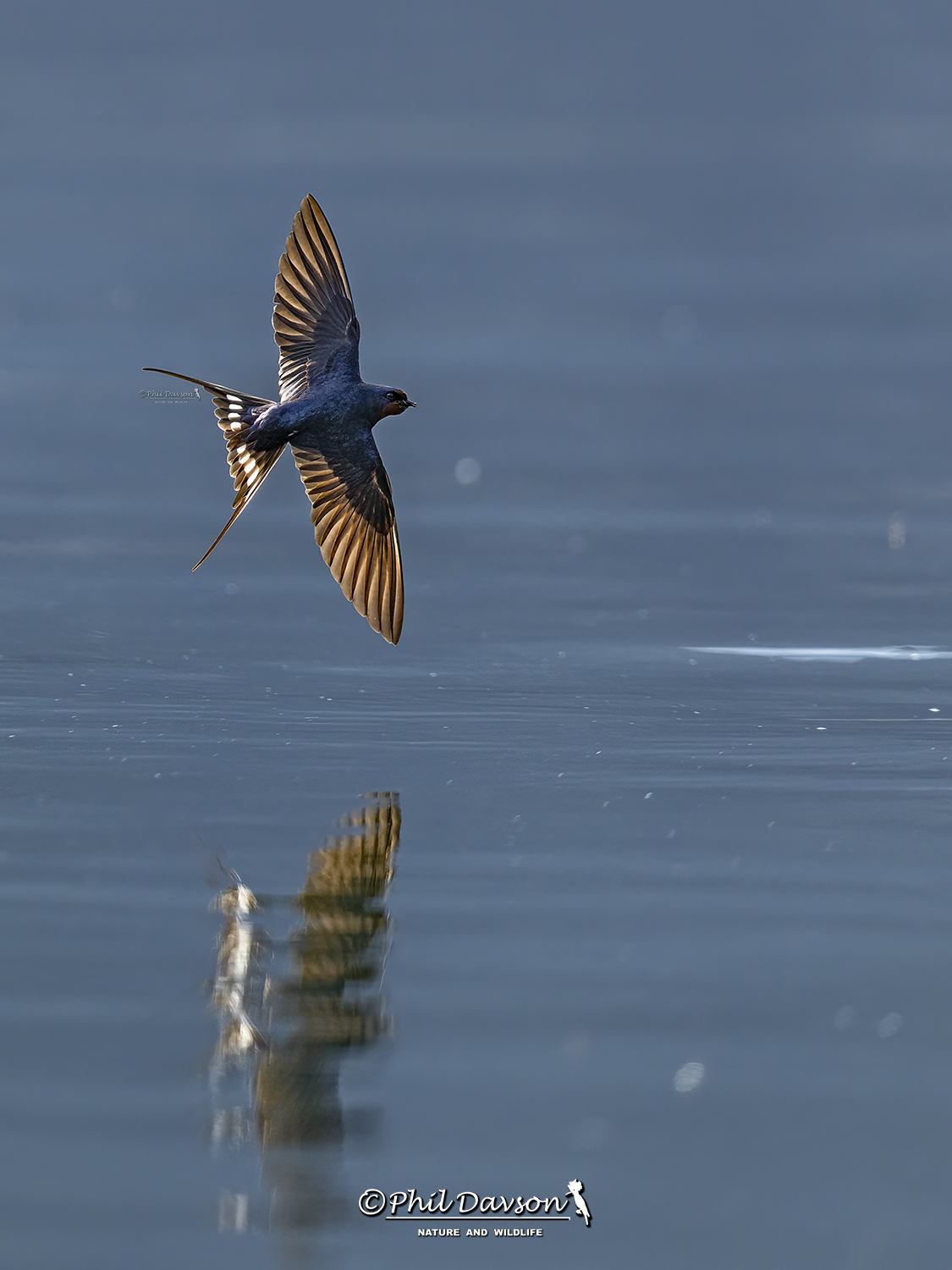
During the breeding season, capturing swallows as they skim across a lake to drink is an incredibly difficult challenge. In this particular frame, I managed to capture a swallow mid-flight, beautifully backlit by the morning light. While I didn’t catch the exact moment it was drinking, I’m still working on mastering that part! Achieving this level of focus and backlighting was immensely rewarding.
You’ve achieved incredible results across multiple genres, even winning “Allrounder Photographer of the Year” at PhotoSuisse 2022. Are there any other genres you are eager to explore or develop further?
Winning that award reflected my love for experimenting across all different genres, from abstract and street photography to architecture, wildlife, black-and-white, and reportage.
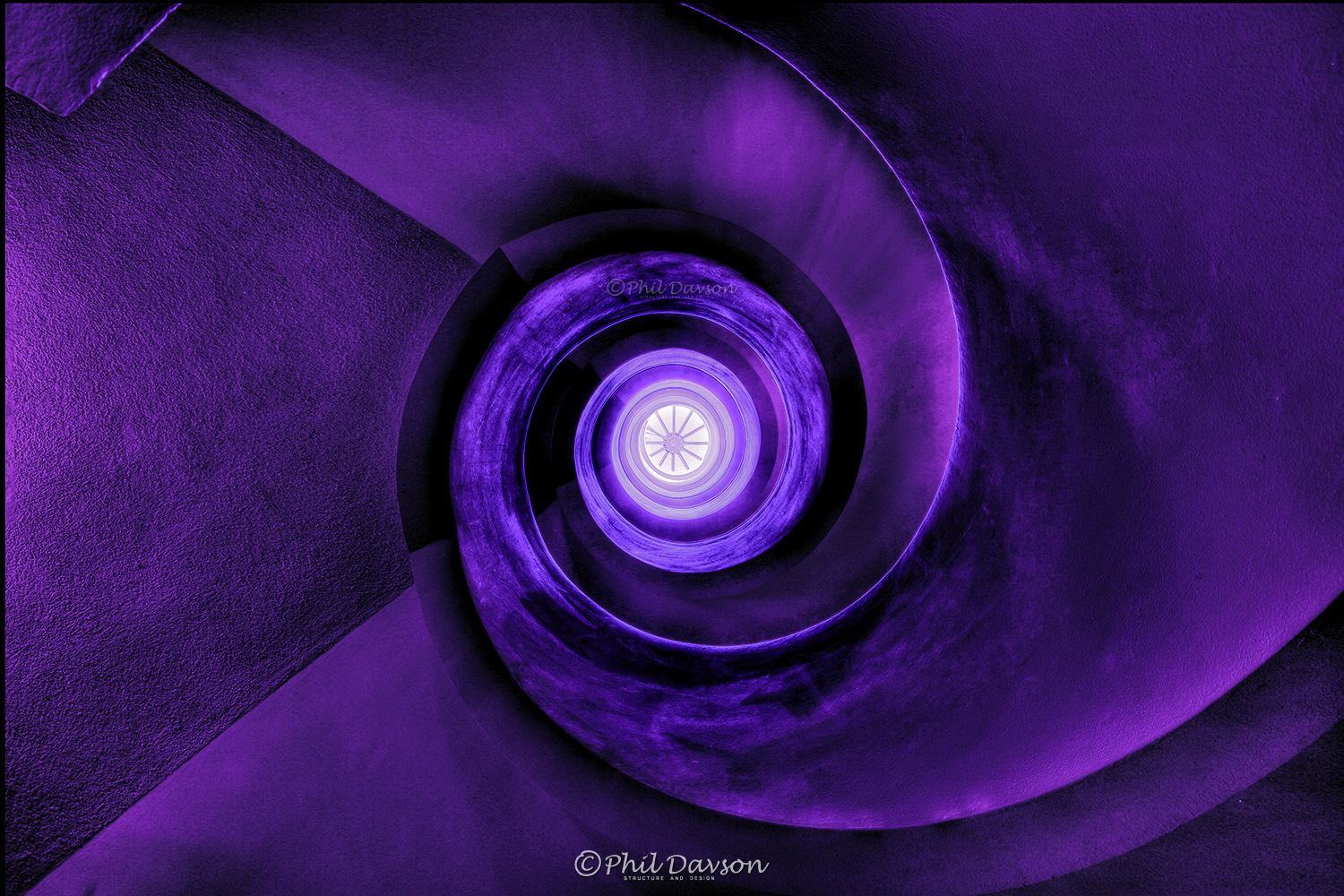
Moving forward, I really want to develop my skills in portraiture. It’s an incredibly important genre that I haven’t fully dived into yet. If you look at the most famous photographers throughout history, almost all of them practiced portrait photography. Every single face represents a completely unique scenario and creative challenge. I look forward to evolving my style to include it.
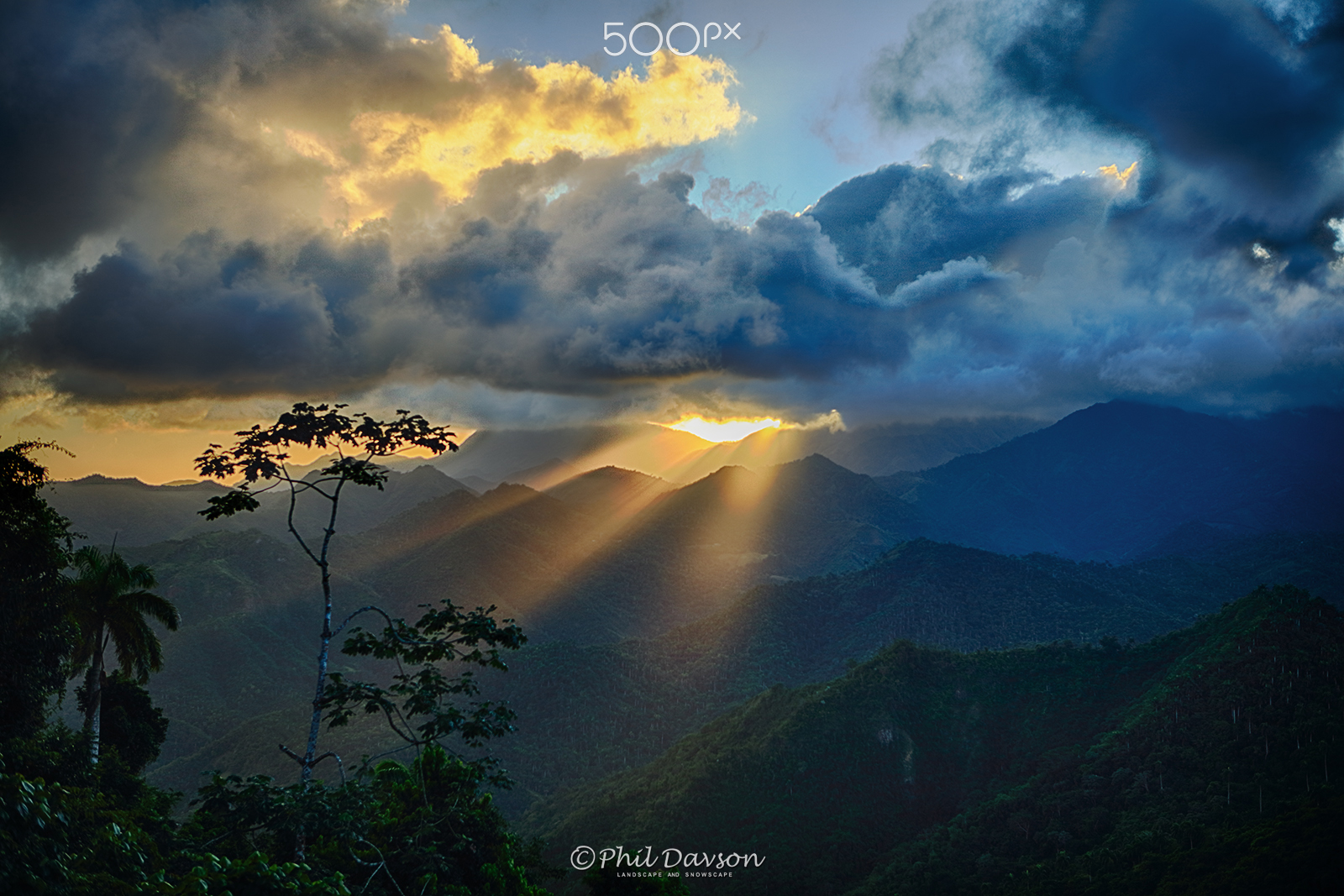
Light is the undeniable anchor of your portfolio. How does your experience working with the artificial glow of city streets shape the way you chase natural light in the wilderness?
Light, whether natural or artificial, is the lifeblood of photography. Without it, we are quite literally in the dark. My personal style leans toward a clean, bright, and highly illuminated aesthetic. I love images that “pop” right off the page, rather than relying on somber or moody tones, though I completely respect the atmosphere those tones can create.
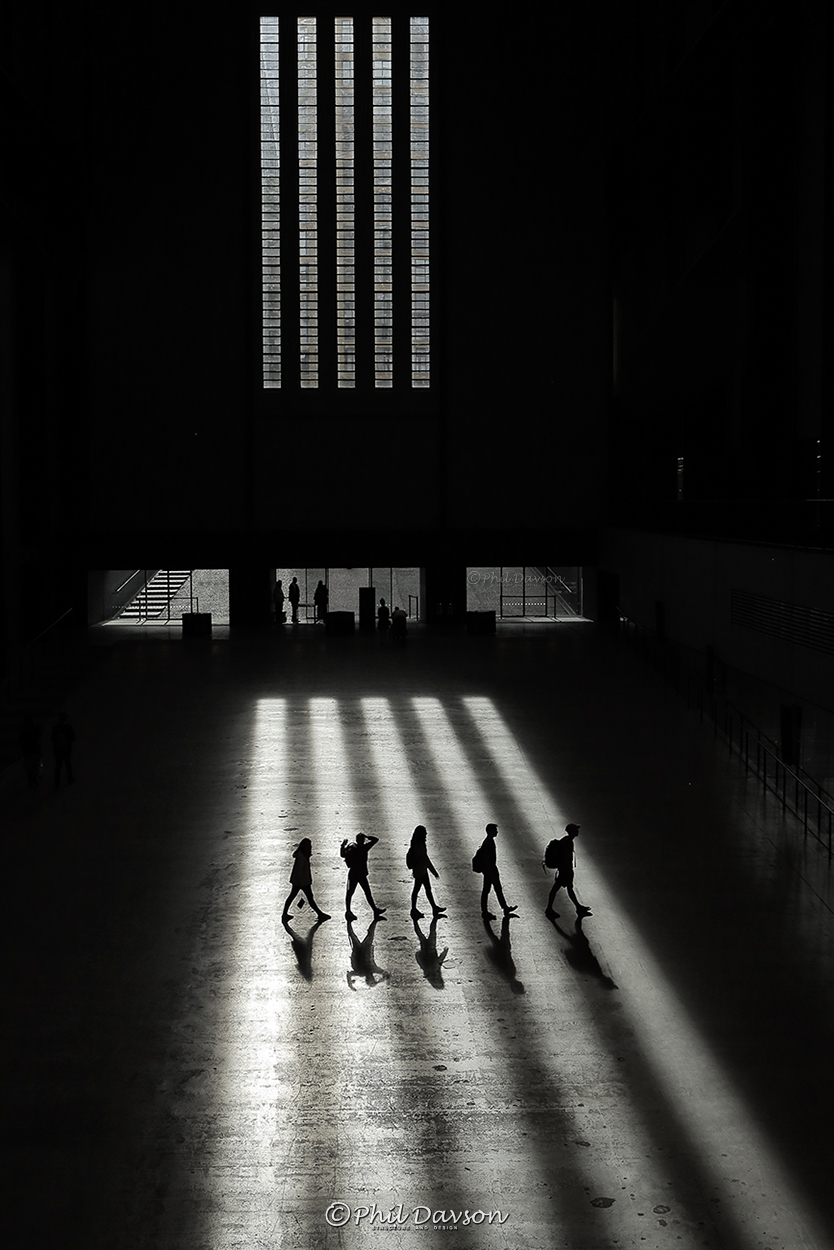
Professionals always preach that the “Golden Hour,” the two hours after sunrise and the two hours before sunset, is the prime time for wildlife photography, and that’s absolutely true. But it isn’t the only time to shoot. Dramatic action can happen at any hour of the day, and as my nightscapes show, even long after the sun goes down.
One of our previous featured photographers, Ernesto Now, left a question for you: “To find the perfect moment, do you search for it with your eye or with your heart? Are your photos built from the visual or the feeling?”
That is an interesting question. For me, capturing the perfect moment comes more from searching with the eye than the heart. Of course, there is always an underlying layer of emotion surrounding a great shot, but my photos are fundamentally built from a visual perspective.
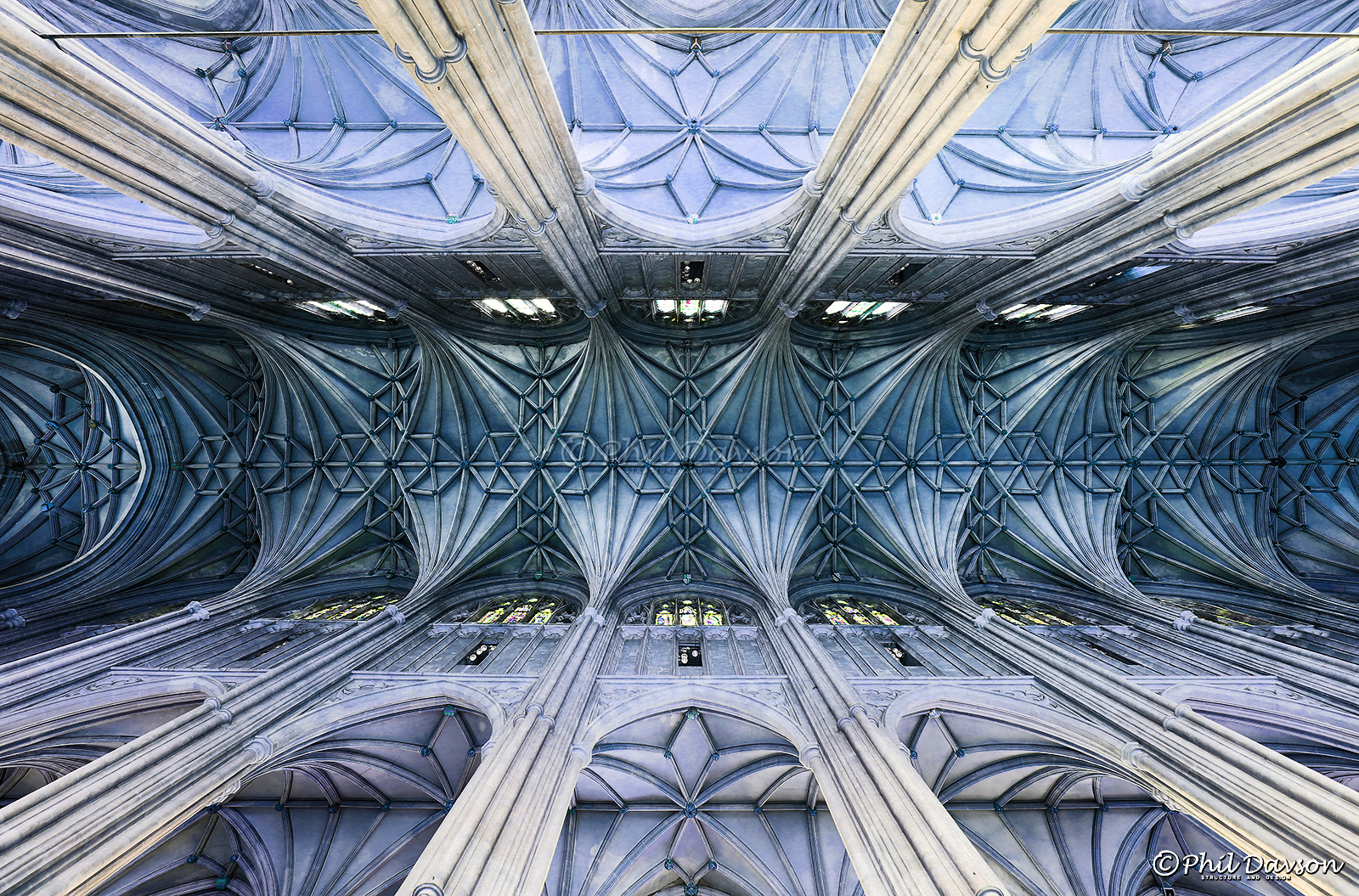
I focus on how I perceive the subject or composition within the context of its environment. While “feeling” relies on emotion, having a sharp visual sense of your surroundings is a photographer’s greatest advantage.