David Baca is an American photographer with a portfolio encapsulating the diverse beauty of nature. His work, whether focused on the detailed structure of a flower or the expansive movements of the sky, is marked by a profound interest in the natural world in all its forms. We spoke with David about his beginnings, his diverse range of subjects, and the specific patience required to capture the natural world.
David, thank you for joining us. To get started, could you tell us about your background and what initially sparked your interest in photography?
I didn’t really have a big “day one” moment. I’m from the country, where the closest city had a population of roughly 15,000. When I was a teenager, I got the chance to travel to bigger cities like Chicago, Los Angeles, and Denver. I remember carrying around a bag full of disposable cameras. Cityscapes, architecture, visual arts, everything drew me to photograph it all.
From then on, photography became a hobby. Anytime something caught my eye, I’d stop and take a photo. But it was always more than that. Every time, it was because something made me feel a certain way. I think that’s true for everyone, but now I’m more aware of it and more grateful for it.
Your portfolio moves fluidly between the close detail of floral photography and the wide-open expanse of the sky and landscapes. Do you feel like you are searching for the same sense of beauty in a petal as you are in a mountain range, and what is your creative mindset when approaching those two completely different subjects?
I think it’s the same search for beauty, just at different scales. Whether it’s a flower or a landscape, I’m looking for something that feels real in the moment. With flowers, it feels quieter, more focused, and calming.
With landscapes or the sky, it can feel more open, sometimes peaceful, sometimes chaotic. But the intention doesn’t really change. Every photo I take comes back to how it made me feel.
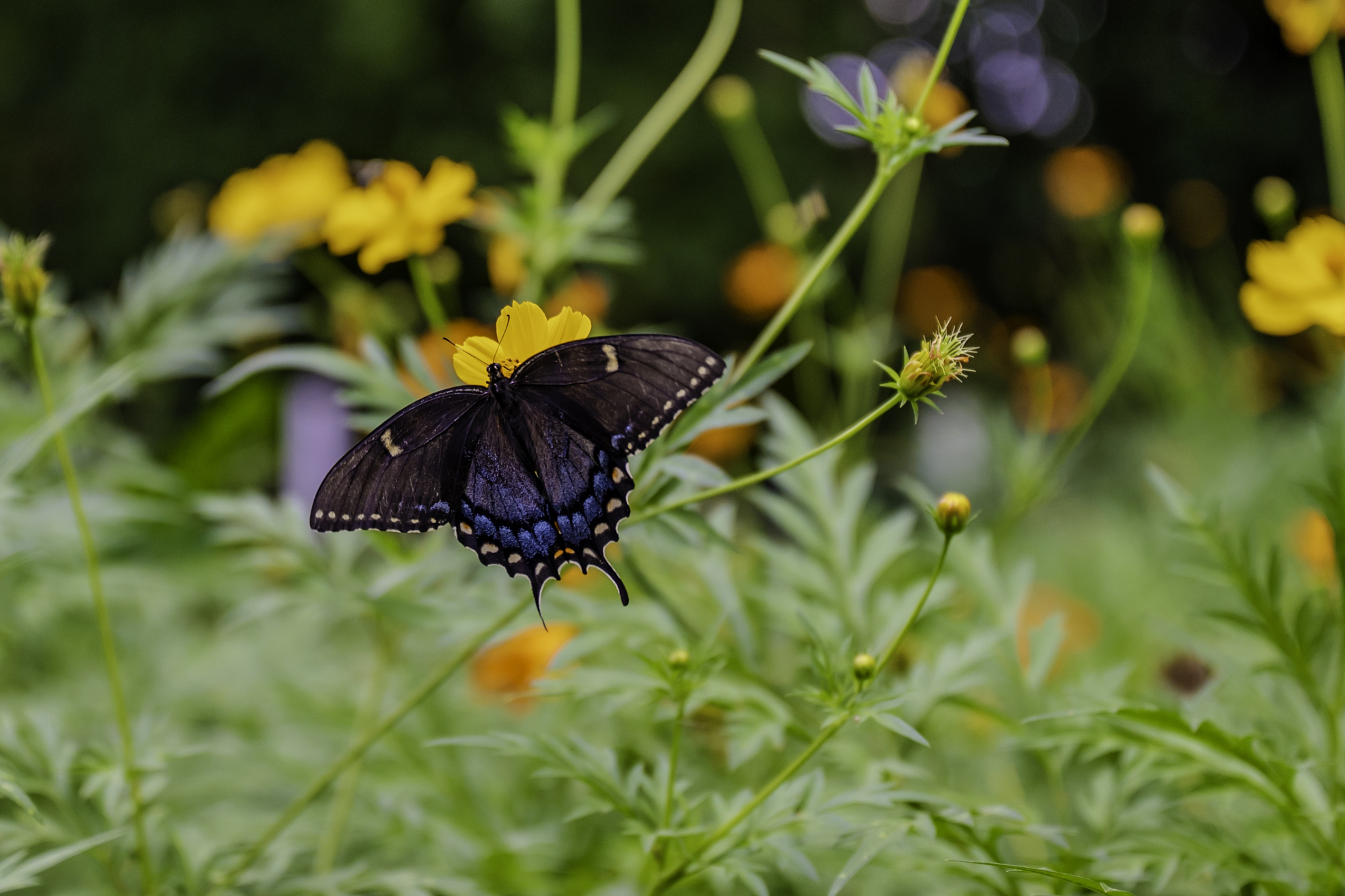
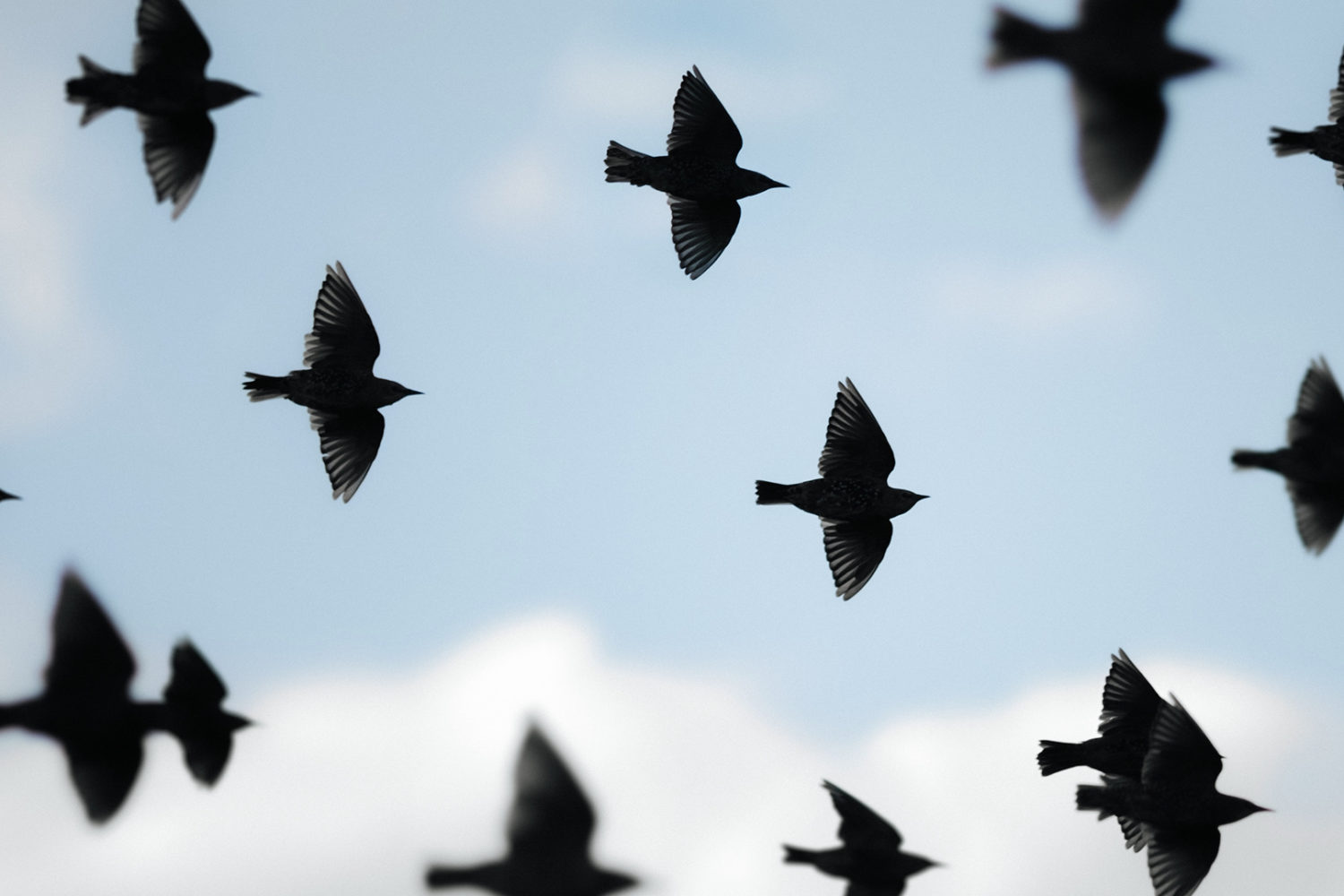
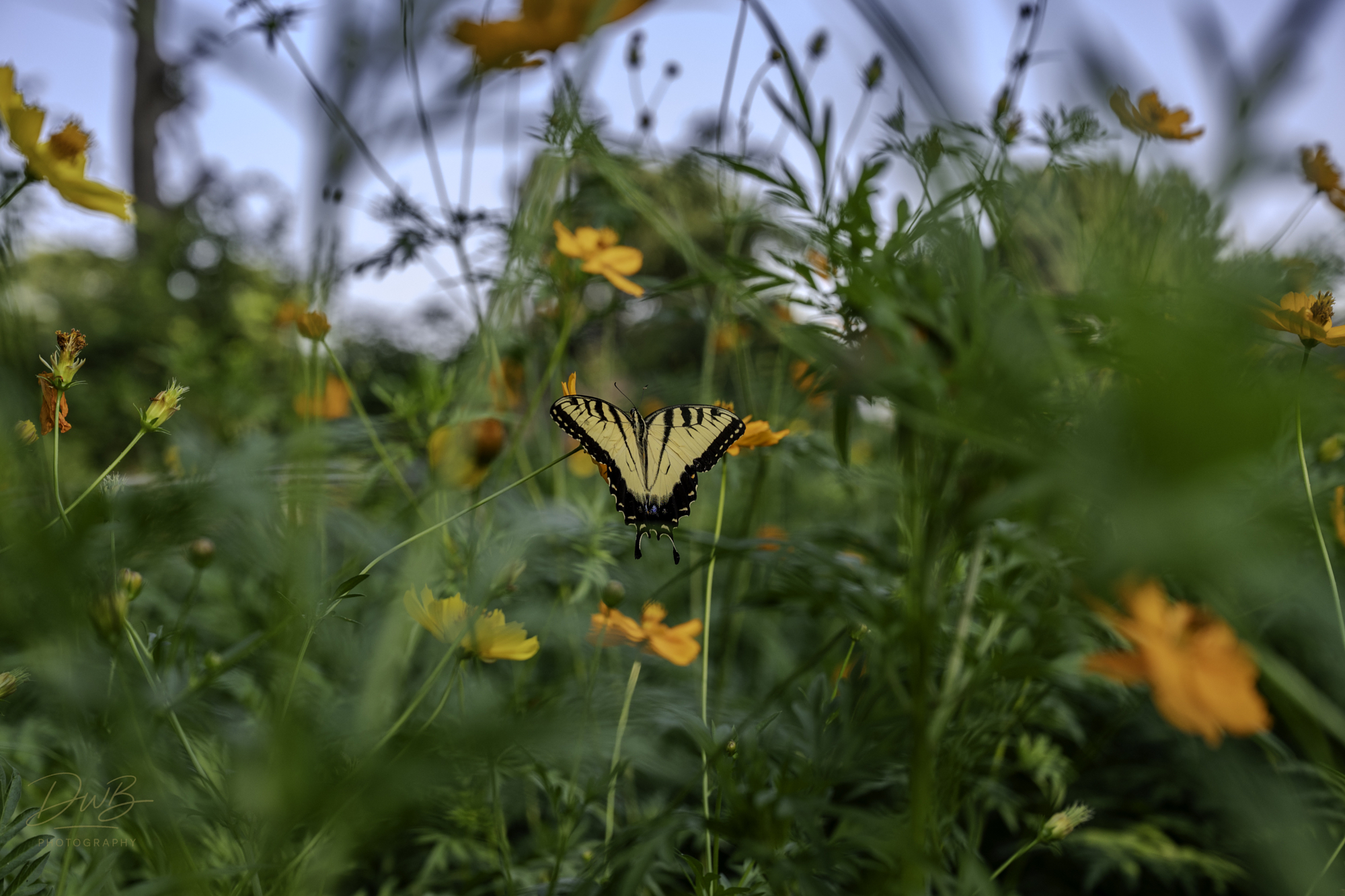
Photographing birds and insects requires a high level of technical skill and an even higher level of patience. What has the process of tracking and waiting for wildlife taught you about the value of silence and observation in your daily life outside of photography?
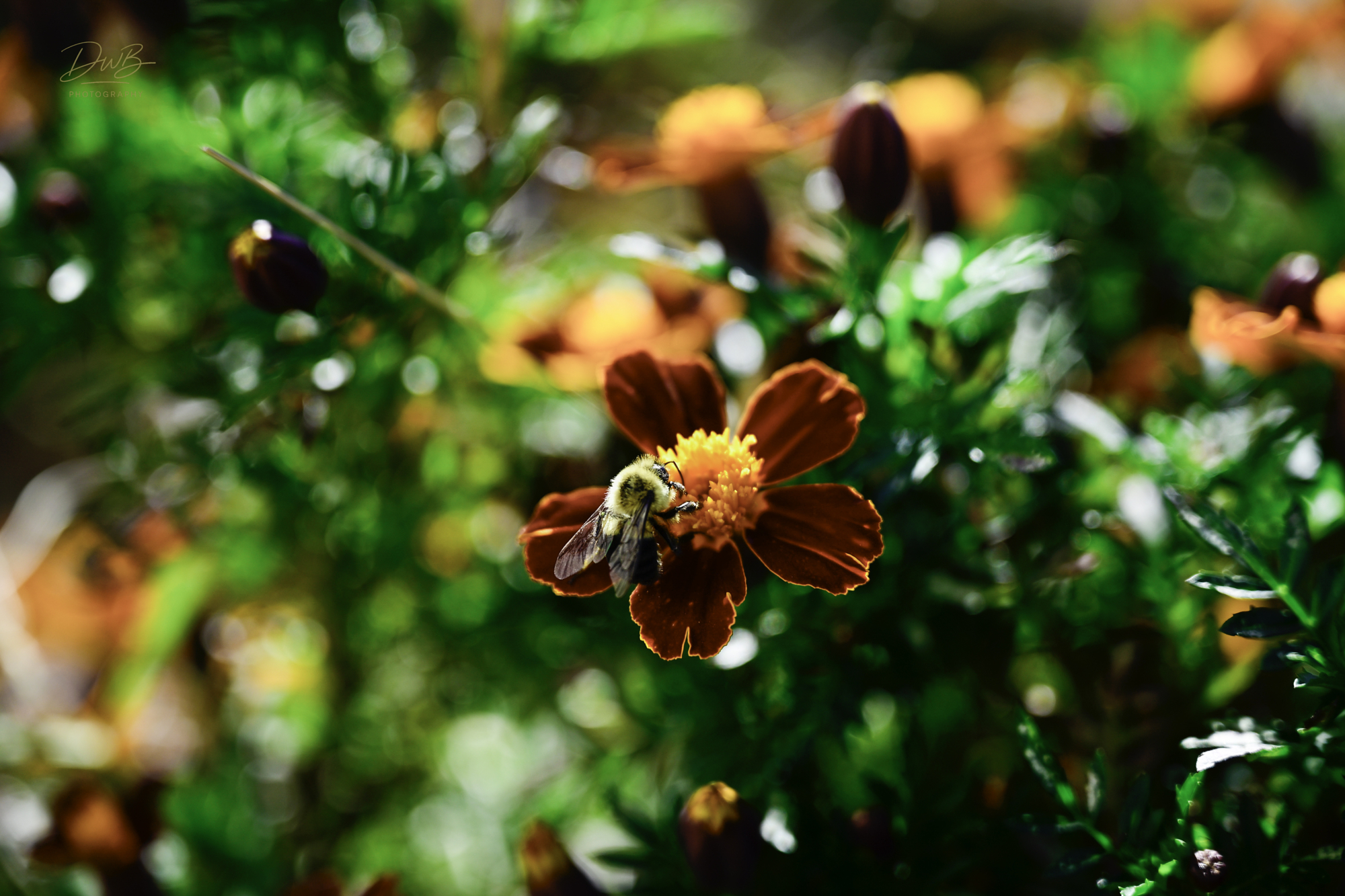
Nature photography definitely taught me to slow down. You can’t force those shots; most of the time you’re waiting, watching, and hoping the moment lines up. Other times, you’re out there following a bumblebee around a field, hoping it lands long enough to get the picture.
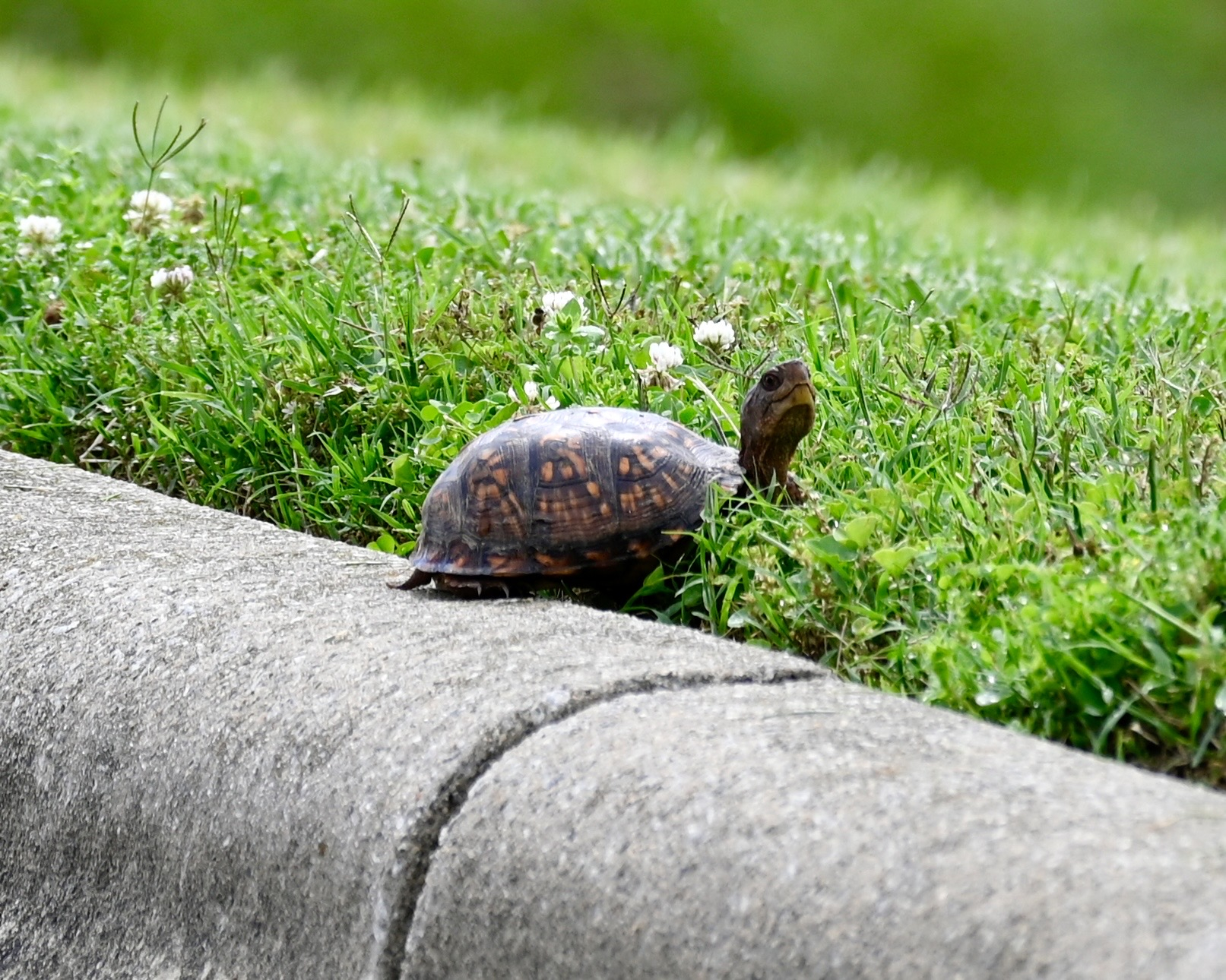
Life can feel pretty chaotic, but when I’m there with a camera, looking through the viewfinder, everything kind of settles. My body relaxes, and my mind slows down. That’s probably one of the biggest things photography has given me.
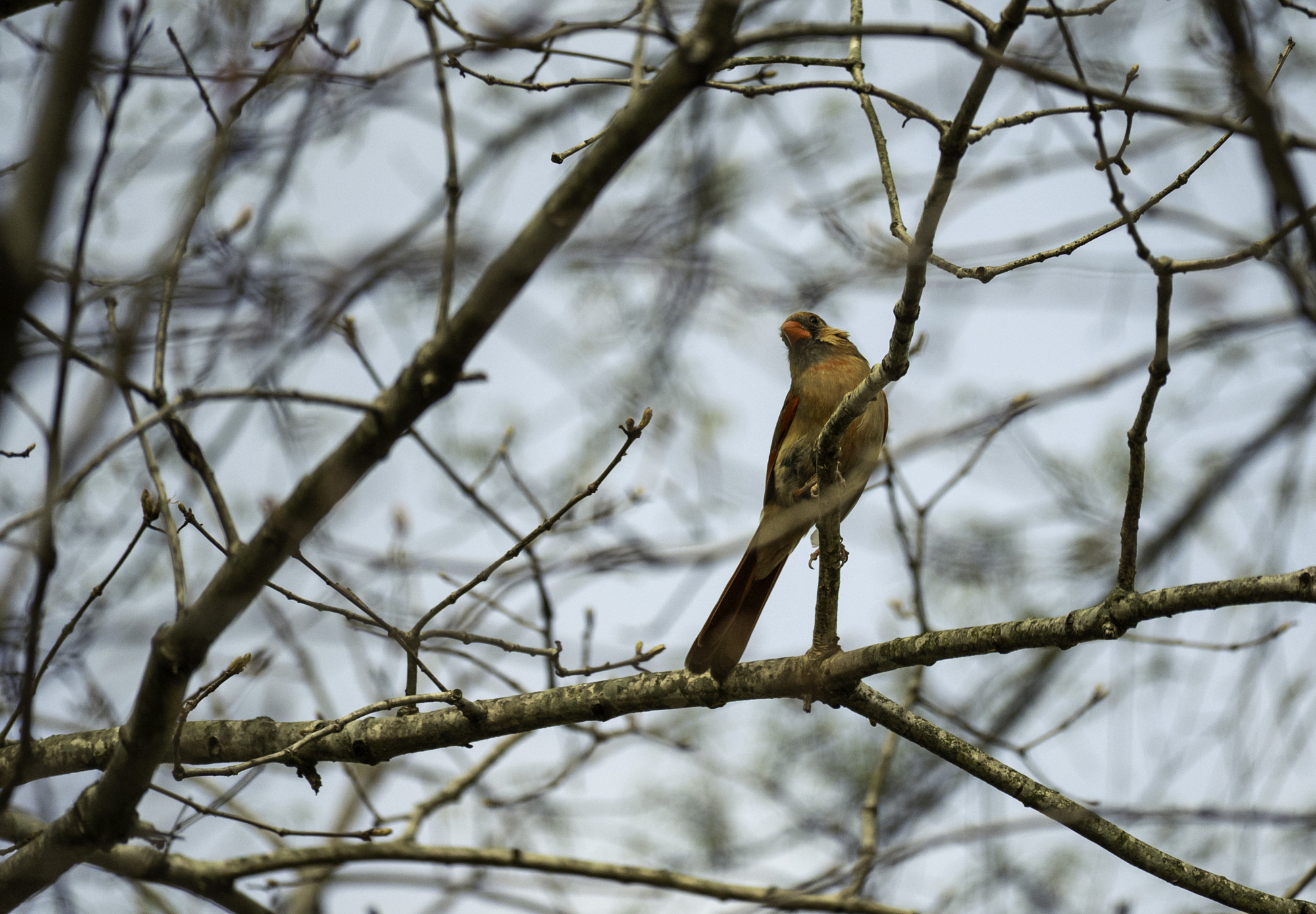
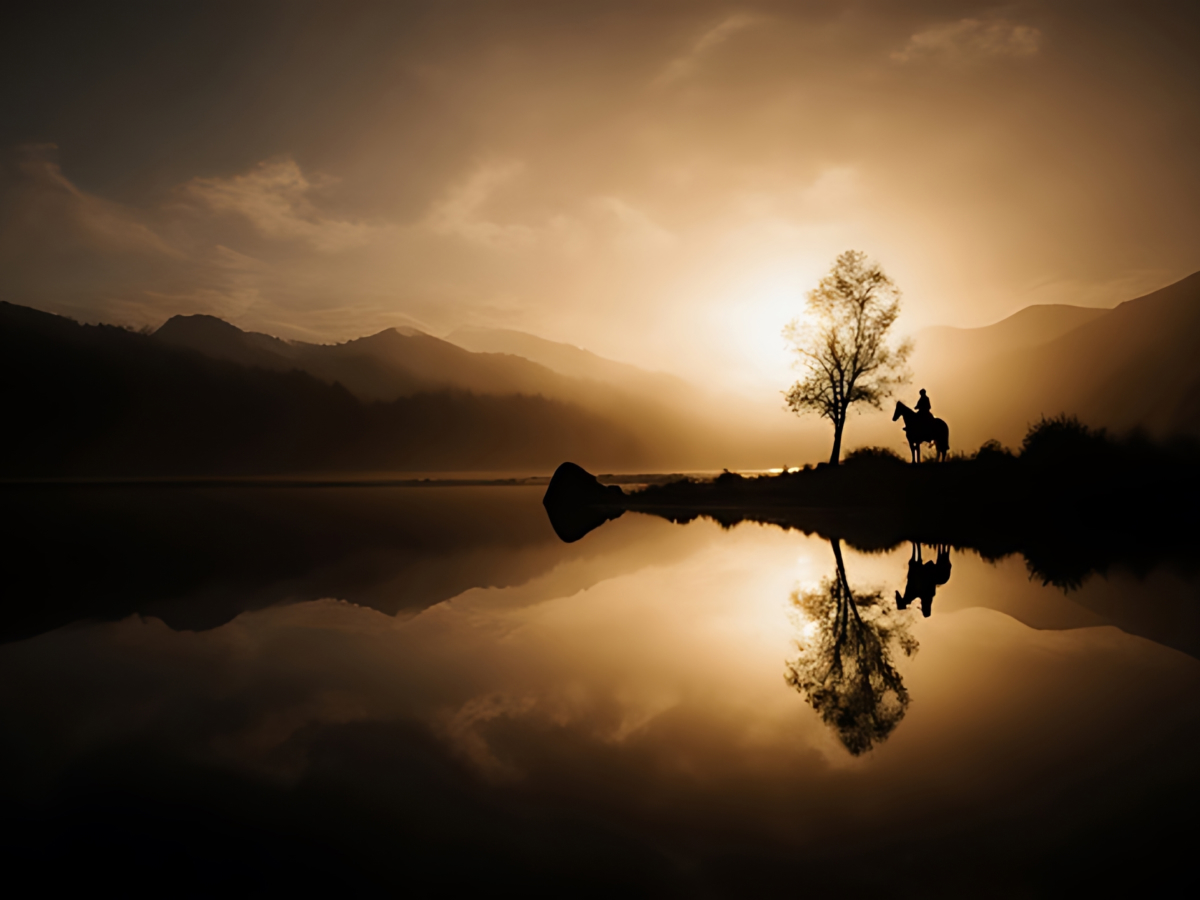
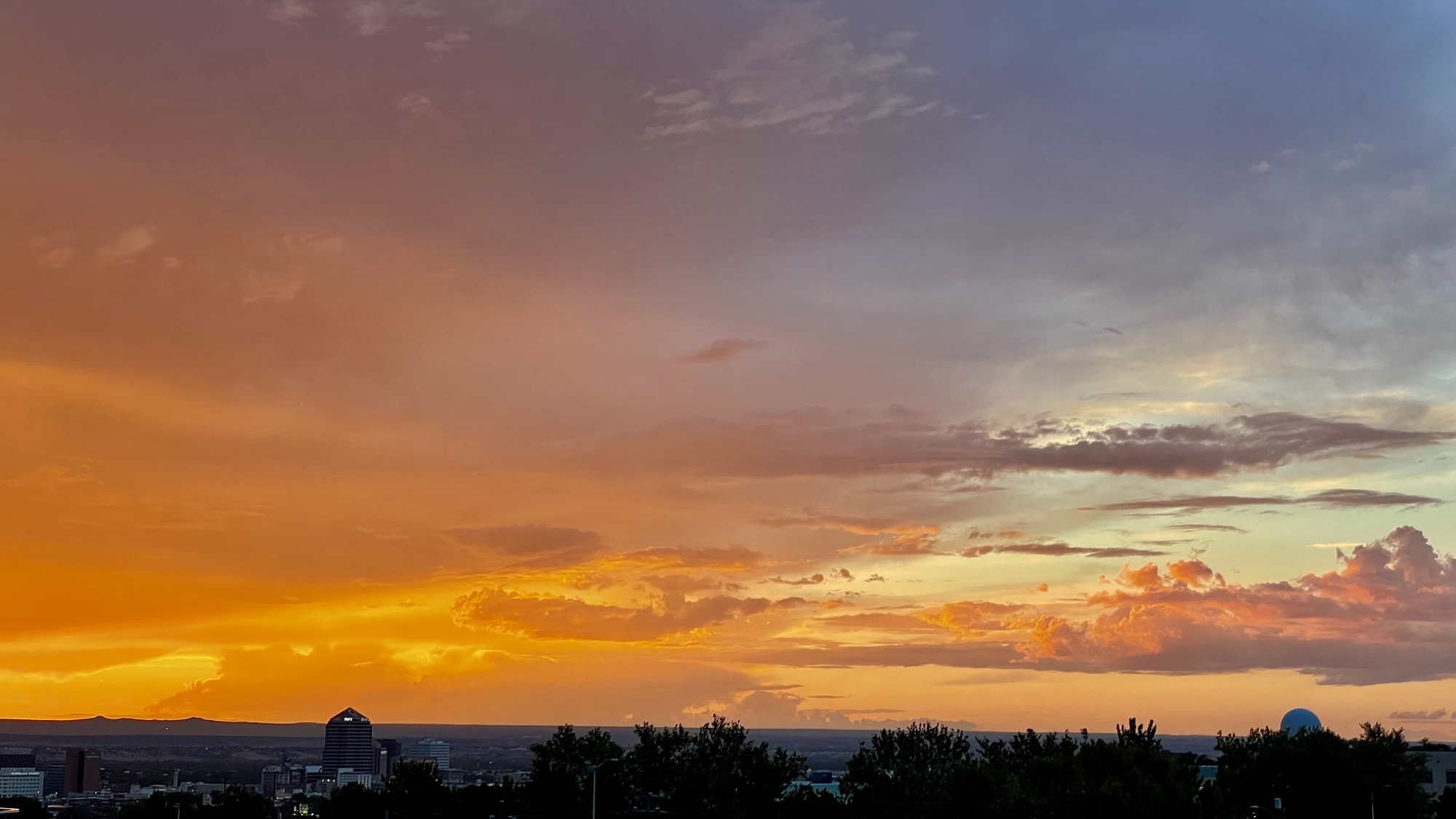
You have a dedicated focus on the sky in much of your work, treating it as a primary subject rather than just a background. What is it about the atmosphere and the changing light that keeps you looking upward?
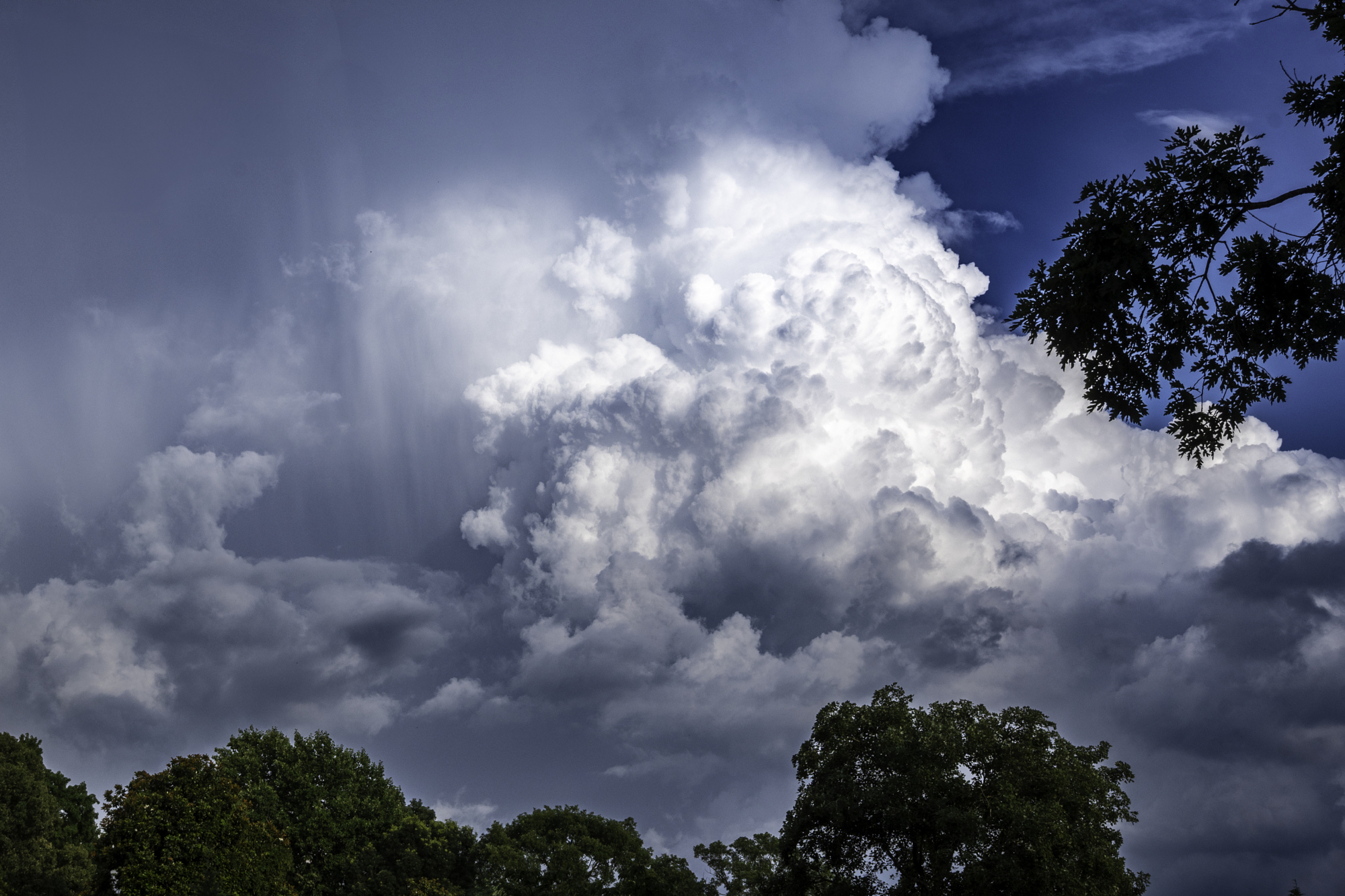
When I was younger, I watched the film Castle in the Sky by Hayao Miyazaki. The atmosphere, the possibilities, and the visuals stayed with me. It’s still one of my favorite films. Ever since, I’ve looked up at the cloudy sky and imagined something more, like a floating world hidden in it.
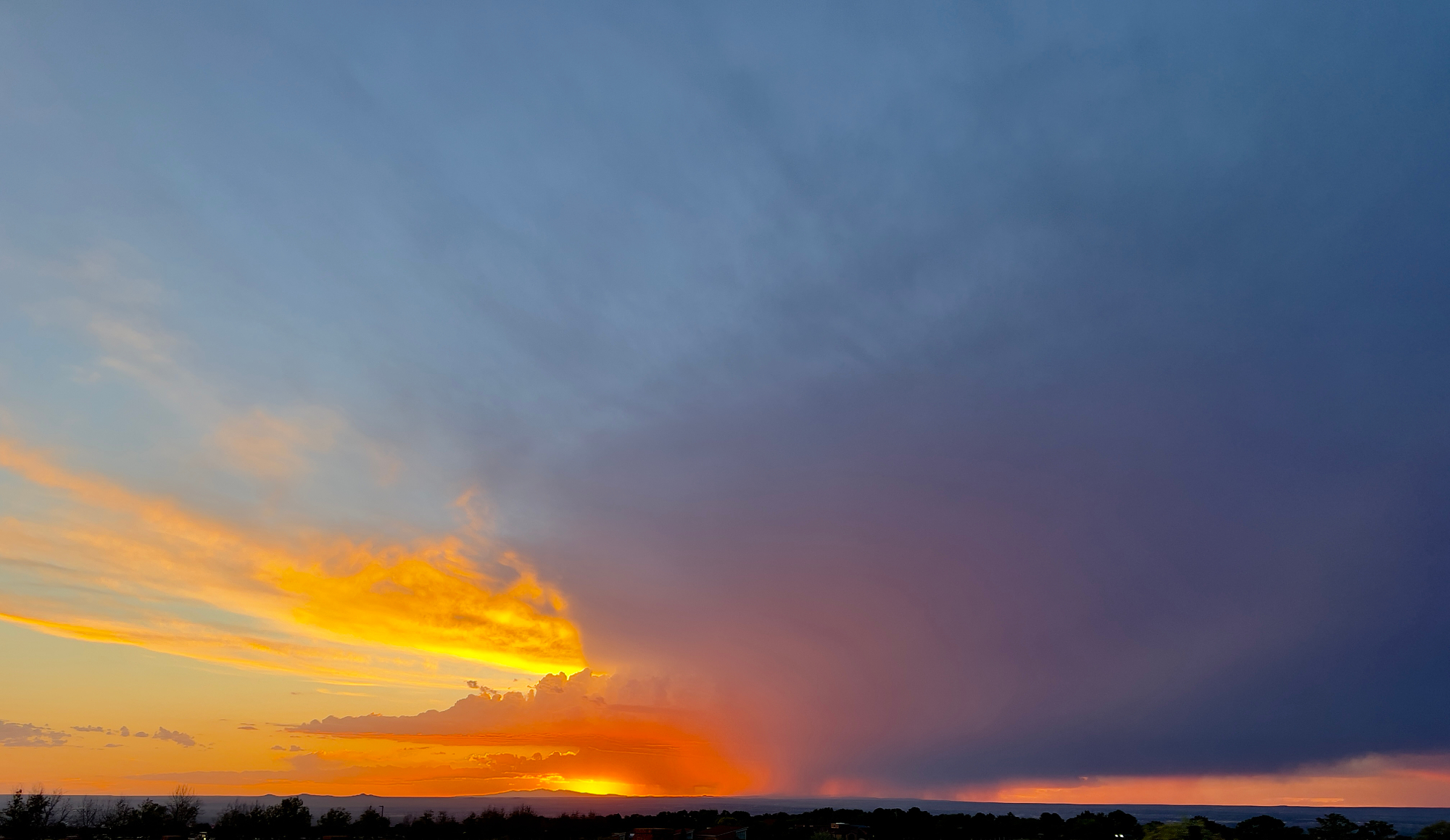
The sky sparks my imagination. It’s always changing, and it can bring out a sense of wonder, beauty, and sometimes even adventure.
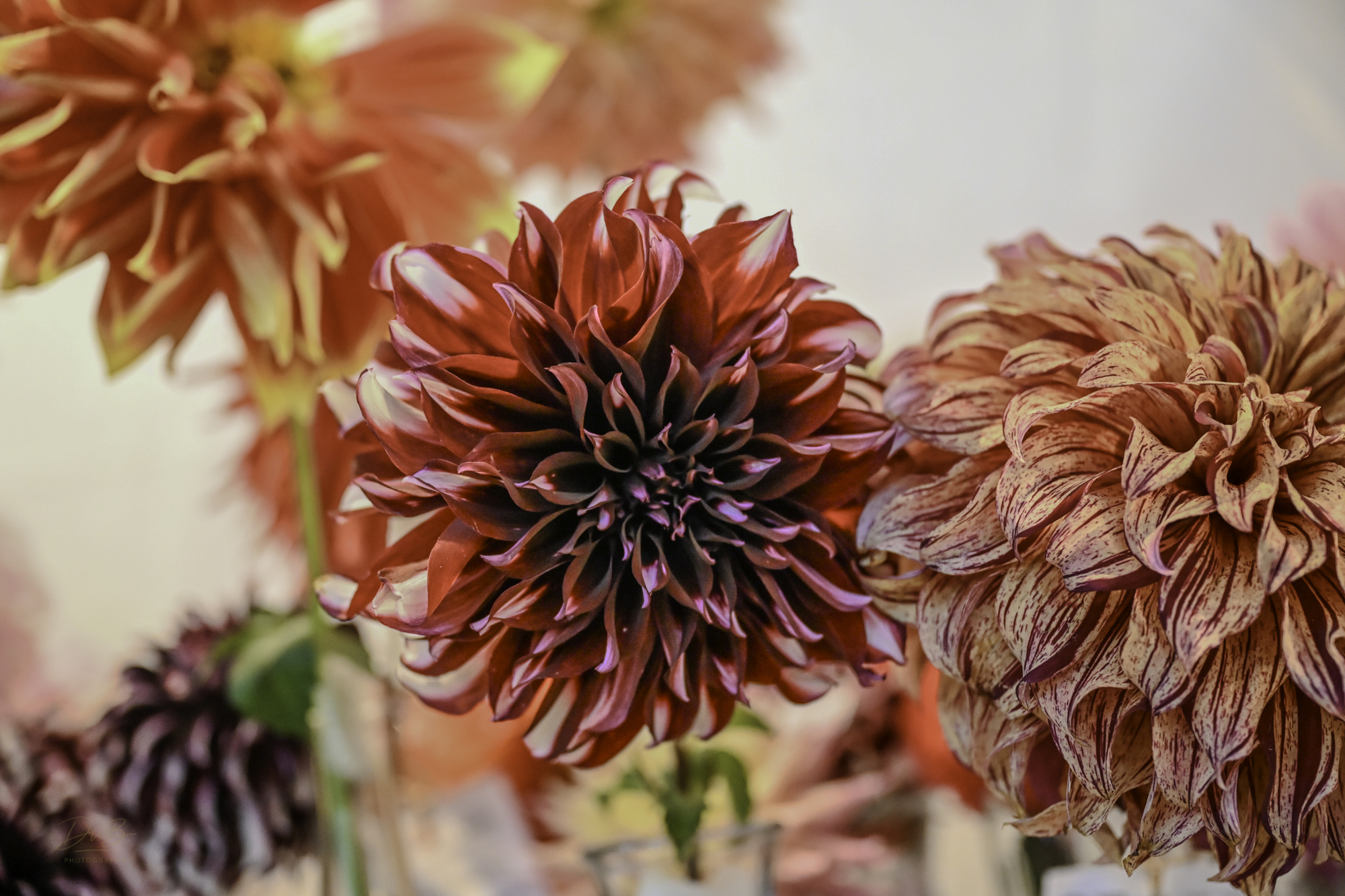
Floral photography can easily fall into the trap of being merely decorative still-life. How do you approach floral photography to ensure you are capturing its unique character or feeling rather than just a traditional, “pretty” object?
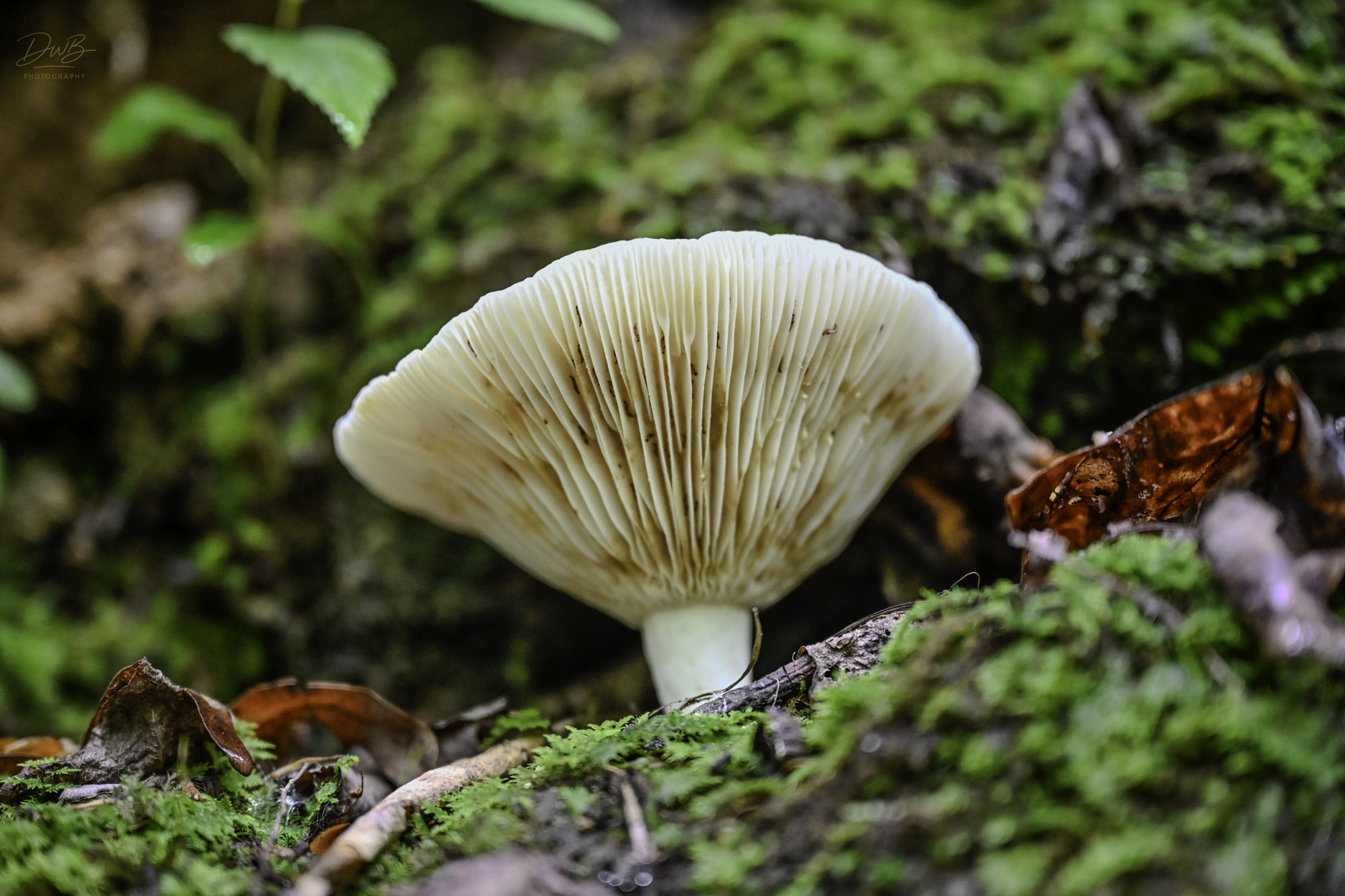
I try to capture still-life photos with more than aesthetics in mind. I’m usually looking for something a little different, like the way the light hits it, a detail, or a color that stands out.
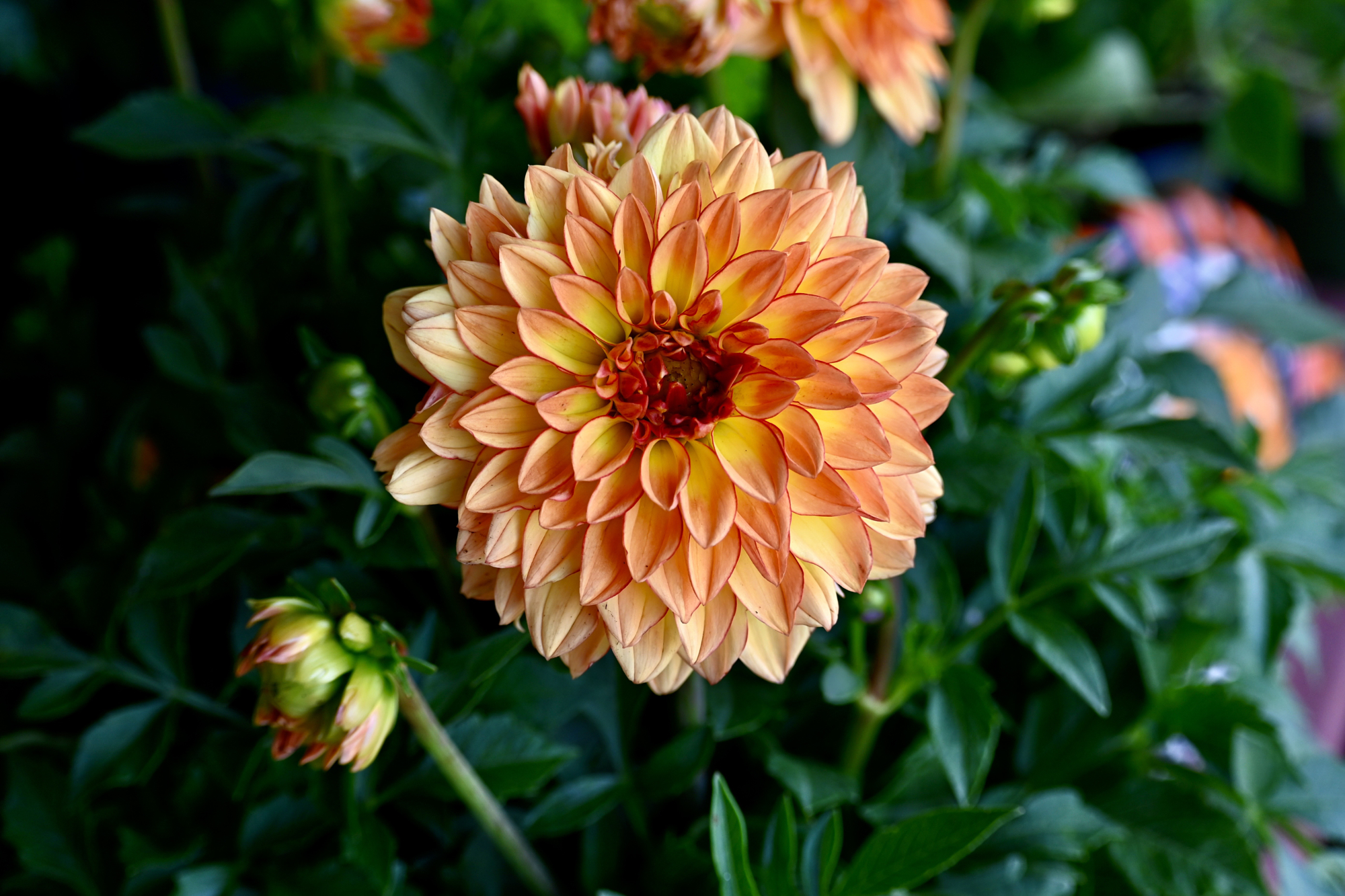
I often find that its imperfections make the photo interesting. In every case, though, it comes down to finding something striking to me and being able to share that feeling through a photo.
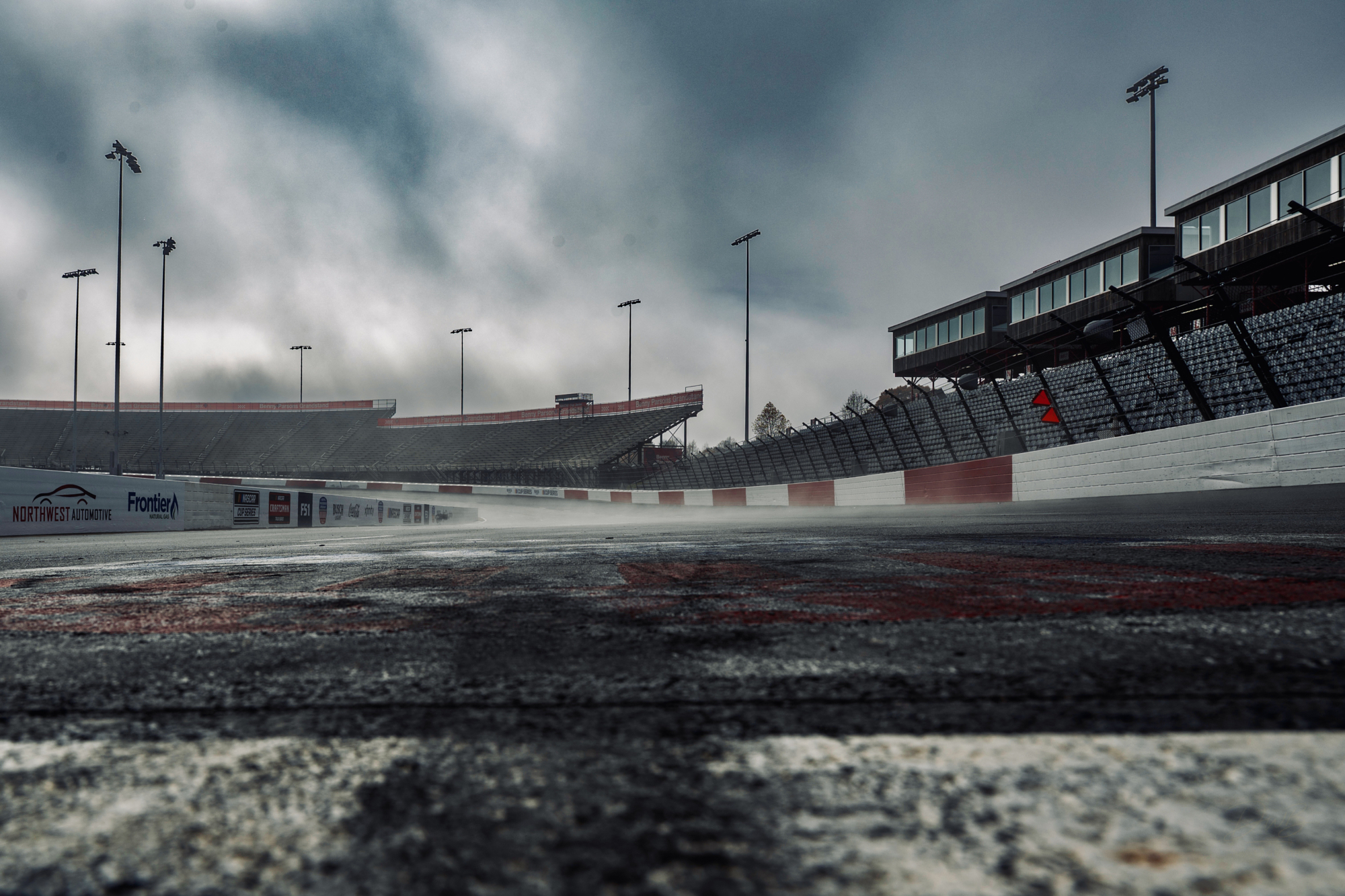
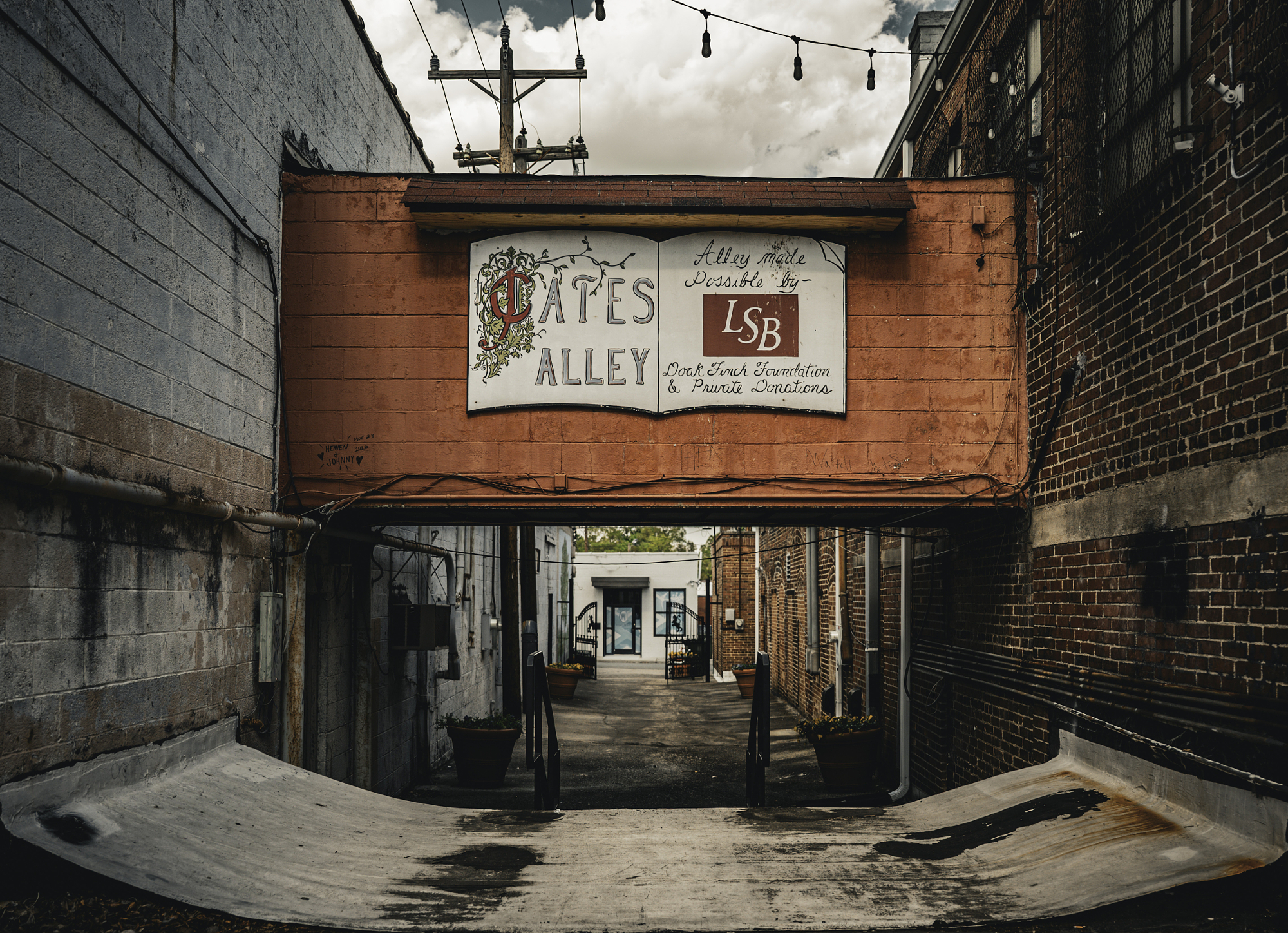
Your nature photography is known for its stillness, a sharp contrast to the energy of more populated areas. When you are photographing in urban environments, whether in bustling cities or smaller towns, are you seeking out the same organic patterns you find in the wild?
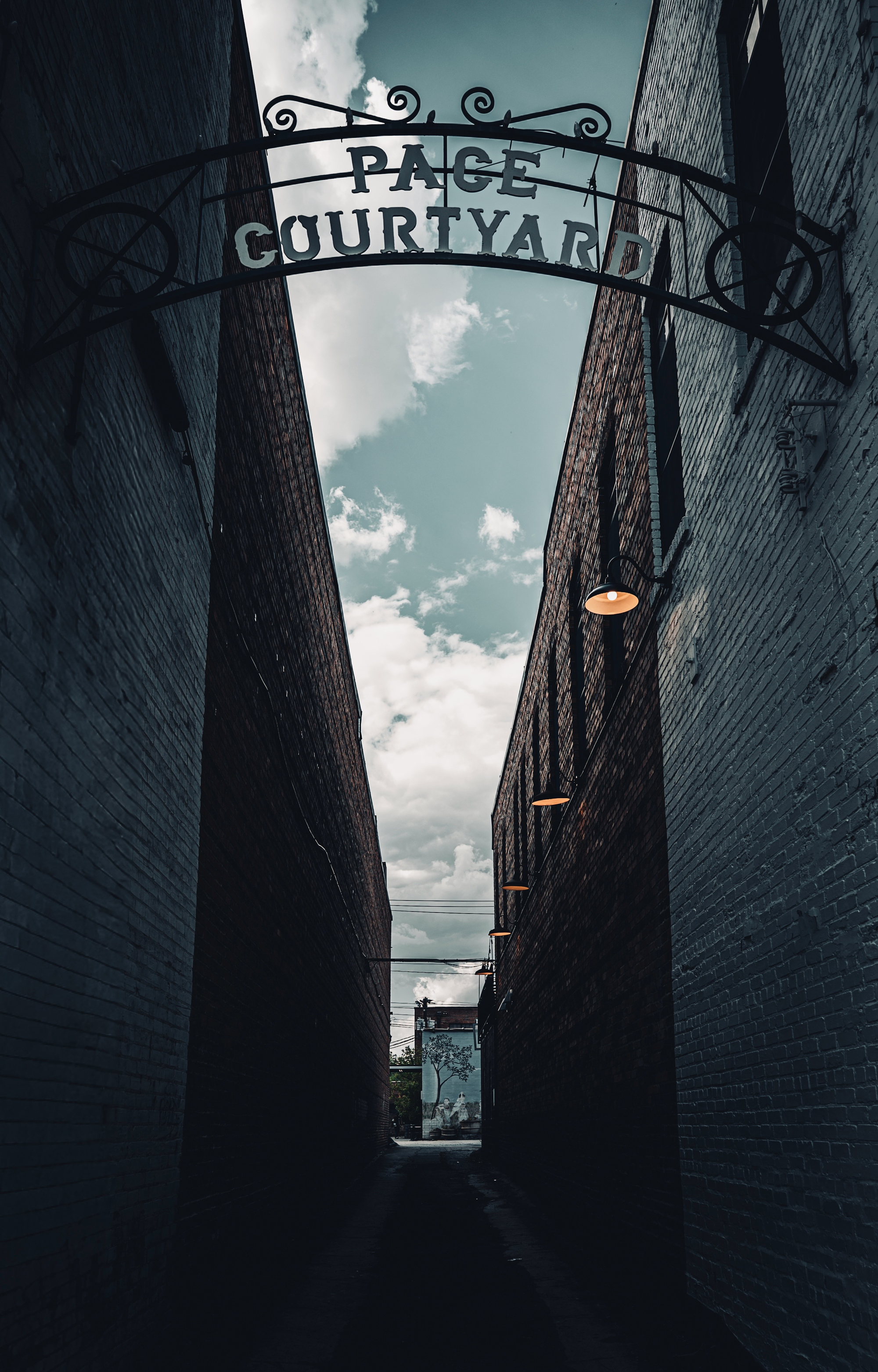
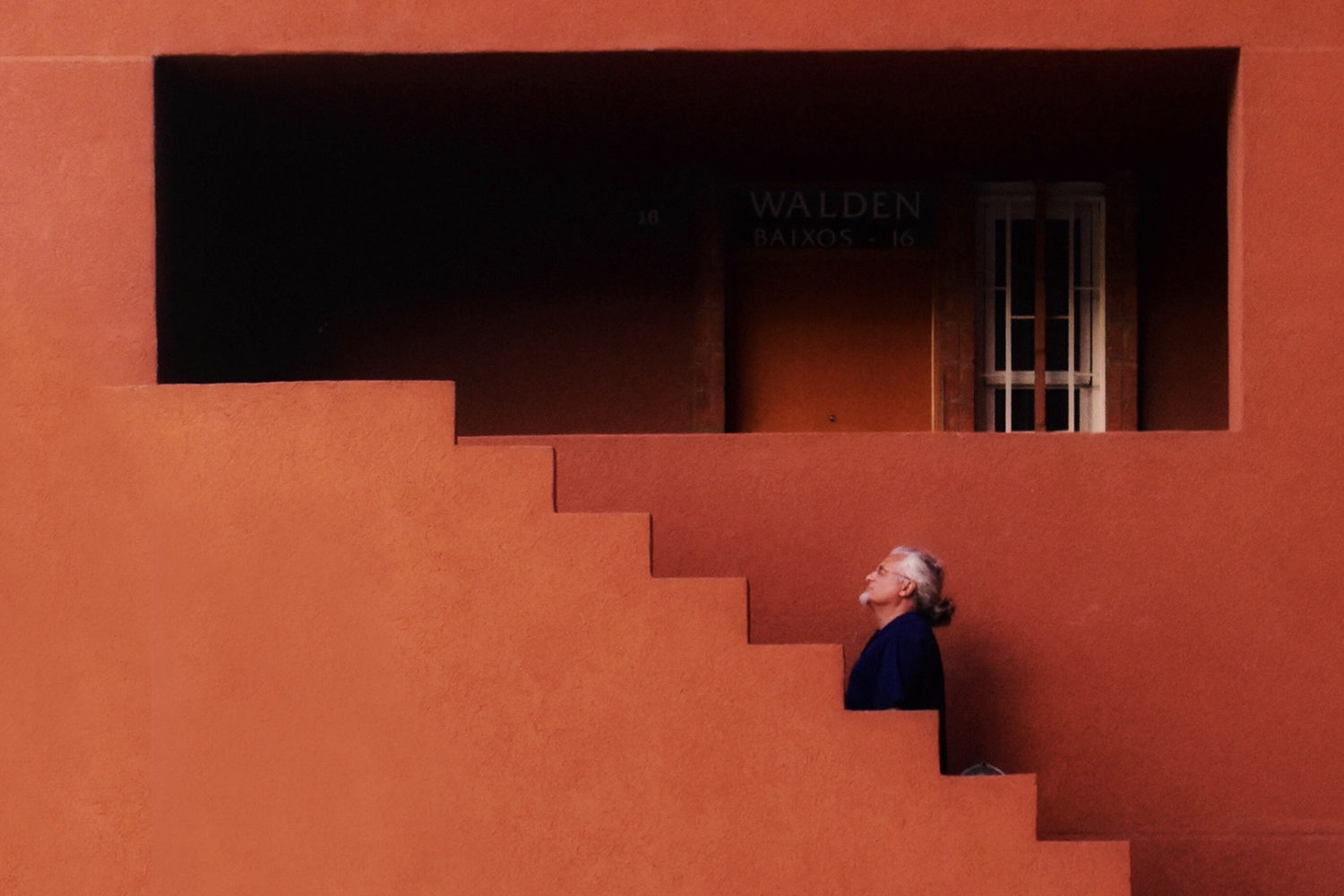
In cities, I notice patterns, more lines, shapes, and structure. Architecture, cityscapes, and the overall design bring the city builders to mind as I take photos of what they’ve created, planned, and intended. As opposed to nature, which has a different rhythm. Location, inhabitants, time of day, weather, and nature’s vagaries make photos peaceful or chaotic.
Many photographers specialize in one niche to build a brand, yet you embrace a very broad spectrum of subjects to focus on. Have you found that this diversity within your portfolio keeps your creativity fresh?
I haven’t found my niche. A lot of talented photographers have their specialty and really own it. Right now, I like the variety. I still consider myself an amateur, and I am still learning.
I want to keep exploring different areas and figuring out what really sticks over time. Any pressure I feel to find one comes from social media, where so many have their niche.
Looking back at your work from when you first started sharing on 500px to your most recent uploads, what is the most significant shift you have noticed in your own visual sensibility or the way you compose a shot?
The biggest difference in my photography now is that I’m more intentional in my process. Before, I took photos of whatever caught my eye, and that’s still part of it, but now I think more about composition, light, and timing before I take the shot. I also shoot less, but with more purpose.
Of all the photos you’ve taken, which single image do you feel is the most representative of your overall style and technical skill?
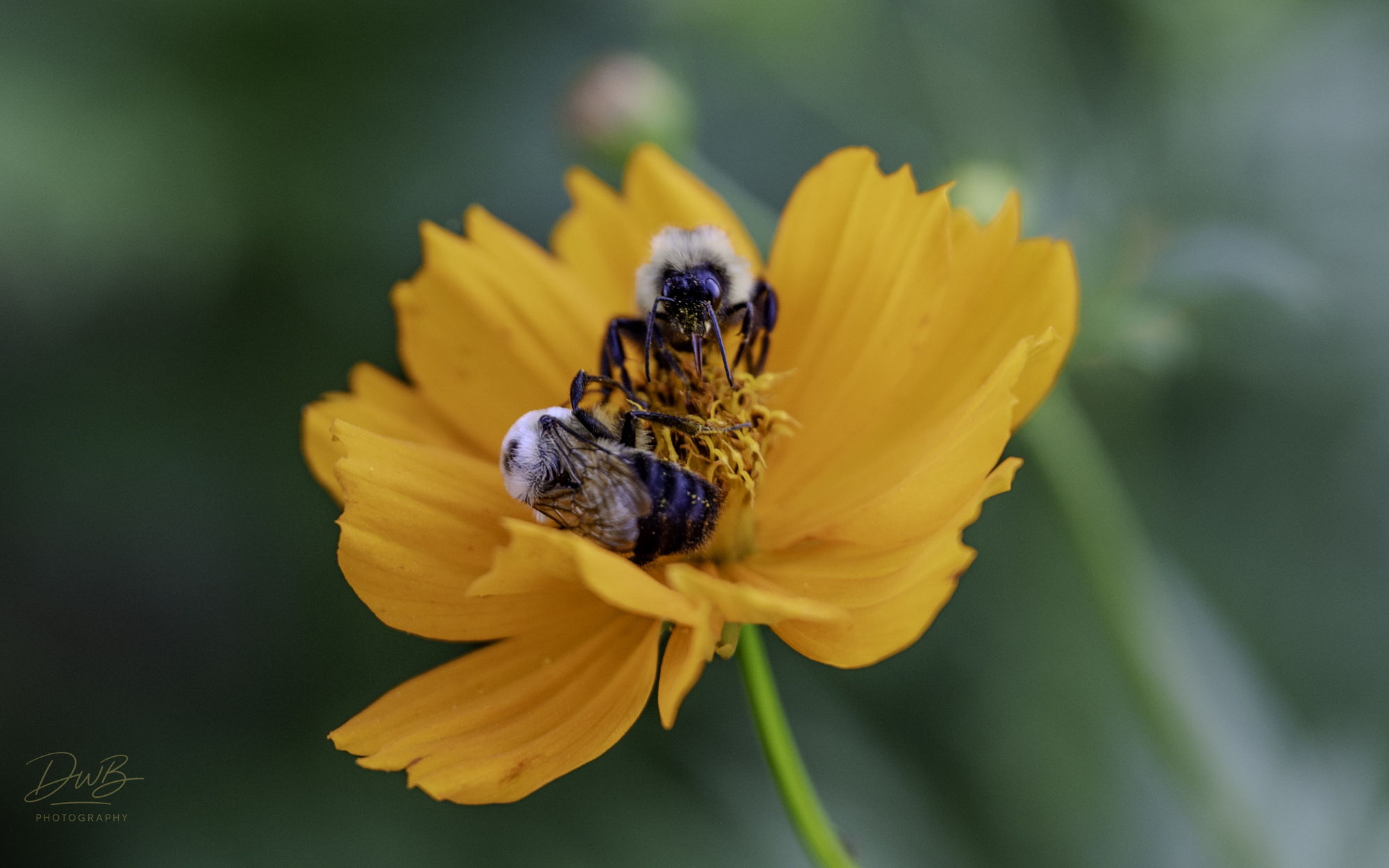
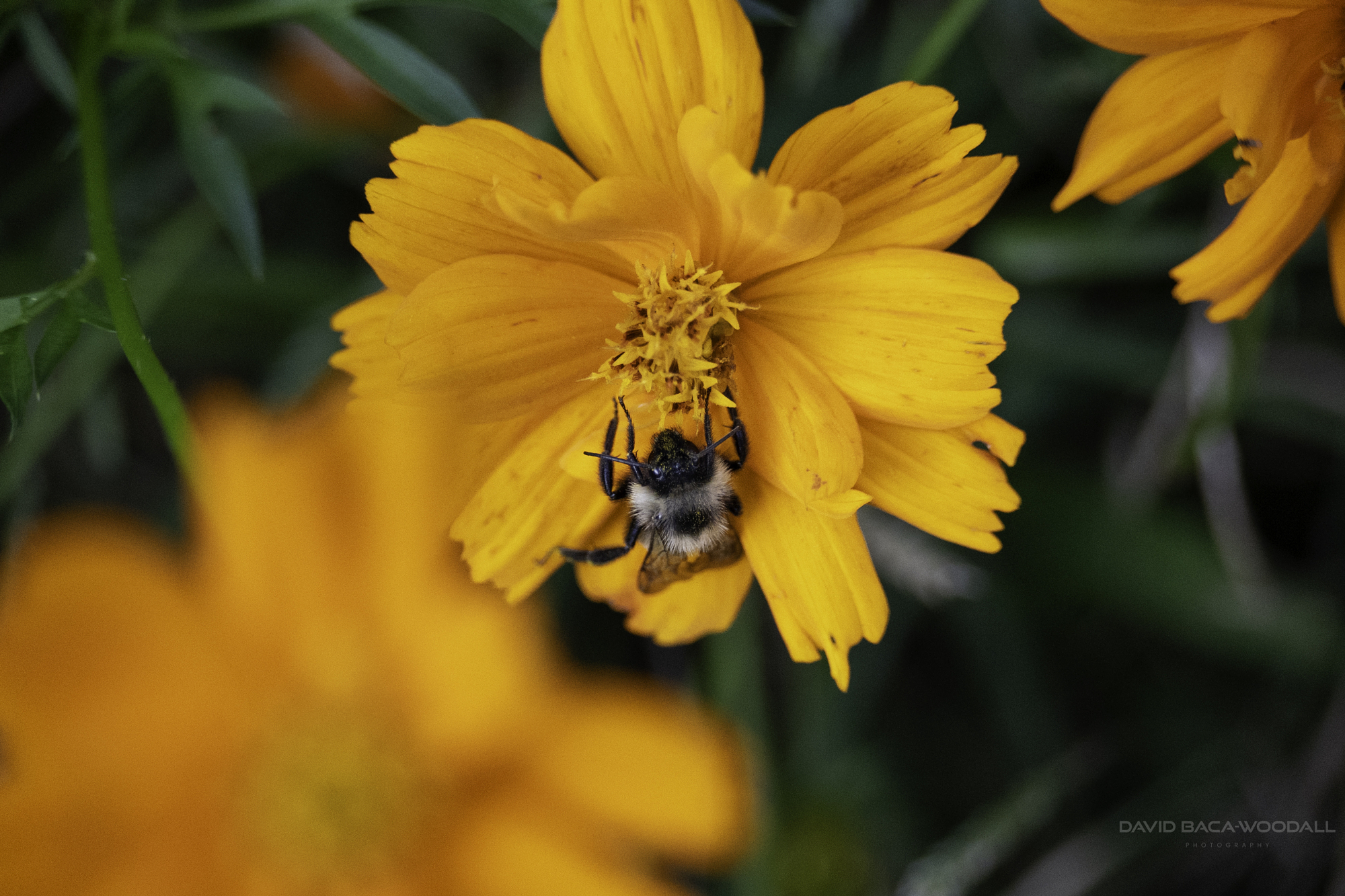
This photo stands out to me because of everything that went into getting it. There were probably 100+ shots before it that didn’t work. I had just bought my first mirrorless full-frame camera and a new lens, so I was still learning. I kept adjusting settings, taking a shot, checking it, changing something, and trying again.
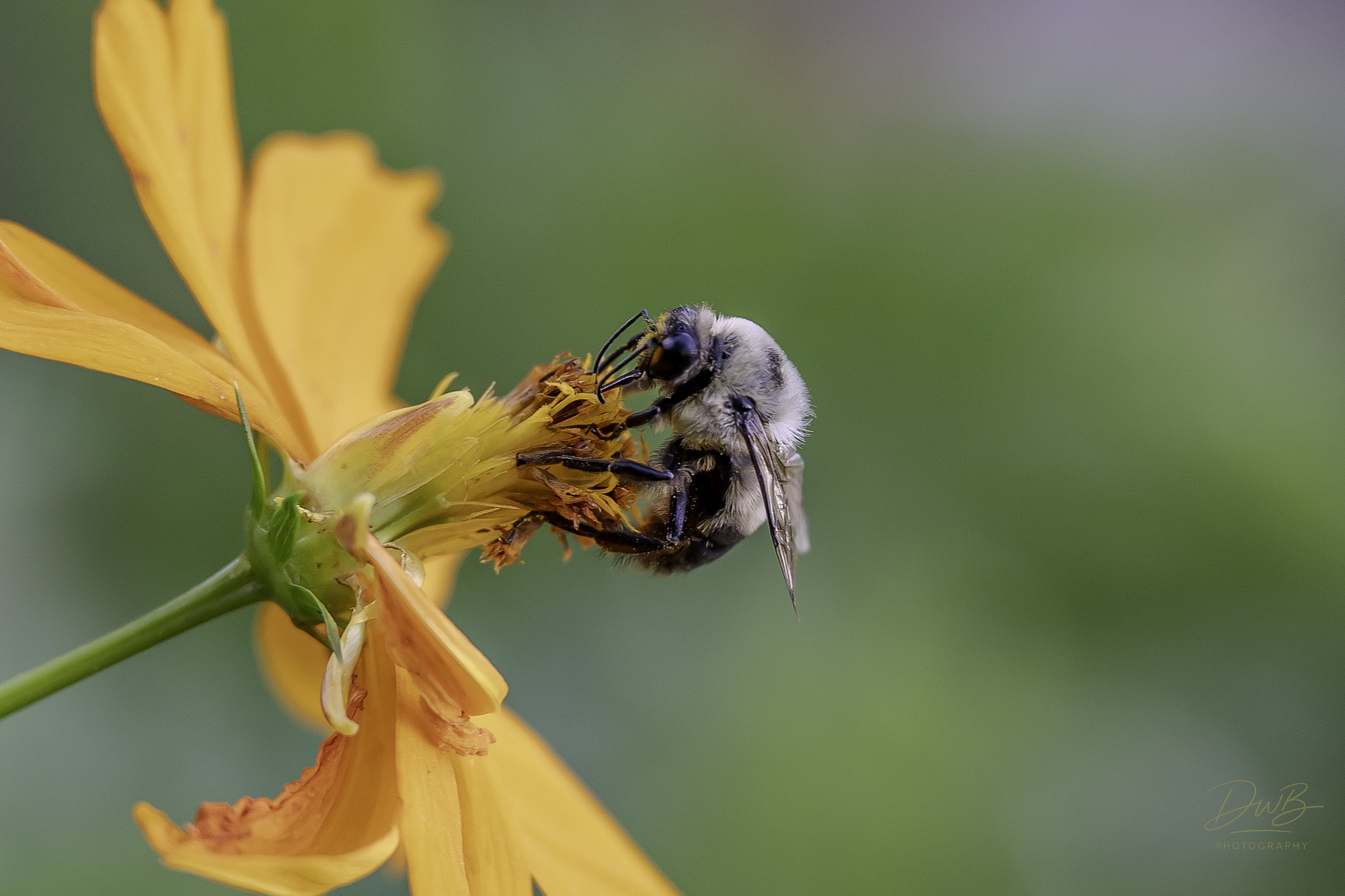
The photo itself is simple, a bumblebee on a cosmos flower, but behind it was a lot of trial and error, overthinking, and then finally slowing down and getting it right. That process feels pretty representative of where I was and how I approach things.
Now to wrap things up, do you have any upcoming trips, new collections, or specific creative projects you are currently working on that you would like to share or promote with our readers?
Nothing too structured right now. Just continuing to shoot and see what comes together. I’ve got my eye on a new lens, and I’m focused on learning and improvement.
Read more 500px Photographer Spotlight interviews: Mikey Rogers