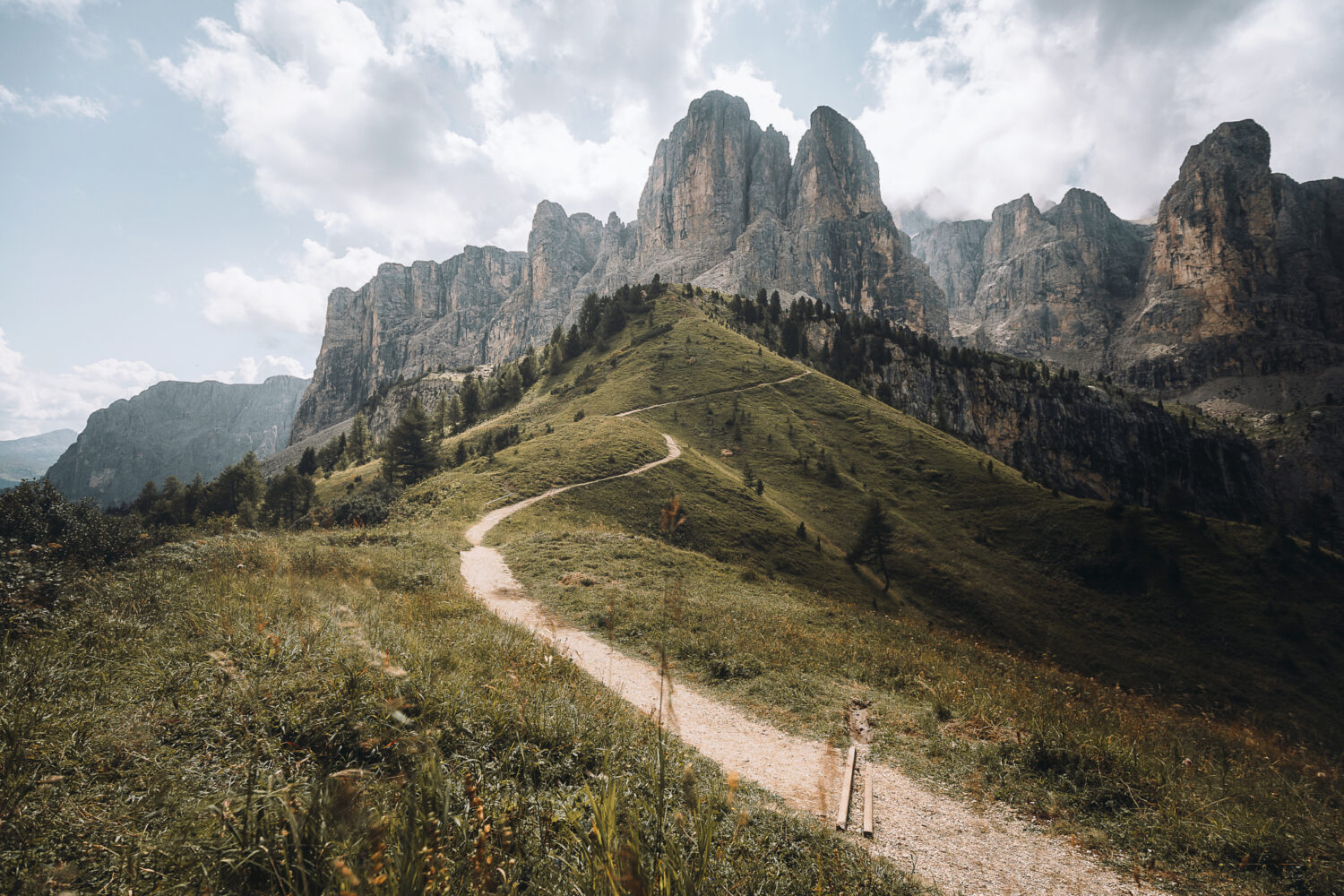
Sharp images aren’t always the goal. Sometimes, movement tells a stronger story. In motion blur photography, blur becomes a creative tool, turning motion into something expressive and dynamic.
Instead of freezing a moment, you let it unfold across the frame.
What Is Motion Blur Photography?
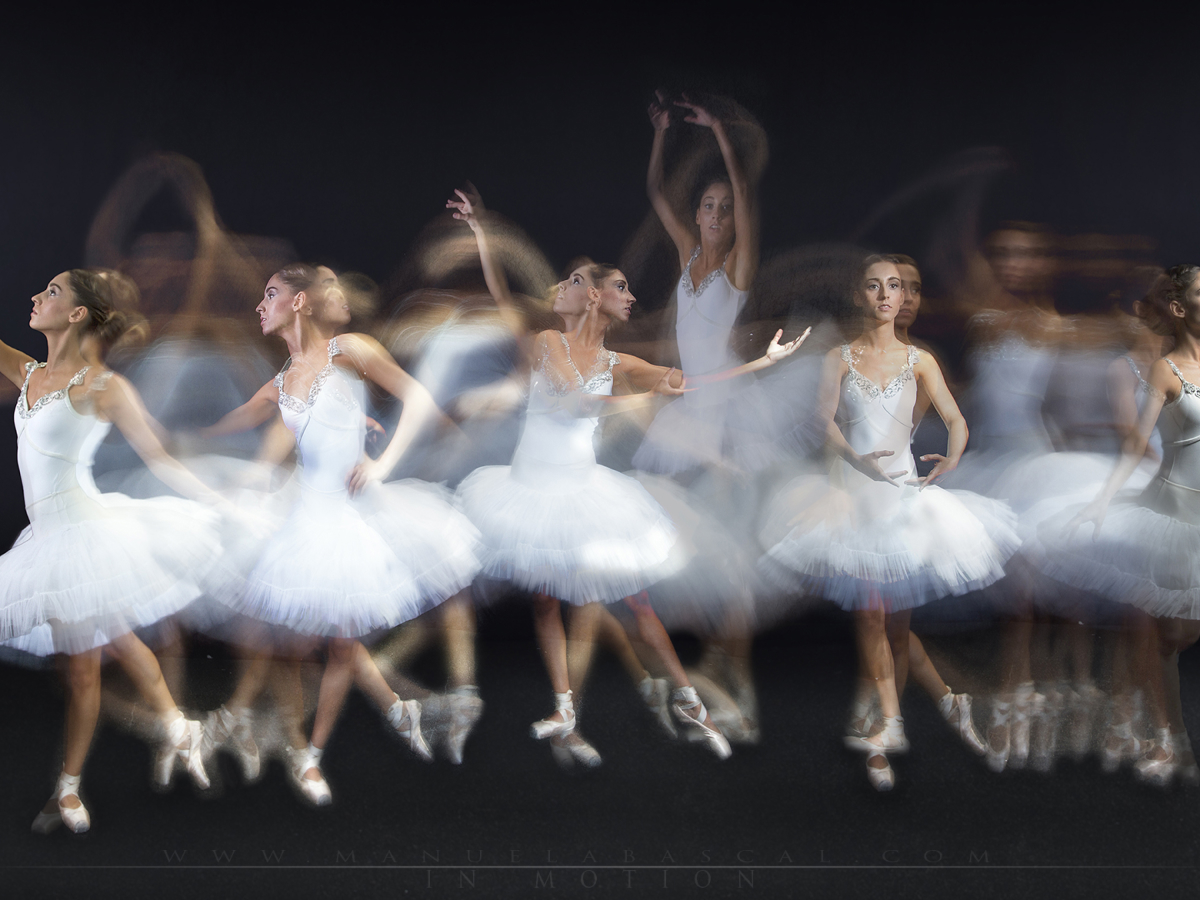
Motion blur photography captures movement by using a slower shutter speed. As a result, moving subjects appear blurred while still conveying motion.
This technique works because:
- It adds energy to an image
- It creates a sense of time passing
- It transforms ordinary scenes into something artistic
Using Slow Shutter Speed to Capture Movement
Shutter speed controls motion, slower speeds create more visible movement.
For example:
- 1/60 sec -> slight motion blur
- 1/15 sec -> noticeable movement
- 1 sec or longer ? strong blur
To get started:
- Lower your shutter speed
- Stabilize your camera if needed
- Let moving elements blur naturally
Your images will feel more alive.
Panning for Dynamic Subject Focus
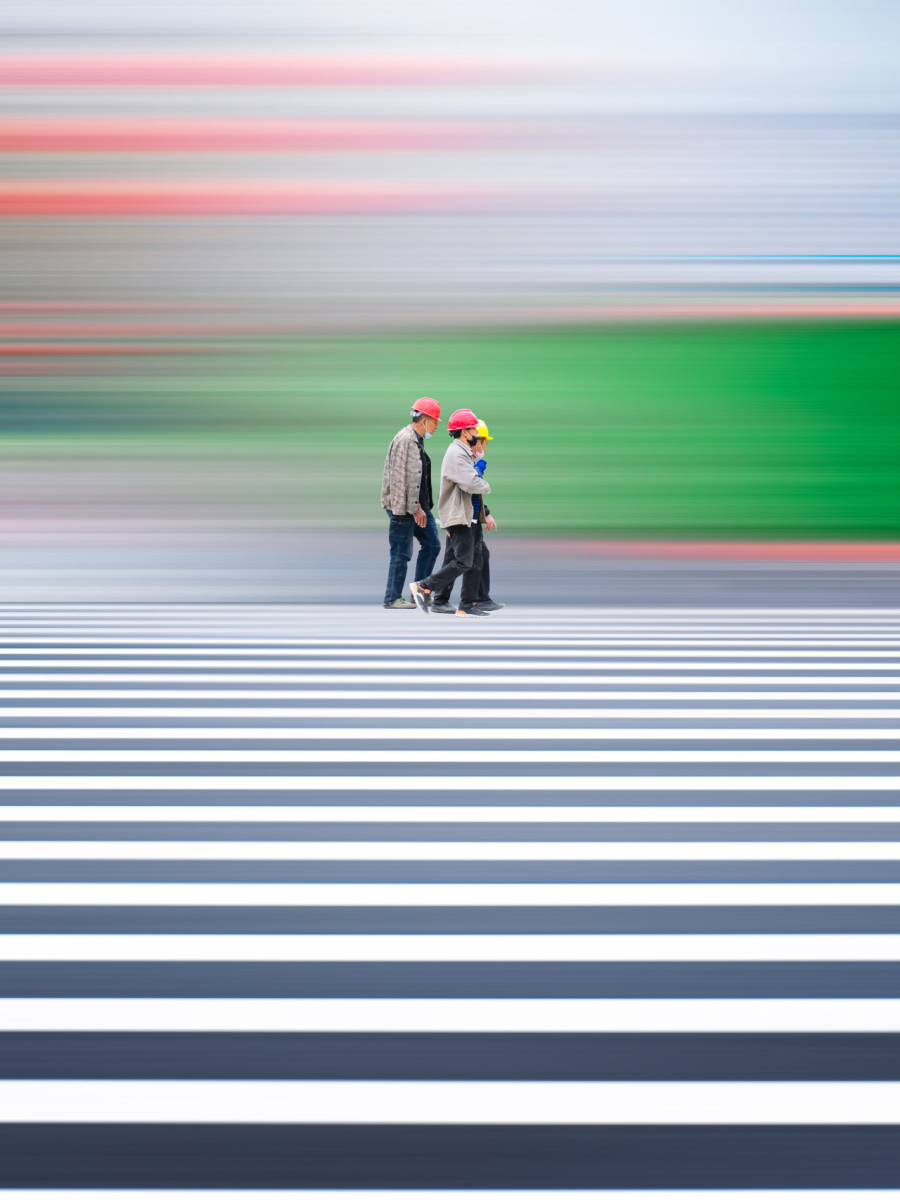
Panning keeps your subject sharp while the background blurs. Consequently, it creates a strong sense of speed.
To use panning:
- Follow your subject with your camera
- Match its movement
- Use a slower shutter speed
This works well for:
- Cyclists
- Cars
- People in motion
Panning adds direction and energy to your frame.
Intentional Camera Movement for Abstract Effects
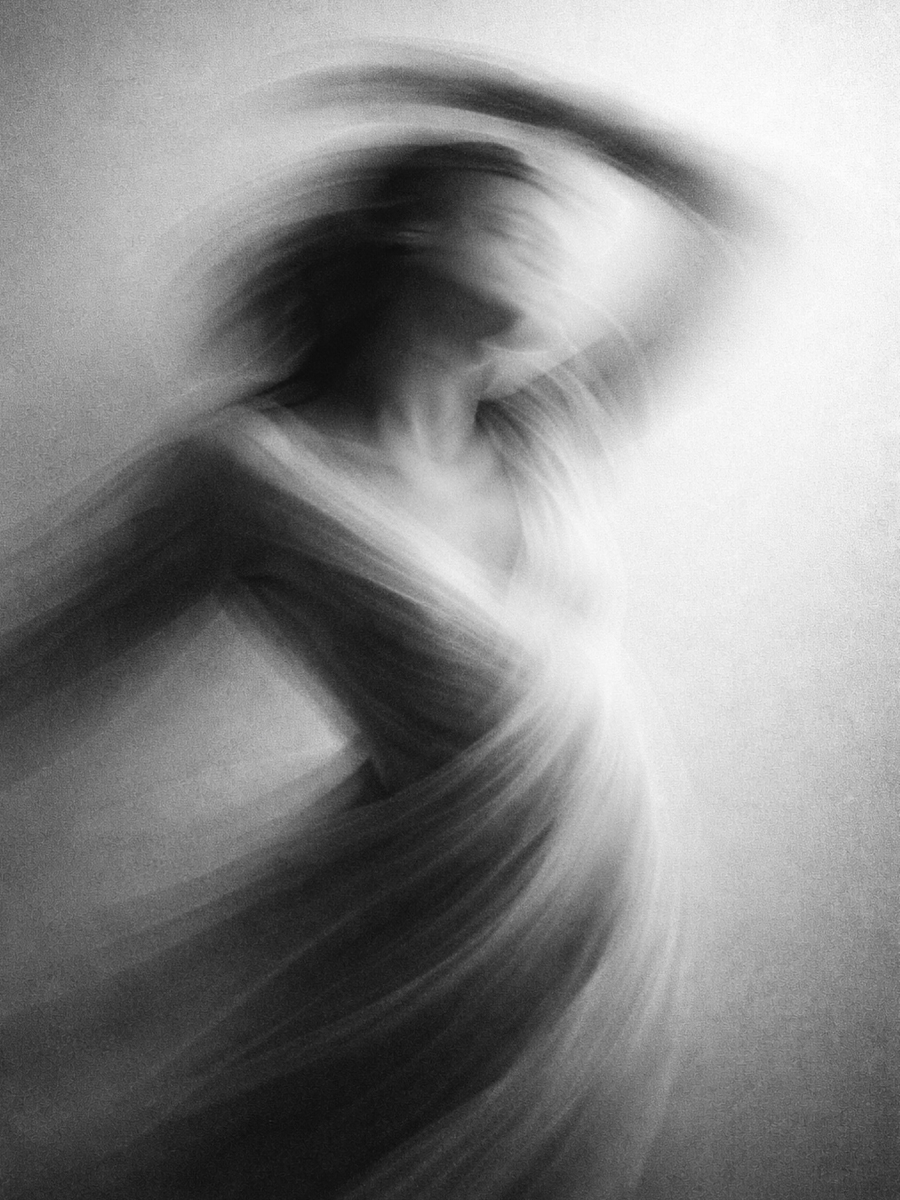
Intentional camera movement (ICM) pushes motion blur photography into abstract territory. Instead of stabilizing your camera, you move it during exposure.
For example:
- Vertical motion for trees
- Horizontal motion for landscapes
- Circular motion for creative effects
As a result, your photos become more expressive and less literal.
Using Motion Blur in Everyday Scenes
You don’t need dramatic subjects. In fact, everyday scenes work best. Look for:
- Busy streets
- People walking
- Public transit
- Flowing water
By introducing motion, even simple scenes become visually interesting.
Composition Tips for Motion Blur Photography
Strong composition is essential. Otherwise, motion blur can feel messy. Keep these in mind:
- Anchor your frame with a static element
- Use leading lines to guide movement
- Control where blur appears
- Keep your subject clear when needed
As a result, your images will feel intentional rather than accidental.
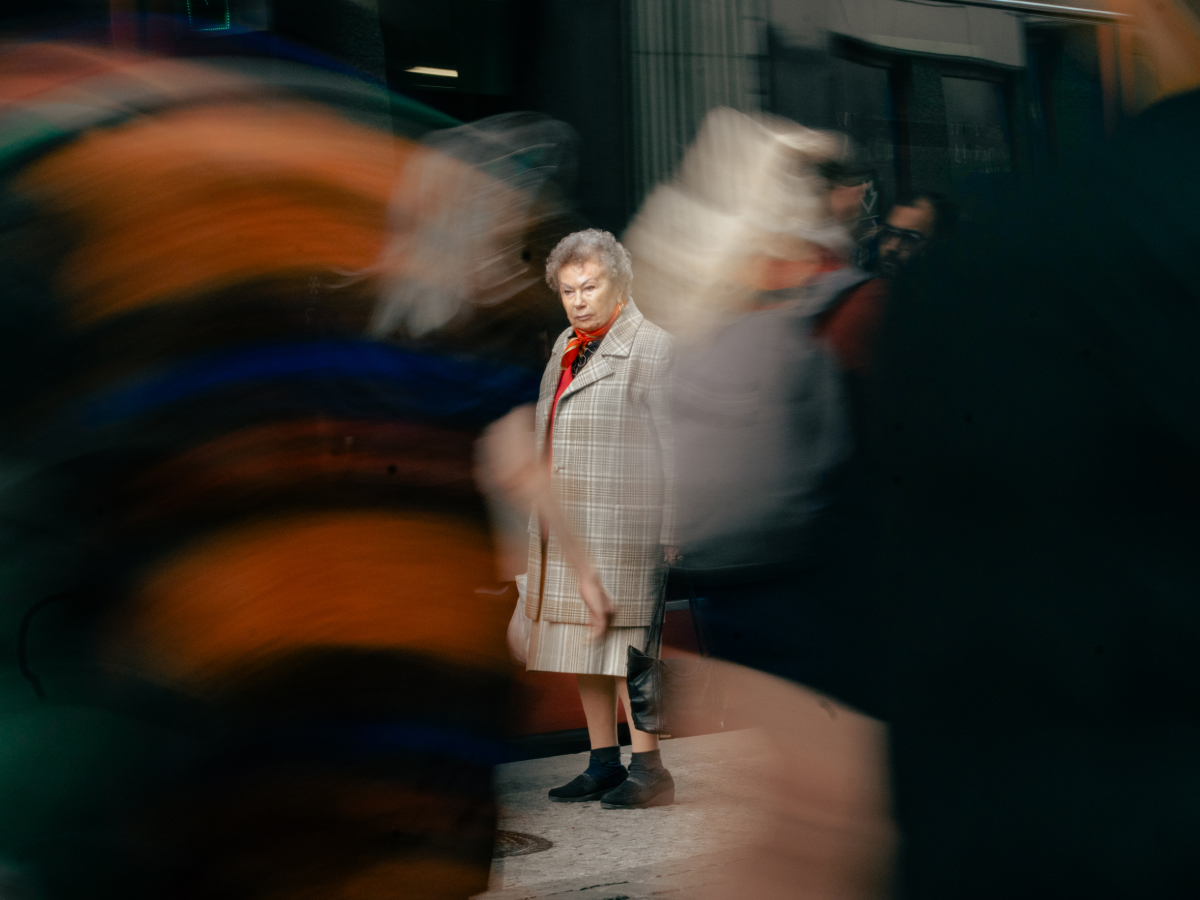
Why Capturing Movement in Photos Works
Motion creates emotion. Moreover, it adds storytelling to your images. It works because:
- It captures time, not just a moment
- It adds energy and movement
- It encourages creative experimentation
It expands how you approach photography.
You don’t always need sharpness. Instead, let movement shape your image. Experiment with shutter speed. Try panning. Embrace unpredictability.