Light doesn’t always need to reveal detail. Sometimes, what you hide is more powerful than what you show. In silhouette photography, shadows take center stage, turning subjects into bold, dramatic shapes.
By removing detail and focusing on form, you create images that feel striking, emotional, and intentional.
What Is Silhouette Photography?
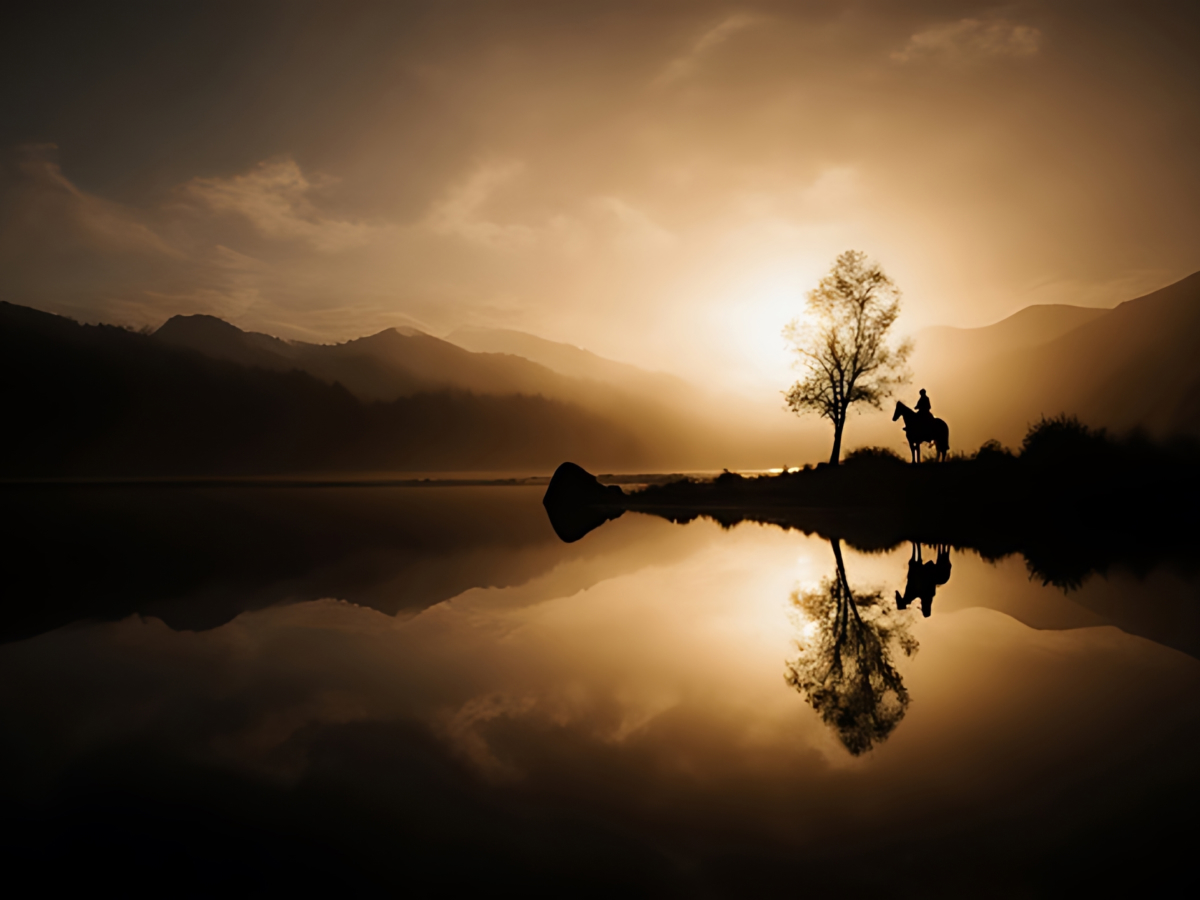
Silhouette photography is the technique of capturing a subject as a dark shape against a brighter background. Instead of showing details, the image emphasizes outline and contrast.
This style works because:
- It simplifies complex scenes
- It highlights shape and form
- It creates strong visual impact
As a result, your images become more graphic and memorable.
Using Backlighting to Create Silhouettes
Backlighting is essential in silhouette photography. Without it, silhouettes do not exist.
To create a silhouette:
- Place your subject in front of a strong light source
- Expose for the background, not the subject
- Let the subject fall into shadow
For example, sunsets and bright skies work well. As a result, your subject becomes a clean, dark outline.
Choosing Strong and Recognizable Shapes
Not all subjects work as silhouettes. Therefore, choosing the right shape is critical.
Strong silhouettes often include:
- Human figures with clear posture
- Trees or architectural elements
- Objects with distinct outlines
Avoid clutter. If shapes overlap, the silhouette becomes unclear.
Using Negative Space for Impact
Negative space enhances silhouettes. Moreover, it directs attention to your subject.
In silhouette photography, negative space:
- Isolates the subject
- Creates balance
- Strengthens composition
Keep your frame simple. As a result, the silhouette stands out more clearly.
Creating Drama with High Contrast
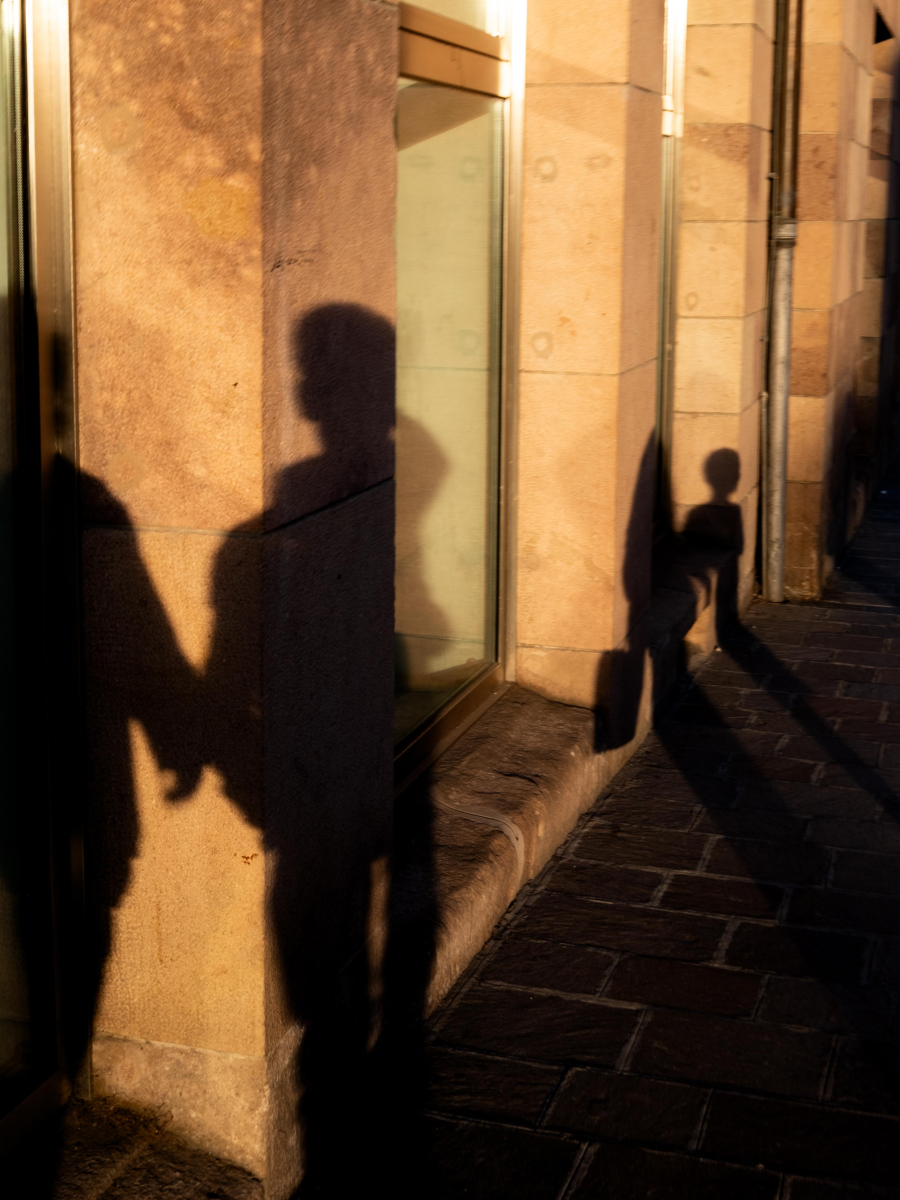
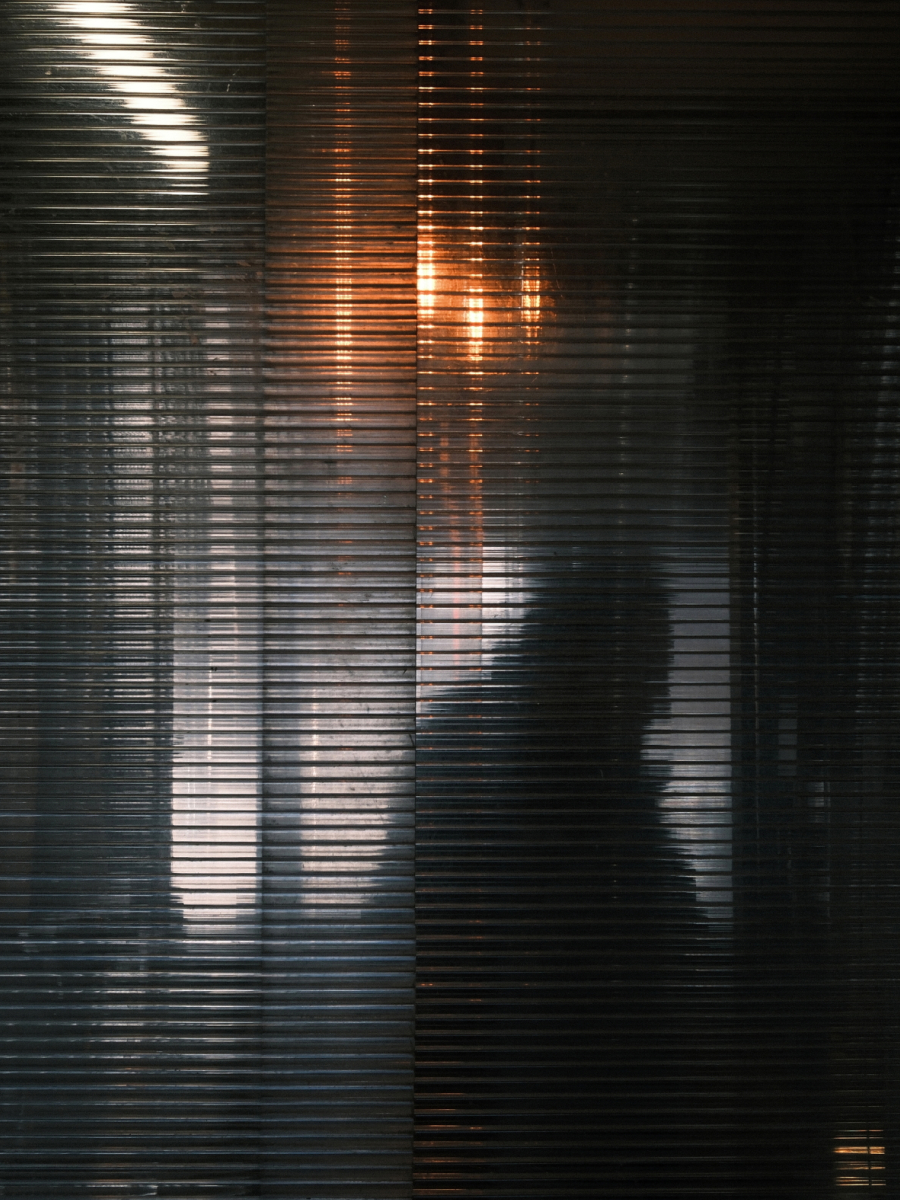
Contrast is what makes silhouettes powerful. Without contrast, the effect falls apart.
To increase contrast:
- Shoot during golden hour or sunset
- Use bright backgrounds and dark subjects
- Adjust exposure to deepen shadows
Your images will feel more dramatic and intentional.
Simple Setup for Silhouette Photography
You don’t need complex gear. In fact, silhouettes are one of the simplest techniques to try.
All you need:
- A strong light source (sun, window, or bright sky)
- A subject with a clear shape
- A clean background
Optional:
- A longer lens for compression
- Manual exposure control
You can create striking images with minimal setup.
Composition Tips for Silhouette Photography
Strong silhouettes depend on clean composition. Otherwise, the subject can become confusing.
Keep these in mind:
- Separate your subject from the background
- Avoid overlapping shapes
- Keep the horizon line clean
- Use symmetry or balance
Therefore, your silhouettes will remain clear and impactful.
Why Silhouette Photography Works
Silhouettes remove distraction. Instead, they focus on shape, emotion, and storytelling.
Silhouette photography works because:
- It simplifies visual elements
- It creates mystery
- It emphasizes emotion over detail
Viewers engage more deeply with the image.
 Final Thoughts Final Thoughts on Silhouette Photography
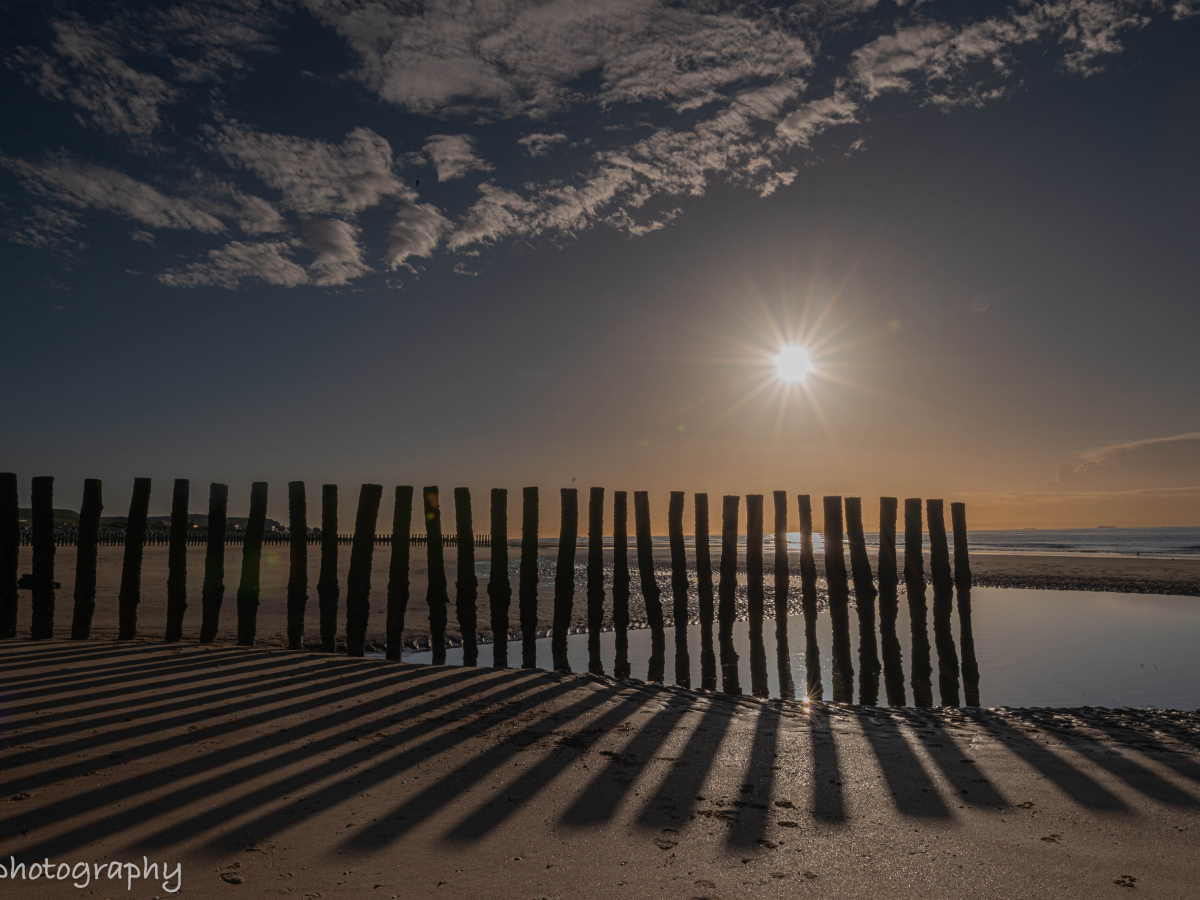
You don’t need perfect conditions to create drama. Instead, you need strong light and a clear subject. Look for backlight. Observe shapes. Simplify your frame.