Every October, the same image floods photo feeds: a wide hillside ablaze with color, shot at midday, saturation pushed to the limit. It’s pretty, and it’s forgettable. Fall foliage photography at its best isn’t about showing how much color there is. It’s about finding a way into that color that feels specific, personal, and considered. Peak season lasts only a few weeks, and the photographers who make the most of it arrive with a plan beyond finding the brightest tree.
Why the obvious shot rarely works
The wide, sunny, saturated landscape is the default because it’s what autumn looks like to the naked eye. But the eye and the camera process color differently. What feels overwhelming in person often flattens into a uniform wash of orange in the frame, with no focal point and no depth. Without a subject, structure, or light that shapes the scene, a hillside of color becomes wallpaper.
Strong fall foliage photography treats color as a raw material, not the finished subject. The question isn’t where the color is. It’s what the color is doing, and what you can pair it with to give it meaning.
Light that makes leaves glow
Backlight
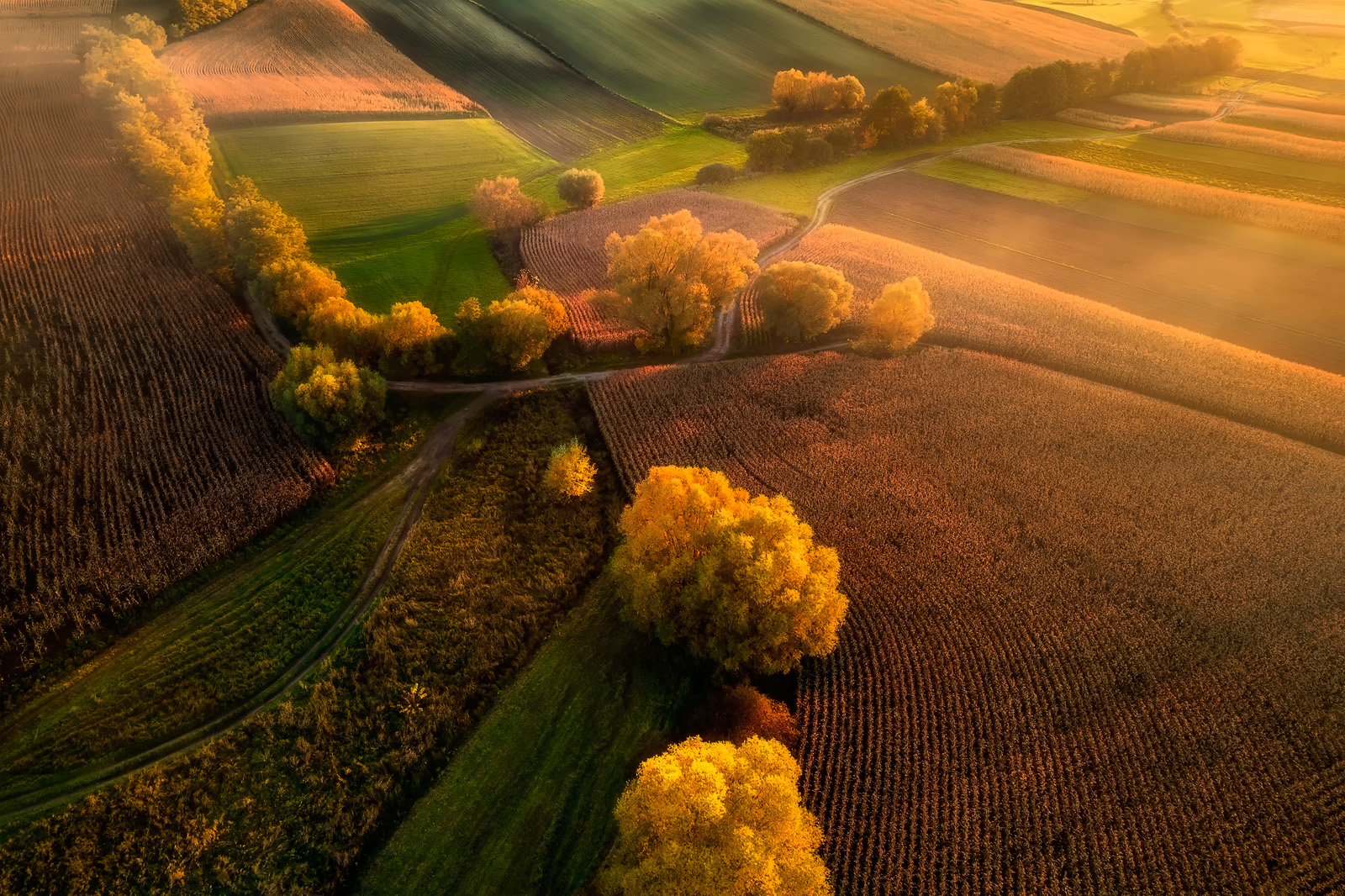
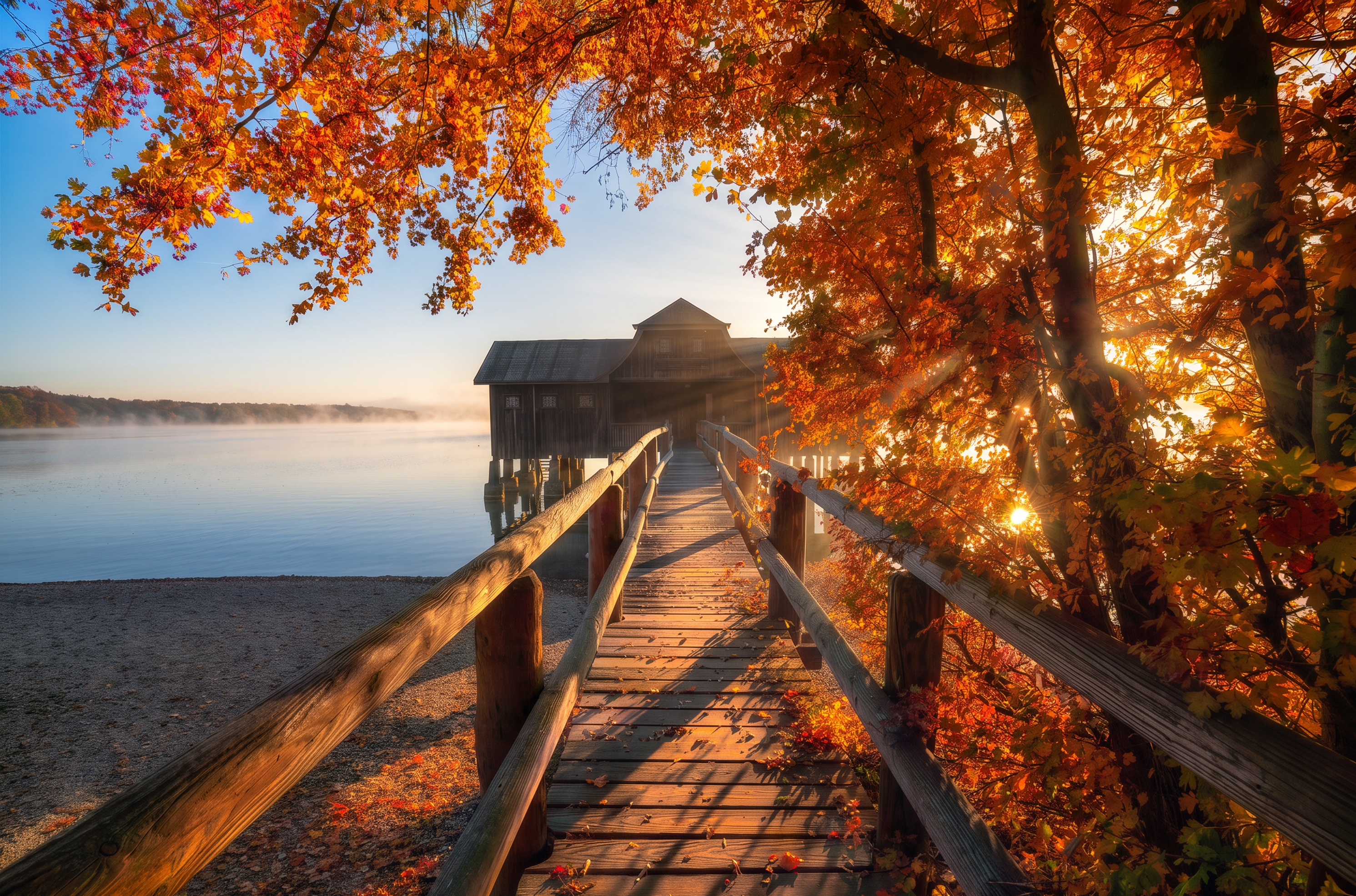
Leaves are translucent. When the sun sits behind them, light passes through and the color glows from within. Backlit foliage is dramatically more vivid than front-lit foliage, and it separates individual leaves from their background in a way flat light never can. Shoot in the early morning or late afternoon, position the canopy between you and the sun, and expose for the leaves rather than the sky.
Overcast skies
Many photographers cancel fall outings when the clouds roll in. They shouldn’t. Overcast light acts as a giant diffuser, removing harsh shadows and glare from leaf surfaces so color saturates naturally. It’s the ideal light for forest interiors, where direct sun creates a chaotic patchwork of highlights and deep shade. In fall foliage photography, a grey day is often a gift.
Wet conditions
Rain deepens color. Wet bark turns nearly black, and that dark backdrop makes red and yellow leaves stand out with remarkable intensity. Shoot right after a shower, before the surfaces dry. A polarizing filter cuts the glare from wet leaves and reveals even richer tones.
Where to point the camera
Go intimate
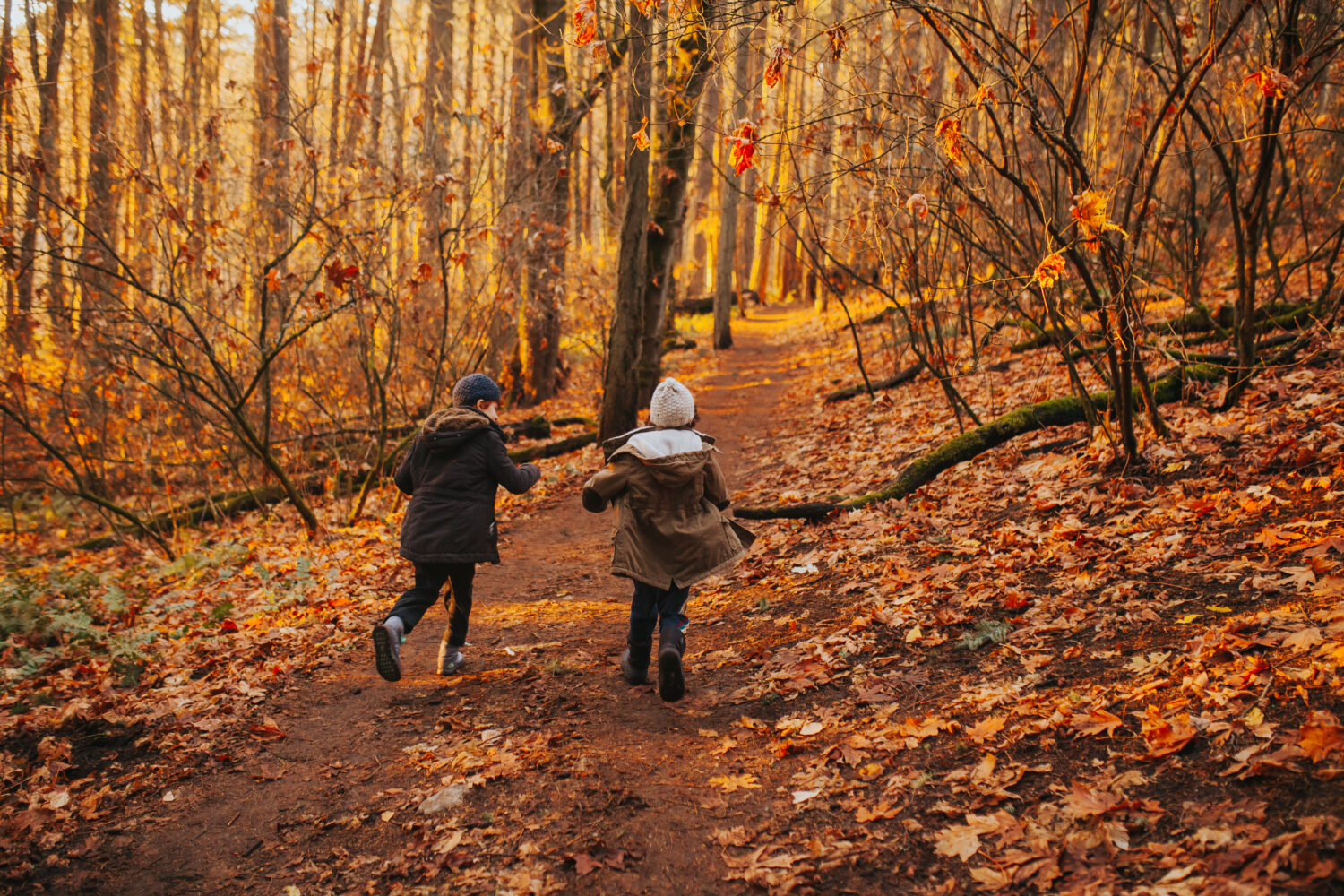
Some of the strongest fall foliage photography happens in frames no wider than a few meters. A single branch against a dark trunk. A cluster of leaves caught in a stream. A carpet of fallen color on a forest path. The intimate landscape asks the viewer to slow down, and it gives you complete control over which colors appear and how they relate.
Use contrast, not just color
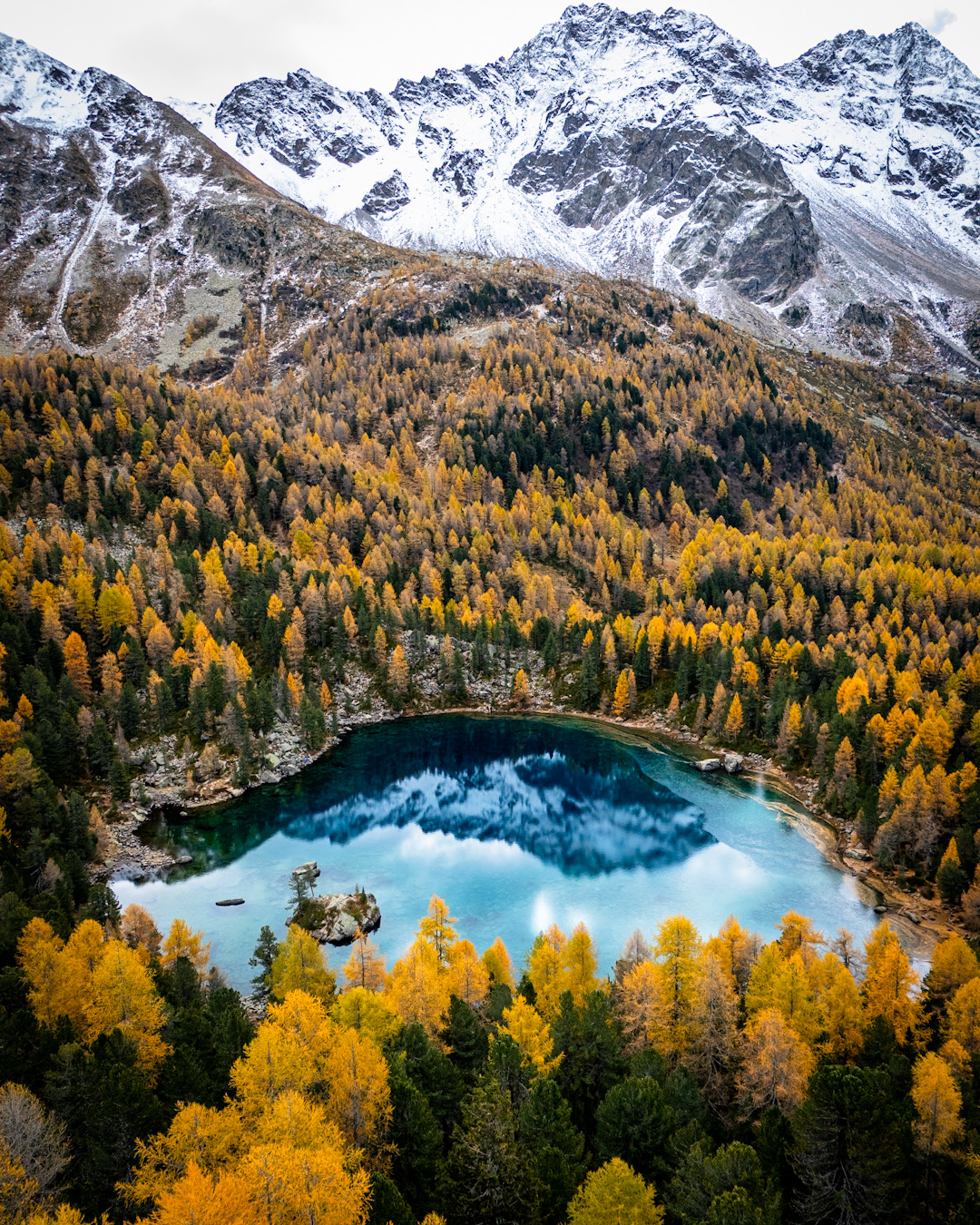
A frame full of orange has nothing to push against. Look for elements that create contrast: evergreens among deciduous trees, white birch trunks, grey stone, blue water, a single green holdout in a sea of red. The contrasting element gives the eye somewhere to rest and makes the autumn color feel more vivid by comparison.

Include people and place
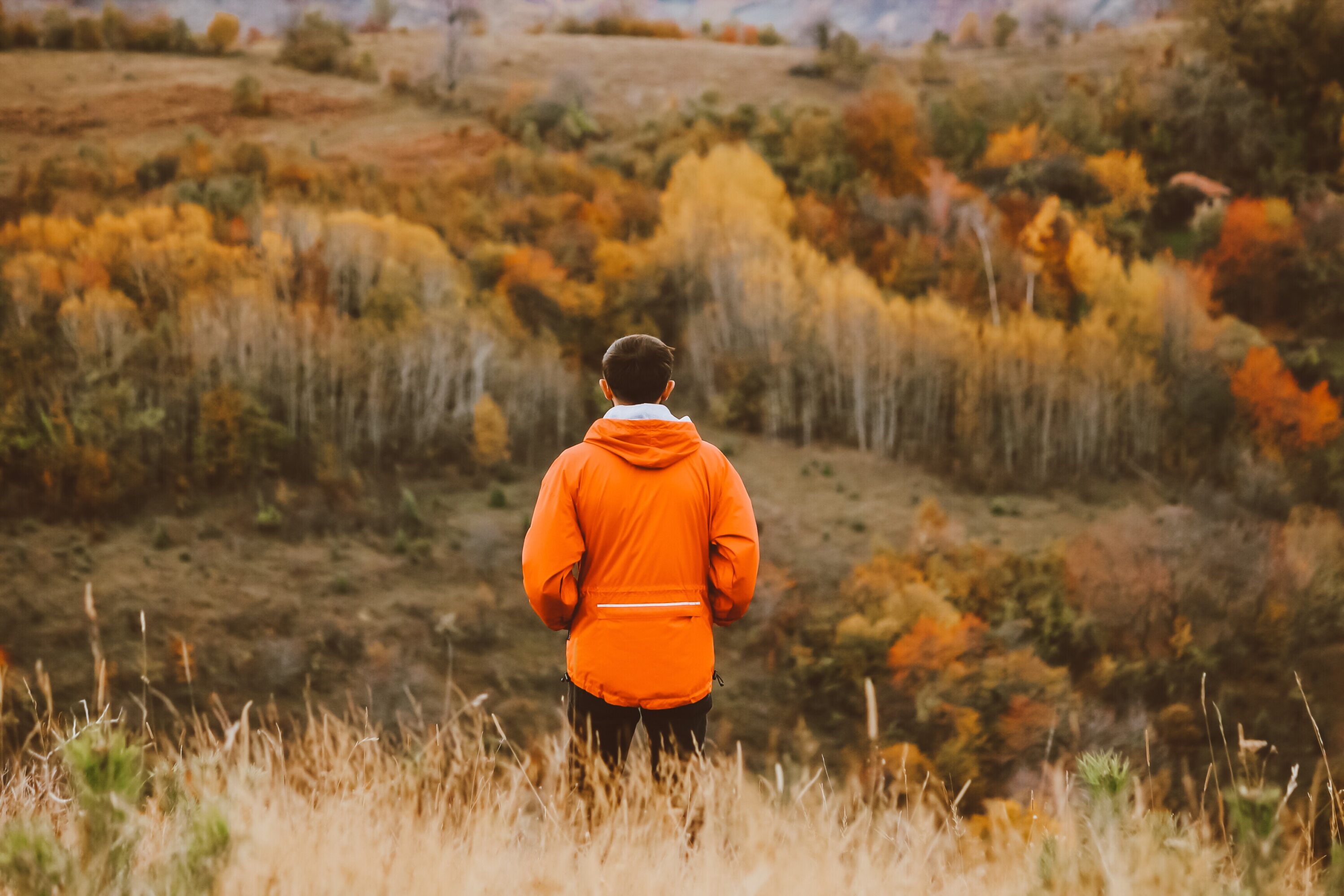
Autumn is a lived season, not just a visual one. A figure walking through fallen leaves. A cyclist on a tree-lined road. A café terrace framed by turning maples. Human presence adds scale and story to fall foliage photography and turns a pretty scene into a moment.
Practical reminders
Watch your saturation, both in camera and in post. Autumn reds and oranges already sit near the edge of what a sensor can record, and it’s easy to push them until they clip and lose texture. Adjust individual colors in the HSL panel rather than raising global saturation, and check that you can still see the veins and edges in your brightest leaves.
Track the season locally. Peak color moves with elevation and latitude, arriving first in higher, colder places. Following that progression lets you shoot peak conditions several times over a few weeks rather than betting everything on a single weekend.
Finding your own autumn
The goal isn’t to avoid the grand vista entirely. It’s to earn it. Fall foliage photography becomes distinctive when you make deliberate decisions about light, scale, and contrast rather than letting the color make them for you. The season returns every year. The photographs that stand out are the ones that show how you saw it.