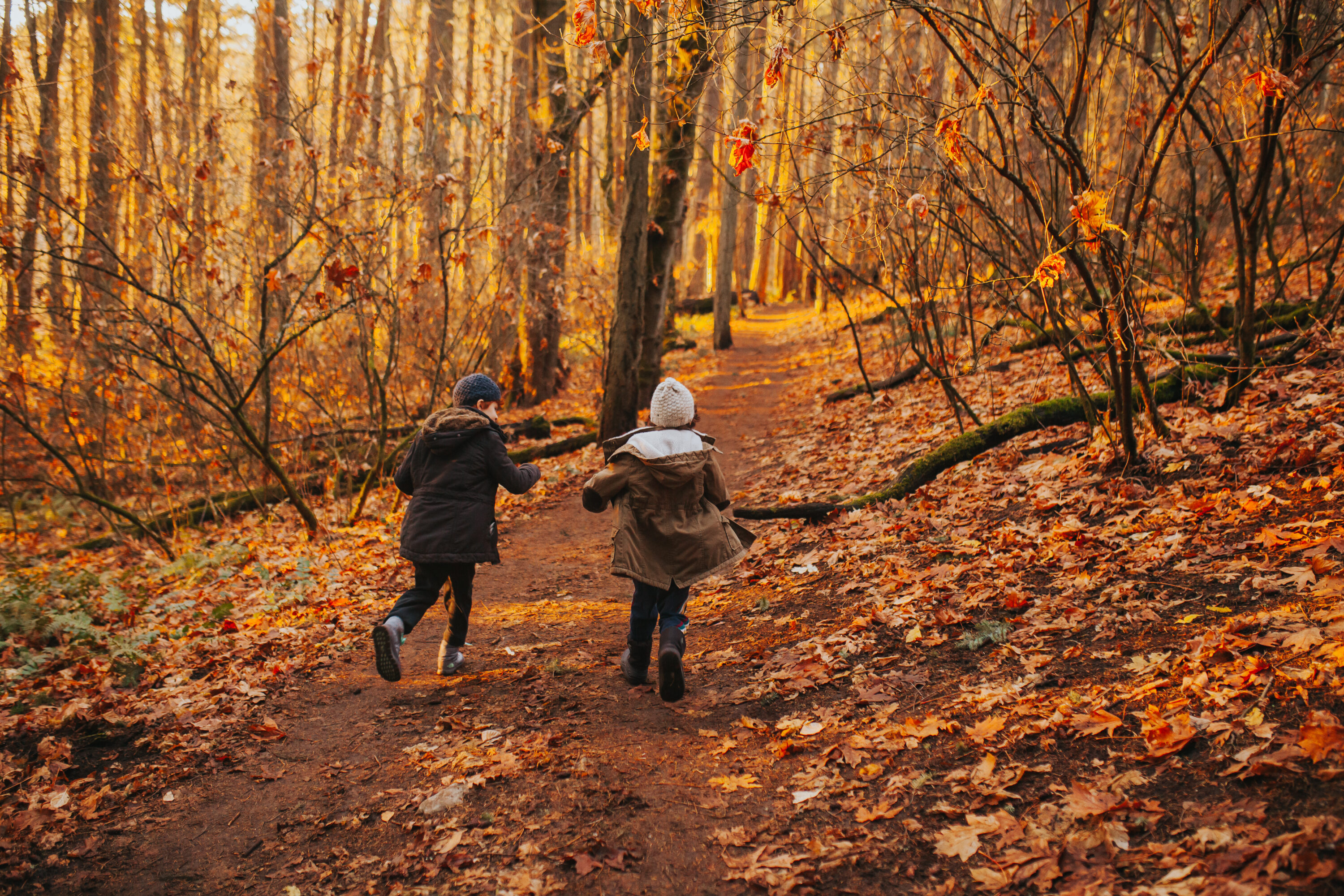
The photographers whose work stays with you aren’t necessarily shooting in extraordinary places with exceptional subjects. Most of them are shooting the same streets, kitchens, parks, and faces that everyone else walks past. The difference is in how they see. Everyday storytelling photography is the practice of finding meaning in what’s ordinary, and it’s a skill that develops through intention and attention rather than access and equipment.
Why ordinary scenes make the strongest stories
Extraordinary subjects carry their own weight. A war zone, an endangered landscape, a famous face. The significance is built in, and the photographer’s job is largely not to get in the way of it. Ordinary subjects offer no such assistance. The meaning has to be constructed entirely through framing, timing, and the relationships the photographer builds between elements in the frame.
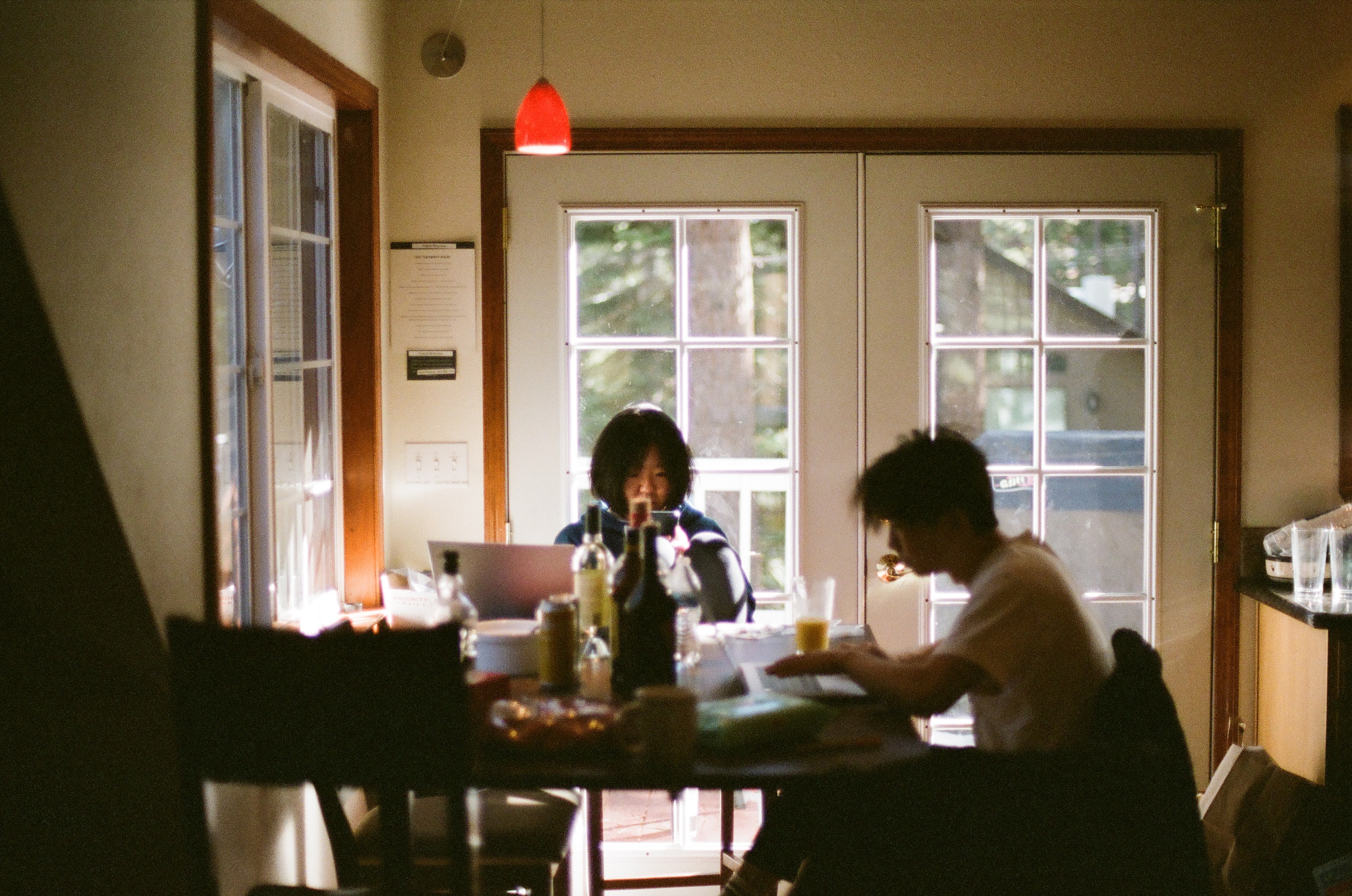
This is what makes everyday storytelling photography such an effective discipline. It demands more from the photographer, and that demand produces more deliberate, considered work. The constraints become creative tools.
Finding the story before you shoot
Every strong photograph answers an implicit question: what is this about? Not what does it show, but what does it mean. Before raising the camera, ask what is actually happening in the scene in front of you, not literally but emotionally. Is there tension? Tenderness? Solitude? Routine? Something ending or beginning?
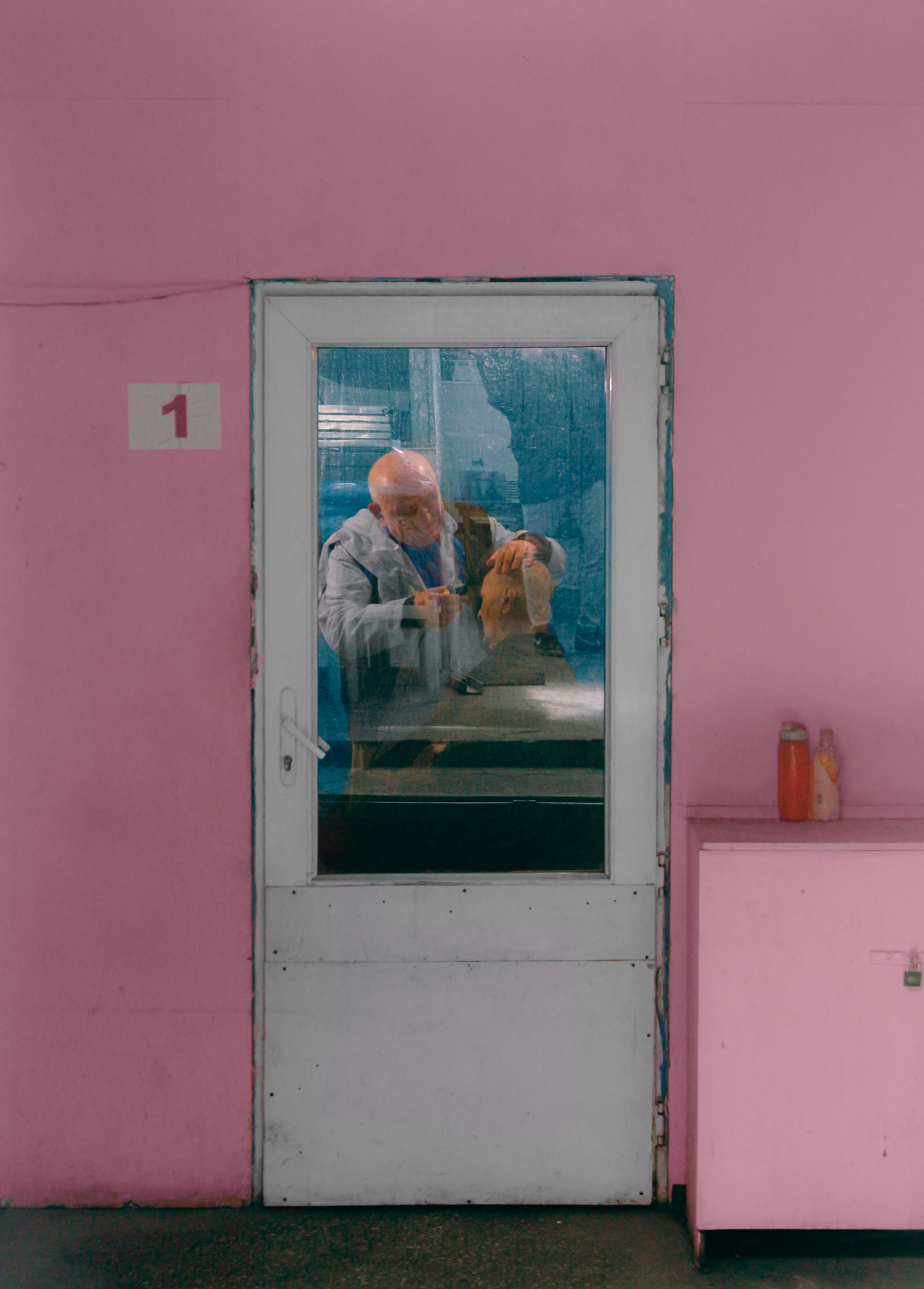
Everyday storytelling photography starts with this question and uses composition, light, and timing to answer it visually. A person eating alone at a lunch counter is a literal description. Solitude in a crowded city is a story. The difference between the two is how the photographer frames and times the image.
Compositional choices that carry meaning
Foreground and background relationships
Placing two elements in the same frame that comment on each other is one of the oldest tools in everyday storytelling photography. A child playing in the foreground with adults absorbed in their phones in the background. A fresh flower in front of a crumbling wall. The relationship between foreground and background carries narrative weight that a single isolated subject rarely achieves.
Space and isolation
How much empty space surrounds a subject communicates directly. A figure given generous negative space feels alone, small, or contemplative. A figure tightly cropped into a busy scene feels embedded, implicated, part of something larger. These aren’t accidents. They’re decisions.
The moment before and after
The decisive moment in photography is often discussed as the peak of action. But in everyday storytelling photography, the most powerful frames frequently come just before or just after the obvious peak. The anticipation or the aftermath carries emotional information that the climax itself sometimes obscures.

Building a series rather than a single image
Single images can stop a viewer. A series of images built around a consistent subject, theme, or environment can change how they see. Everyday storytelling photography is particularly well suited to series work because the subject matter is inexhaustible and returns regularly.
Returning to the same location, the same community, or the same theme over time produces images that build on each other. Context accumulates. Patterns emerge. Individual frames that would read as minor observations alone become part of a larger, more resonant body of work.
The discipline of looking slowly
Most people move through everyday environments on autopilot, filtering out the familiar to focus on the new. Everyday storytelling photography requires the opposite: slowing down in familiar environments and looking at them as if for the first time.
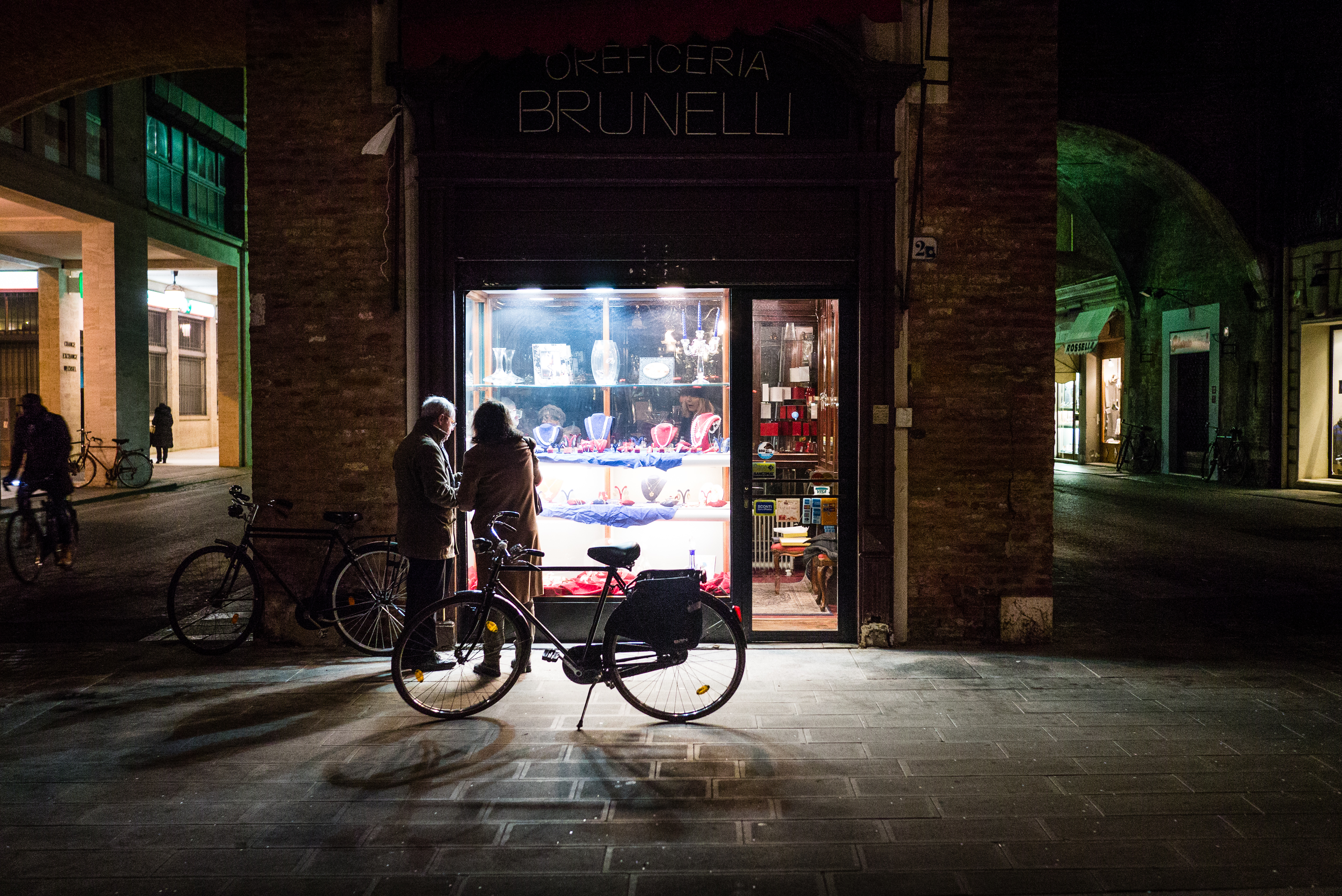
Carrying a camera consistently is part of this. So is revisiting the same places at different times of day, in different light, in different seasons. What the scene offers changes constantly. The photographer’s job is to be present and attentive enough to notice when something worth keeping appears, and ready enough to capture it when it does.