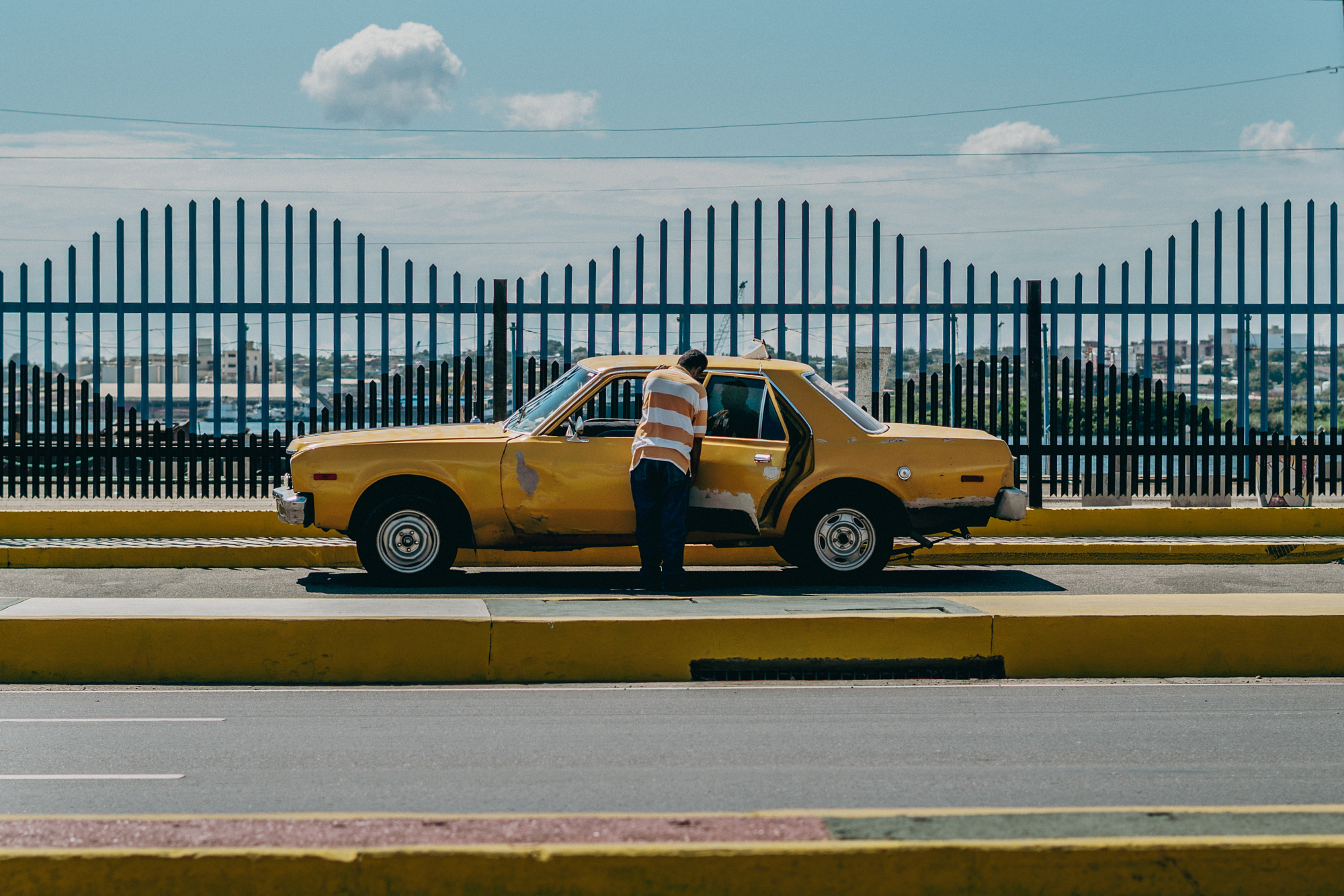
Ernesto, known to the streets and his digital community as Buda, does not consider himself a traditional artist. His work is a visceral rejection of the polished and staged. He views his camera as a tool for navigation, a way to find rich visuals capturing a sense of “lost humanity” in the concrete sprawl of the modern city. His documentary style showcases the overlooked faces and hidden corners of the world around us. We spoke with him about his refusal of the art label, his role as a city observer, and the intent behind his visual wake-up calls.
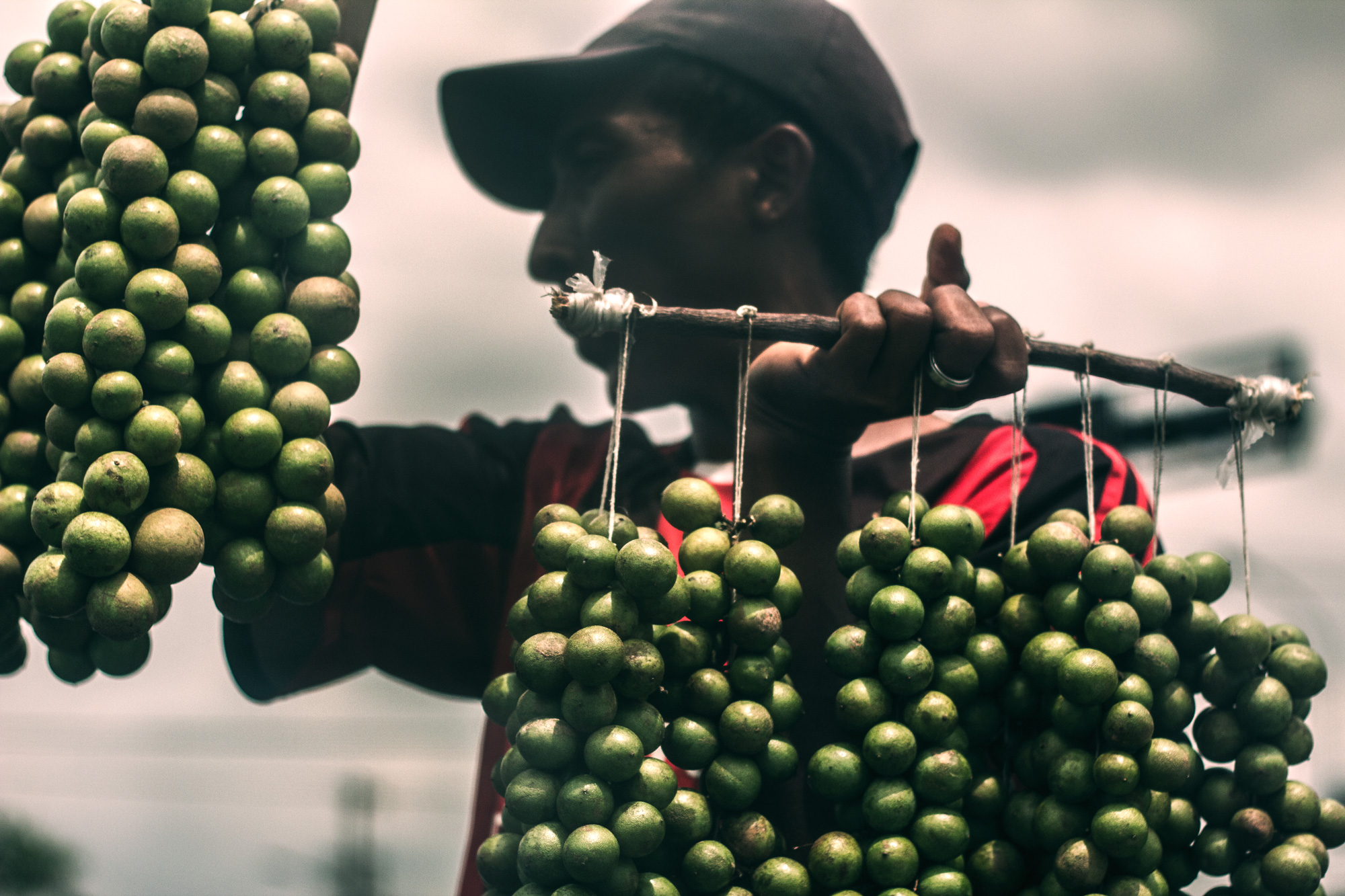
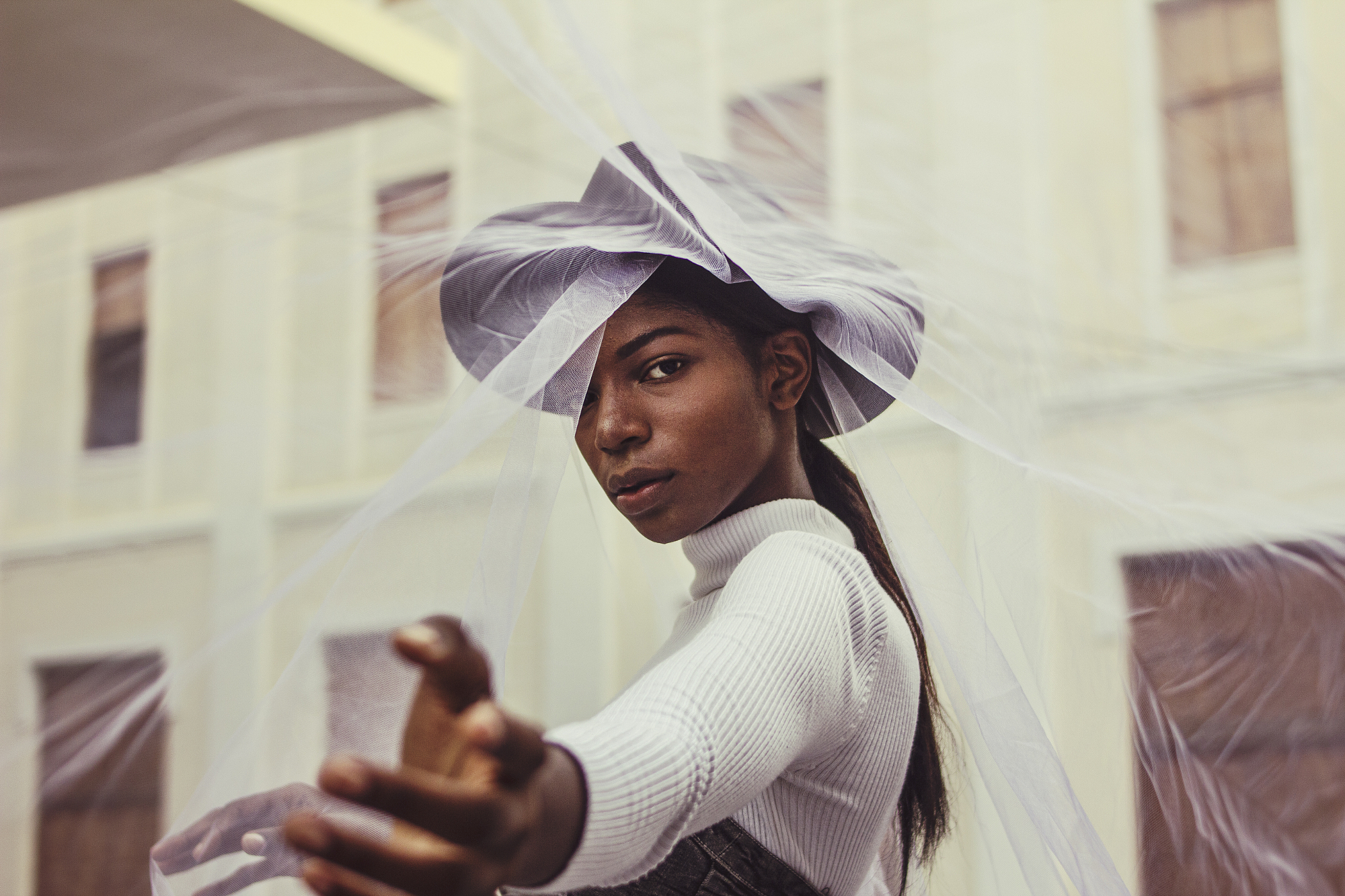
Ernesto, was there a specific moment in your life when you realized you weren’t just taking photos but rather observing the world as a storyteller or documentarian?
I was living in Miami, working as an editor for several magazines, when I was gifted my first camera, a Canon with a 50mm lens. I felt a visceral need to immerse myself in the neighborhoods and tell the stories the world preferred to ignore. My first attempt was a failure; I was met with death threats and couldn’t take a single successful frame.
Years later, I realized I simply wasn’t ready then. However, that failure was my revelation: I understood exactly what I wanted to do, and I spent the following years preparing my soul and my eye for that very purpose.
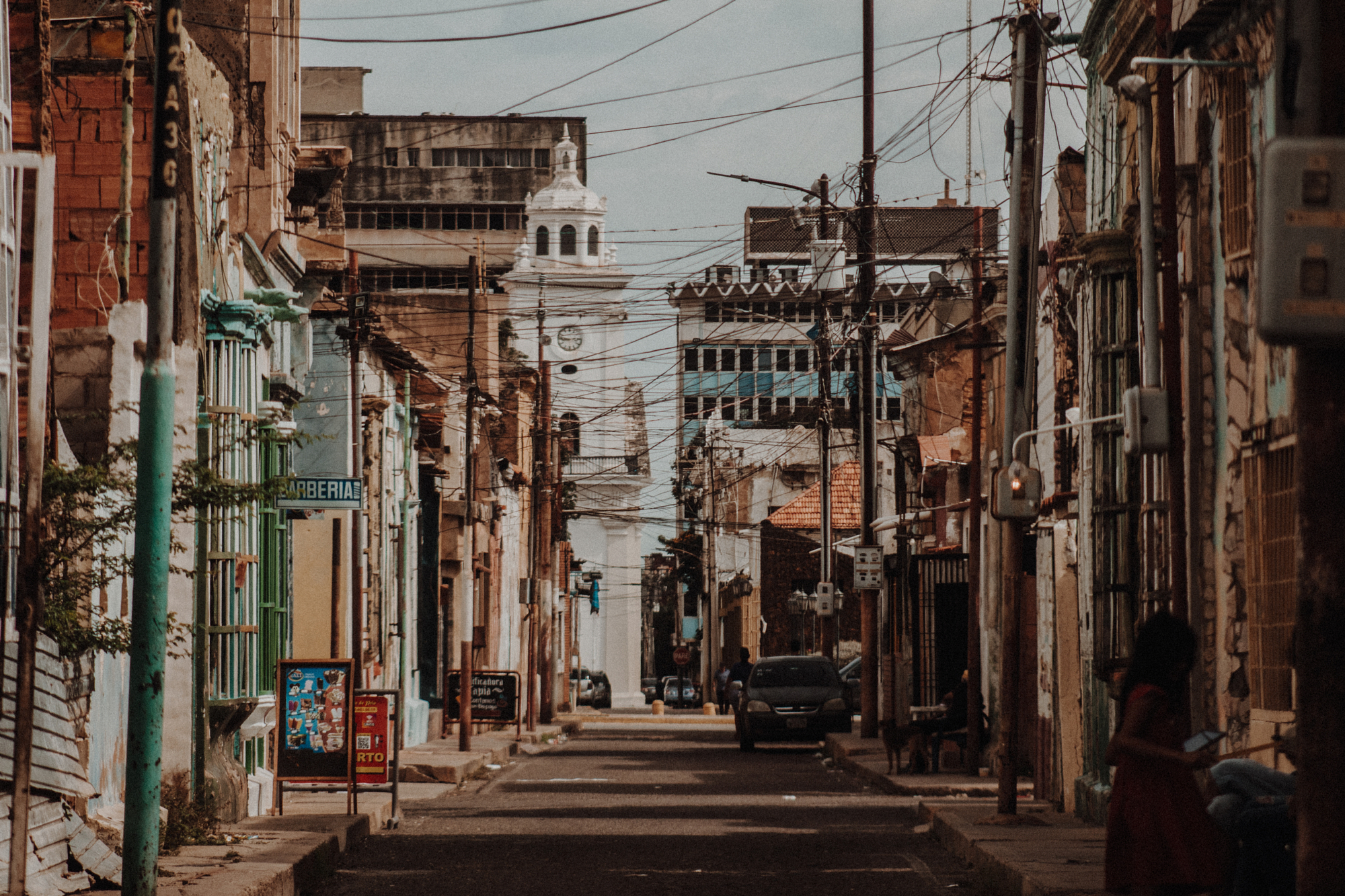
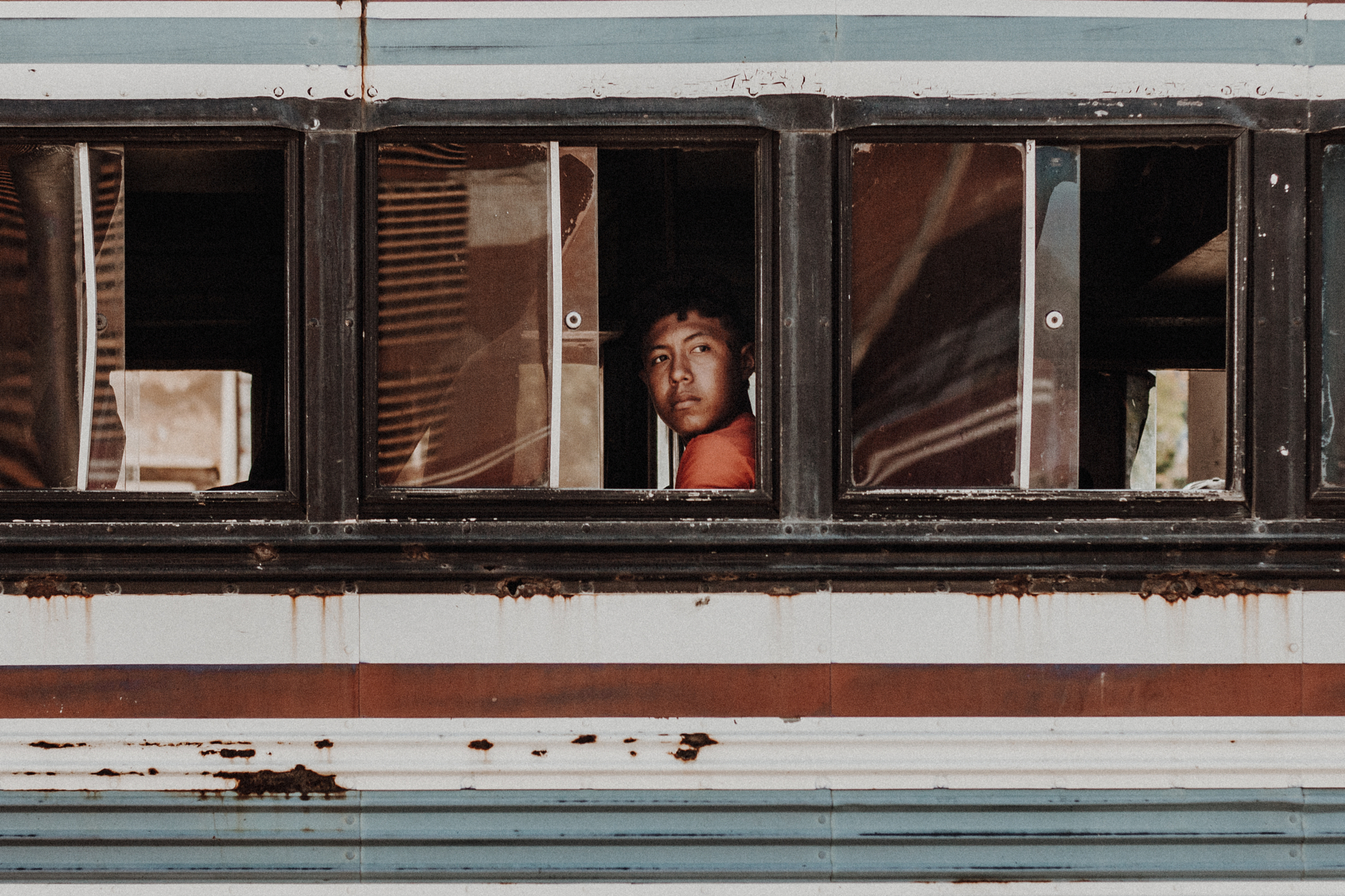
You have made a very strong statement that “This isn’t art!” on your website. Why is it important for you to distance yourself from the traditional label of an artist?
In the beginning, it was vital for me to say that. I didn’t want my work to be seen as something hollow, a mere decoration for a wall or a commercial tool for profit. Life has since taught me as much.
Today, I understand that I am an artist, but I create primarily for myself, maintaining a deep reverence for every story I touch. That phrase, ‘This isn’t art,’ fundamentally shifted how I perceive my work; it allowed me to move from the aesthetic to the essential.
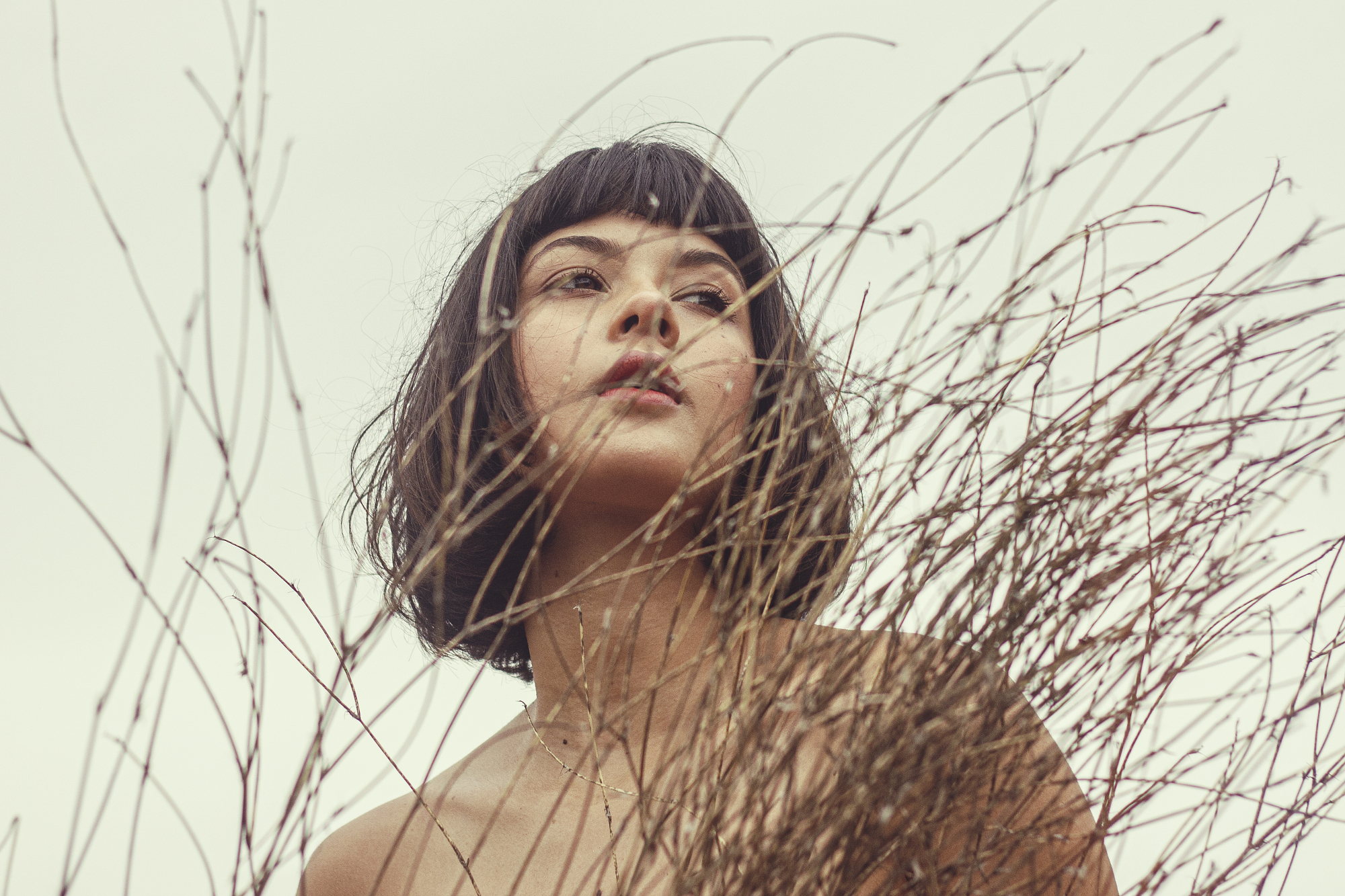
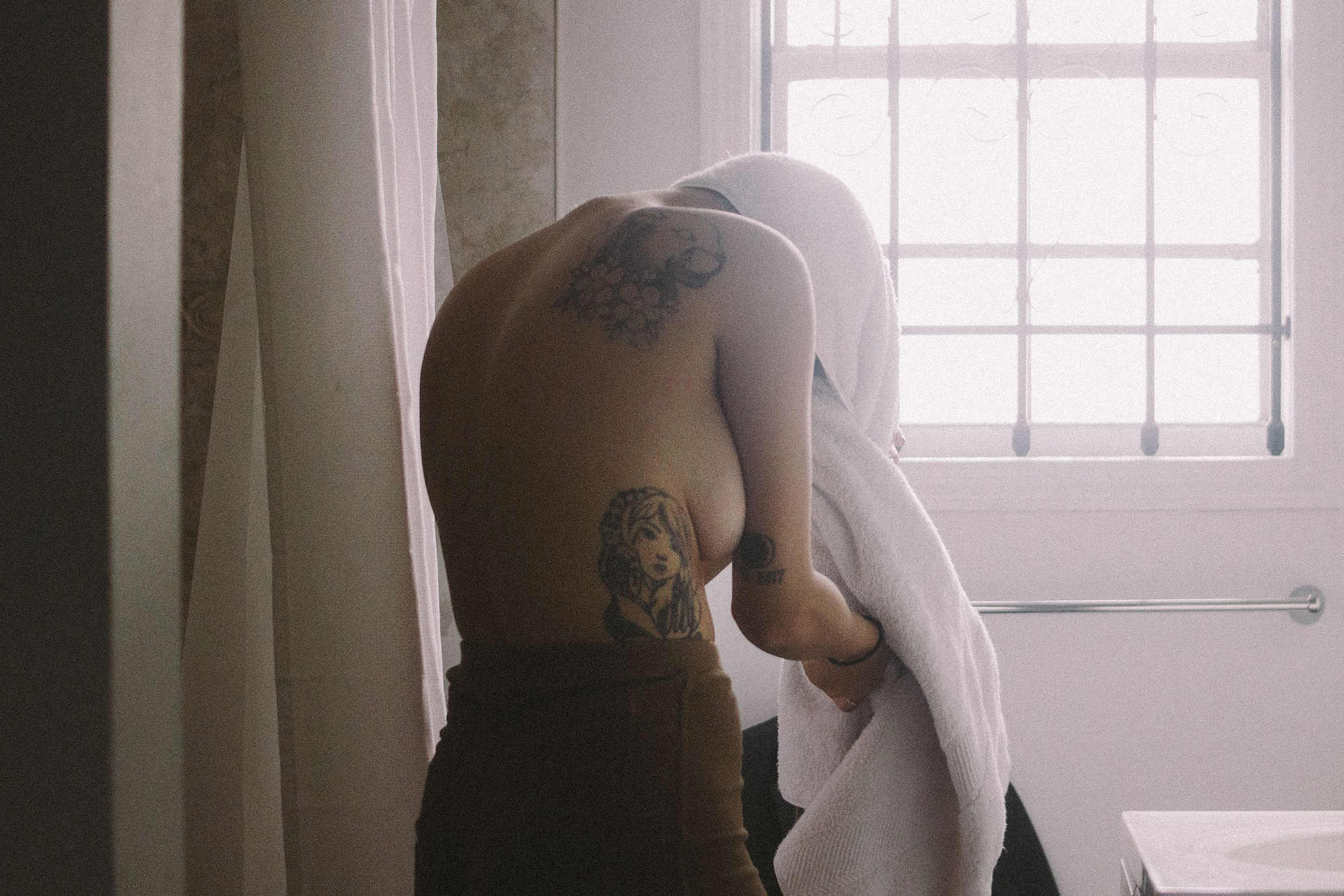
You describe yourself as a city observer looking for “lost humanity.” What does that search look like, and how do you recognize a moment of humanity in a stranger before you even press the shutter?
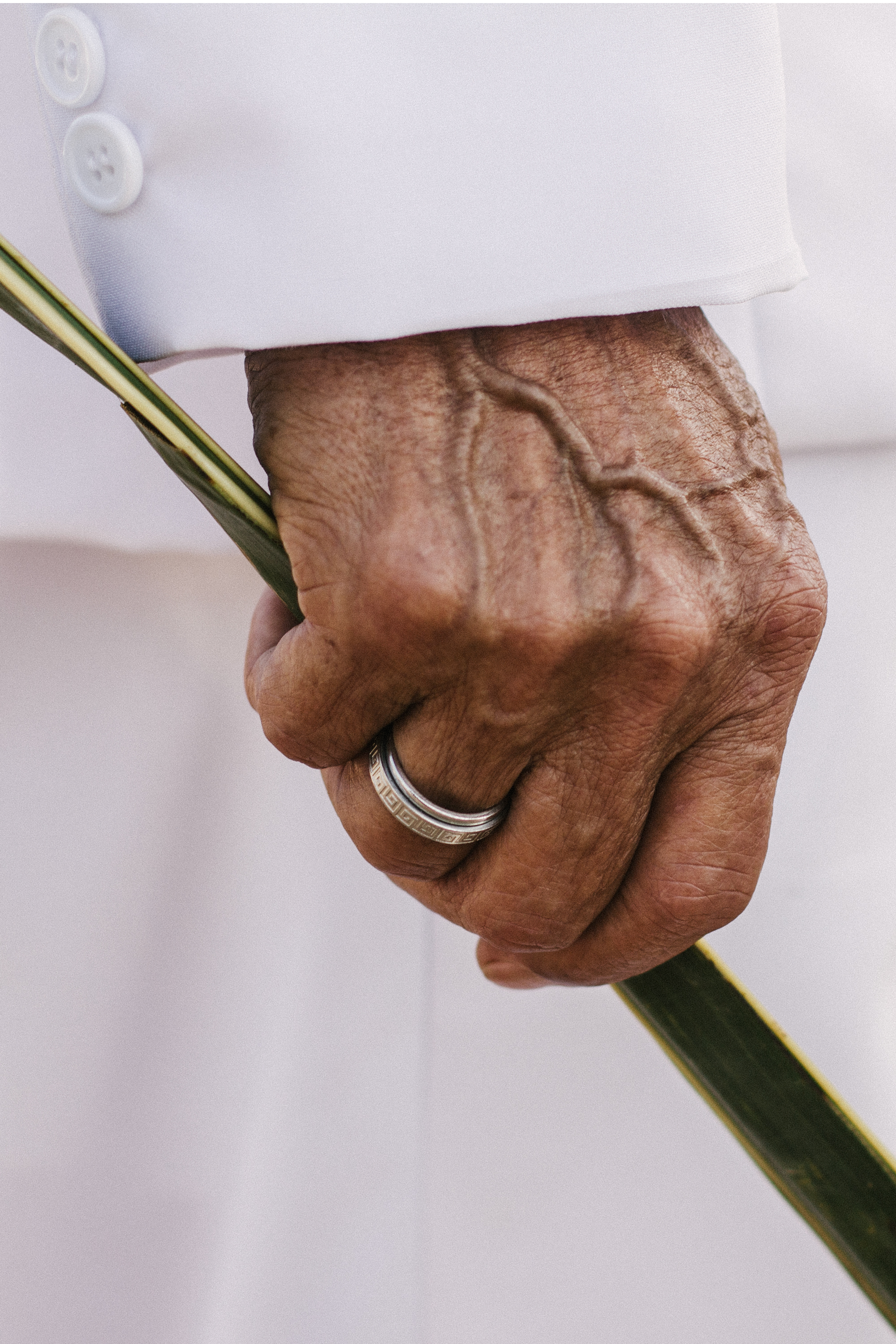
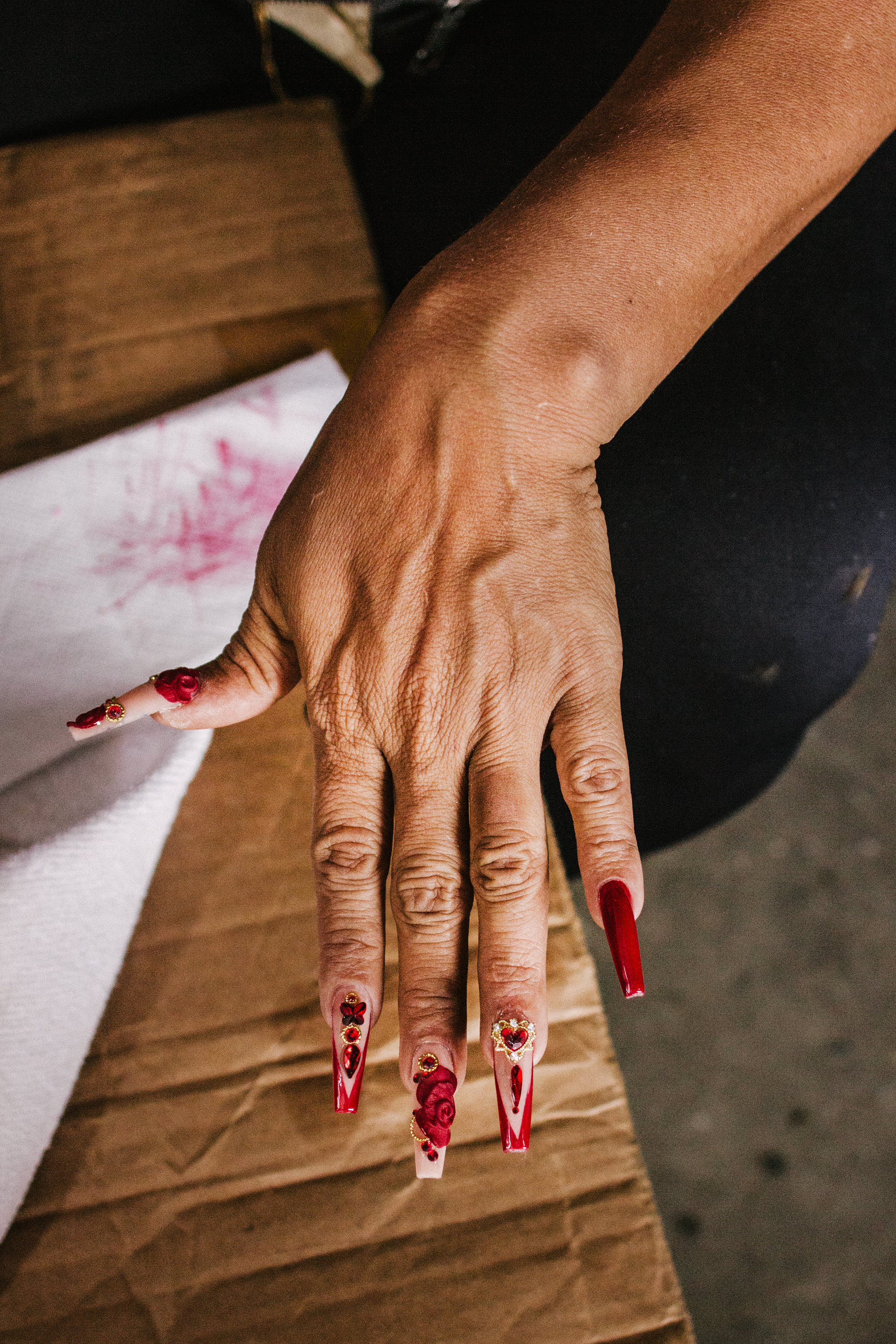
It is, without a doubt, an internal exploration. I am searching for myself in the streets, in veiled faces, in authentic souls, in hands worn down by hard labor, and in the strange tattoos I encounter. While telling their stories is paramount, I am also trying to narrate my own: what resides in my mind and my heart.
There is a spiritual connection that happens before I press the shutter, as if an angel is whispering in my ear that the moment has arrived. That is why I try to distance myself from the technical and shoot from within.
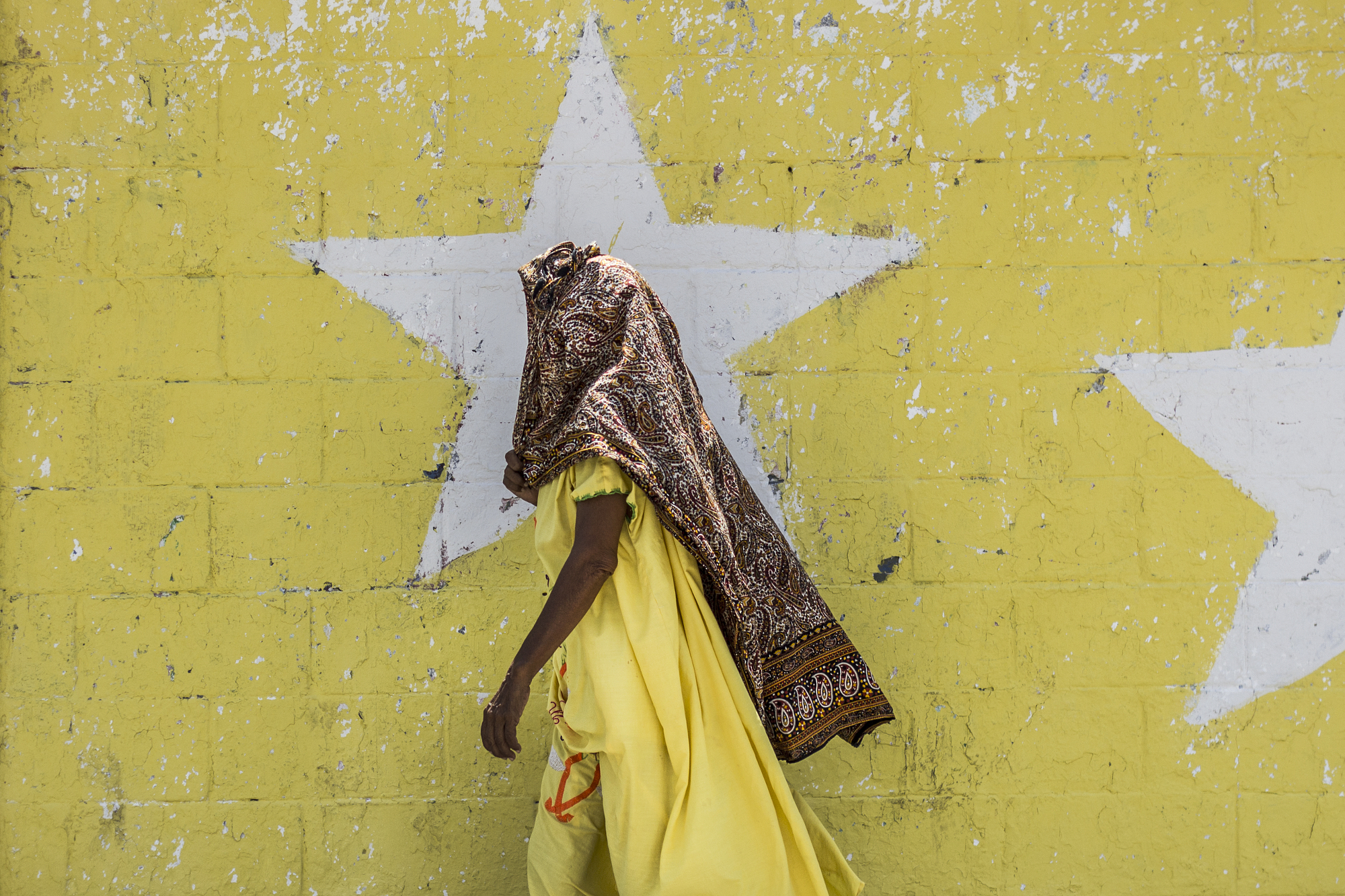
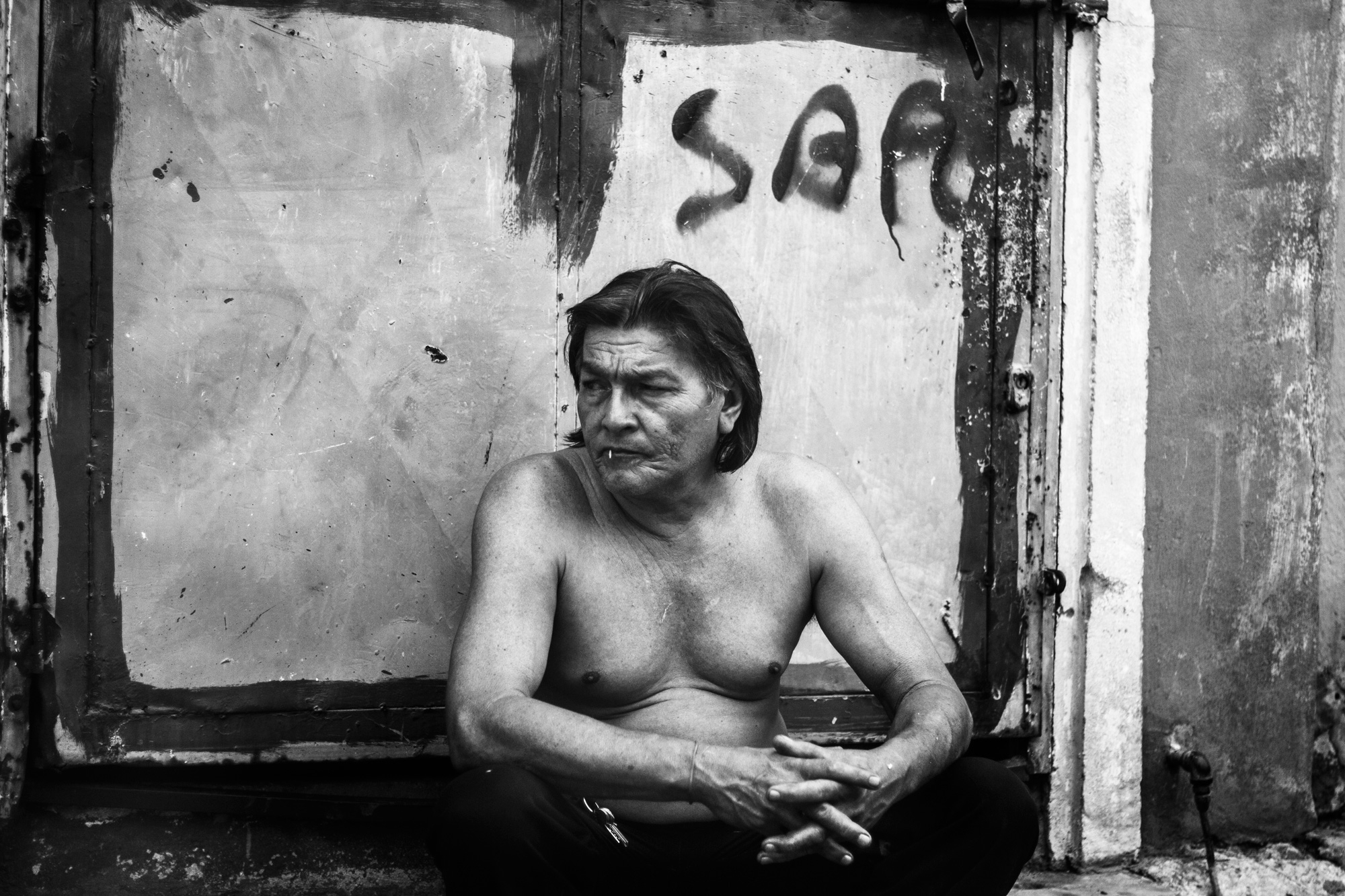
How do you handle the delicate balance between being an observer and the intimate, sometimes heavy experience of capturing someone whose story the rest of the world has chosen to ignore?
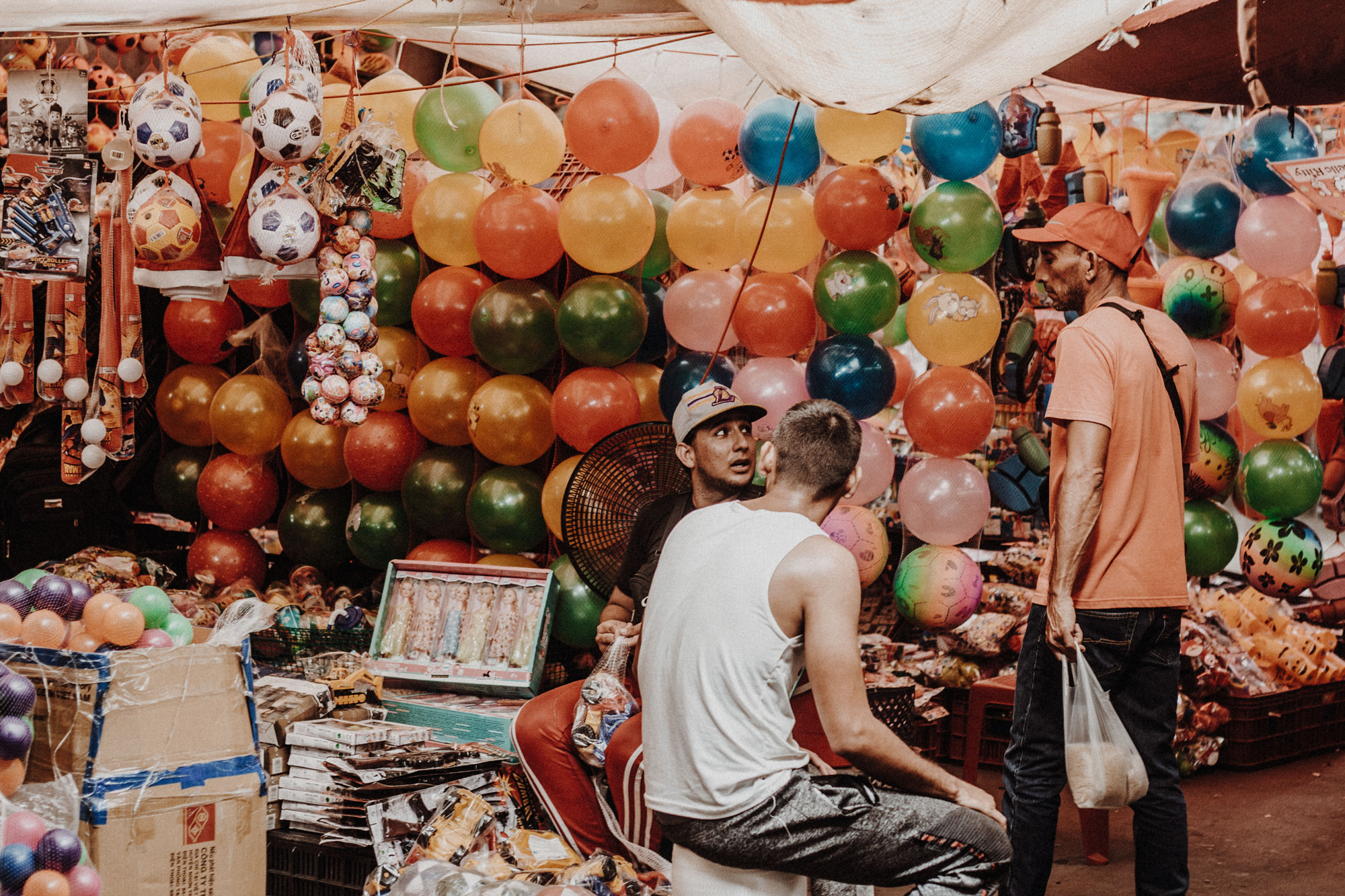
Perhaps it is just my way of seeing the world: for me, beauty is found in chaos. I seek grace in the places everyone else tries to forget, from corners filled with debris to people overlooked by their own kin. I choose to frame what used to hurt to look at, but what I now love to document.
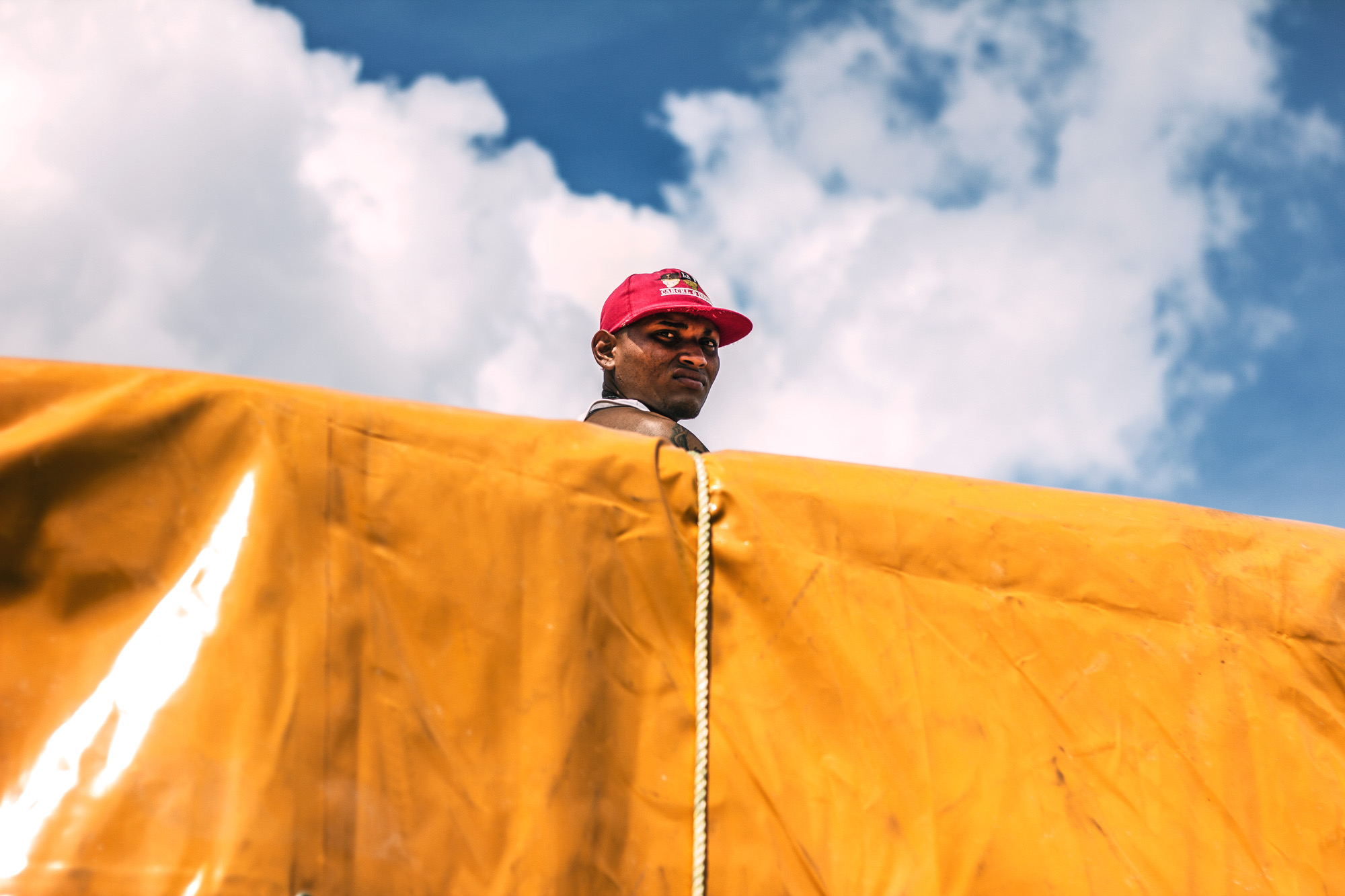
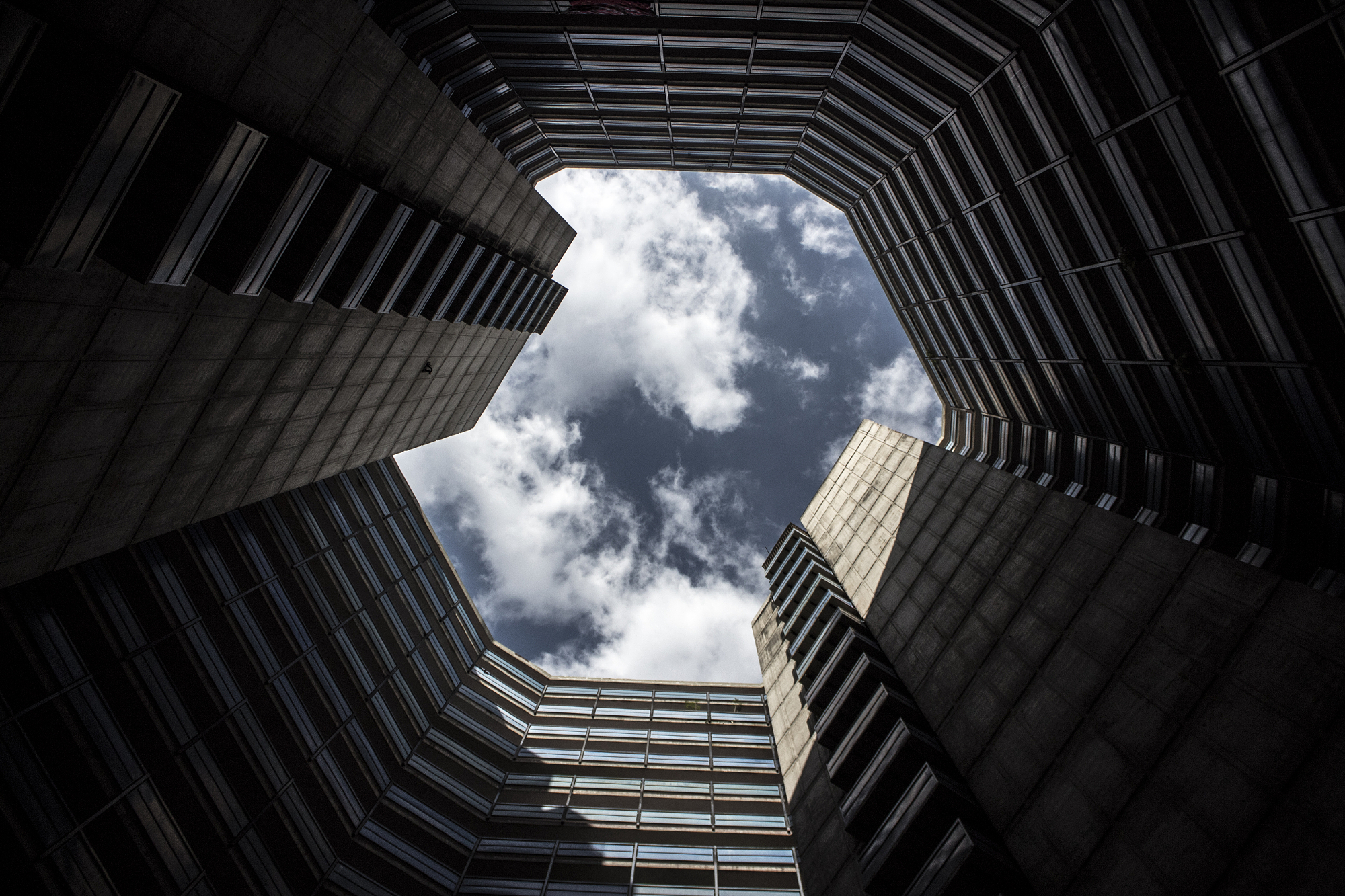
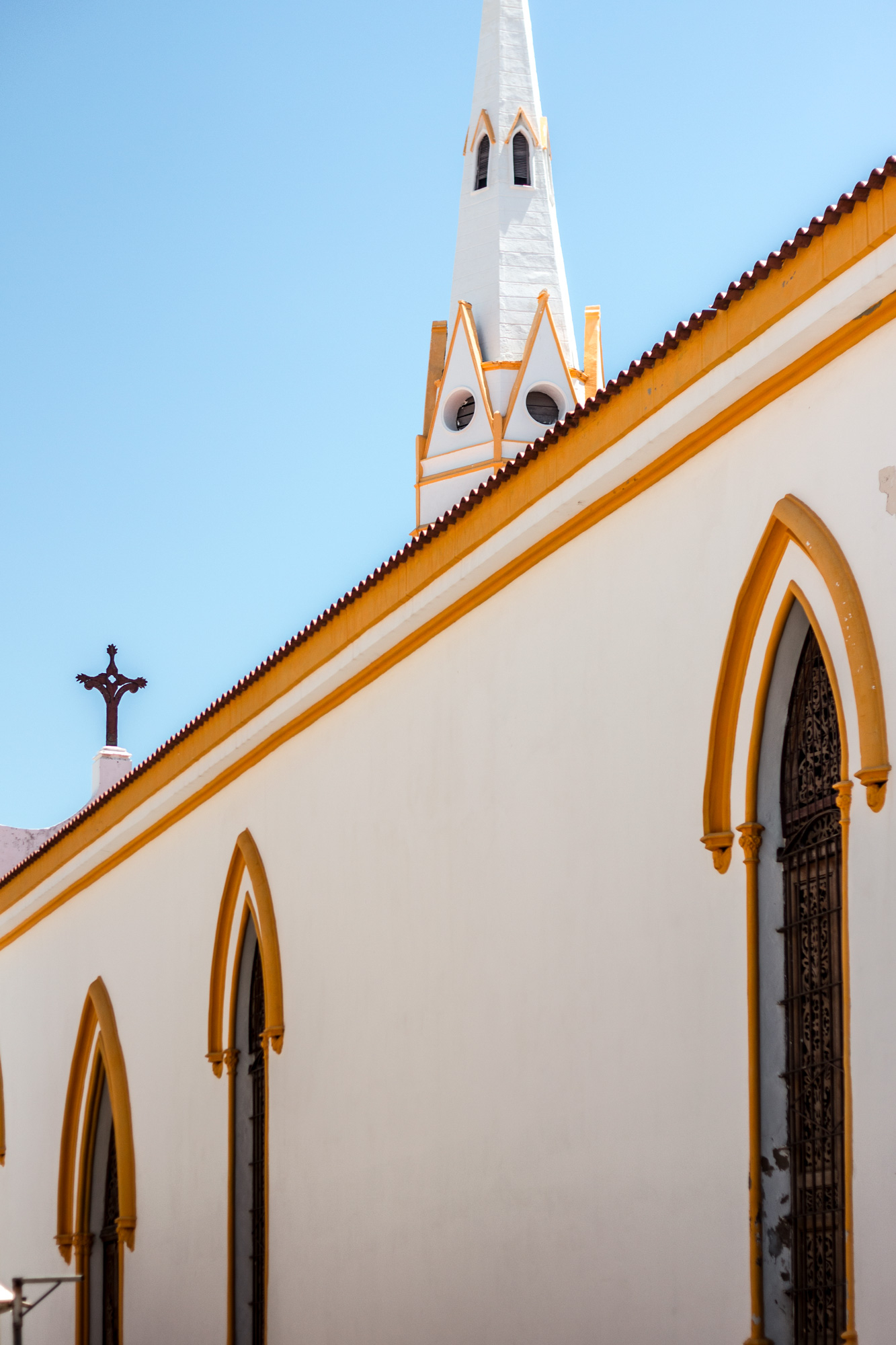
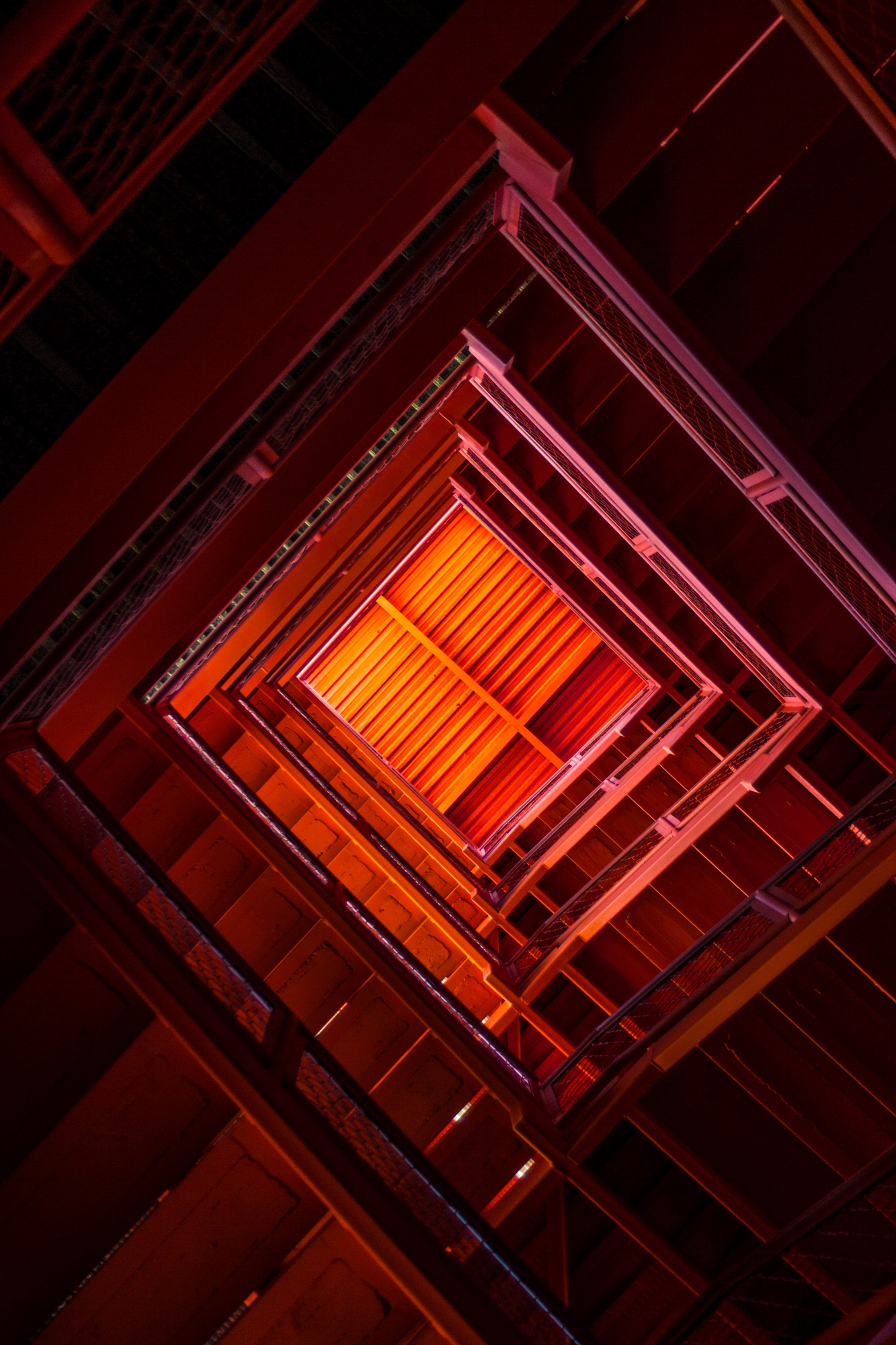
There is a raw, cinematic documentary quality to your city photography. When you are moving through the city, are you drawn more to the physical architecture or the urban setting, simply the stage for the human stories you want to tell?
Both my parents are architects, so I view the city through a technical lens. My mother always told me to keep my eyes straight, no tilted horizons, only perfect perspectives. That is where I begin my frame.
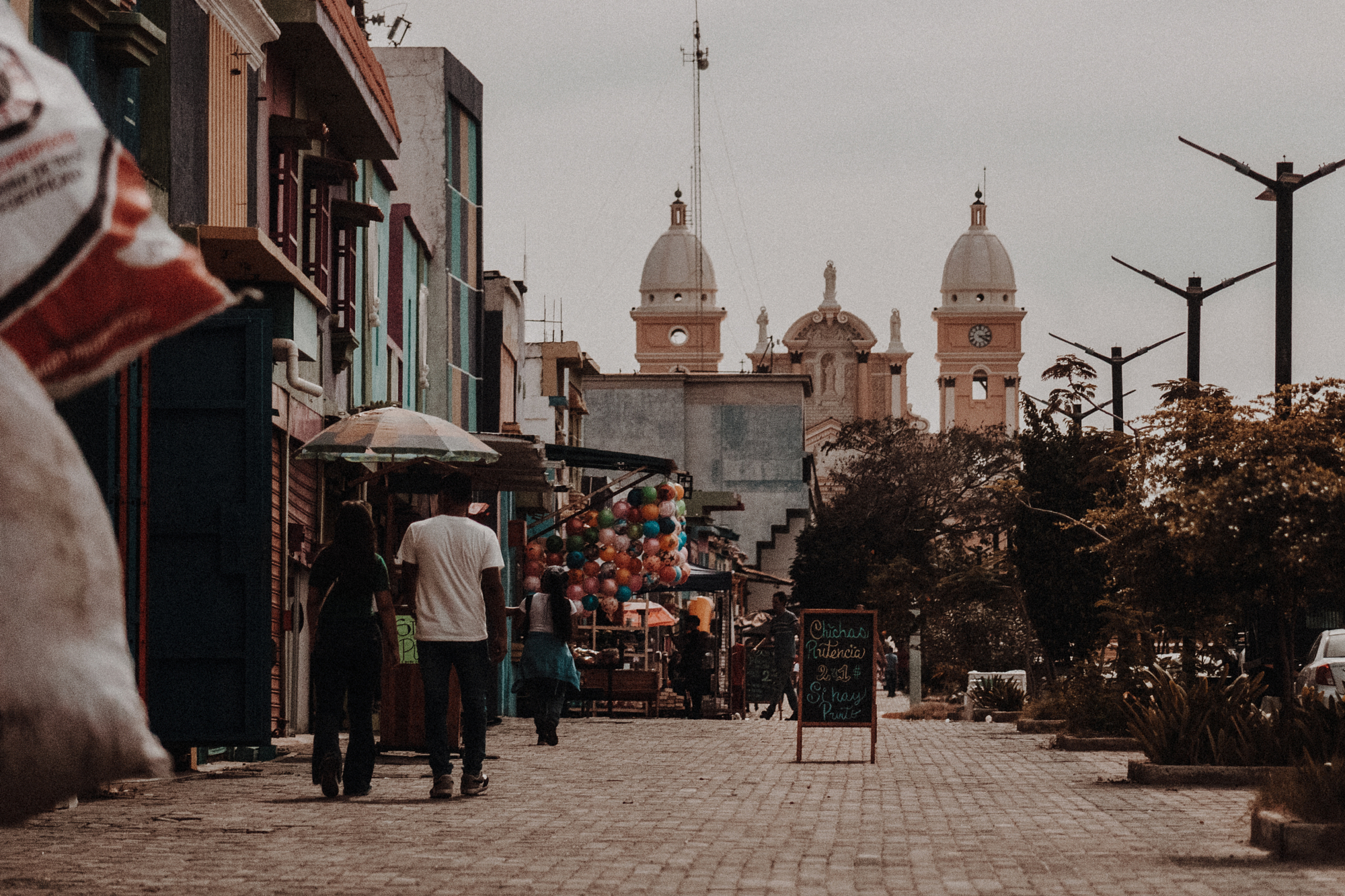
I always start in the public markets; I feel that is where cities are truly born. Along the way, I found God. I love weaving the temples I find into my stories; it’s a beautiful way to capture the soul of a city as deeply faithful as Maracaibo.
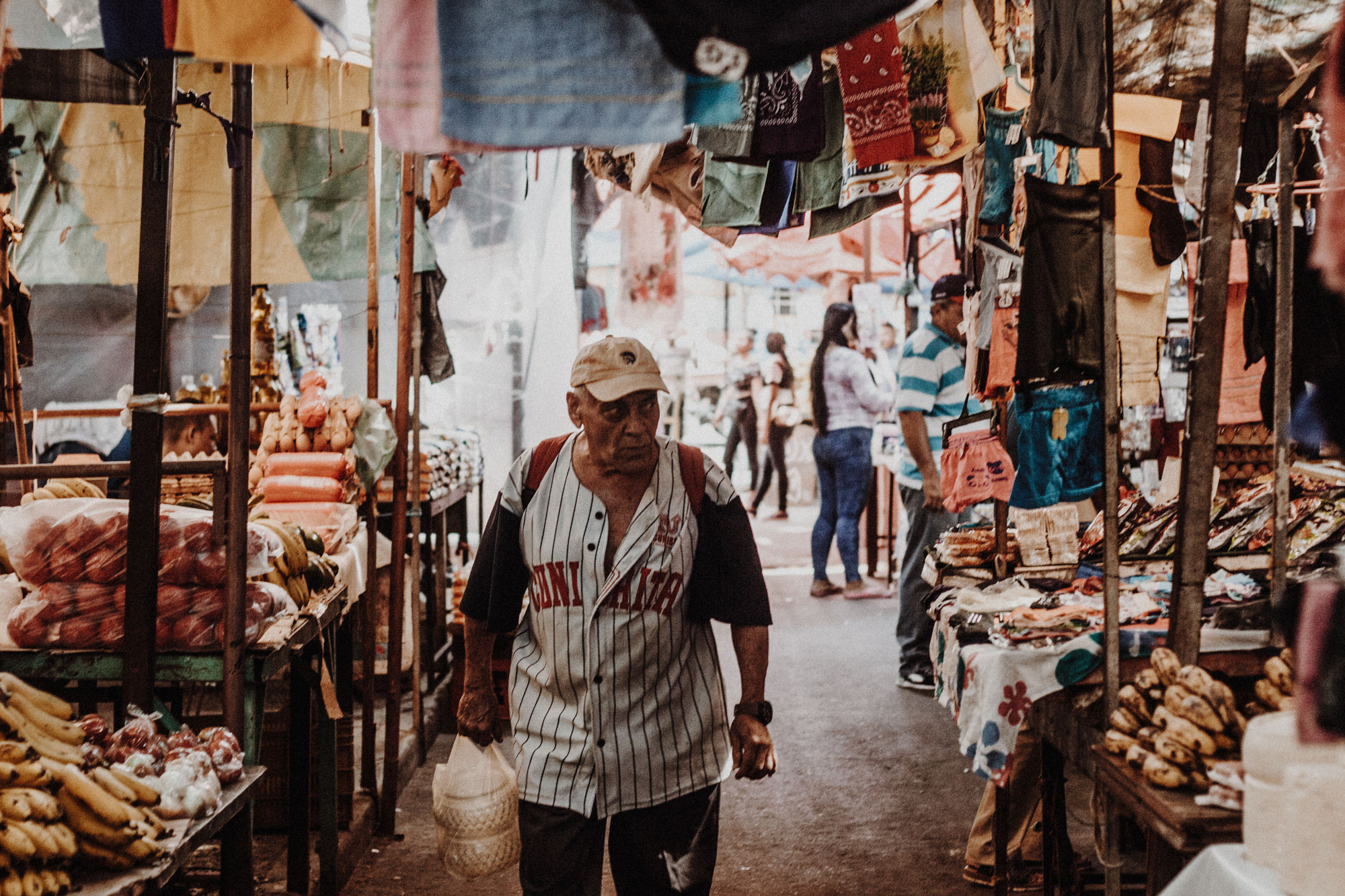
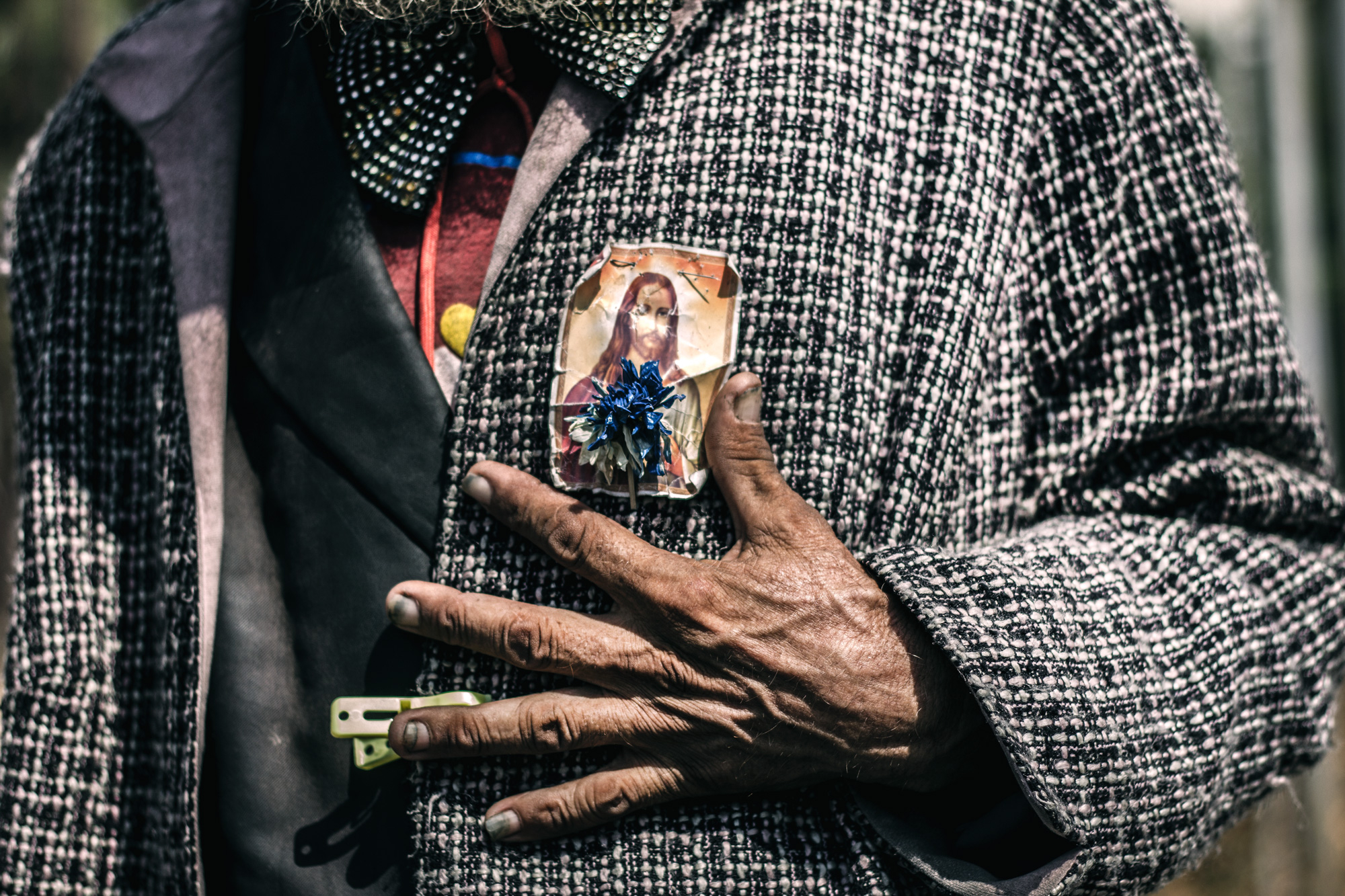
You mention that seeing these hidden parts of the city is a way for people to “see themselves.” How has your perspective on things shifted with spending so much time looking at the world through your camera?
My perspective on everything has shifted. I’ve learned to be meticulous with details and understand that a simple smile can open the doors to the world. Once those doors are open, you can tell any story from the depths of your soul.
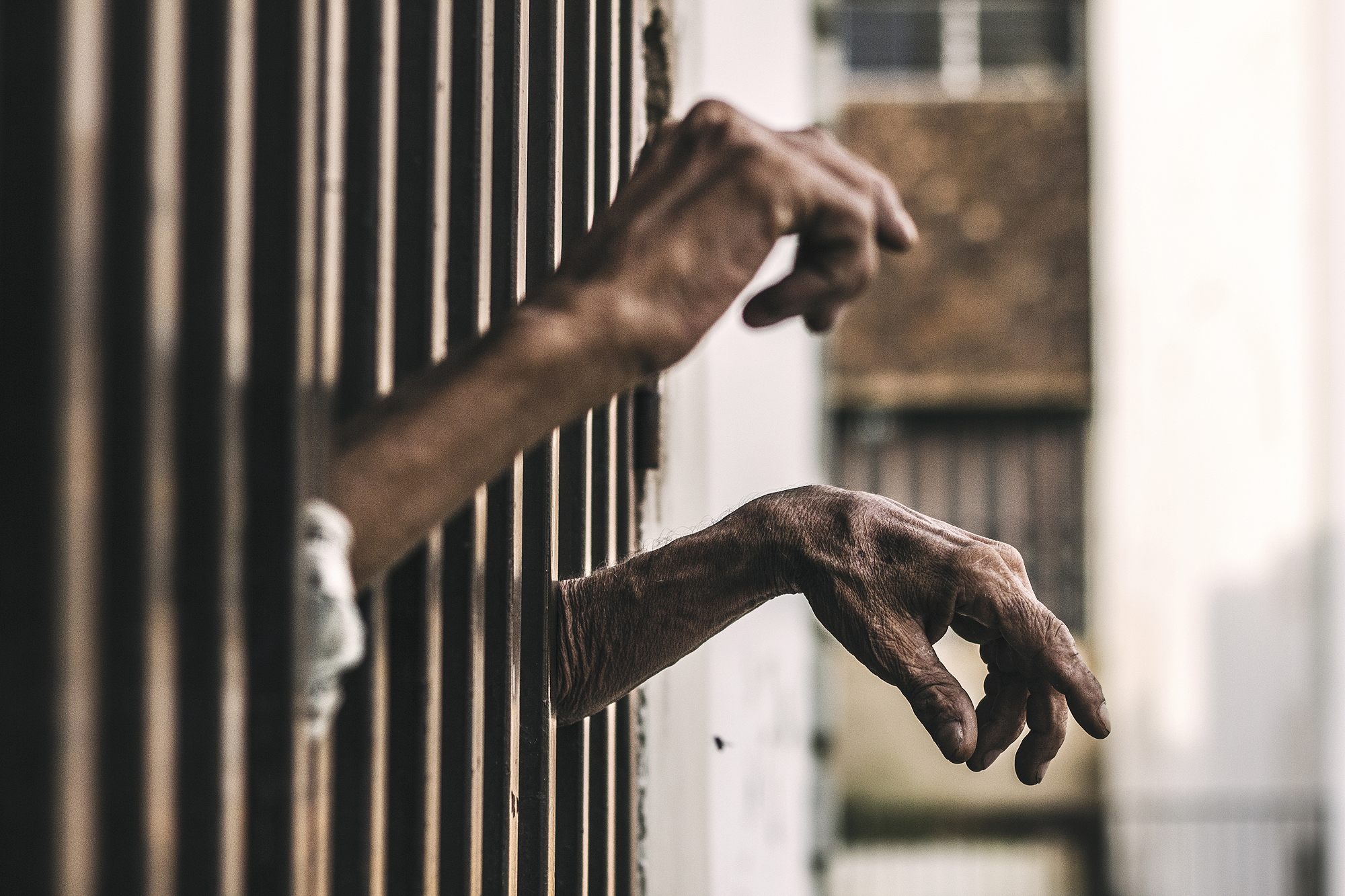
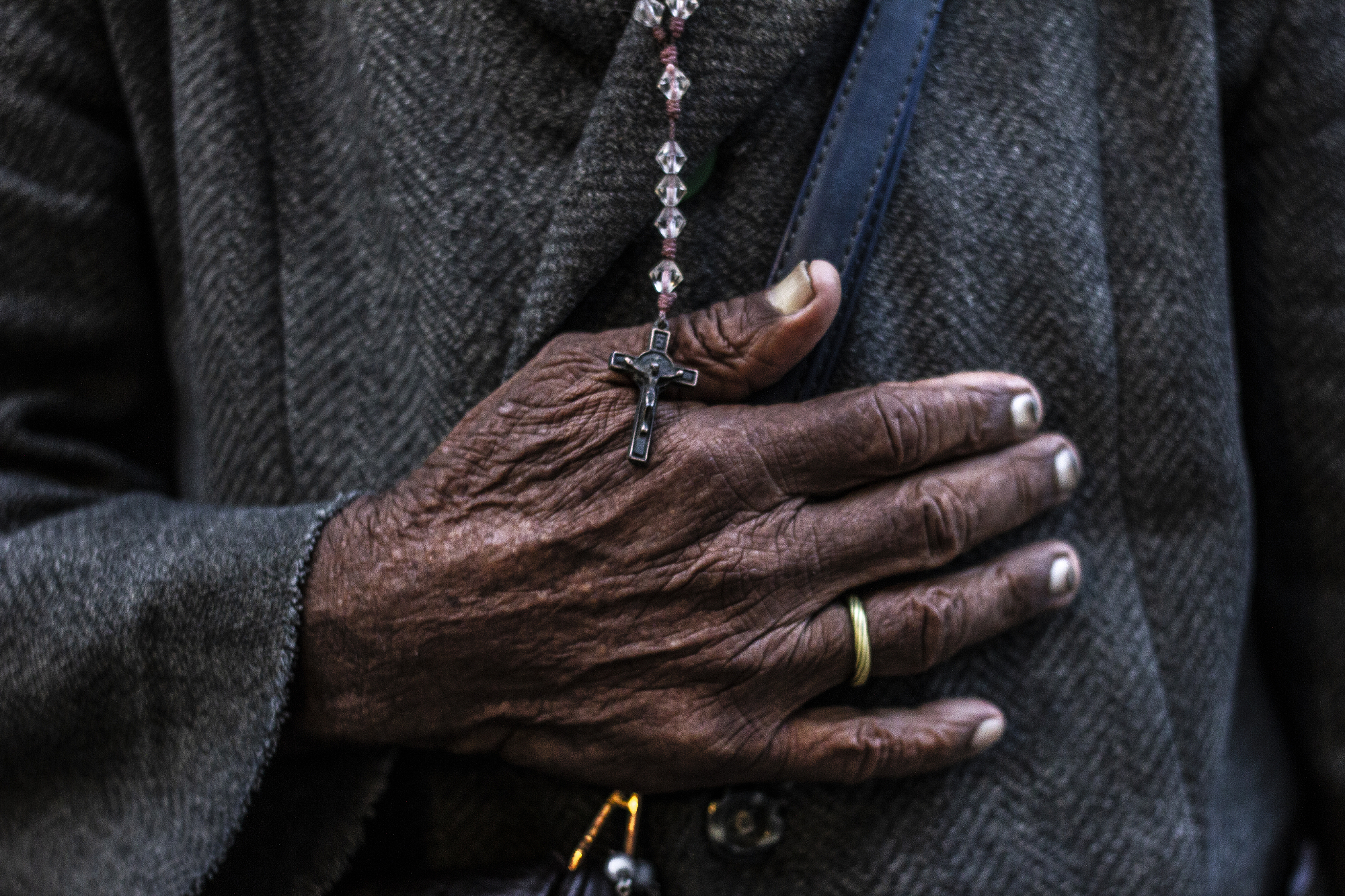
I see myself reflected in my subjects, and that helps me focus. I always start with the hands; they’re the key to a person’s essence. Between different skins, scars, and sweat, I find the fragments of my own story.
In your process, how do you utilize framing, perspective, or composition to maintain the balance between these qualities?
I always tell my students that we will be remembered for our framing, not our colors. Framing is deeply personal; it is where I can be most technical and where I differentiate myself. I learned to frame with a 50mm, and I never let it go.
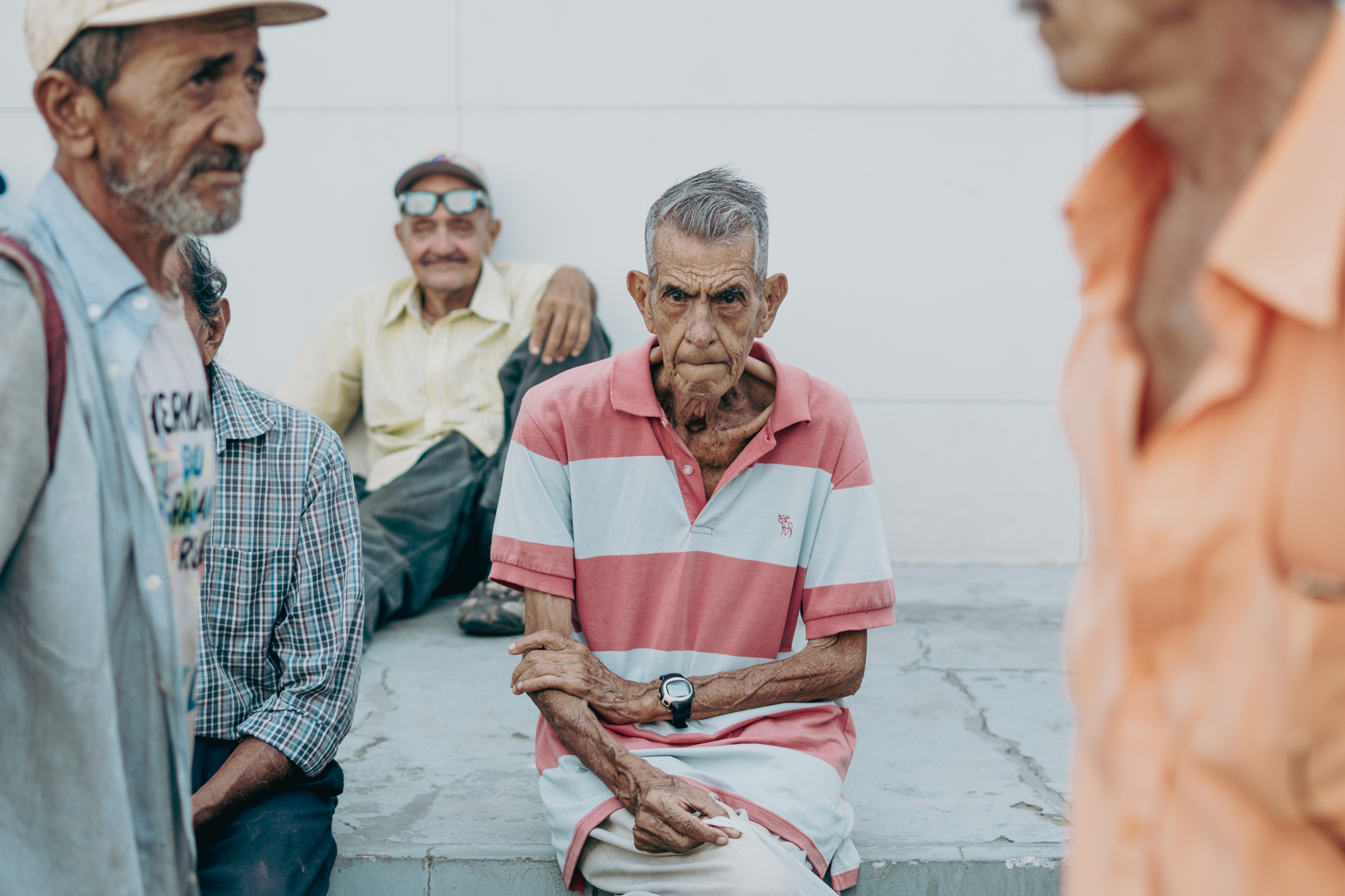
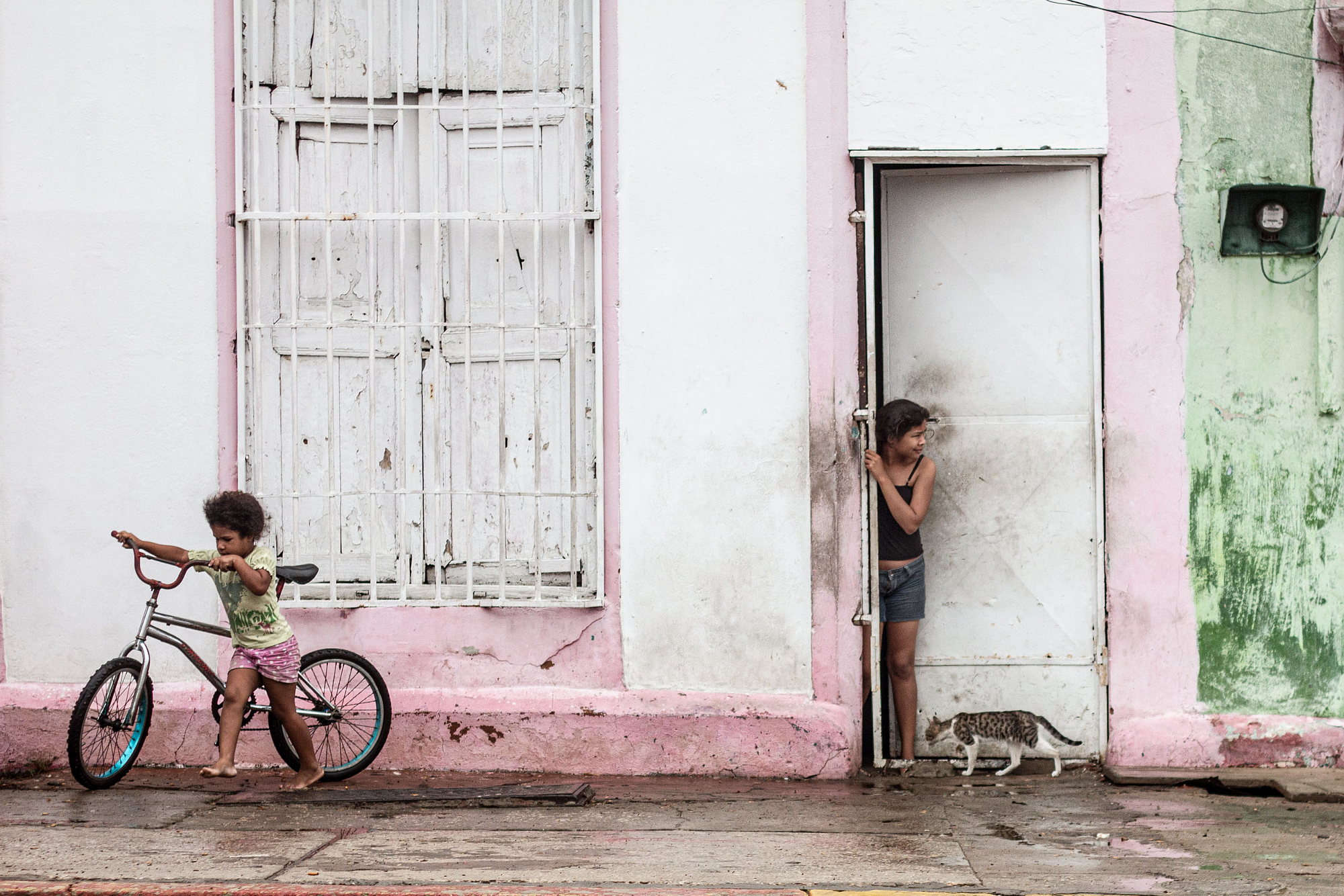
I learned from my limitations, both the technical constraints of tight spaces and my own physical challenges that prevent me from moving as freely as others. But that is my struggle, and that is where I truly exist.
Could you share one of your 500px photos that you are particularly proud of and explain the story behind it and why you chose that one?
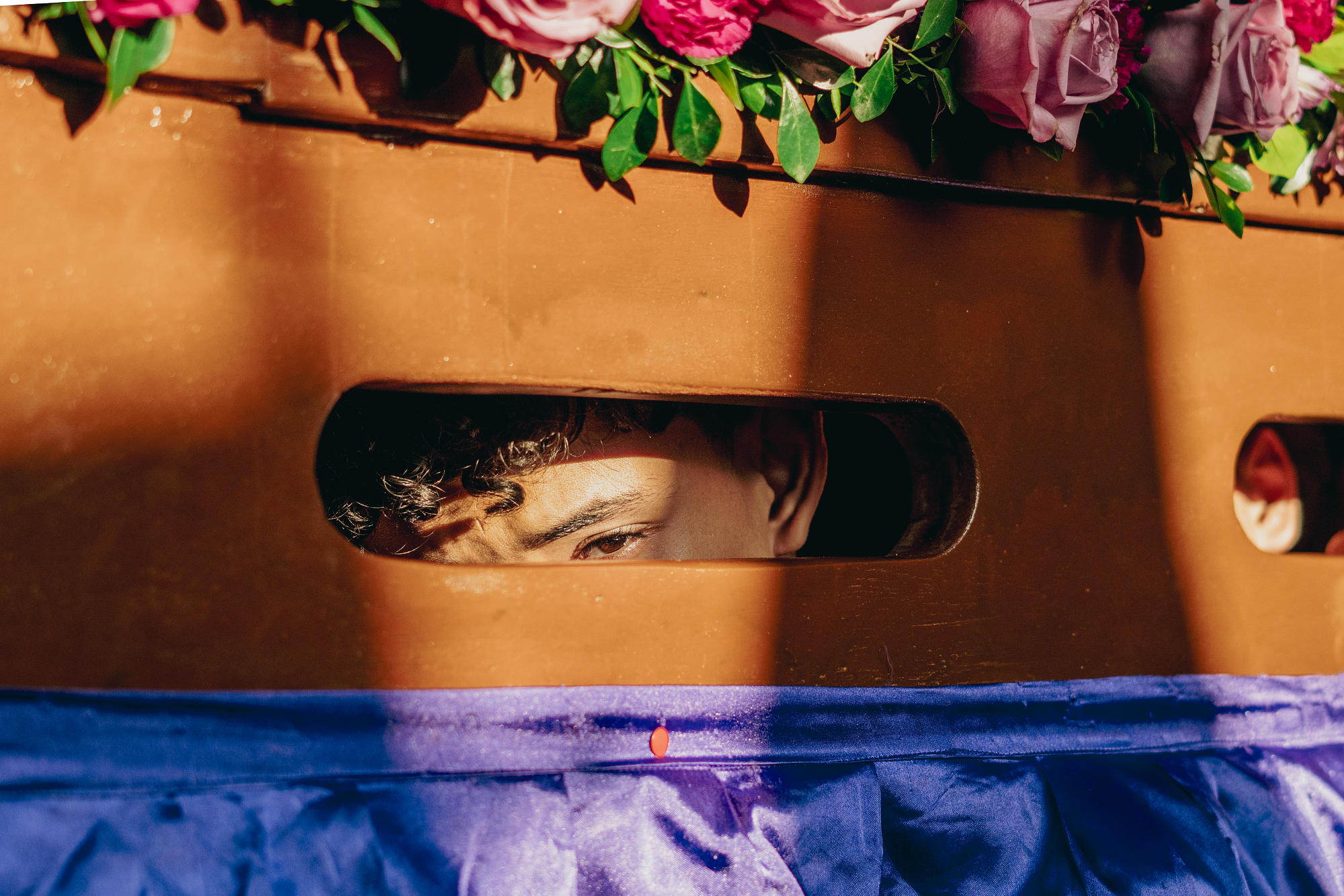
This photograph represents who I am. It was during the celebration of the Nazareno, where children carry the figure of Christ on their backs during the procession. The child looked at me, and with a single smile, I knew we were both ready to immortalize a unique moment. I carry that moment in my heart. I believe that through my photos, I have the power to bring at least one person closer to God. If I achieve that, it is enough.
We have a question from a previous featured photographer, Cenk Salfur, who asked, “How does it feel to be a photographer in Venezuela? Do you feel like Venezuela provides enough support for photographers and the art of photography?”
Venezuela is my home. It is a harsh place to be a photographer, but it molds you; it prepares you to tell any story anywhere. I was once detained for hours for a photo they could never have. I deleted it the moment they took me. That taught me a vital lesson: the best photo isn’t the one you take, but the one that makes it home safely with you.
Lastly, to wrap things up, do you have any upcoming projects or new series on the horizon that you would like to share or promote?
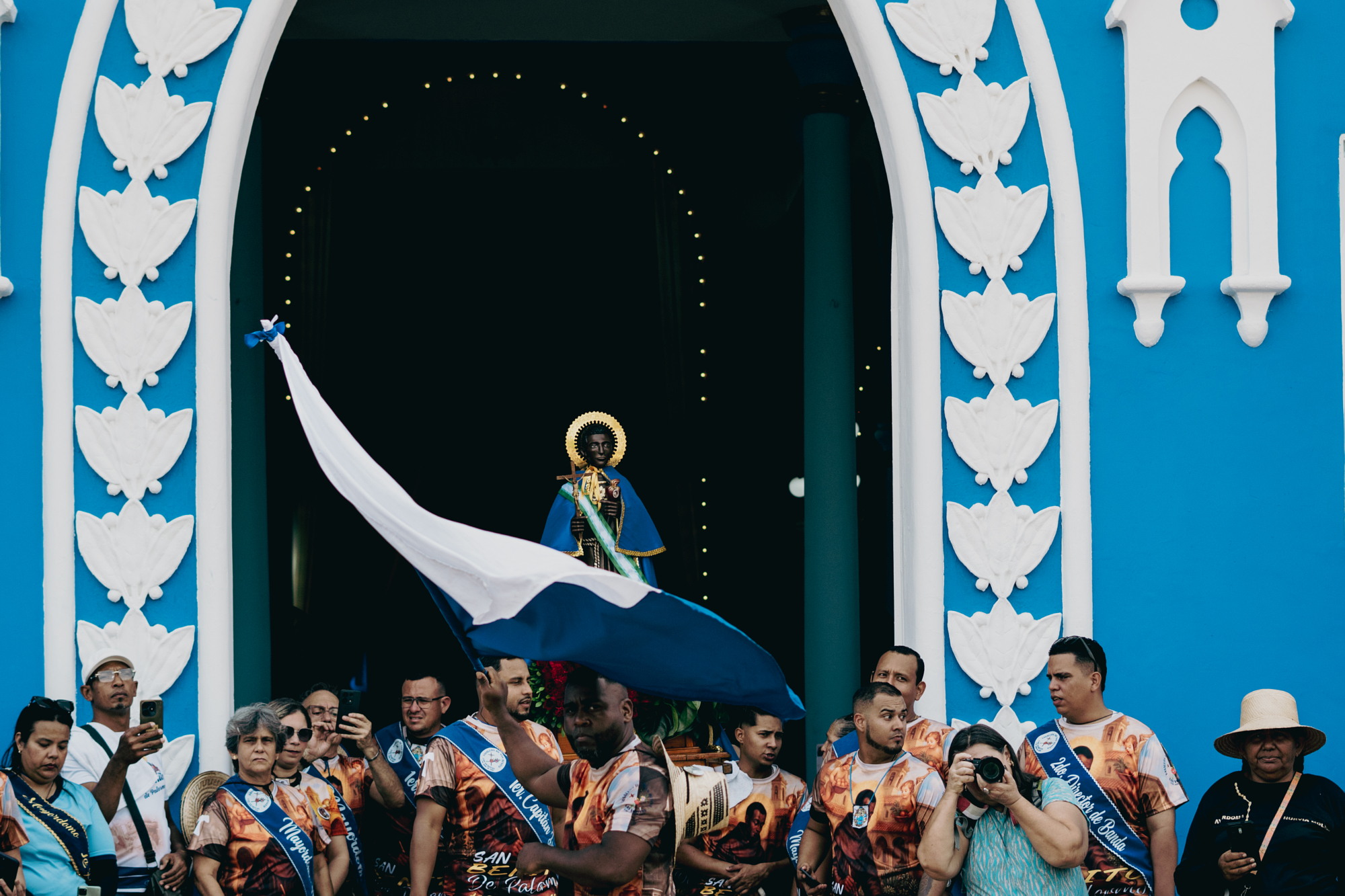
I am currently immersed in a beautiful process documenting the history of San Benito de Palermo, a Catholic celebration unique to my region with deep European roots. It feels like a calling.