Younes Ezzentri uses the stillness of landscapes to vocalize the thoughts he leaves unsaid. Based in Casablanca, the 33-year-old Moroccan photographer balances his urban reality with a deep passion for adventure, wilderness, and natural light. His images treat the earth as a vehicle for personal expression, capturing the intricate details of clouds, the dynamic motion of waves, and the soft transitions of golden hour. We sat down with Younes to discuss the translation of unspoken words into landscapes, his relationship with the wilderness, and how Casablanca feeds his urge for adventure.
To start, could you tell us about your early days behind the camera? What first sparked your interest in photography?
My journey into photography actually began long before I ever held a camera. I grew up watching my father, a landscape painter, transform blank canvases into breathtaking scenes inspired by nature. I was completely fascinated by the way he could capture the emotion of a place with nothing more than a brush and color. As I grew older, I realized I wanted to tell those same stories—but in my own unique way.
Instead of painting with brushes, I chose to paint with light. A camera became my canvas, and the wilderness became my studio. Today, every time I venture into the mountains, deserts, or remote landscapes, I feel like I’m continuing the artistic path my father began, while creating my own vision of the natural world. Photography is more than just a profession for me; it’s a way of honoring where I come from, embracing the beauty of the wild, and sharing moments that remind us how extraordinary our planet truly is.
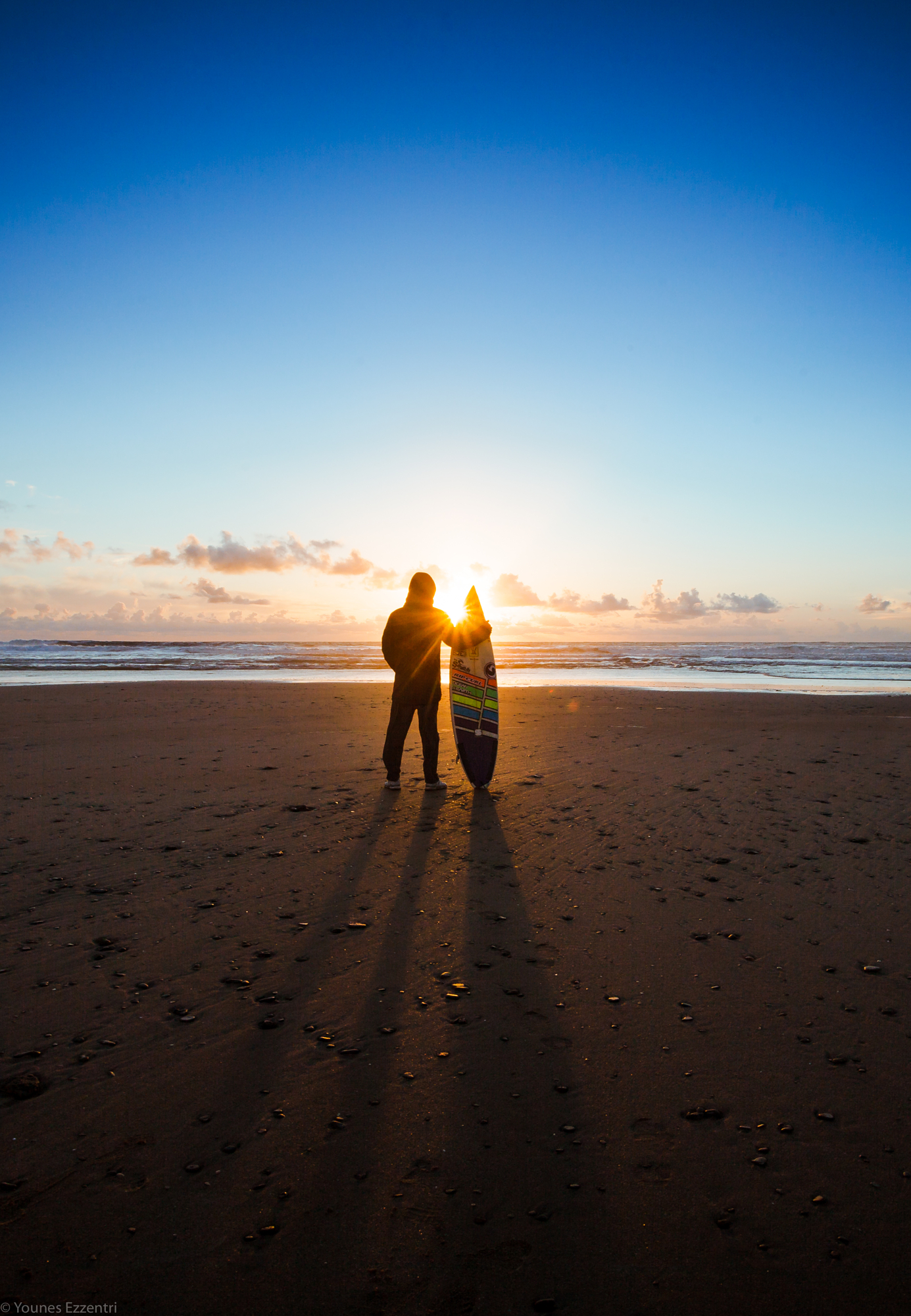
Your portfolio displays a profound reverence for natural light, particularly the golden hours of sunrise and sunset. What is your process for planning your shoots? Are you tracking the weather, or do you approach it more spontaneously?
It’s a balance between careful planning and embracing the unexpected. Sometimes I spend days tracking the weather—studying cloud formations, light conditions, and forecasts to increase my chances of capturing the exact scene I have in mind. Other times, I simply head out with my camera and let nature surprise me. Some of my absolute favorite images have come from those unplanned moments.
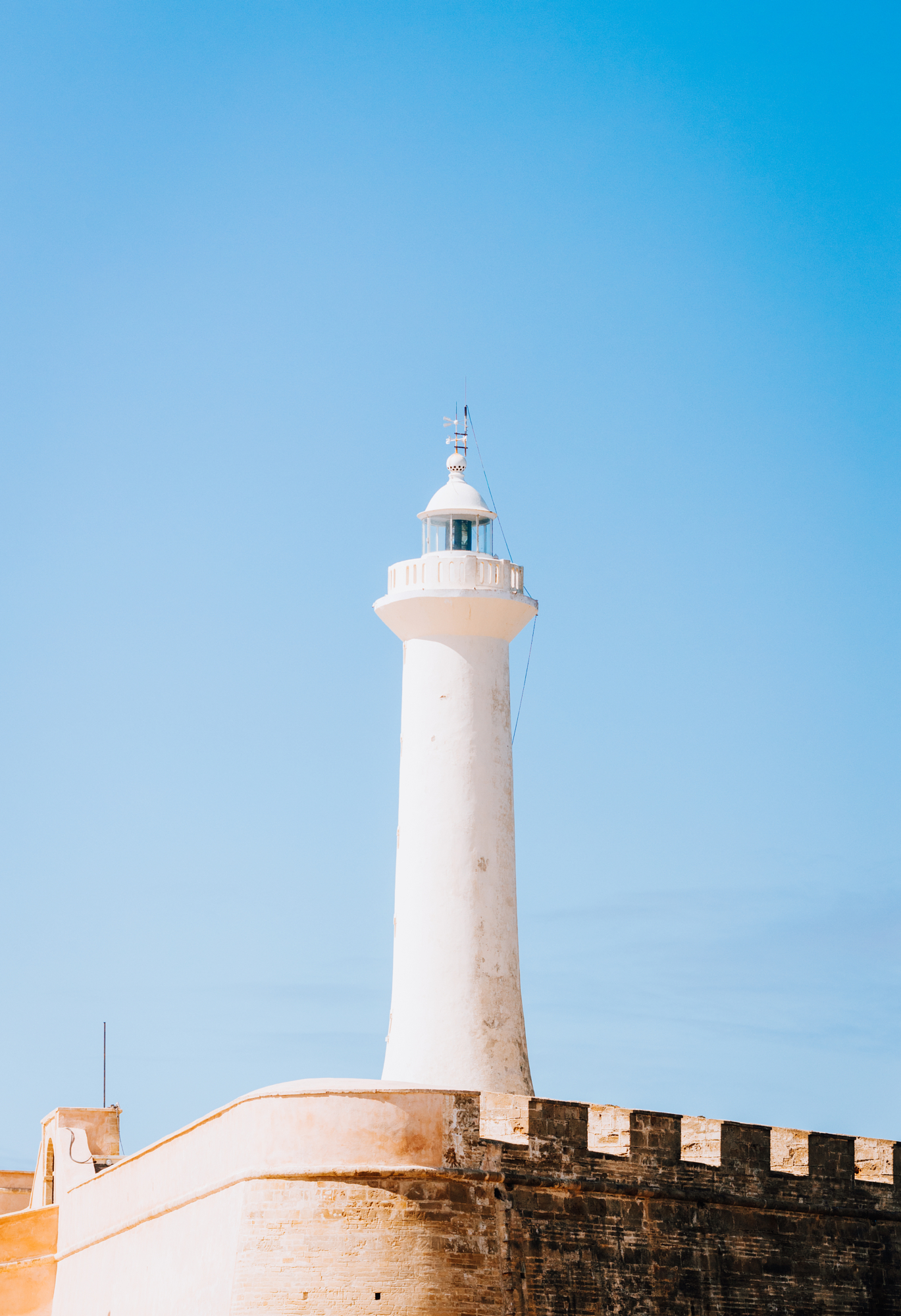
Regardless of how I approach a shoot, my goal is always the same: to find the most unique composition possible. I want people to look at my photographs and wonder where they were taken. In fact, one of the greatest compliments I can receive is when someone says, “I can’t believe this was taken in Morocco.” That challenge pushes me to explore beyond the obvious, discover hidden locations, and present familiar landscapes from a completely different perspective.
Casablanca is famous for its vibrant, fast-paced energy, while your landscape work represents absolute serenity. Do you view your expeditions into nature as a necessary escape from the city, or do you find that the contrast of urban life actually sharpens your appreciation for the wild?
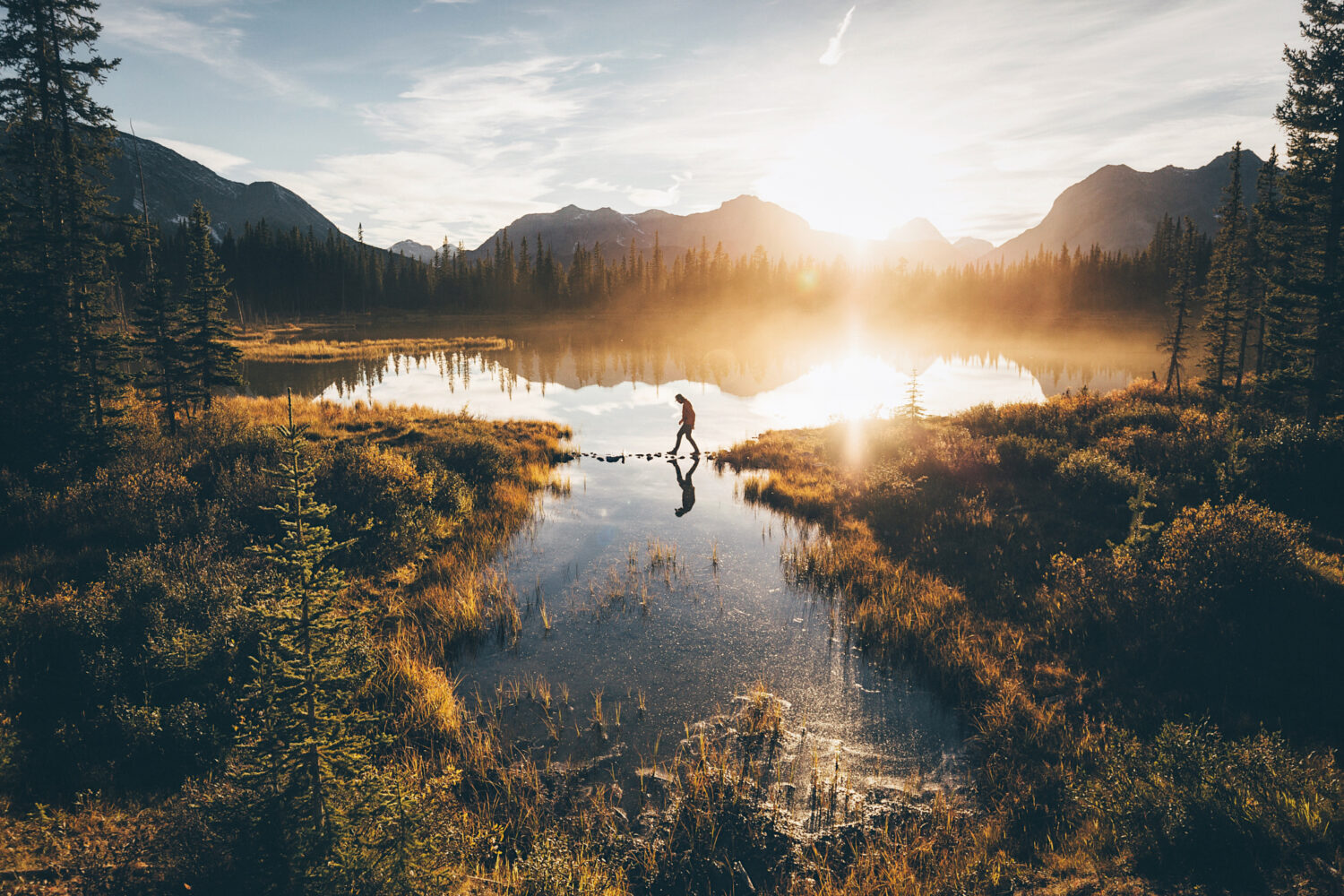
Yes, for me it is absolutely a necessary escape from the noise of the city. Living in a fast-paced place like Casablanca, with its constant movement and energy, makes those moments in nature even more essential. When I head into the wild, it feels like stepping into a completely different world—silent, grounded, and honest.
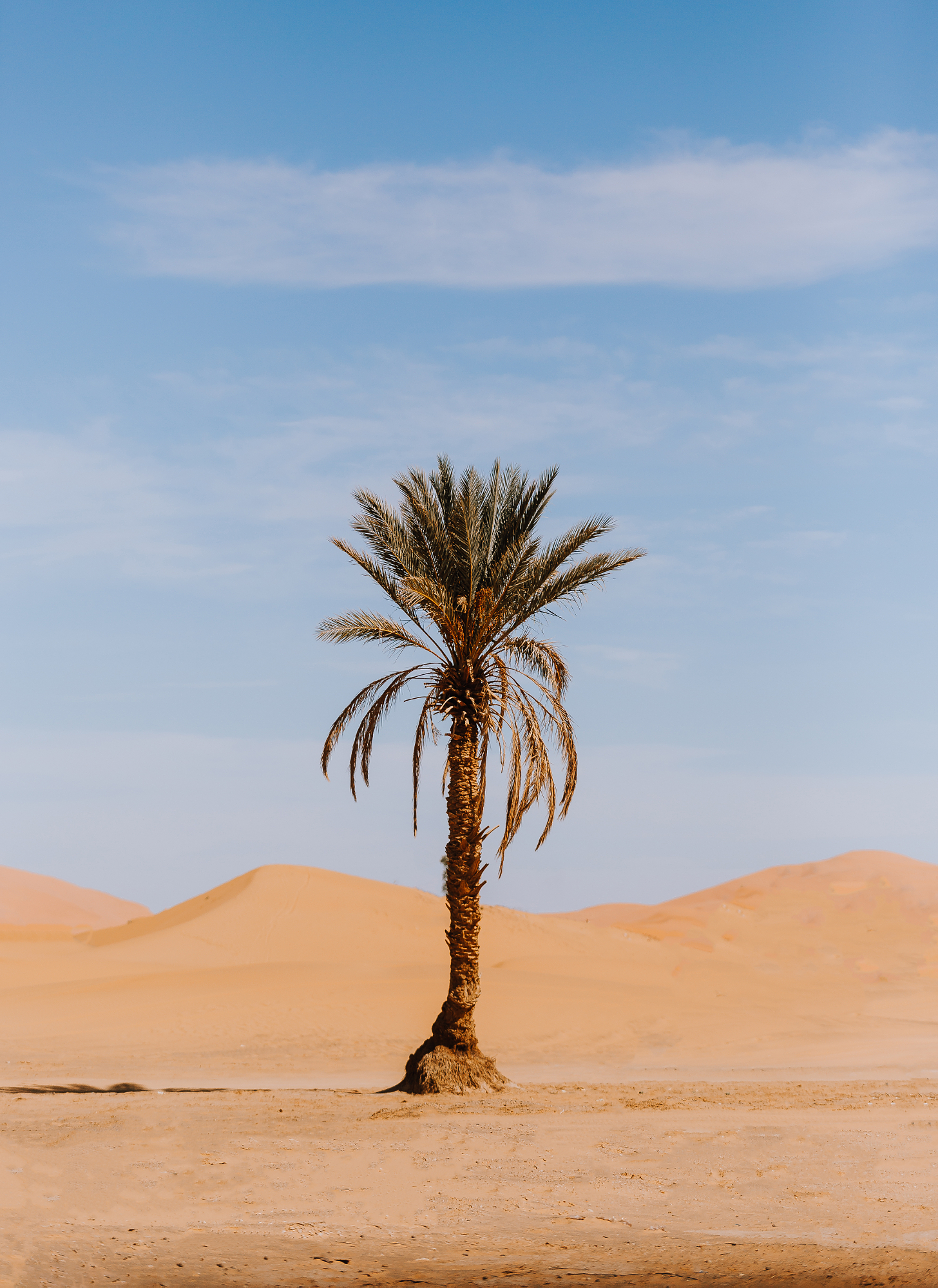
It reminds me of that core idea from Into the Wild, where solitude becomes a way to reconnect with yourself and what truly matters. For me, it’s not just about photography; it’s about resetting mentally and emotionally. The city gives me rhythm and contrast, but nature gives me clarity. That balance is what shapes my vision as a photographer. The more I disconnect from the noise, the more I can truly see.
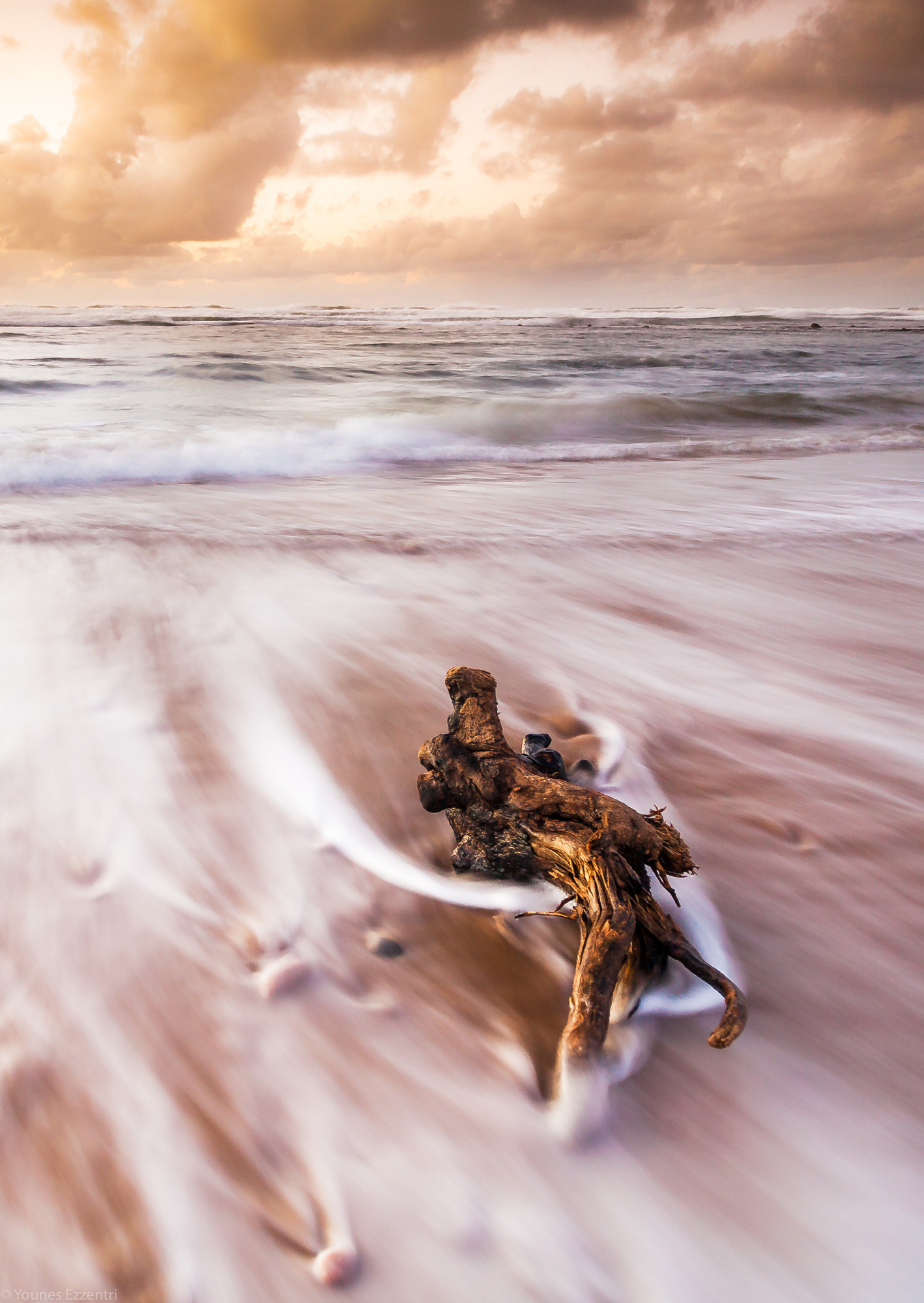
You frequently focus on the dynamic movement of waves and water. What are the technical challenges of capturing water in a way that feels both complex and fluid, and how do you ensure the motion carries an emotional weight that resonates with viewers?
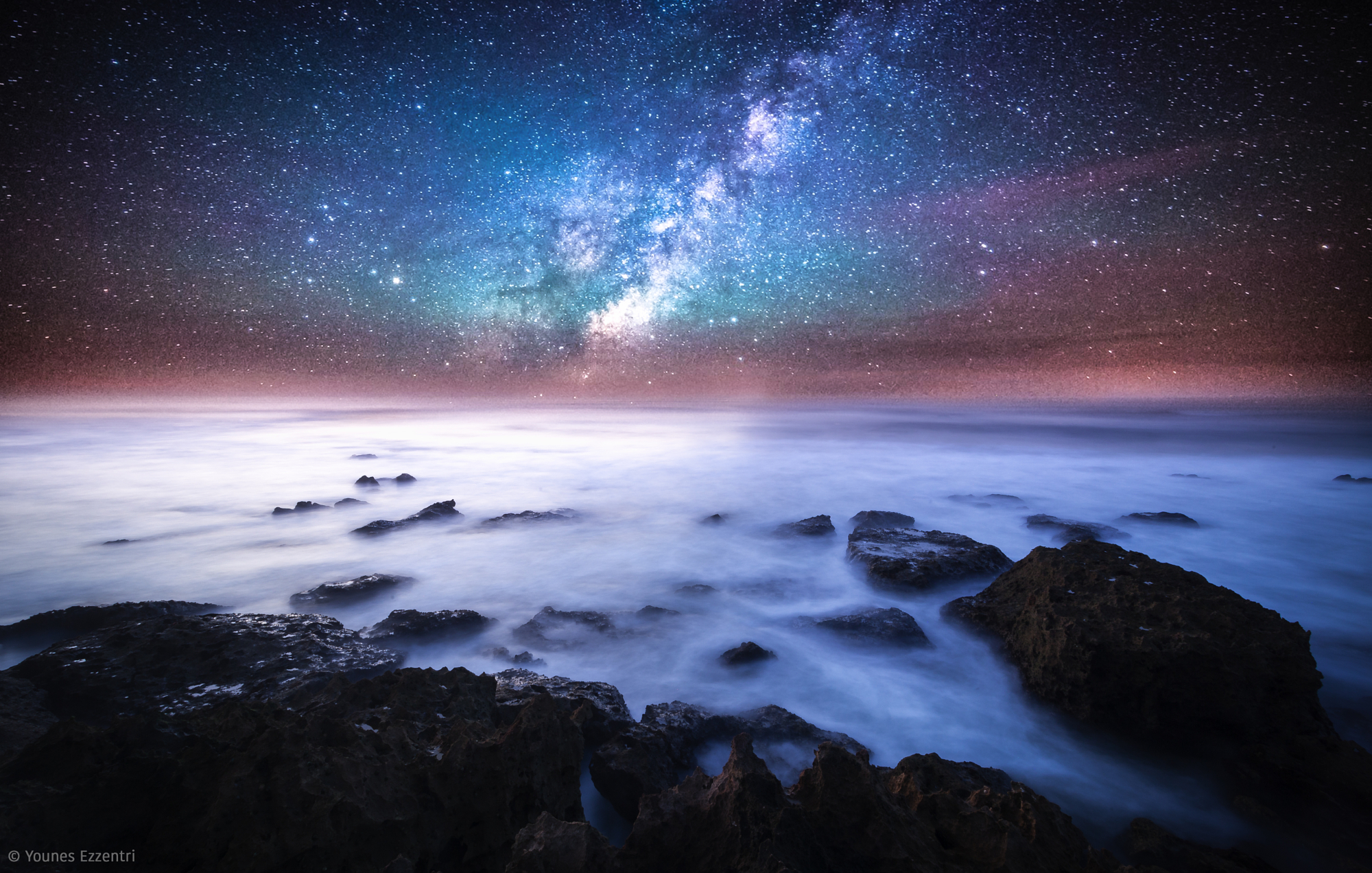
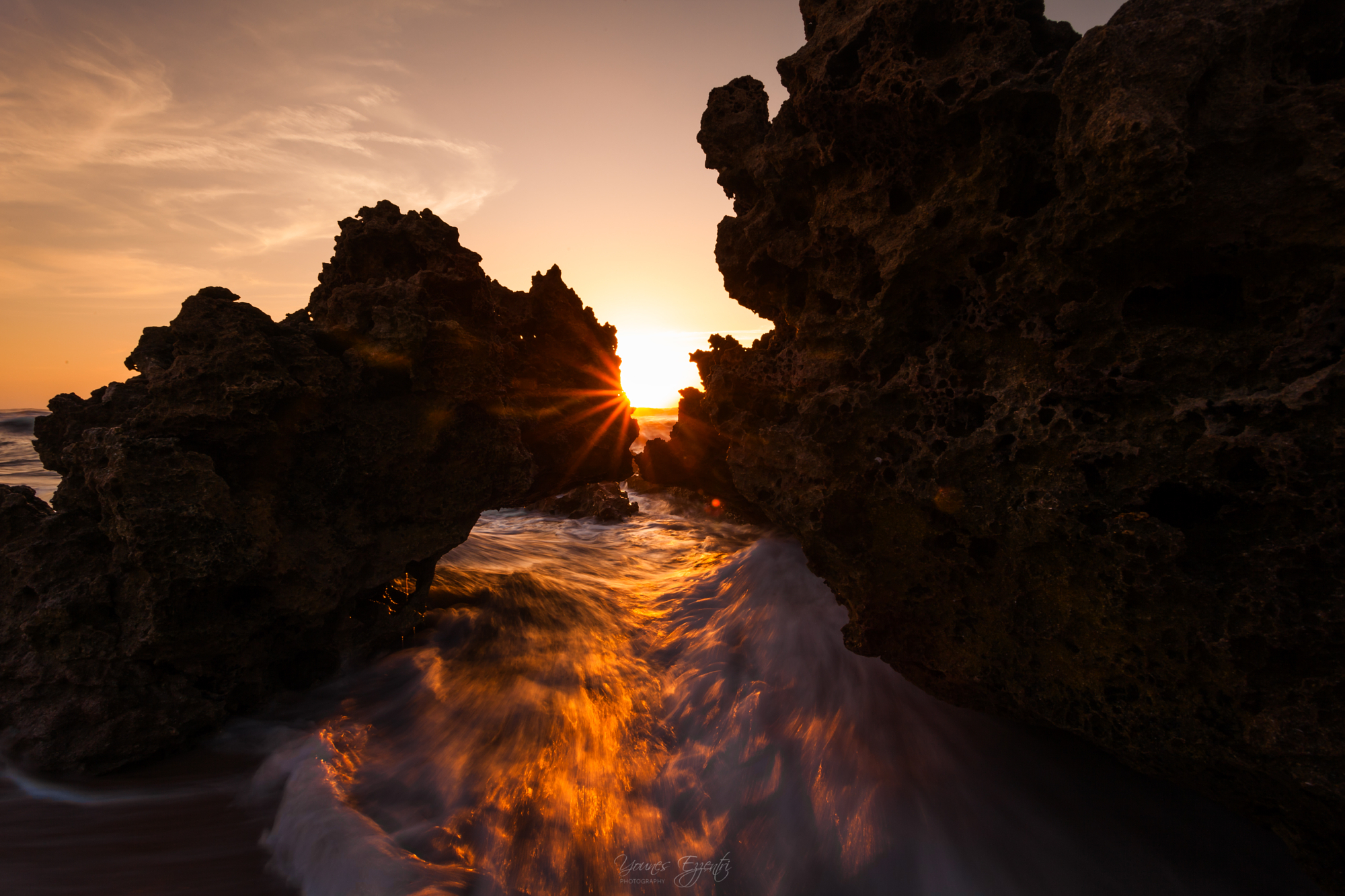
Water is one of the most challenging subjects for me because it is always changing. I constantly have to decide between freezing the motion or slowing it down, depending entirely on the emotion I want to create. Light also plays a key role, and I often wait for the perfect conditions before shooting.
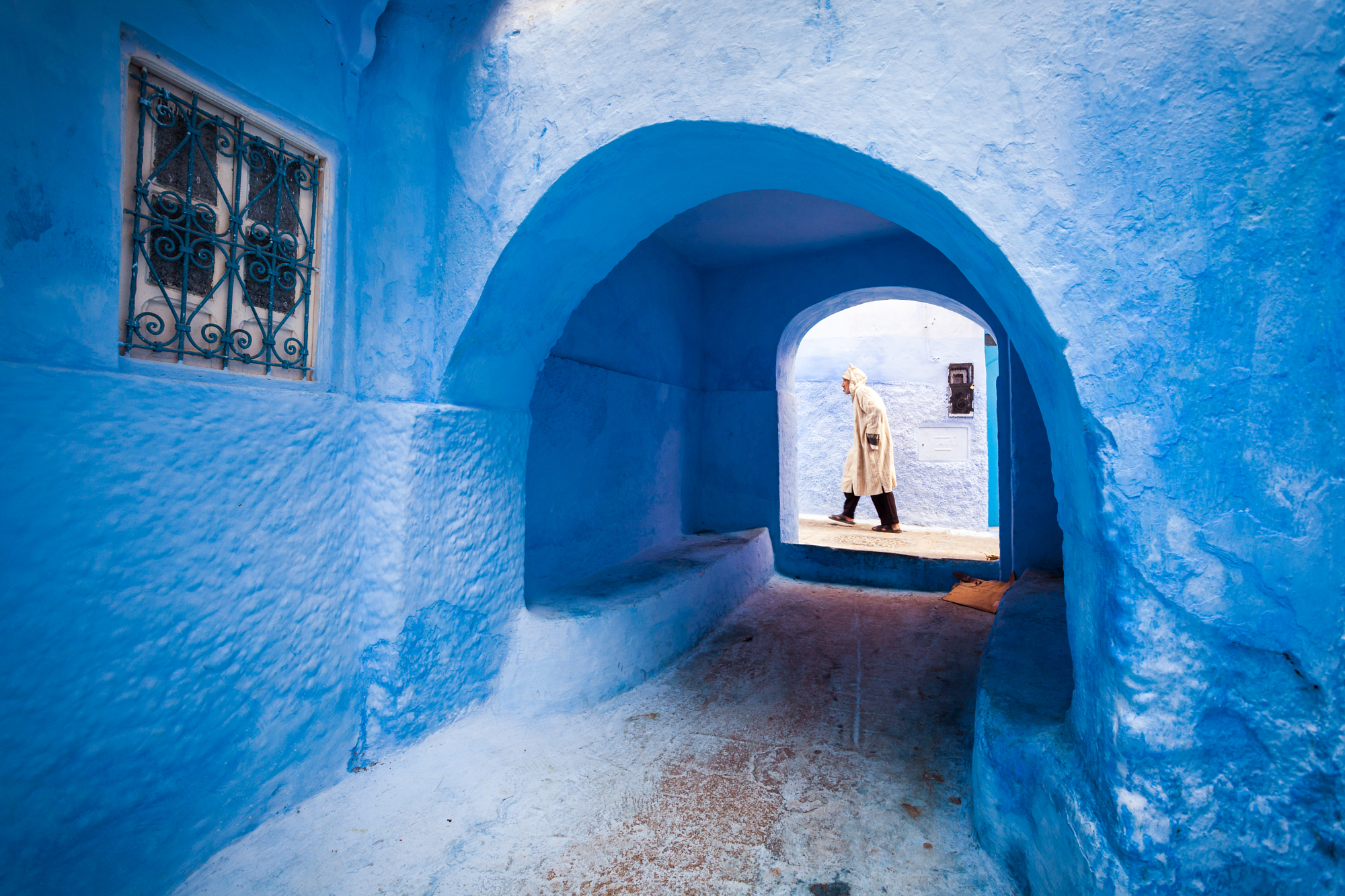
Beyond technique, what matters most is emotion. I want the movement of water to feel alive in the frame, almost as if it’s still moving right in front of you. That natural motion gives the image a unique, dynamic effect that draws the viewer into the moment and turns it into something far deeper than just a photograph.
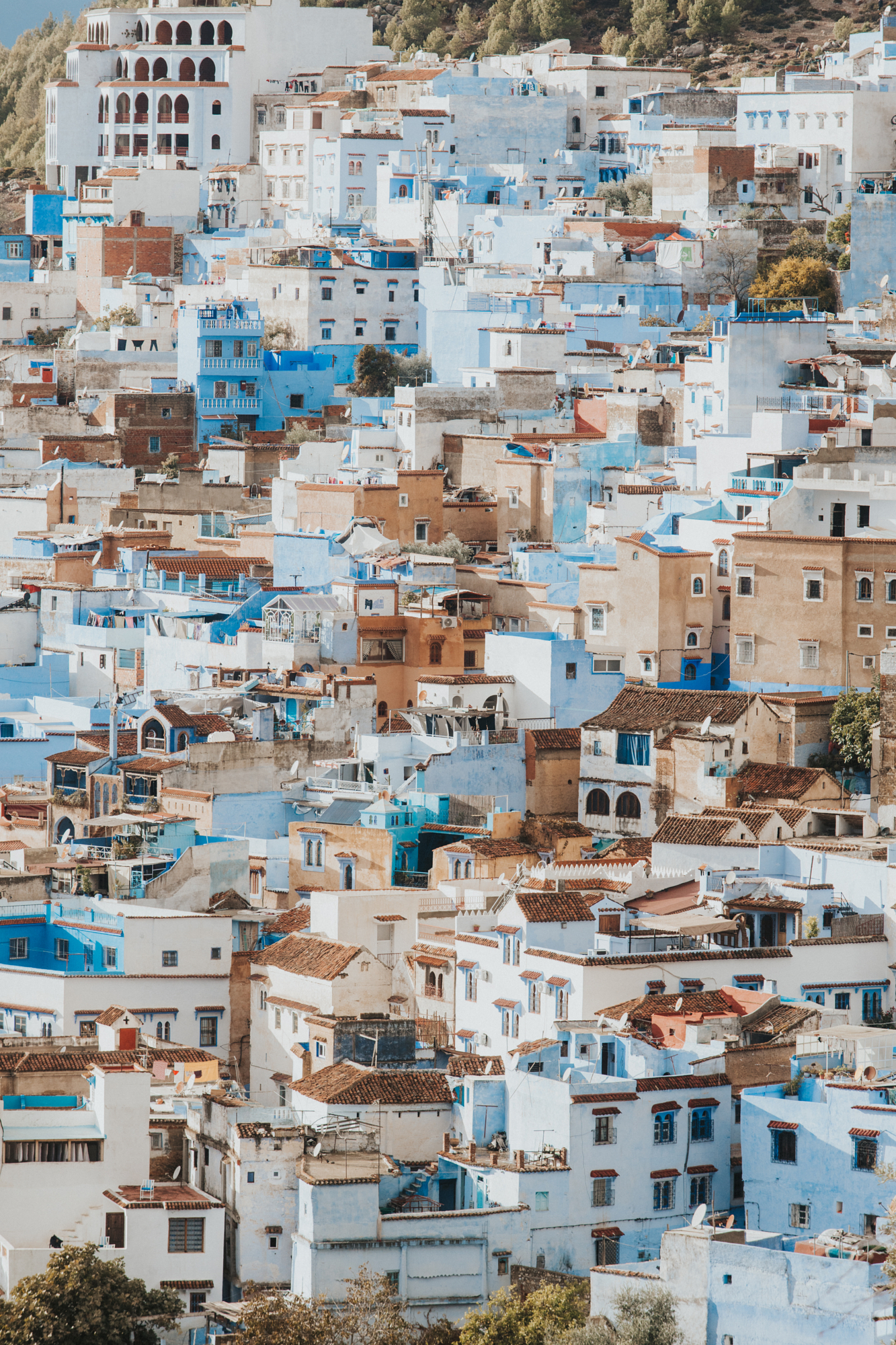
You have a very clear visual identity focused on the details of the earth. How do you avoid the common trap of making travel and landscape photography look like a standard postcard?
For me, the biggest risk in landscape and travel photography is not the location itself, but the way we choose to see it. It’s very easy to turn a beautiful place into something familiar, something that already exists on thousands of postcards. To avoid that, everything is slowed down, rather than arriving at a location looking for the “perfect shot” right away.
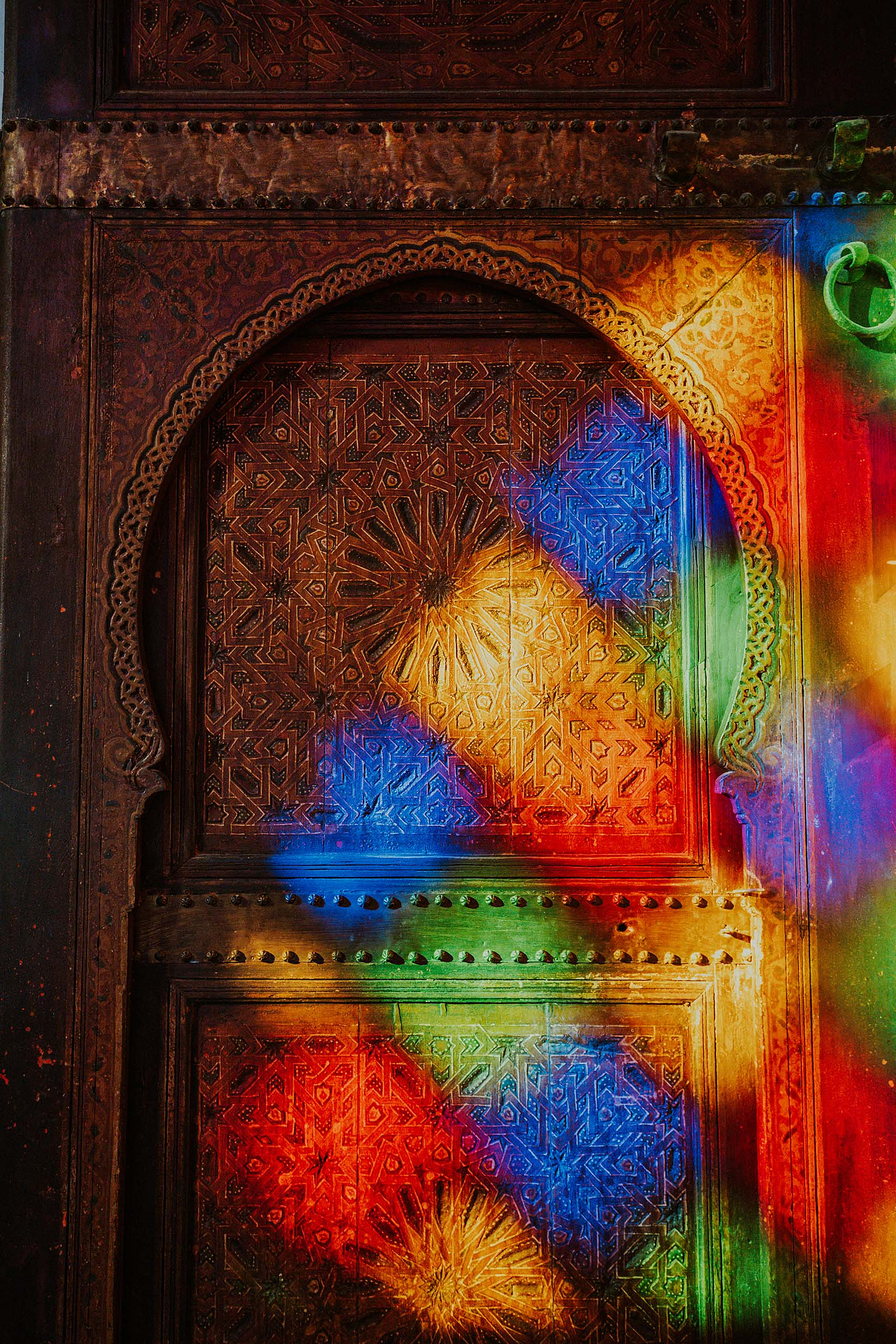
I walk, observe, and wait for something like a small detail, a shift in light, or an honest moment to reveal itself. Often, the most powerful image is not the wide, iconic view, but a fragment of the landscape that others might pass without noticing. What defines my work is not the place, but my relationship with it. I try to photograph how it feels to be there, not just how it looks. That’s what makes the image personal. It becomes less about documenting a destination. Instead, it is about translating a genuine moment of connection between myself and the earth.
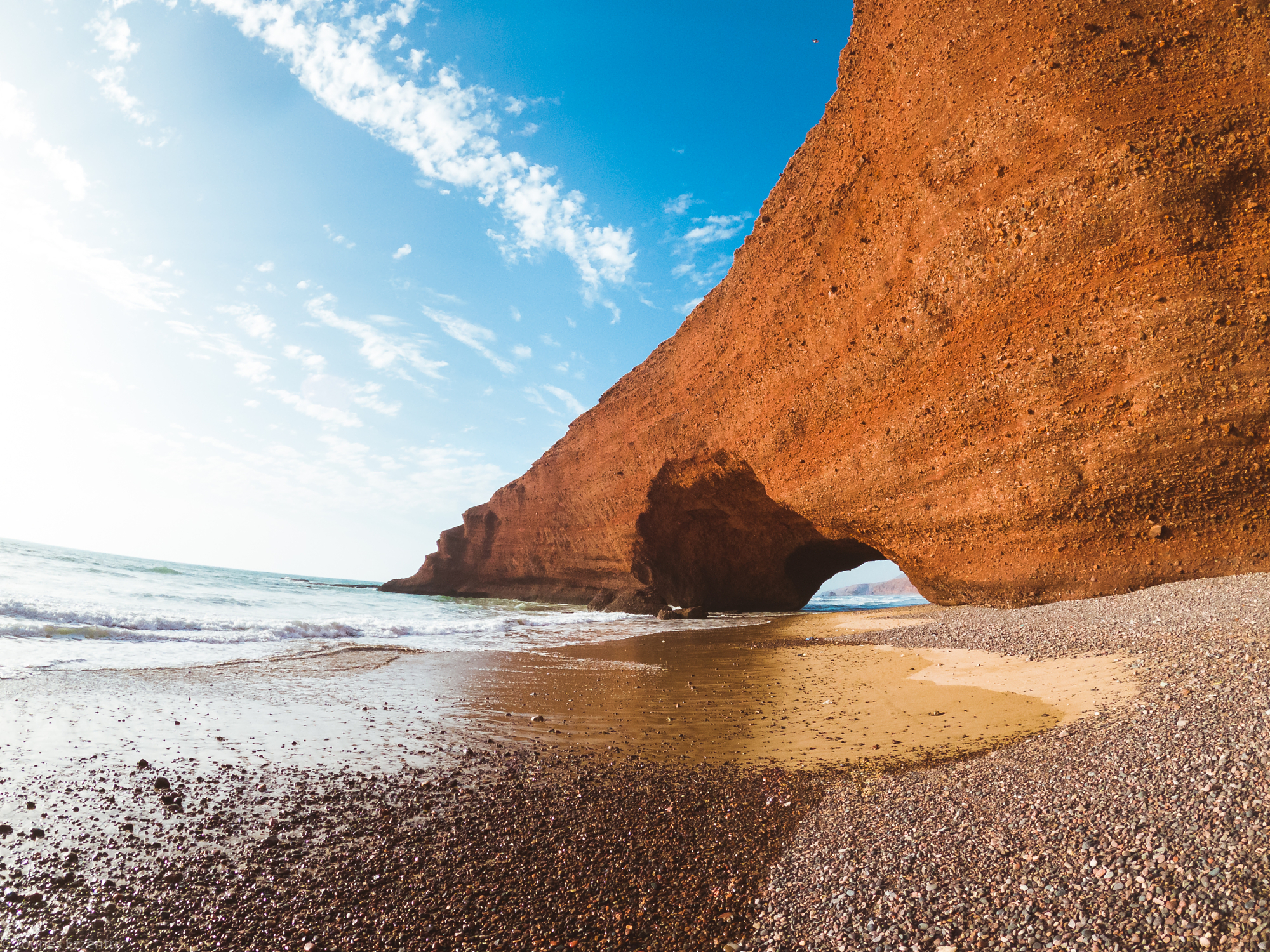
Your work emphasizes the texture and complexity of clouds and sky. How do you make the sky a primary storyteller in the frame rather than just a background element?
When I look up at the sky, I’m not just searching for clouds—I’m looking for structure, rhythm, and emotion. I pay close attention to how the shapes move across the frame and how light breaks through them. I also look at how the sky can actively guide the eye rather than simply fill empty space. Waiting for moments where the sky creates its own composition allows it to act almost like a living subject.
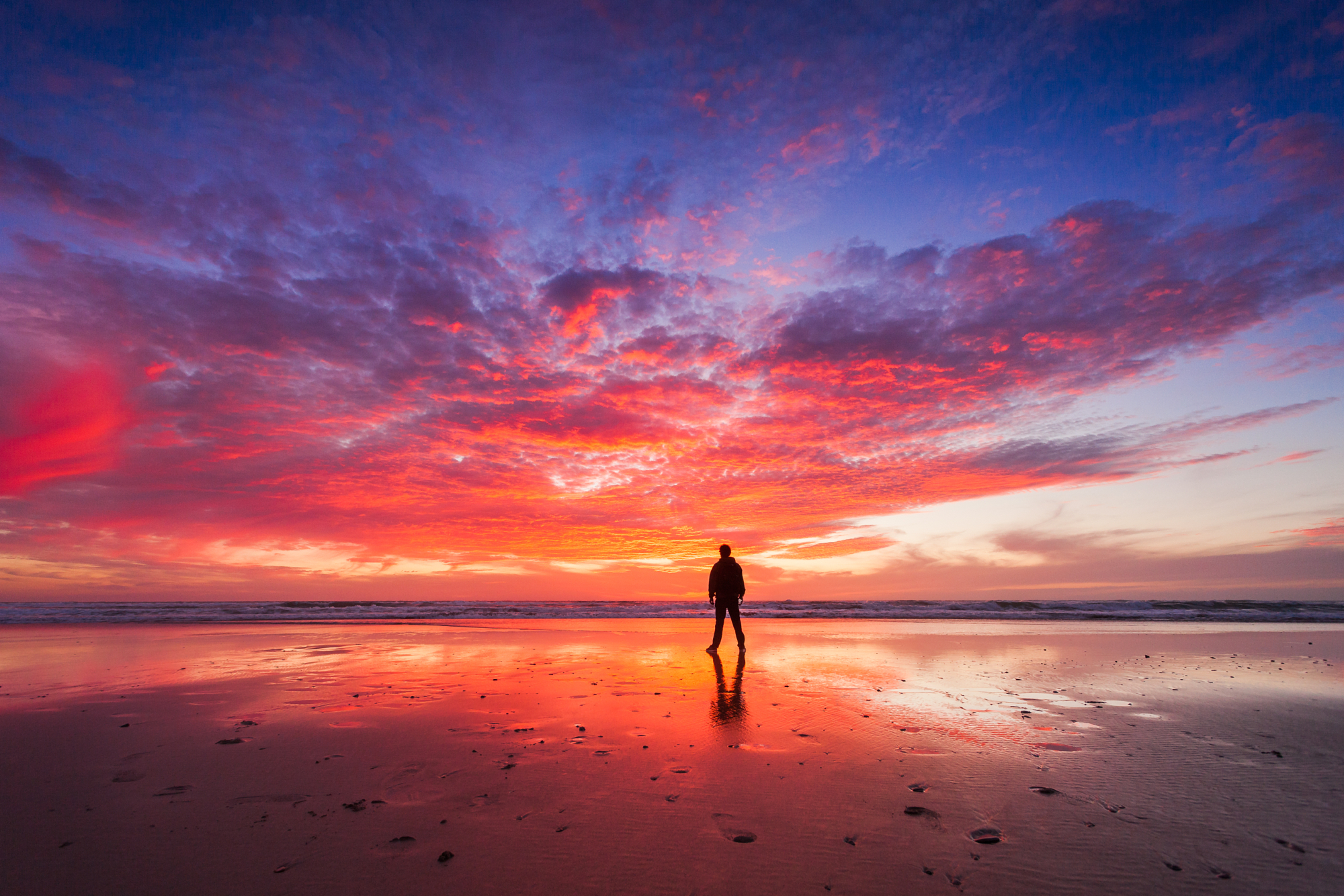
When the clouds have direction or tension, they can become the main storyteller of the image, carrying the mood just as strongly as the land beneath. For me, the goal is always to let the sky speak, not just support. When it feels alive and intentional within the frame, it stops being a background and becomes the core emotion of the photograph.
Adventure photography requires facing unpredictable environments. Can you share an experience where a chaotic environment resulted in a better image than planned?
One of the most meaningful moments I’ve experienced happened in a situation where everything was against me. The weather was bleak, it was raining heavily, and I had almost no expectation of getting a usable image. I was actually getting ready to pack up and leave when, suddenly, the light broke through.
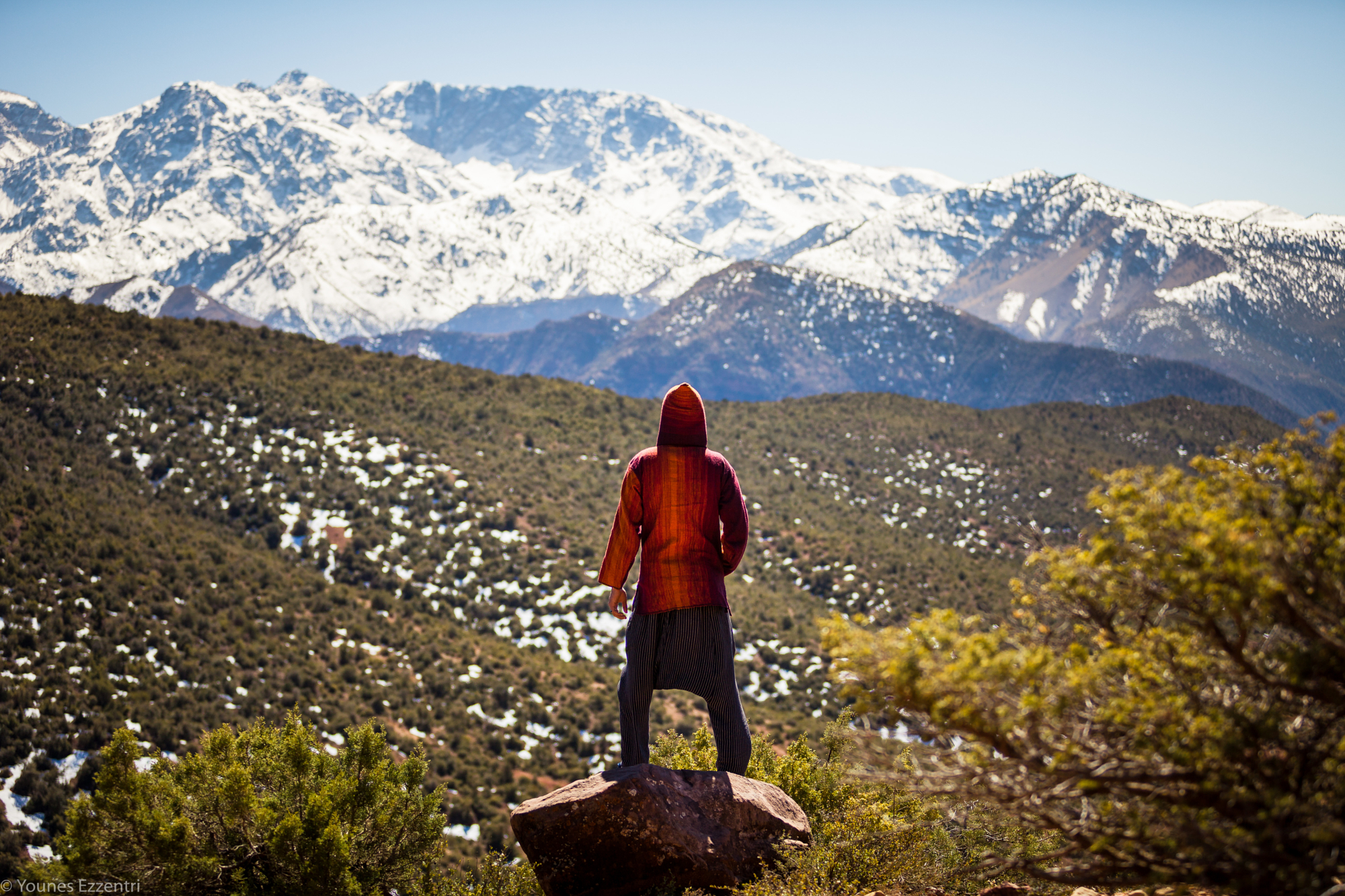
In a matter of seconds, the sky completely transformed. It shifted through deep blues, warm reds, and soft oranges started to pierce through the heavy clouds. It felt entirely unreal. I had almost no time and no planned composition, just raw instinct. I moved quickly, trying to find a balance between chaos and beauty, and in that rush, I captured what I later titled “There is peace even in the storm.” The warm light hitting my face in that moment made everything feel alive. What started as a failed shoot turned into one of the most powerful images I’ve ever taken. Moments like that remind me that nature often creates far better stories than anything I can plan.
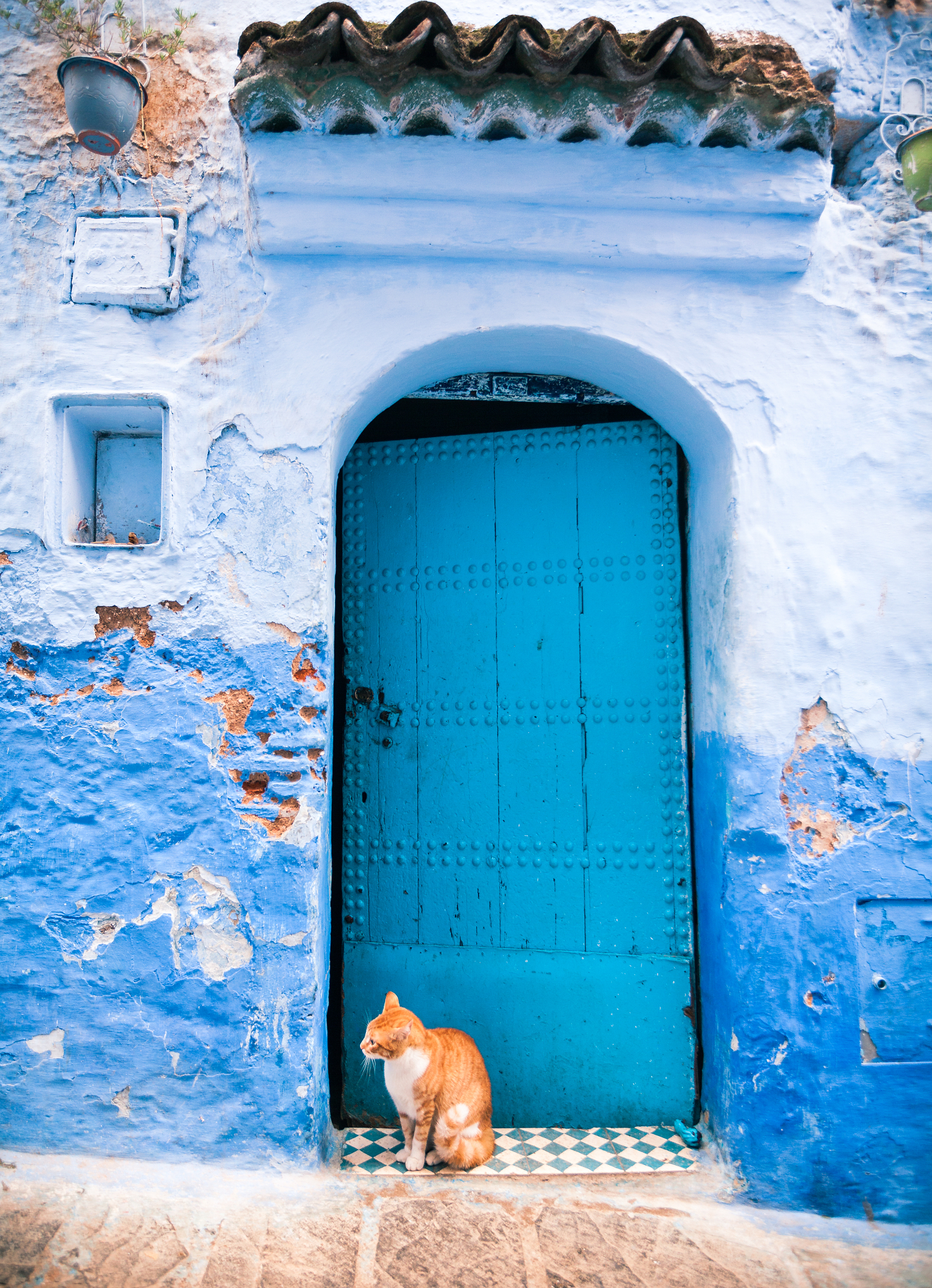
We have a question from a previous featured photographer, Christophe Staelrens, who asked, “What is your process for finding and deciding upon a shoot location?”
My process usually begins long before I ever reach a physical location. While I am constantly studying maps, light patterns, and weather conditions, I look for a feeling rather than just geographical coordinates. A place has to speak to me in a quiet way first, suggesting a story rather than just a beautiful view.
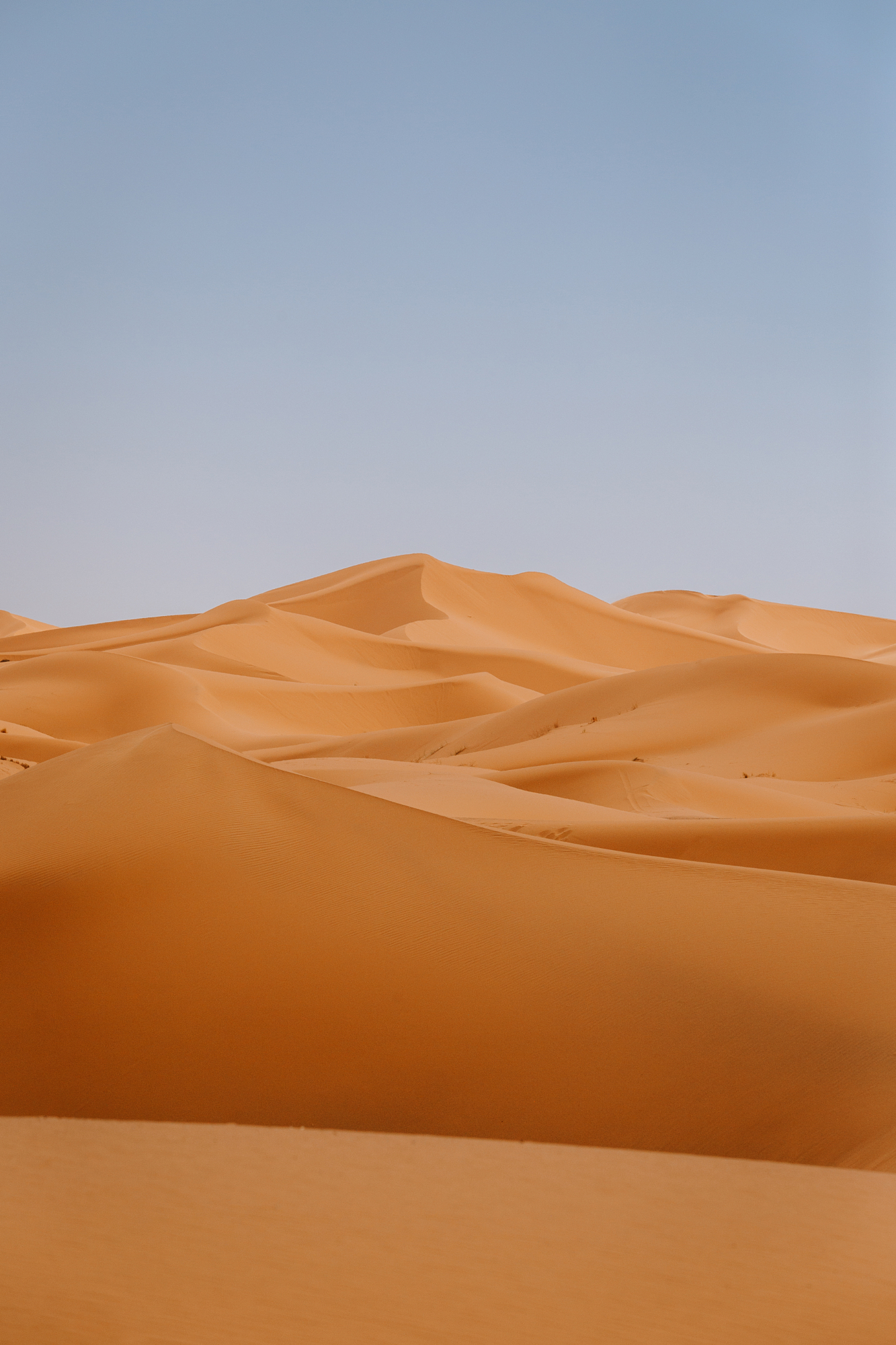
When I arrive, I don’t rush to a specific, popular spot. I spend time walking, listening, and letting the environment slowly reveal itself. I look for how light interacts with the land and how the terrain breathes. From there, I see where the elements naturally create a composition. Sometimes the most powerful locations are not the famous landmarks, but the overlooked spaces in between. For me, choosing a shoot location is less about finding the “perfect place.” Instead, it’s about finding a moment where nature, light, and emotion perfectly align.