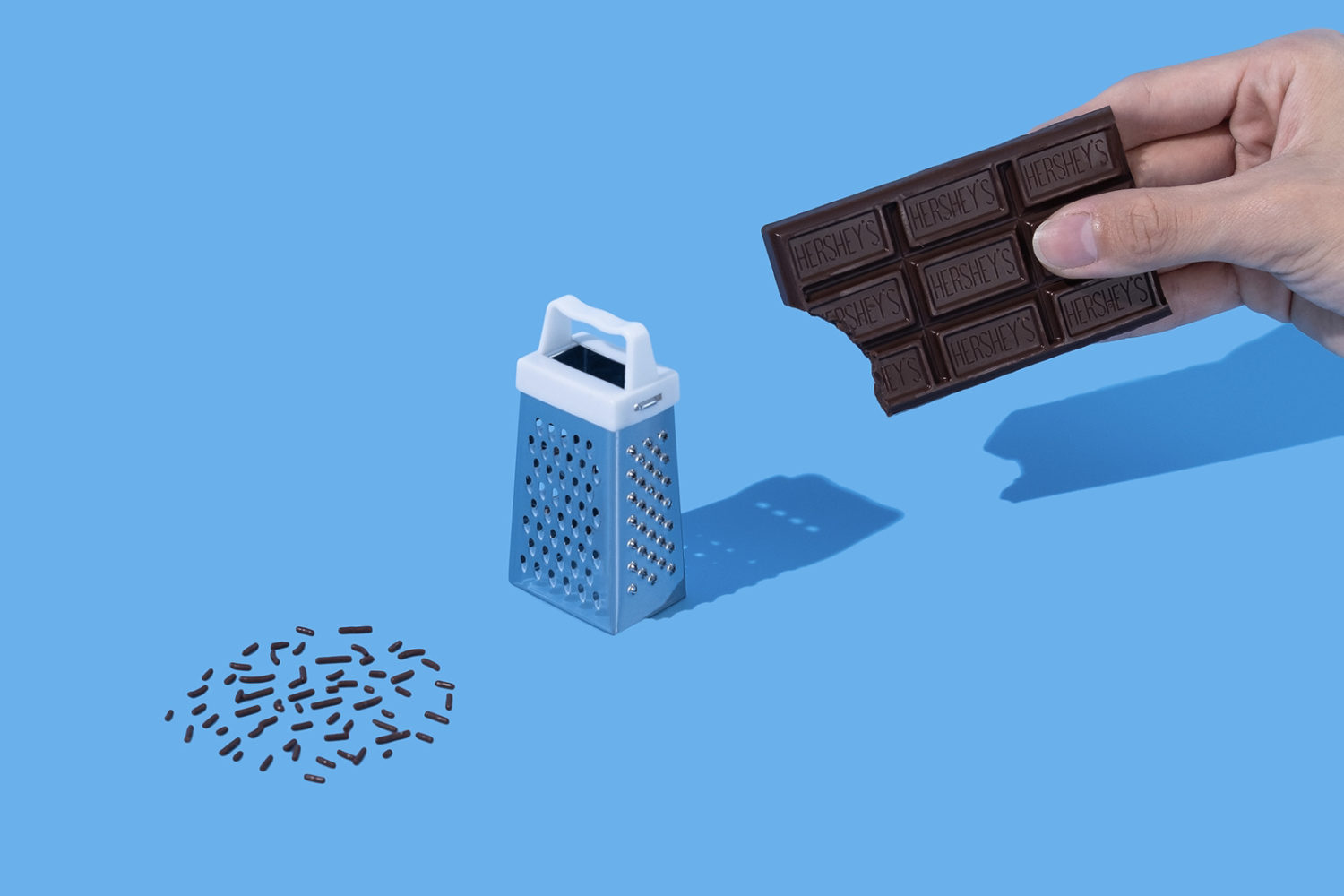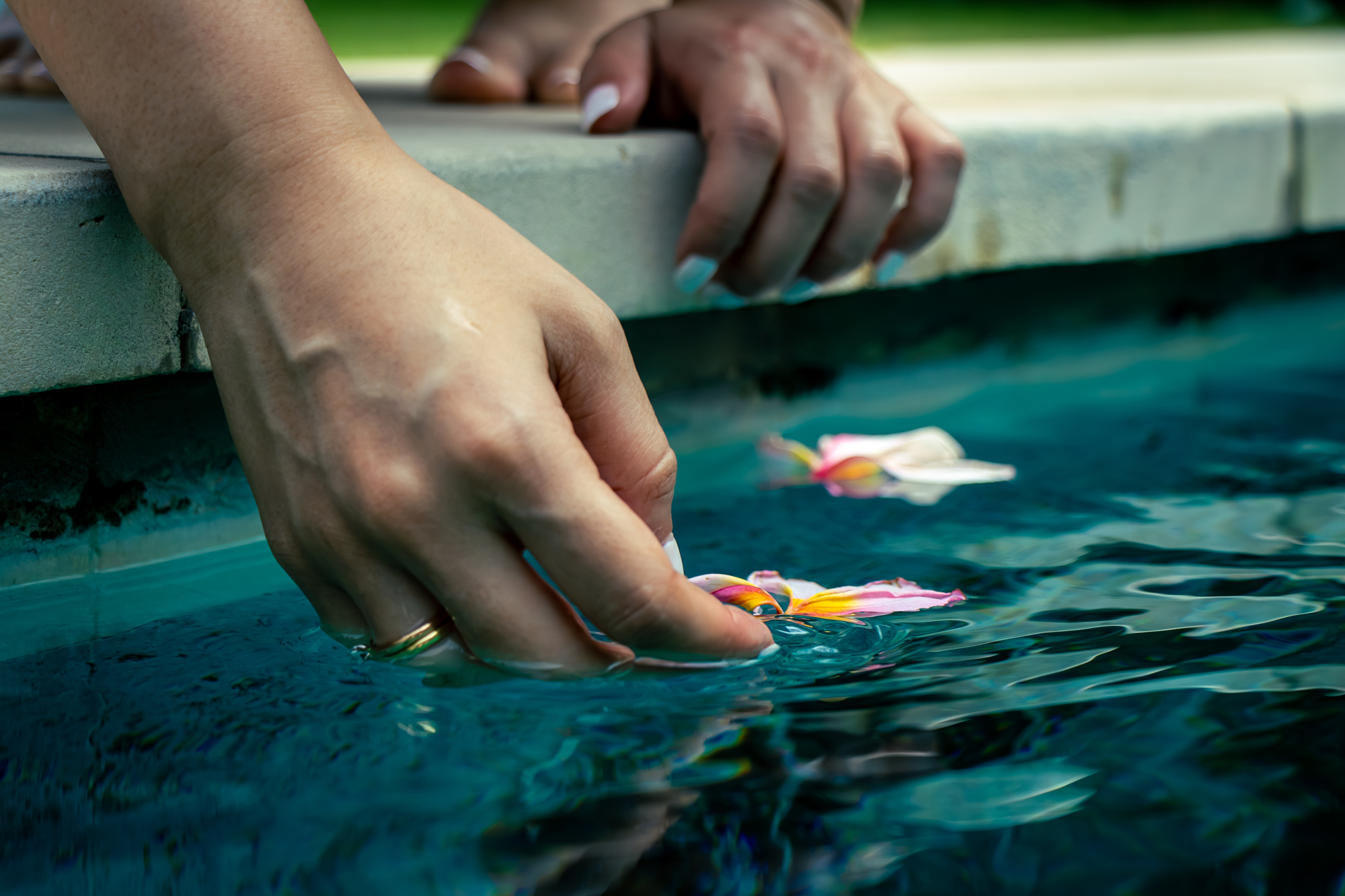
Cenk Salfur’s work is defined by its versatility. Often operating under the name “Sightlesslens,” he often works as part of a creative duo, moving between the high-energy worlds of commercial, automotive, and concert photography and the quiet, candid rhythms of street and animal portraiture. We spoke with Cenk about his professional roots, the mechanics of his collaborative partnership, and how he finds a consistent emotional thread in such a wide-ranging portfolio.
To give us a sense of your journey, could you tell us about your background and how you first became interested in photography?
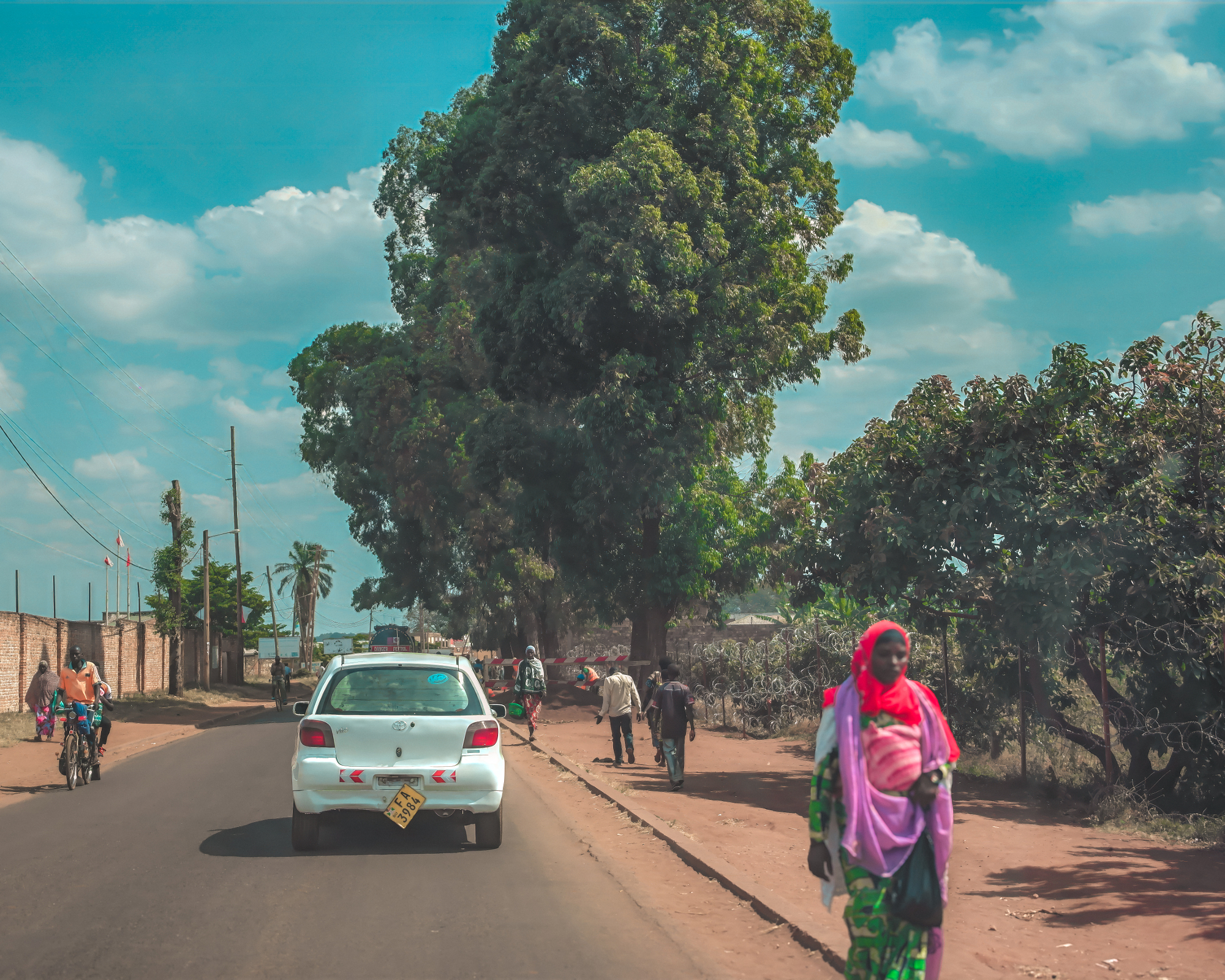
Everything started in 2015 when I traveled to Africa for work. I am actually a software developer, but I had taken a small camera with me. When I saw the geography, the scale of the landscapes, and the life around me, I could not stop myself from photographing it. That is how my journey began.
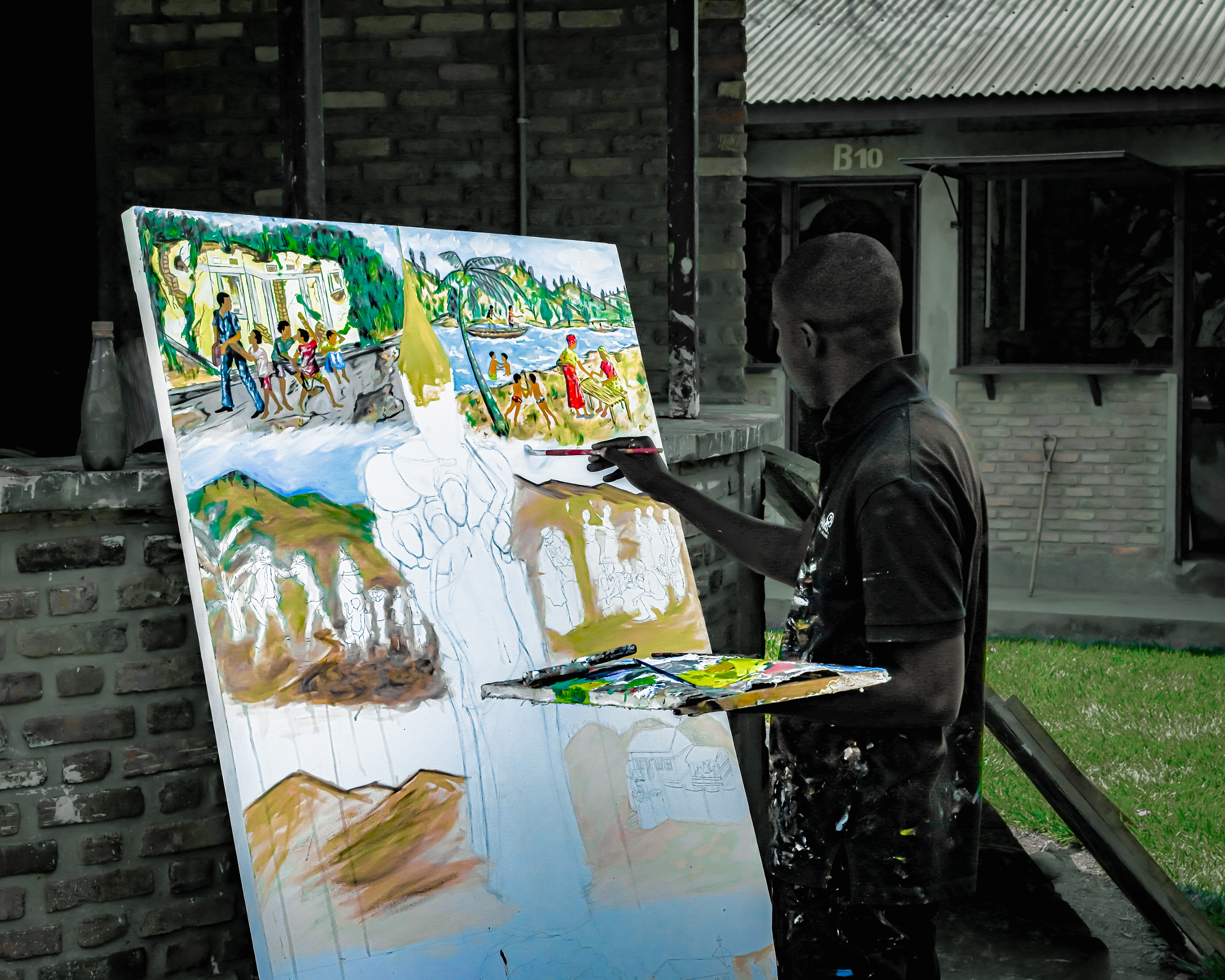
At first, it was not professional. It was curiosity and a way of holding on to what I was experiencing. The person who pushed me in that direction was my wife. She is also a photographer, and I initially wanted to support her. Before I realized it, I had stepped into it myself, and we started building this path together. Over time, it became more than just taking photos. It became a way of seeing and understanding the world.
You often work with a creative partner; describe your process of two photographers thinking and producing together to bring different perspectives into a single story.
I realized that what I create feels stronger when I work with her. Our creative partnership really started after we got married.
We each have very different perspectives, and that is exactly what makes it work. We don’t always shoot together, but when we do, it adds another layer to the process. Sometimes we notice completely different moments in the same scene, and that contrast creates a richer story. She is very detail-oriented and helps me notice things I might otherwise miss, while I tend to focus more on the flow and feeling of the moment.
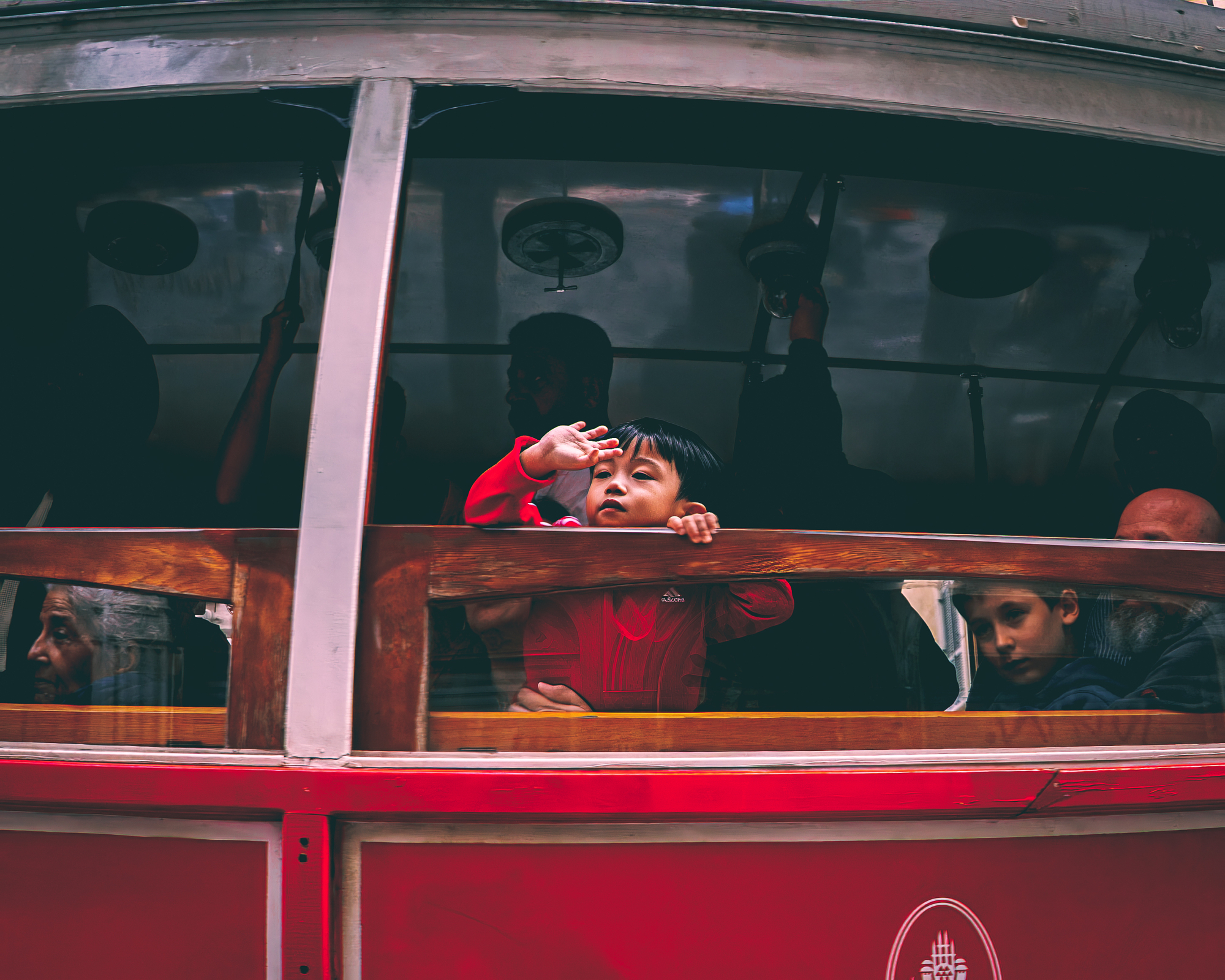
It is less about working as two photographers and more about creating something that carries both of our ways of seeing without losing individuality.
The name “Sightlesslens” is an intriguing choice for a photographer. What is the meaning behind that moniker, and does it reflect a specific philosophy about how you choose to see the world through your camera?
The name “Sightlesslens” reflects a philosophy of seeing beyond what is immediately visible. Photography is not only about what the eye perceives, but also about intuition, emotion, and interpretation.
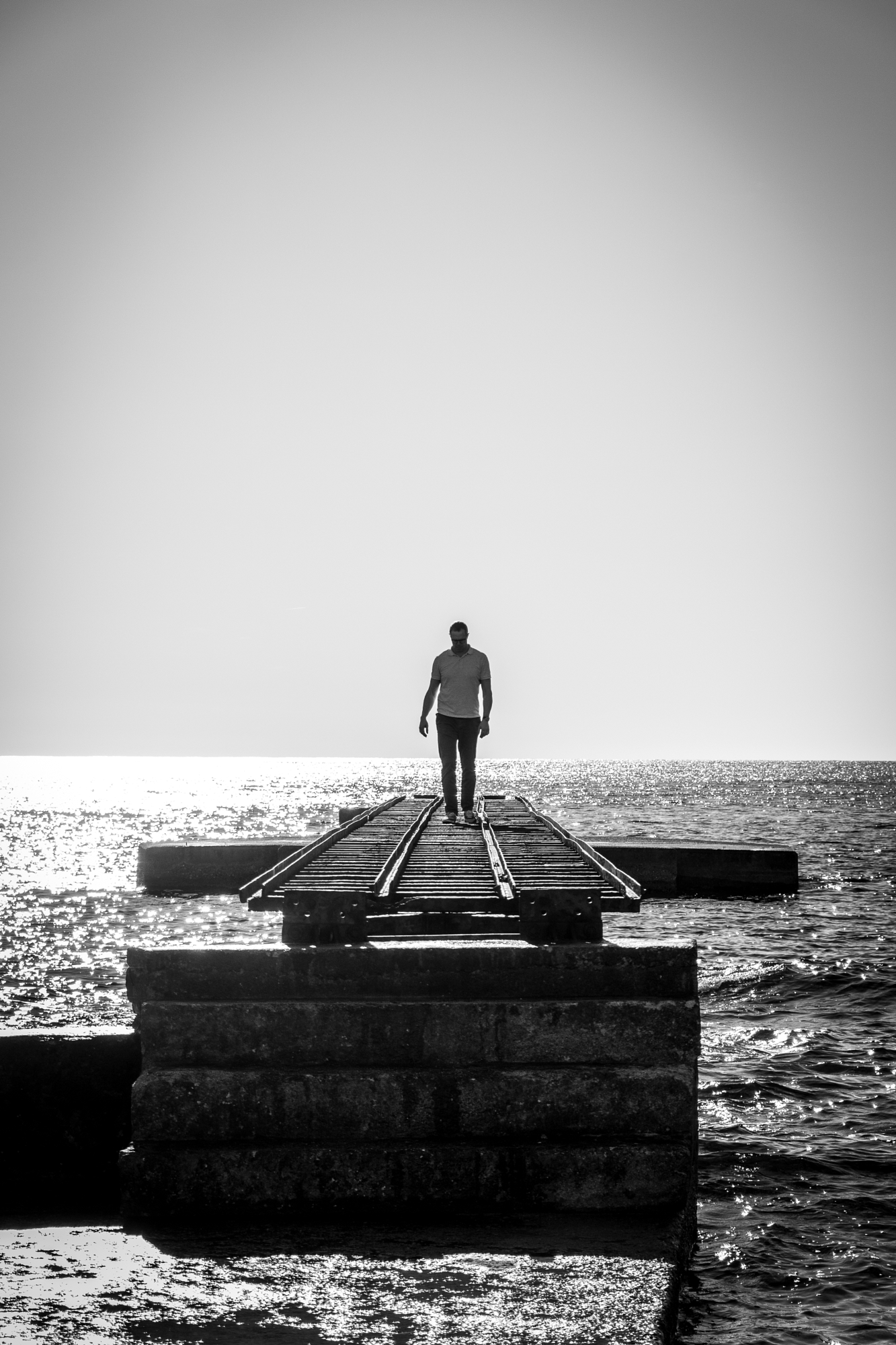
Sometimes the strongest images come not from simply looking, but from feeling the moment before fully understanding it. In that sense, the sightless aspect represents an inner vision. It is about trusting instinct and capturing something that might not be obvious at first glance but becomes meaningful when you look at it again.
Your portfolio covers everything from sports and concerts to automotive and commercial work. When you are switching between a fast-paced live event and a highly controlled commercial shoot, how do you maintain that “natural and authentic” feeling you strive for in every frame?
That is a great question. I think I enjoy the balance between movement and stillness.
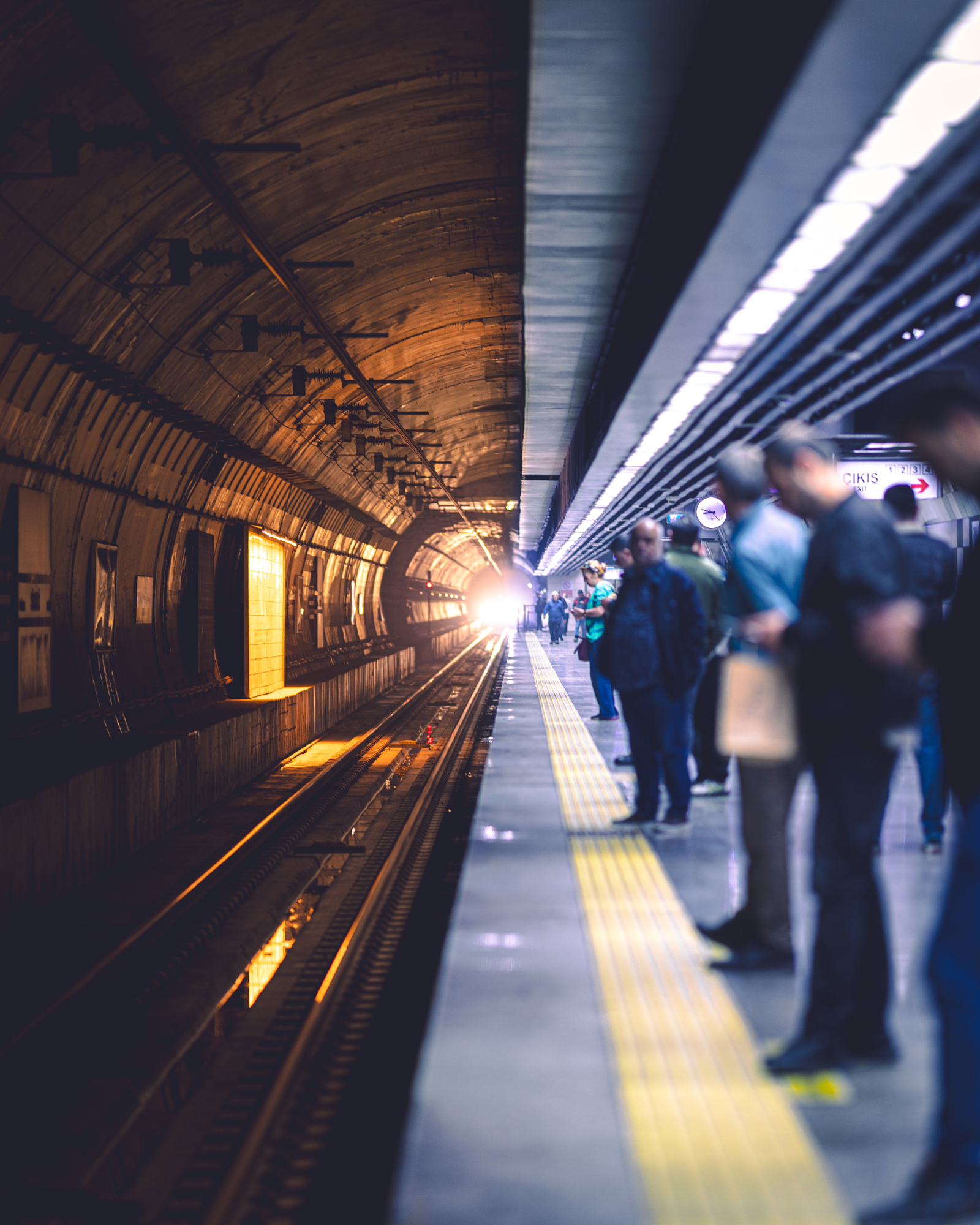
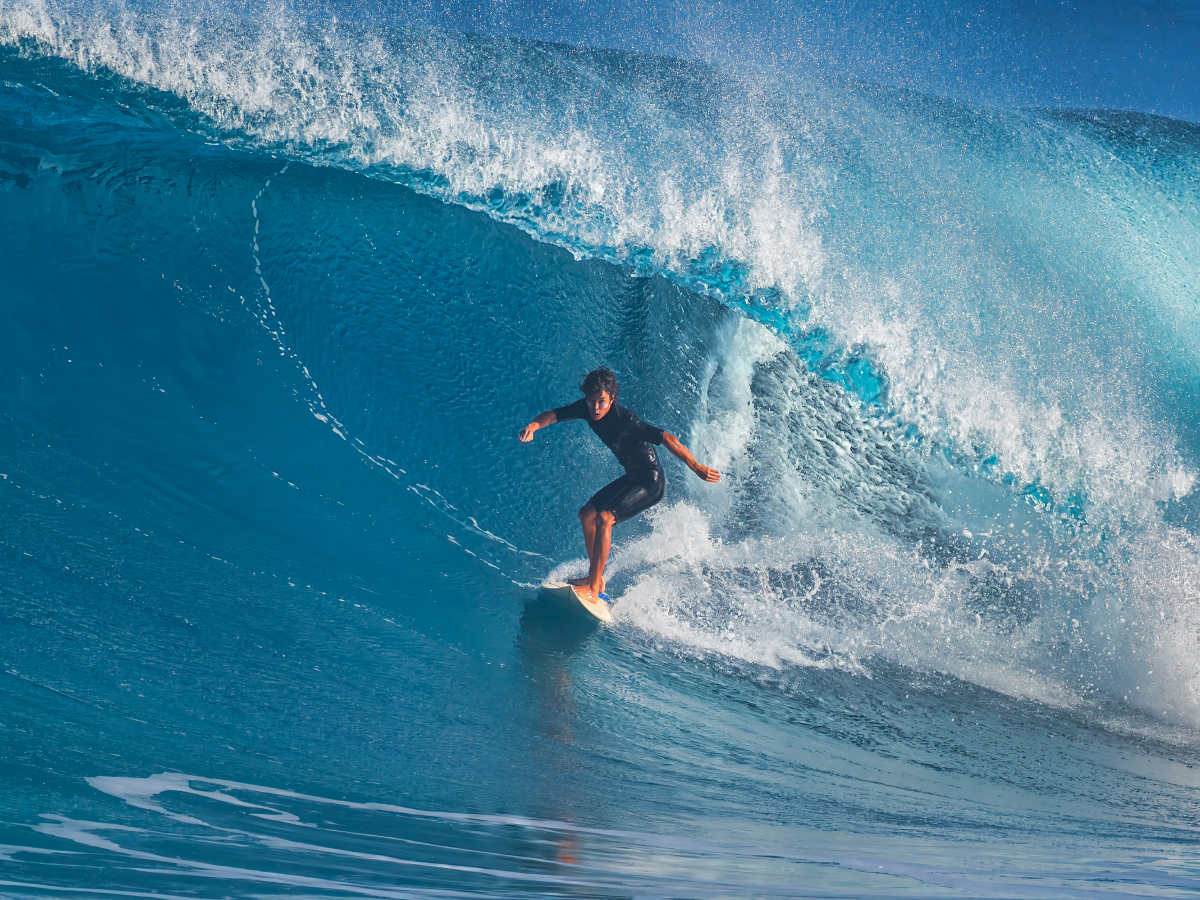
In fast environments like concerts or sports, everything is constantly changing, and you have to react quickly in the moment. In more controlled shoots, you have time to build and develop the scene. What connects both is the intention. I always try to leave space for something real to happen inside the frame.
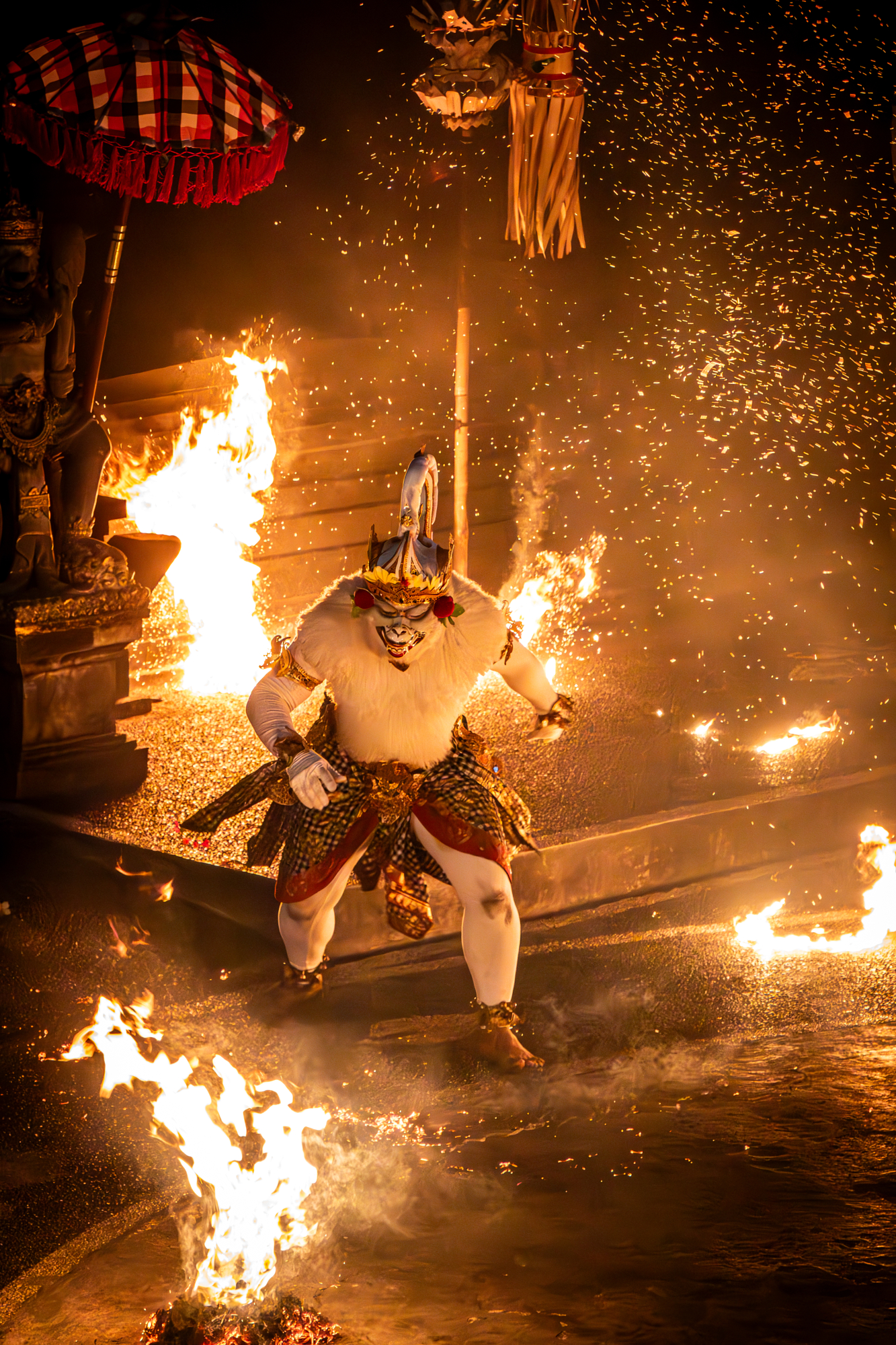
No matter the environment, I shoot in my own language. Because of that, something of me is always present in the result. I do not try to force authenticity. It naturally comes through the way I approach the moment and the way I wait for it.
In your animal and street photography, there is a strong focus on capturing the emotion of the moment. How much of your street work is about patient observation versus actively searching for a specific narrative to unfold?
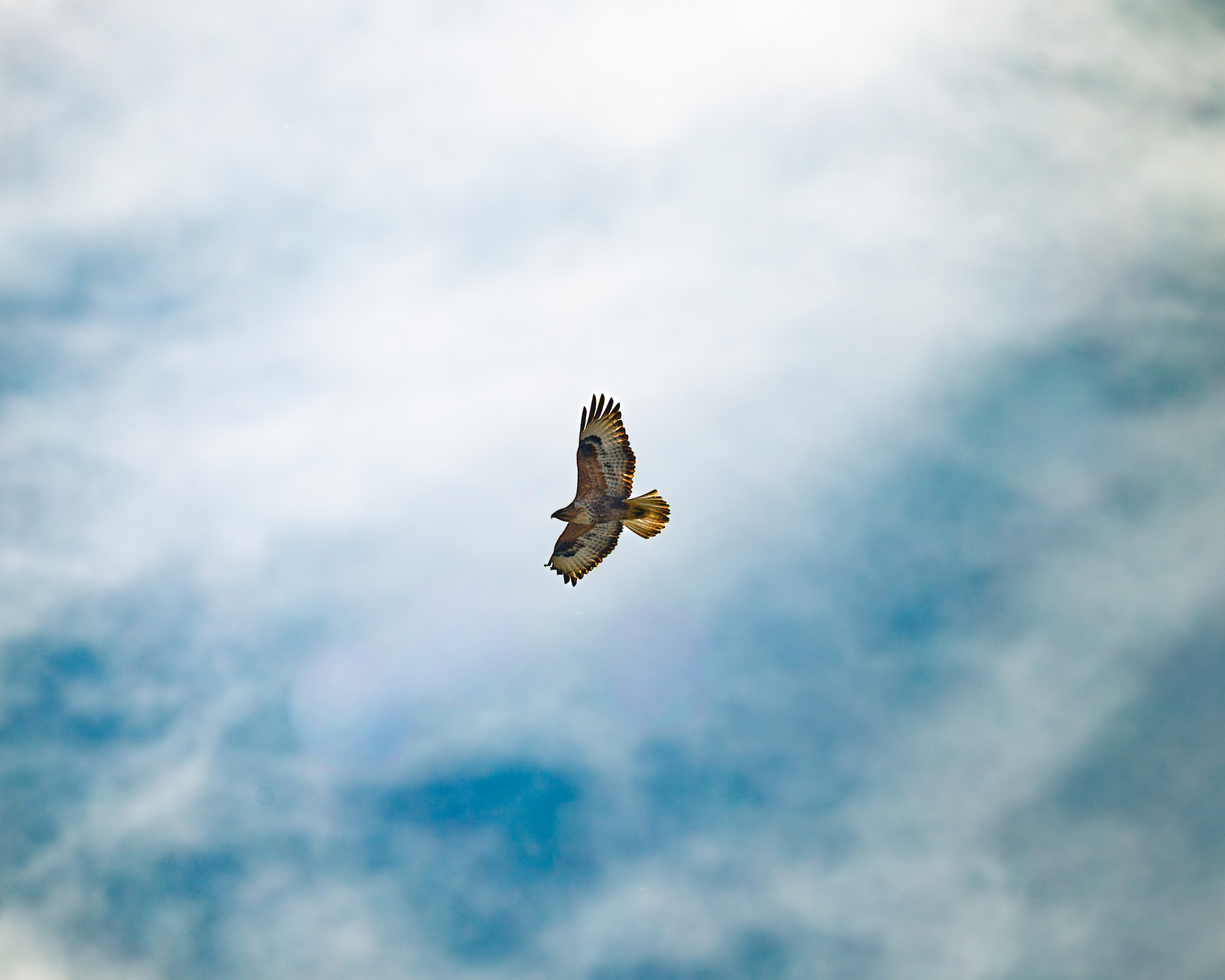
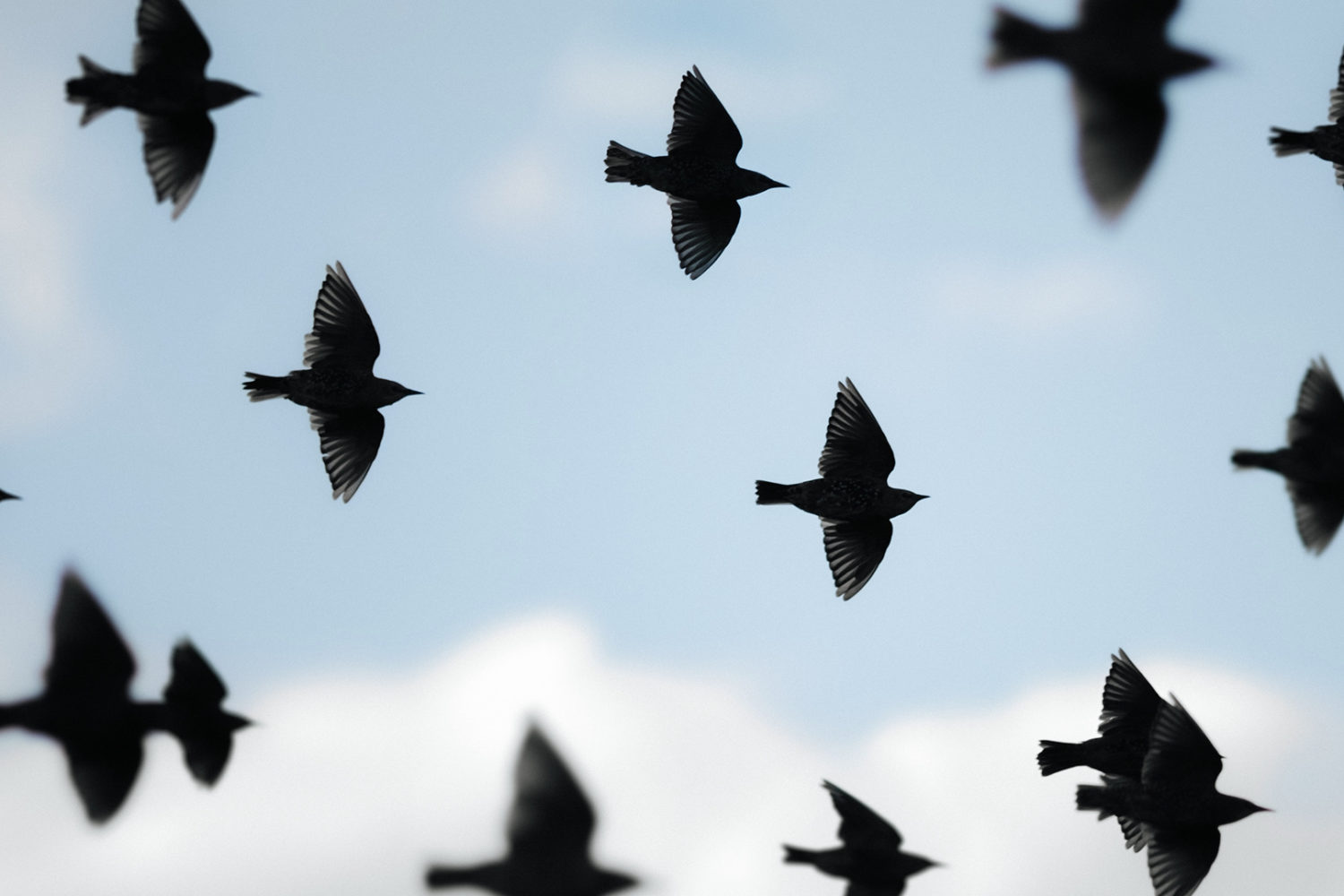
In nature, especially with bird photography, I stay alert at all times. I do not want to miss a single living being. Each one has its own rhythm and behavior, and observing that is part of the experience.
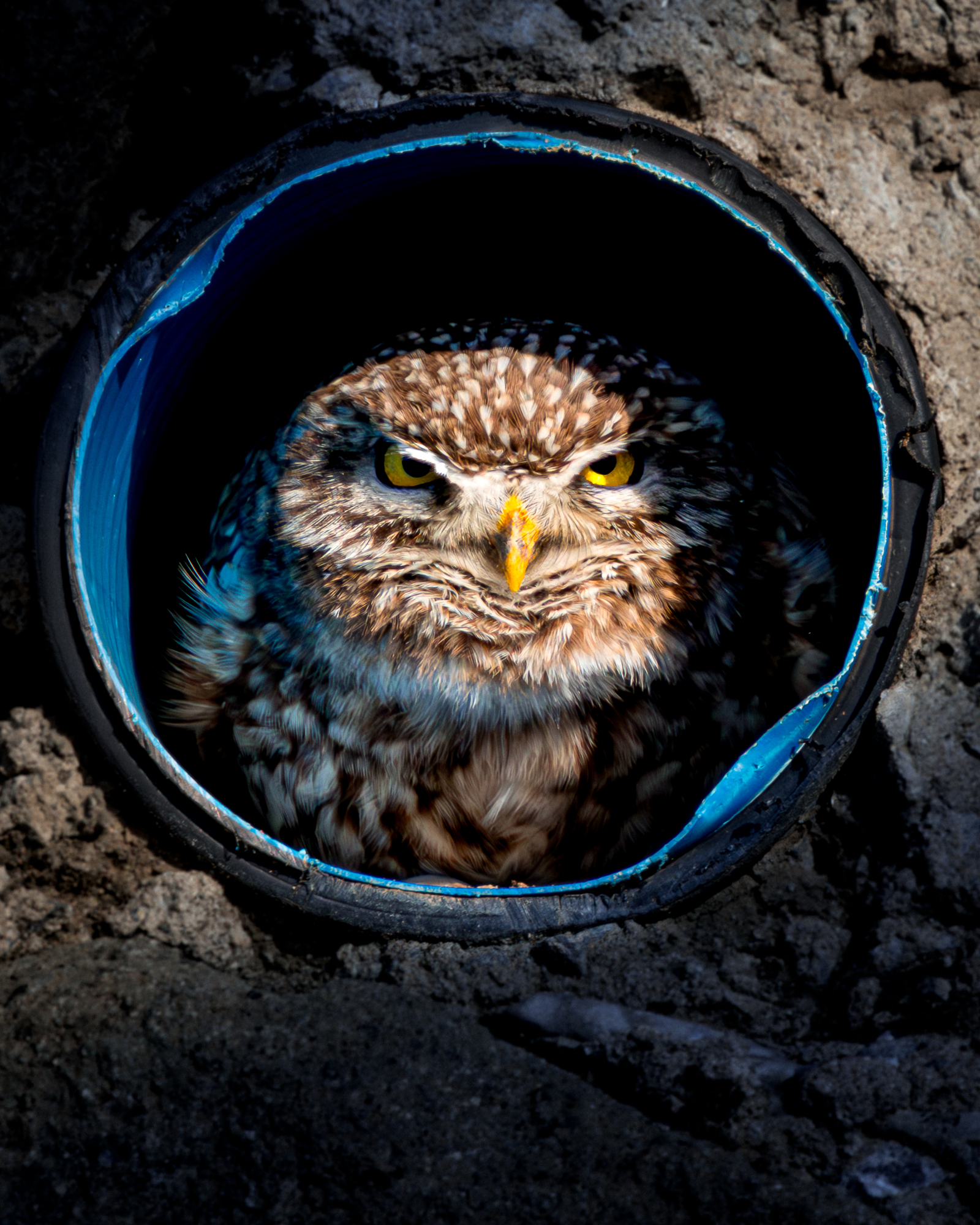
You have to be quiet, patient, and respectful, capturing the moment without disturbing it. Most of the time, I am not searching for a story. Nature creates the story for me. I just try to be present enough to recognize it when it happens.
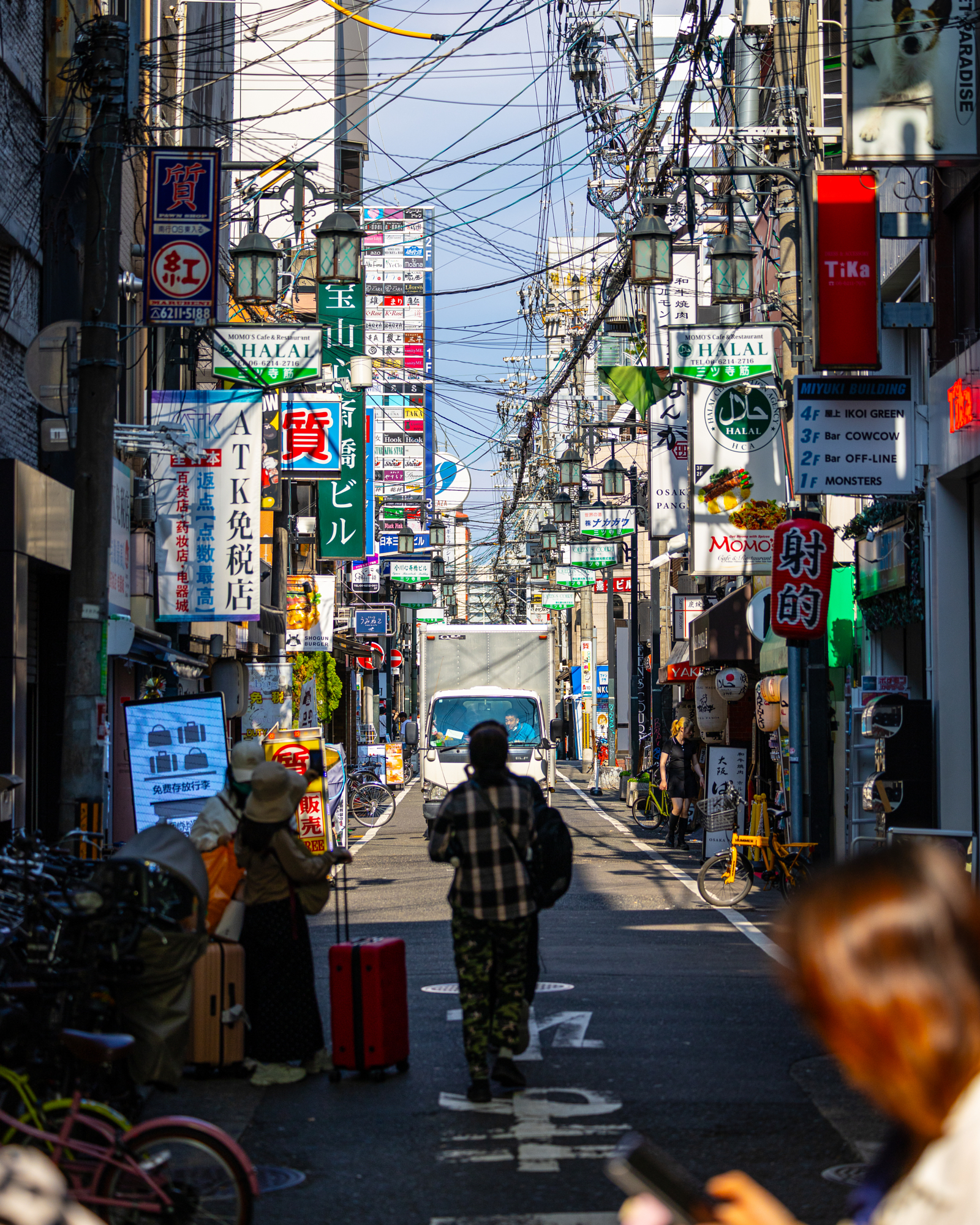
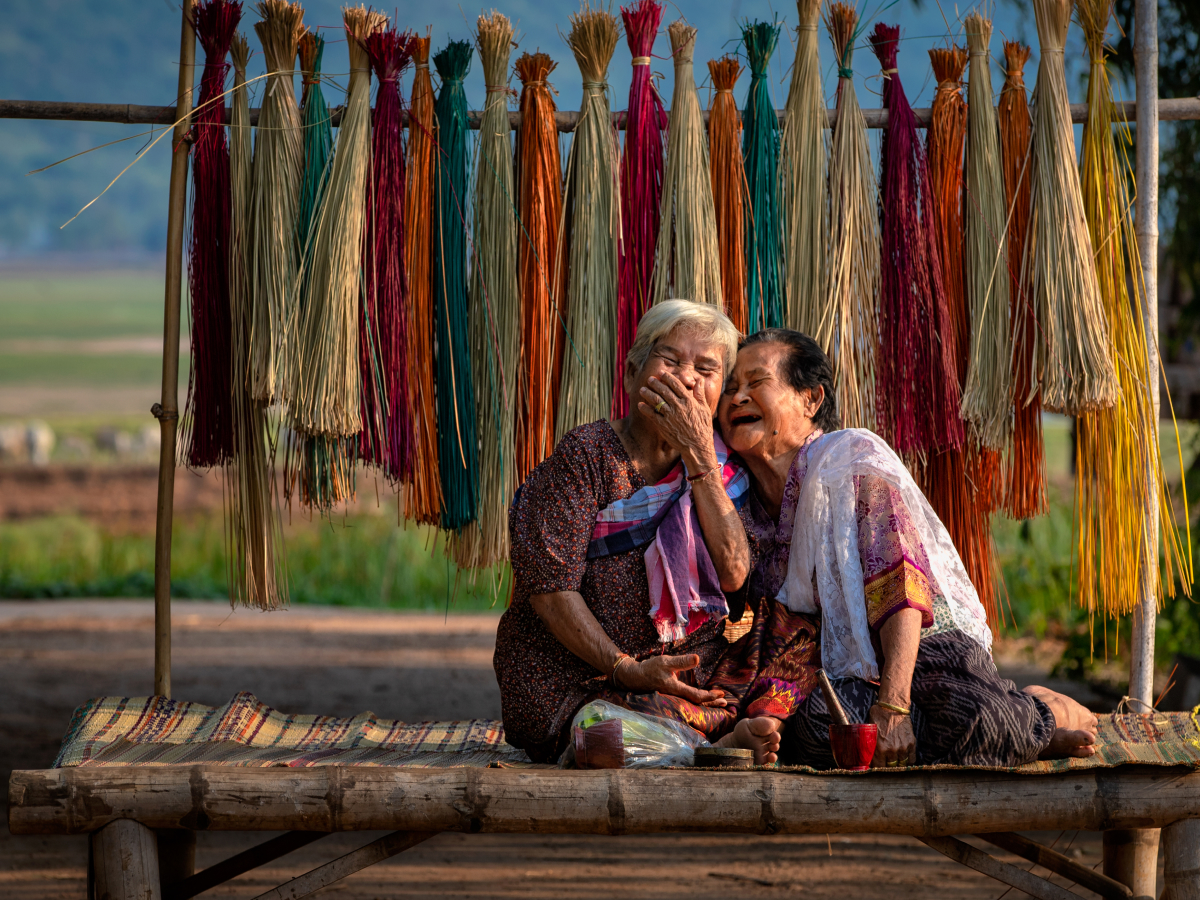
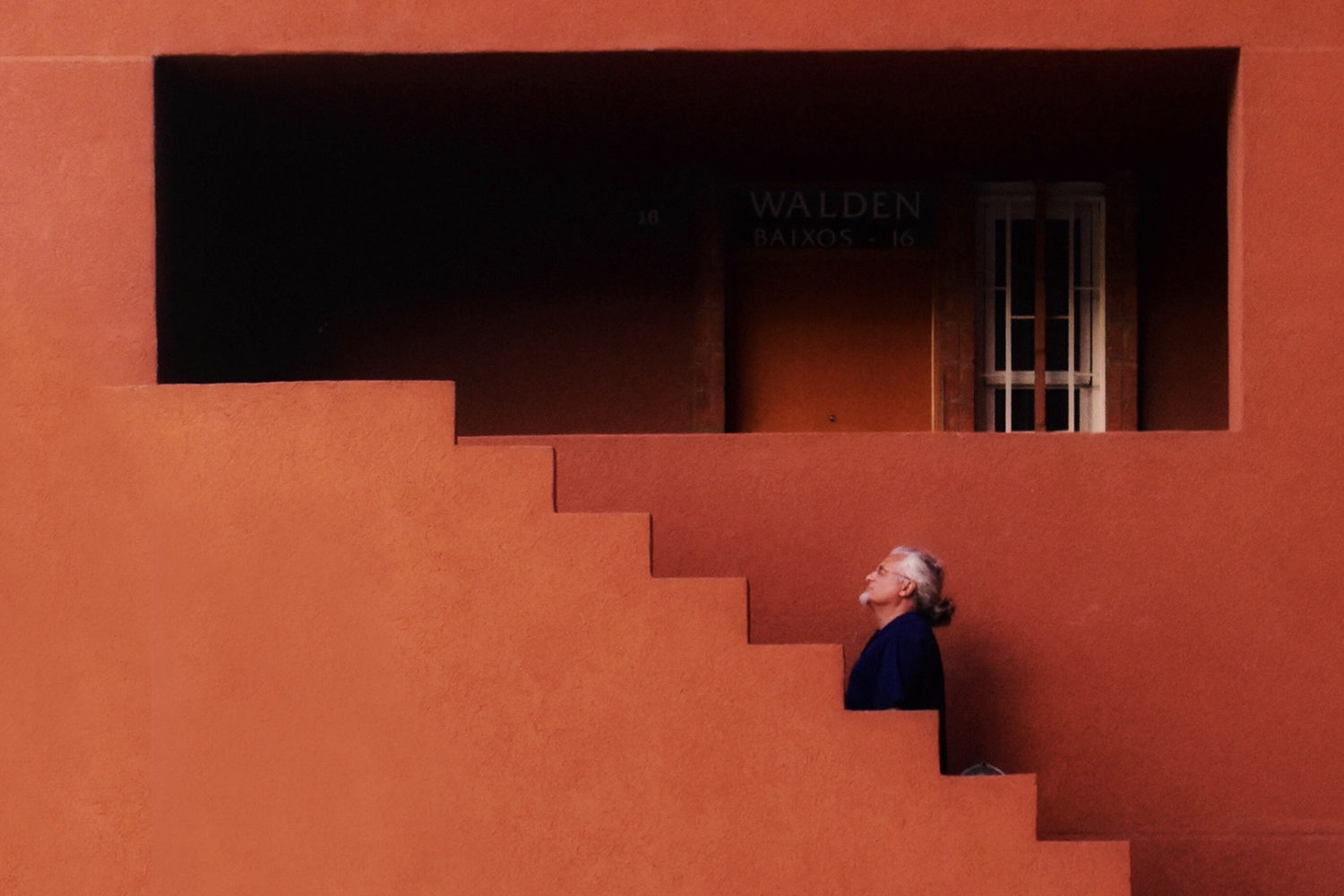
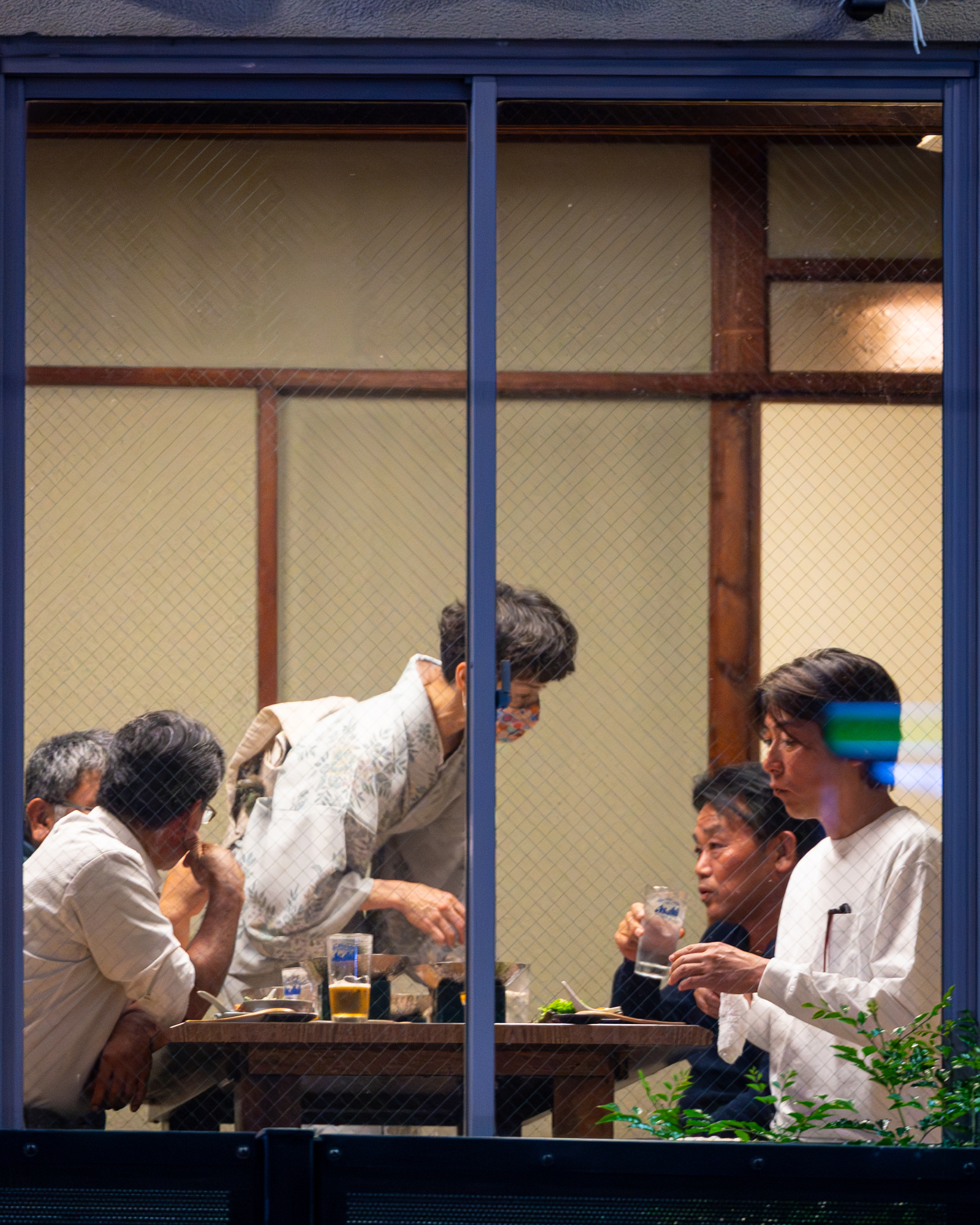
Street photography works in a similar way. The street naturally offers a narrative through people, movement, and small interactions. The only difference is that the energy is more unpredictable, and I do not need to be as quiet as I am in nature.
You have mentioned that photography is more than documenting a scene: it is about light and detail coming together. Is there a specific type of light or a certain environment that you feel best represents your personal aesthetic?
I generally prefer natural light because it feels more honest and unpredictable.
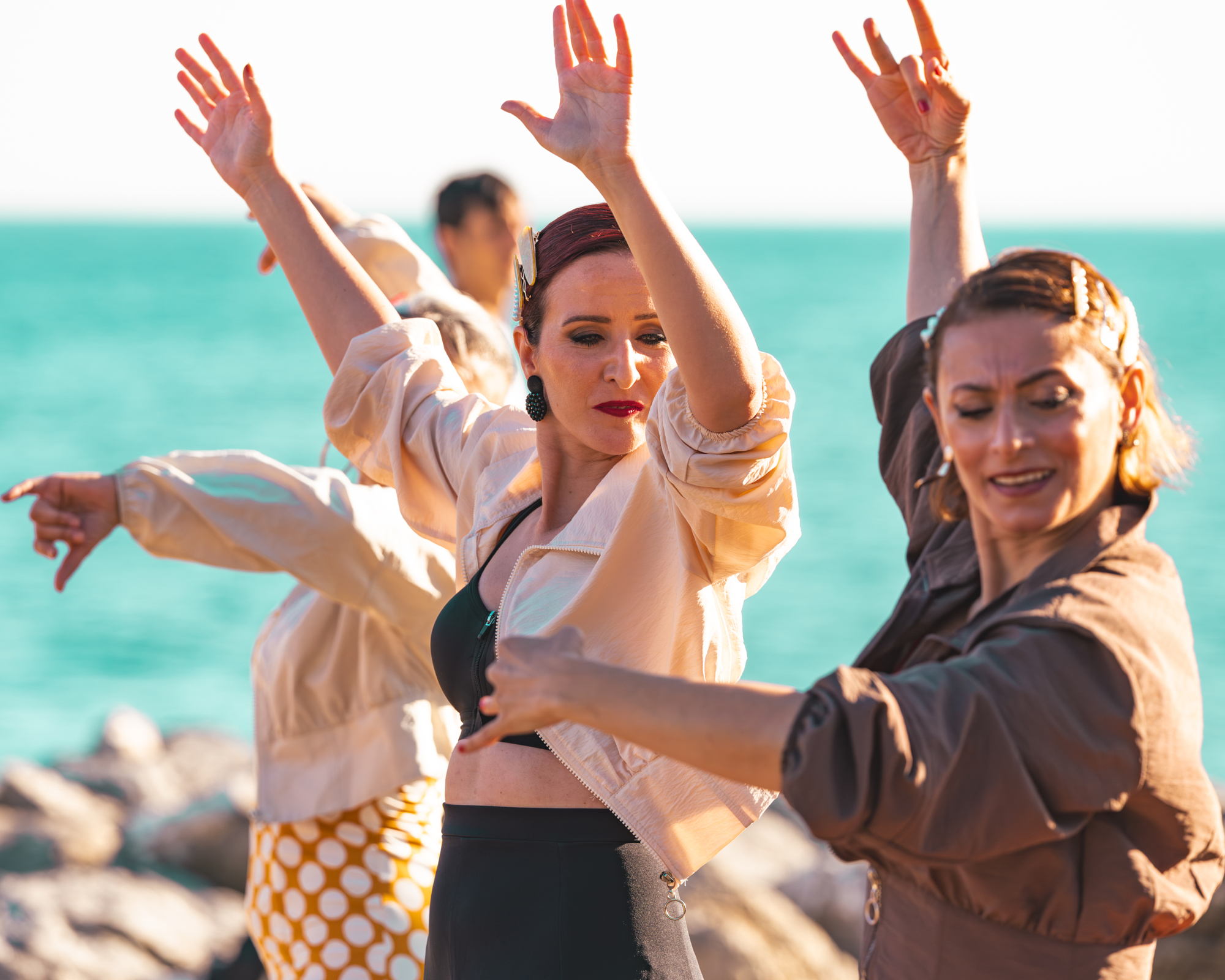
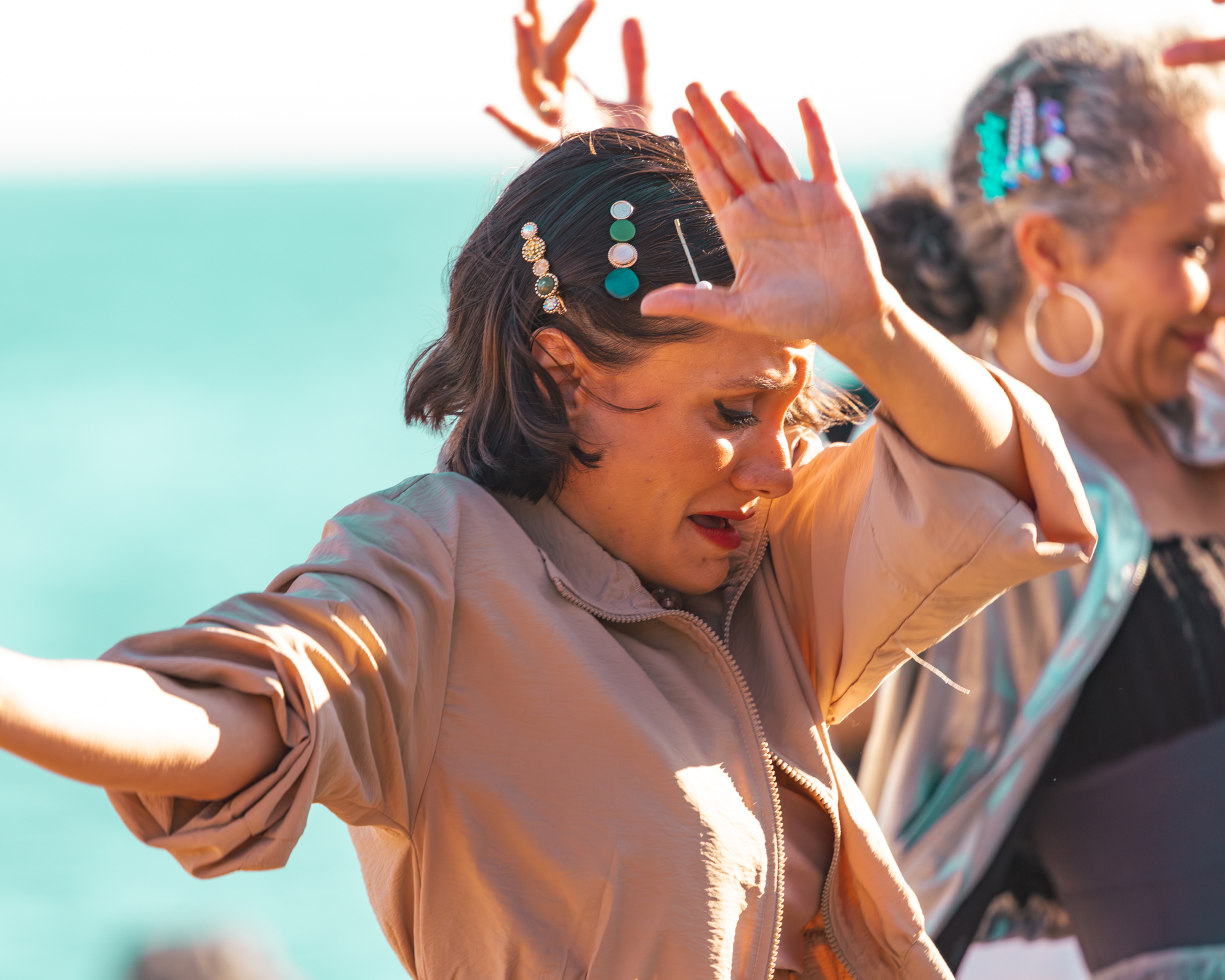
Natural light changes constantly, and that keeps me actively engaged with the environment. It forces me to adapt and react instead of controlling everything. I am especially drawn to softer light where textures and details come forward without overwhelming the subject.
I do use artificial lighting when necessary, especially in professional work, but even then, I try to keep the final result as natural-looking as possible.
In your portrait photography, particularly when working with models, how do you direct or collaborate with them to ensure the final image captures the “emotional core” that you prioritize in your work?
My partner and I usually shoot portraits together, and the first step is always connection.
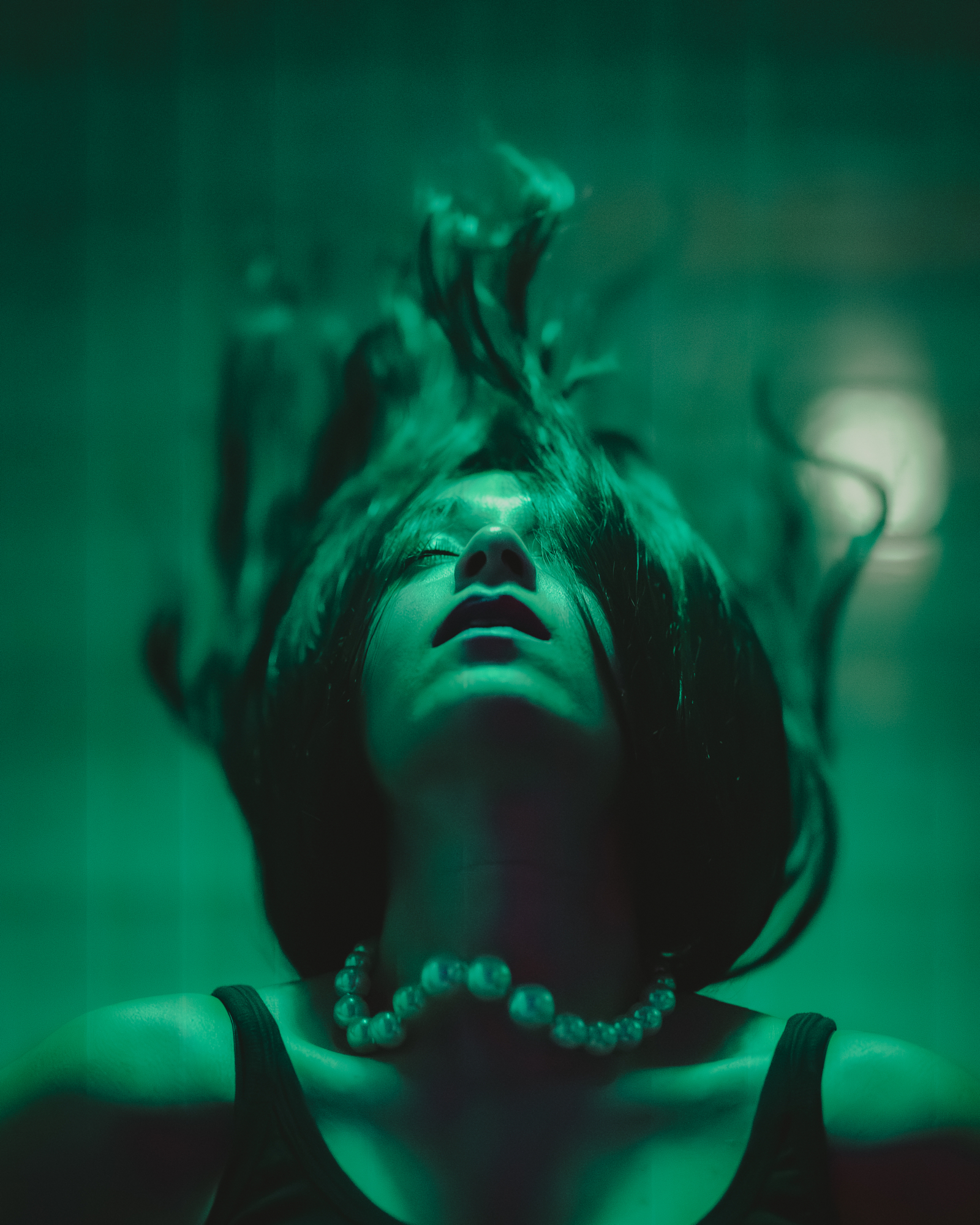
We try to understand the person in front of us and create a comfortable space where they can be themselves. In many cases, we almost become friends with the models during the shoot. That shift in energy is very important.
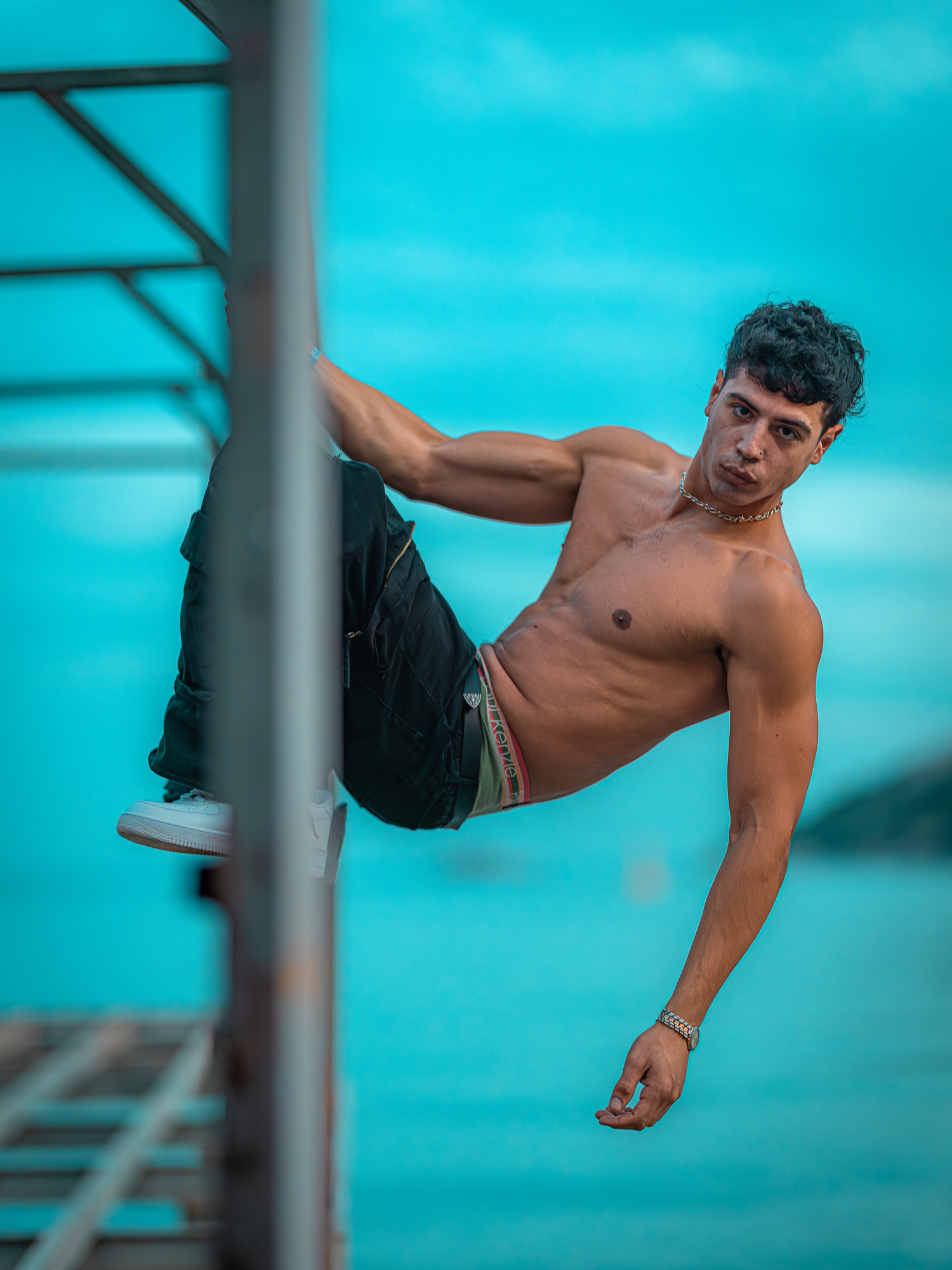
Once that trust is built, everything becomes easier. Expressions change, body language relaxes, and the images start to feel more real. After a while, there is no need to direct much. The model becomes comfortable enough to be their natural selves, and that is when we get the strongest results.
When working in travel and lifestyle photography, which often demands significant flexibility, do you find it better to follow a rigid schedule upon arrival, or do you find your best work emerges from simply responding to the environment?
While my partner is typically the more structured one and I the more spontaneous, my only strict rule is preparation.
I make sure I have everything I might need, so I don’t have to limit myself during the shoot. That gives me the freedom to be more flexible and in the moment once we are on location.
I prefer to arrive early, observe the setting, understand how light moves through the space, and then let the location guide the process. Some of the best photos come from reacting to what is already there instead of trying to impose something on it.
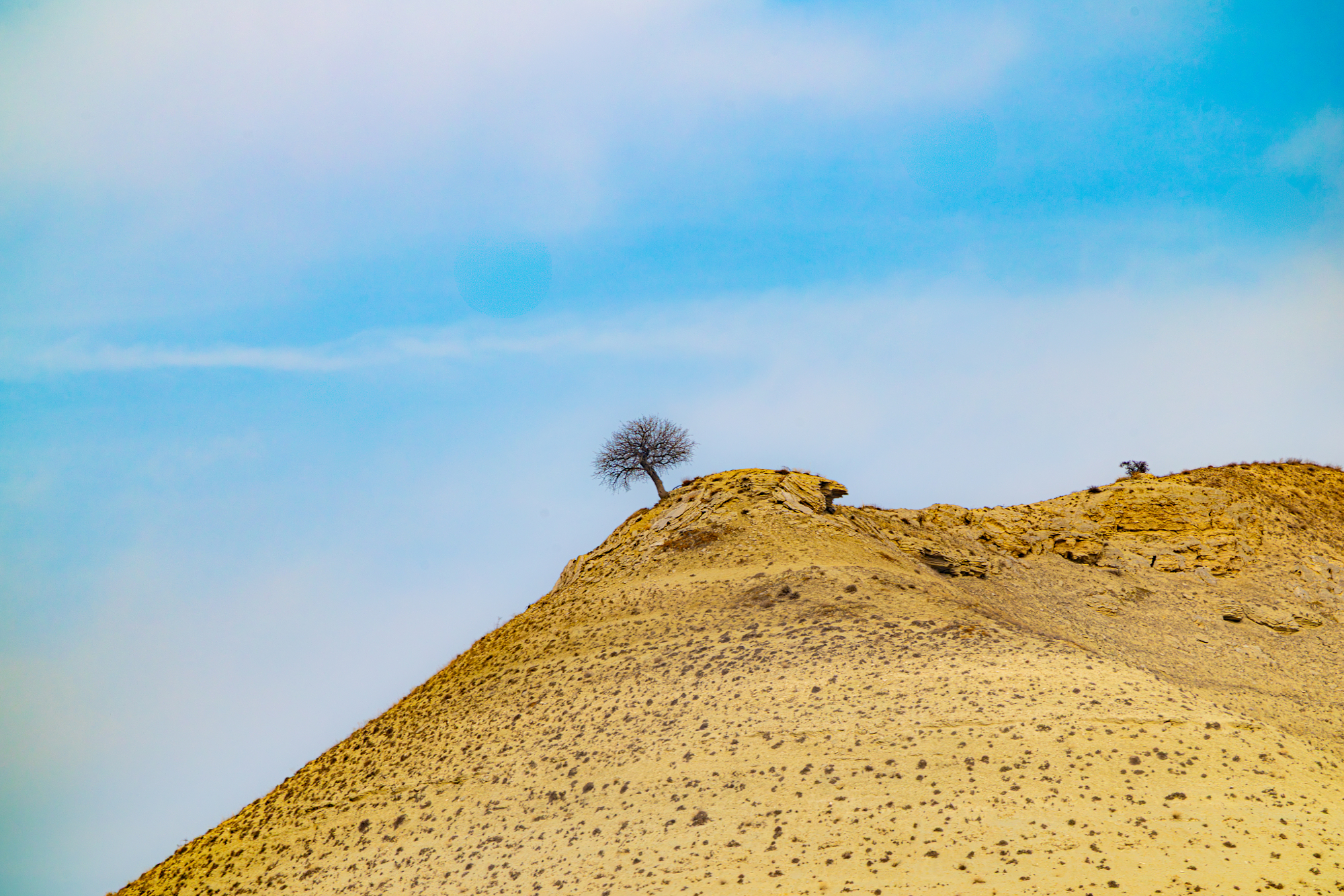
We have a question from a previous featured photographer, Pawe? Janas, who asked, “A life of a photographer often is a story of ups and downs. How do you try to regain your photographic motivation in times you feel a creative block or when things are in a downswing?”
For me, the answer is simple: Going out.
Staying inside usually makes it worse because I find I start overthinking. Creative blocks begin to dissipate when I go outside, walk, observe, and reconnect with real moments.
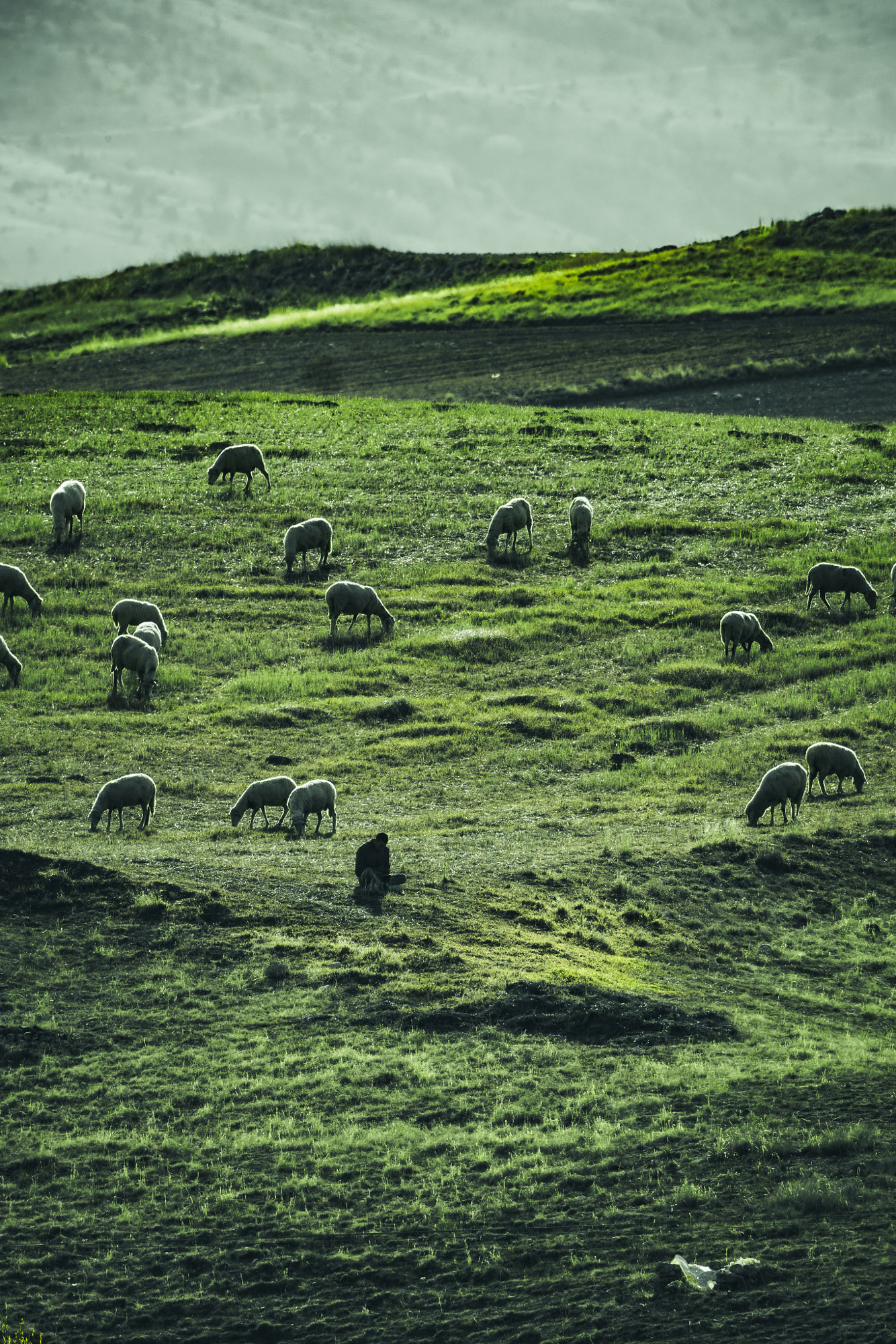
Sometimes I don’t even take photos. Just seeing how light falls on a place or how people move is enough to reset my perspective.
To wrap things up, do you have any upcoming commercial collaborations, travel series, or specific projects on the horizon that you are particularly excited to share or promote?
Recently, we have started receiving collaboration opportunities in new areas of photography that we are excited to explore together.
What excites me most is not just expanding into different fields but finding ways to carry the same emotional consistency into each of them. I want the work to feel connected, even when the subjects are very different.
For now, I prefer to let the work speak as it develops, but it is a direction that we are both very motivated about.