Not every photograph needs direction. In fact, the most meaningful images often happen without it. Candid photography focuses on real moments, unplanned, unposed, and deeply human.
Instead of controlling the scene, you observe it. As a result, you capture something honest.
What Is Candid Photography?
Candid photography captures people naturally, without posing or staging. Rather than directing your subject, you document what unfolds in front of you.
This approach works because:
- It reveals genuine emotion
- It creates relatable images
- It tells real stories
It feels more personal and authentic.
Observing Before You Shoot
Observation is key. The moment often happens before you’re ready. To improve:
- Watch interactions closely
- Anticipate moments
- Keep your camera ready
Patience matters. The best moments are rarely forced.
Capturing Emotion and Connection
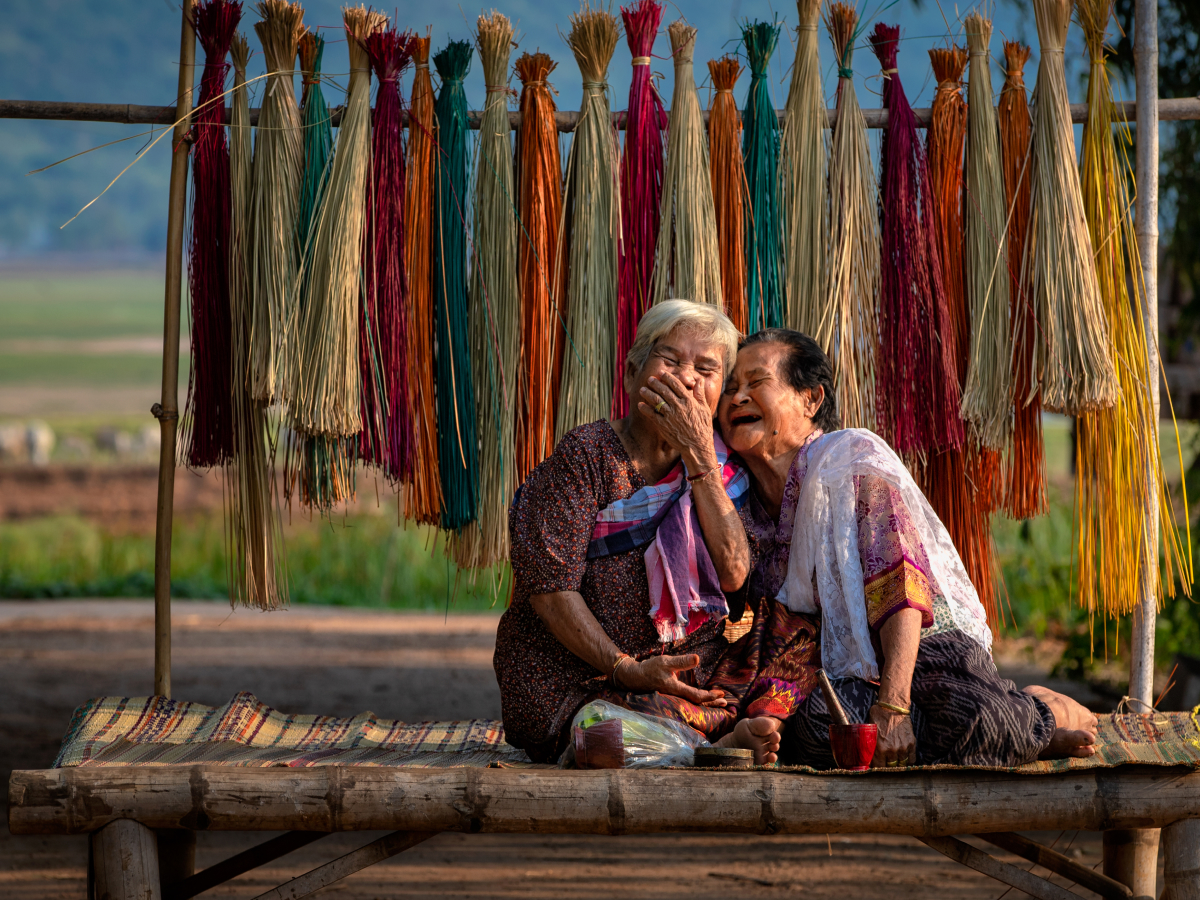
Emotion is what makes an image memorable, so focus on how people connect with each other. In documentary style photography, the most powerful shots come from laughter and shared moments, meaningful eye contact, and the subtle gestures people make when they forget the camera is there. When you learn to recognize and anticipate these fleeting interactions, your photos will feel alive and relatable.
Blending Into the Environment
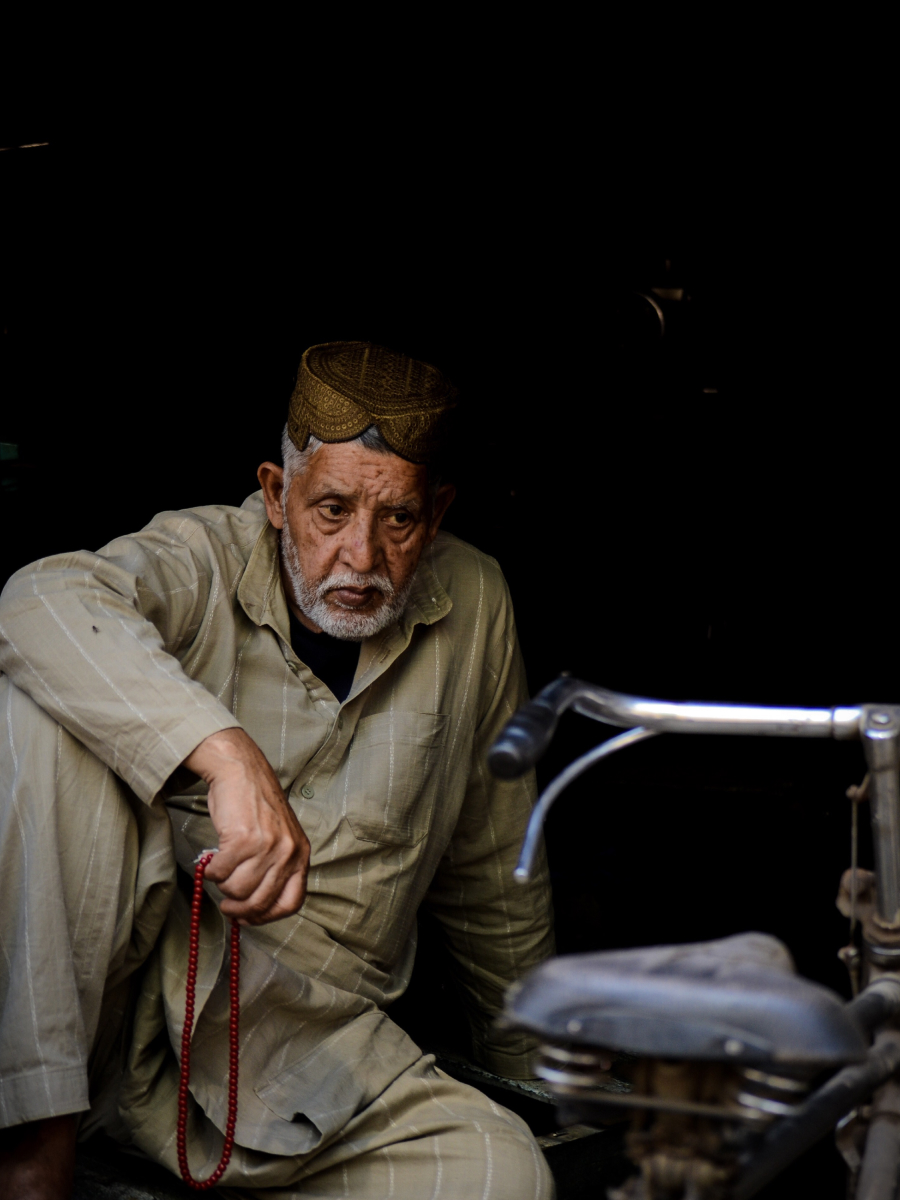
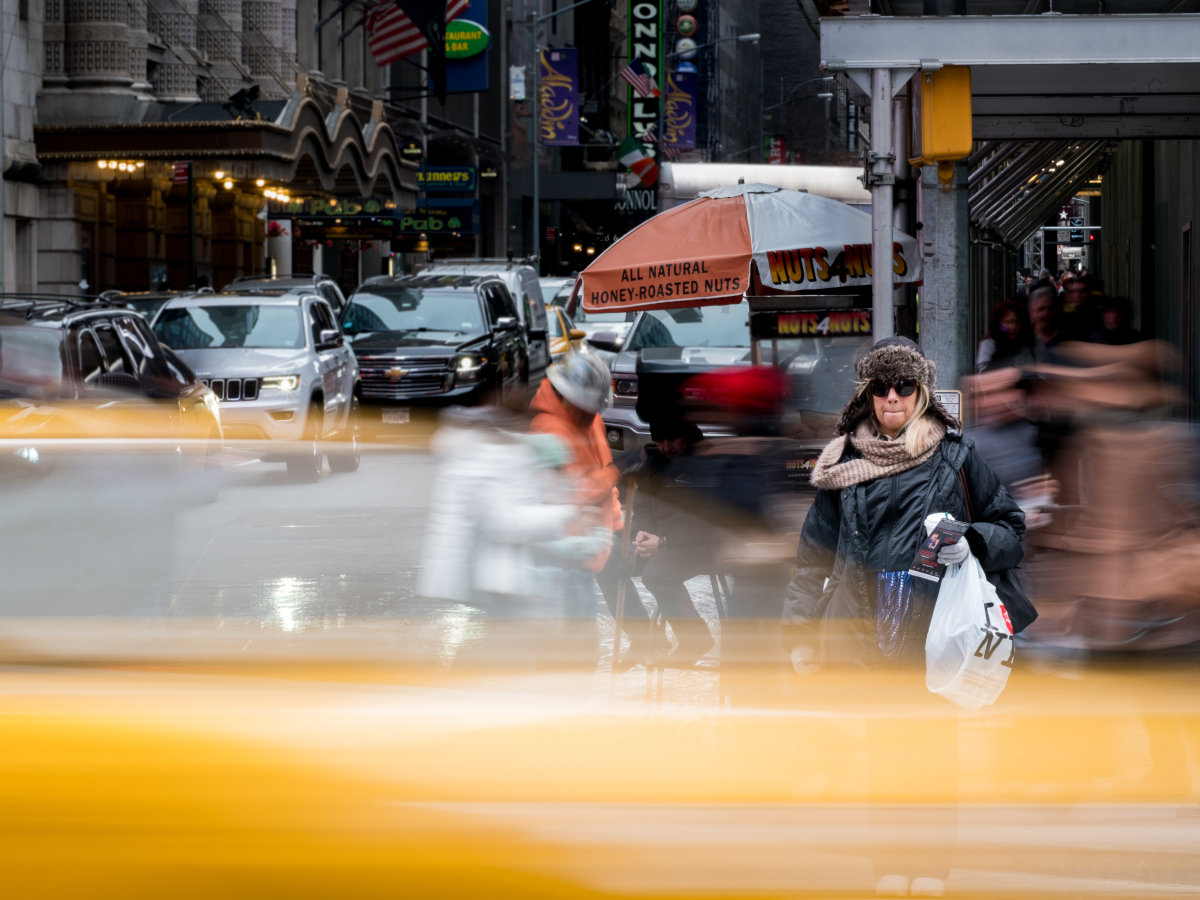
Presence changes behavior, and in documentary style photography, the less people notice you, the better. To stay unobtrusive, opt for a smaller camera or lens, keep a comfortable distance, and resist the urge to interrupt the scene as it unfolds. When your subjects forget you’re there, they relax, and that’s exactly when you capture something truly authentic.
Using Light to Enhance the Moment
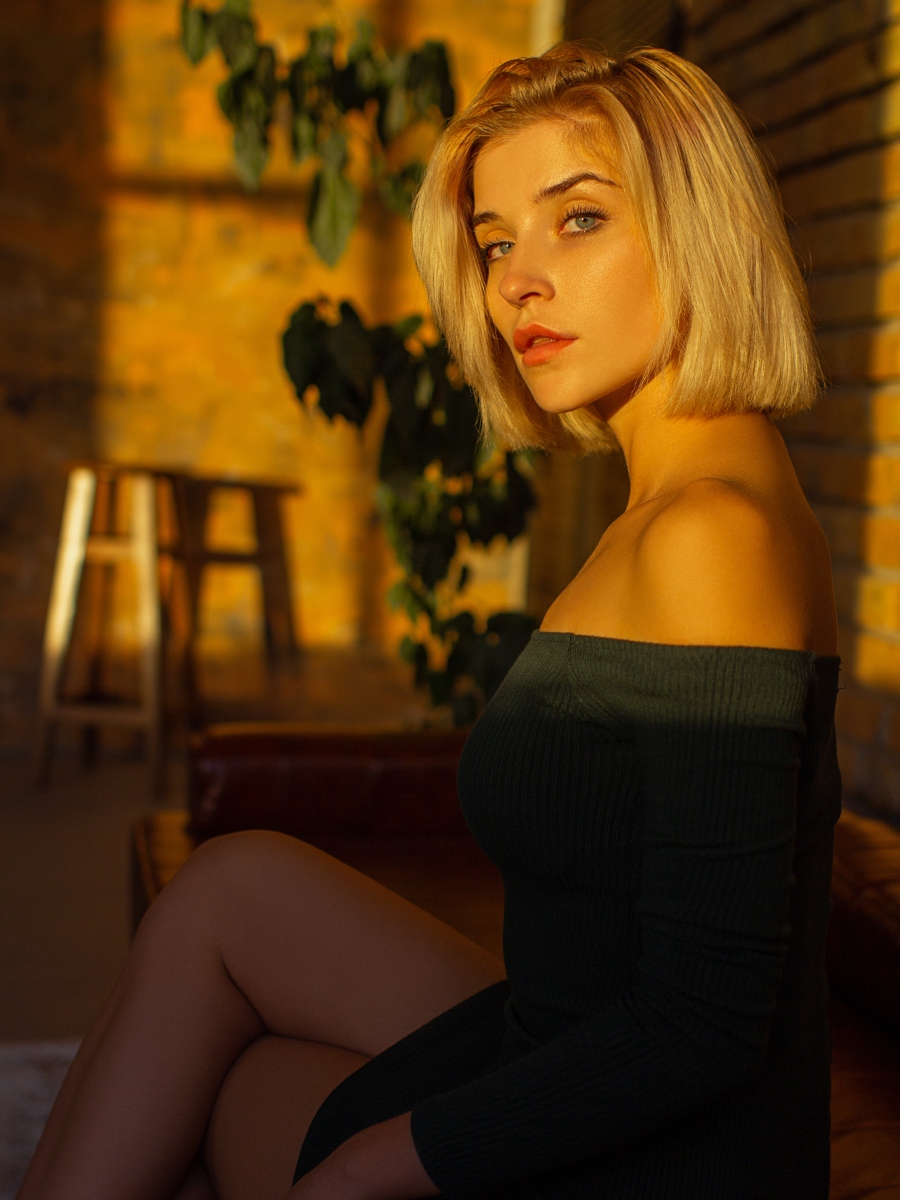
Light still matters, even when the moment is unplanned. In candid photography, seek out soft natural light whenever possible, use shadows to add depth and mood, and get into the habit of positioning yourself based on where the light is coming from rather than where the subject is. The result is images that feel both spontaneous and visually intentional.
Composition Tips for Documentary Style Photography
Good composition strengthens real moments. Otherwise, the image can feel cluttered.
Keep these in mind:
- Frame your subject clearly
- Remove distractions
- Use layers to add depth
- Focus on timing
Therefore, your photos remain clean and impactful.
Why Candid Photography Works
People connect with honesty, and they recognize real emotion instantly. It works because it captures genuine experiences, sidesteps artificial posing, and tells stories that actually mean something. When all of that comes together, you create images that don’t just get looked at, they get felt.
You don’t need to direct everything. Instead, let moments unfold naturally. Pay attention. Stay present. Be ready.
Extended reading: Creating depth and drama with moody photography