Micaela Belgiorno’s portfolio reads like a collection of quiet visual stories. Using light and shadow, she constructs deeply atmospheric portraits that linger in the memory. Belgiorno treats her camera less like a technical tool and more like a painter’s brush, bringing rich, painterly depth into contemporary editorial spaces.
We sat down with Micaela to discuss her creative roots, her balance of fine art and fashion, and how light defines her visual storytelling.
To give our readers a sense of your journey, how did you get started in portrait and editorial photography? Was there a specific moment when you knew this was your calling?
My journey began by taking photos of my friends. I always had a camera in hand; I think they ended up hating me a little for it!
My transition into fashion and editorial photography felt natural because I’ve always loved fashion. In high school, I wanted to study fashion design, but life took me in a different direction. Around 18, I attended a hairdressing academy but quickly realized it wasn’t for me.
While trying to figure out my path, I set up a small makeshift studio in my parents’ garage. I loved shooting portraits of my friends there, finding unusual outfits, doing their hair, and applying their makeup. Looking back at those early photos makes me laugh; some were truly terrible!
Over time, my skills improved, and I realized photographing people was my true passion. I decided to make it my career, training at an academy in Florence and taking advanced courses in lighting and post-production. Social media eventually opened up the world for me, connecting me with creative collaborators who helped refine my visual identity.
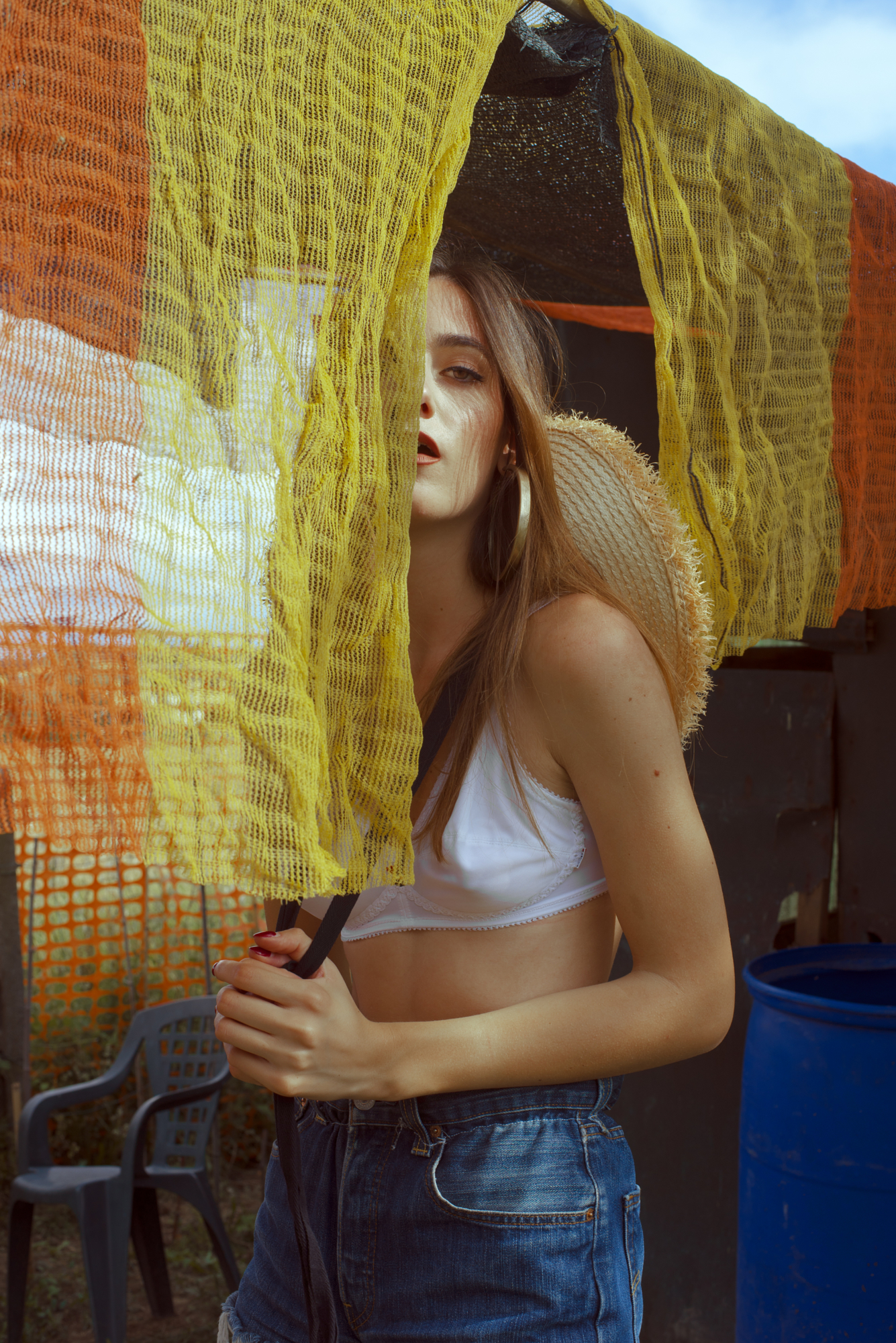
How does living and working in Prato—a city rich in textile history—influence the textures, garments, and color palettes you choose?
It’s hard to pinpoint a direct influence from Prato itself. I grew up here and visited the Textile Museum often as a child, so that visual culture is certainly part of my DNA. However, I don’t treat the city as a direct creative source.
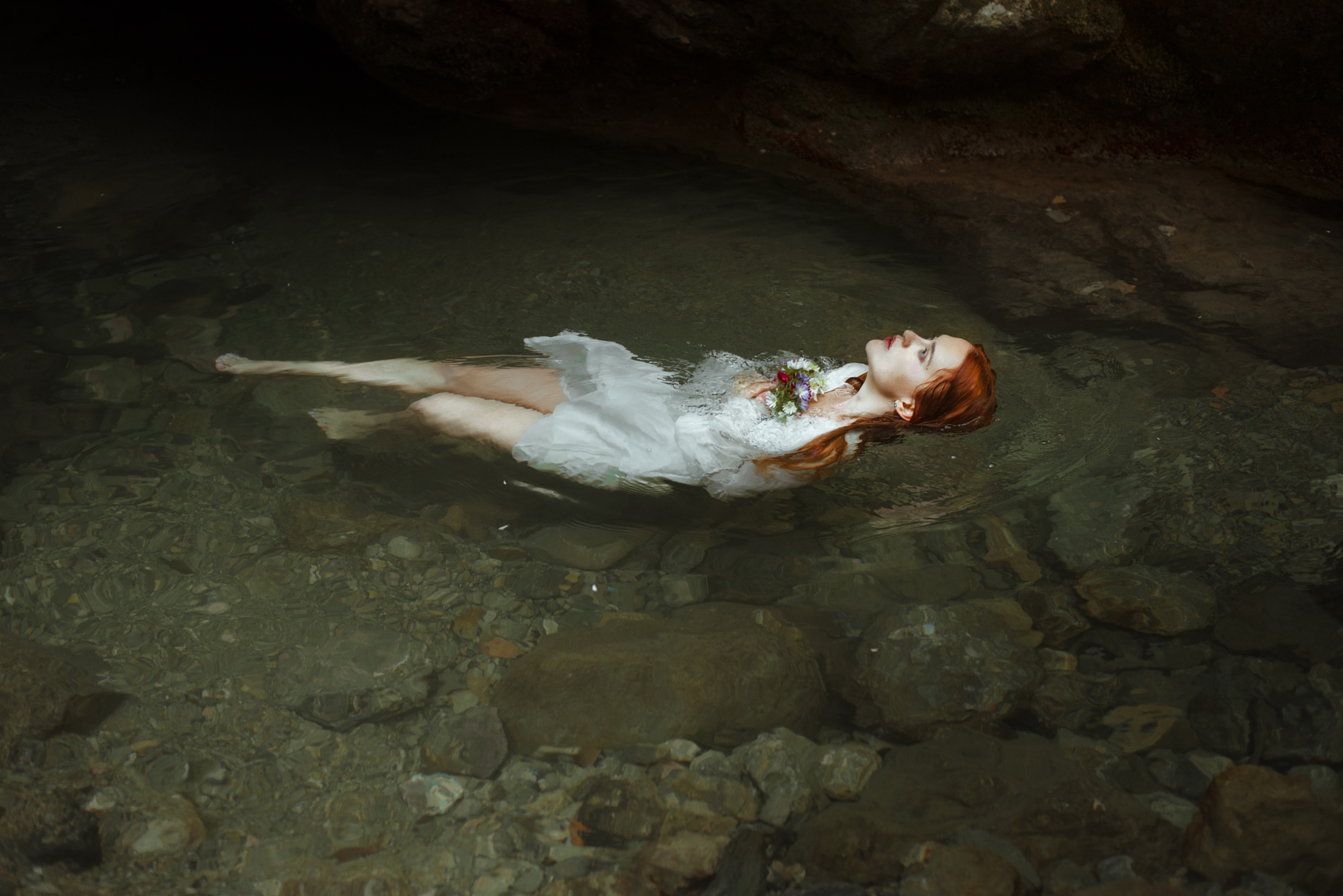
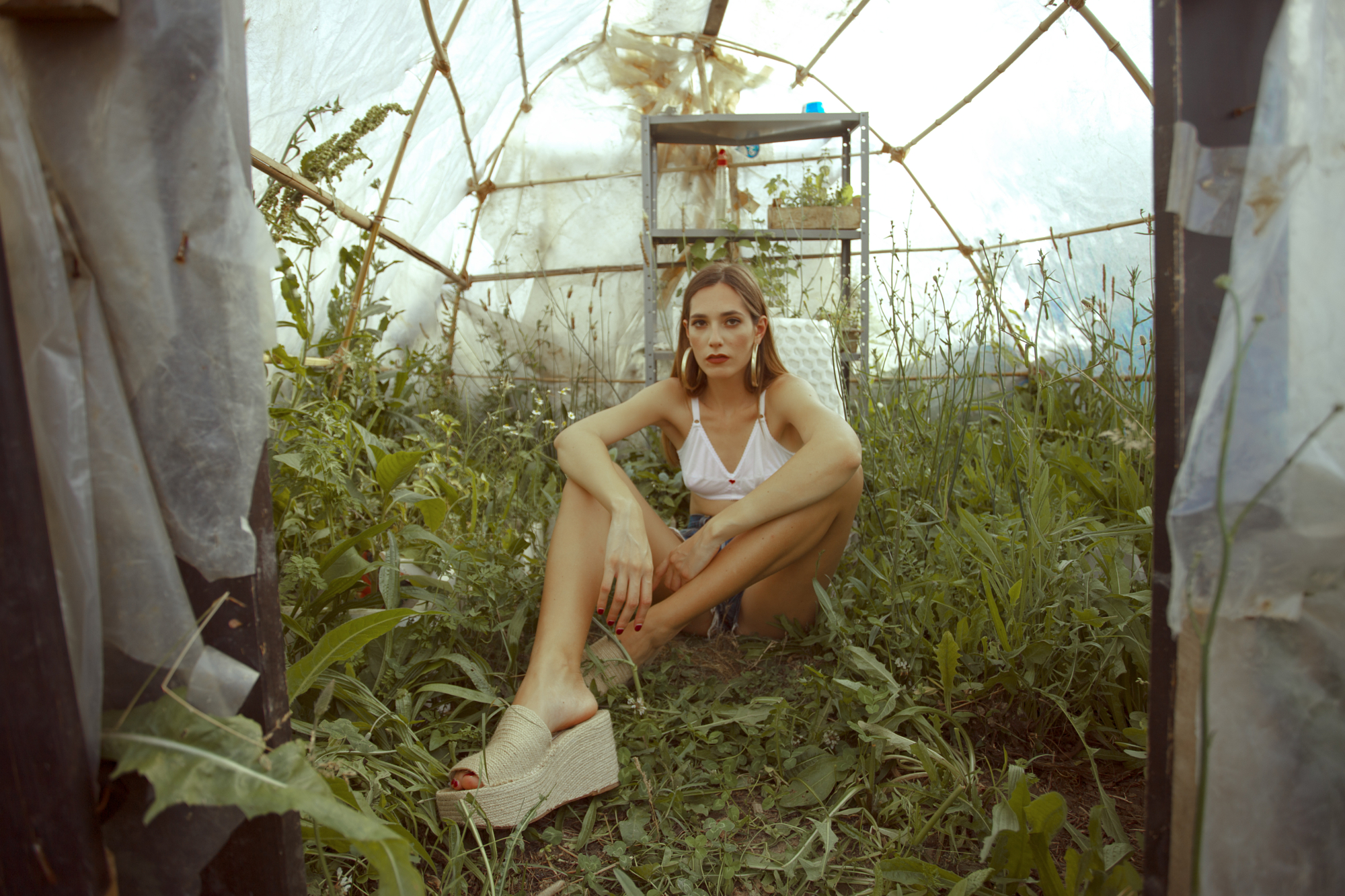
My aesthetic comes much more from cinematic, theatrical, and painterly imagery. I love working with moody, dramatic atmospheres, dark palettes, and strong contrasts—often punctuated by golden highlights or bold accent colors.
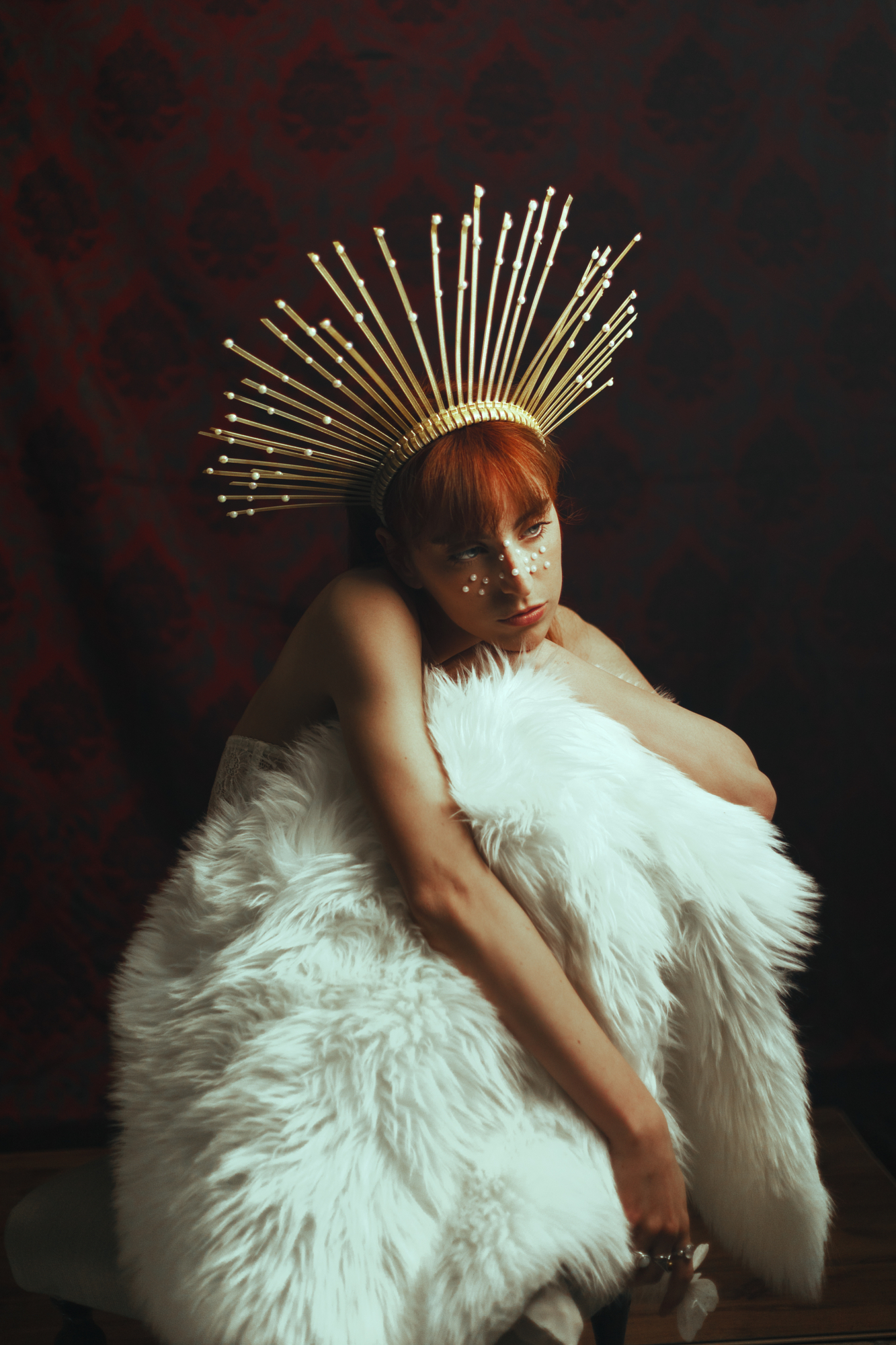
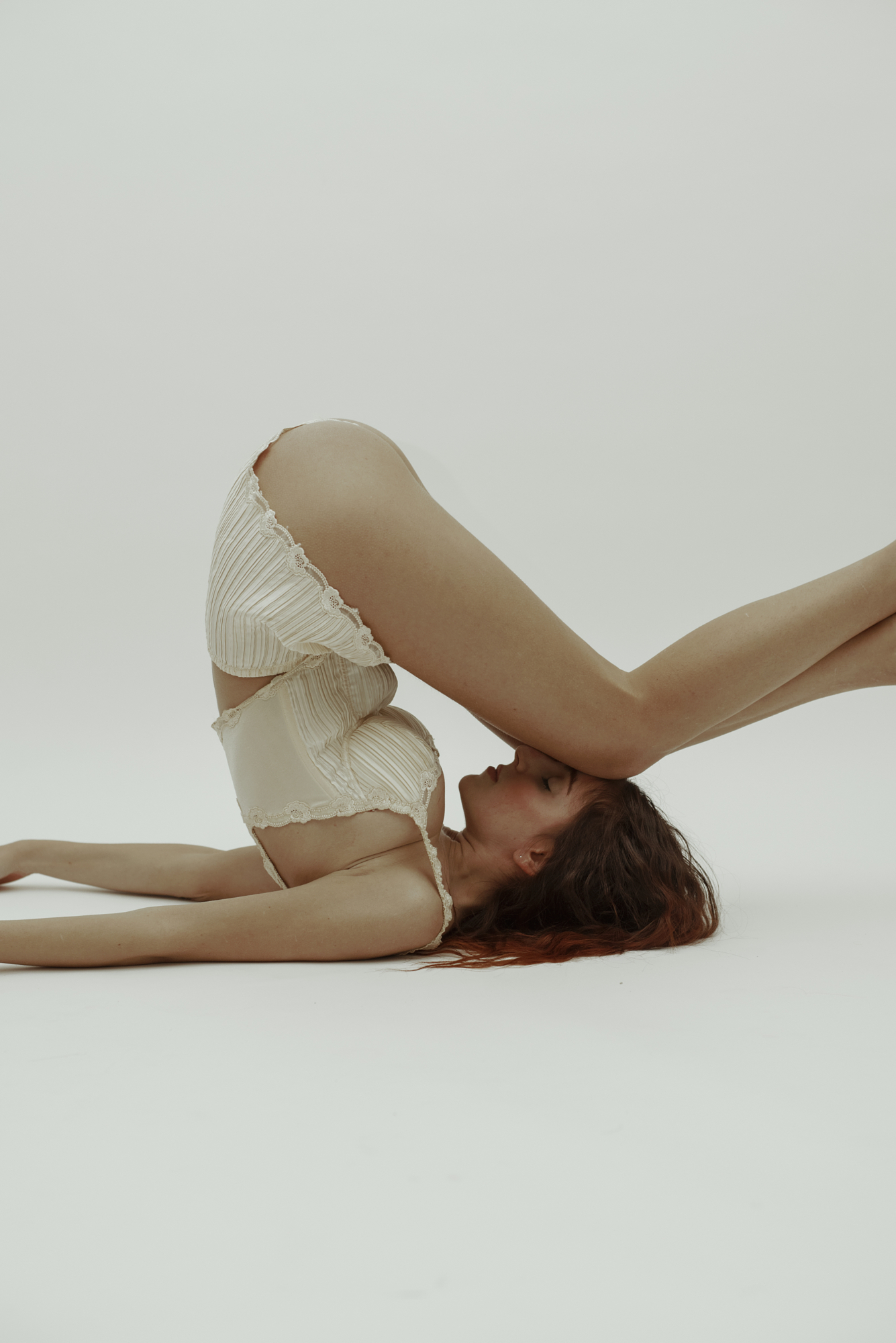
When it comes to materials, I also look for something tactile and rich — fur, velvet, lace, sheer fabrics, wet or reflective surfaces — because I like the texture itself to tell a story.
That cinematic imagery guides my aesthetic far more than my physical surroundings.
Your fashion photography has a strong fine art sensibility. How do you satisfy the commercial demands of fashion while maintaining fine art depth?
For me, the “fashion” side comes from the harmony between styling and framing. The wardrobe, accessories, pose, and composition must work as one without any single element dominating the rest.
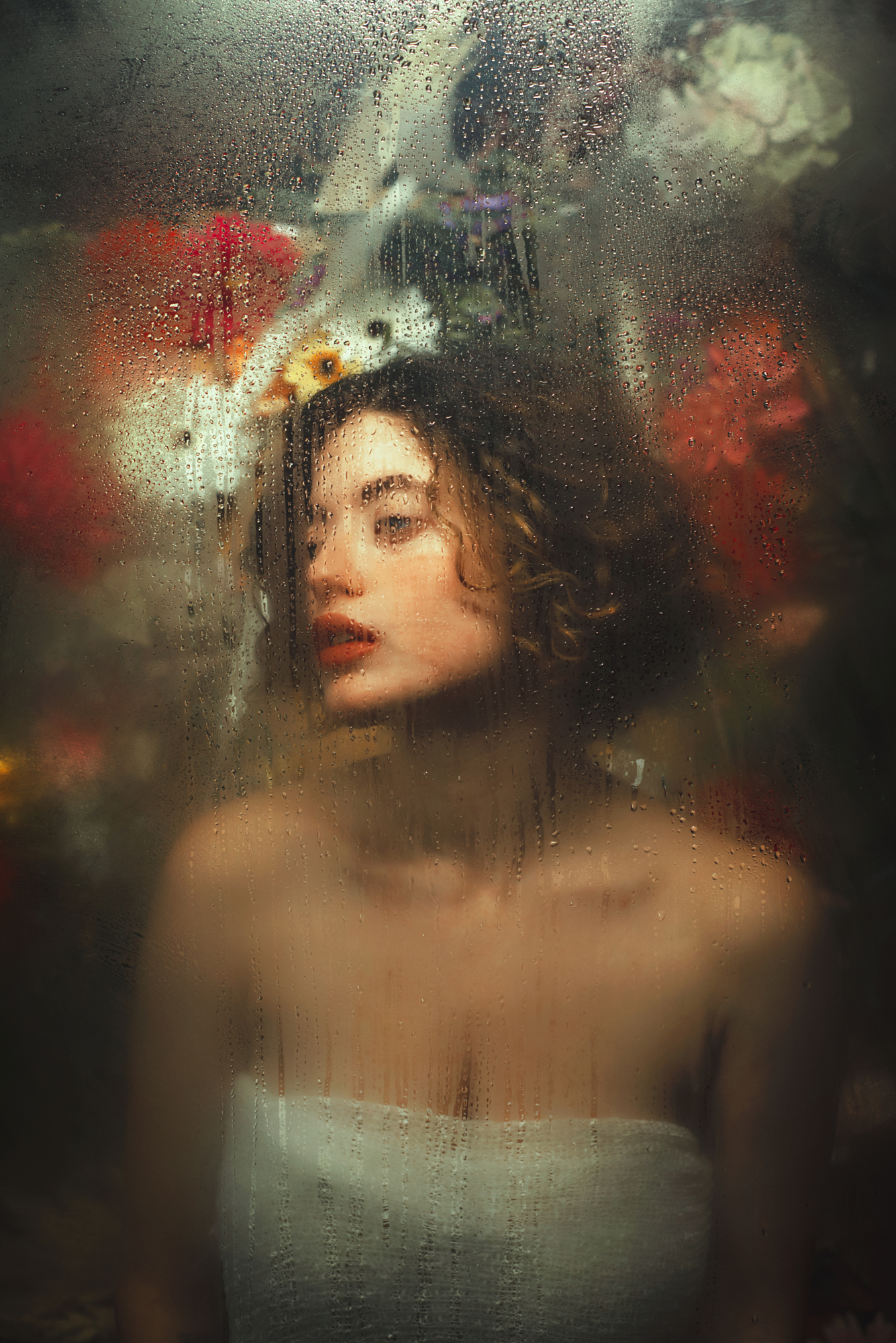
The “fine art” quality means the photo can stand completely on its own. It should work as a powerful piece of visual art, even outside an editorial context, without the viewer needing to know it’s a fashion shoot.
I achieve this balance through lighting and post-production. Before I press the shutter, I already see the finished image in my mind—editing included. I set up my studio lighting around that final vision. Pre-visualizing the finished artwork on set is what elevates a standard fashion shot into fine art.
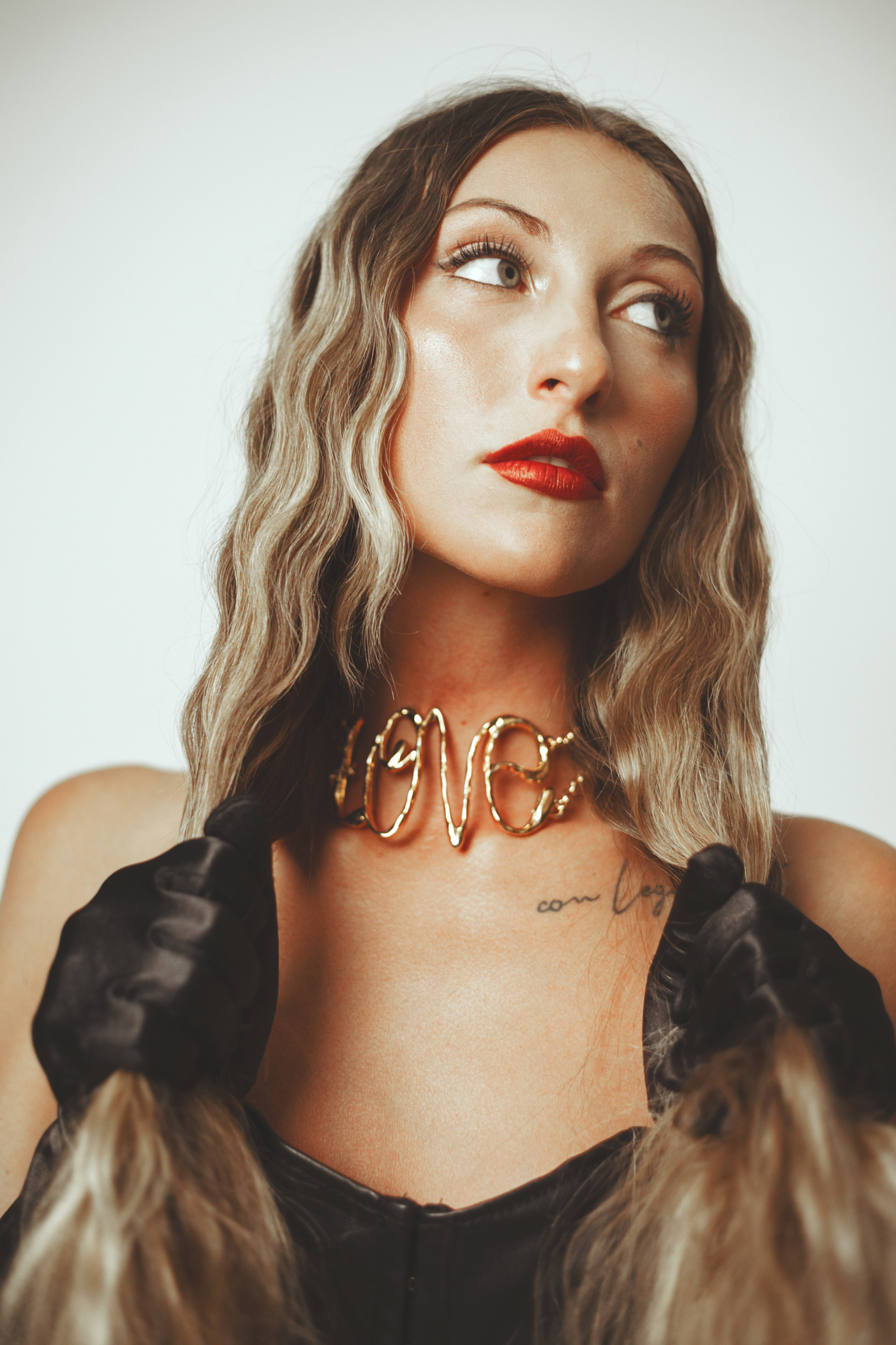
Editorial photography is rooted in storytelling. Do you start with a strict story outline, or do you let the narrative emerge organically on set?
I almost always start with a clear concept. The visual idea comes first, and then I cast the right model, actor, or artist to bring that vision to life.
That said, a concept is a starting point, not a cage. I leave plenty of room for spontaneity on set. The chemistry with my subject, the shift in lighting, or an unexpected detail often takes the shoot in a new direction. It’s almost always for the better—it makes the final portrait feel genuine.
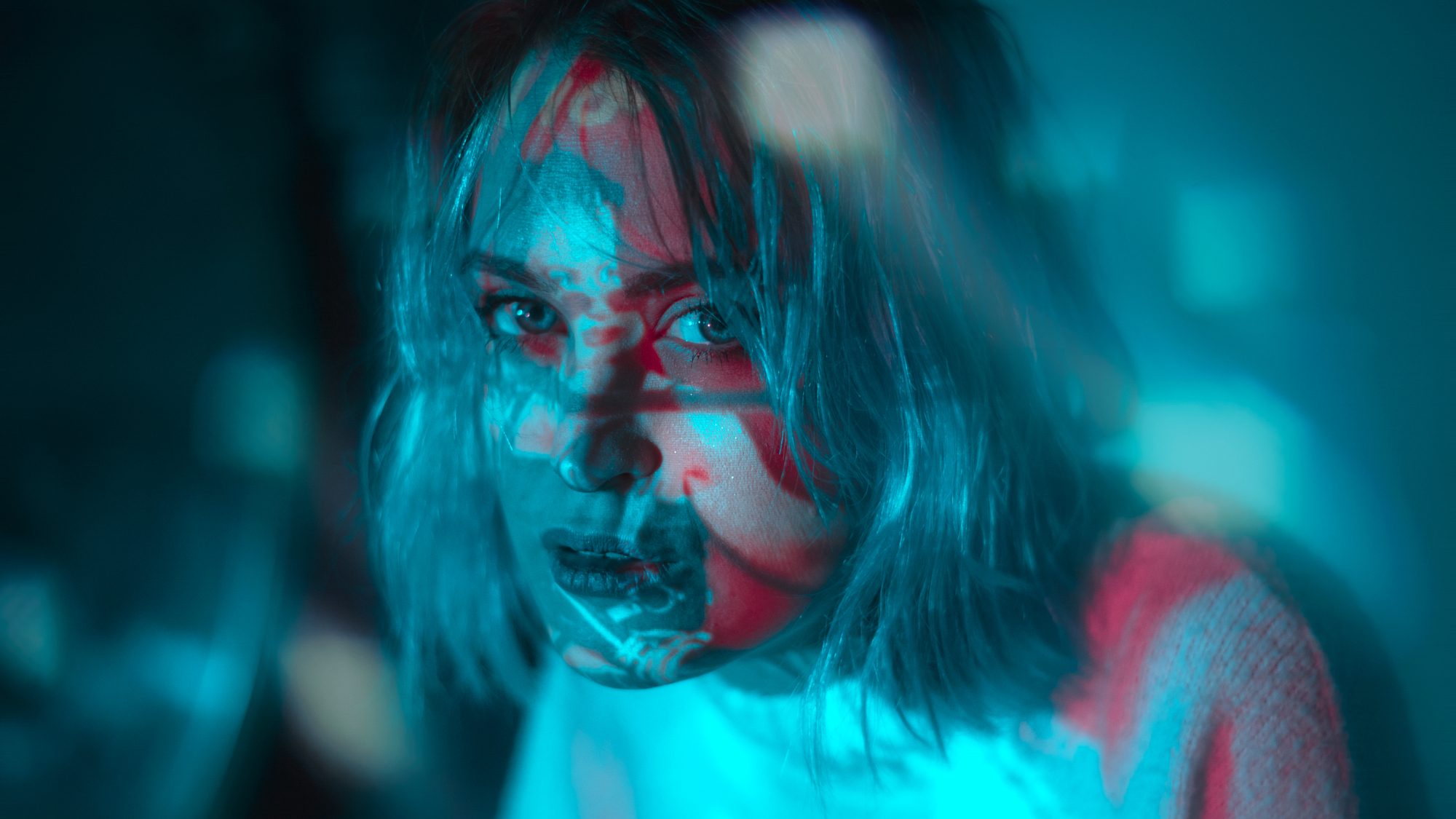
Your lighting is notably dramatic, with a thoughtful use of shadow. What is your philosophy on shadow, and why leave details hidden?
Shadow creates depth and dimension. Without shadow, a portrait risks looking flat. The contrast between light and dark gives shape and volume to a face or scene.
My primary influence is classical chiaroscuro. I draw inspiration from traditional paintings where bold light cuts through a dark background. Choosing what to reveal and what to obscure creates intentional mystery. Leaving details in the dark forces the viewer to slow down and truly engage with the image.
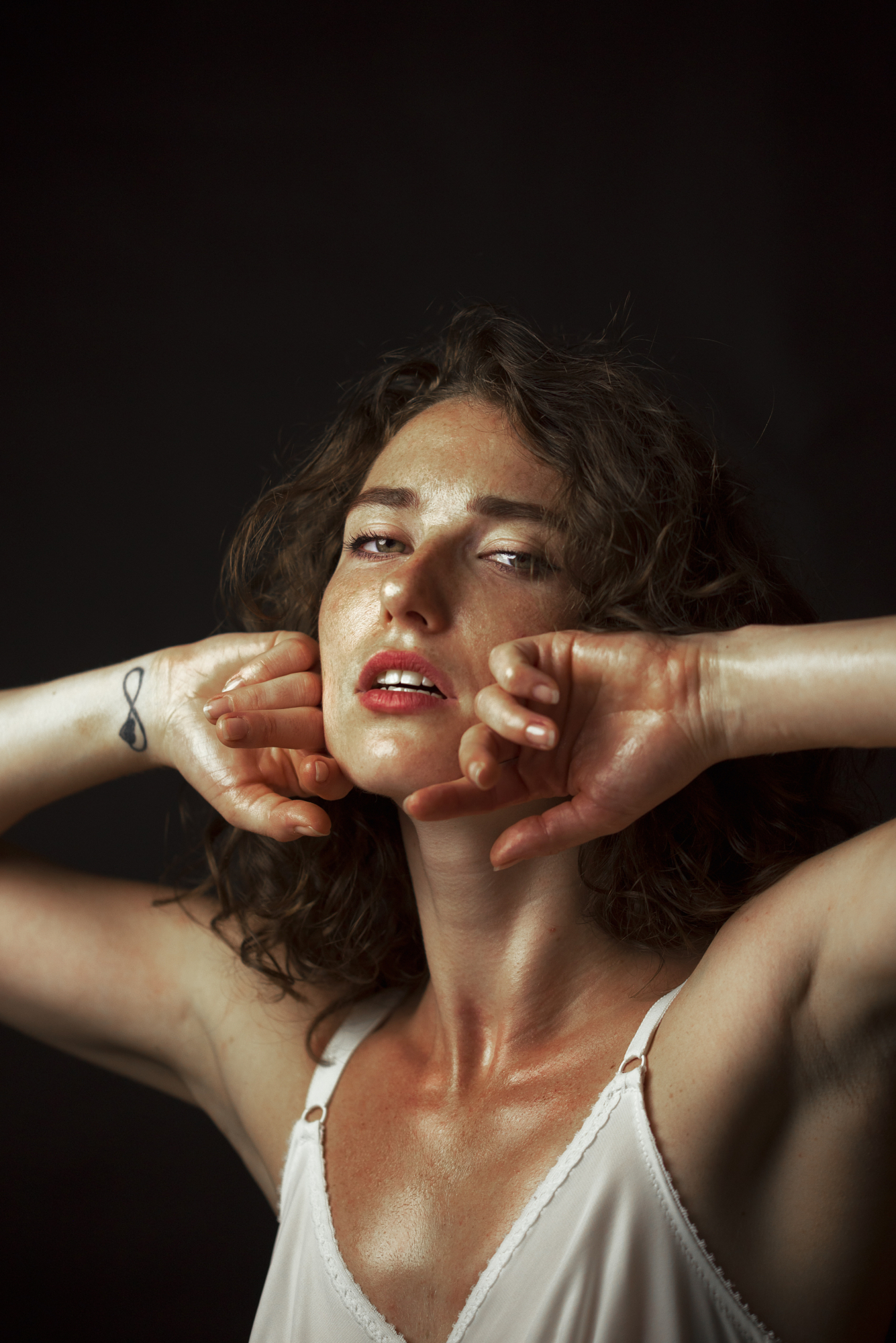
Directing fine art portraits requires a quiet energy. How do you guide your subjects toward those introspective emotions?
Preparation creates the right mood before we shoot. I always review the moodboard with the model beforehand and explain the pose and energy we’re aiming for.
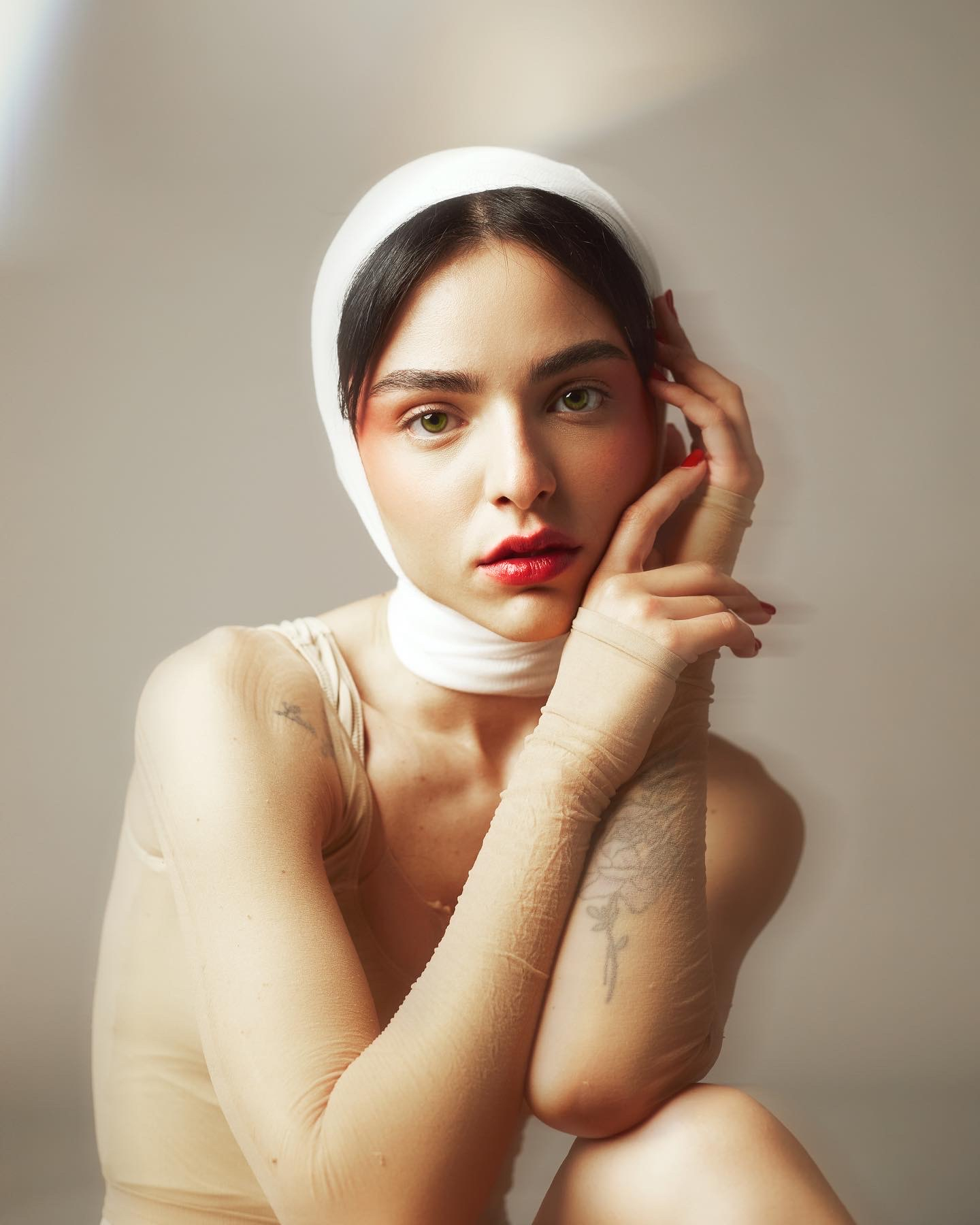
During the shoot, music is essential. I play classical pieces or old Italian crooners in the studio. Music creates an immersive environment far better than verbal direction alone, allowing the subject to relax into a natural, thoughtful state.
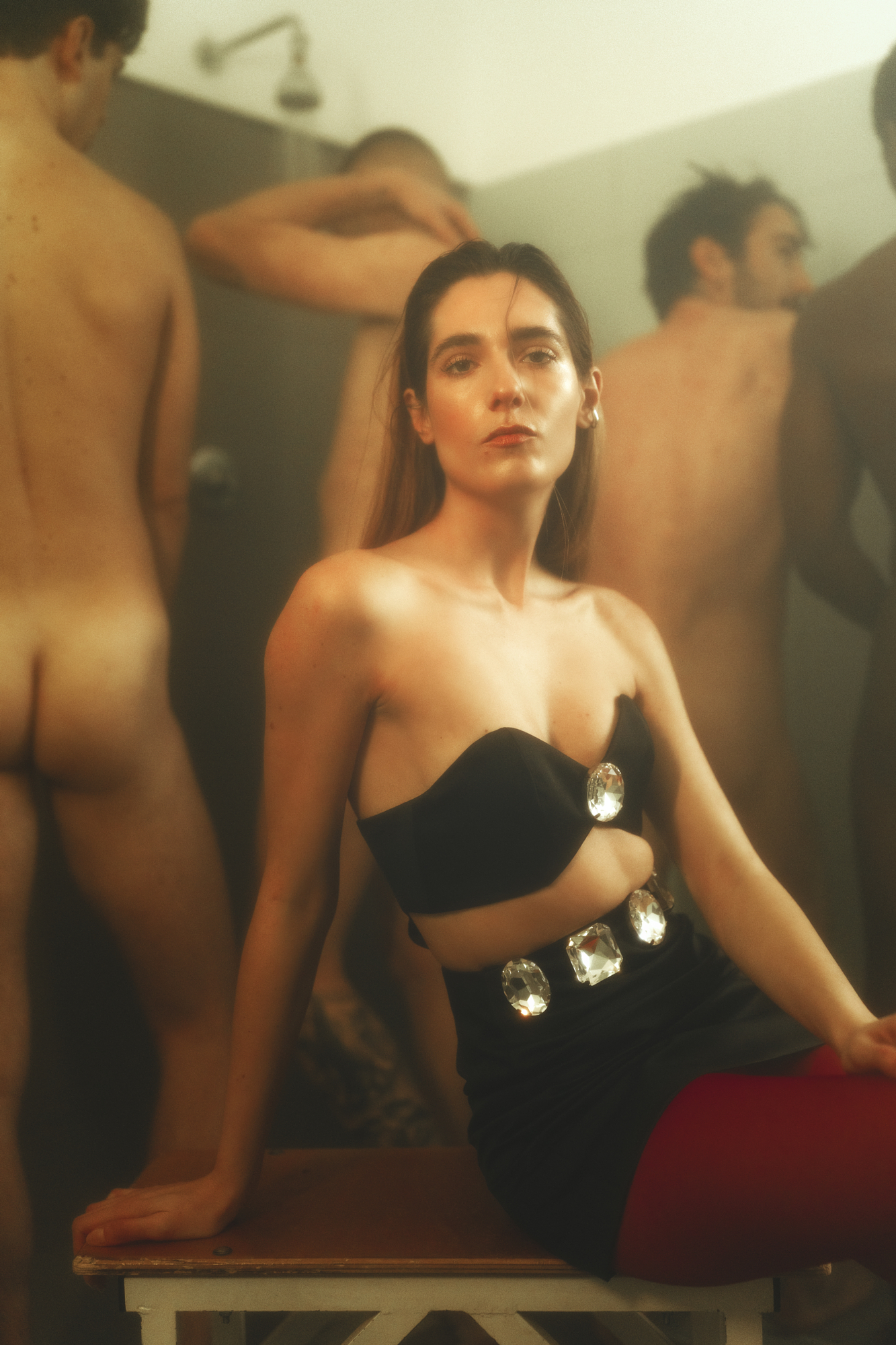
Knowing when an image is complete can be tough. In post-production, how do you know a portrait has reached its emotional peak?
I know a photo is finished when it matches the picture I held in my head before shooting. It’s an instinctive feeling—at a certain point, the image simply feels complete and balanced.
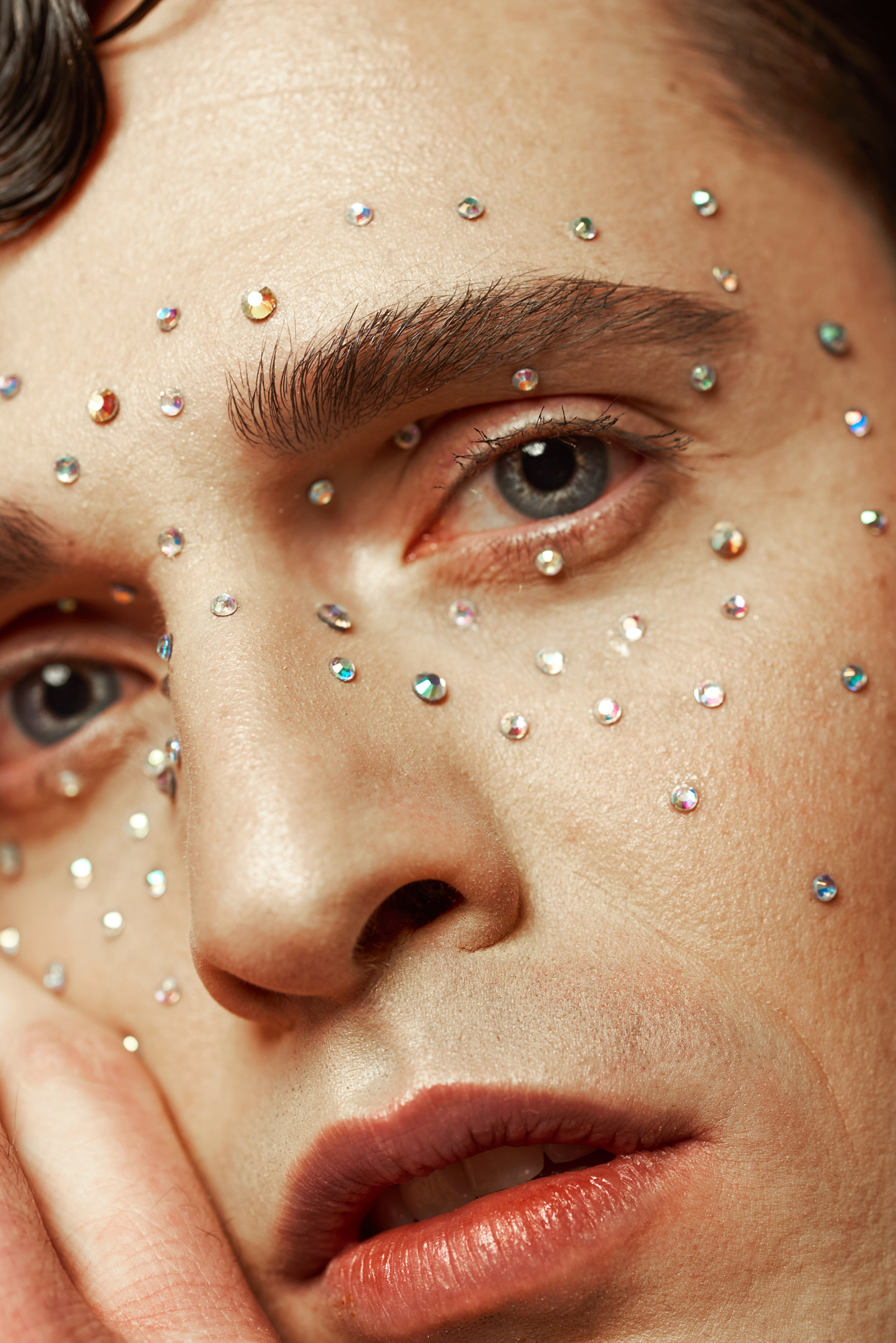
You maintain a very consistent aesthetic. How do you step outside your comfort zone without losing your signature style?
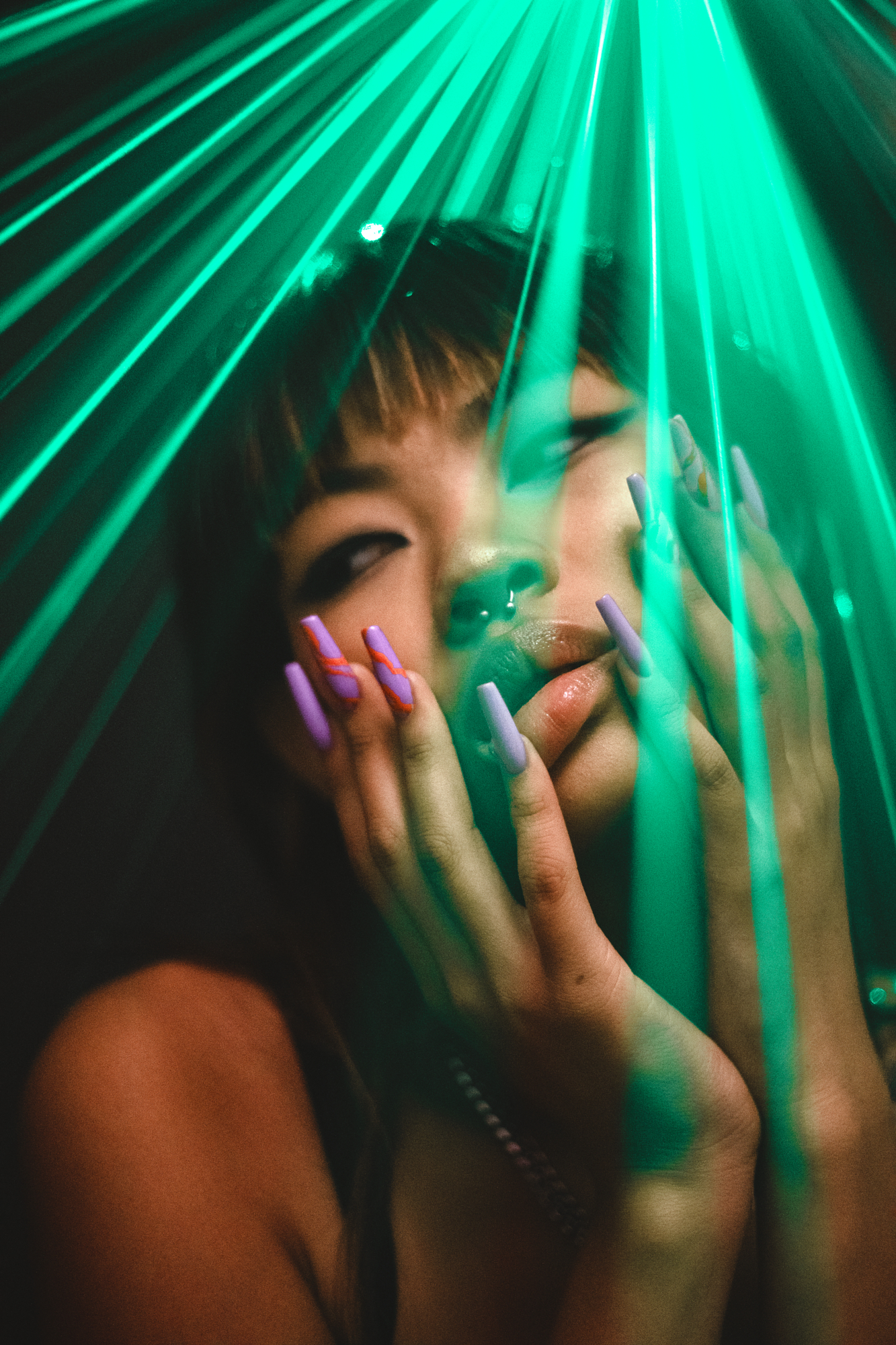
I love experimenting. I challenge myself by working with colored lighting or shooting on location, even though I prefer the control of a studio setting.
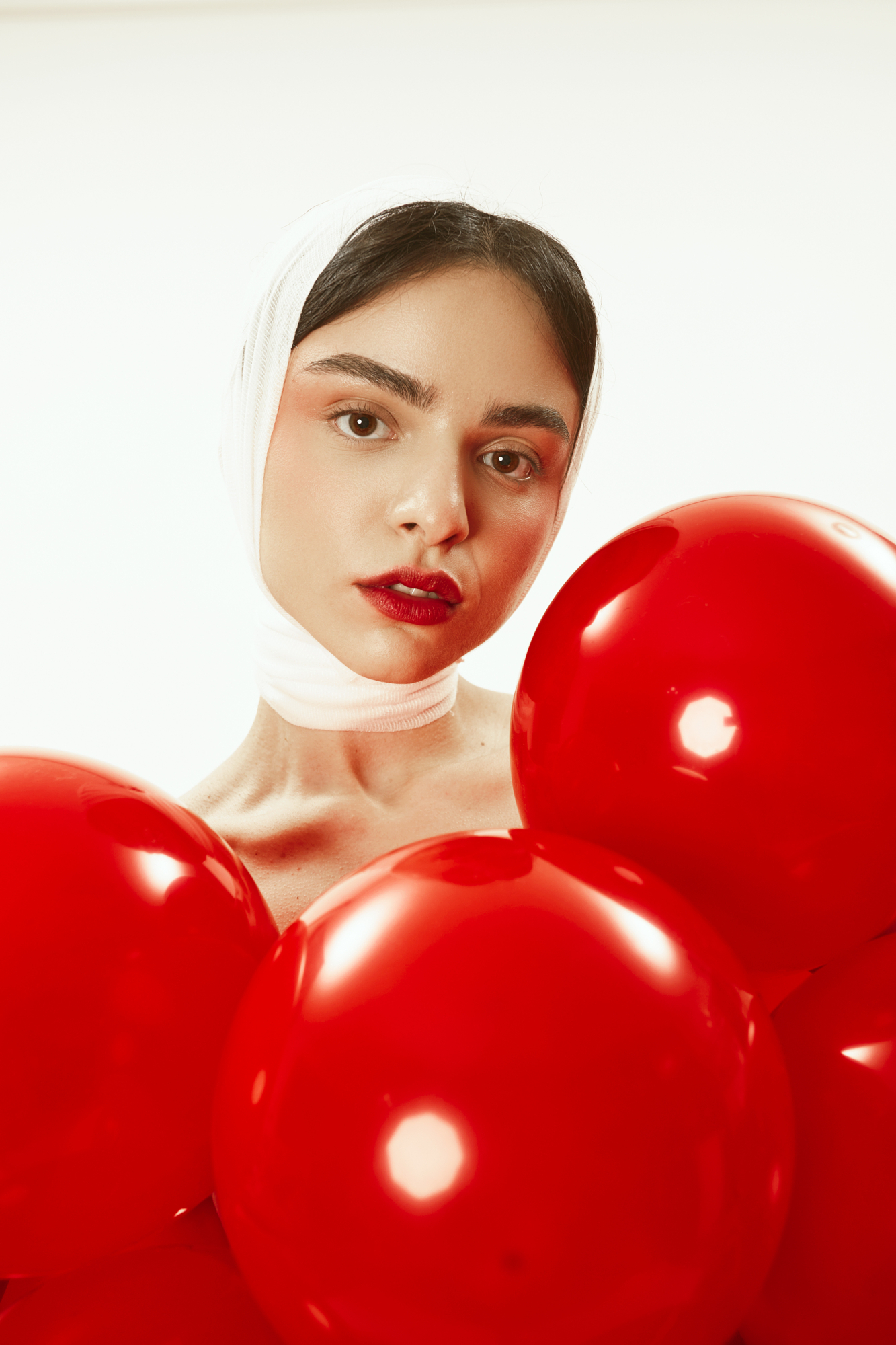
When trying new techniques, I anchor the work with core elements of my identity—a sense of romanticism and delicacy. That signature touch keeps my work recognizable, no matter how much I experiment.
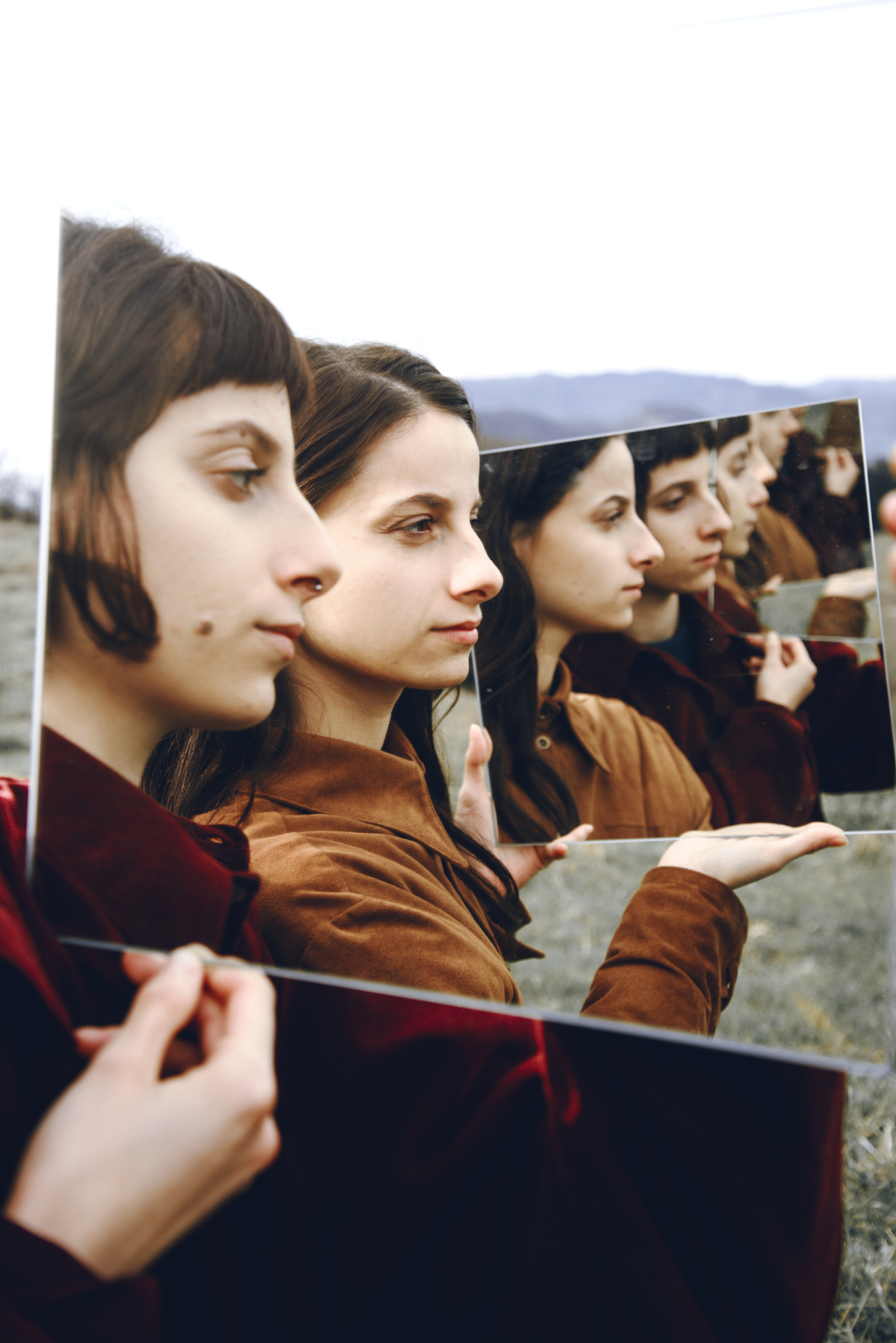
We have a question from a previous featured photographer, Katerina Shishkina, who
asked, “Have you ever had a favorite photograph that became difficult to look at because
the person in it is no longer a part of your life? Do you think it’s possible to separate the photograph from the memories attached to it, or do they always remain an inseparable part of the image?”
Fortunately, that hasn’t happened to me yet! The people I’ve photographed remain part of my life in one way or another.
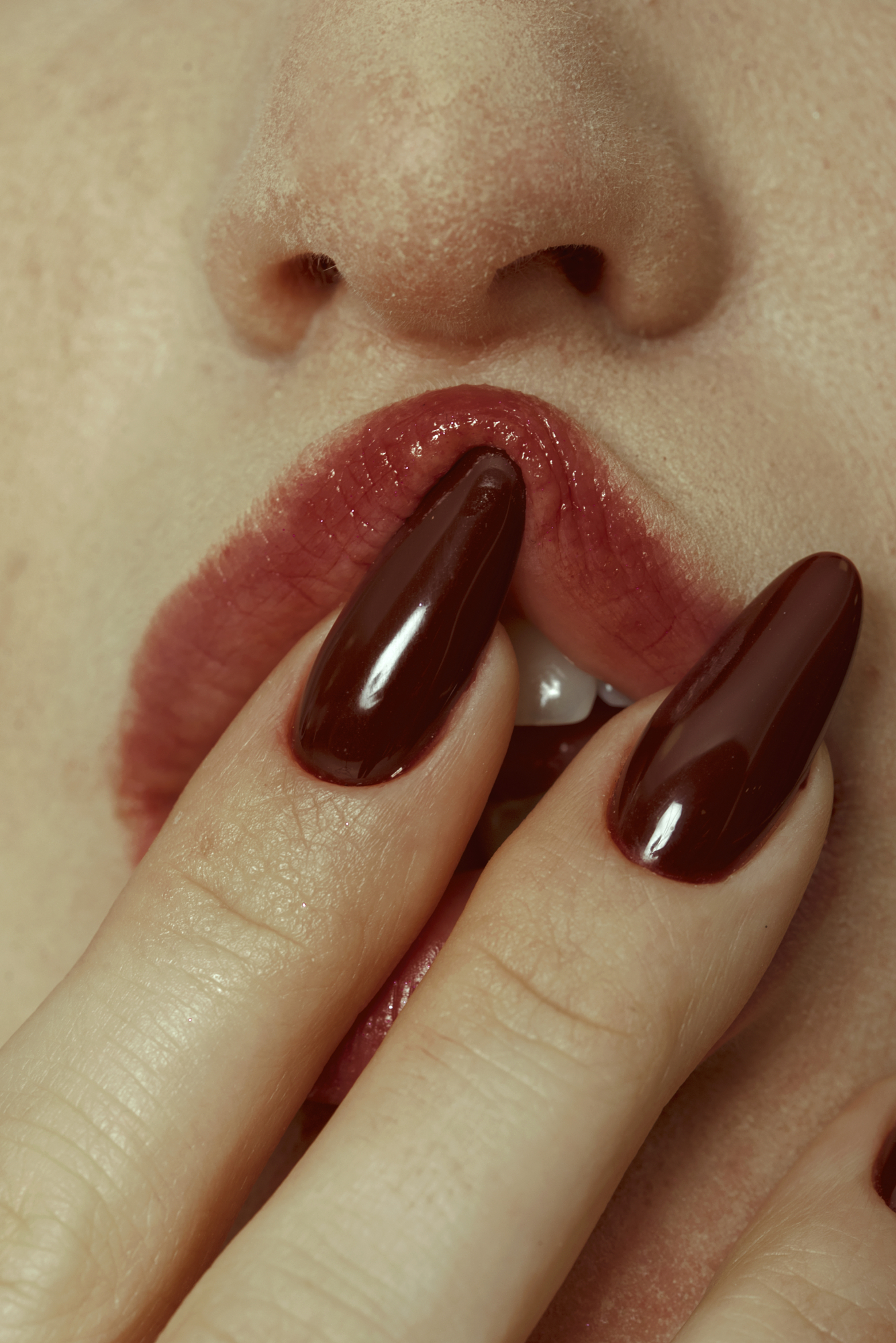
However, I believe it is nearly impossible to fully separate a photograph from the memories attached to it. A photograph isn’t just a technical file; it captures a distinct slice of time—who you were and who your subject was in that exact moment. That emotional weight is precisely what makes photography so powerful.
Lastly, to wrap things up, do you have any upcoming gallery showcases, editorial features, or portrait projects you’d like to share?
I’m currently focused on expanding my ongoing personal portrait series, exploring new painterly concepts in the studio. Stay tuned to my 500px and Instagram pages for upcoming series releases!
To see more of Micaela’s stunning work, visit her 500px Profile, and follow her on Instagram.