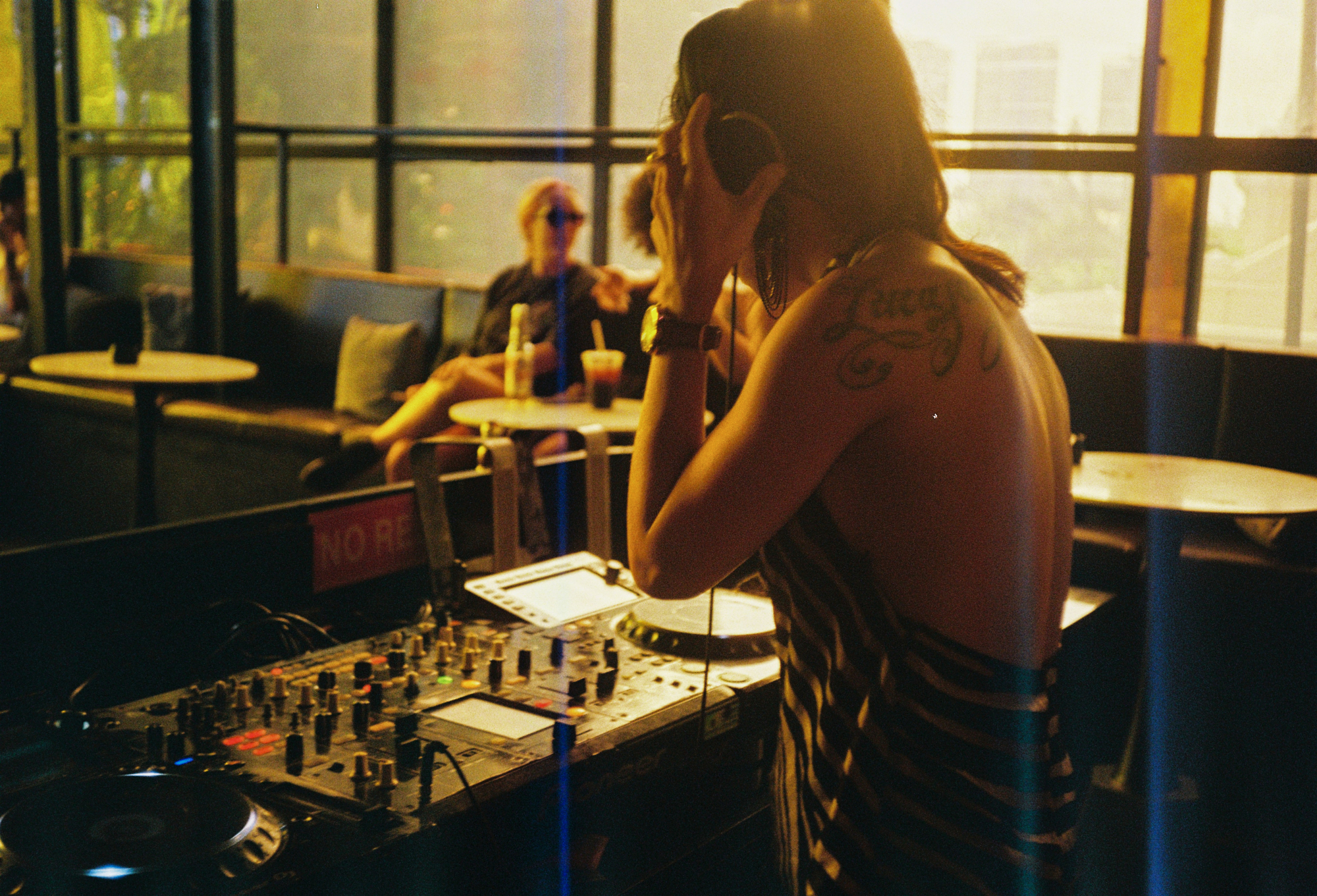
Katerina Shishkina captures the raw, unfiltered pulse of the night. Now based in Phnom Penh, she uses 35mm film to document local nightlife. Her work captures everything from electric energy to intimate, unscripted moments between friends. Her portfolio feels entirely authentic, rich with heavy grain, spontaneous flash, and the vibrant chaos of real life.
We sat down with Katerina to discuss her creative background, exploring Southeast Asia after dark, and why the unpredictable nature of analog film makes it the perfect medium for capturing genuine human connection.
To give us some context on your journey, could you tell us about your background and how you first found your way into photography? What was the initial spark that made you pick up an analog camera?
I always wanted to take photos, but I only became truly inspired after moving from Russia to Southeast Asia about three years ago. I felt an overwhelming urge to remember every single detail, every street, every night out, and every person I met. Photography quickly became the core way I experience new places and people. I started carrying a camera everywhere, never leaving the house without one.
Because I am naturally quite indecisive, I intentionally chose film over digital. Film completely removes the pressure of having to choose from hundreds of identical digital images; with film, I have a limited number of frames, so every single exposure matters. I also love the element of surprise when my film gets developed. Sometimes there are unexpected light leaks, double exposures, or multiple exposures that make every shot completely unique.
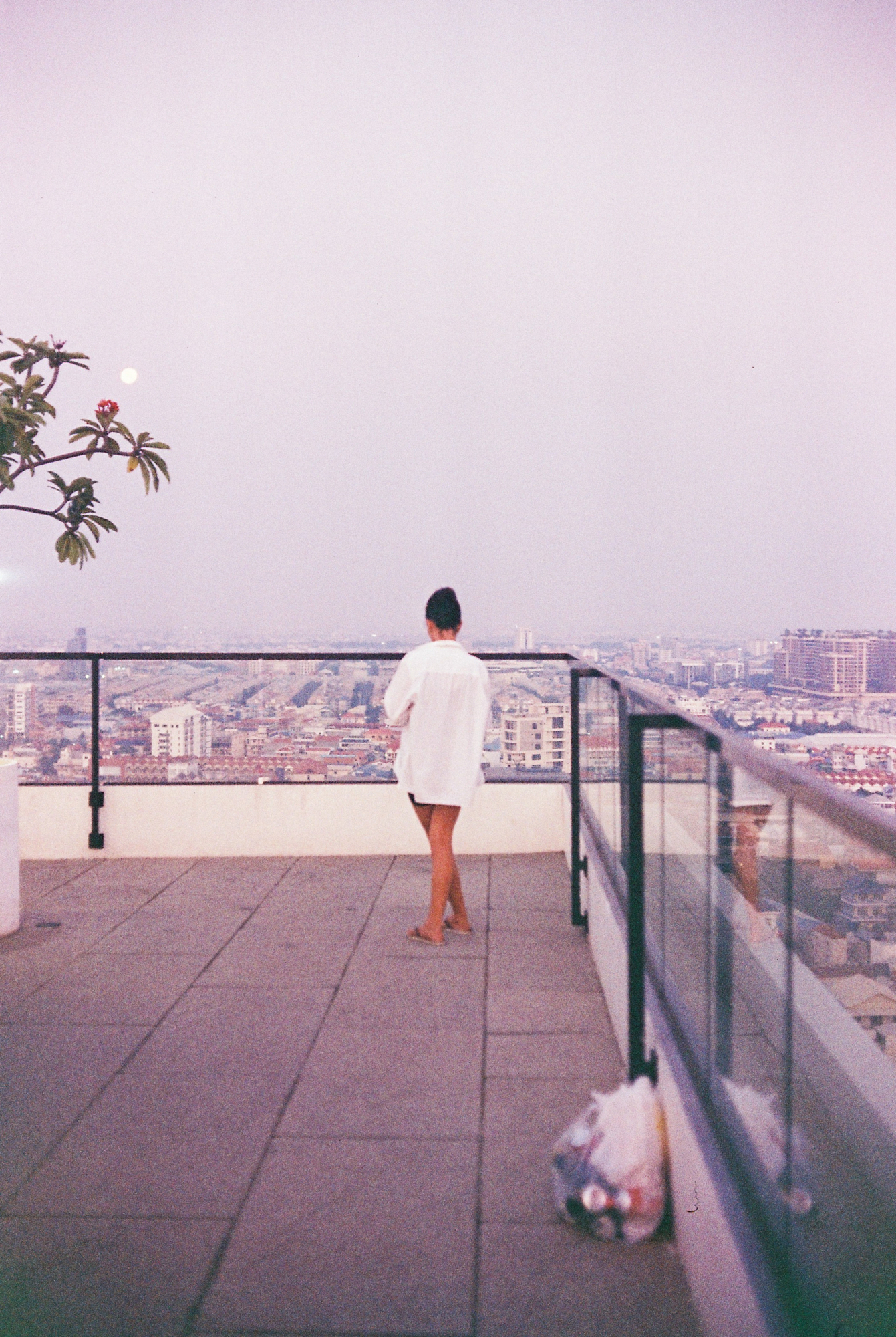
How has living in Phnom Penh influenced your visual style, and what specific elements of the city’s nightlife draw you in the most?
I’ve only been living in Phnom Penh for about a month, but I spent the last couple of years in Ho Chi Minh City. Regions in Vietnam like Ho Chi Minh, Da Nang, Nha Trang, and Da Lat have heavily influenced my visual style.
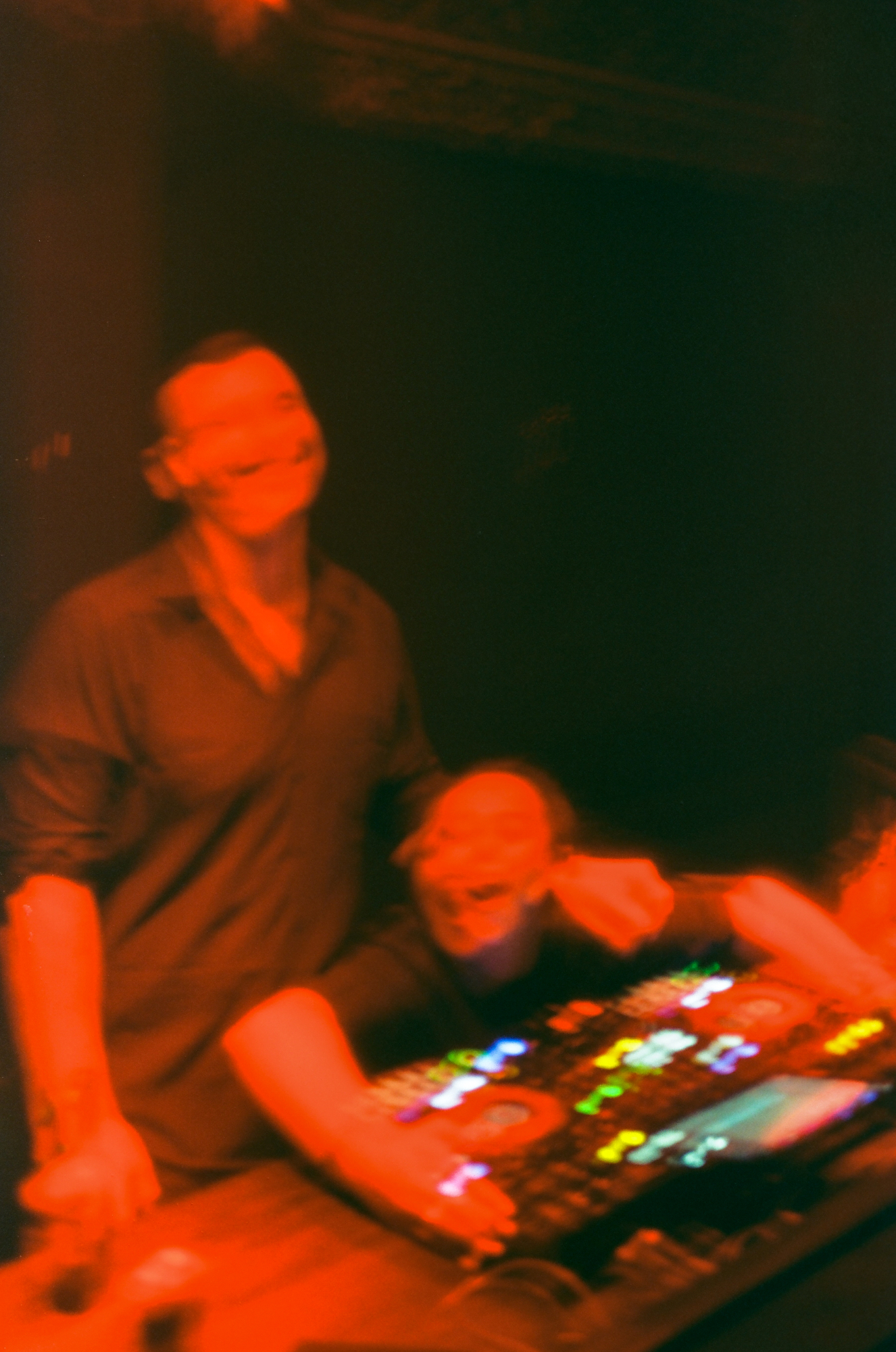
My primary inspiration and subjects have always been DJs and people at music events. I’m not drawn to the stage lights or the general atmosphere but to the people themselves because they are so deeply invested in what they’re doing. They aren’t trying to pose—they are fully present in the moment and completely in their element.
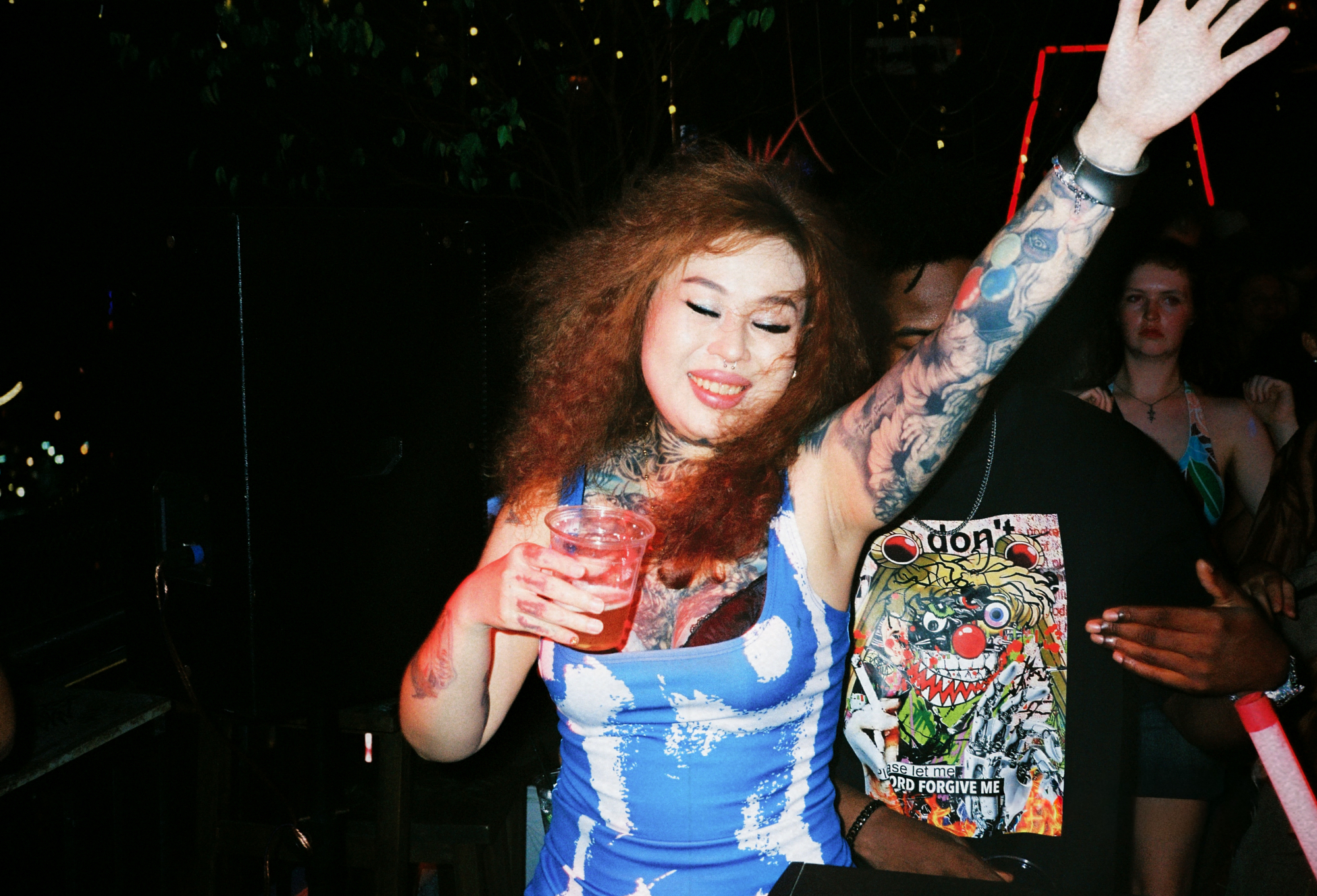
I love photographing people who are completely absorbed in what they love. That’s when their real inner side shows.
I always ask if they’re comfortable with me using a flash beforehand, but once they start DJing, they usually forget I’m even there. That’s exactly what I need to get a great shot. My goal isn’t to create a technically perfect portrait; it’s to capture a version of them that they don’t even realize they’re showing, but one that is incredibly beautiful.
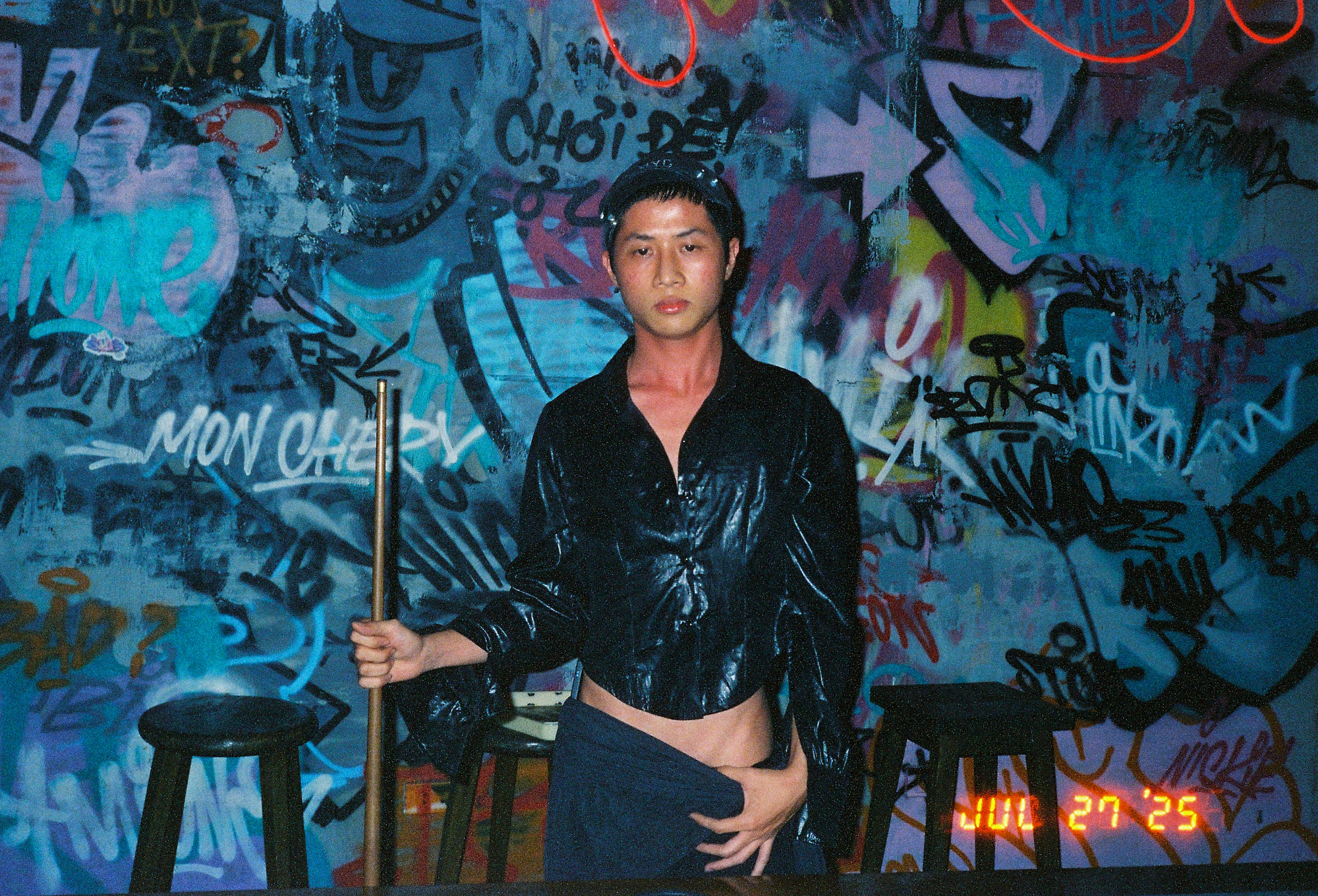
Night photography can be intimidating for analog shooters due to low-light limitations, yet your most kinetic work happens after dark. What is it about the grain and unpredictable textures of 35mm film that captures a night out better than a modern digital camera?
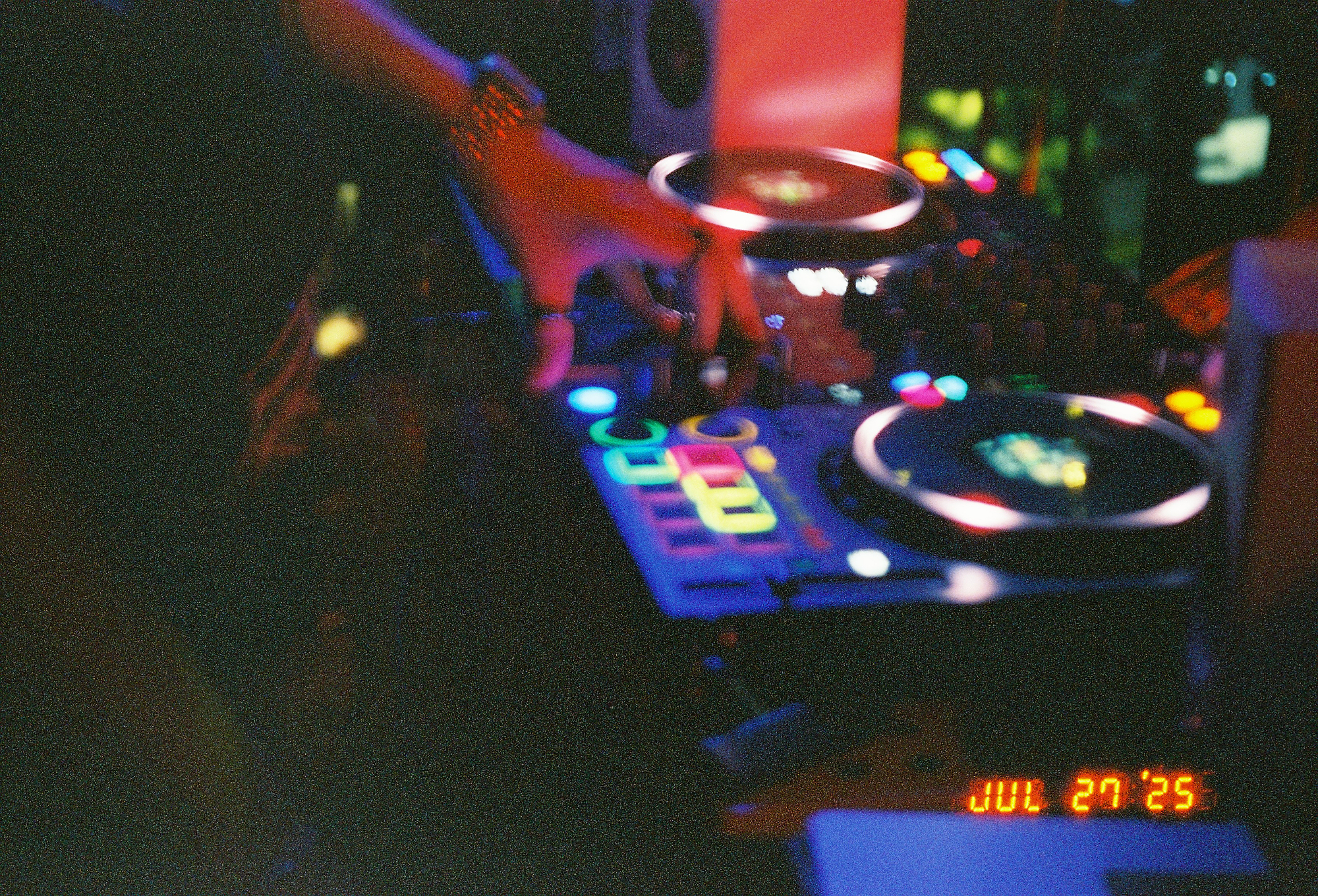
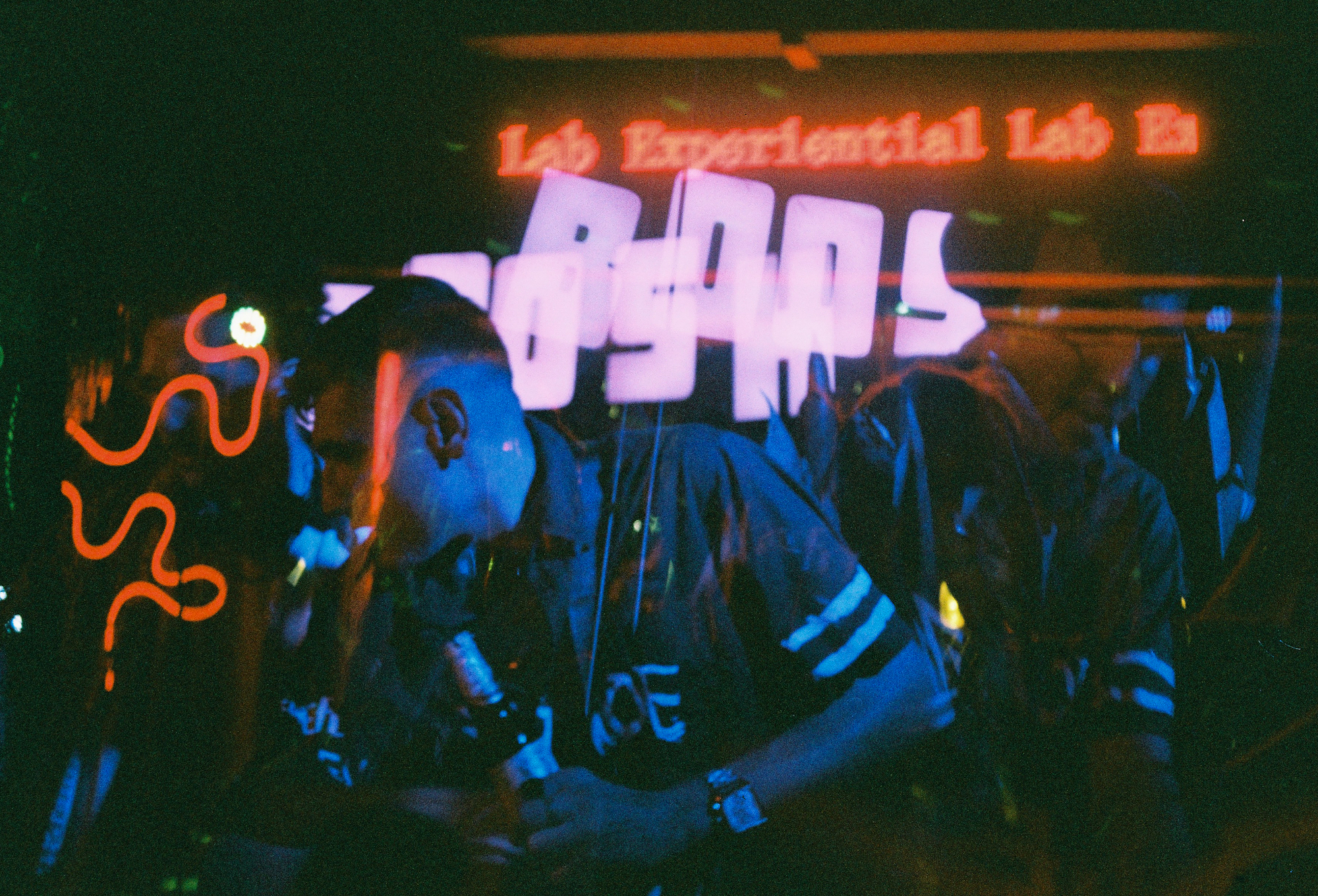
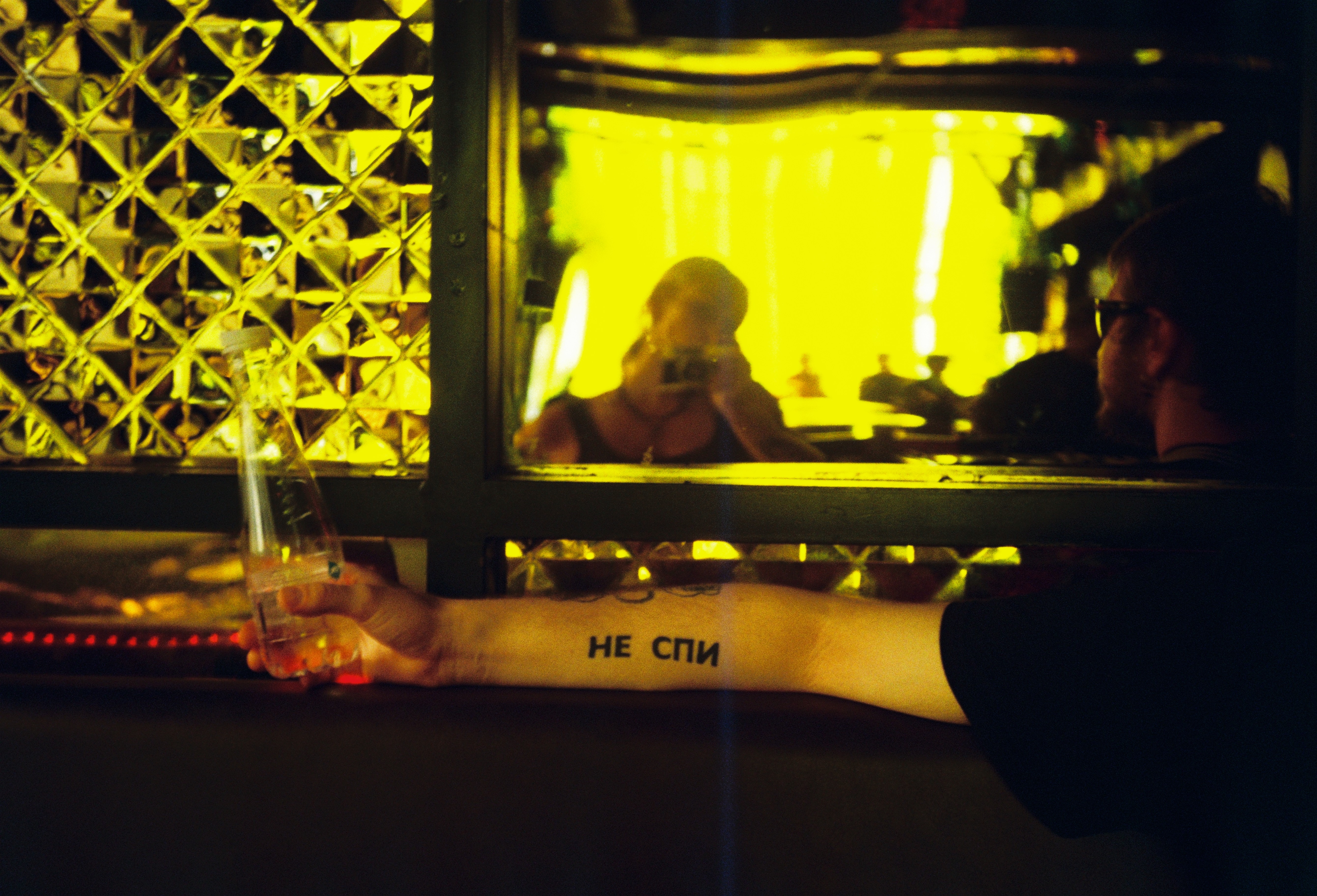
Every time I shoot at night, I get quite nervous about how the photos will turn out. Most of my favorite images are actually taken without a flash, so I rely entirely on whatever ambient light is already there, neon signs, stage lights, or the glow from the DJ decks.
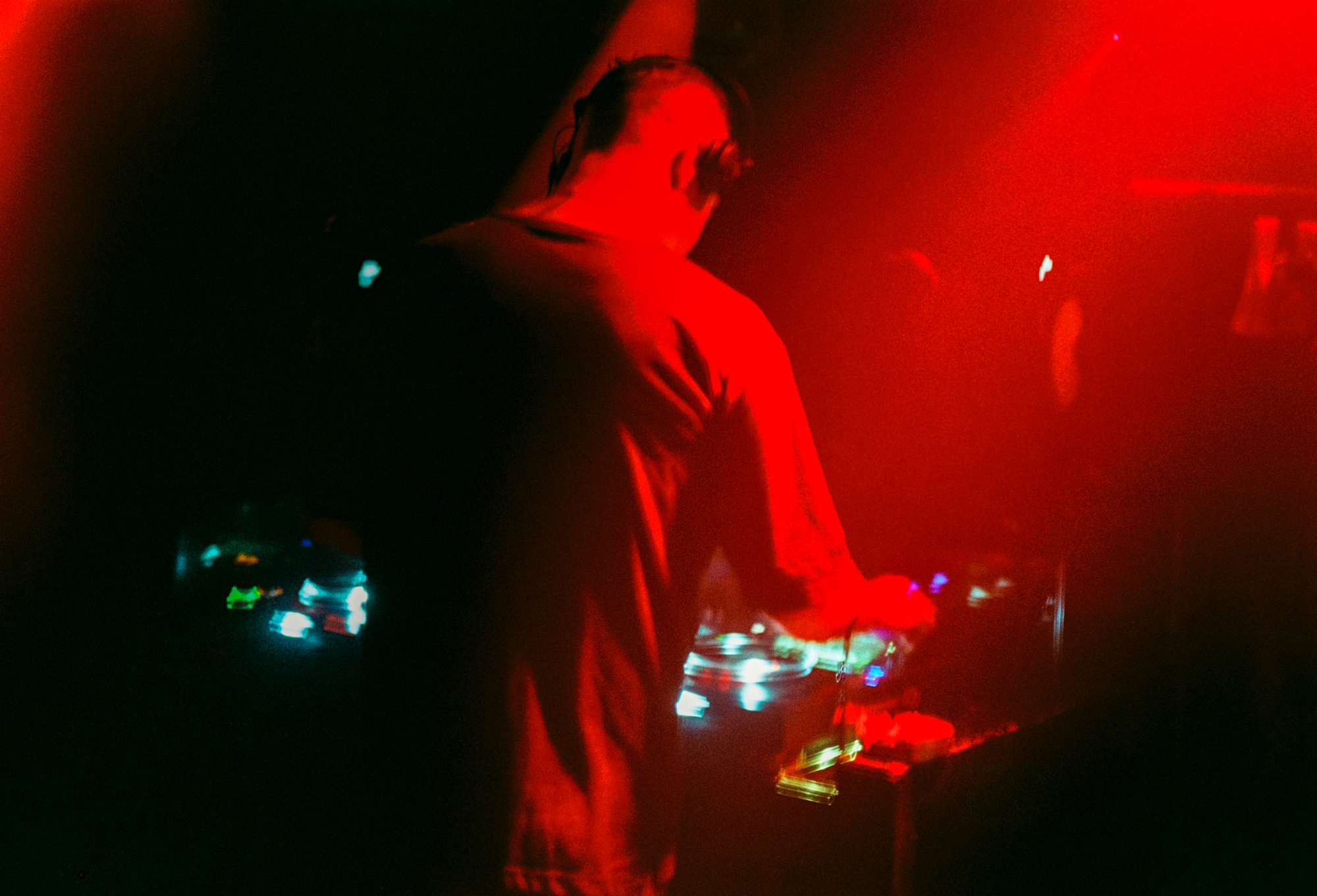
I actually enjoy not being in complete control. The motion blur, the heavy grain, the colors, and the way light falls on the film emulsion make the final image feel much closer to what the moment actually felt like. Quite often, the result is completely different from what I imagined, but I love that unpredictability. I think digital cameras simply record what happened, while film captures what it felt like.
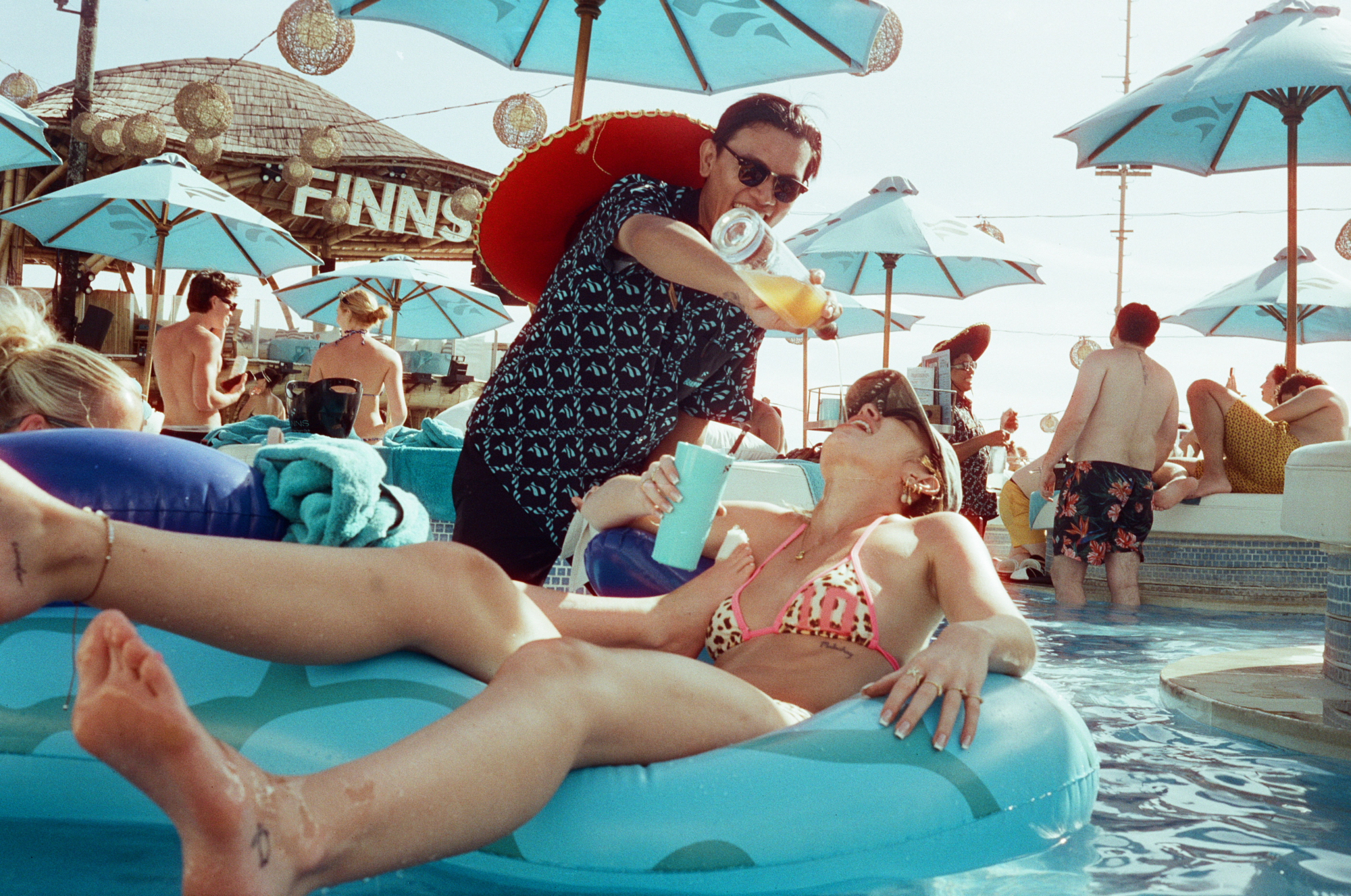
A lot of your photos focus on candid gatherings between friends, carrying a rare authenticity that feels like a private memory rather than a forced composition. What are you feeling in the moment that tells you it’s time to snap the shutter?
I press the shutter the moment I see someone being completely natural and real, with absolutely no expectation of being photographed. When people notice a camera, they often start posing or become shy.”I crack a few jokes to help them relax and encourage them to keep going. However, sometimes that perfect, fleeting moment vanishes quickly. Once they forget I’m there again, I’m ready to take the shot!
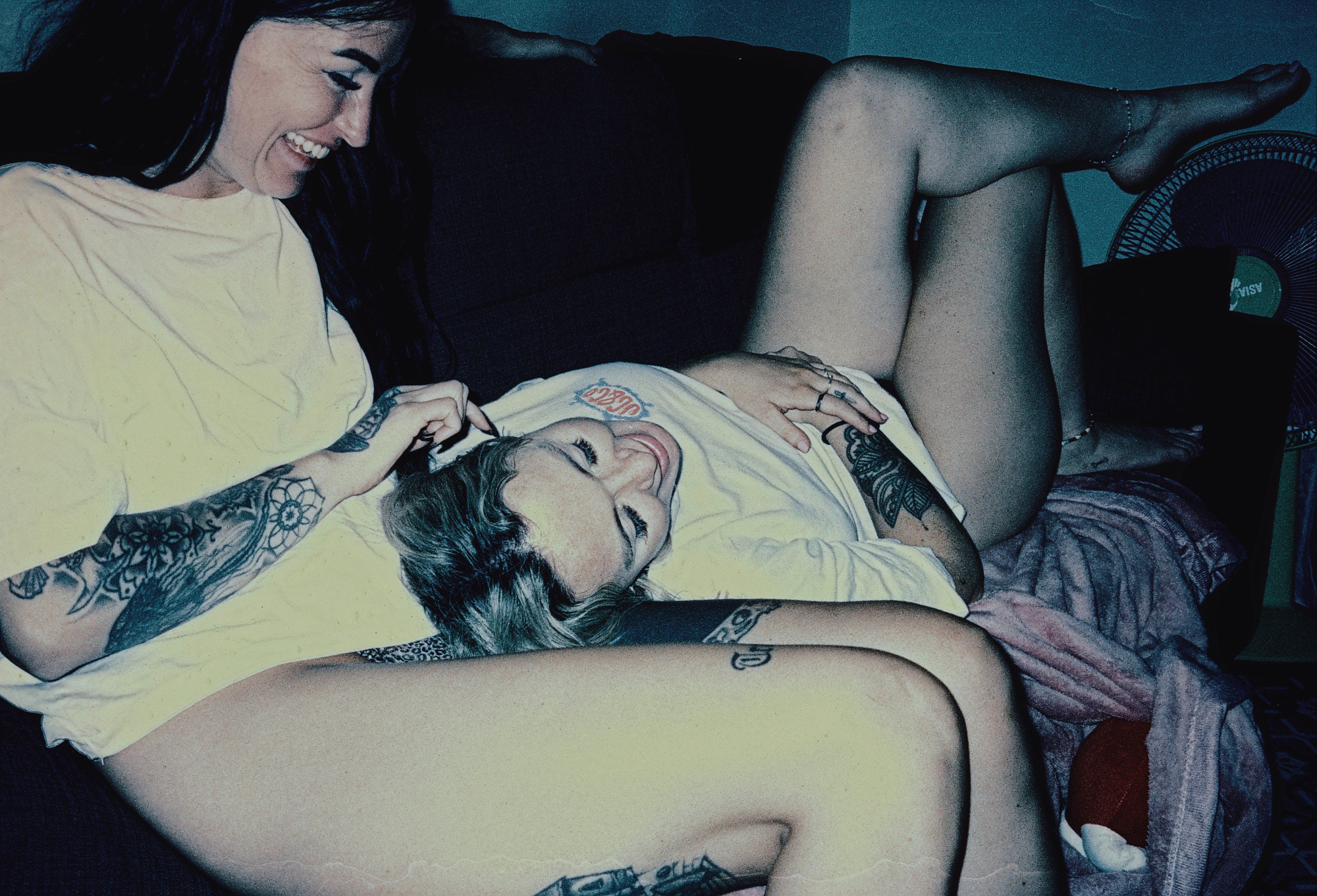
I love photographing people when they are fully lost in what they love, whether it’s playing music, talking to friends, laughing, dancing, or just being. That’s when I feel I can truly see them and capture the kind of unvarnished beauty people don’t realize they possess. It’s my way of showing that beauty back to them.
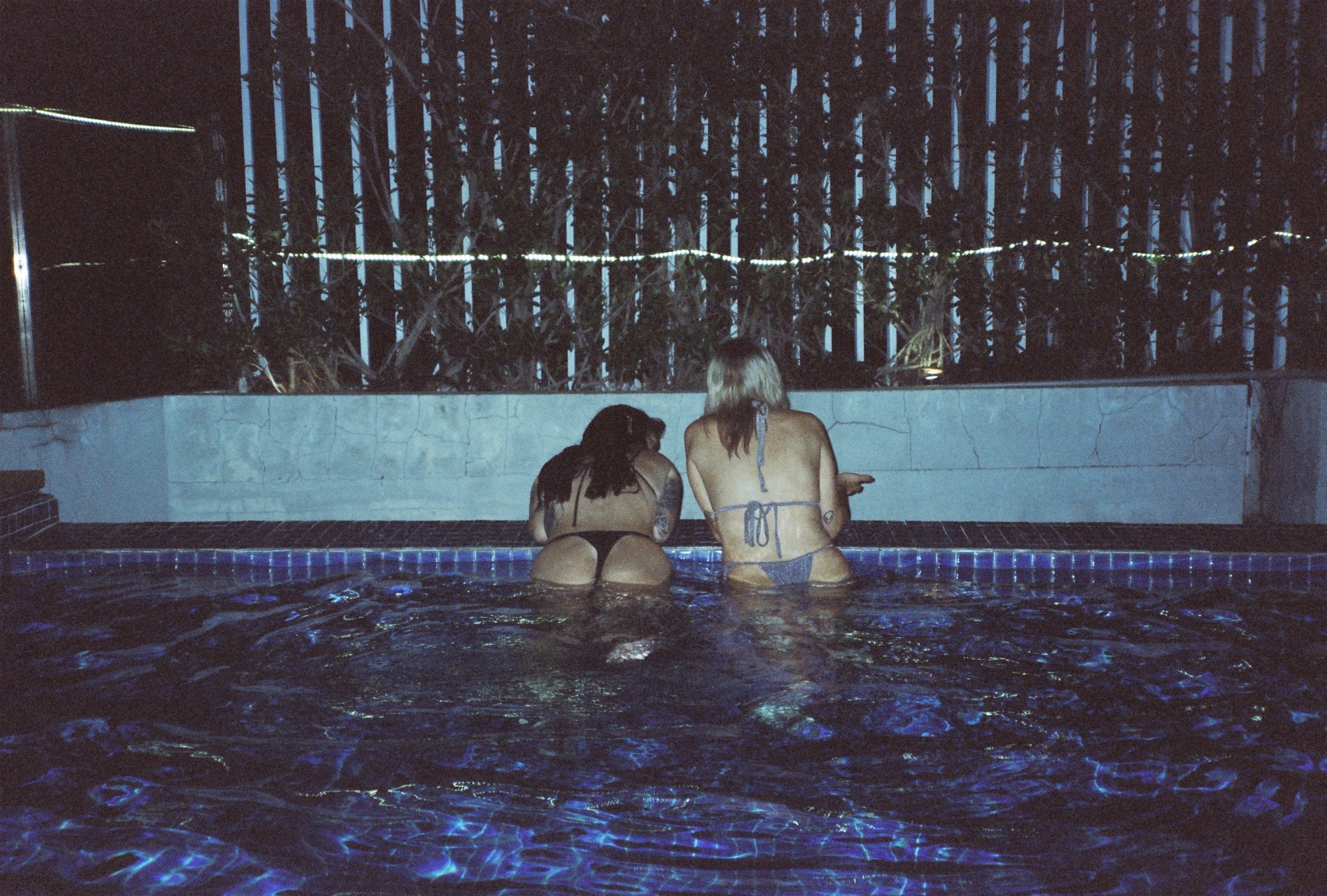
In fact, I don’t post many of my favorite images on social media. I send them directly to the people in the frame because I want them to see how naturally beautiful they are when they are just being themselves.
What is your absolute favorite photo that you’ve shot, and what is the story behind it?
My favorite photo isn’t my most popular one, but it means the world to me. It’s a photograph of my friend in a wheelchair with the words ‘Drum & Bass’ spanning the back.
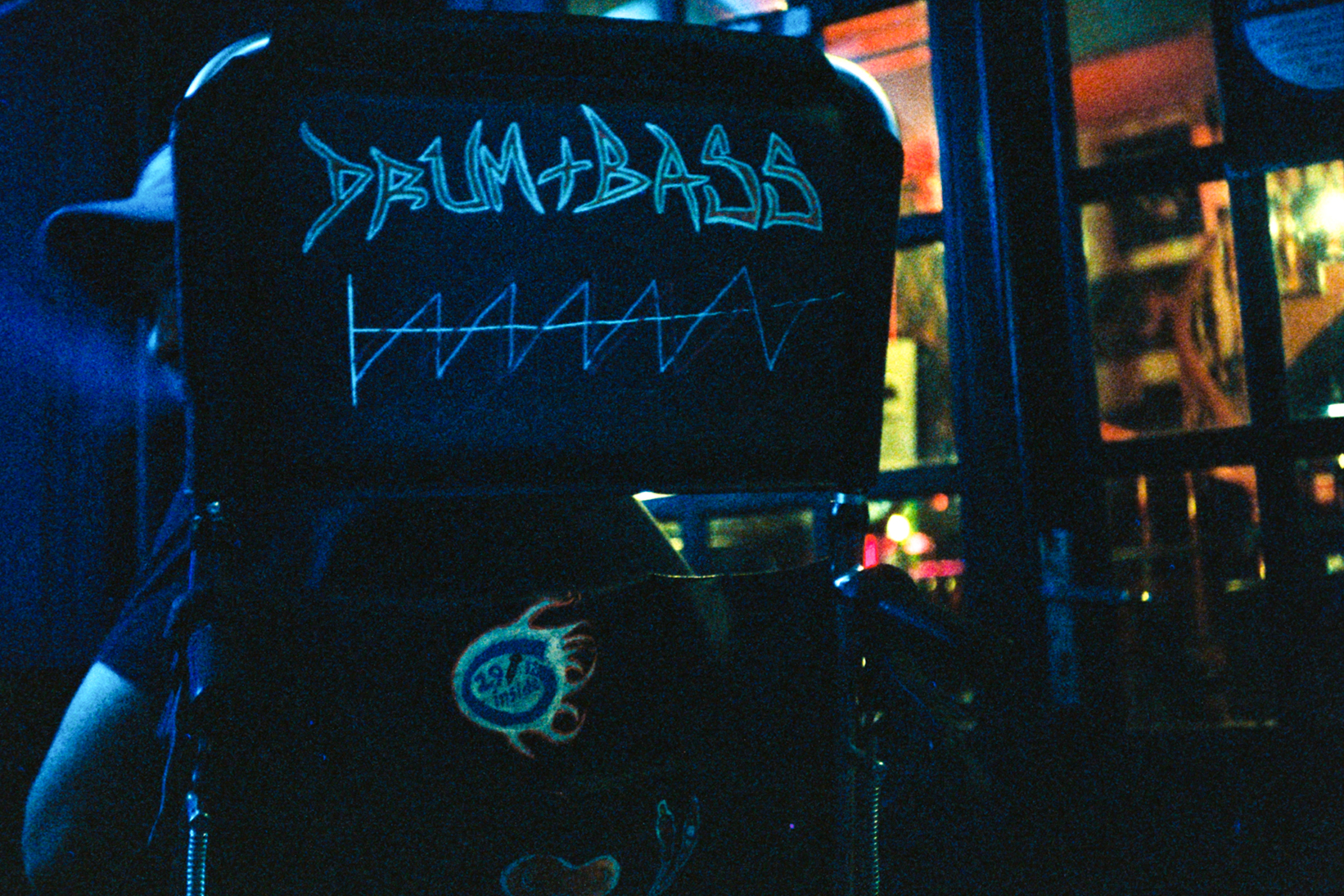
A few months prior, I witnessed the accident that left him unable to walk. My friend and I rushed him to the hospital, so we went through that entire traumatic experience together. Despite everything, during his recovery process, he made it a point to come back out to a drum & bass event in his wheelchair! Seeing his determination, our friends painted “Drum & Bass” across the back of his chair, turning it into a symbol of everything he loved and was determined to return to.
When I look at that photo, I don’t see a person tied to a wheelchair. I see resilience, deep friendship, and a person refusing to give up on what they love. That is why it will always be my favorite photo.
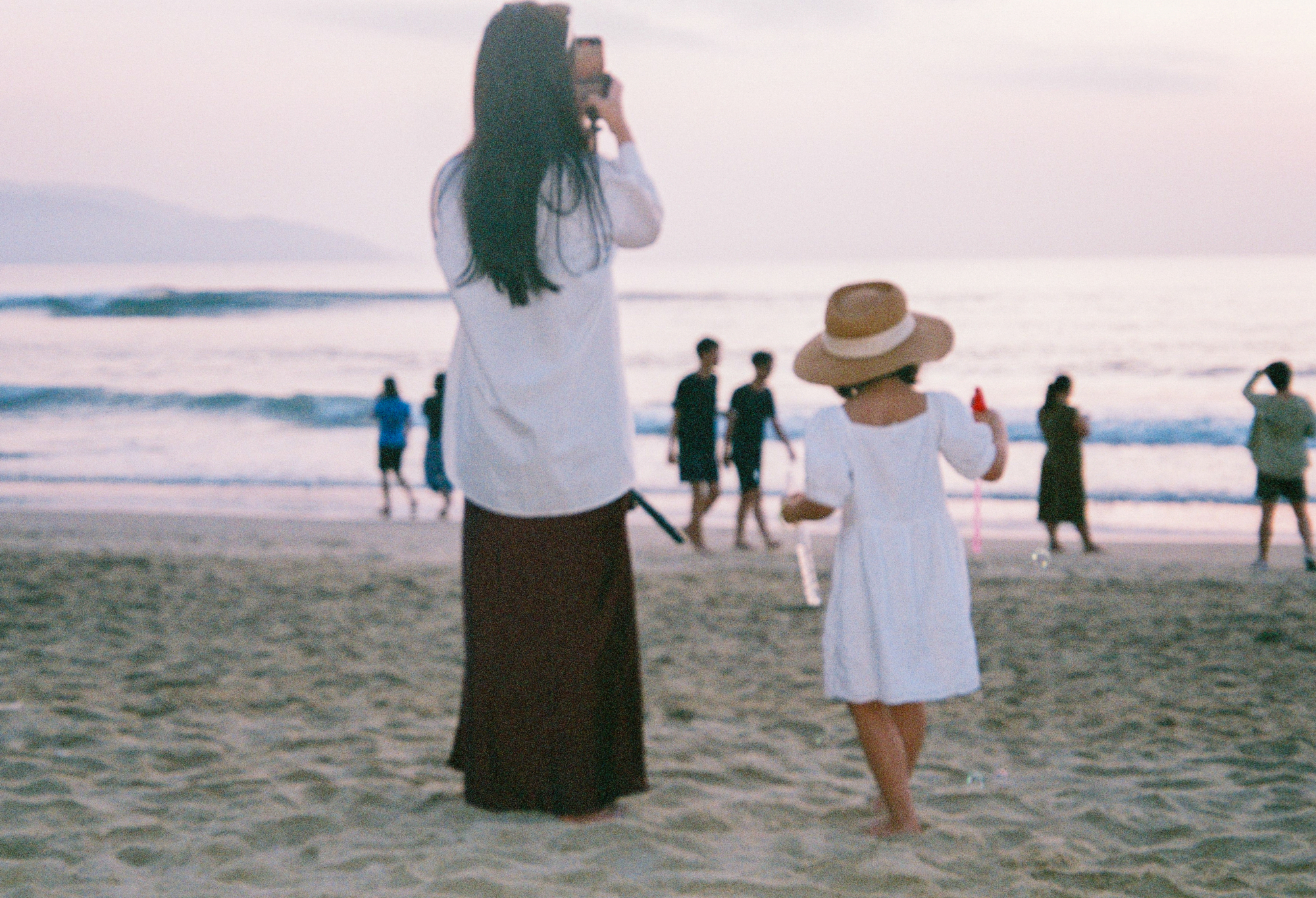
There is an inherent sense of nostalgia built into 35mm film, especially when documenting travel. When you are exploring new environments, how do you distinguish between a superficial tourist sight and a deeper, more meaningful human story worth preserving?
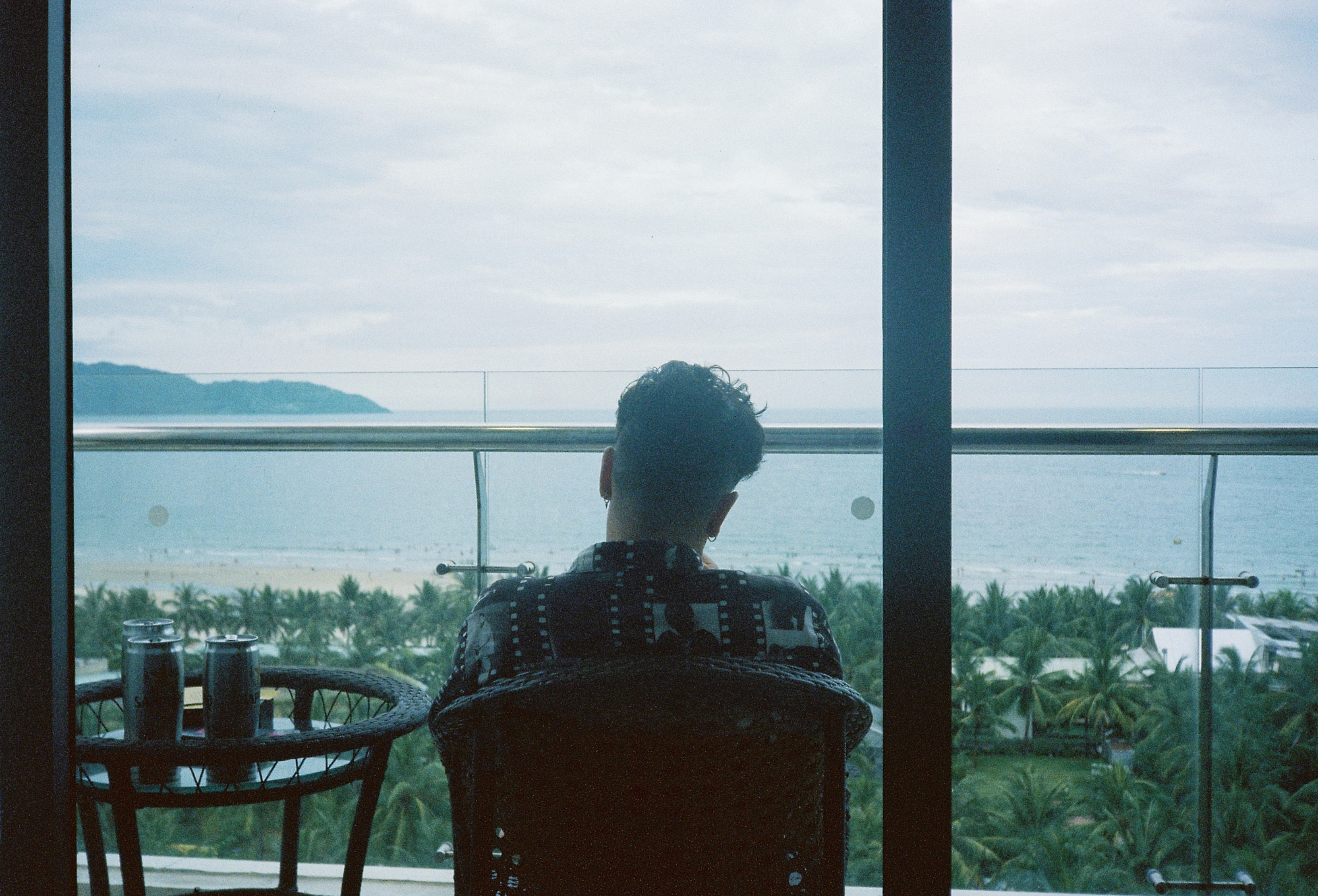
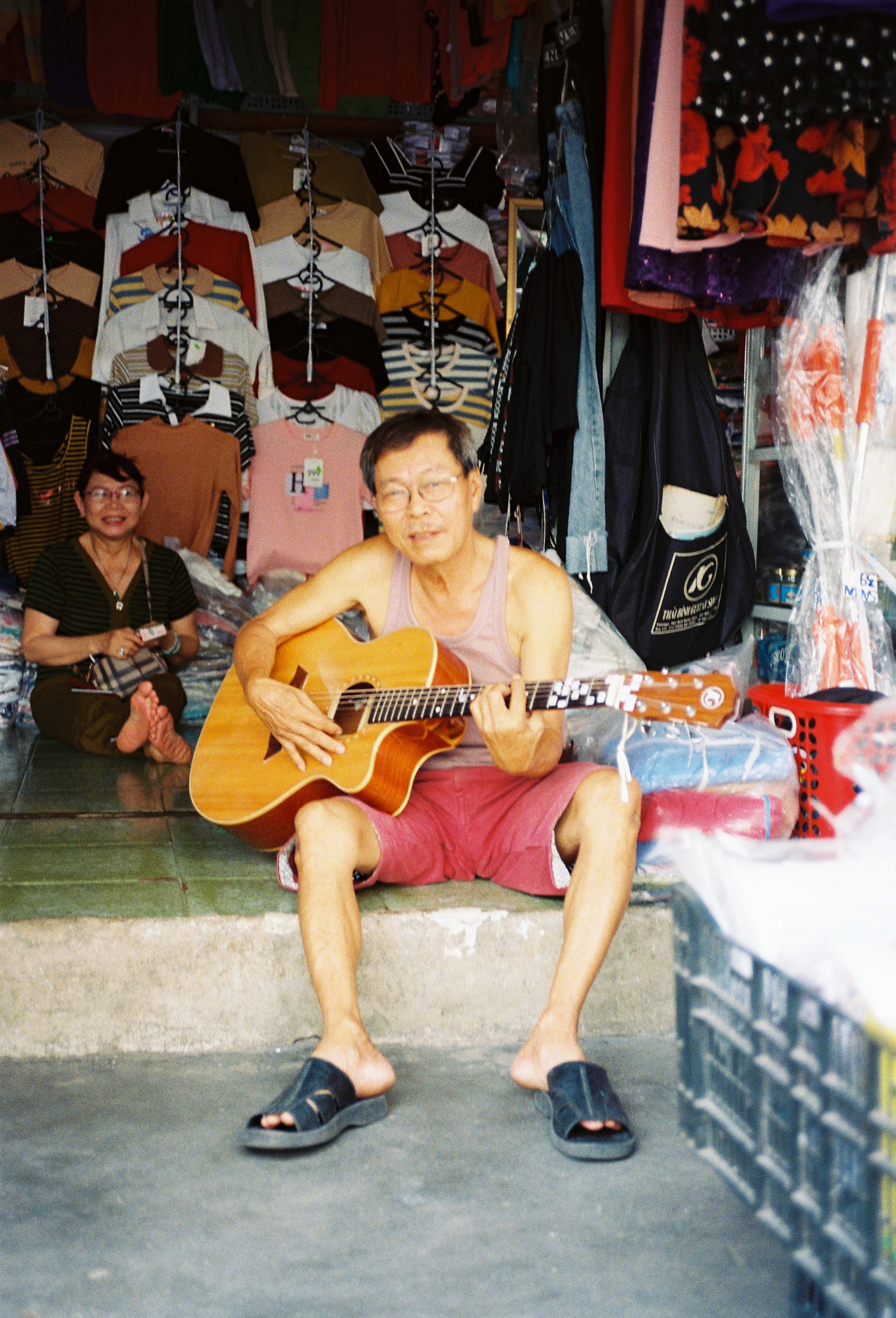
To be honest, I’m rarely interested in photographing famous landmarks or classical architecture on its own. I am much more drawn to people, graffiti, small details, and the subtle traces of everyday life.
I’m not looking for postcard-perfect views; I’m looking for moments that feel real—someone sharing a laugh with friends, making silly faces, a musician playing on the street, or a child building a sandcastle. I just wait for a moment that will later evoke the exact emotion I felt when I captured it. A photo becomes meaningful to me when it captures a feeling rather than just a location. I’d always rather remember the people I met than the buildings I visited.
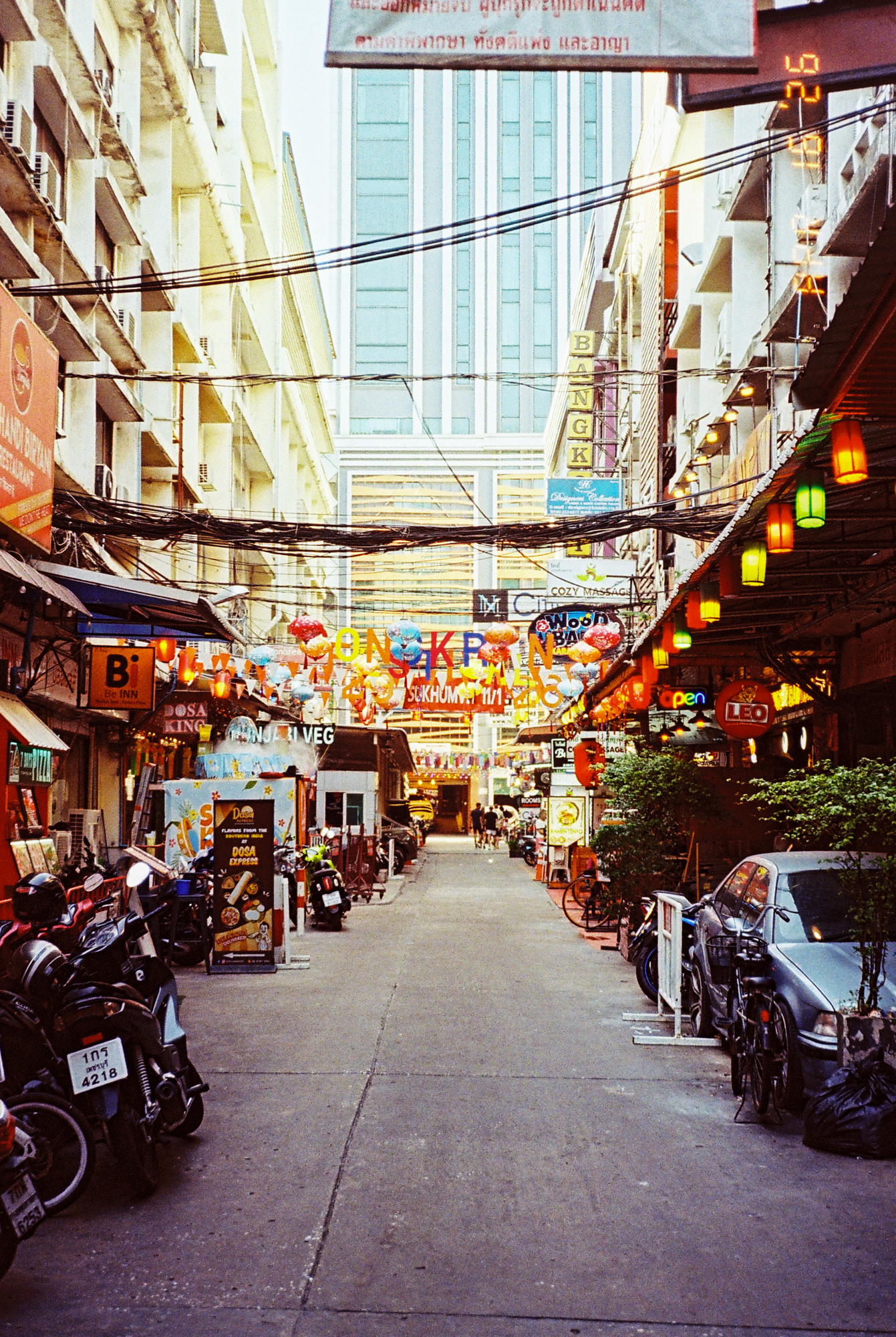
Shooting analog means losing the instant gratification of checking a digital screen. How does that forced delay affect your creative instincts in the moment, and does the anticipation change how you view your photos once the lab develops them?
Really, it’s a massive blessing that I can’t see the photos straight away. It keeps me completely locked into the present moment instead of checking a screen after every single shot.
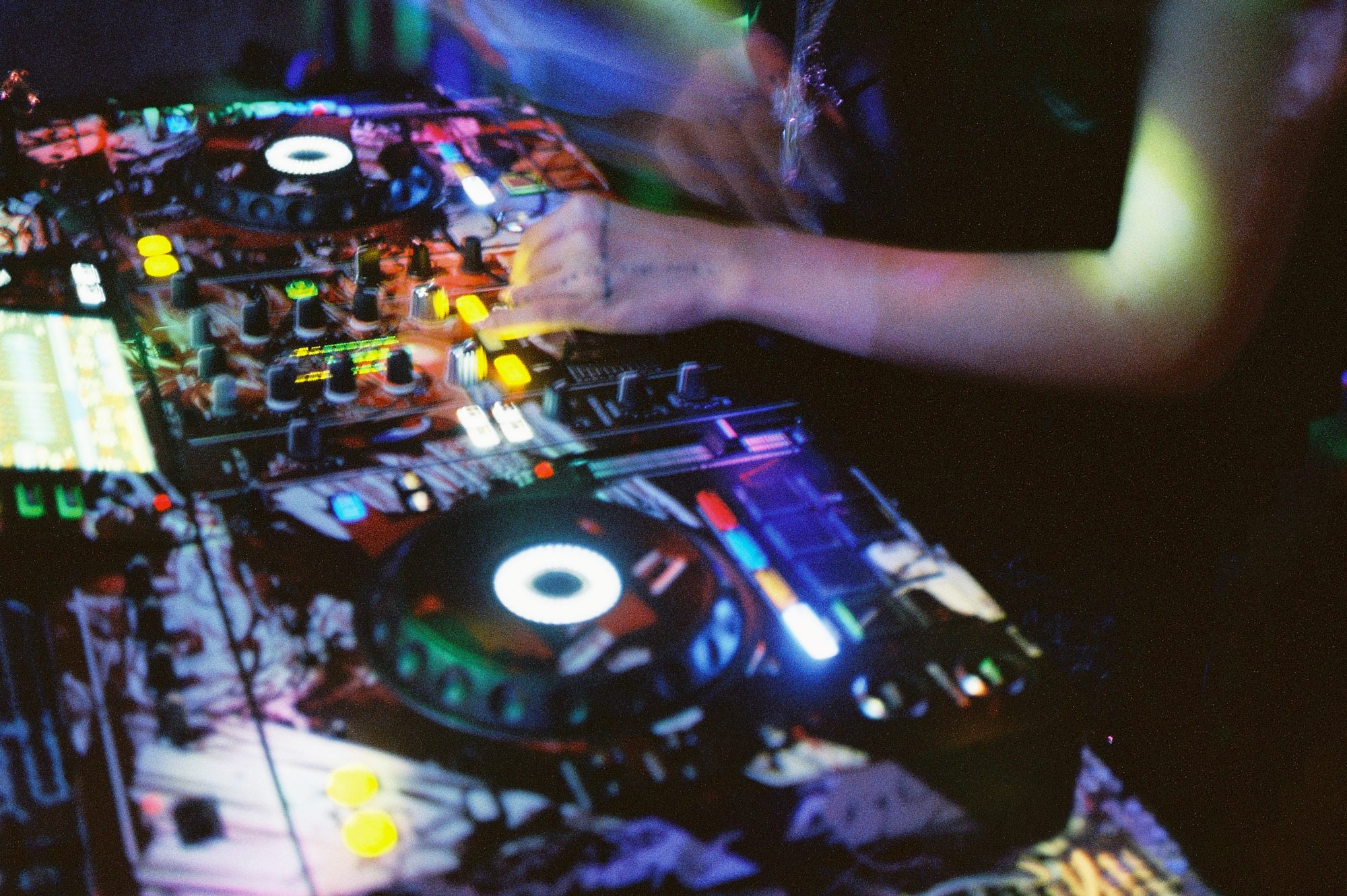
I am always incredibly excited for the moment my film is finally developed. One of my long-term goals is to build a small darkroom at home so I can develop and scan my rolls myself, which will make the process feel even more personal. But for now, my favorite moment is getting that email from the lab with the link to my scans.
I still get butterflies every single time! The second that email hits my inbox, I drop everything and open the folder. I’ll sit right wherever I am, looking through every single frame, analyzing what worked and what didn’t, and enjoying those moments all over again.
I’m actually terrible at waiting to develop film. As soon as I finish a roll, I run straight to the lab. If I’ve been shooting a late-night music event, I won’t even go home to sleep—I’ll wait until the lab opens in the morning, drop the film off, and only then go home to rest. The anticipation makes seeing the final photos so much more rewarding.
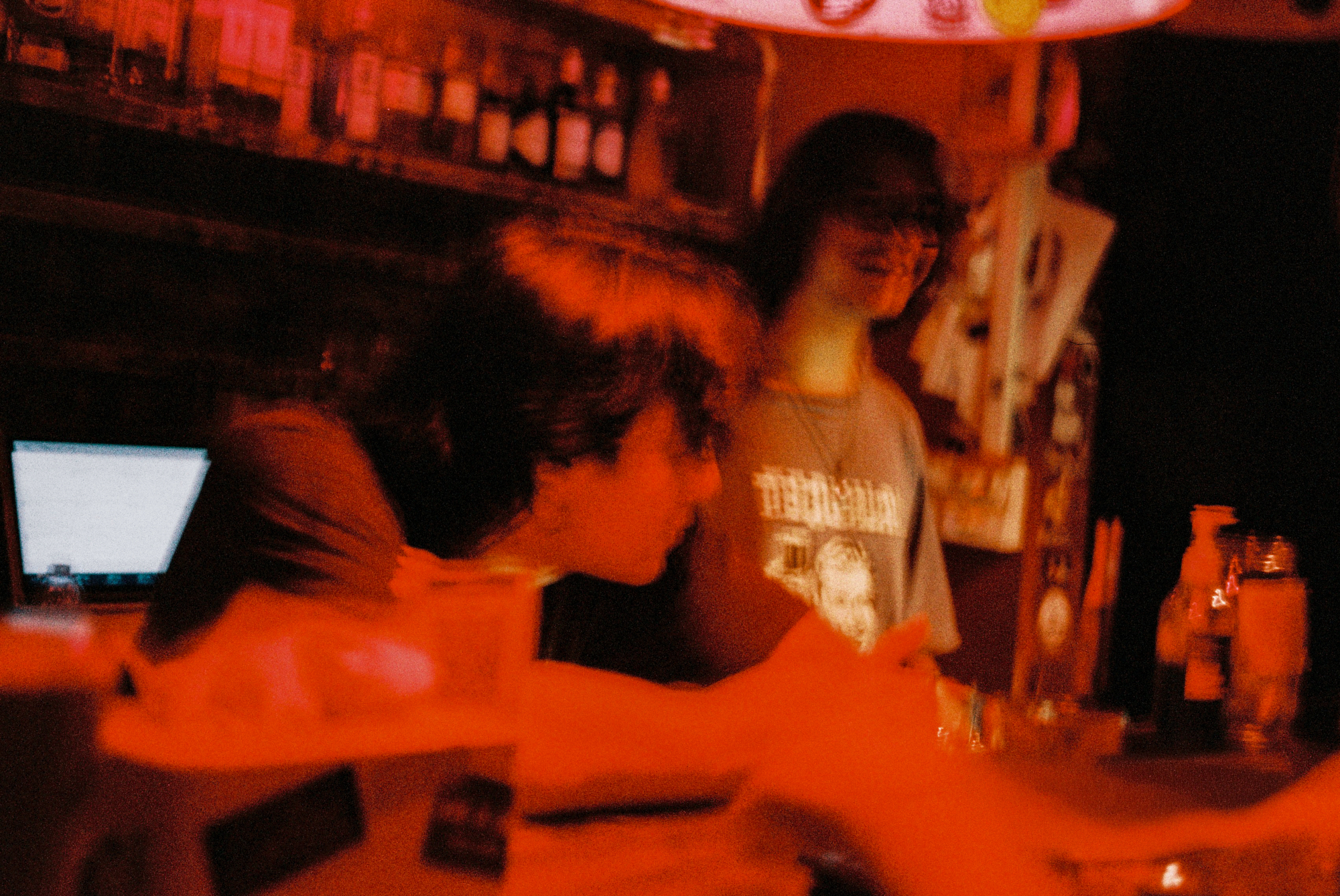
Your portfolio beautifully embraces traditional “imperfections”—motion blur, harsh flash, and heavy grain—to elevate the narrative. Why do you think modern audiences are craving this raw, relatable naturalism over the hyper-curated, pristine digital content dominating social media today?
To be honest, I’m only just realizing now that my film photos resonate with other people, and it completely surprises me. Photography has always been deeply personal to me. I rarely shared my work, and when I did, it was usually just mixed into everyday snapshots on my personal profile.
I only started posting on dedicated photography platforms a few months ago because I wanted to join those communities, appreciate other artists’ work, and quietly share my own. Originally, I never planned to put myself out there. In fact, I only created a separate photography Instagram account a few days ago specifically because of this interview!
This interview is such an unexpected and meaningful experience for me. It’s the first time I’ve ever openly talked about the stories behind my photographs and what they mean to me. I never imagined people would be interested. Maybe viewers see something in those raw moments that reminds them of their own memories? I don’t know the exact answer, but knowing someone connects with my photos definitely inspires me to keep shooting and improving my skills.
One of our previous featured photographers, Masahiro Miyagi, left a question for you: “It can be difficult yet important to view everyday subjects with fresh eyes. What is your secret, or what specific routines do you practice, to stay inspired and maintain a fresh visual perspective?”
I don’t really have a secret routine; I just never leave the house without my camera. It is always with me, even if I’m just running to the shop or stepping outside for ten minutes; it has become an extension of who I am. Because of that, I never feel the pressure to go out specifically “looking” for photos to take. I just stay curious and pay attention to what’s unfolding around me.
So many special things are hidden right inside our everyday routines. Quite often, I’ll witness something ordinary and think, “This moment is completely unique, these people are unique. I need to photograph it.”
There was a recent period when I couldn’t take photos for about three weeks. It was during that time that I truly realized how vital photography is to my life. I kept noticing beautiful little moments everywhere and constantly thinking, “I wish I had my camera.” It felt frustrating, like watching magic moments disappear without being able to keep them. That’s why my camera is always by my side. It’s how I experience life—like a visual diary that I’m constantly adding to, one moment at a time.
To wrap things up, do you have any upcoming trips or projects that you are excited to share with our readers?
Photography has never felt like a structured “project” to me, so I don’t have any formal projects planned. It’s just a daily part of my life. However, my immediate personal goal is to start developing and scanning my own film rolls.
My biggest overarching goal is simply to stop keeping my photography to myself. For a long time, the only people who ever saw my photos were the people who were actually in them. This interview really encouraged me to create an Instagram account dedicated to my photography. I’m excited to start sharing not just the images but also the rich human stories behind them. I’m incredibly excited to see where this journey takes me.
You can explore more of Katerina Shishkina’s incredible analog work by visiting her 500px Portfolio and following her updates on her new photography Instagram account, @nightkatnegative.