Fabrizio Casale is a photographer who finds a specific harmony between the imposing scale of mountain peaks and the delicate, fleeting details of alpine flora. His work is characterized by a high degree of technical clarity and a clear reverence for the natural world. Rather than simply documenting a location, he looks for the perspectives that capture the rich colors, elegance, and natural flow of different landscapes. We spoke with Fabrizio about his origins in the field, his approach to the diverse scales of nature, and the discipline required to capture the high-altitude wilderness.
Fabrizio, to get started, could you tell us about your personal history with photography and how you’ve evolved into your current professional path?
My journey with photography didn’t begin with a camera in my hand but rather in front of a screen. Since I was a child, I’ve always been deeply drawn to nature documentaries; I watched them incessantly. To me, they weren’t just television programs; they were portals that allowed my mind to travel, experiencing sights and sensations of remote places I could only dream of at the time.
That visual curiosity turned into action as soon as I gained the independence to start travelling. Like many, I began by documenting my first trips for purely sentimental reasons: I wanted to capture memories to show my family back home, sharing a small piece of my wonder with them.
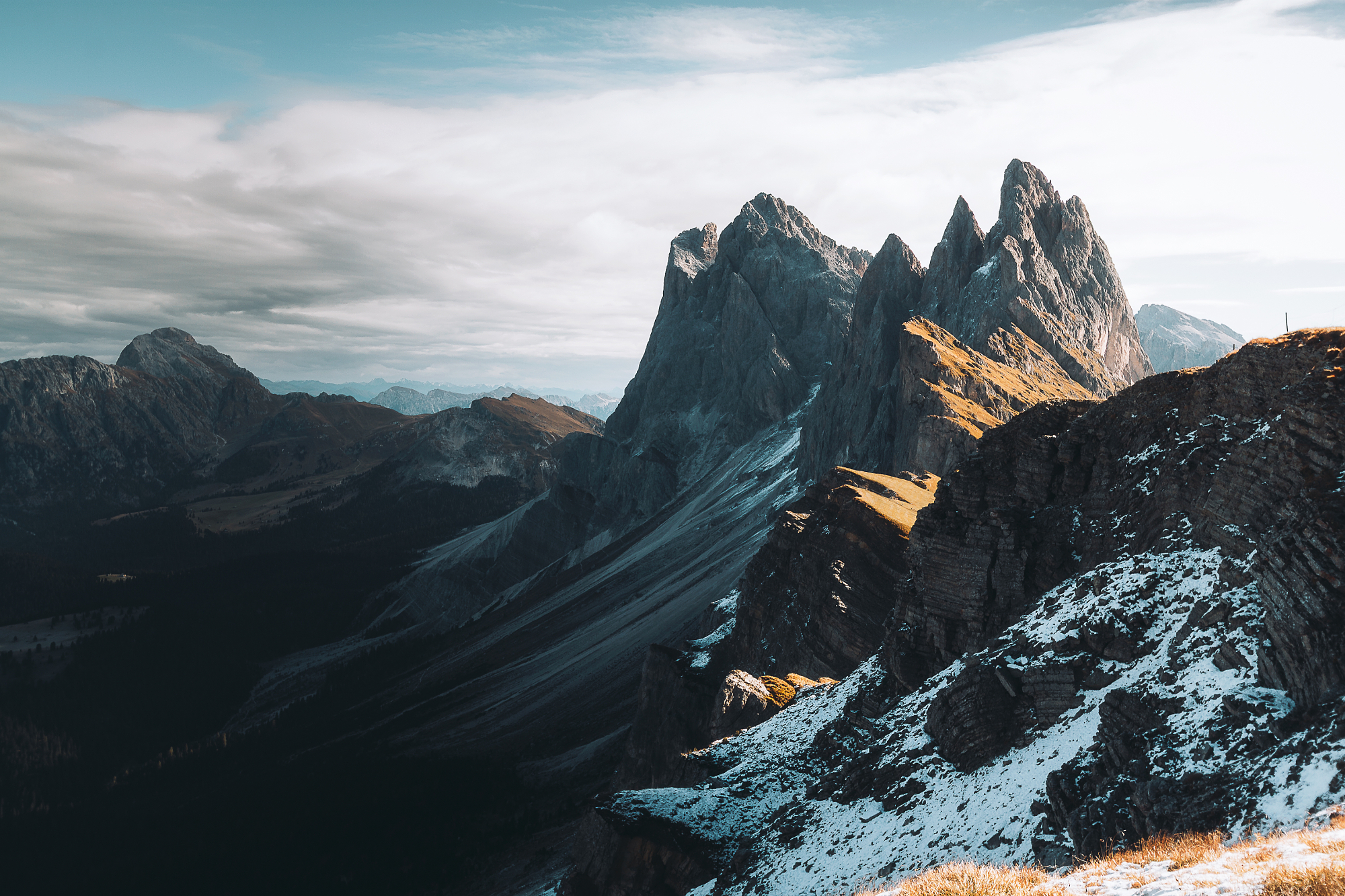
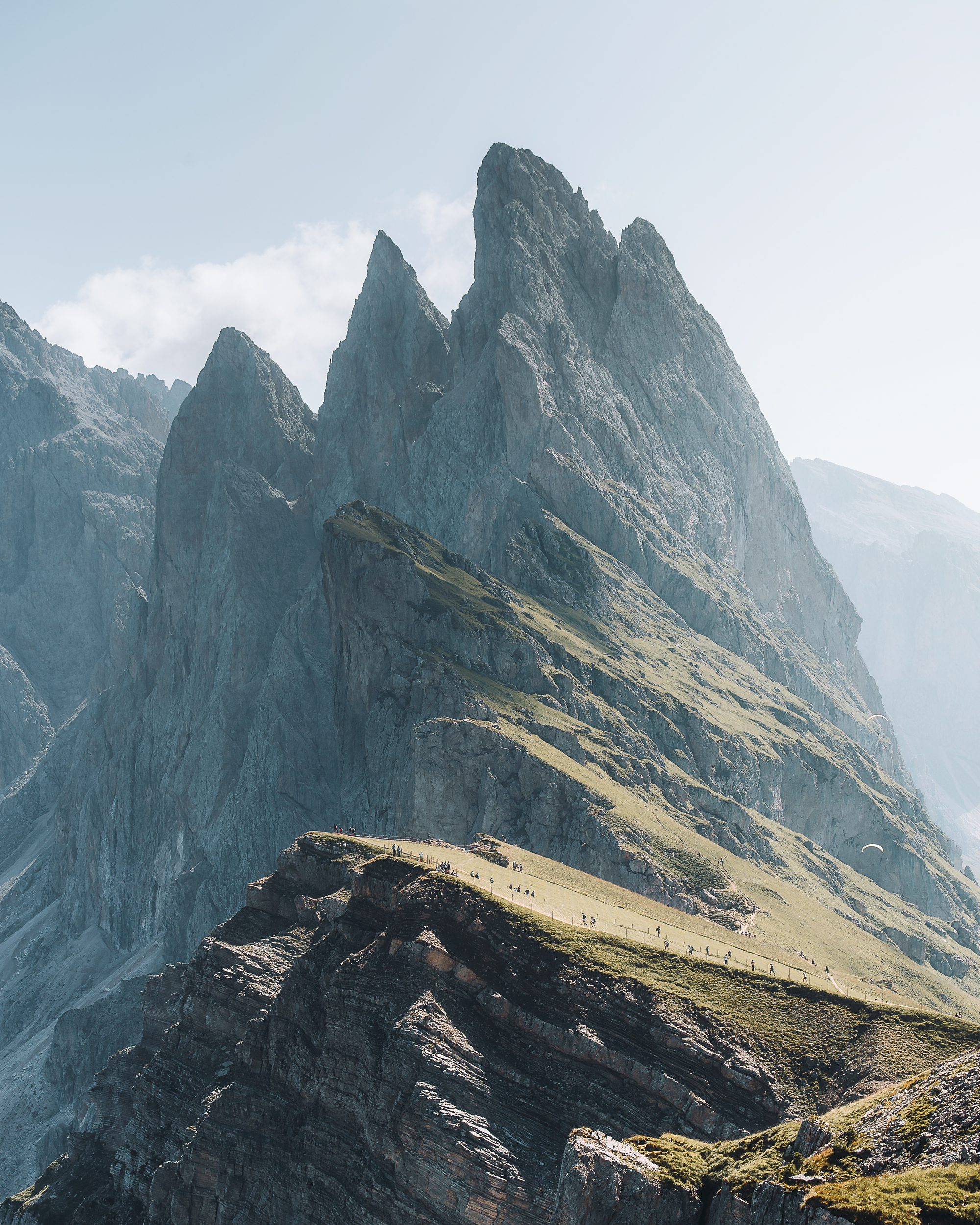
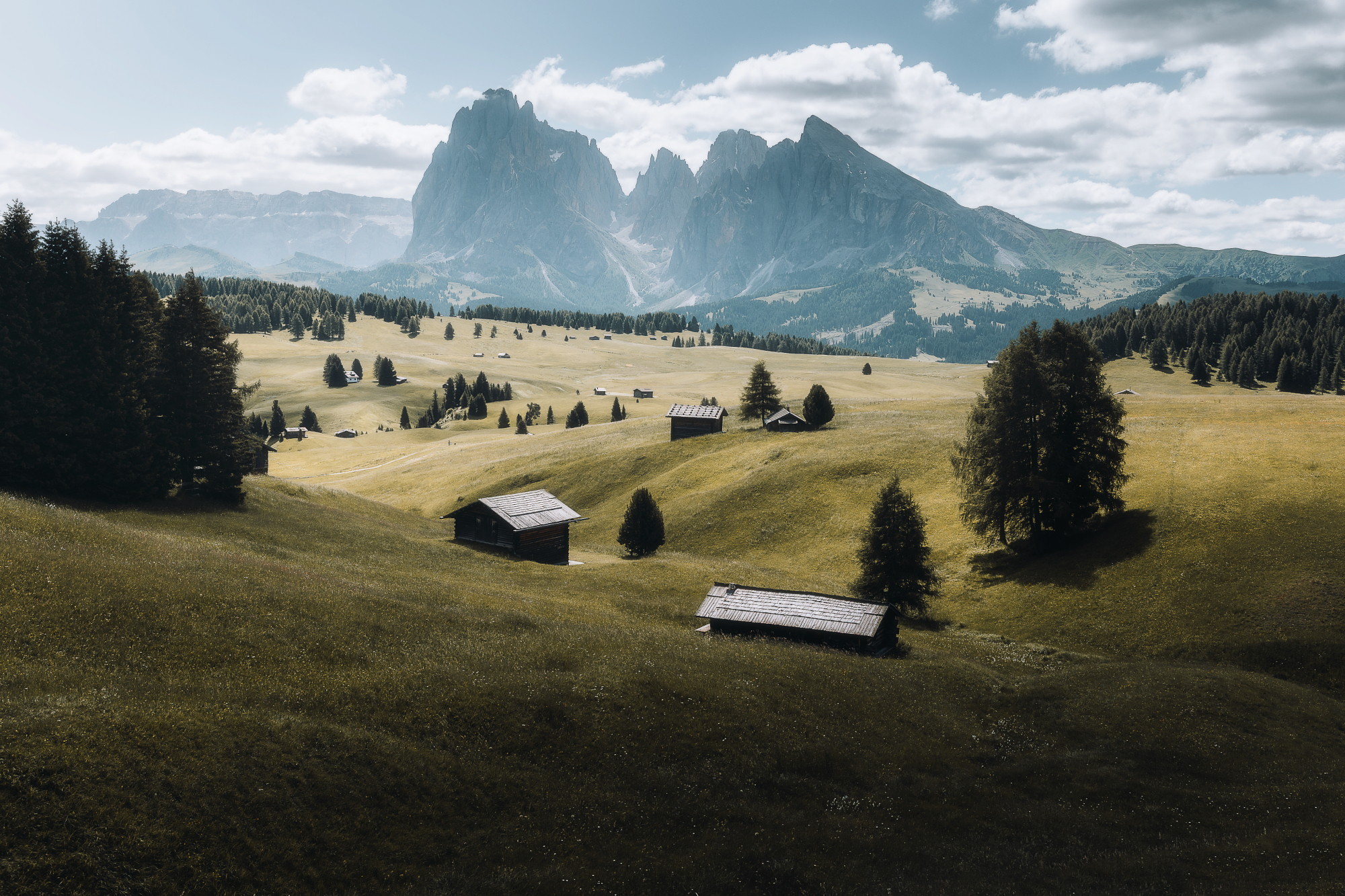
However, there was a specific moment when what had been a simple habit transformed into a true calling. The real “spark” happened about ten years ago during a trip to the Dolomites, specifically at Seceda. I had recently decided to take a technical leap by purchasing my first DSLR, a Canon EOS 500D.
Standing there, with the perfect light hitting those iconic ridges and a tool that finally allowed me to interpret reality rather than just witness it, changed everything. I haven’t stopped since. What started as a hobby has evolved into a professional path where trekking and photography have become two sides of the same coin: today, they are inseparable for me; a symbiotic way of living, breathing, and ultimately documenting the natural world.
Your portfolio balances the massive scale of mountain ranges with the intricate detail of flora and wildlife. Do you find that these two subjects require a completely different creative “pulse,” or are you looking for the same elements of composition and light regardless of the scale?
Regarding my creative approach, I believe it remains substantially the same, regardless of the scale of the subject. My goal is to immortalize whatever crosses my path and captures my attention during my explorations. Whether I am facing a massive mountain range or a tiny detail of flora, I follow the same instinct: capturing the moment in the most natural way possible.
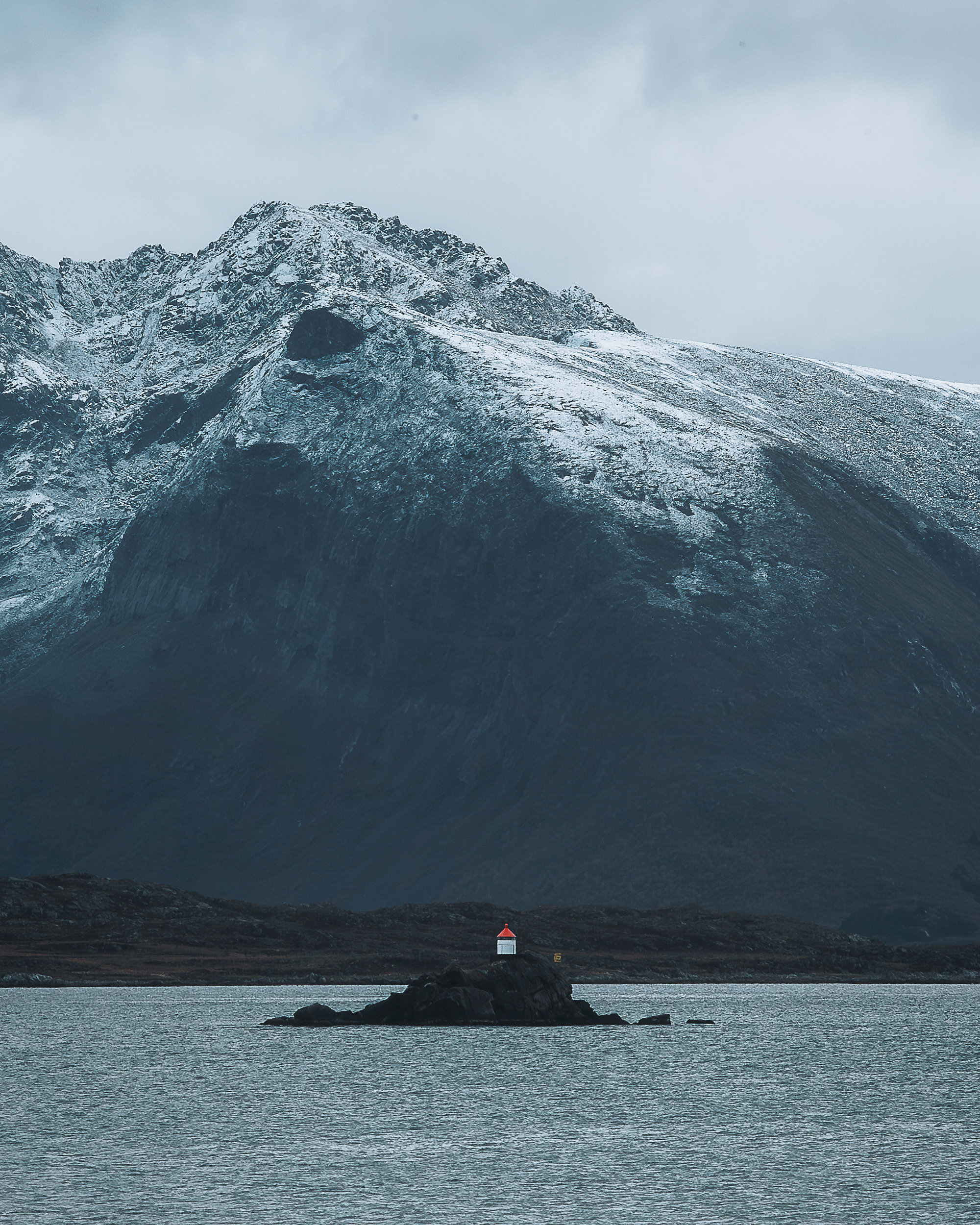
I don’t look for different “rules” for different scales; instead, I seek the same harmony of light and composition that reflects the authentic essence of the environment. This philosophy extends into my post-production process as well. I strive for my photos to convey a sense of naturalness and realism, avoiding over-processing so that the final image remains faithful to the emotion I felt while standing in that landscape.
Mountaineering and landscape photography both require a great deal of physical stamina and planning. How do you manage the balance between the logistical demands of reaching a remote summit and the creative focus needed to find a unique perspective once you finally arrive?
It is absolutely true: mountaineering and photography together demand an incredible amount of energy and organization. I plan my treks meticulously from home, leaving almost nothing to chance. You cannot underestimate the mountain; weather conditions can change in an instant, and safety must always come first.
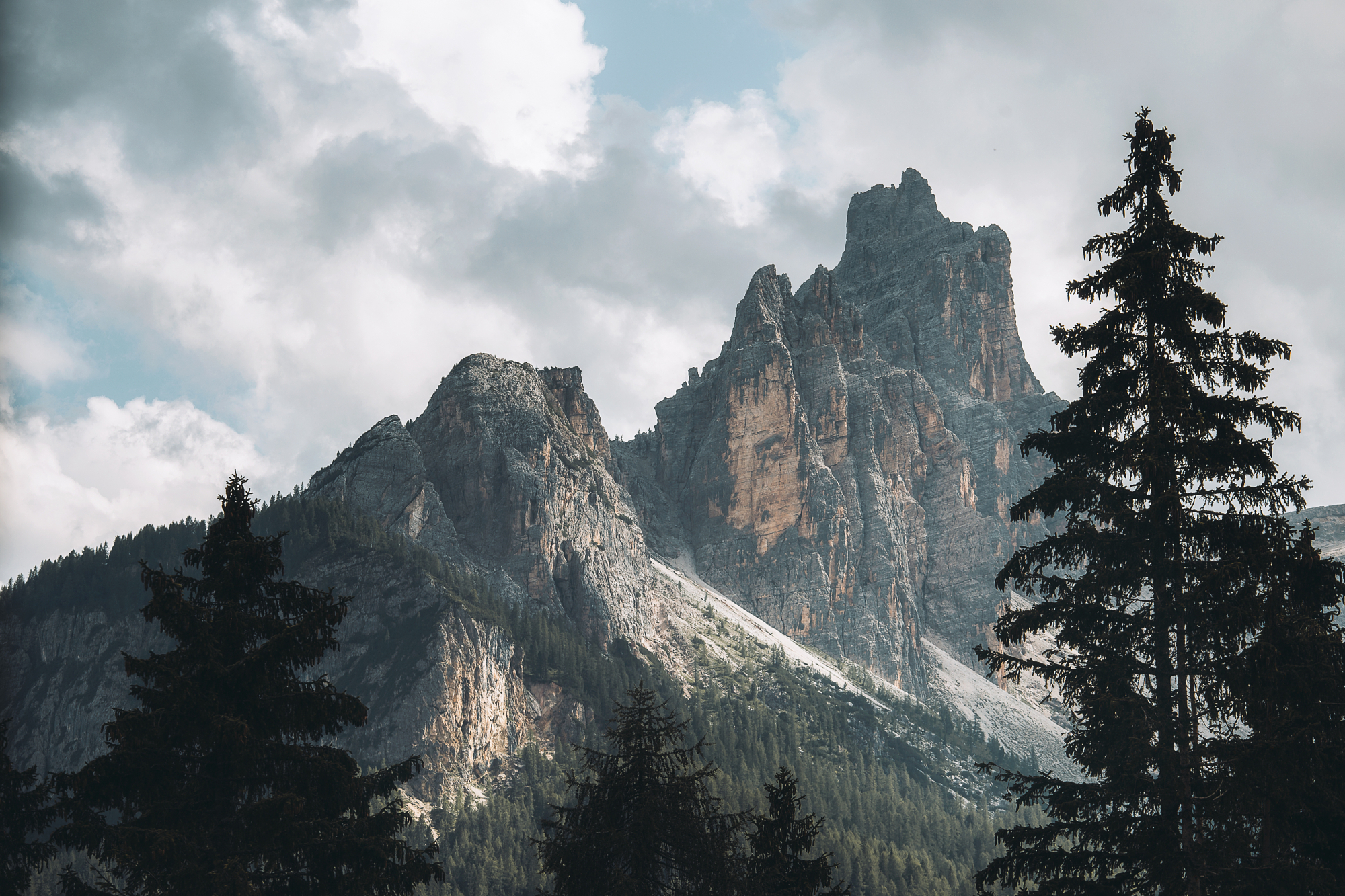
The physical weight of the equipment and the backpack significantly intensifies the effort. There are moments, during the most gruelling climbs, when I find myself asking, “What am I doing this for?” and the urge to give up is strong. However, that exhaustion is completely repaid the moment I reach the “spot,” or the summit. Once I am there, the adrenaline and the beauty of the landscape take over, allowing me to find the creative focus I need. The struggle itself becomes part of the story told in the final shot.
Since mountain shoots can be unpredictable and unforgiving. Can you describe a time when a shoot didn’t go according to plan and how that forced you to look at a shoot in a completely new or unexpected way?
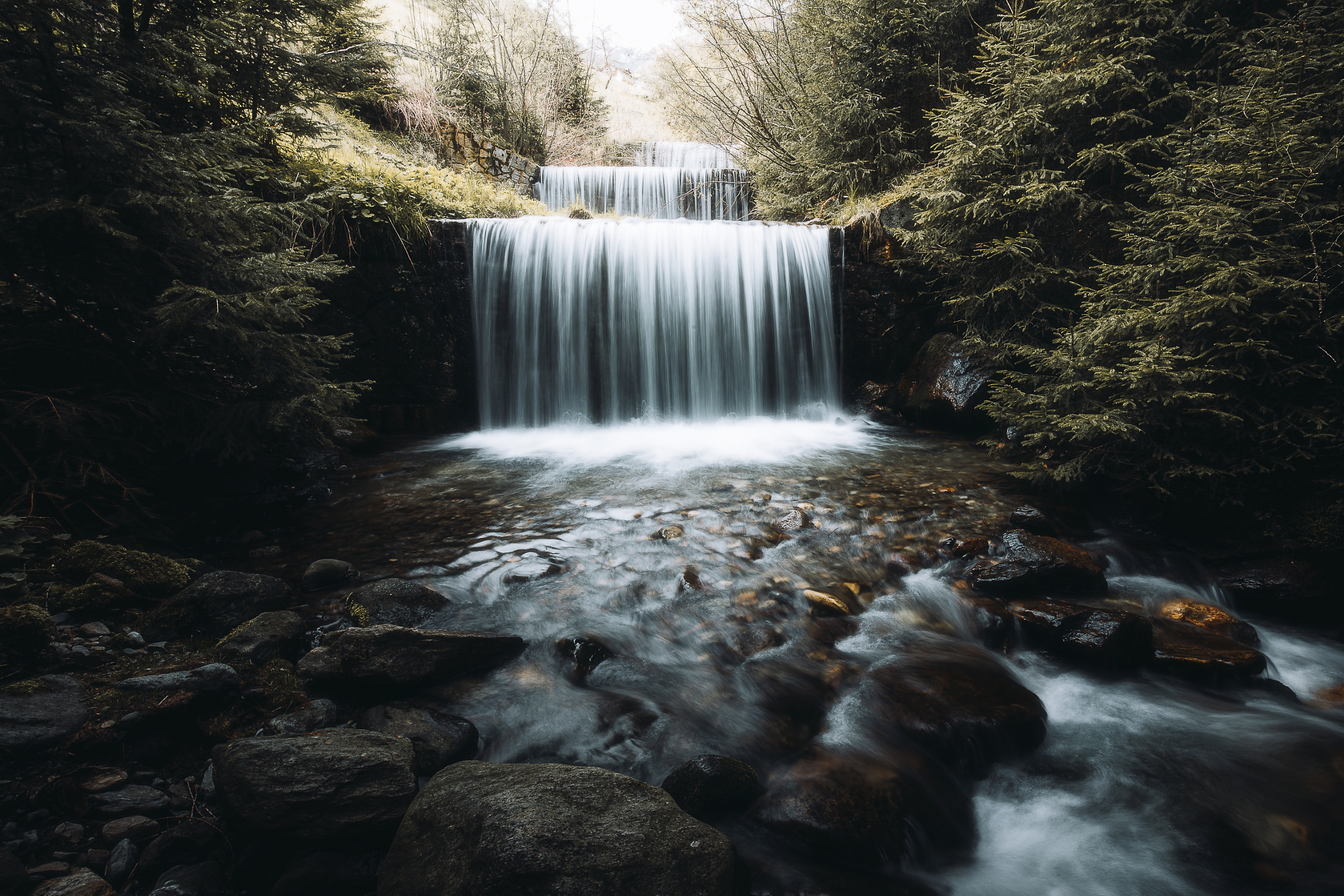
In the mountains, things rarely go exactly according to plan, and I’ve had several episodes where a shoot took a completely unexpected turn. One of the most vivid memories was when I was photographing a waterfall; I was suddenly attacked by a swarm of wasps and stung twice on the head and neck. That experience didn’t just abruptly end my photography session; it forced me to abandon the trek and head back down as quickly as possible.
Other times, I’ve been caught in intense hailstorms, which are never easy to navigate. However, these “failures” often lead to the most incredible rewards. Once the storm passes, the atmosphere changes completely, revealing spectacular light and dramatic conditions that I would never have witnessed otherwise.
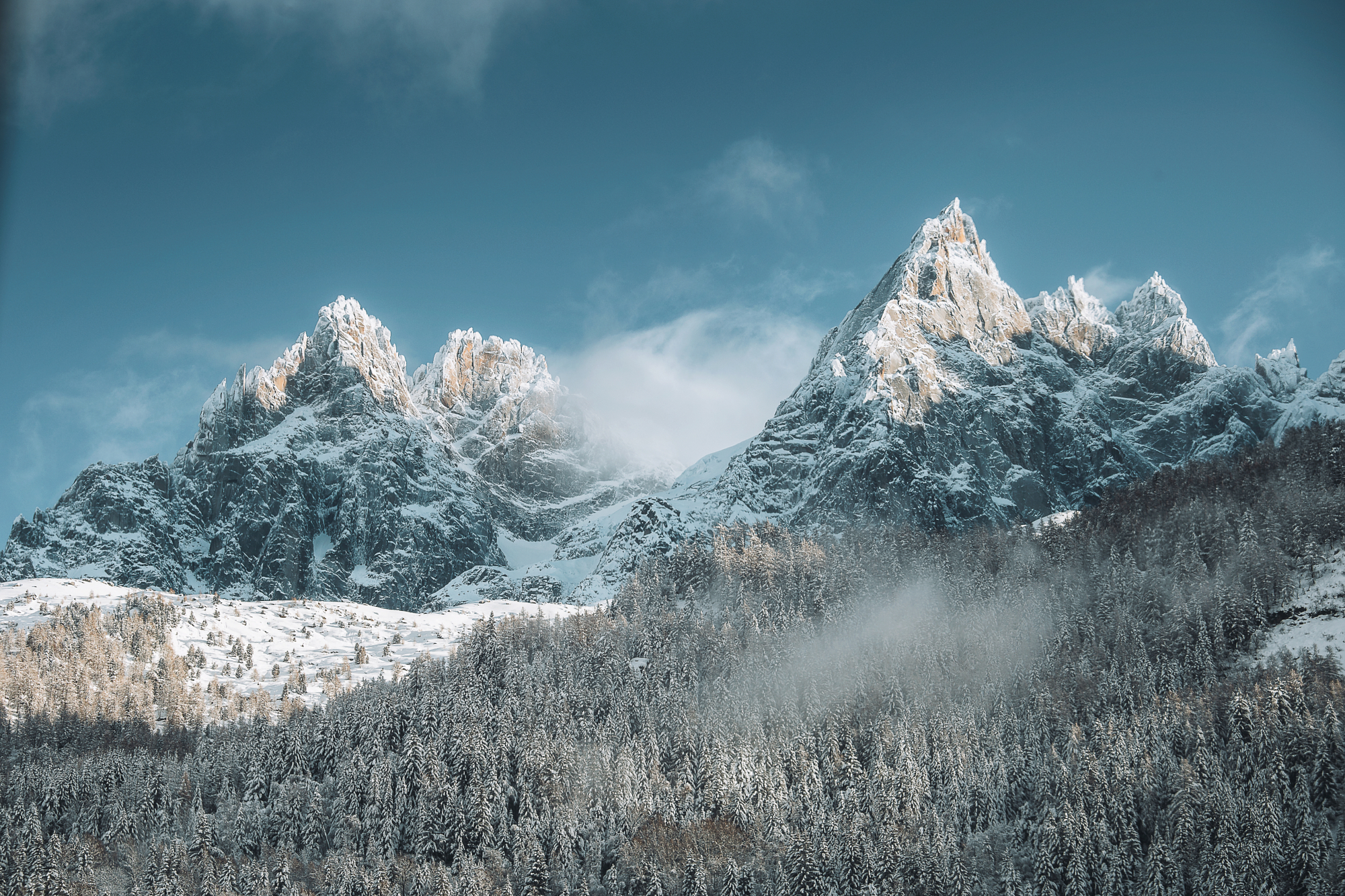
These unpredictable moments are part of the game. We are guests in nature, and the unexpected is what truly fuels the sense of adventure. It forces you to look at the landscape with new eyes, teaching you that sometimes the best shot isn’t the one you planned but the one nature grants you after a moment of struggle.
Many landscape photographers live for the drama of the “golden hour,” but your work often captures a more subtle, quiet atmosphere. What is it about soft light or overcast conditions that you find more compelling than the traditional, high-contrast spectacle of a sunset?
My creative philosophy is centred around “naturalezza”, a sense of naturalness, and I believe that certain weather conditions enhance the true soul of a landscape far better than a traditional sunset.
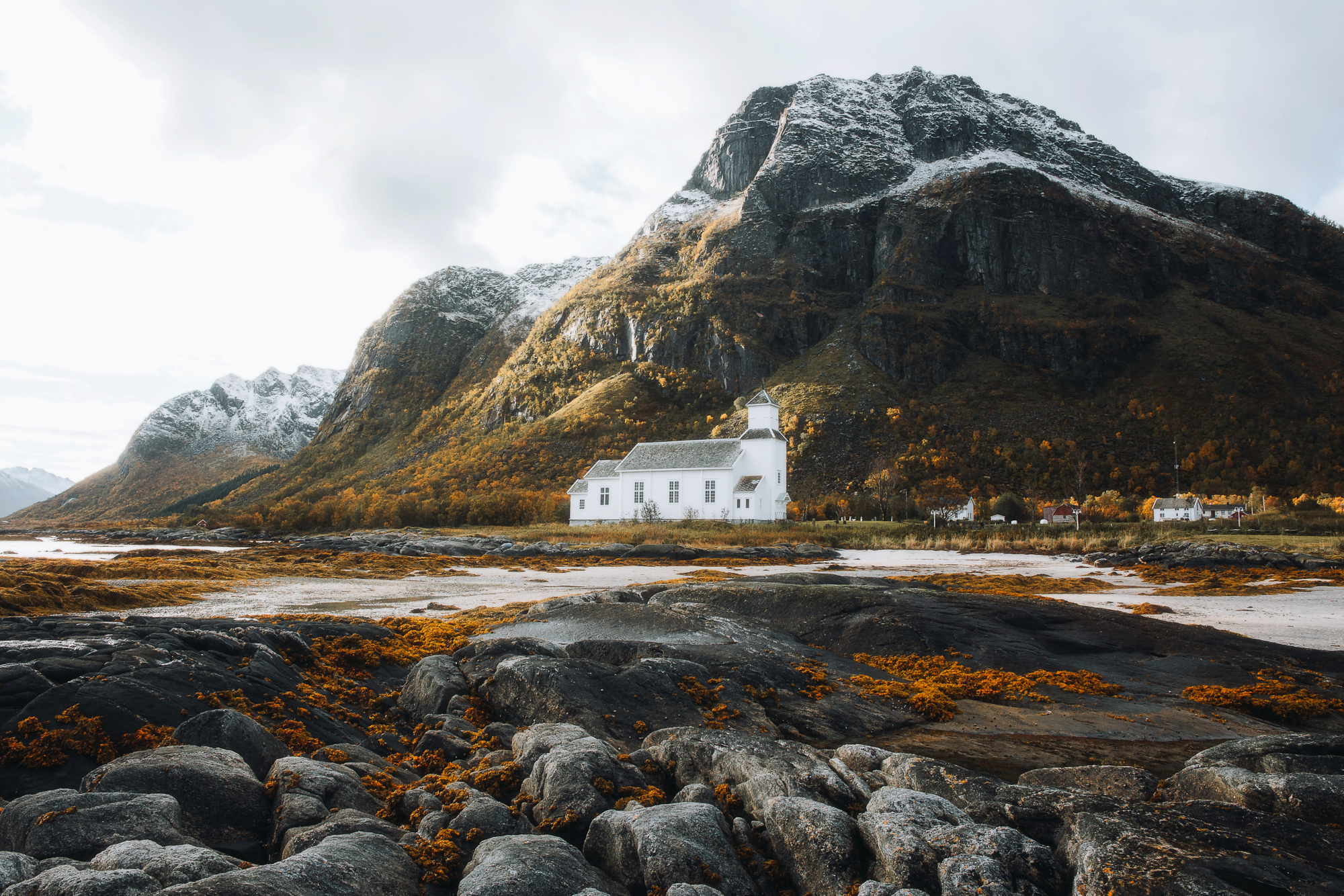
Soft light is not a limitation; it is a revealer. It eliminates the harsh, distracting shadows that often hide the intricate textures of ancient rocks or the delicate hues of alpine flora. This authenticity is what I strive for in both my shots and my post-production. By favoring these quieter atmospheres, I can convey the actual emotion I feel during a trek: a sense of peace, realism, and a deep, unforced connection with the natural world.
Macro photography of insects and flowers can be very technical. Beyond the gear, how do you approach a smaller subjects to ensure you are capturing its “personality” rather than just snapping a simple photo?
To be completely honest, macro photography is not a genre that I practice regularly or one that I feel I have perfectly mastered. Often, during my treks, I don’t have the luxury of time required to sit and wait for hours. However, when these encounters happen along my path, I try to seize the moment as best as I can.
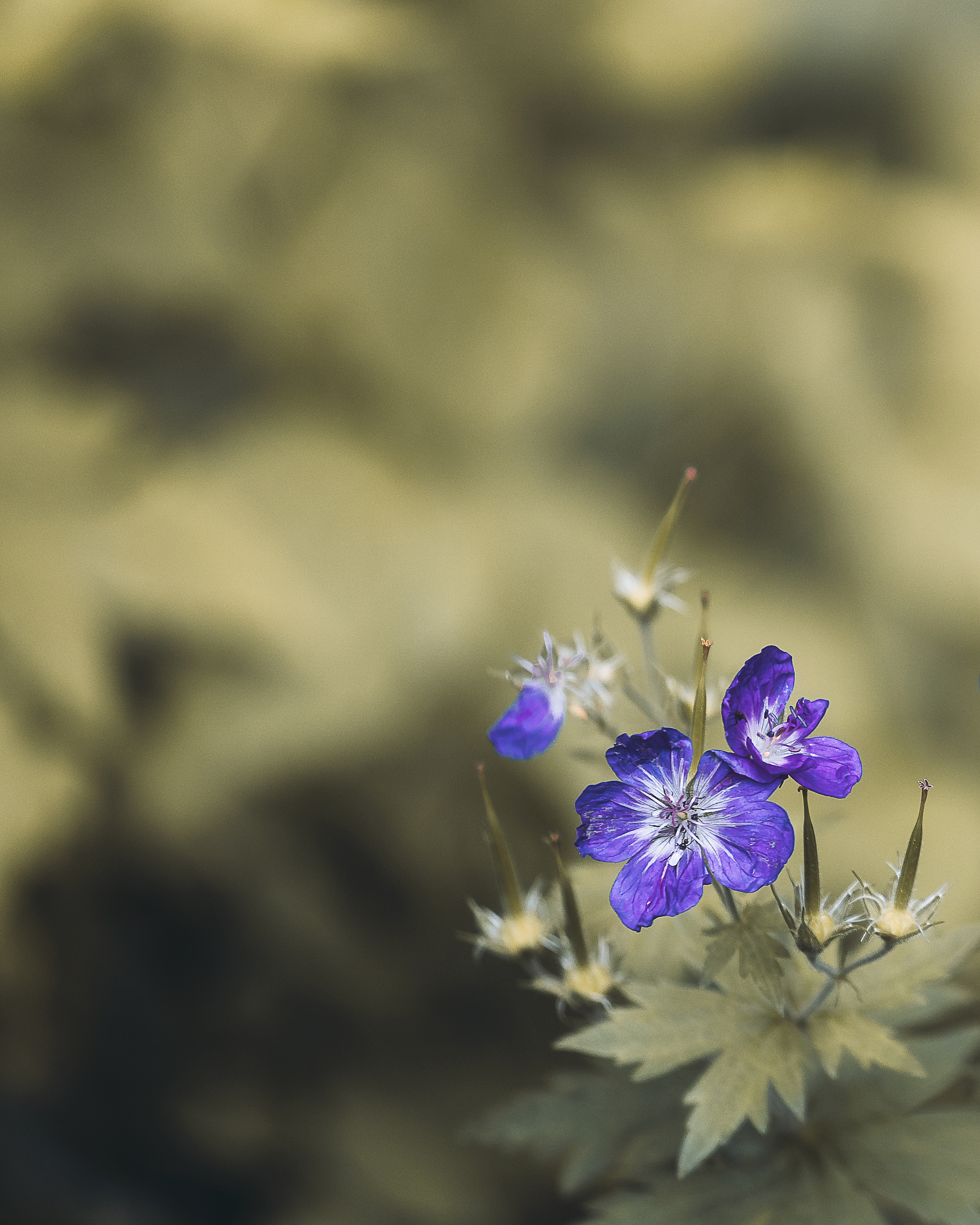
I believe that even in these spontaneous instances, the human element is what truly makes a difference. When dealing with insects or small animals, patience and a good deal of luck are absolutely essential to bring home an interesting shot.
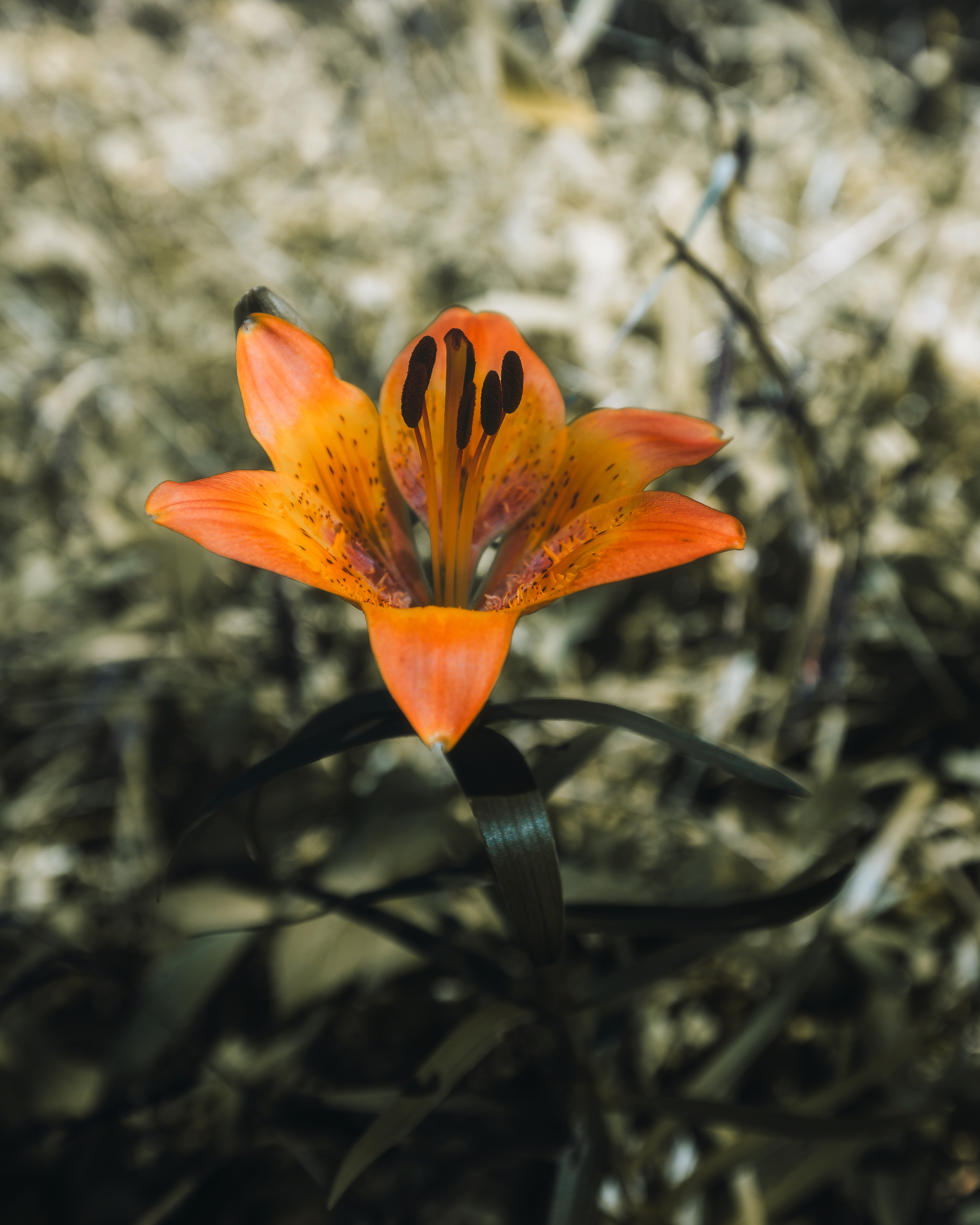
There is a very clean, crisp quality to your images that suggests a meticulous editing process. How do you approach post-processing to ensure you are enhancing the natural beauty of the scene without losing the grit and reality of the outdoors?
I have developed a personal workflow designed to make the process faster and more efficient. I usually start with a set of base adjustments that I apply to all my photos to maintain a consistent look. From there, I focus on enhancing each specific image with minimal, functional adjustments tailored to its unique characteristics.
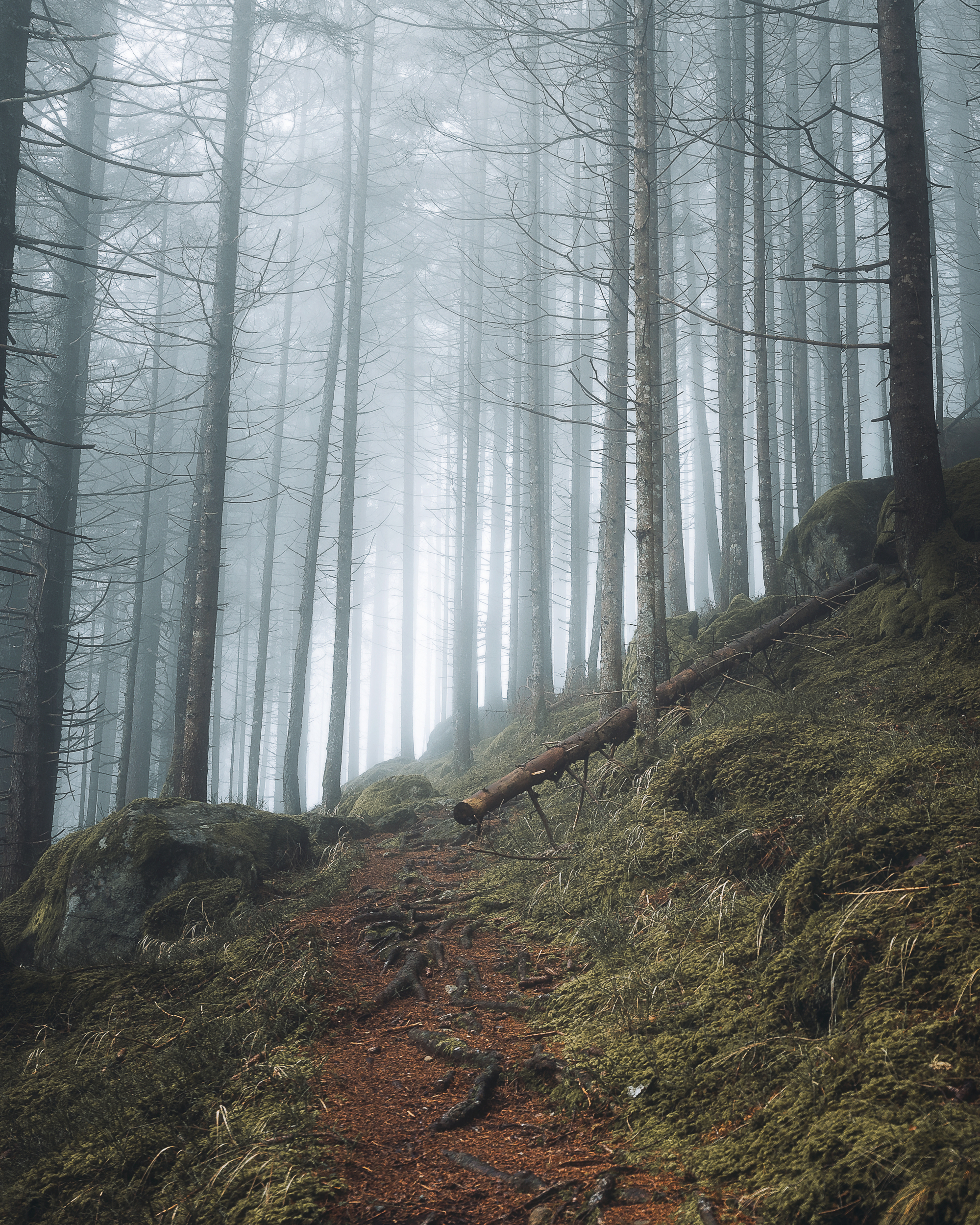
However, I am very careful not to overdo it. My primary goal is for my photos to remain realistic and to convey that authentic sense of “naturalezza.” I want the viewer to see the mountain as I saw it, without losing the grit and authentic atmosphere of the outdoors. Post-processing, for me, is not about changing the scene, but about refining it to stay faithful to the original emotion of the moment.
You have built a great presence on 500px over the years. How has being part of a community of photographers influenced the way you approach your own work or the directions you choose to take with your new series?
I began posting my work consistently on 500px a few years ago. This commitment to regular sharing allowed me to not only discover the fantastic work of other photographers on the platform but also to receive a deeply heartening and inspiring response to my own work.
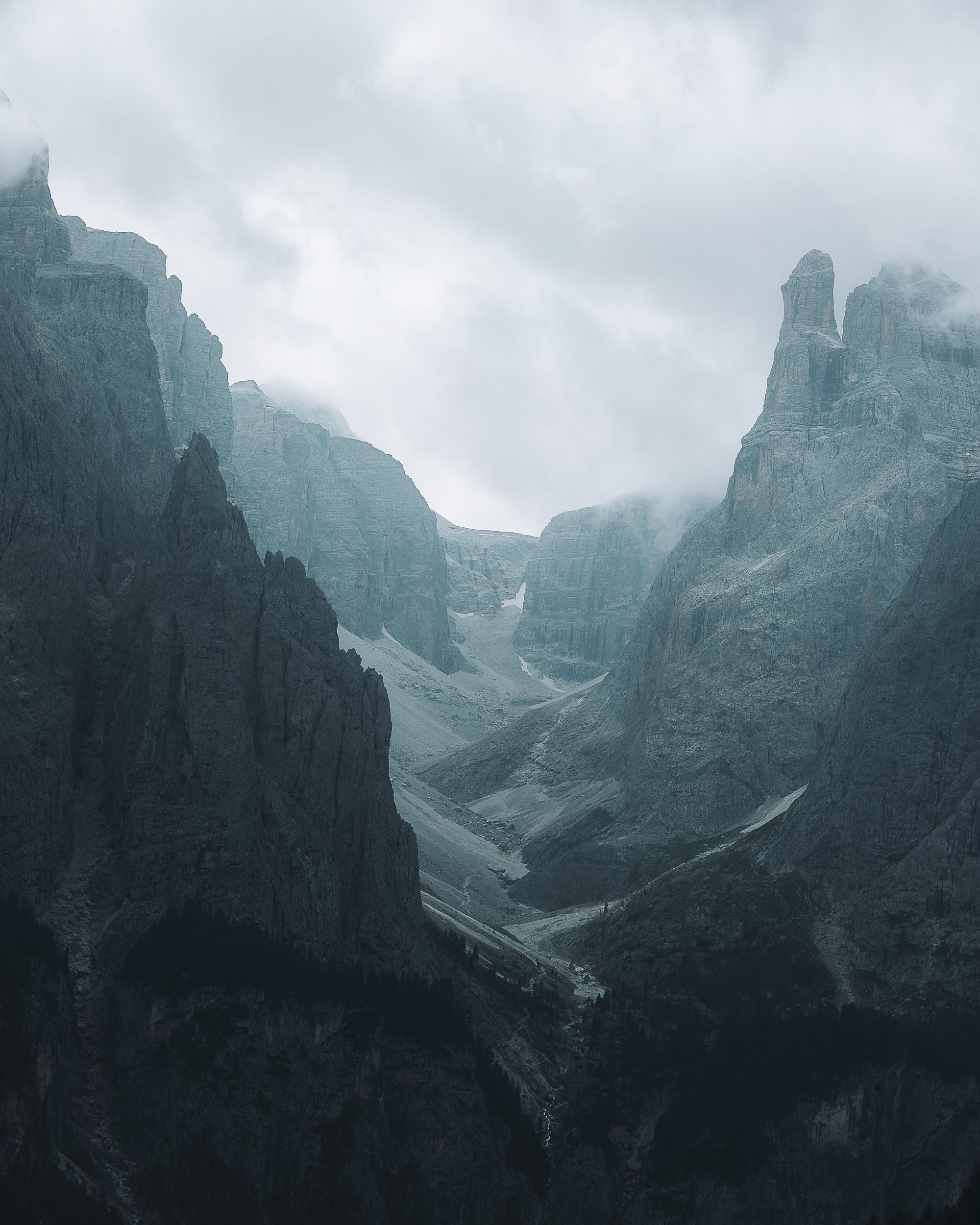
Being part of this community has significantly fueled my passion. The appreciation and feedback I’ve received from peers have been a massive incentive to keep pushing forward and evolving. I spend a lot of time studying the work of others—not to copy, but to constantly improve my own skills and find fresh inspiration. The community acts as both a mirror and a window: it shows me where I stand and opens up new directions for my future series, reminding me that photography is a never-ending journey of learning and discovery.
We have a question from a previous featured photographer, Mikey Rogers, who asked, “Is there a photograph taken or situation that you’ve found yourself in to capture something that ever made you feel a sense of precariousness, unease, danger, or that got you out of your comfort zone?”
Thank you for such a great question, Mikey. Yes, there was a situation that truly pushed me out of my comfort zone and into a state of genuine fear. It happened during my honeymoon in 2016 while we were visiting Yellowstone National Park. In the most unexpected way possible, I found myself face-to-face with a bear.
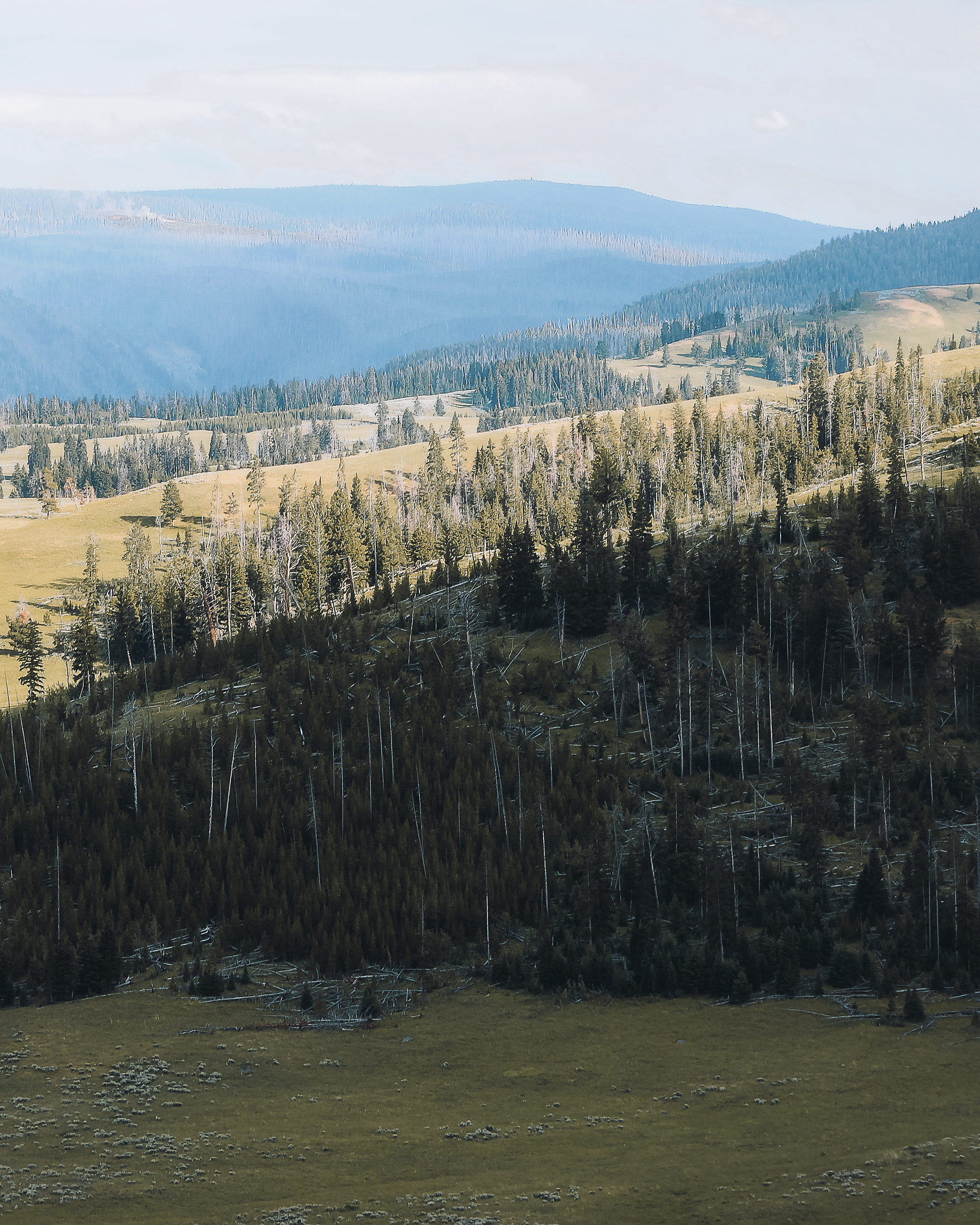
Fortunately, the bear was interested in something else and didn’t see me as a threat. Once I managed to reach a safe distance, I tried to take a few photos, but I was far from calm. In that moment, fear took over everything else. It was a stark reminder of the “precariousness” of being in the wild. While we seek to document beauty, we must never forget that we are in a world where nature holds all the power. It was a humbling experience that changed how I perceive safety and respect when capturing the raw reality of the natural world.
To wrap things up, do you have any upcoming expeditions, a new series of prints, or any specific creative projects on the horizon that you are particularly excited to share or promote?
My bucket list is incredibly long, but I’m currently planning a trip to Switzerland that I’ll be taking in the coming months. I truly can’t wait to explore those landscapes. Recently, I’ve also started producing physical albums of the photos featured in my 500px Galleries, under the title Planet Earth.
My goal is to leave behind a tangible testimony of what my eyes have witnessed over the years. In a world that is becoming increasingly digital, there is something special about holding these stories in your hands. It’s a way to preserve the memory of the places I’ve travelled and the emotions I’ve felt, sharing them in a more permanent form with anyone who wishes to see the world through my lens.