Halloween gives photographers permission to lean into the shadows. But the most unsettling images rarely depend on costumes or plastic skeletons. They depend on atmosphere: a doorway that drops into darkness, a face half lit from below, an empty corridor with one light left on. Dark and moody photography is about controlling what the viewer sees and, just as importantly, what they don’t. These techniques are perfect for spooky season and stay useful long after the pumpkins are gone.
Suggestion is scarier than detail
The imagination fills darkness with more than any photograph can show. That’s the core principle of dark and moody photography. An image that reveals everything leaves nothing to wonder about. An image that withholds, leaving parts of the scene ambiguous, invites the viewer to supply the unease themselves.
In practice, that means letting shadow dominate. Allow large areas of the frame to fall to black. Crop so the subject extends beyond the edges. Show a hand on a door handle instead of the whole figure. Show a shadow on the wall instead of the person casting it.
Lighting for atmosphere
Low-key lighting
Low-key images are built on dark tones, with light used sparingly to reveal only what matters. A single source, such as a window, lamp, or flashlight, placed to the side of your subject creates steep falloff, with one side lit and the other disappearing into shadow.
Underlighting
Light from below reverses how we expect faces to be lit, which is why it’s the classic campfire-story effect. A flashlight or phone screen held low produces unnatural shadows that feel instantly uneasy. Use it with restraint. Subtle underlighting is usually more effective than a full horror-film treatment.
Practical light sources
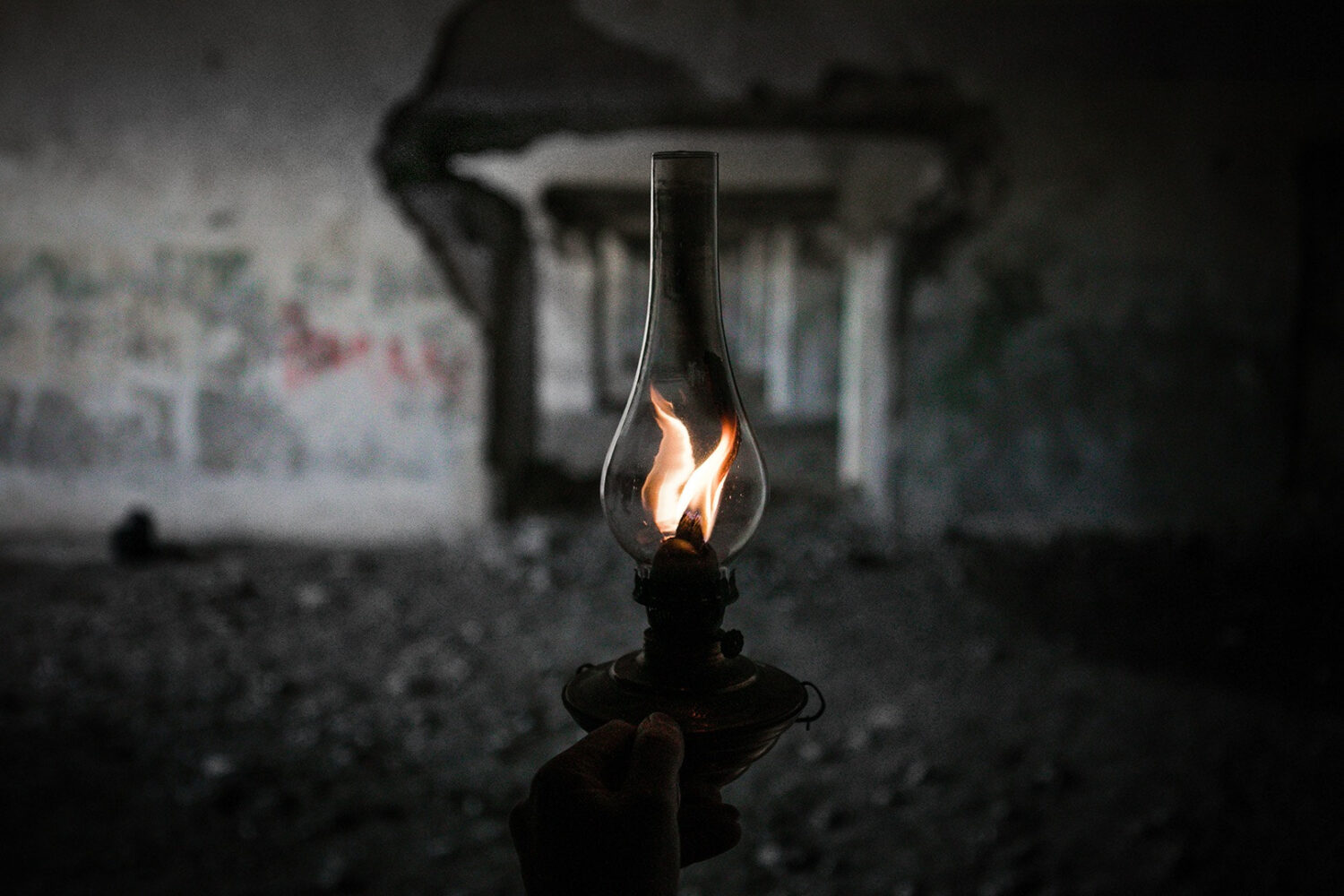
Carved pumpkins, candles, string lights, and old lamps are both props and light sources. Their warm glow looks natural, adds seasonal context, and keeps the rest of the scene in shadow. Expose for the glow and let everything else fall away.
Color and tone
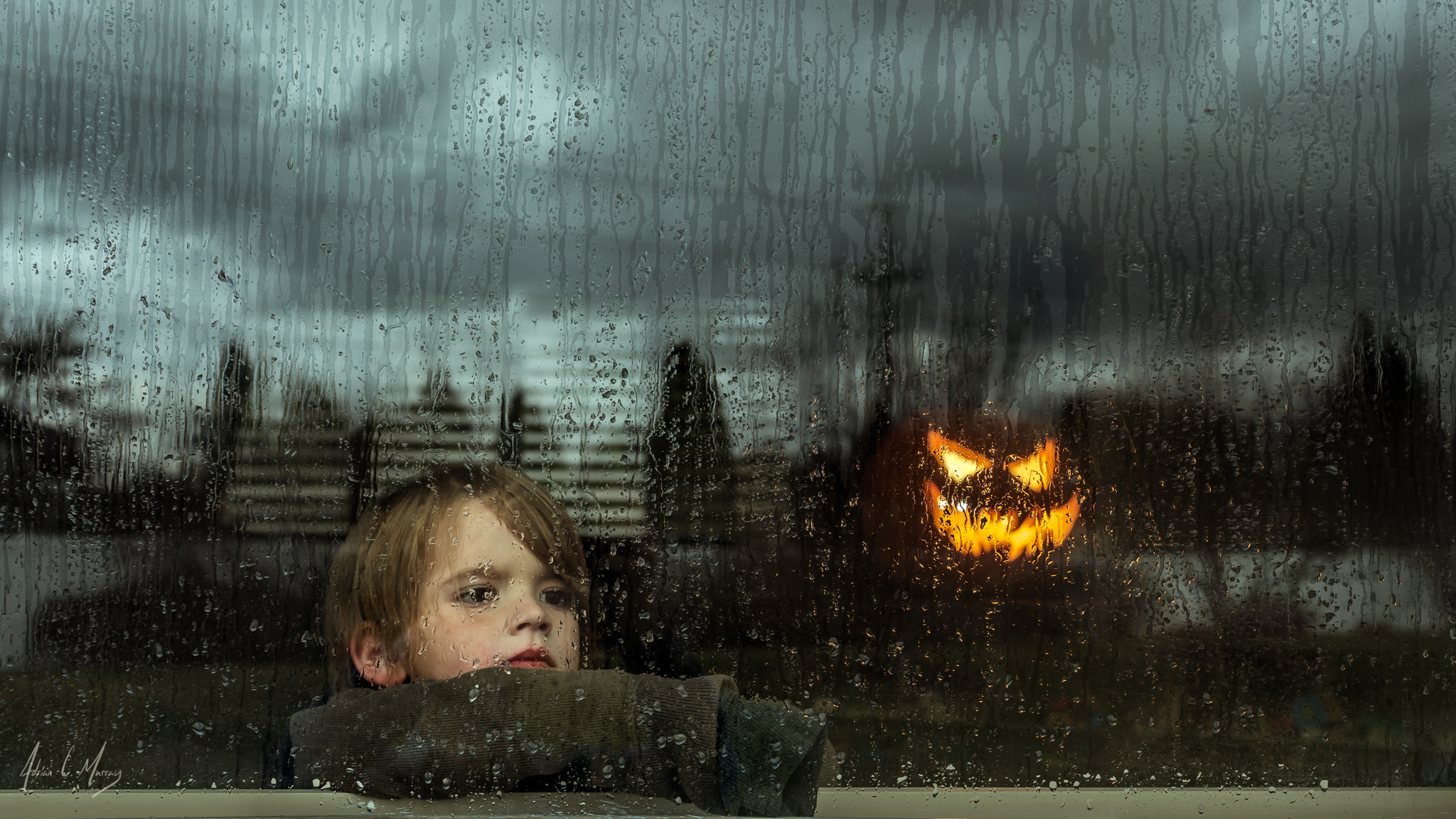
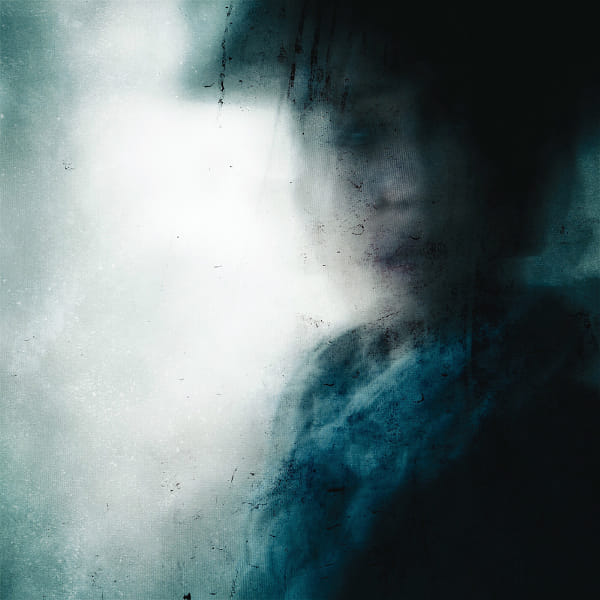
Dark and moody photography usually works best with a restrained palette. Desaturated greens and blues feel cold and uneasy. A single warm source, like a jack-o’-lantern in an otherwise cool scene, draws the eye and heightens the tension. Black and white with deep blacks can make even ordinary subjects feel ominous.
In post-processing, bring down highlights and whites, deepen the blacks, and consider a vignette to close the frame around your subject. Keep an eye on the shadows, though. Moody doesn’t mean muddy. The darkest areas should feel intentional, not underexposed.
Finding eerie scenes everywhere
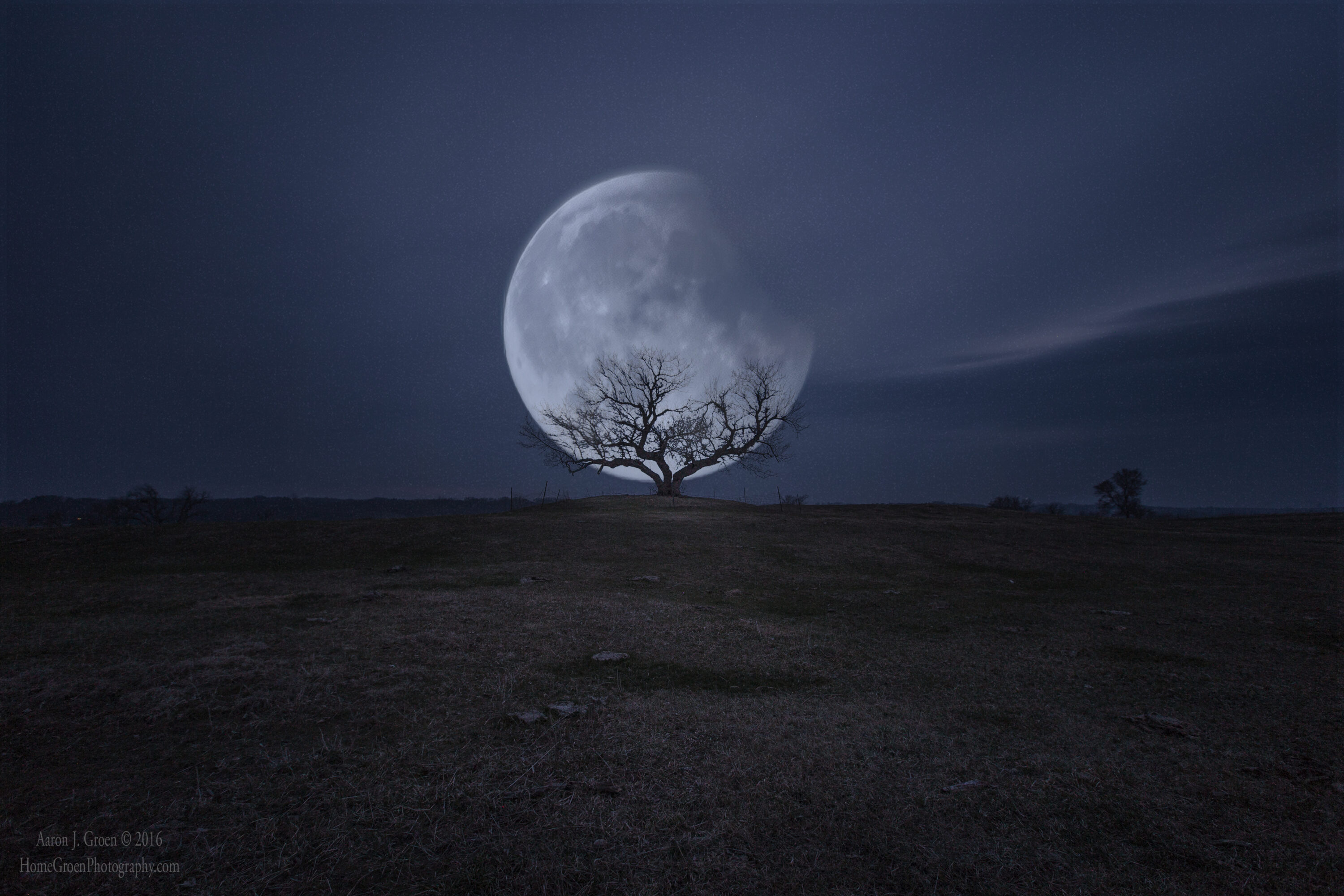
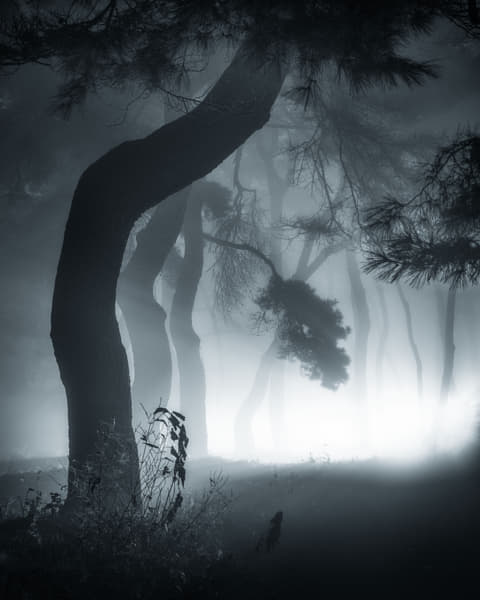
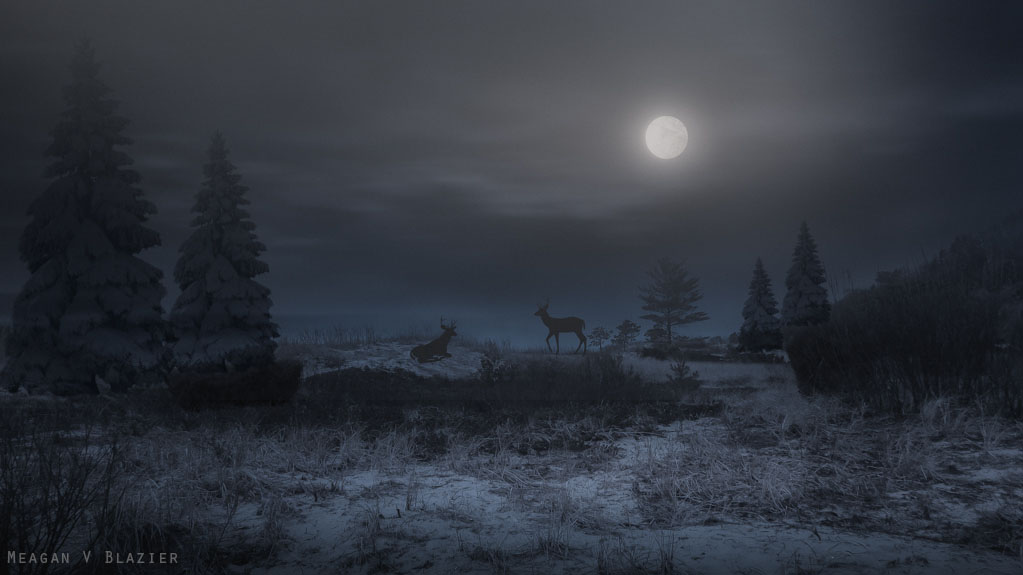
You don’t need a haunted house. Stairwells, empty parking garages, forests at dusk, fog-covered fields, deserted playgrounds, and long hallways all carry a kind of ambient unease. Shoot them at the edges of the day, when light is fading and familiar places start to feel strange. Add a lone figure, facing away or partly hidden, and the story begins to write itself. When exploring unfamiliar or abandoned locations, respect private property and bring a friend.
Beyond Halloween
Dark and moody photography isn’t a seasonal gimmick. The same principles of controlled light, restrained color, and meaningful shadow underpin fine art portraiture, cinematic street photography, and still life. Halloween is simply the perfect excuse to practice them, and what you learn about the power of darkness this week will serve every image you make in the months ahead.