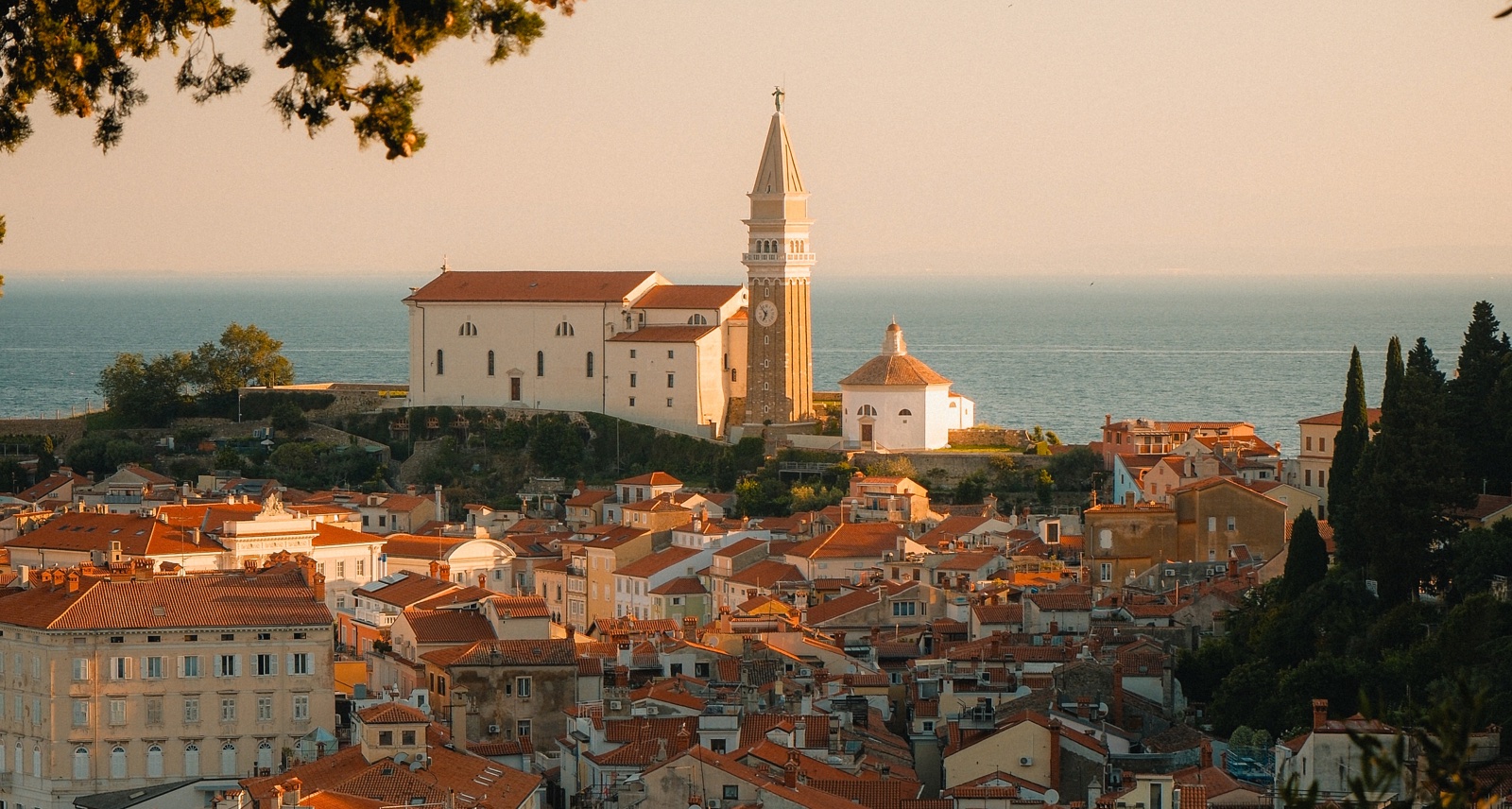
Žak Mogel spends his winters in the air. The Slovenian ski jumper was born in Celje in 2001 and competes for SSK Ljubno BTC. This season he has flown World Cup hills from Zakopane to Sapporo, Oslo and Planica, and he jumped at the Ski Flying World Championships in Oberstdorf on a hill measuring 235 metres. What he does with a camera is the opposite of all that. His nostalgic travel photography is slow, warm, and completely still.
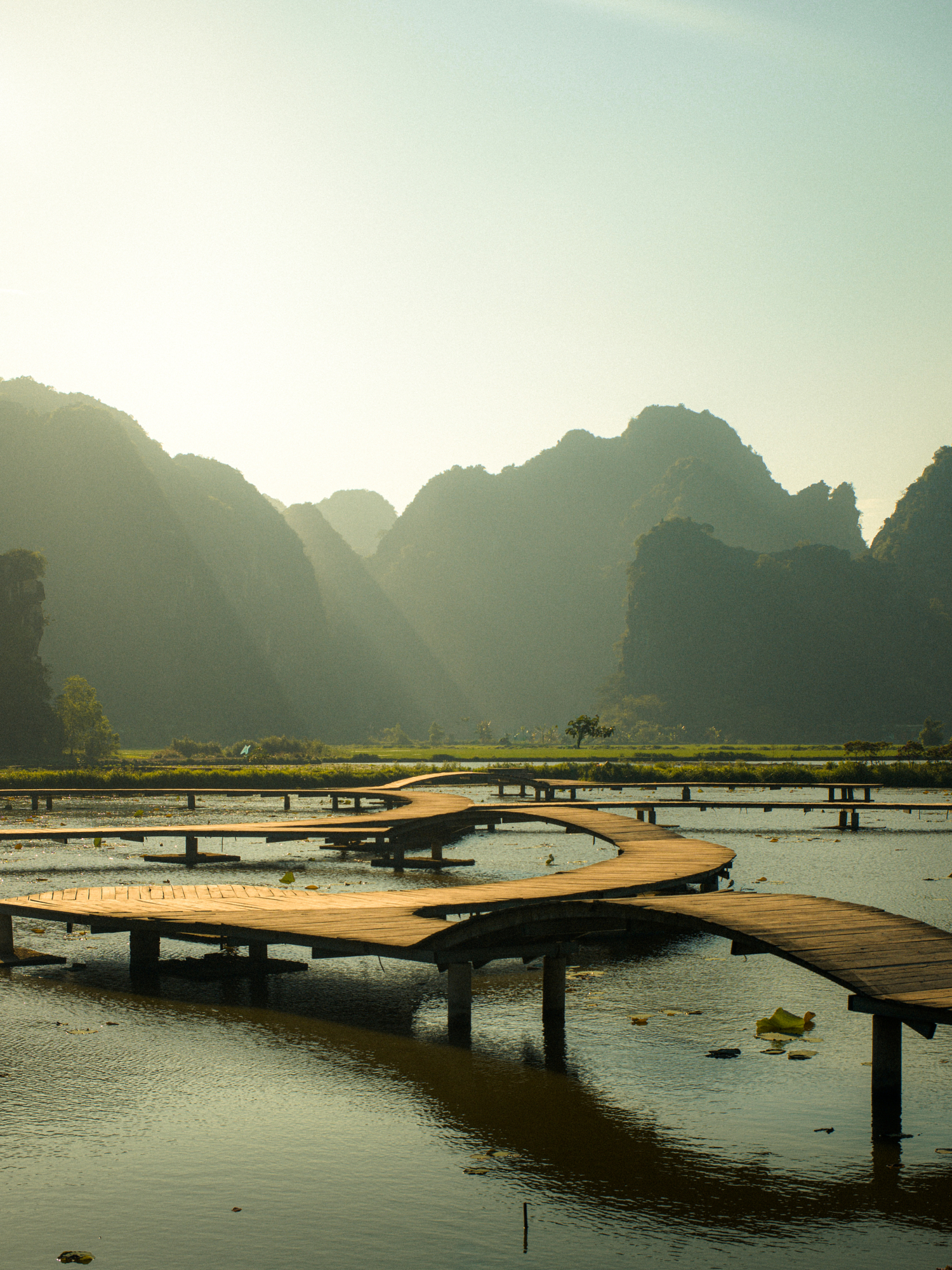
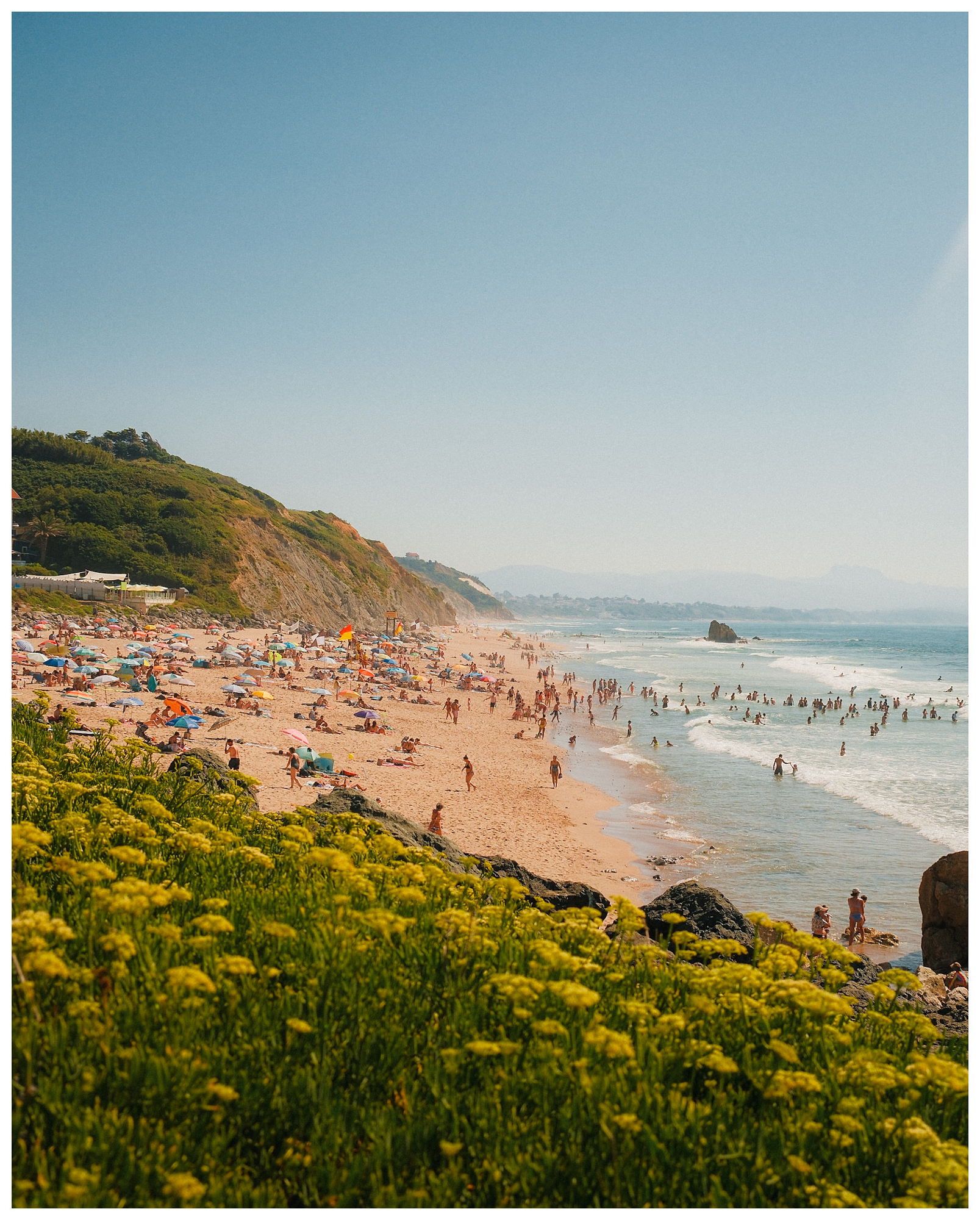
The work is quiet and in no particular hurry. The Julian Alps soften under afternoon haze. A wooden jetty sits on Lake Bled with the boats still tied up. Then come terraced valleys in Ha Giang, a hillside village in fog, and a beach in Biarritz at the tail end of summer. When people appear, they are small and usually facing away. That tells you something about how he sees a landscape and where he thinks you belong in it.
We spoke with Žak about reading the wind off a jump, reading light off a mountain, and finding pictures in the gaps of a competition schedule.
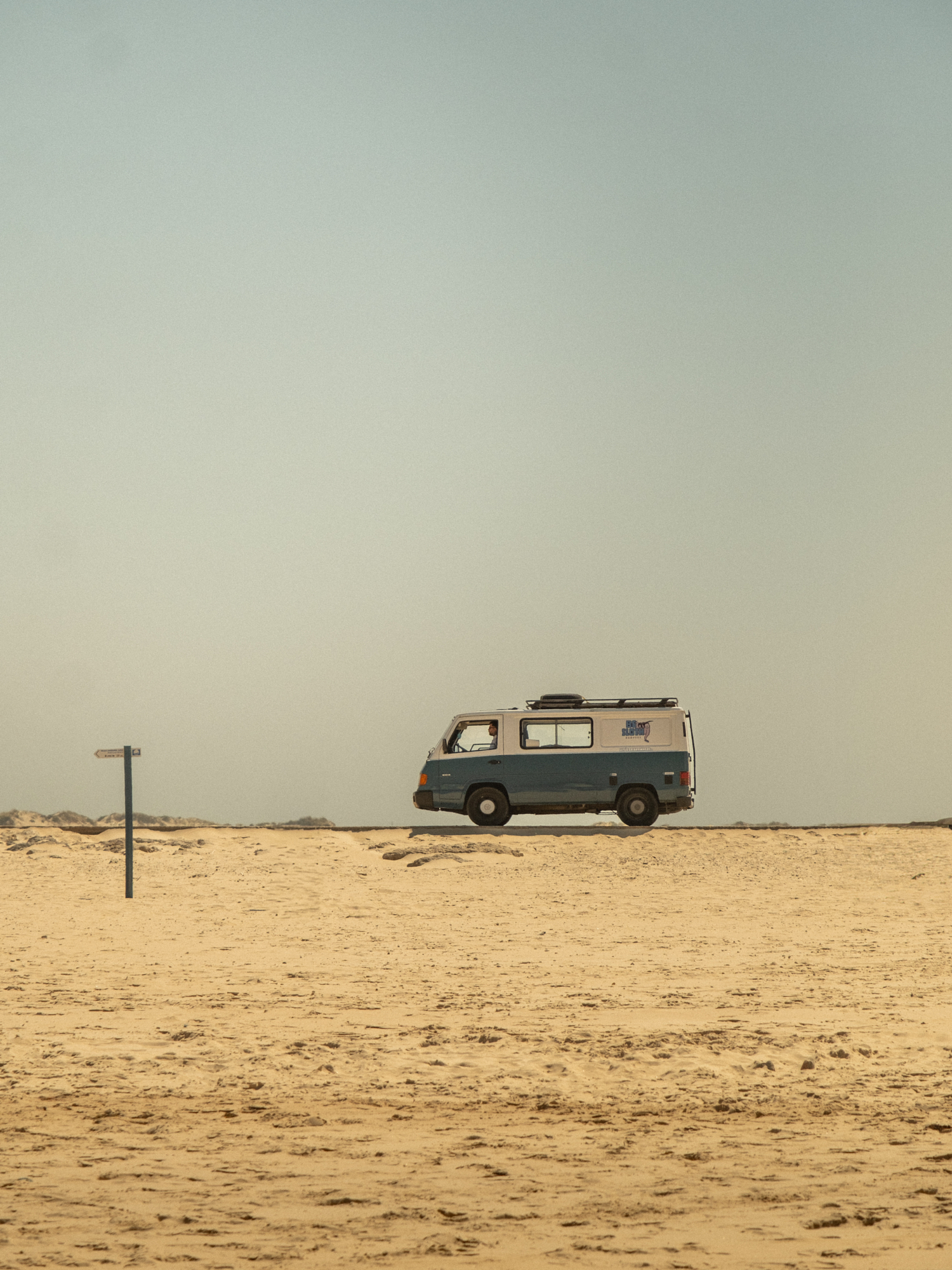
From a Borrowed Camera to a Fujifilm
Žak, let’s start at the beginning. You are a professional ski jumper on the World Cup circuit. That is not the usual origin story for a photographer. So where did the camera come from?
It is true, I have loved photography since I was a child. When I was young, my older brother wanted a camera, so we had one at home. Looking back, I think I was the one who used it the most. Even back then, I found it really fun to photograph. I already enjoyed searching for good compositions and trying to find something more in every image.
I even photographed a wedding when I was very young, probably around 10 years old. But I remember enjoying the process and being fascinated by capturing moments.
Later, through ski jumping, I started traveling a lot around the world. I always enjoyed taking photos of the places I visited. At the time it was mostly with my phone, but I was still able to create images that I really liked, and I enjoyed editing them in Lightroom.
I had wanted to buy my own camera for a long time, but I never made the decision until I finally chose Fujifilm. I have now trusted Fuji for three years, and photography has become an even bigger part of my life. The only thing I regret is that I didn’t buy a camera sooner.
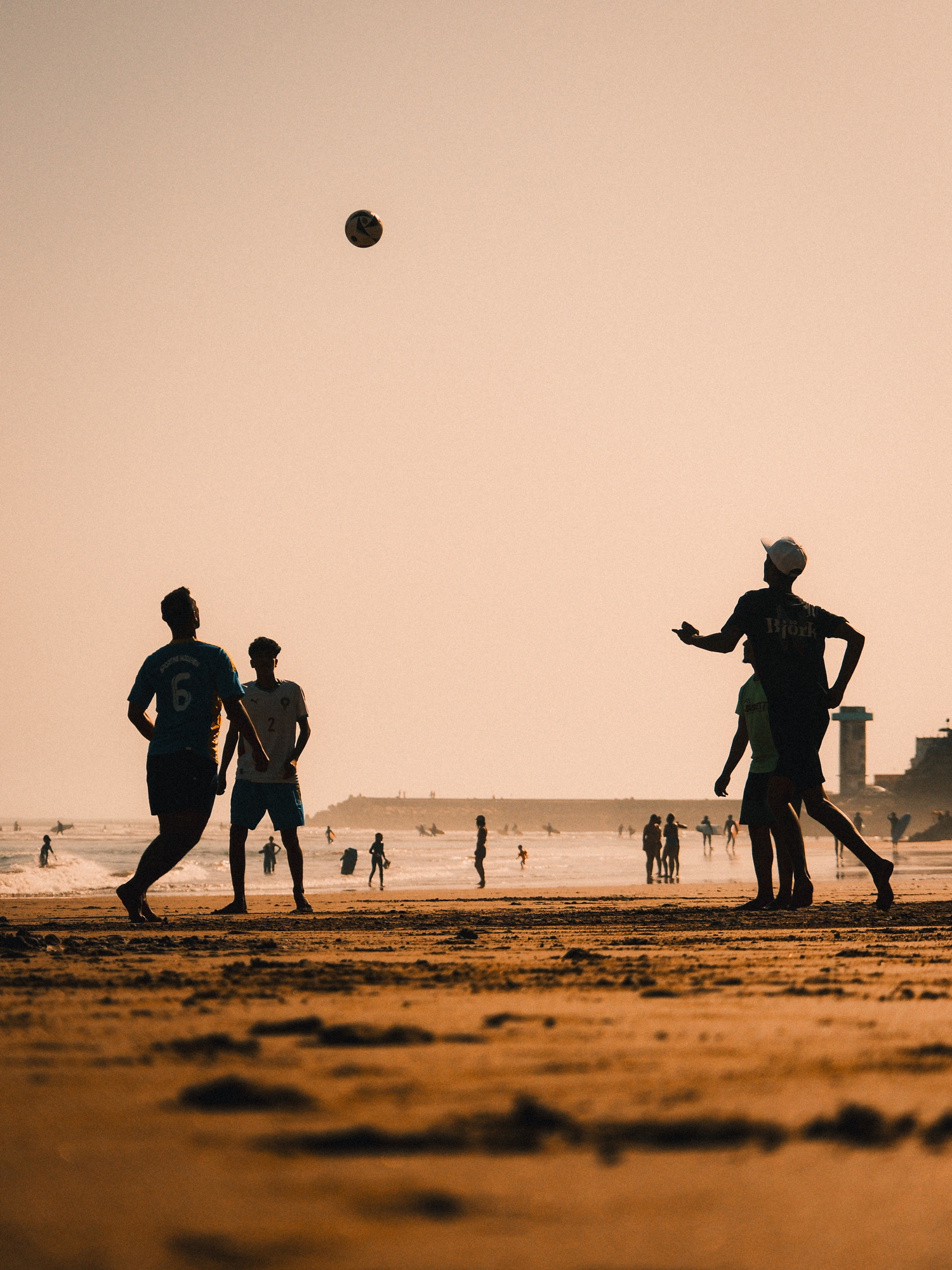
What Ski Jumping Taught Him About Timing
Ski jumping asks you to read the wind and commit in a split second. Photography asks for a version of the same judgment. Are the two wired into the same part of your brain? Or is the camera where you go because nobody is timing you?
I would say that both require a great awareness of your surroundings, as well as anticipation and concentration.
Maybe ski jumping has also taught me how to react quickly when I am searching for the perfect frame. It taught me when to move, change position, or act fast so I don’t miss a moment.
But above all, photography is something I currently experience as a form of relaxation. It calms me, and at the same time it gives me energy. Every time I create a new image that I am proud of, it makes me happy and motivates me to keep going.
Why He Shoots Vertical
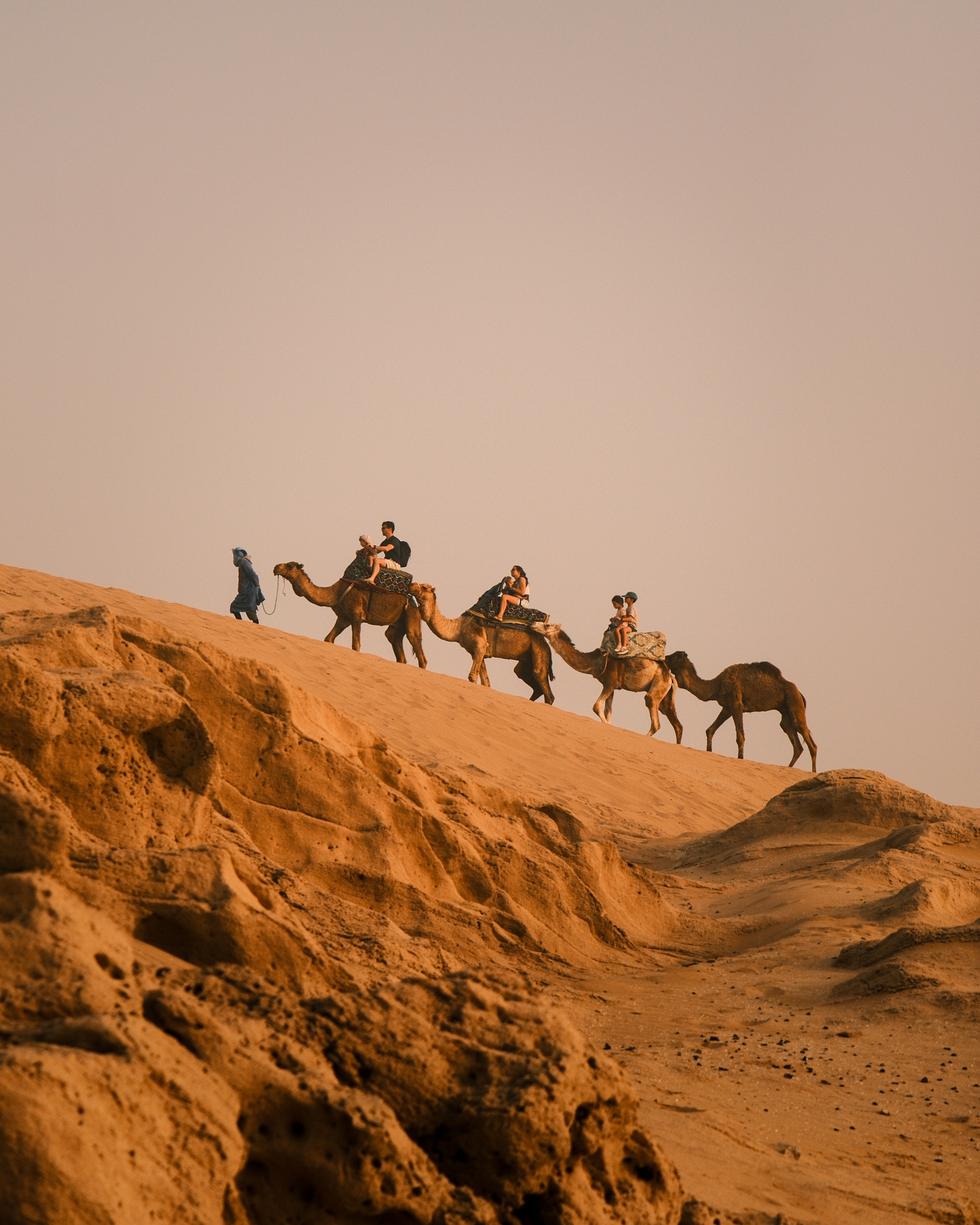
Almost every frame in your portfolio is vertical. Most landscape photographers never make that choice. What does the tall frame give you that the wide one does not?
I think I naturally look for photographs that have a story and can speak for themselves. With a narrower frame, I feel like I can capture exactly what I want. It guides the viewer’s attention toward a specific element instead of making the image feel too open or superficial.
Today’s digital world and the way we consume images also have an influence. Most of the time we view photographs on our phones, so vertical compositions feel very natural to me.
However, in the future I would also like to focus more on horizontal images. When I see photographs displayed in exhibitions or printed, they can look incredible. I believe they can create an even stronger connection with the viewer and capture attention in a different way.
The Warm Palette Behind His Nostalgic Travel Photography
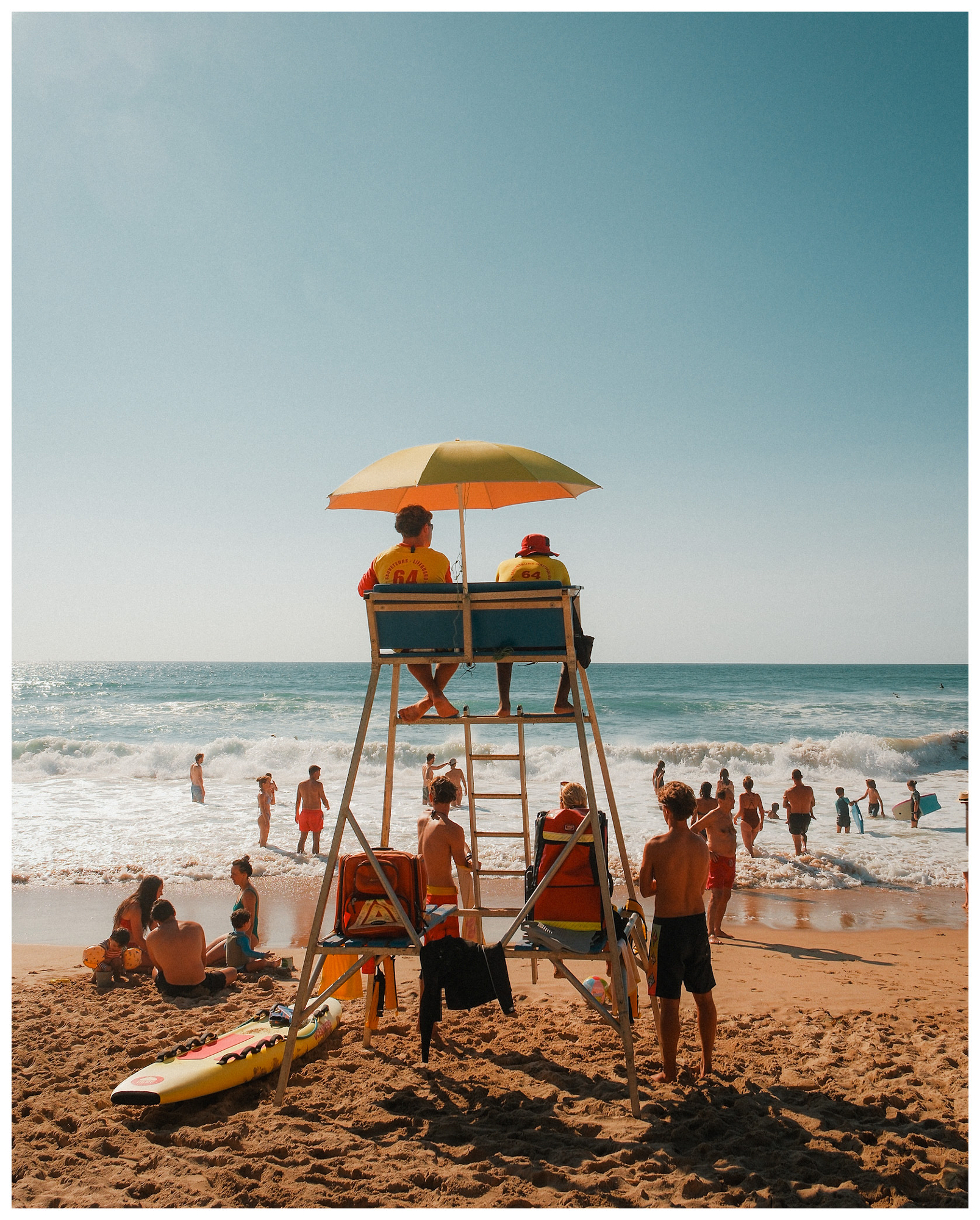
A specific warmth runs through your work. Creamy highlights, soft greens, sun-bleached skies. It reads less like a record of the day and more like the memory of it. Where did the palette behind your nostalgic travel photography come from?
I think it comes from my need for every photograph to have a story.
Nostalgic images inspire me most: photographs that carry warmth, memories, and emotions that make you feel something and almost bring back a certain moment.
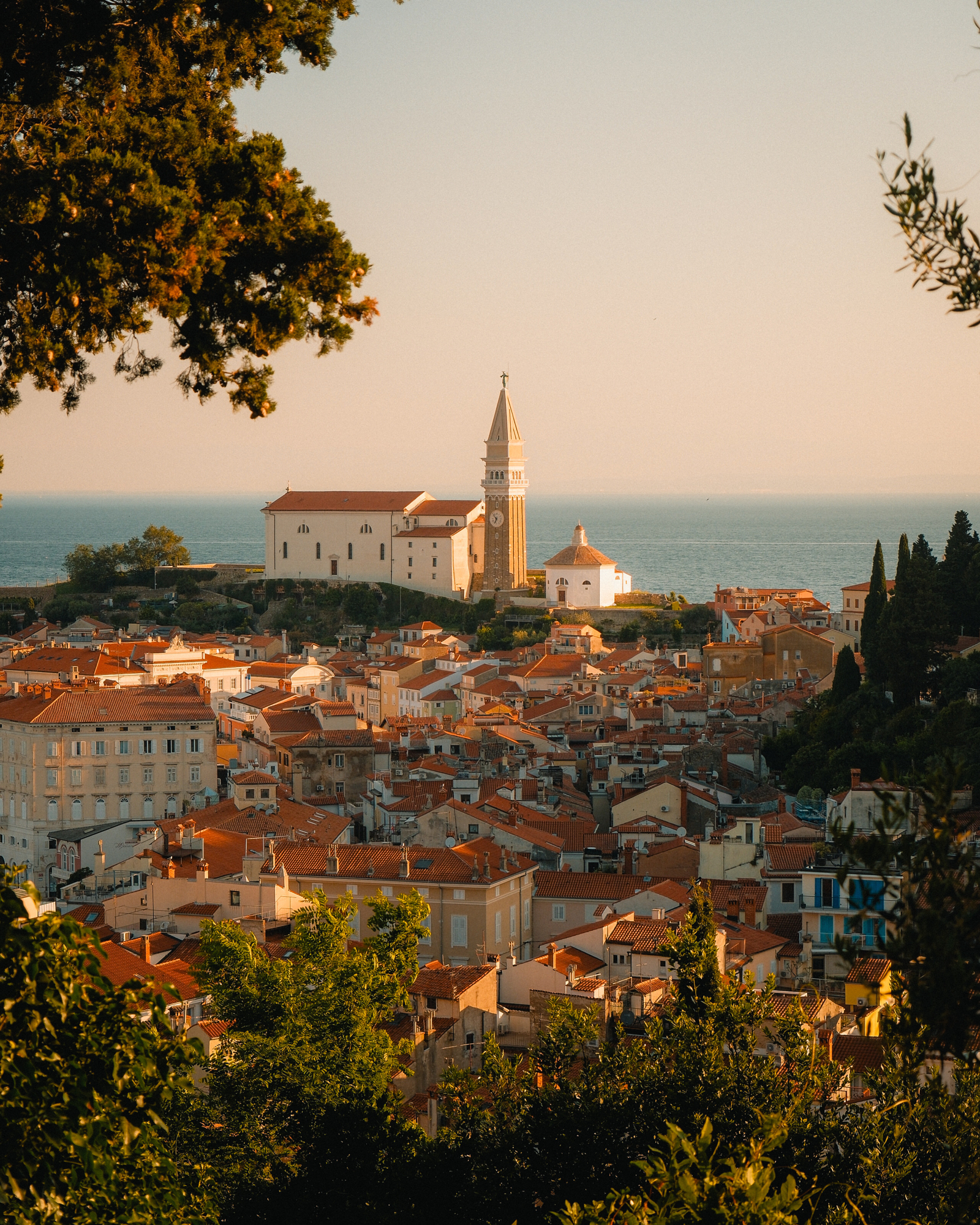
I believe that with a strong composition and warm, gentle colors, you can create a connection with people and bring out those emotions.
I have always been more drawn to warm, nostalgic photographs that tell a story. Modern, extremely sharp images often feel too cold to me. I like photographs that make you stop and think for a moment.
Shooting Between Competitions
The competition calendar takes you all over the world. But you arrive to work, with a result on the line. So how much of your shooting happens in the gaps?
When I compete around the world, my primary focus is always on sport. During competition periods it is honestly difficult to find time for photography.
However, I always bring my camera with me. Whenever an opportunity appears, or if I have a free day, I love going for a walk and searching for interesting photographs.
One of the most exciting parts is that we are in a different country almost every weekend, surrounded by different cultures and environments. That makes exploring with a camera even more special.
Most of my photographs are created during my free time, when I can travel without pressure and photograph whenever I want. I don’t have to watch the clock or worry about where I need to be next. The only thing I cannot miss is the right light, or that perfect moment in the frame.
Home Versus Away
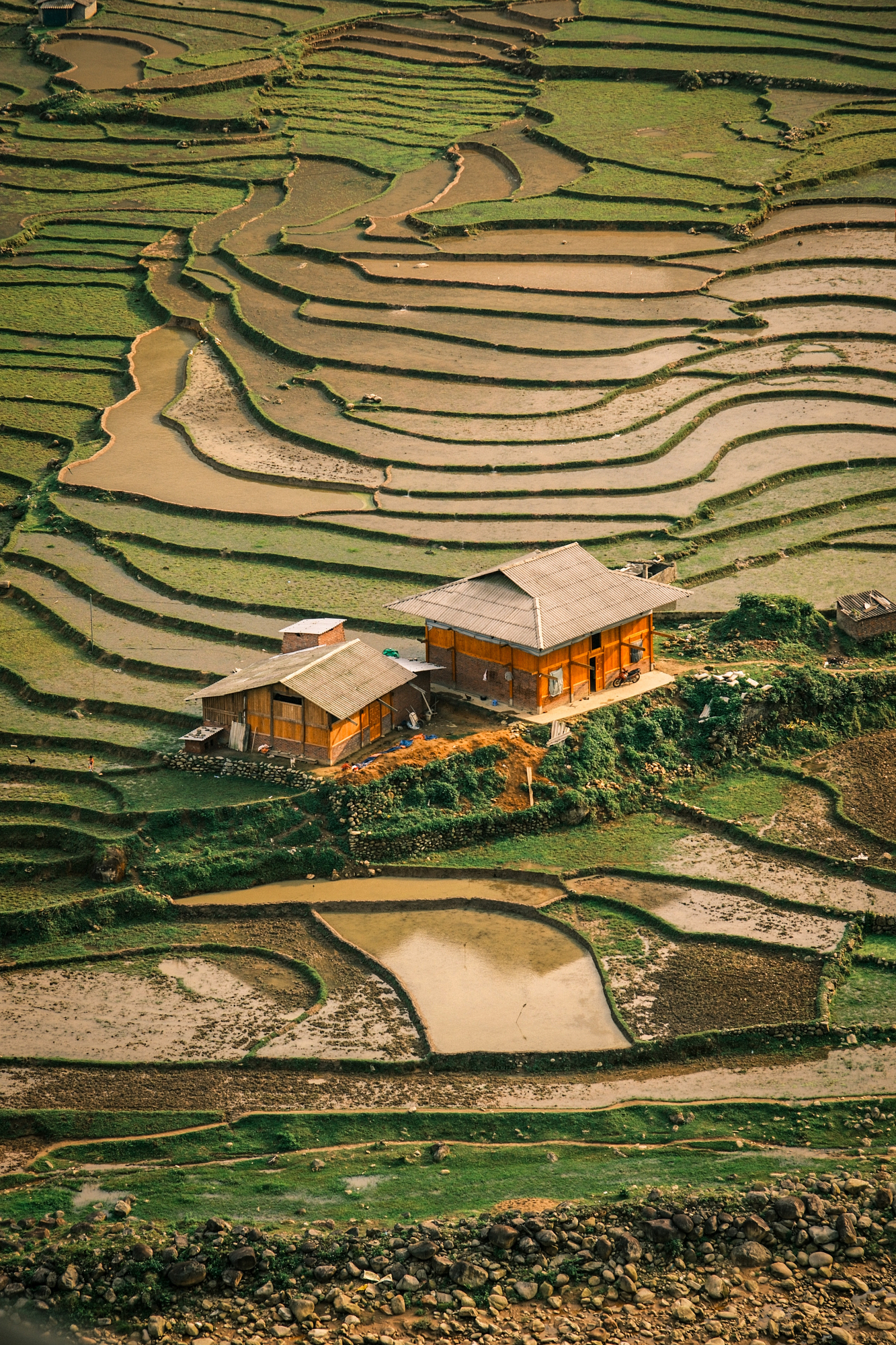
Your Slovenian work sits alongside frames from Vietnam and the French coast. Bled is a place you have seen a thousand times. Ha Giang was completely new. Which is harder to photograph?
I would definitely say that photographing places you have known since childhood is more challenging, because you become used to them. They no longer feel unusual or new, and they do not surprise you in the same way.
However, photography gives you the ability to see things that you might otherwise overlook. When you walk through familiar places with a camera, you start experiencing them differently. You begin searching for authentic moments and beautiful views, and only then do you truly realize how beautiful your home really is.
Sometimes we have incredible things right in front of us and simply do not notice them. Photography has taught me to appreciate what we have around us. The places we call home can be truly special.
The Feeling of Discovery
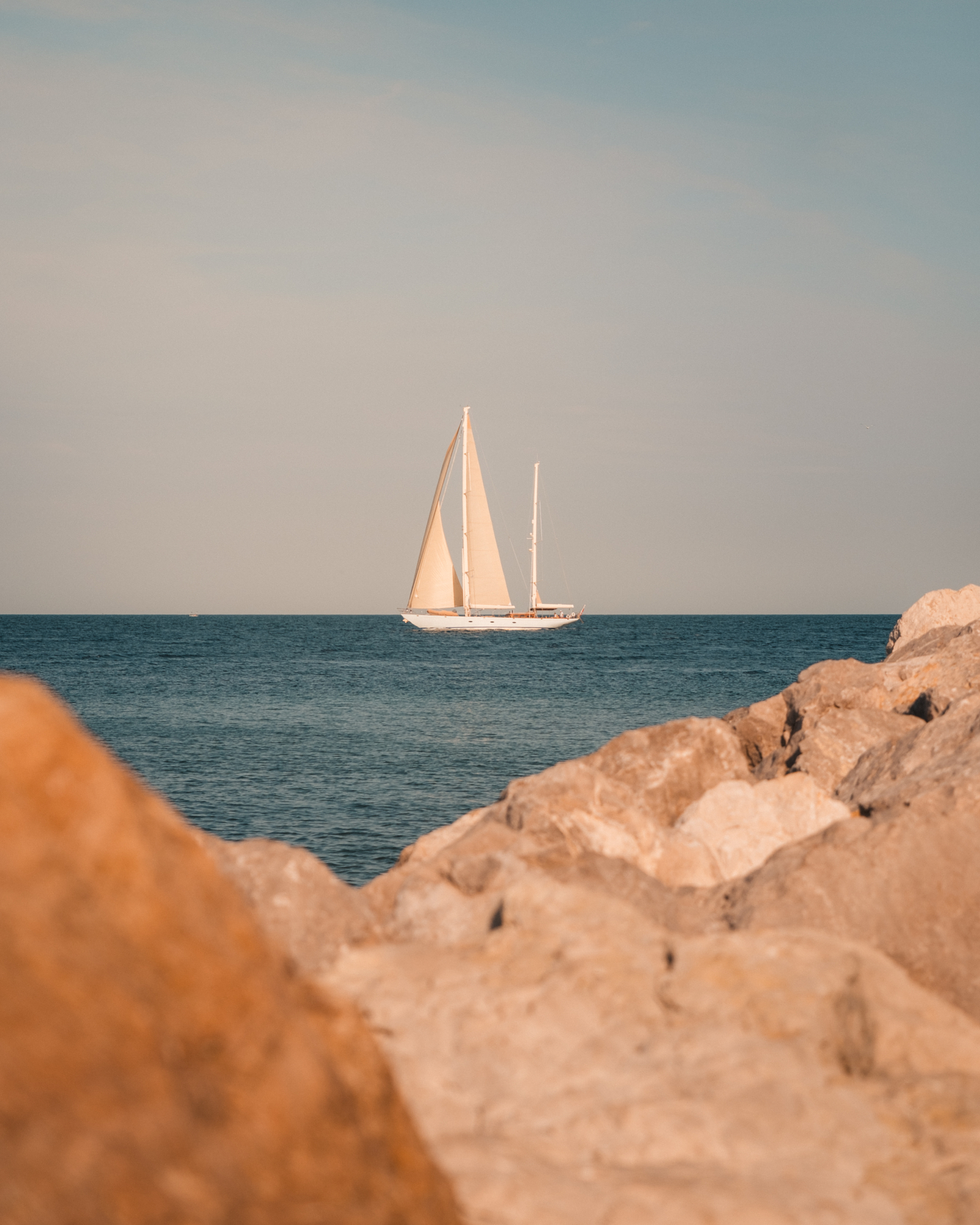
On the other hand, traveling somewhere completely new is a very unique experience. Almost every frame feels exciting because everything is unfamiliar. The colors are different, the contrasts are different, and there is a constant feeling of discovery. That is when I really enjoy exploring with my camera.
Many times I find myself stopping and thinking about how beautiful our planet is. At the same time, visiting poorer countries reminds me how fortunate we are with what we have at home, and how important it is to appreciate it.
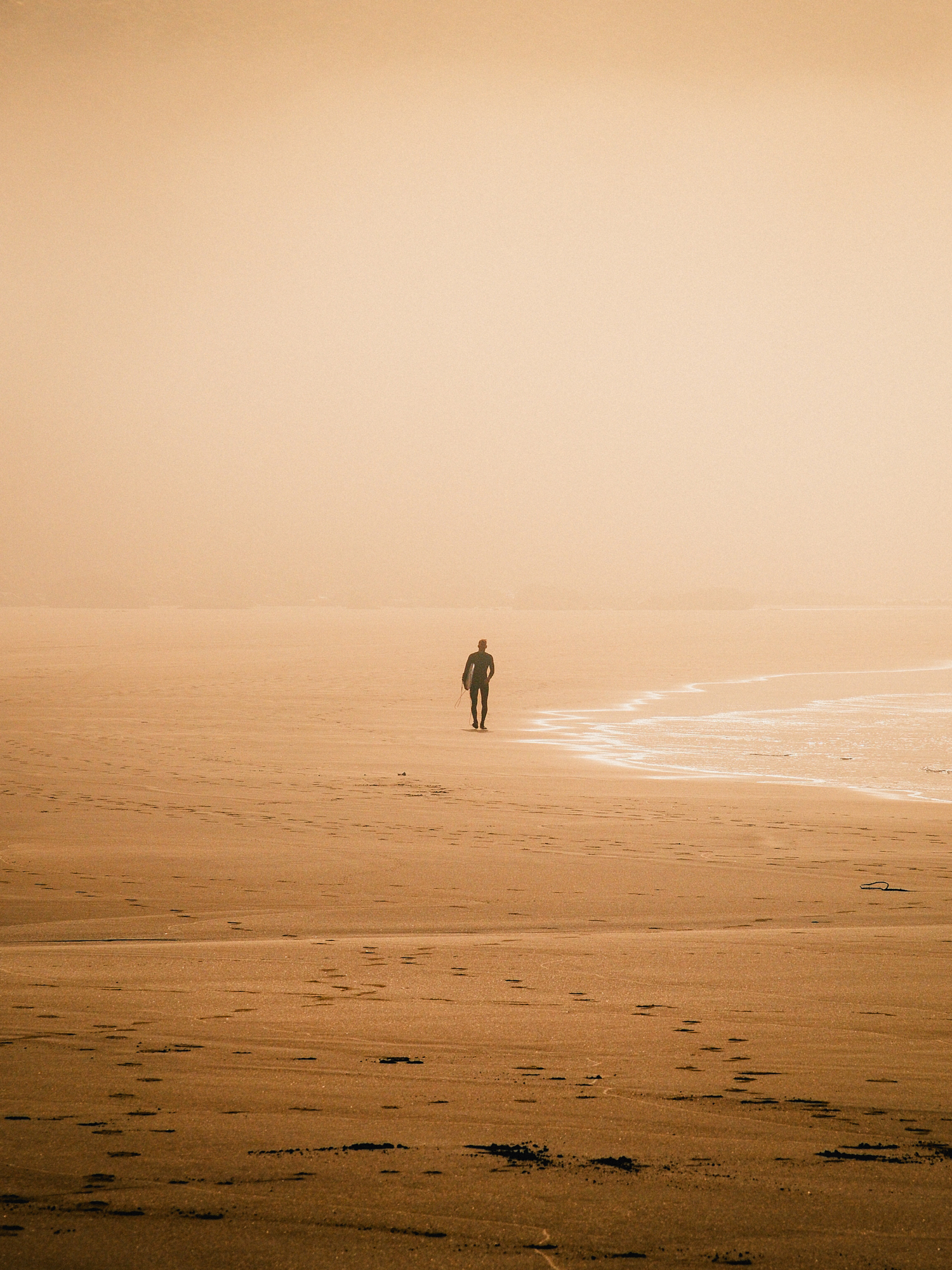
In the end, I truly enjoy photographing both familiar places and destinations I am seeing for the first time. Each has its own advantages and challenges. But the most important thing is that I enjoy the process and the stories that come with it.
Fujifilm, a Phone, and What Actually Matters
You shoot a Fujifilm body, and you also shoot your phone. In the portfolio it is not always obvious which is which. What decides it in the moment?
It is true, Fujifilm is my main camera and it has really become something special to me.
The reason is not only the quality of the images. It is also the retro design, the warm colors, and the mechanical dials. All of those details give me a feeling of nostalgia, and they make me enjoy the process even more. Sometimes just holding the camera in my hands creates the desire to go out and photograph.
Of course, there are many situations when I am traveling or competing and simply cannot have my camera with me. In those moments, my phone is a great option.
I believe you can create amazing photographs with a phone as well. Its biggest advantage is that it is always with you. So if I don’t have my camera, my phone is always ready.
The Small Figures in the Frame
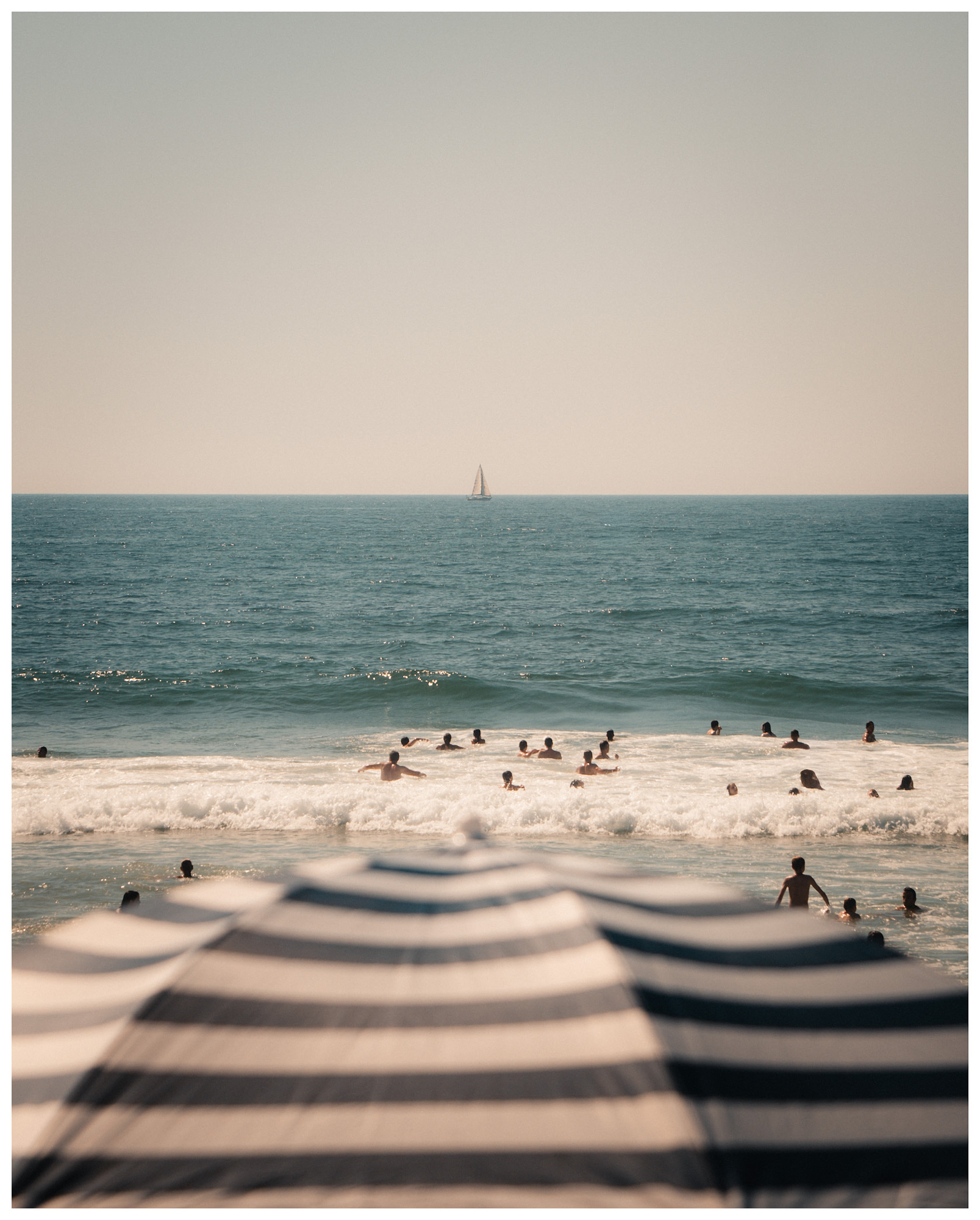
People turn up in your pictures at a very particular scale. A figure on a footbridge. Someone at the edge of a lake, facing away. A person almost swallowed by fog. They are never quite the subject, and never quite an accident. What are those figures doing for you?
I feel that these people complete my photographs.
They help finish the story and often create an even stronger emotional connection for the viewer. Without people in the frame, some images would not carry the same feeling, and they would be much harder to imagine yourself inside.
For me, they are like the final touch that gives the photograph a complete story.
Sometimes it almost feels like a small miracle when I capture someone exactly where I imagined them, in the perfect position within the frame. But when it happens, it can completely change the feeling of the photograph.
A Question From David Velez
We have a question from a previous featured photographer, David Velez, who asked: what was the thing that really made you start photography, and your style of photography?
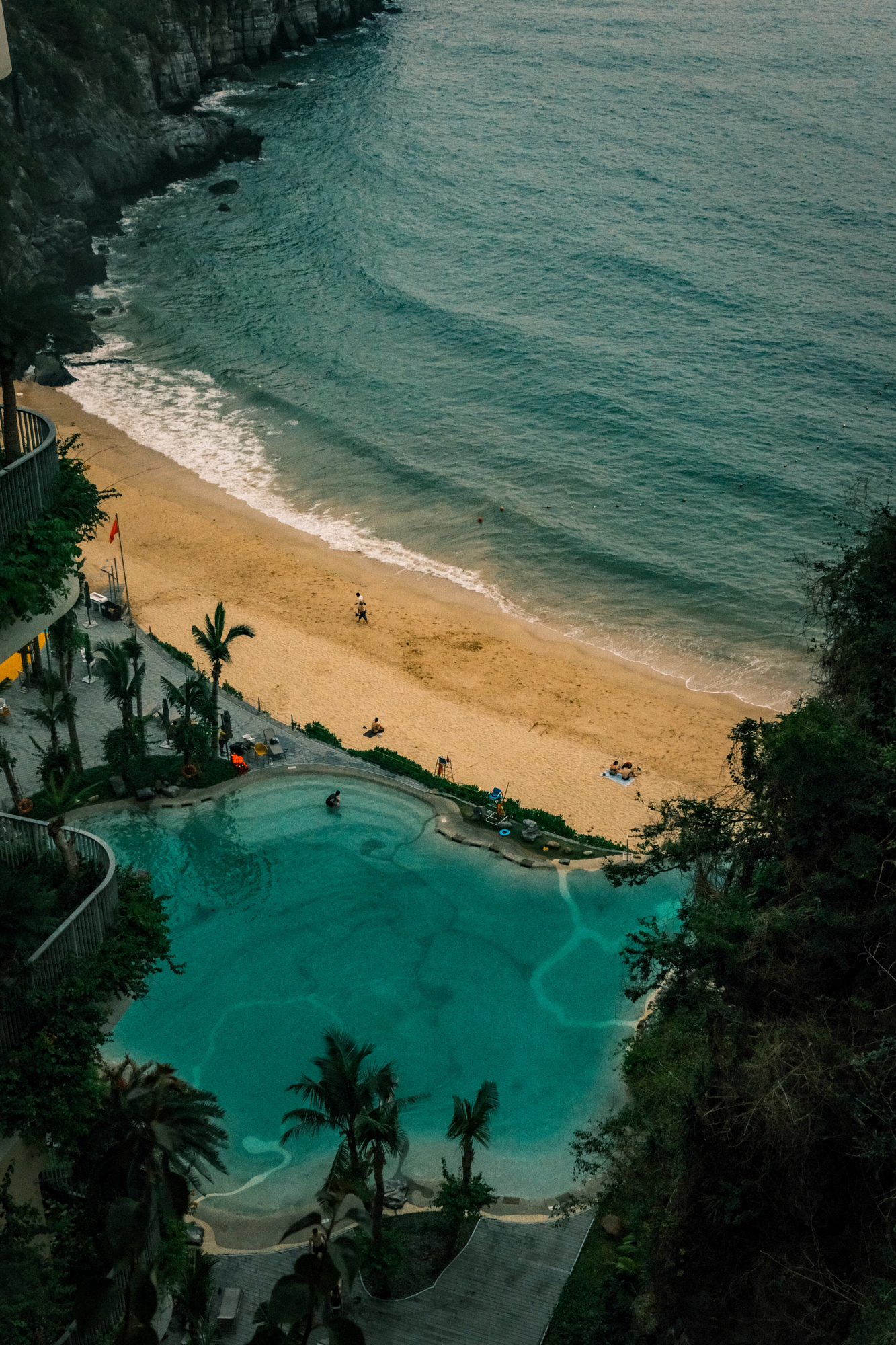
I would say that, above all, I genuinely enjoy photography. It is much harder for me to go on a long walk without a camera than with one. When I have my camera with me, I find myself exploring every street, every hidden corner, and places I probably would have walked past otherwise. In that way, photography has helped me see much more of the world.
As for my style, I think it is mainly driven by emotions. I spent a lot of time experimenting with different edits, compositions, and colors. But in the end, I always found myself returning to warm tones and nostalgic feelings. That is what makes me stop when I see an image. A photograph that creates an emotion, makes me feel something, and keeps my attention for a while.
What Comes Next
Žak, thank you for taking the time. Before we let you go, what is next for your nostalgic travel photography?
My main goal is to continue expanding my collection of photographs and sharing them with the world. I believe people enjoy images that bring back warm moments, nostalgia, and beautiful memories. That is what I hope my photography can do.
Most importantly, I want people to enjoy my photographs and feel something when they look at them.
Looking further into the future, after I finish my professional sports career, I hope new opportunities will open up. I would love to continue creating through photography and dedicate all of my time and energy to it.
See More of Žak Mogel’s Work
Follow Žak’s nostalgic travel photography on his 500px Profile, and see more on Instagram at @zakmogel and @zakmogel.pov.