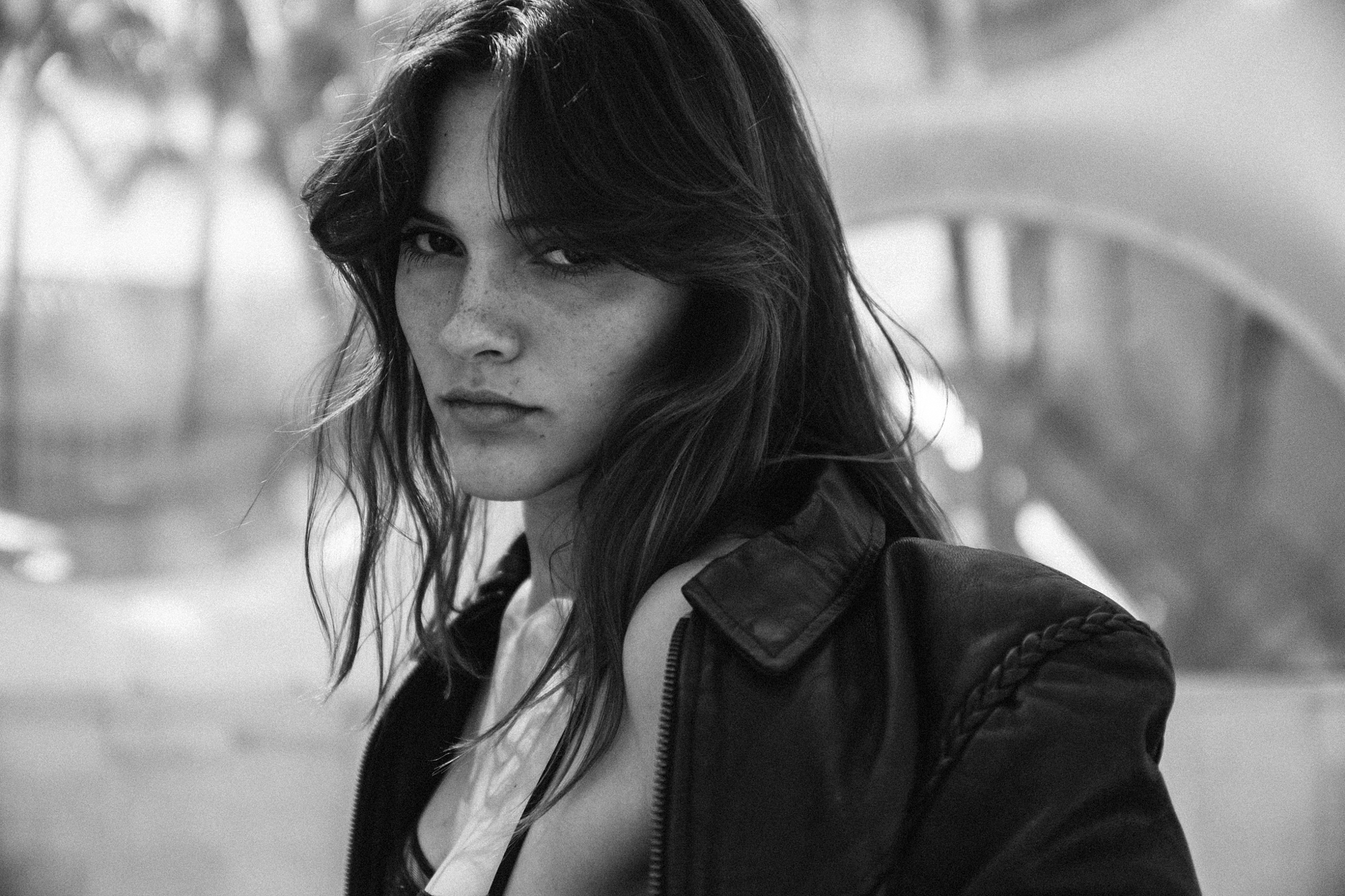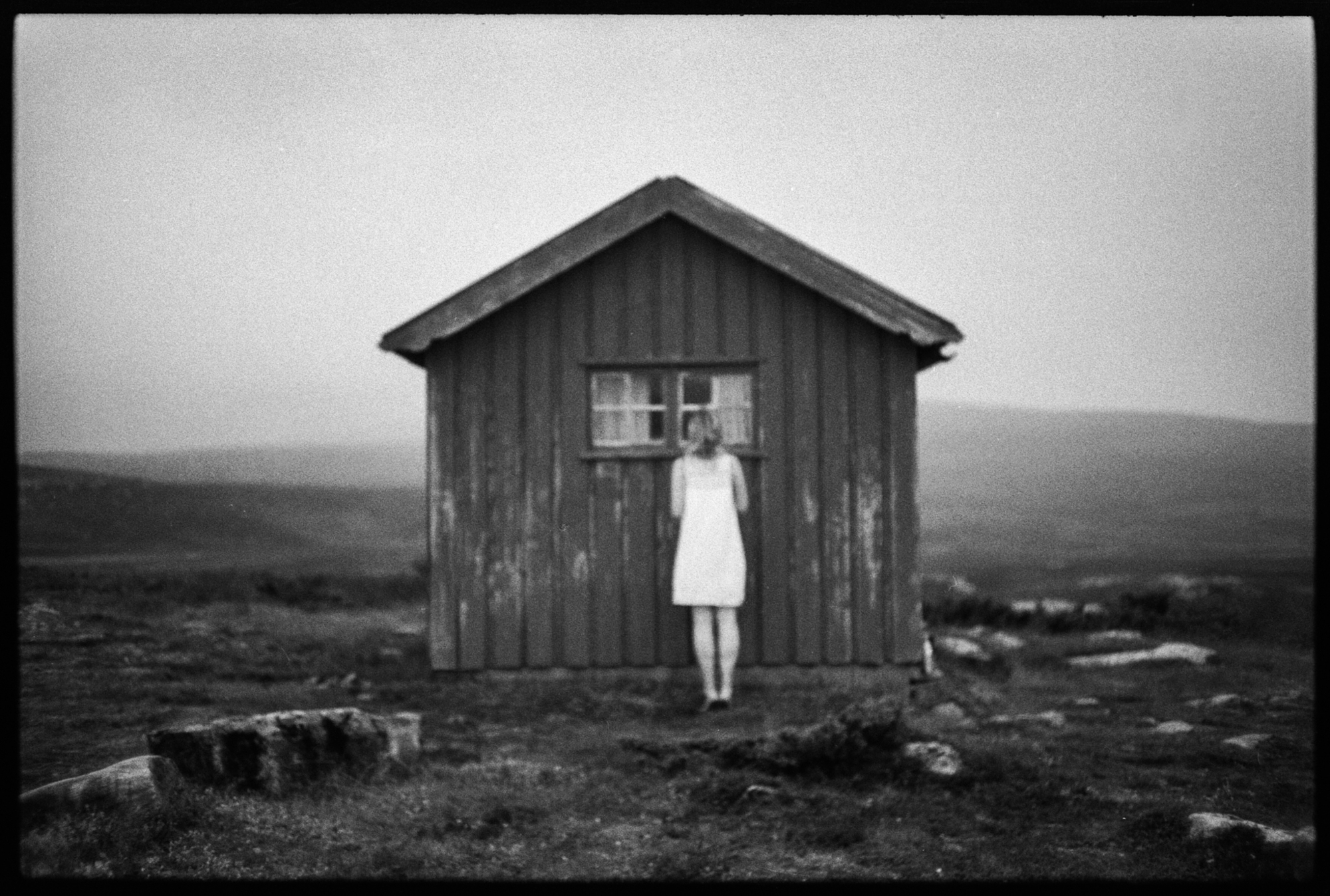
Holger Nitschke works out of Oldenburg, Germany. He splits his time between analog and digital cameras, using both to feed the same instinct: strip a portrait down to light and shadow, and something honest usually surfaces.
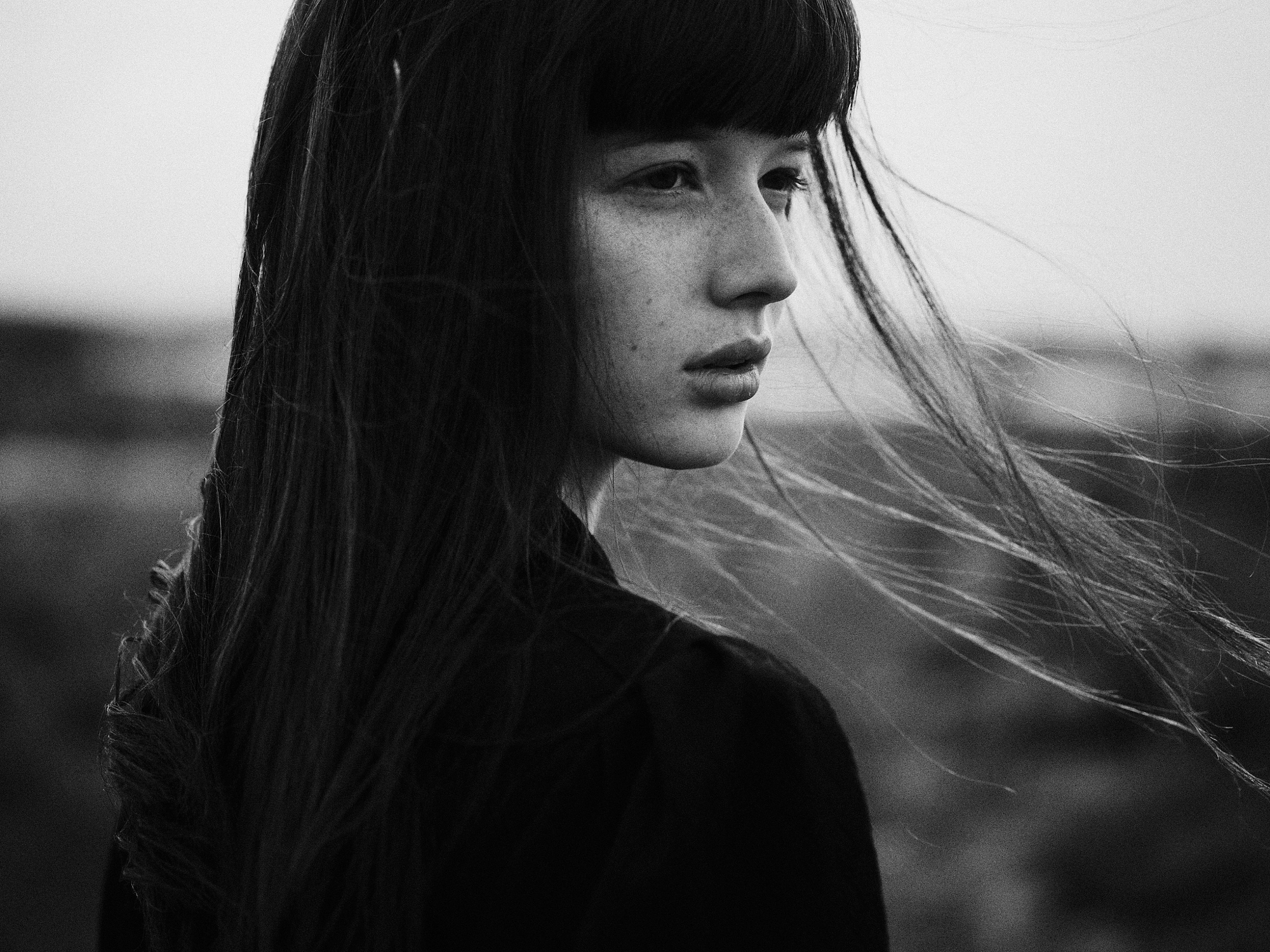
His 500px handle, lichtreize, translates roughly to “light stimuli.” That name tells you where his eye goes first. Across fashion sets and quiet portrait sittings, his black-and-white work has the patience of fine art rather than the rush of a commercial shoot.
We caught up with Holger to talk about his path into photography, his love for film, and how he keeps a black-and-white portrait from feeling like a technical exercise.
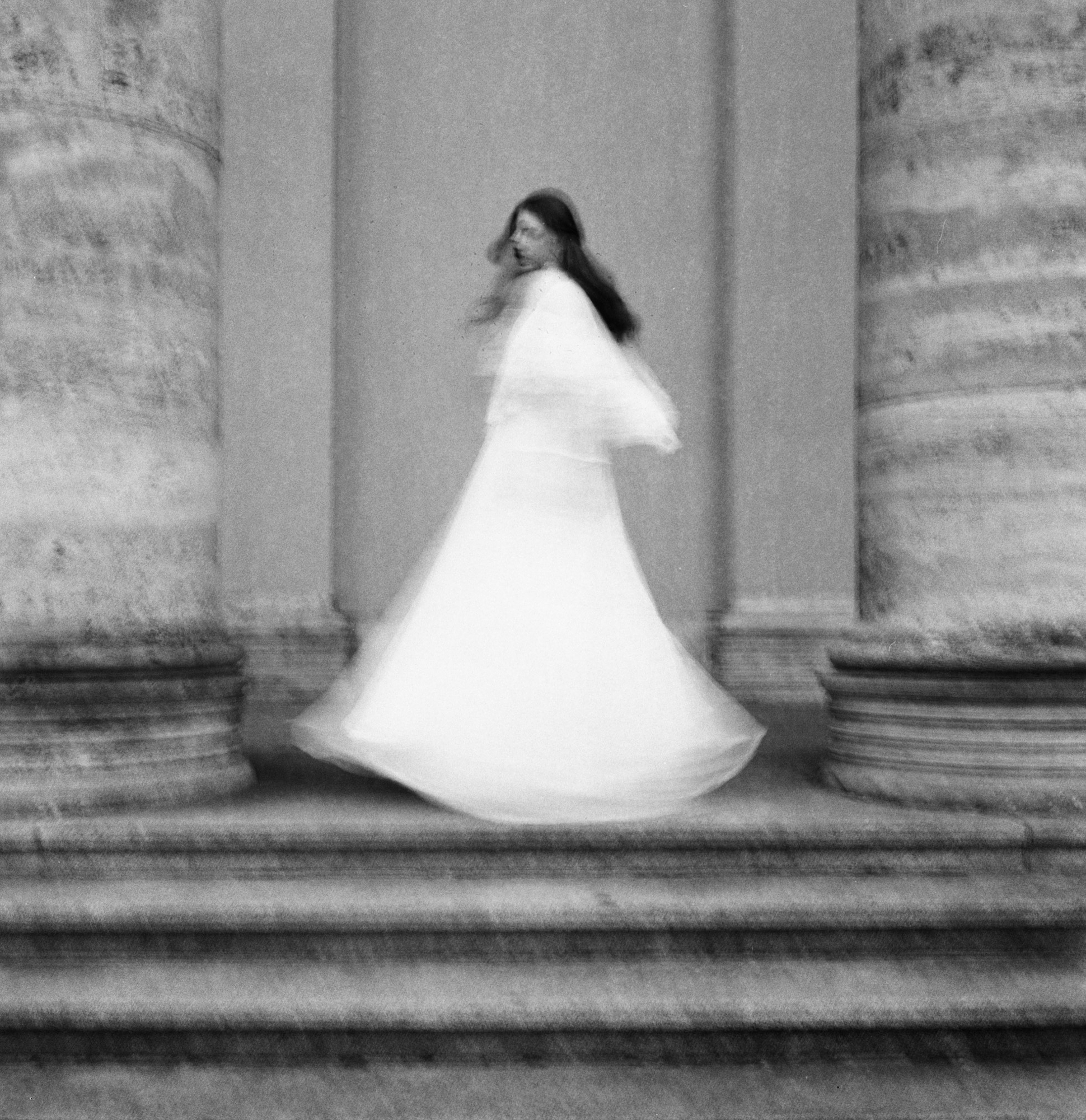
Walk us through your path into photography. What pulled you toward portrait and fashion work, and when did you realize this would be your career rather than a hobby?
I bought my first digital camera around 2002 or 2003 and started out taking photos at concerts. After doing a few test shoots with friends, I wanted to take things further.
For the first few years, I was active in the goth and alternative scene. Around 2010, I started breaking out of that space because fashion photography caught my interest. My dark style remained, though. My photos have never been cheerful or colorful, and they probably never will be.
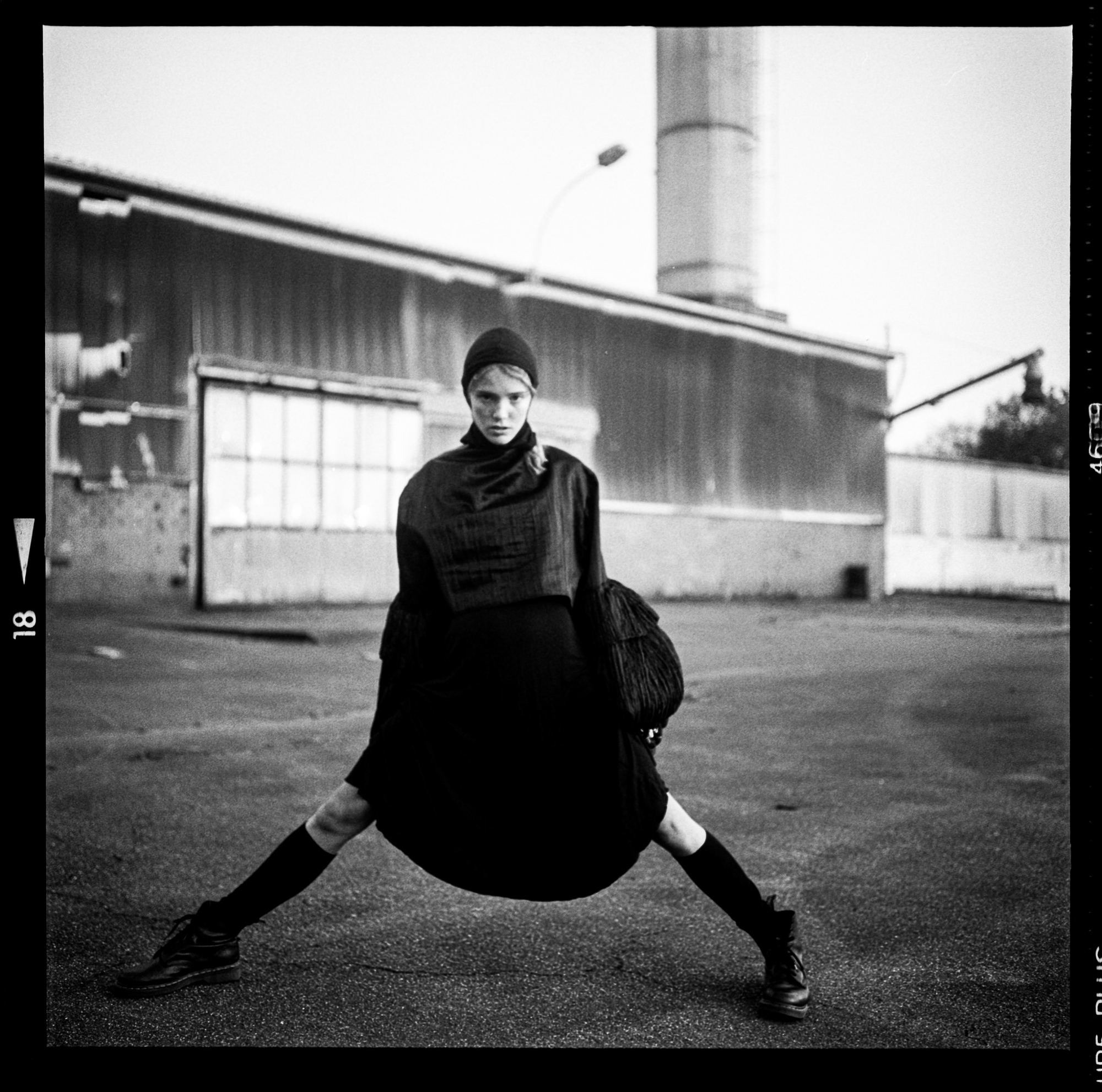
I love classic portrait and fashion photography from the last century. My main goal is always to create images that feel timeless.
Your 500px handle, lichtreize, translates to “light stimuli.” Where did that name come from, and how well does it describe your relationship with light?
These days I mostly use my real name, but older profiles like my 500px page still feature lichtreize. I chose it back when photographers usually created artistic brand names.
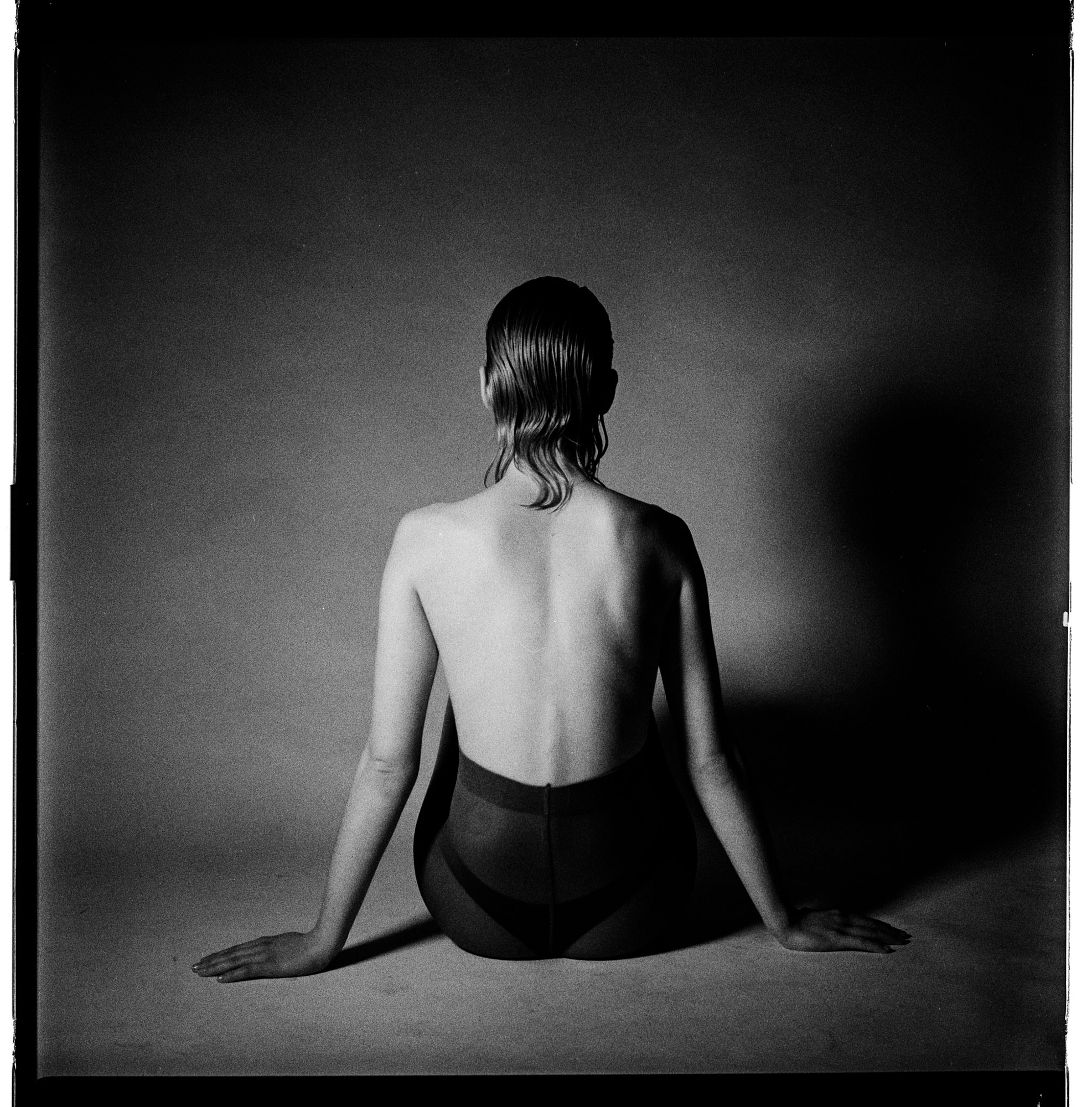
The German word is often linked to biology—like light stimuli hitting the retina. The term popped into my head, and I thought it fit well: simple, short, and easy to remember. There wasn’t a deep meaning behind it!
You shoot almost exclusively in black and white. What does removing color give you, and was there a specific moment that convinced you to work this way?
Black-and-white is the core element of classic fashion photography, which I love. I like color in general, but over time I realized it rarely adds value to my own images. In fact, color often distracts me.
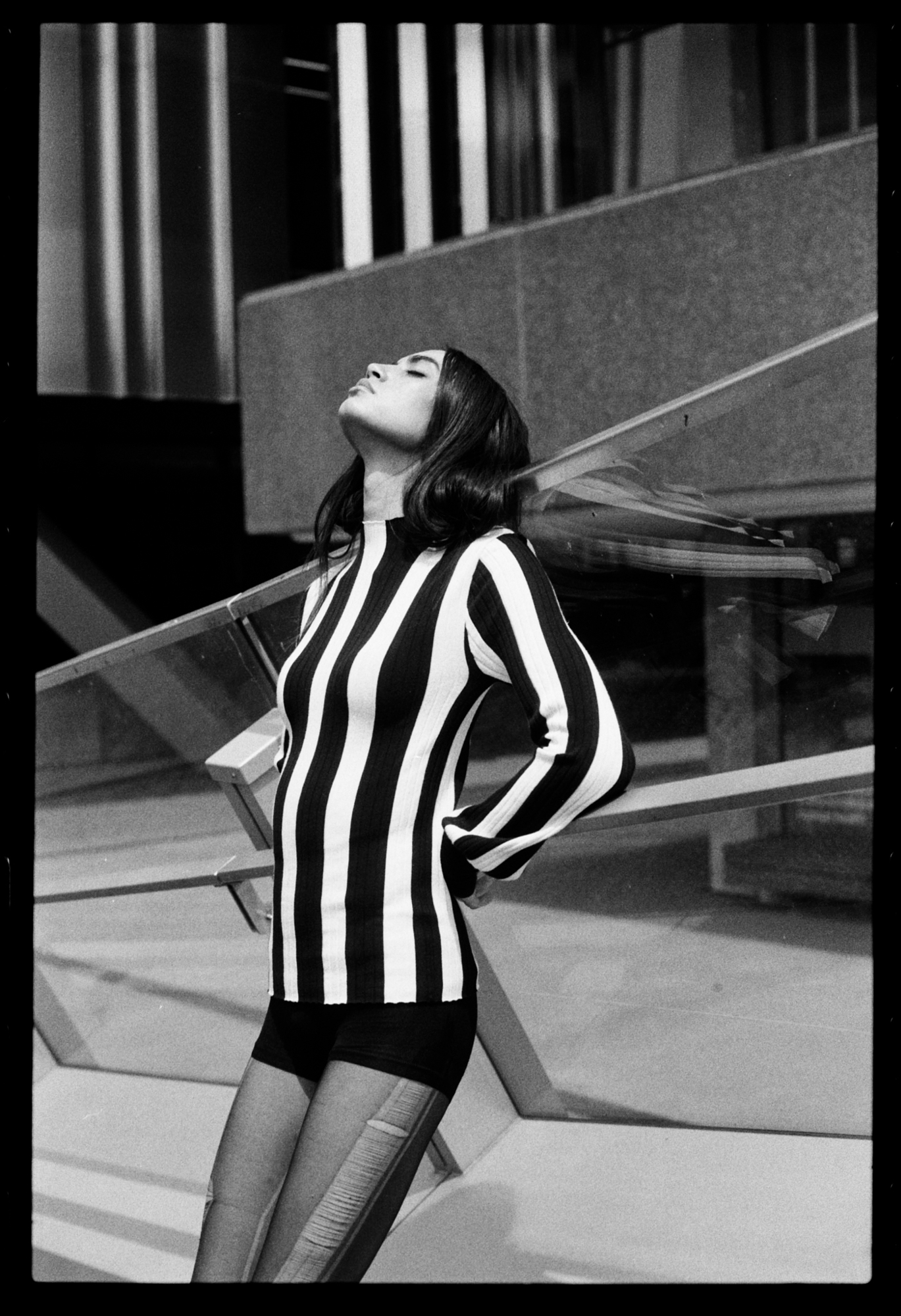
I prefer a minimalist approach to my work and my technique. Black-and-white allows me to build a more somber mood. Besides, developing black-and-white prints in the darkroom gives me much more creative freedom than working with color.
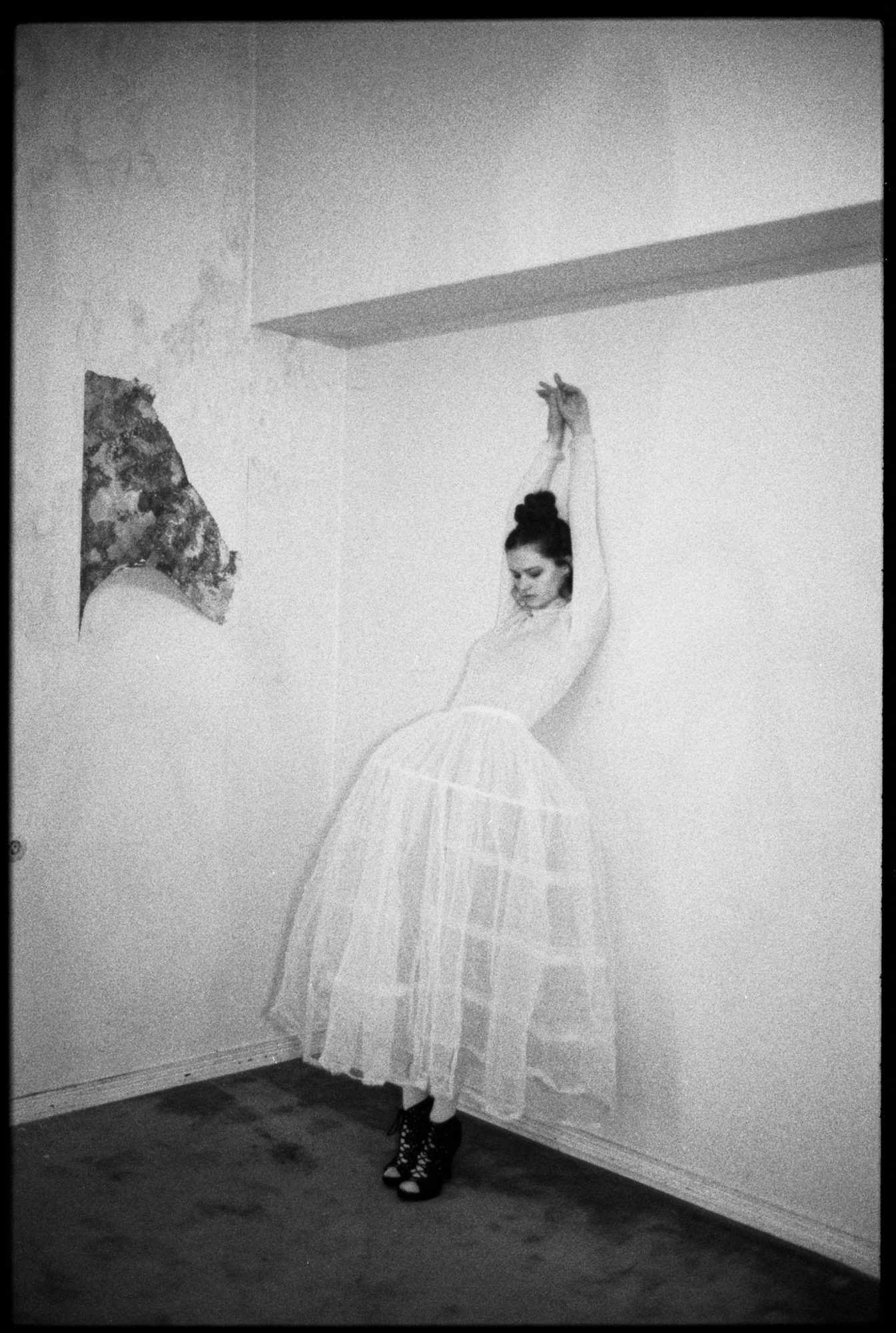
You shoot both analog and digital. What does film require on set that digital doesn’t, and how do you pick the right camera for a shoot?
Shooting film is certainly more expensive and time-consuming. Because of that, I use both digital and analog cameras on most shoots.
My sessions are rarely planned down to the last detail, and I often work with new models. I usually start with digital to get warmed up, then switch to analog. Since I rely entirely on natural light outdoors, this step-by-step approach prevents unnecessary film waste.
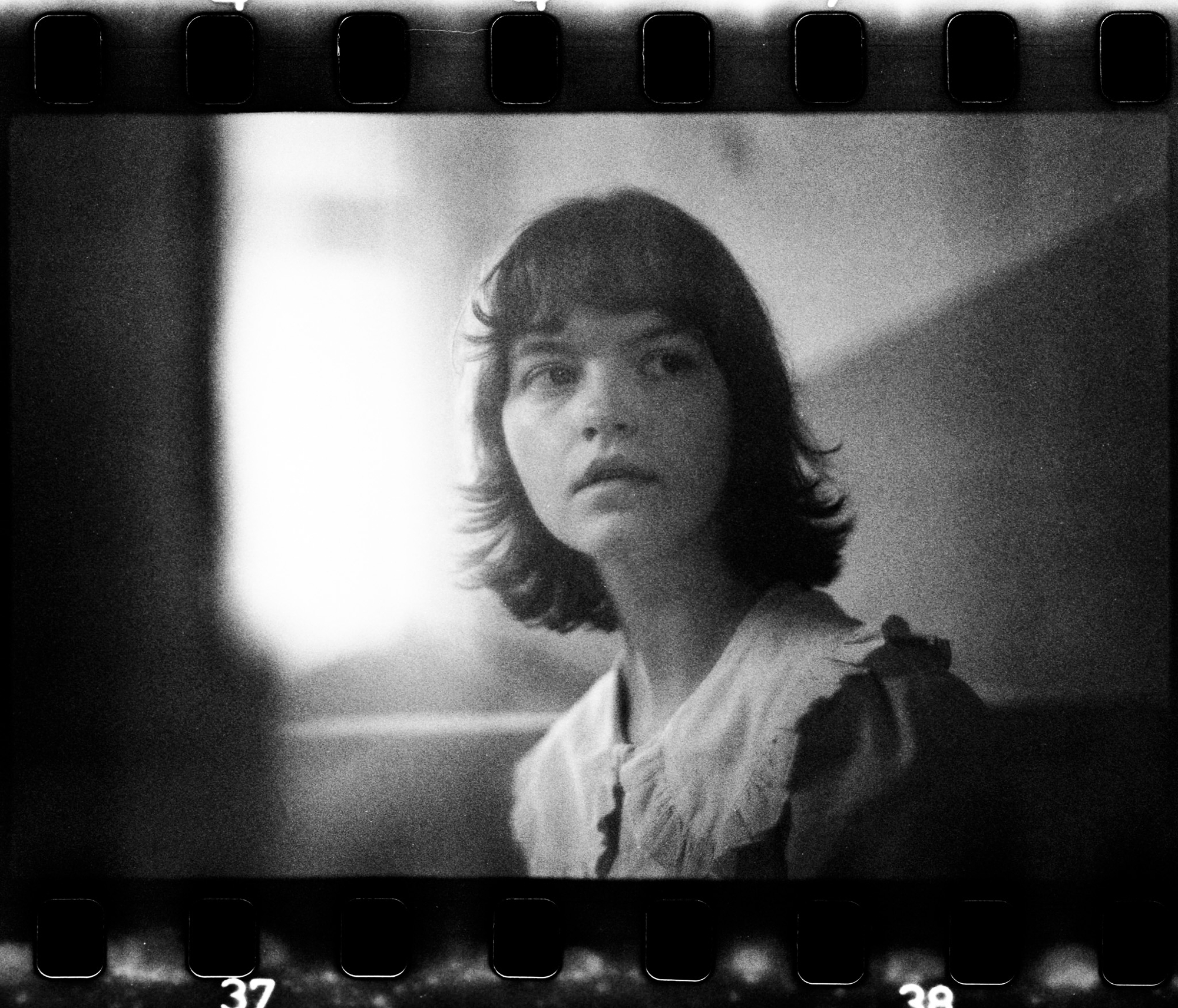
Choosing a camera isn’t always easy because I have a large collection of analog gear. However, I usually land on my medium-format Rolleiflex for staged portraits, alongside a 35mm camera with a 50mm lens. The only rule I care about is having a fast lens with a wide aperture and a camera body that feels great to hold.
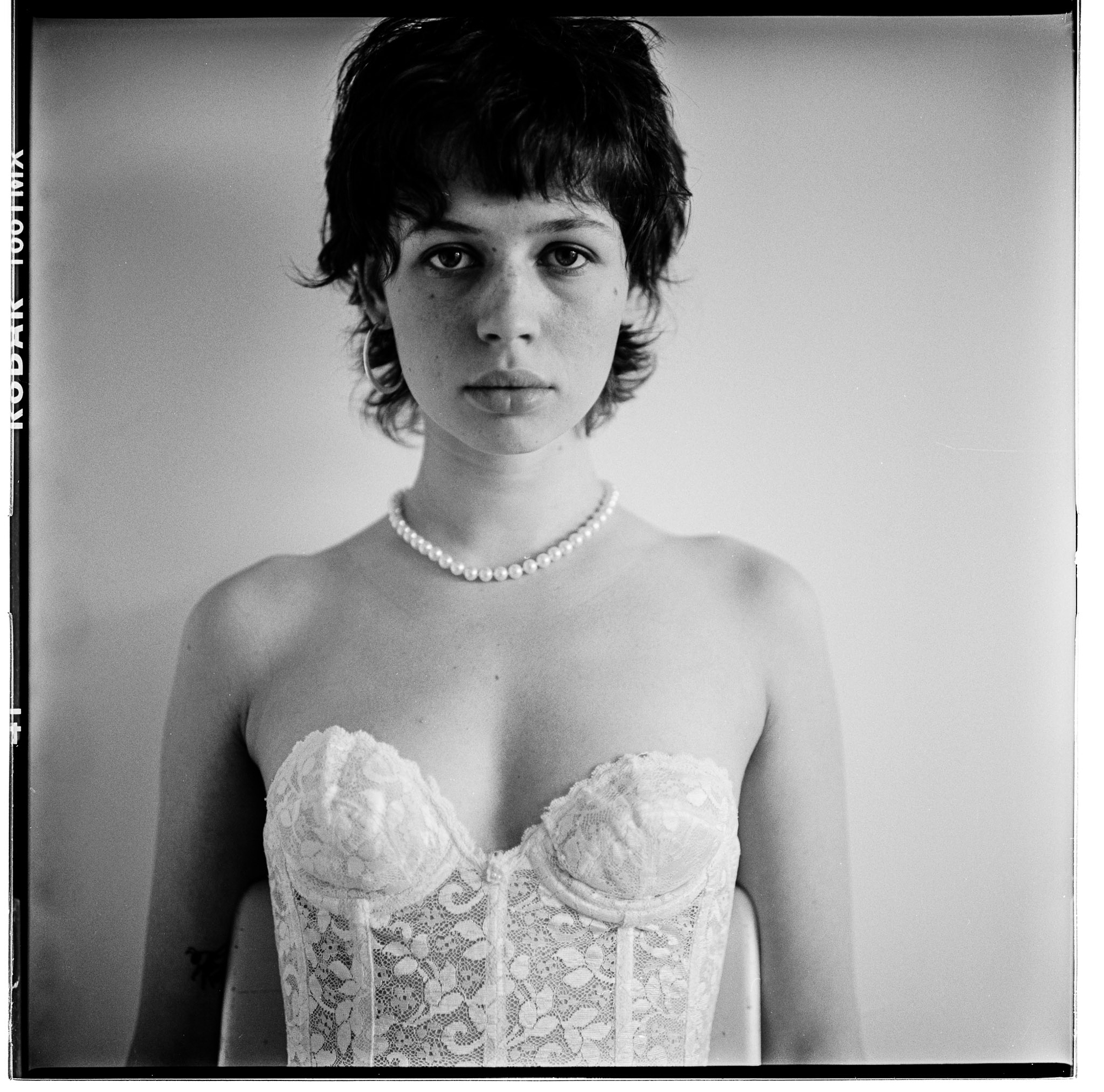
Oldenburg isn’t a traditional fashion capital like Paris or Milan. How has working from a smaller German city shaped your work? Has this distance helped or limited you?
There are definitely pros and cons. Being far from the heart of the fashion industry can be tough. The closest major industry hub to me is Hamburg. For last-minute jobs, clients can find it tricky to coordinate travel out to Oldenburg.
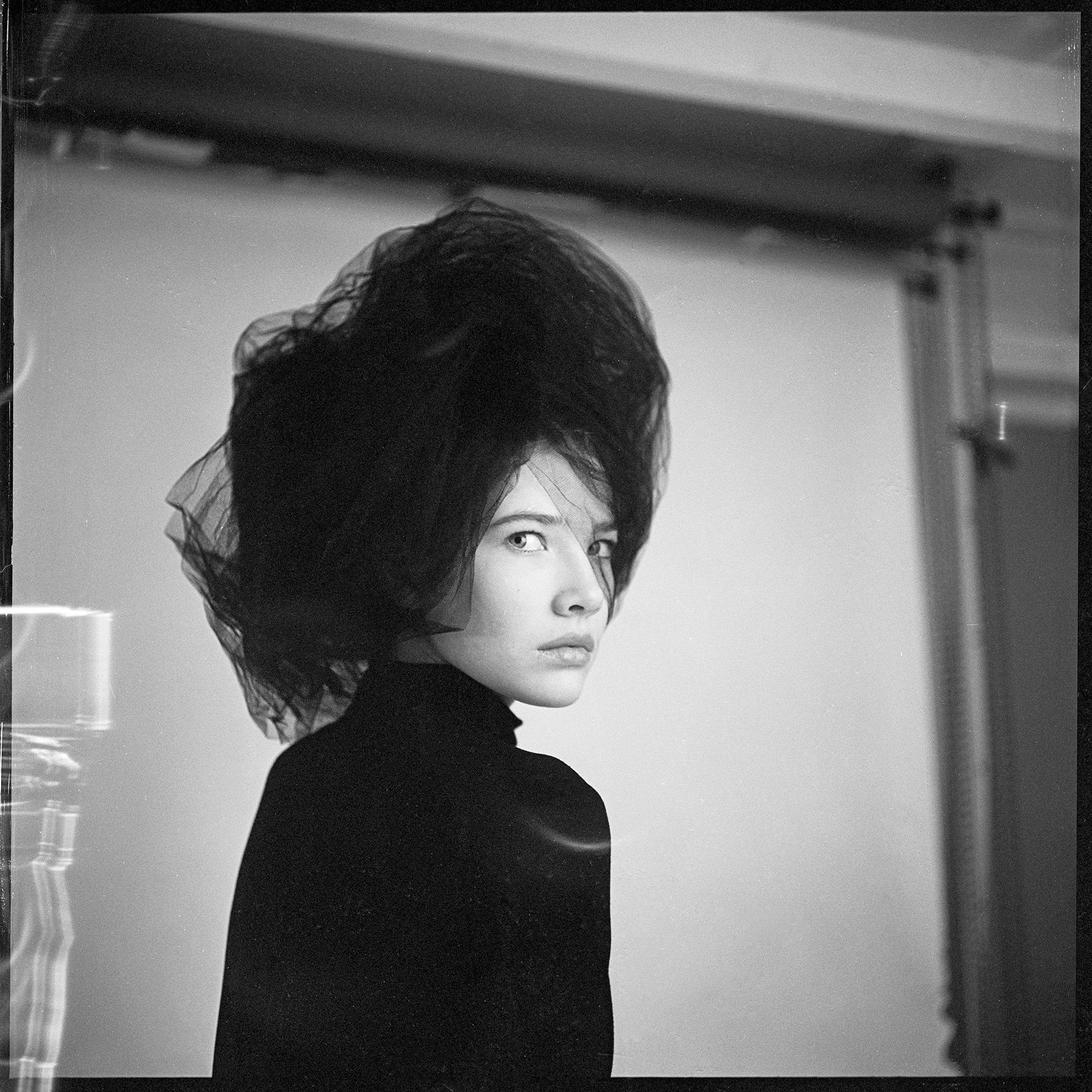
On the other hand, it makes me proud when clients, models, and actors travel here specifically to work with me. Building new contacts online takes effort, and I do miss meeting people in person for a quick coffee. But I travel often—over the last few years, I’ve worked across the U.S., Canada, England, and New Zealand.
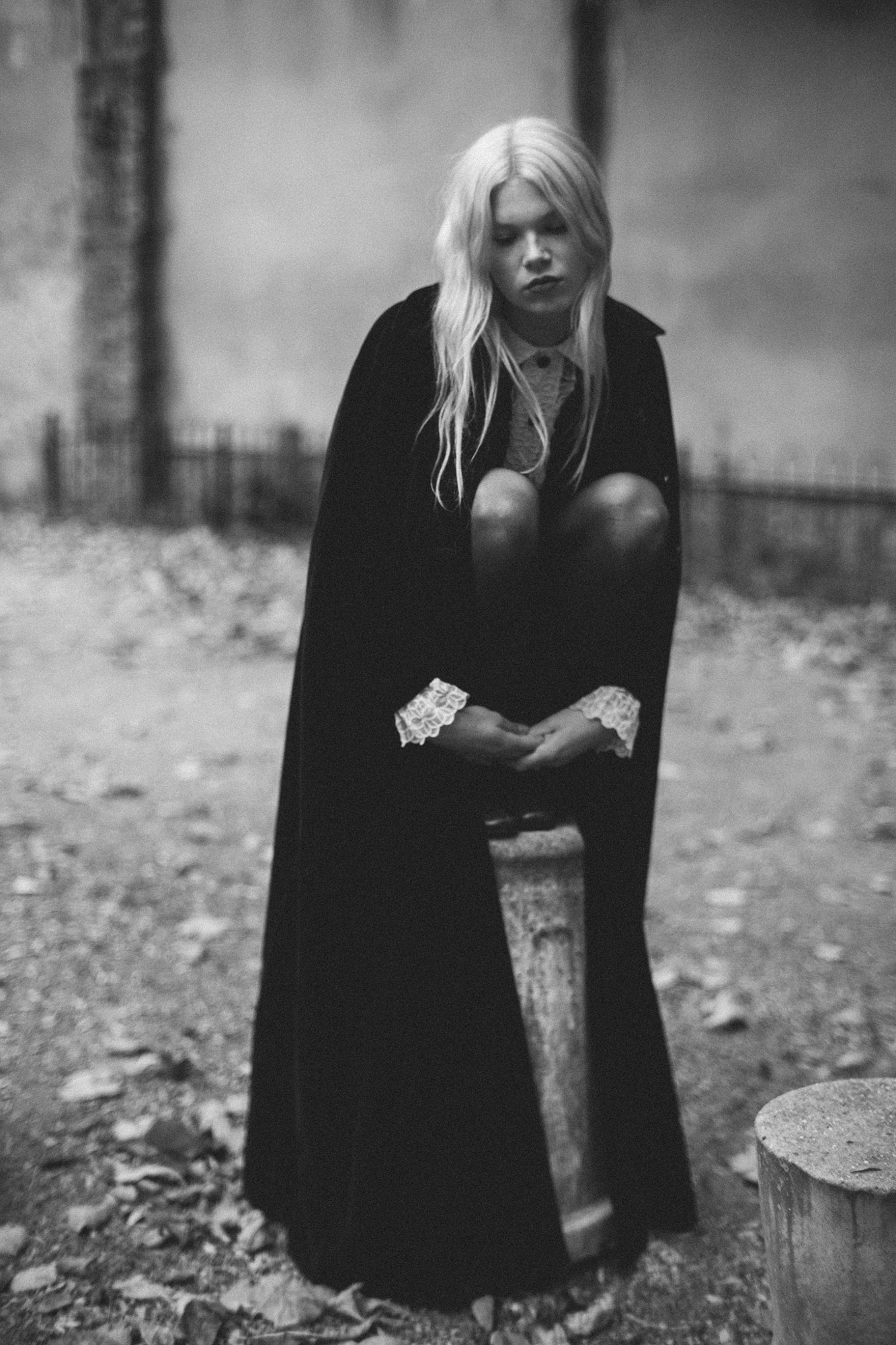
Your portraits have a quiet, intimate mood, even when styled. How do you help subjects drop their guard in front of the camera?
The most important ingredient is time.
I make sure to schedule plenty of time for every shoot so I can connect with the model. I treat everyone as an equal, and we always start with a casual chat. When my partner helps with hair and makeup, the environment becomes very friendly and relaxed.
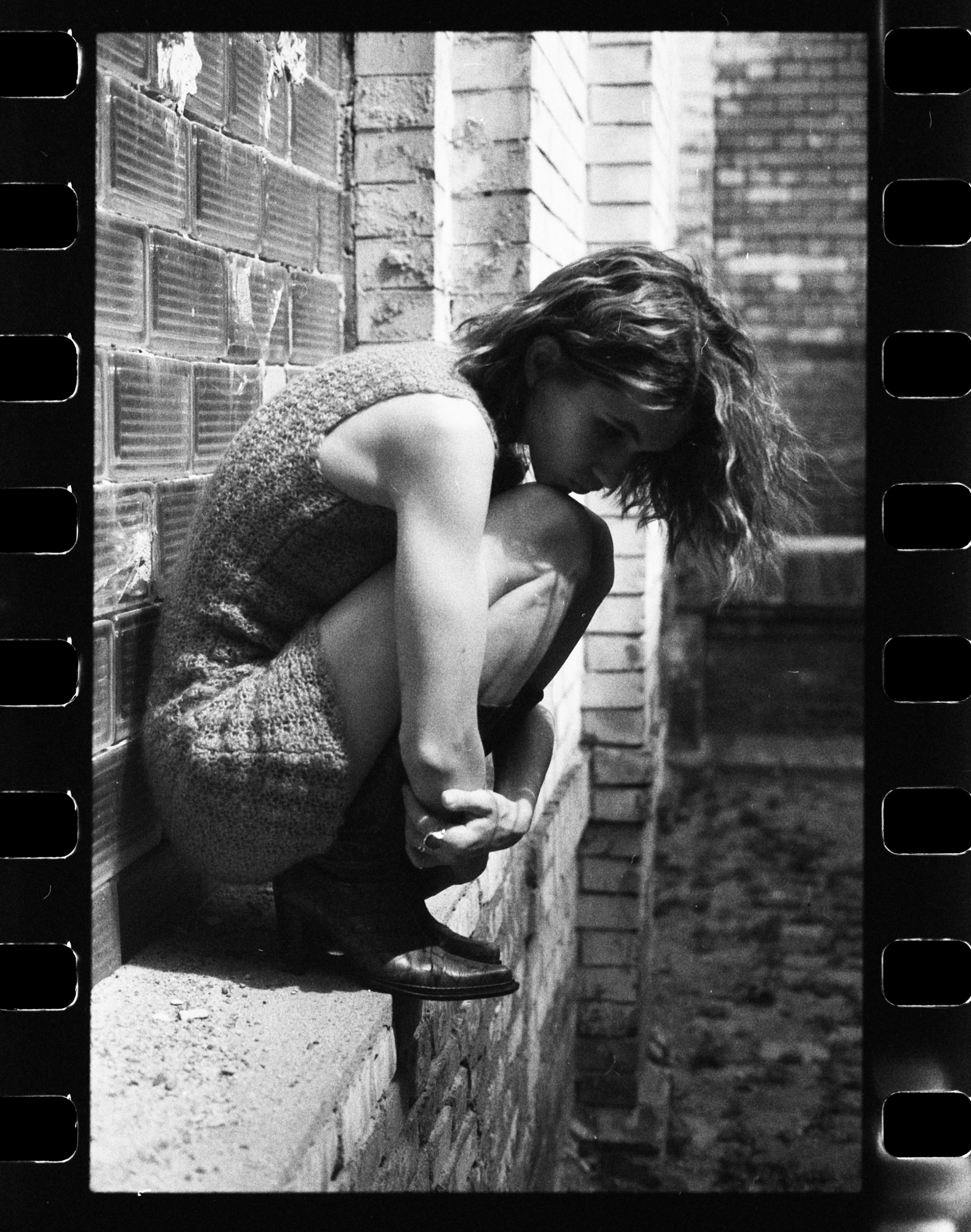
There’s no pressure, no stress, and no uncomfortable silence. Silence can kill the energy, especially with non-professional models. I always play music in the studio. I also share digital previews during the shoot so we can review them together. When models see great results early on, they relax and start actively contributing to the creative process.
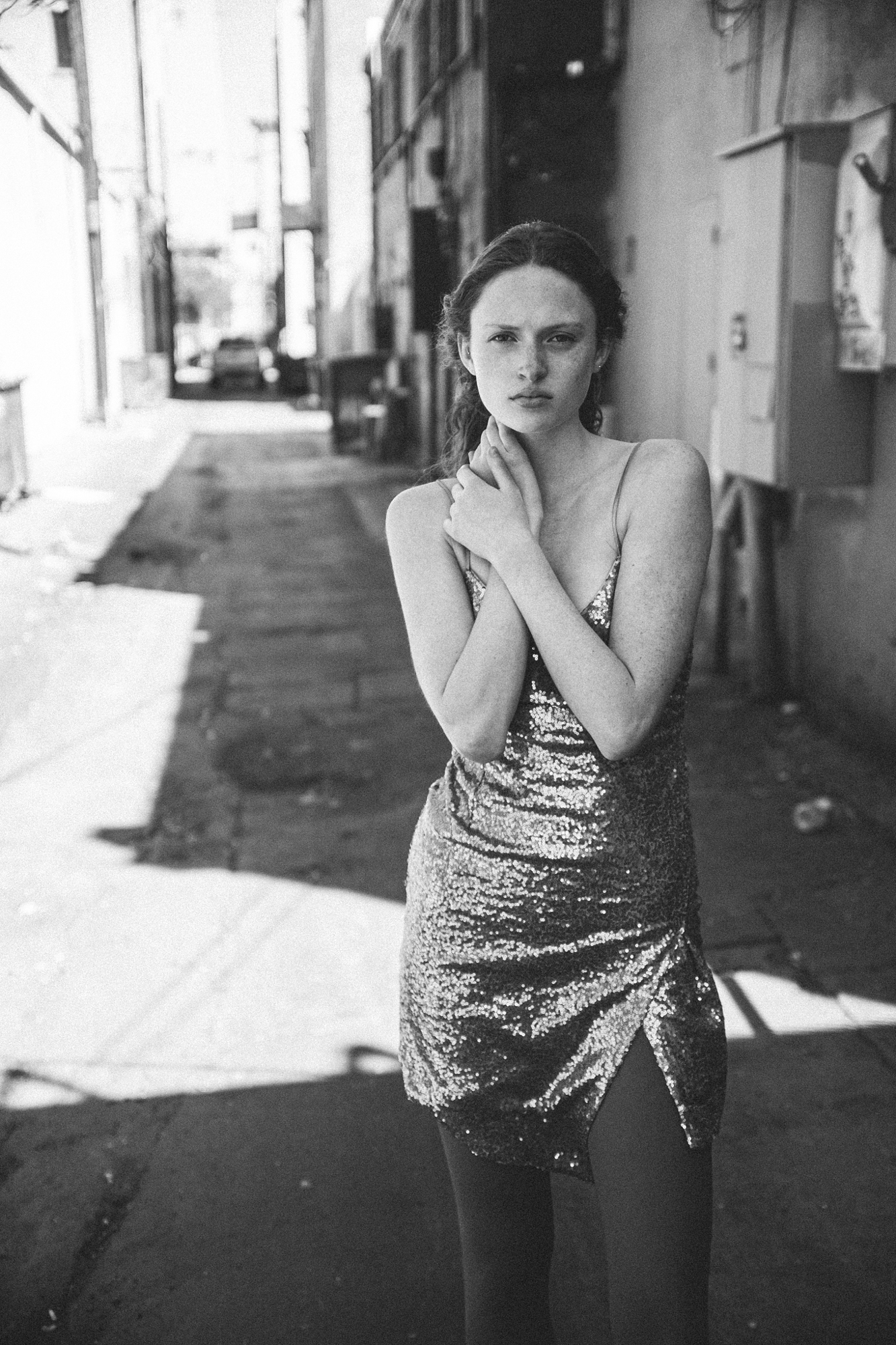
Where do you draw the line between a commercial fashion shoot and fine-art portraiture?
The line is very blurry. I start every shoot from scratch with very few fixed plans. I like to experiment with different techniques and styles along the way.
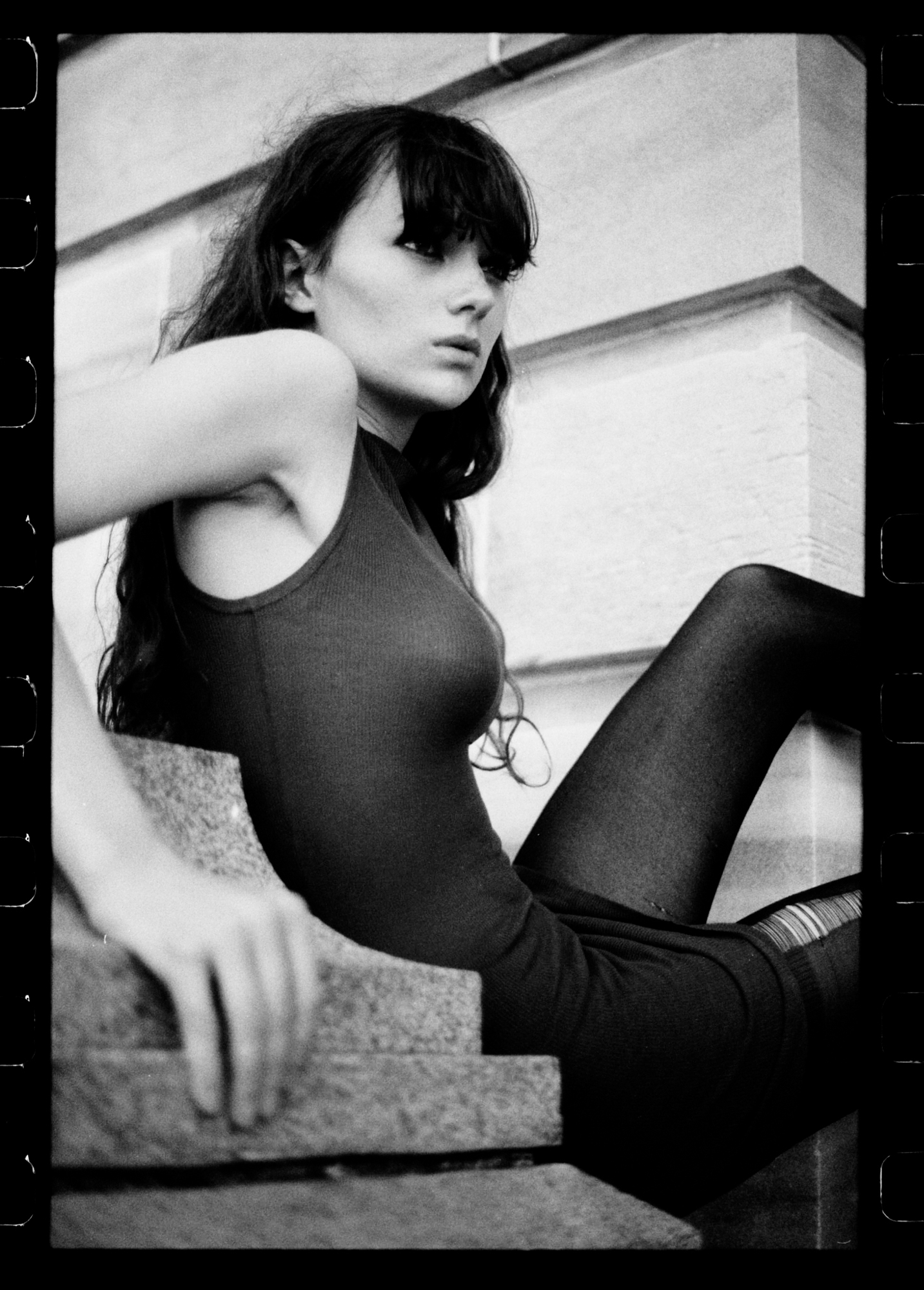
While things don’t always go as planned, I usually end up with a mix of images that satisfy both the client and my own artistic standards. That balance is essential to me: I need to love the final result just as much as the client does.
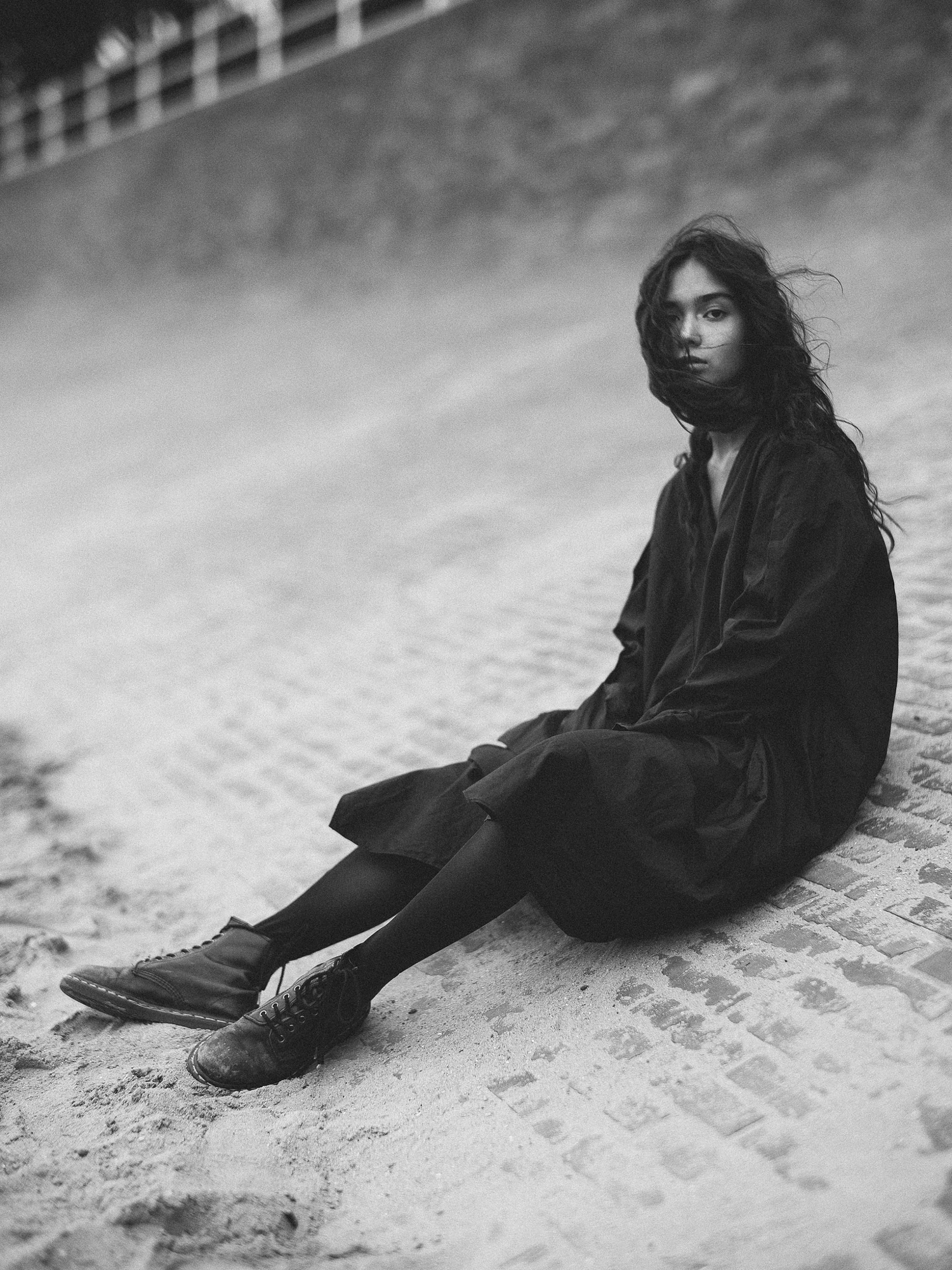
What influences outside of photography—such as music, film, or art—show up most in your images?
Film and music are my biggest influences. I love music with a strong mood, and I love atmospheric cinema. What inspires me most is hearing great music used inside a great film or music video.
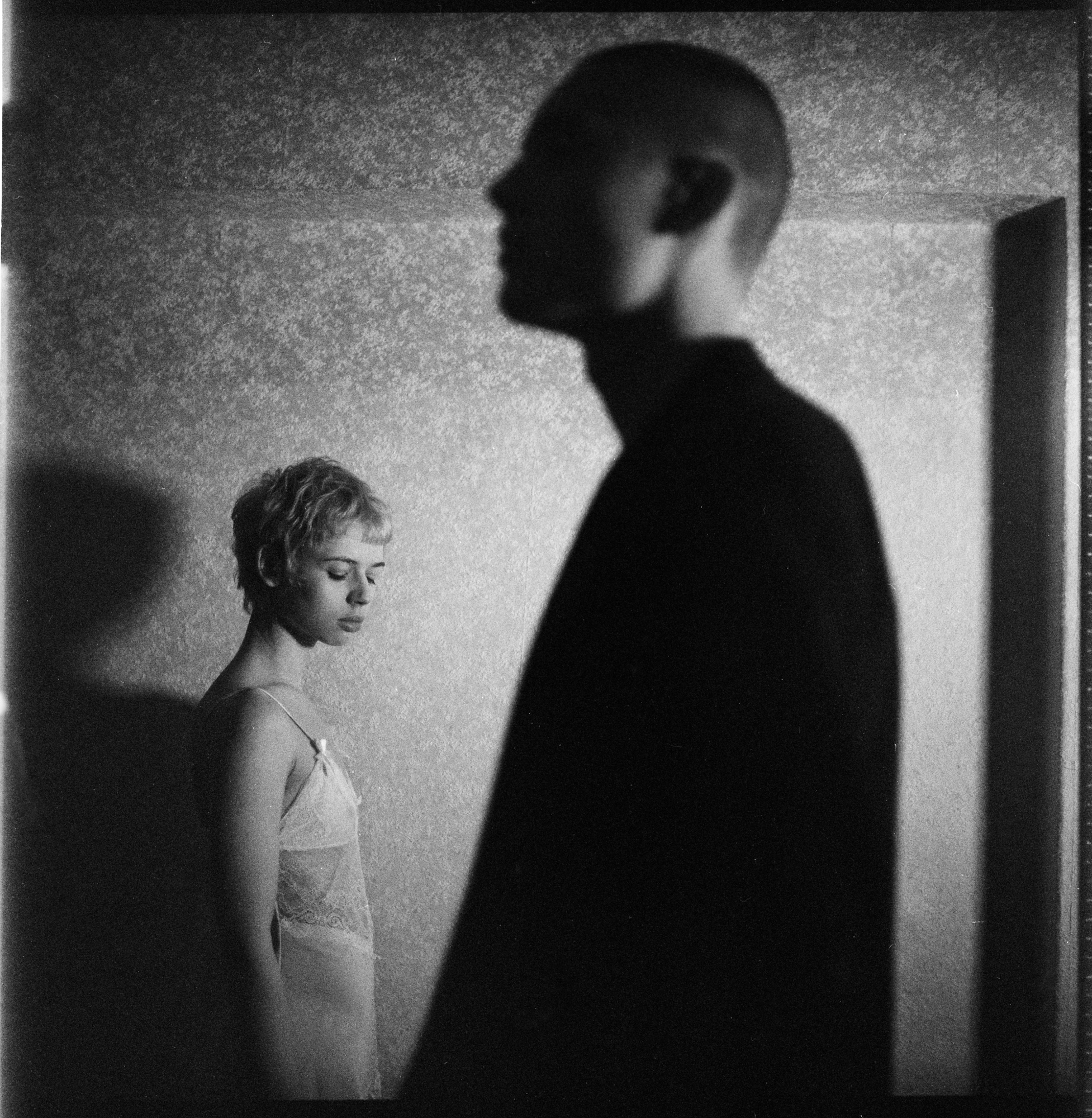
Whenever someone tells me one of my portraits looks like a movie still, I consider that a huge compliment.
Our previous featured photographer, Micaela Belgiorno, asked: “Is there a photo taken by another artist that you wish you had taken yourself?”
Yes! It’s my absolute favorite photo by Helmut Newton, often called “Cliff Hanger.” It shows a woman and a young girl standing near the edge of a cliff, with the woman covering the girl’s eyes.
I love that image. It blends high-fashion photography with the tension and drama of a cinematic film.
Do you have any upcoming projects, trips, or exhibitions you’d like to share?
I don’t have anything concrete scheduled right now. I recently slowed my pace down so I can focus on planning meaningful future projects.
Moving forward, I want to collaborate with actors more often. I would also love to organize another exhibition soon—I have far too many unreleased prints sitting in storage boxes waiting to be seen!