When the weather turns cold and the days get short, your next great photograph might be sitting on the kitchen table. Still life photography is one of the oldest genres in visual art, and it remains one of the most instructive. With a few objects, a window, and some time, you control every element of the image: subject, arrangement, light, and background. There’s no waiting for weather or wildlife. There’s just you, a set of choices, and the chance to make something ordinary look considered.
Why still life makes you a better photographer
Most photography involves reacting to things you can’t control. Still life photography removes that variable entirely. Because nothing moves unless you move it, every result is a direct consequence of your decisions. Shift a lamp a few centimeters and the shadows change. Rotate a cup and the highlight disappears. That immediate feedback teaches lighting and composition faster than almost any other genre.
It’s also endlessly available. You don’t need to travel, book a model, or wait for golden hour. A quiet evening indoors is enough.
Choosing and arranging objects
Start with a story or theme
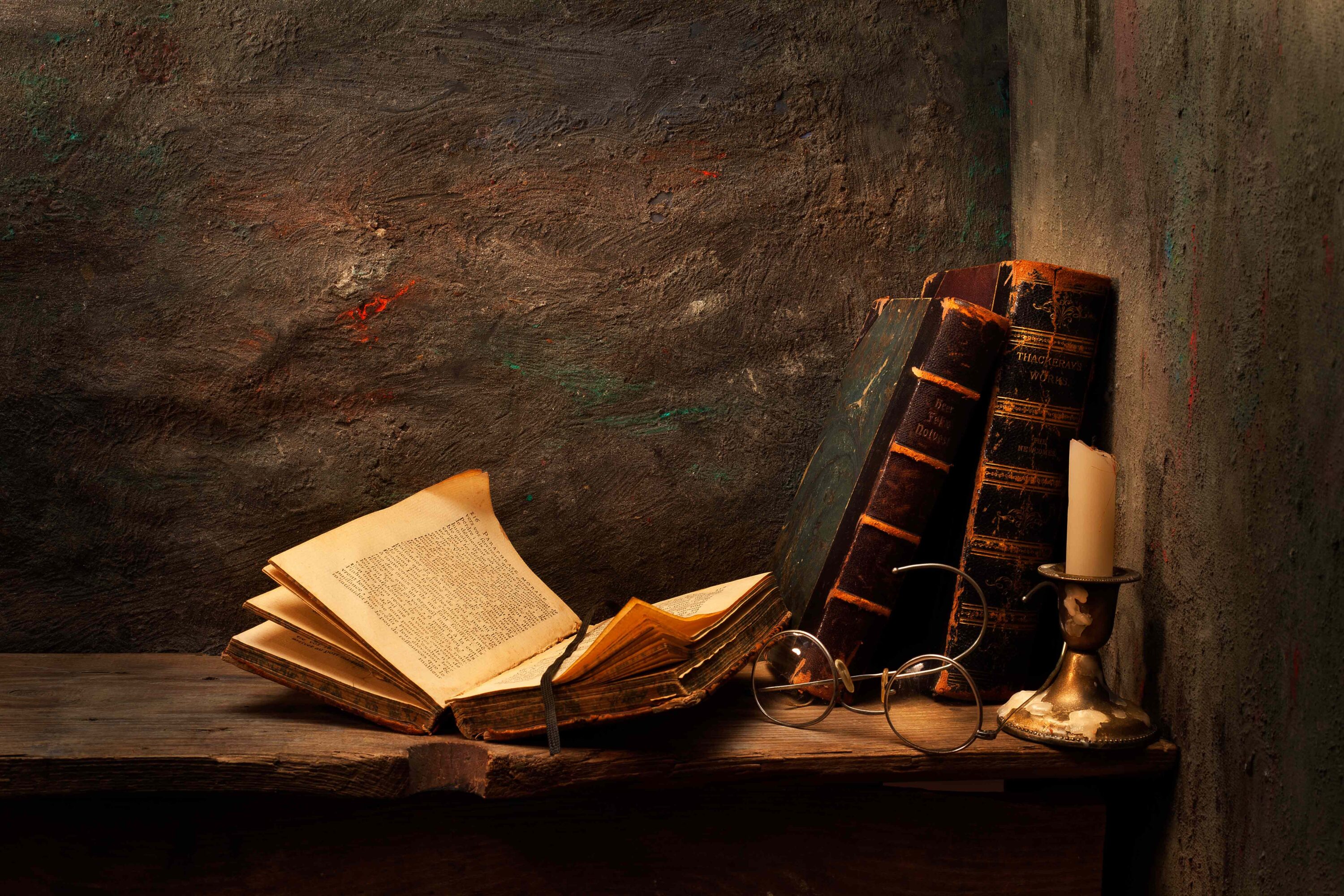
The strongest still life images are about something. A worn book, reading glasses, and a cooling cup of tea suggest a person who just stepped away. Seasonal produce, a knife, and a cutting board suggest preparation and appetite. Choose objects that relate to each other through theme, color, material, or history.
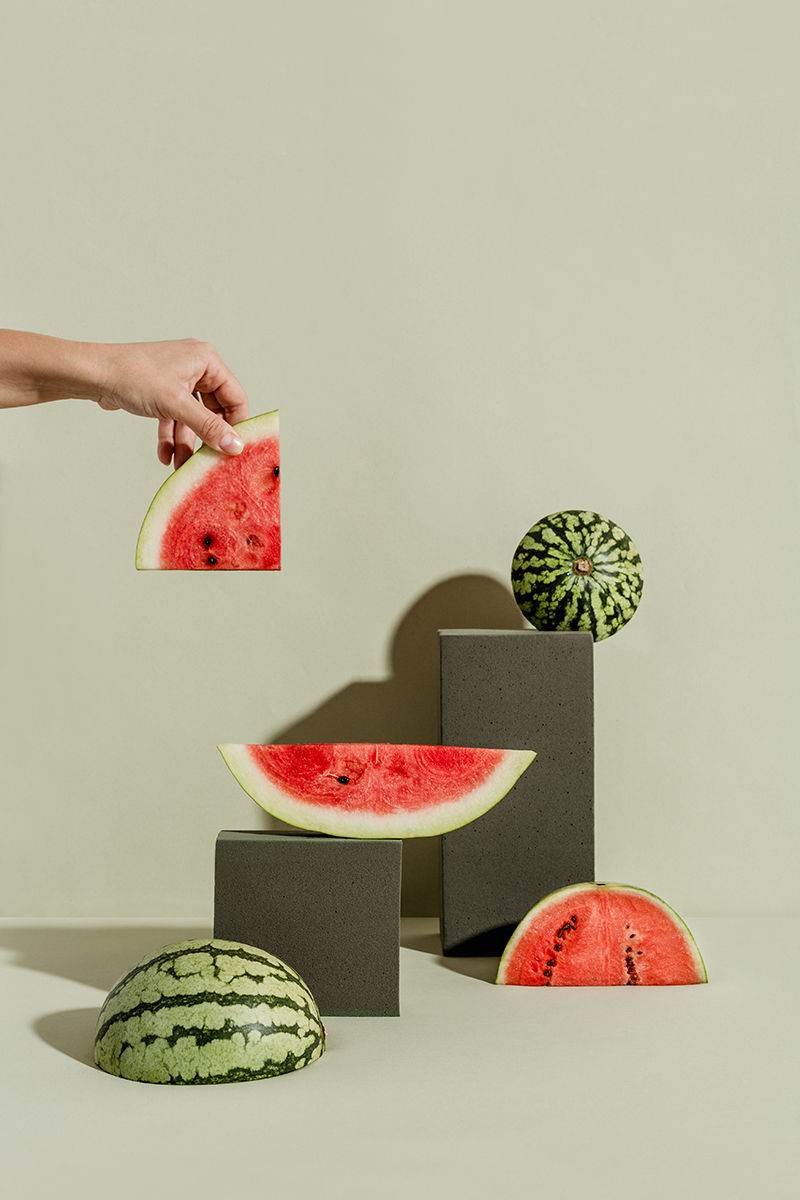
Work in odd numbers and varied heights
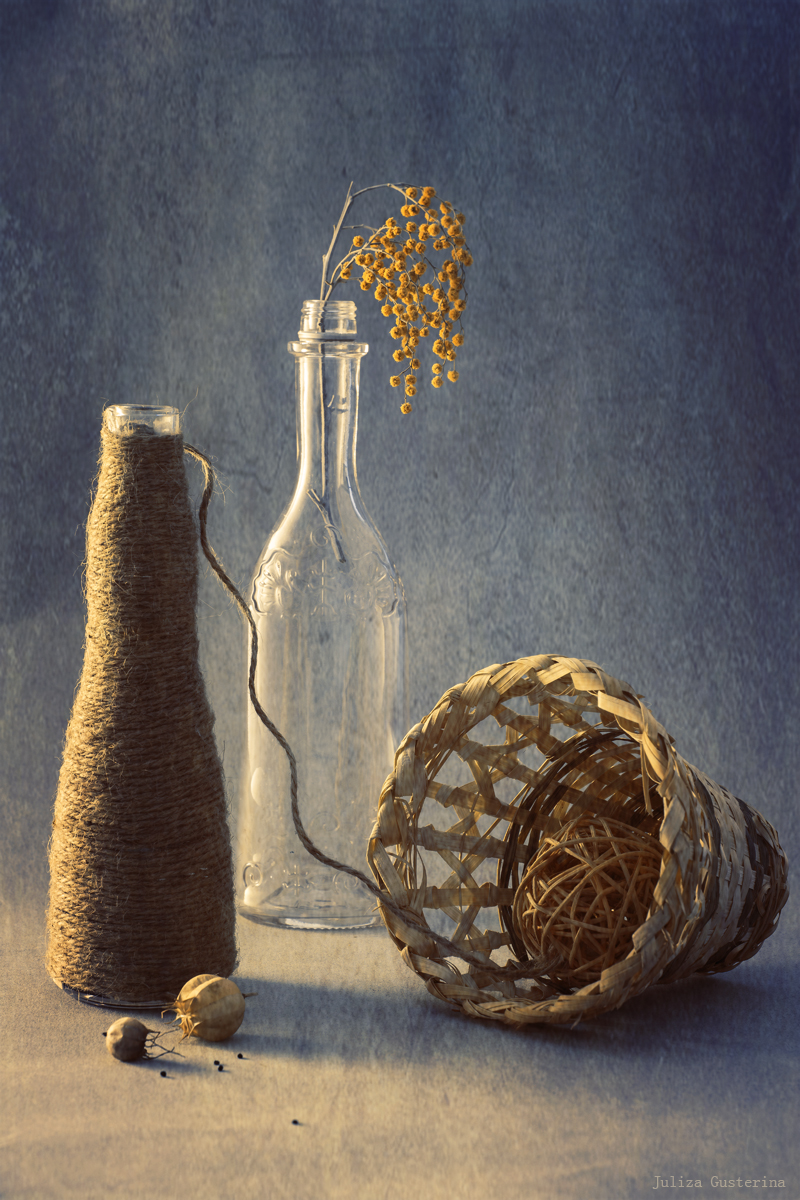
Groups of three or five tend to feel more natural than even-numbered arrangements. Vary heights and sizes so the eye moves through the composition instead of scanning a flat row. Overlapping objects slightly creates depth and a sense of relationship.
Mind the materials
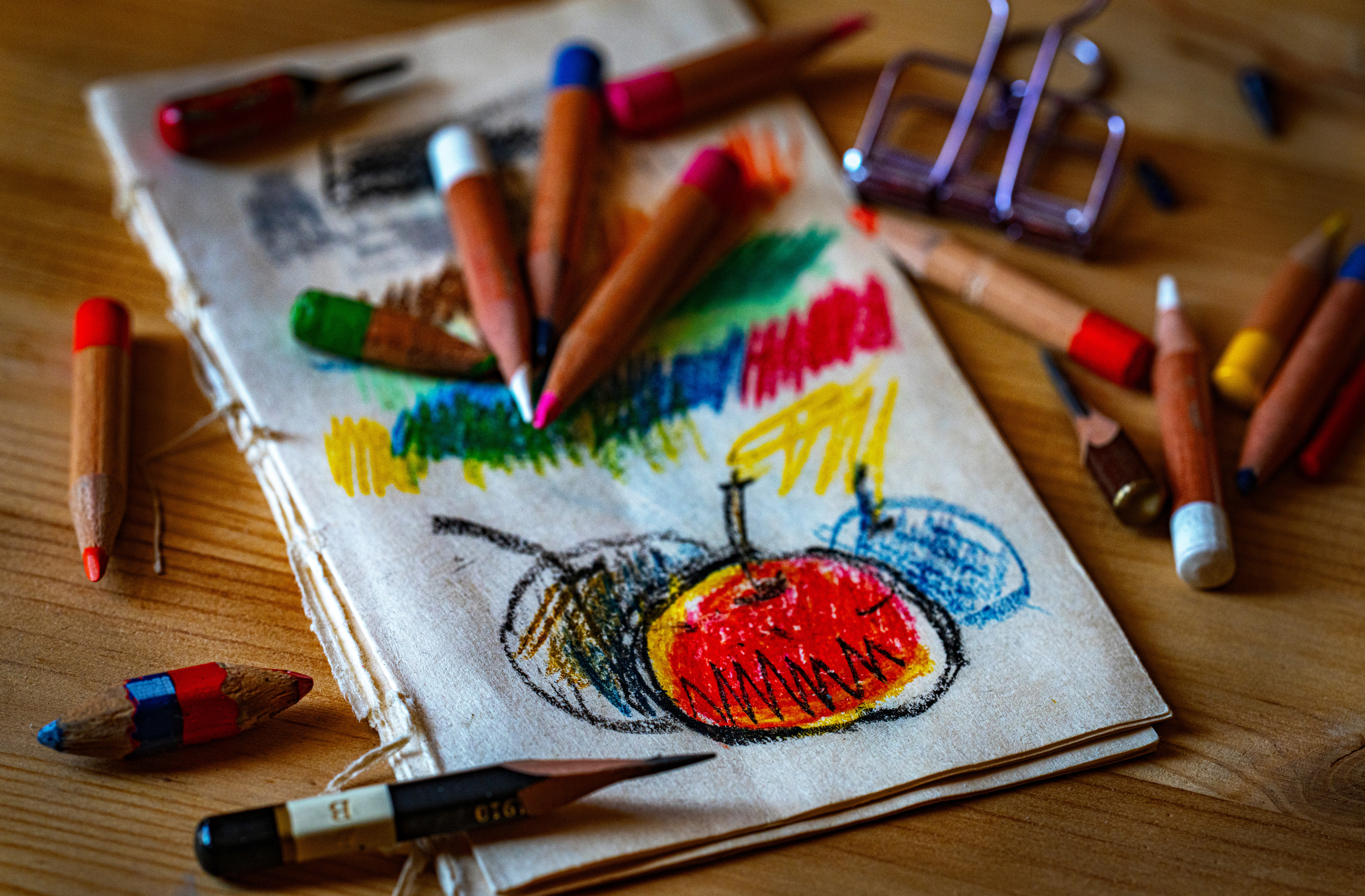
Texture is central to still life photography. Rough linen, smooth ceramic, weathered wood, reflective glass. Pairing contrasting textures adds tactile interest, while a single material family creates calm cohesion.
Lighting with a single window
A window is all the lighting equipment you need. Place your setup beside it so light falls across the objects from the side, revealing shape and texture. Side light produces gradients from highlight to shadow that make objects look three-dimensional.
To shape the light further:
- A white card or foam board opposite the window bounces light back into the shadows and softens contrast.
- A black card on the shadow side deepens shadows for a moodier, more painterly look.
- A sheer curtain or tracing paper over the window softens harsh direct sun.
Distance matters too. Close to the window, light is soft but falls off quickly into shadow. Further away, it becomes more even and gentle.
Backgrounds and surfaces
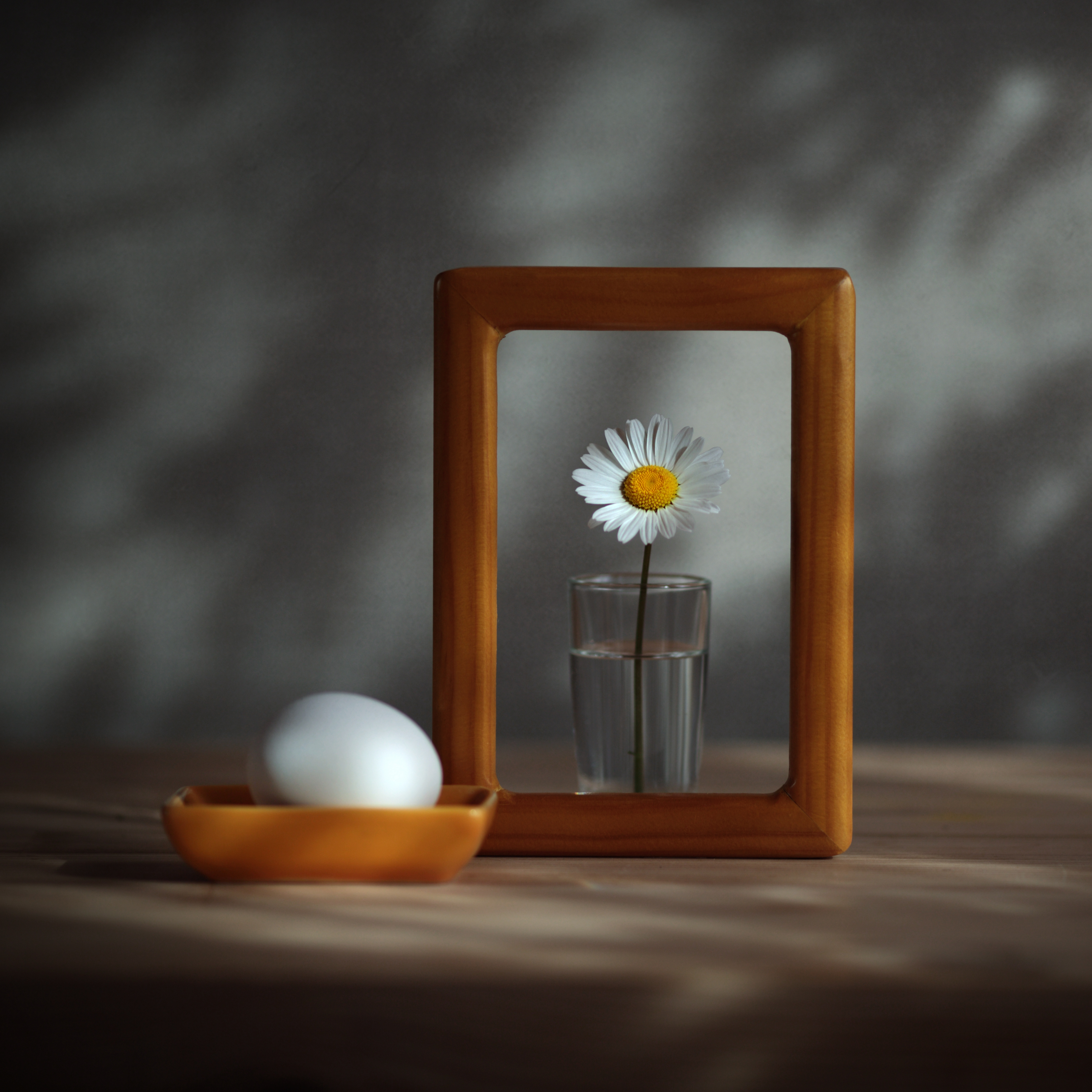
Keep backgrounds simple so the objects lead. A plain wall, a sheet of textured paper, a painted board, or a dark fabric draped behind the table all work. Surfaces matter just as much. An old wooden board or a slab of stone instantly adds character and a sense of place. Dark backgrounds lend drama and echo classical still life painting. Light backgrounds feel fresh and airy.
Technical choices
Use a tripod. It keeps your framing fixed while you adjust objects and allows slower shutter speeds and lower ISO for clean detail. An aperture around f/5.6 to f/8 keeps most of the arrangement sharp, while wider apertures isolate a single object. Review your frames at full size. In still life photography, small flaws like dust, fingerprints, and crooked labels show up clearly.
Slow looking, slow making
Still life photography rewards patience. Build your arrangement, take a frame, study it, adjust one thing, and shoot again. Over twenty or thirty frames, the image evolves from a collection of objects into a composition with intention. There are few better ways to spend a long November evening, and the skills you build at the kitchen table travel with you into every other kind of photography.