Festive lights are a staple of holiday photography, transforming ordinary streets and homes into glowing dreamscapes. From string lights and lanterns to candle-lit scenes and dazzling city installations, these luminous details offer rich opportunities for creative photography. Mastering the art of photographing festive lights and producing beautiful bokeh will help you create images that sparkle with atmosphere and emotion.
Understanding Bokeh and Light Behavior
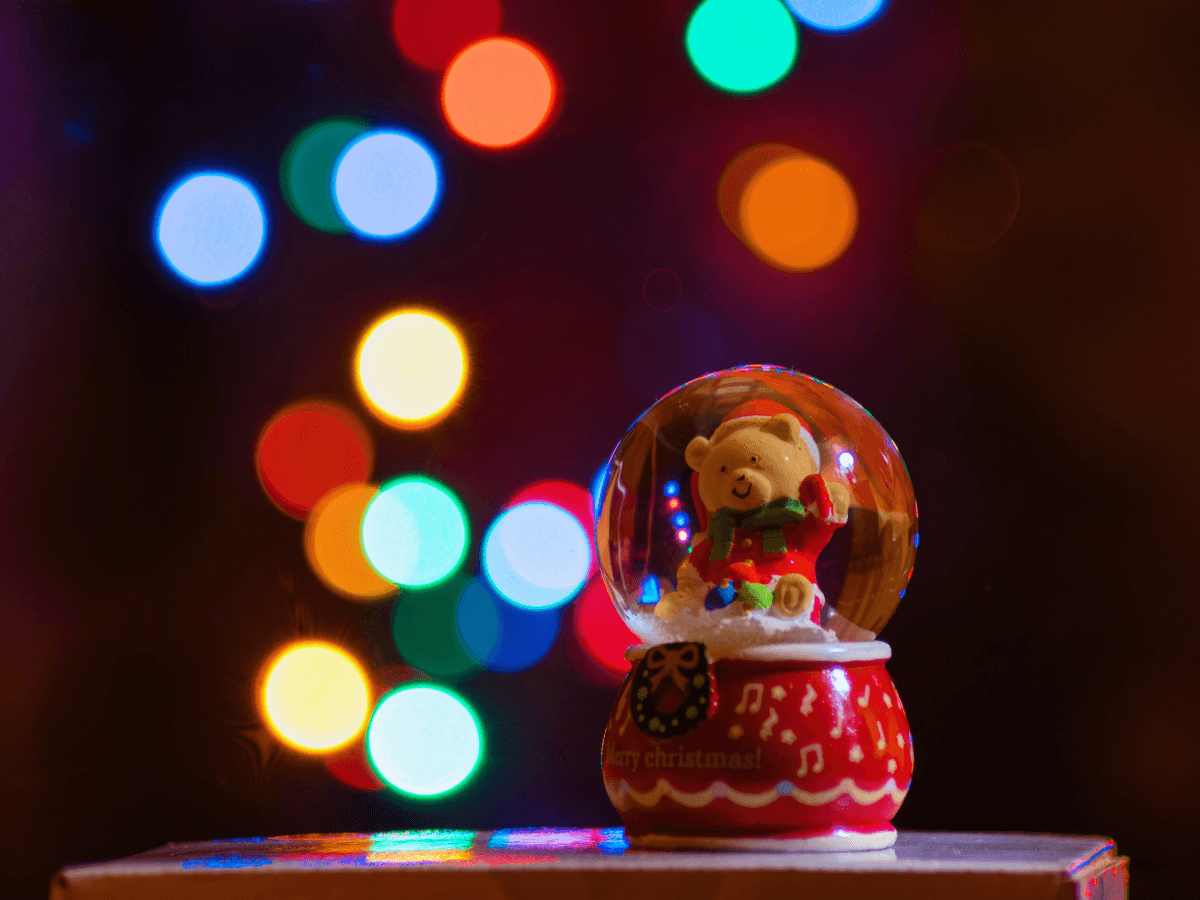
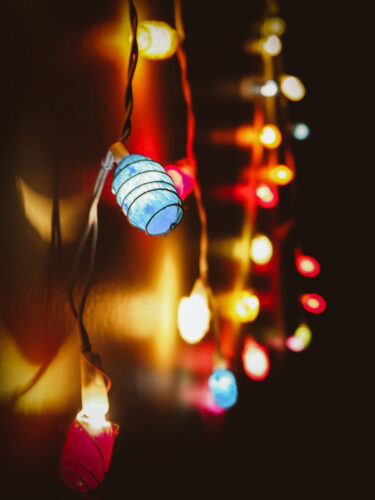
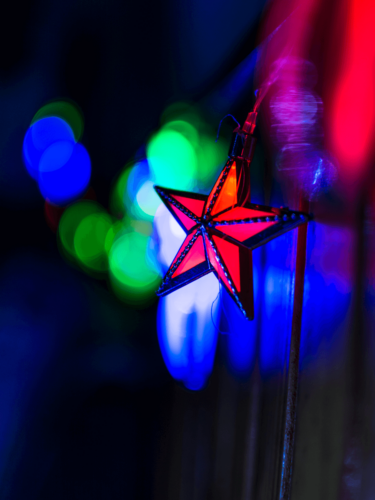
Bokeh, the aesthetic quality of out-of-focus areas, plays a key role when photographing festive lights. These soft, glowing orbs of color help to isolate your subject, elevate mood, and create dreamy visual effects. You’ll need a wide aperture (f/1.2–f/2.8) to produce a shallow depth of field, which is essential for strong bokeh.
Tips for Creating Stunning Bokeh:
- Use prime lenses with wide apertures like 50mm f/1.8 or 85mm f/1.4.
- Position your subject closer to the camera with lights in the background.
- Experiment with distance and light placement to shape the bokeh size and intensity.
Ideal Camera Settings for Festive Light Scenes
When shooting in low-light conditions, exposure and white balance can make or break your shot.
- Aperture: Use a wide aperture (e.g. f/1.8) for blurred backgrounds and vibrant bokeh.
- Shutter Speed: Keep it fast enough to avoid motion blur (e.g. 1/100s), or use a tripod for longer exposures.
- ISO: Raise ISO to accommodate low light, but be cautious of noise. Most modern cameras can handle ISO 1600–3200 well.
- White Balance: Set manually or use “Tungsten” mode to prevent orange/yellow color casts from holiday lights.
These settings help maintain crisp subjects while allowing the lights to shine in full glory.
Composition Tips for Photographing Festive Lights
Balance your frame by using the lights creatively, either as a central subject or a dreamy backdrop.
Try these ideas:
- Frame your subject with out-of-focus lights on both sides.
- Capture reflections of lights on windows, wet streets, or ornaments.
- Include foreground elements like frosted windows or tree branches for depth.
Creative Techniques to Try
Want your festive light photos to stand out?
- Zoom Burst: Zoom your lens during a long exposure to create light streaks radiating from the center.
- Lens Filters or DIY Cutouts: Use shaped aperture filters (like stars or hearts) for whimsical bokeh shapes.
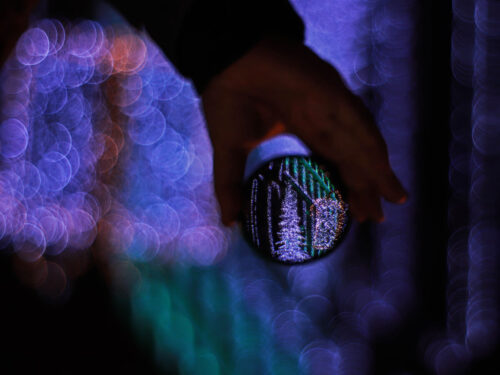
- Double Exposure: Layer portraits with festive lights for magical composite effects.
These techniques elevate your photos beyond simple snapshots into artistic compositions.
Editing Tips to Elevate the Glow
Post-processing plays a crucial role in photographing festive lights. Emphasize glow and warmth while retaining contrast.
Use the Dehaze slider sparingly to enhance light clarity.
- Adjust highlights and whites to avoid blown-out bulbs.
- Slightly increase saturation for reds, yellows, and golds.
- Add a vignette to focus attention toward the center of your frame.
Even small tweaks can dramatically improve the emotional impact of your image.
Extended reading: Creating Visual Rhythm with Multiple Exposures