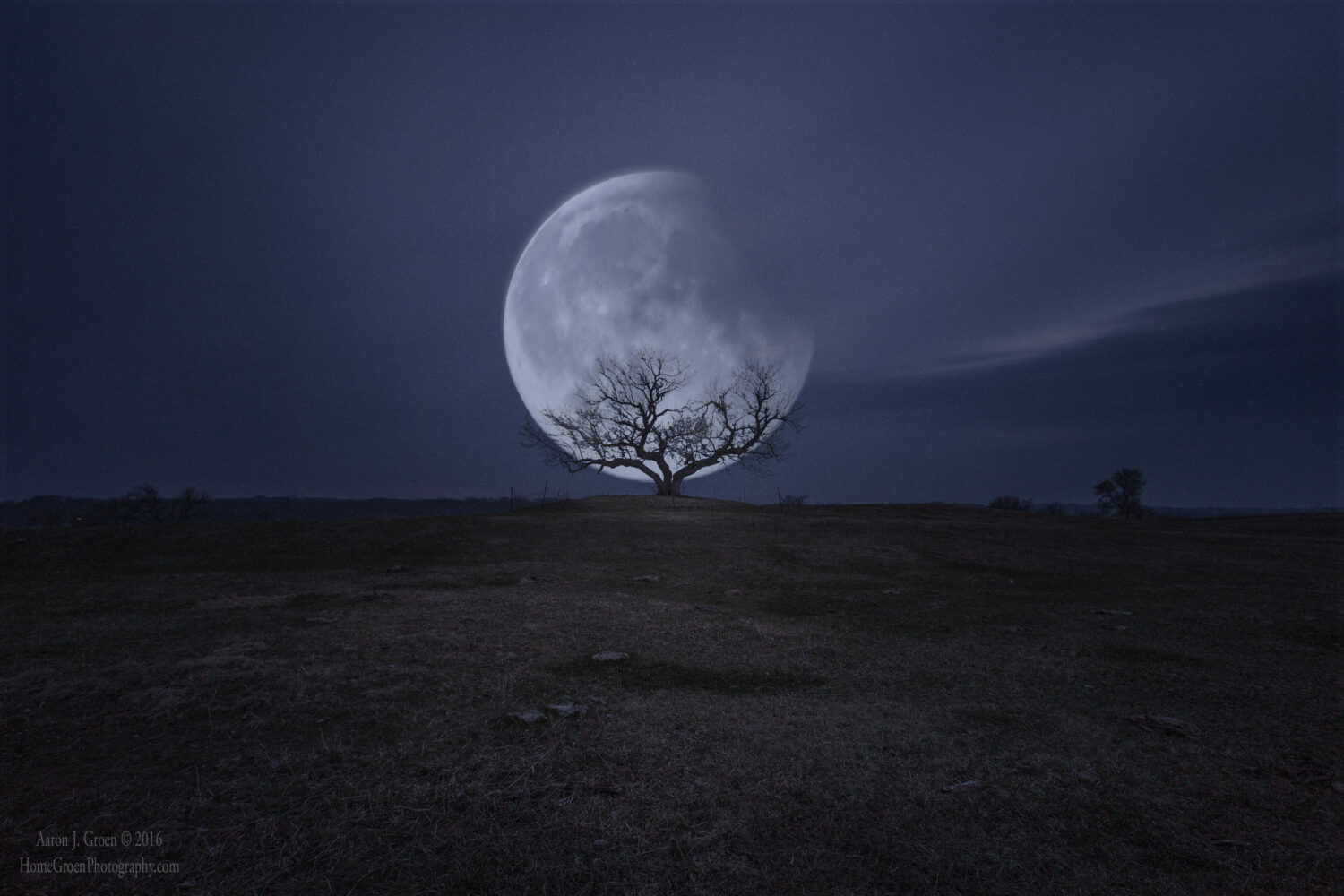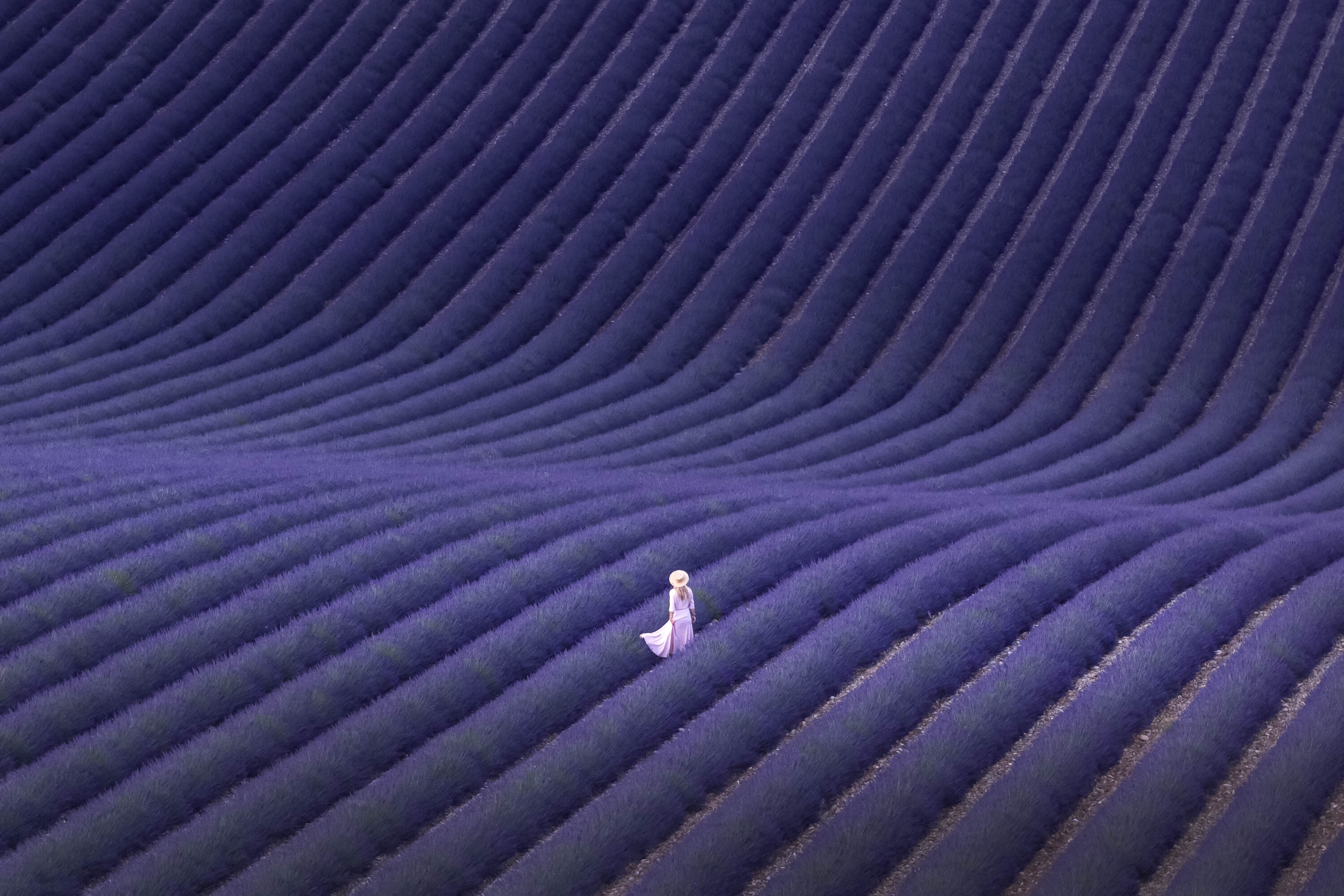
By November, the landscape has been stripped back. Leaves are down, colors have faded to browns and greys, and the busy abundance of summer is gone. Many photographers treat this as the dead season. It’s actually an invitation. Minimalist photography thrives when the world simplifies itself, and late autumn offers bare branches, empty beaches, open fields, and flat skies that make ideal canvases for images built on restraint.
What minimalism really means in photography
Minimalist photography isn’t about empty frames. It’s about intentional ones. Every element in the image earns its place, and anything that doesn’t contribute is removed through framing, position, or timing. The result is an image the viewer understands instantly, with a single idea communicated clearly.
That clarity is harder to achieve than it looks. A cluttered image can hide weak decisions behind visual noise. A minimal image has nowhere to hide. Subject placement, tonal balance, and the shape of empty space all become visible, which is why practicing minimalist photography sharpens every other kind of photography too.

Building a minimal image
Start with one subject
Choose a single point of interest: a lone tree, a bench, a figure, a boat, a lit window. If you find yourself trying to include two or three things, pick the strongest and reframe until the others are gone.
Treat negative space as a subject
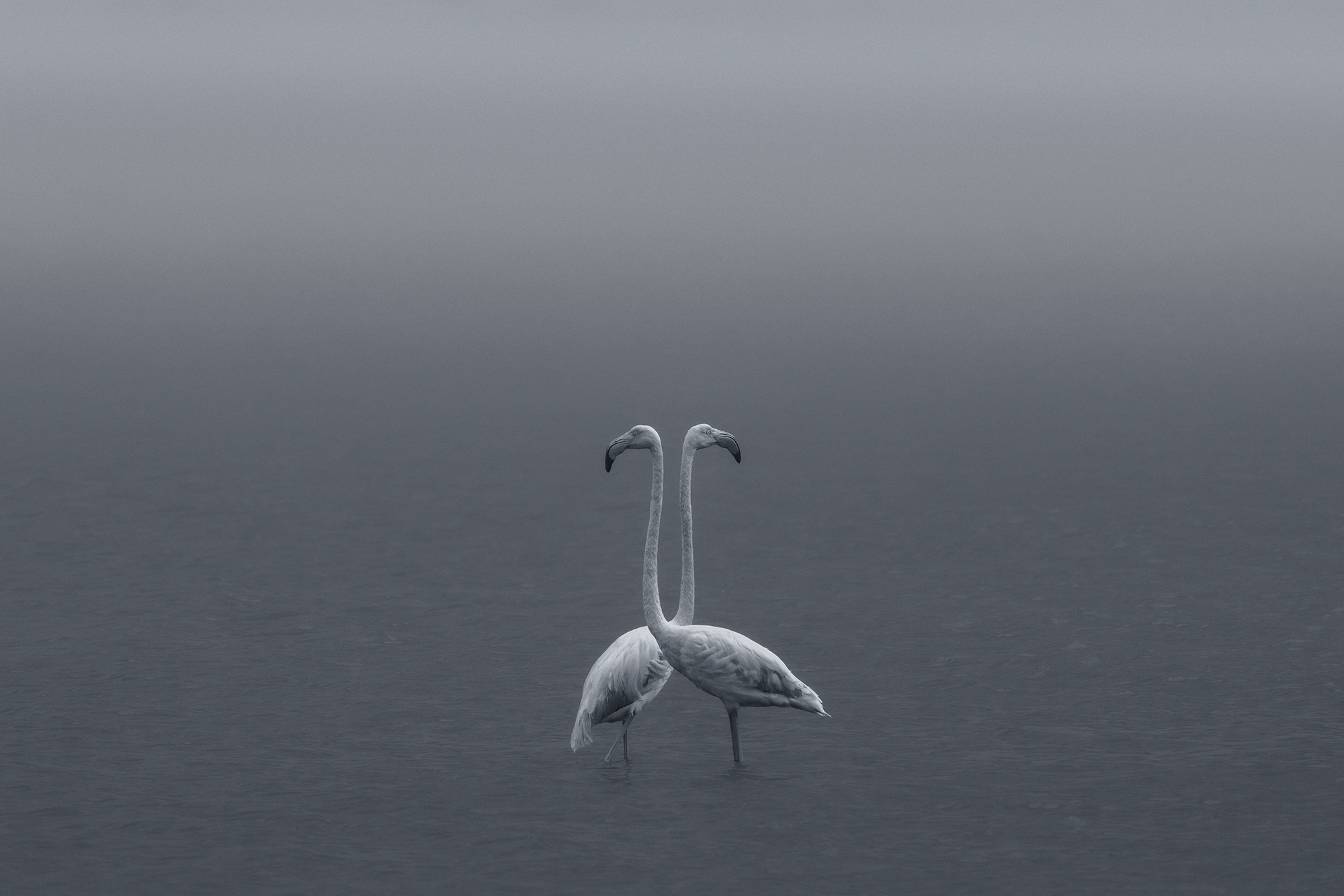
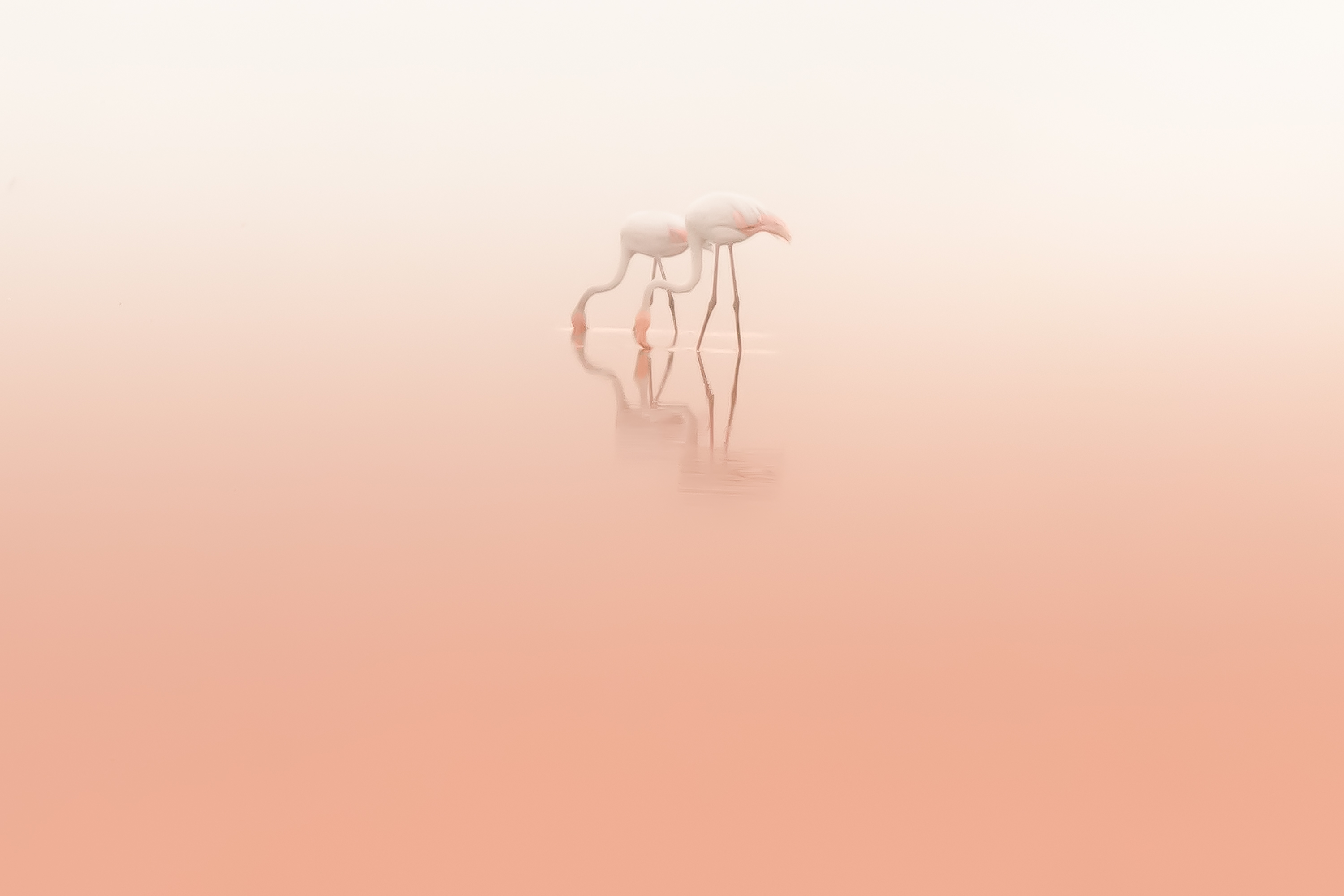
Empty space isn’t wasted space. Sky, water, fog, a plain wall. These areas give the subject room to breathe and set the emotional tone. Generous negative space can make a subject feel isolated, calm, or small in a large world. Decide how much space the idea needs, and be bold about it.
Simplify the background
Change your angle before changing anything else. Shooting from low against the sky, or from above against the ground, often removes clutter instantly. A longer focal length narrows the background, making it easier to isolate a subject against a single tone.
Limit the palette
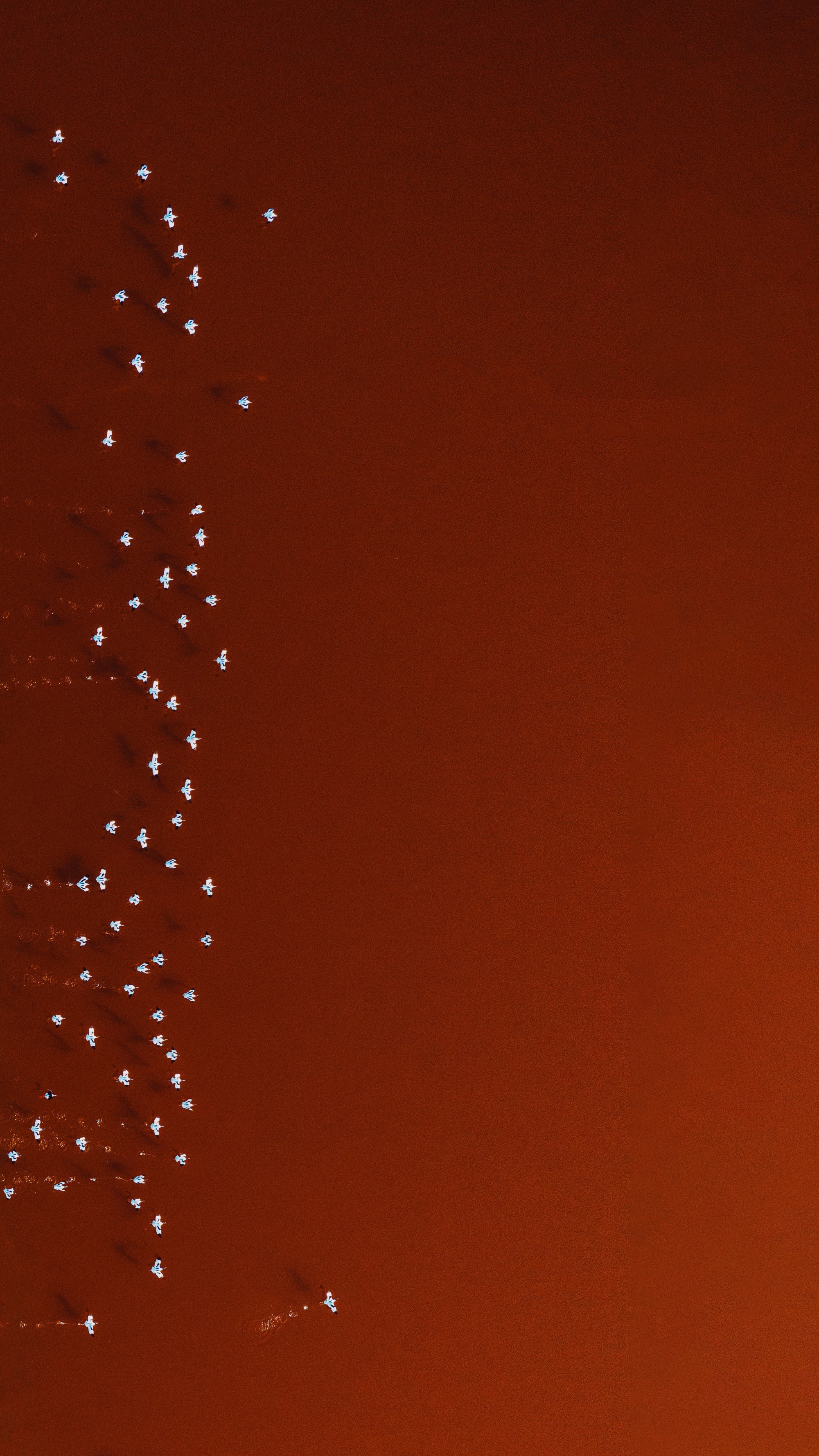
Minimal images often rely on a small number of colors or a narrow tonal range. The muted palette of late autumn suits this perfectly. Two or three related tones feel calm and cohesive. One contrasting accent can become the focal point.
Where November helps
Bare trees reveal structure, turning branches into line drawings against pale skies. Overcast days provide soft, even backgrounds that behave like studio backdrops. Beaches, parks, and fields empty out, making it easier to find a single figure in a large space. The first frost reduces the ground to a plain, bright surface. Each of these conditions does some of the editing for you, which is exactly what minimalist photography depends on.
Composition that holds the frame
With so few elements, placement matters enormously. Positioning a small subject near an edge or corner creates tension and a sense of scale. Centering works well too, particularly in symmetrical scenes, where it creates stillness and formality. Pay attention to the horizon. Placing it very low or very high emphasizes the sky or the ground and strengthens the sense of space.
Watch the edges. In minimalist photography, a stray branch or half-visible object at the border is far more distracting than it would be in a busy scene. Before you press the shutter, trace the edge of the frame and remove anything that doesn’t belong.
Editing with restraint
Post-processing should follow the same philosophy. Clean up small distractions like dust spots, a distant sign, or a stray wire. Keep tonal adjustments gentle to preserve the soft gradients in sky and open space. A slight lift in exposure often suits minimal images, giving them an airy, calm quality, but check that the brightest areas don’t blow out into flat white.
Saying more with less
The discipline of minimalist photography is really the discipline of choosing. Every time you remove something from the frame, you make a statement about what matters. In a season that strips the world back on its own, there’s no better moment to practice that choice and discover how much a single subject in open space can say.