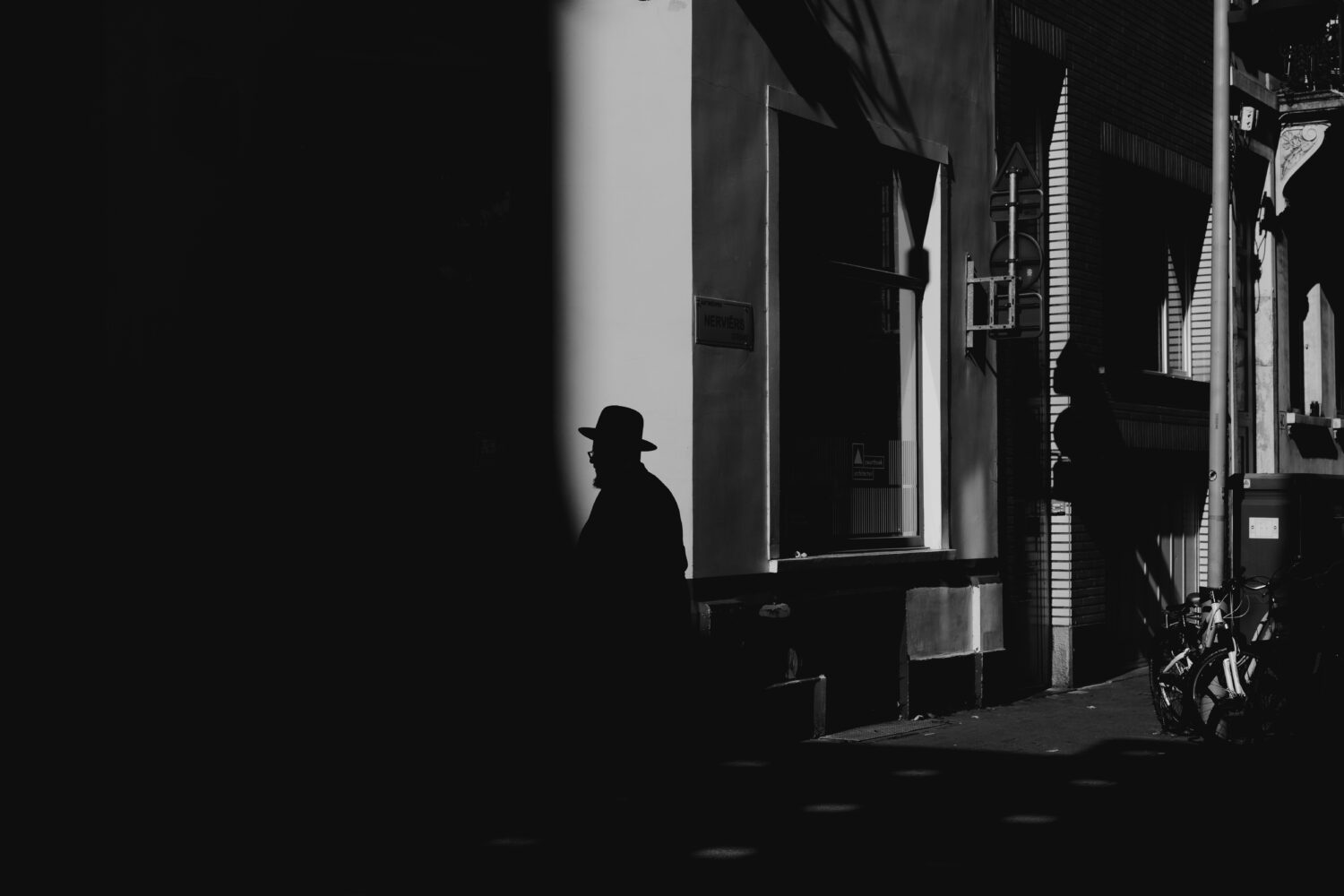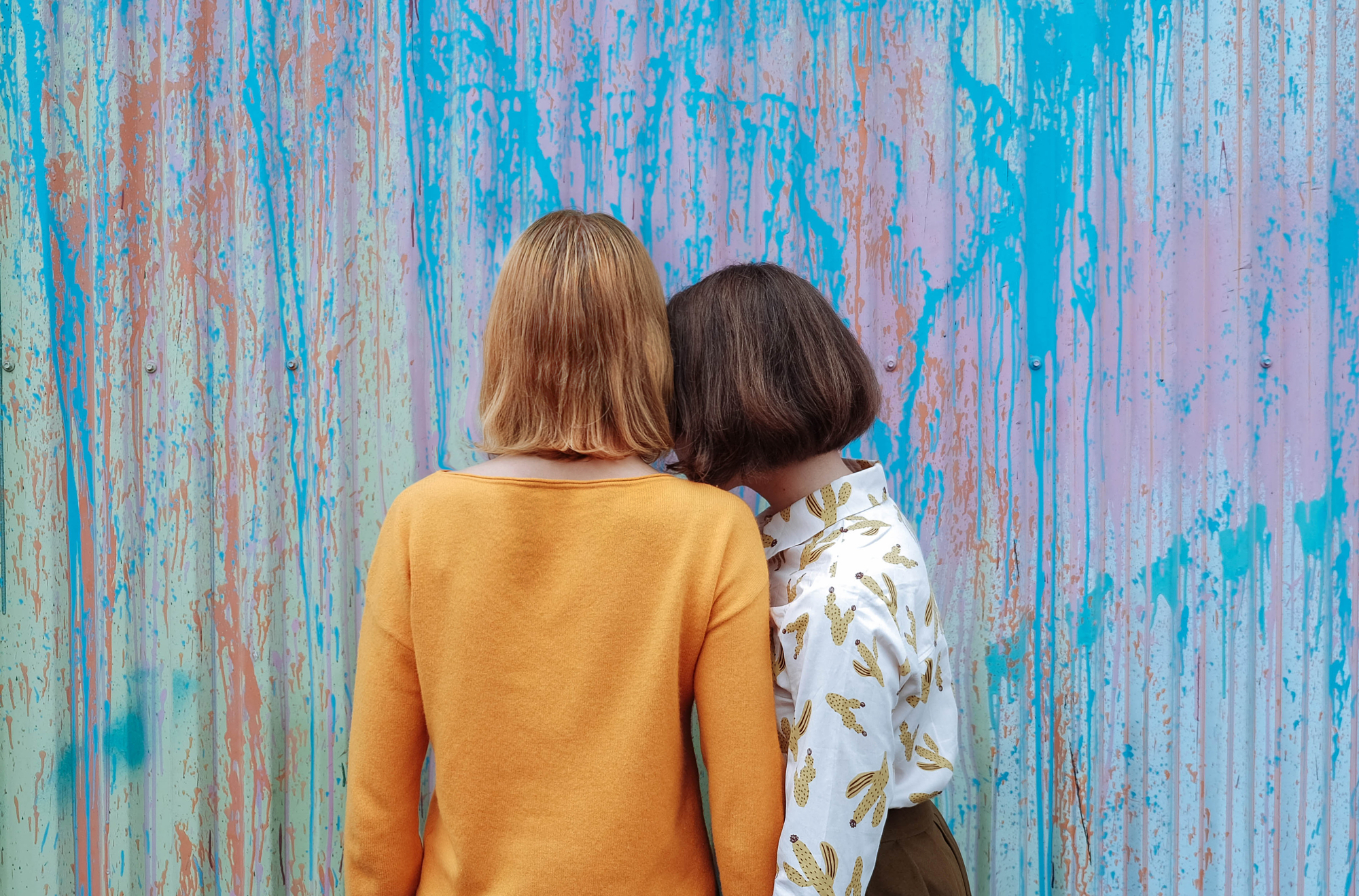
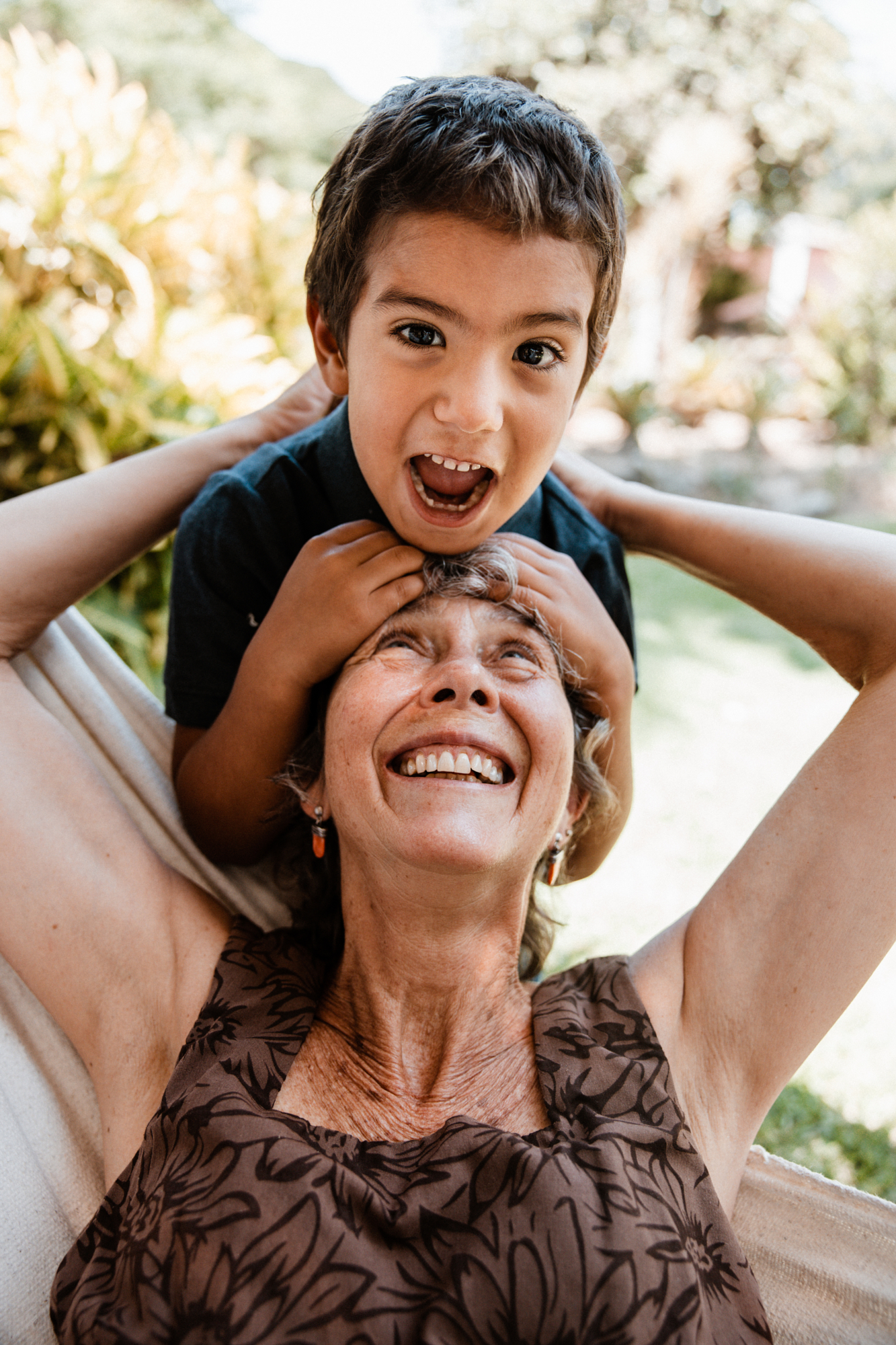
The most technically perfect portrait in the world can feel empty if nothing real is happening in it. Real human connection photography isn’t about the right light or the right lens. It’s about what passes between people when they forget the camera is there: a glance, a laugh that hasn’t quite finished, a hand on a shoulder that says something no caption could. These moments exist constantly. Most photographers miss them because they’re still thinking about settings when the image happens.
Why authentic moments are hard to capture
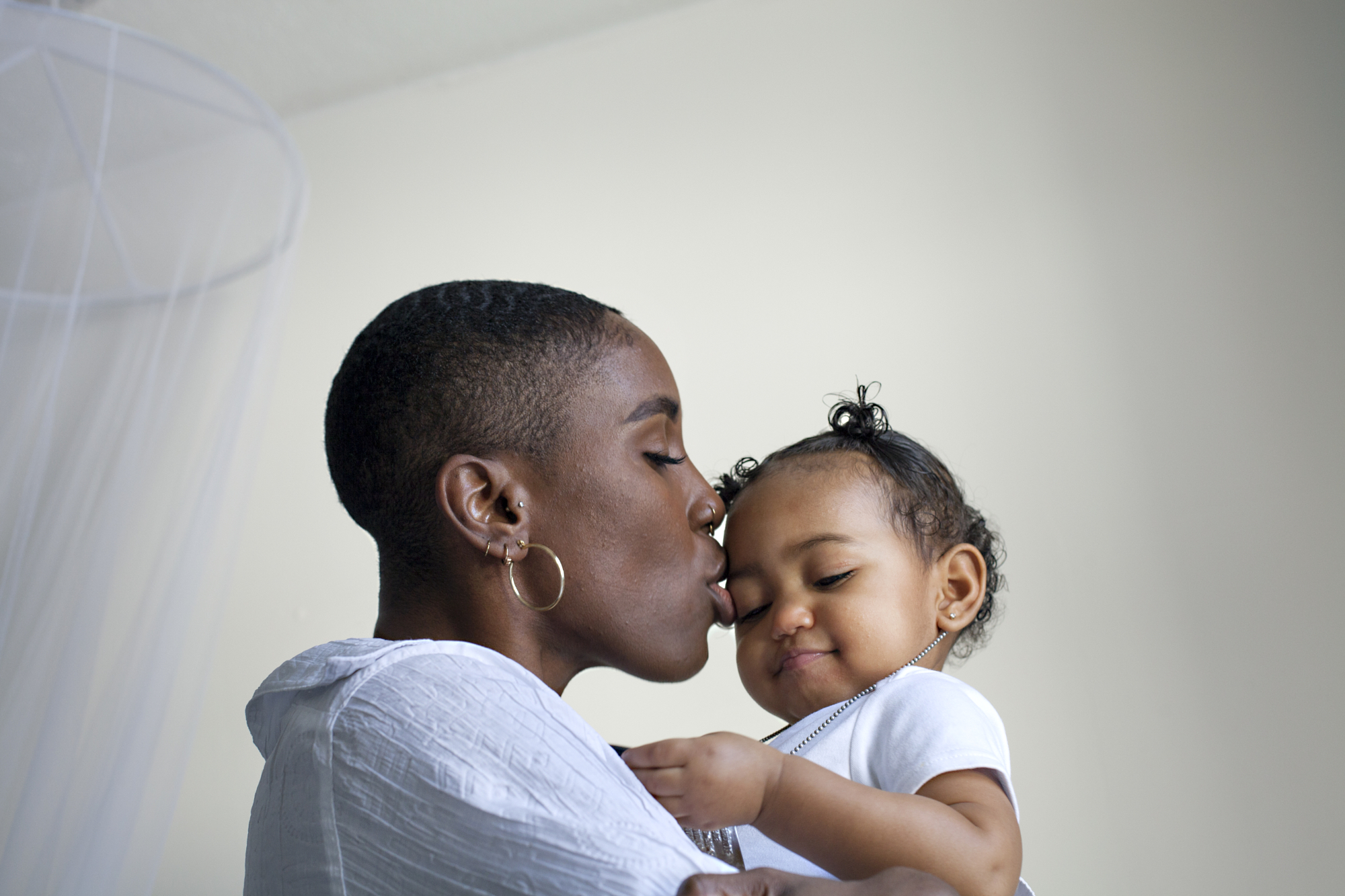
Cameras change behavior. The moment someone becomes aware they’re being photographed, a layer of self-consciousness enters the frame. Shoulders straighten. Expressions become performed versions of themselves. The connection between people gets redirected toward the lens, and the real human connection photography is looking for quietly disappears.
The solution isn’t to shoot without people’s knowledge. It’s to create conditions where awareness of the camera fades, and then to be ready when it does.
Building comfort before you shoot
Time is the most undervalued resource in people photography. Arriving, spending time with your subjects, talking about things unrelated to the shoot, and putting the camera down occasionally all help people relax into their own behavior. The images that feel most alive are rarely taken in the first 15 minutes.
With strangers, brief genuine conversation before raising the camera changes the dynamic entirely. You become a person they’ve spoken to rather than a photographer pointing a lens at them. That small shift in relationship produces a visible shift in how people carry themselves in front of you.
Real human connection photography rewards patience more than any other approach. The moment you’re waiting for usually comes when you stop visibly waiting for it.
Where to look for connection
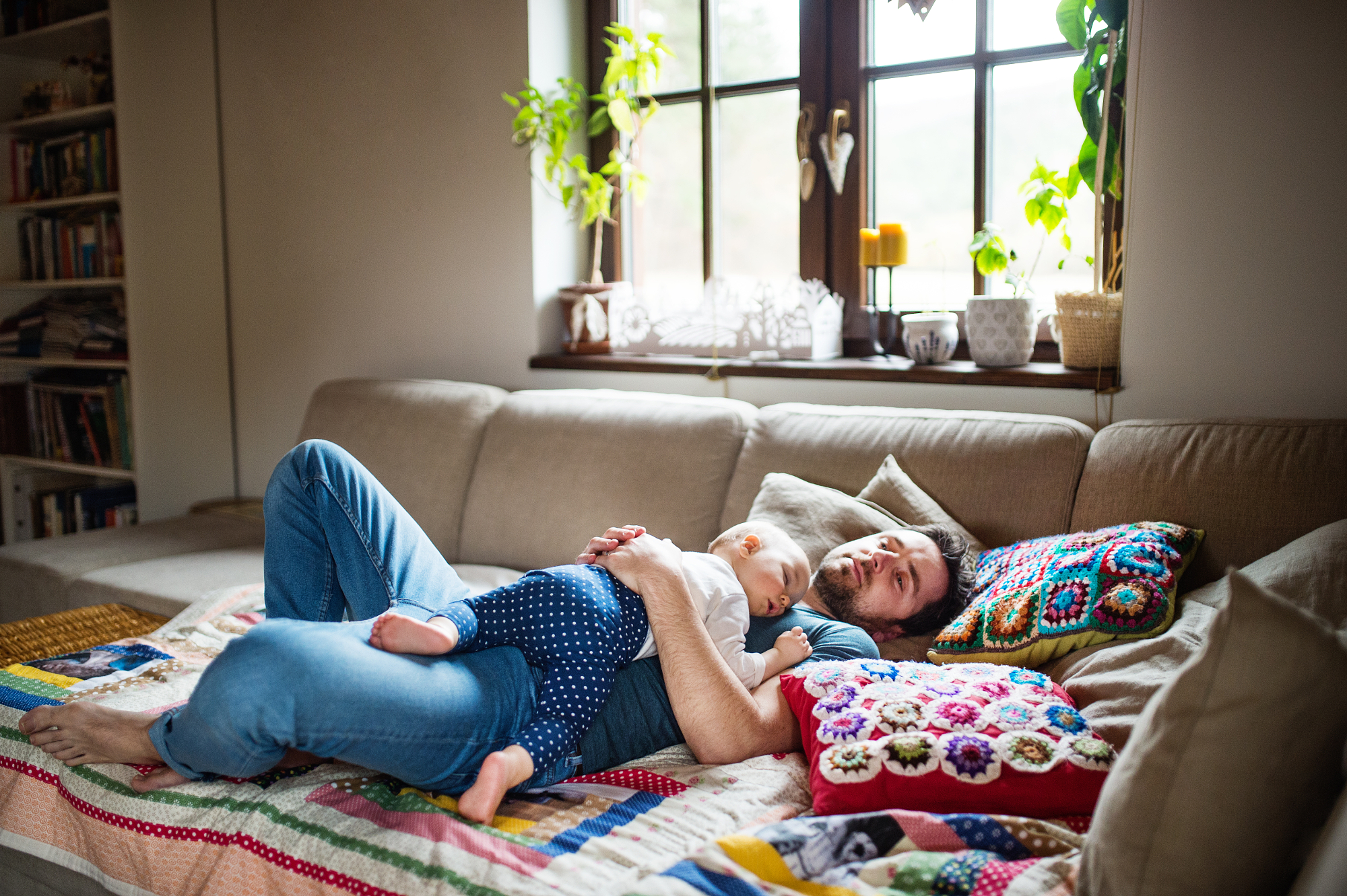
Connection between people happens constantly in peripheral moments. Not in the posed center of a scene but at its edges.
The end of a conversation, when two people are about to part and their body language is still open and unguarded. The moment after a laugh, when the expression is settling back into something natural. A quiet exchange happening behind the main action of a scene. Children interacting without any awareness of adults nearby.
In real human connection photography, the best images often come from watching a scene rather than directing it. Let events unfold and train your eye to recognize the moment before it arrives rather than reacting after it has passed.
Technical choices that support honest work
Use a longer focal length
A 85mm or 135mm lens lets you work from a distance that doesn’t intrude on the space between people. The physical gap between you and your subjects reduces your presence in the scene, which reduces self-consciousness and produces more natural behavior.
Shoot continuously during peak moments
Human expressions move faster than any single frame can reliably catch. During moments of genuine emotion or interaction, continuous shooting gives you the frame where everything landed right, which is often surrounded by frames where it almost did.

Keep the camera at eye level or below
Shooting down on people creates a subtle power imbalance that registers in the image. Eye-level or slightly below produces a feeling of equality and intimacy that suits real human connection photography far better than a high angle.

What makes a moment worth keeping
Not every candid is a connection. A person looking at their phone, a group standing in silence, two people walking side by side without acknowledgment. These are real moments but not connecting ones.
The frames worth keeping are the ones where something is clearly passing between people. Where the image has a relationship at its center, not just bodies in proximity. When you can look at a photograph and feel the warmth, tension, grief, or joy between the people in it without reading a caption, real human connection photography has done its job