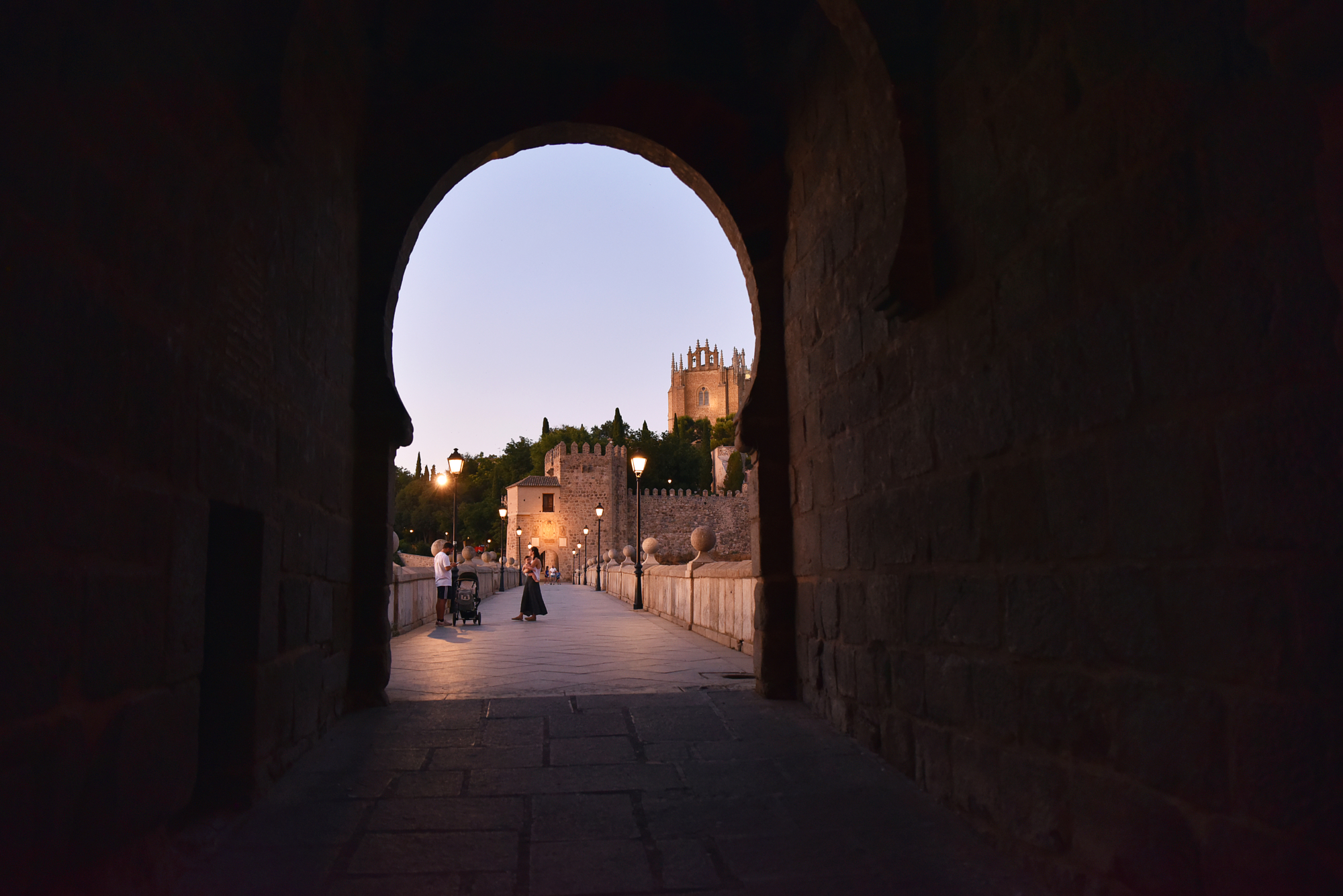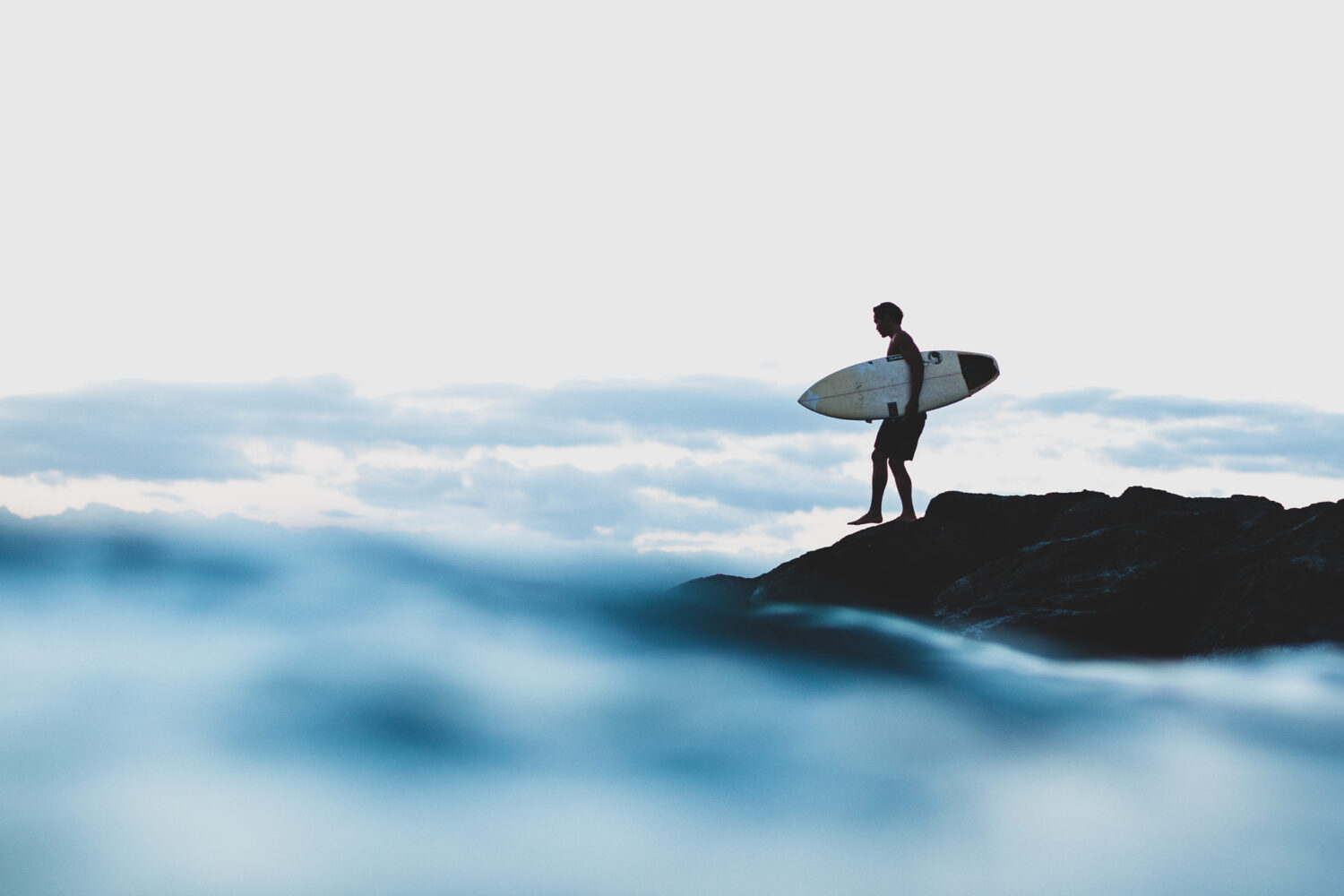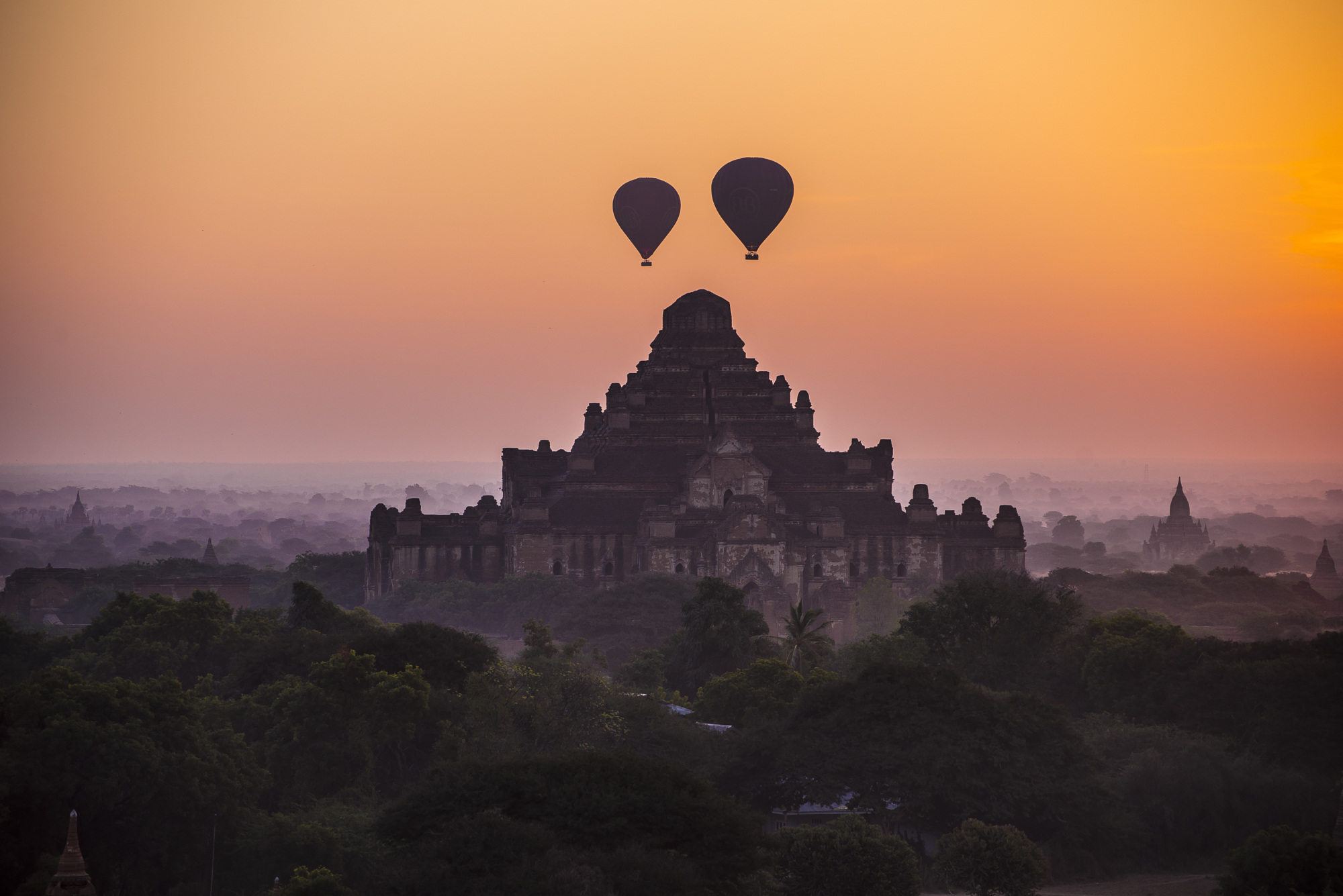
Gonzalo Bendito lives in Madrid, but his work takes him all over the world. His portfolio features high mountain peaks, busy city streets, and scenes shot underwater. This wide range takes far more adaptability than sticking to a single style.
He loves places that test him physically before yielding a great frame. We spoke with Gonzalo about shooting different styles, capturing underwater split shots, and keeping a unique voice across the globe.
How did your journey into photography begin? Was travel or landscape work your initial entry point, or did that come later?
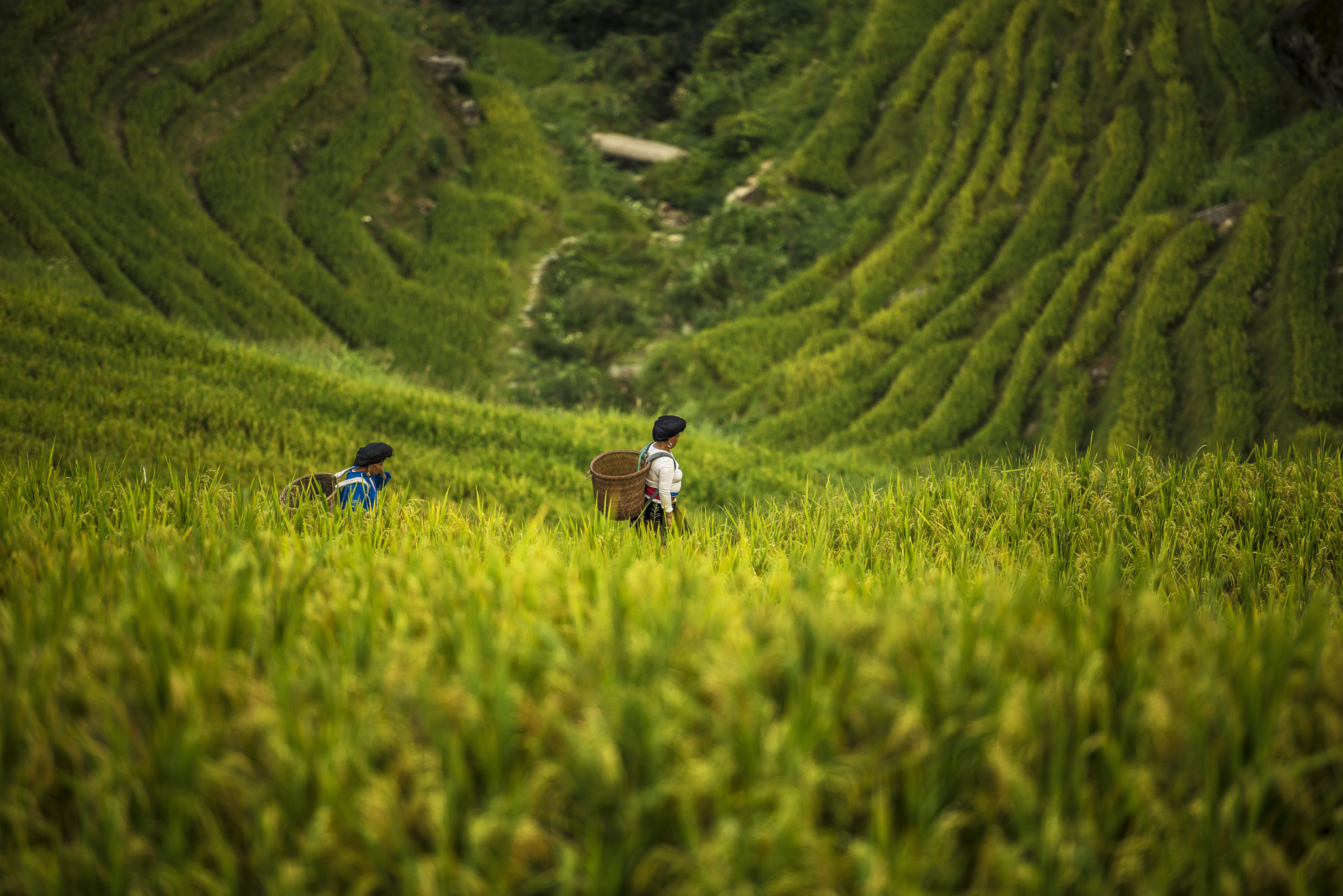
In 2011, I took a gap year to travel through China, Vietnam, and Hong Kong. Equipped with my first smartphone—a Samsung Galaxy S2—I began experimenting with composition and framing rather than just taking casual snapshots.
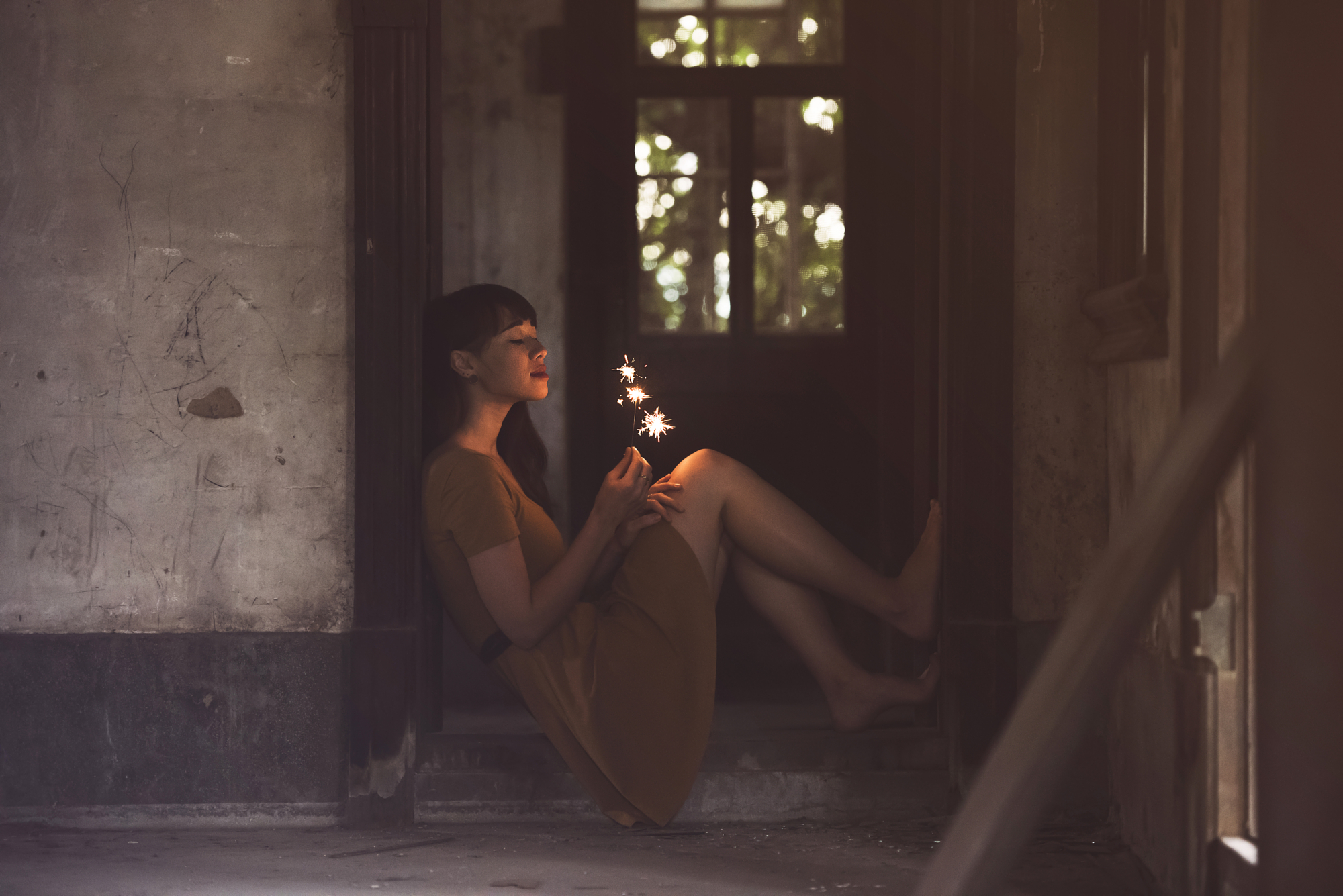
I was deeply fascinated by the landscapes and people in Sapa, Vietnam, and the Yunnan region in the Himalayas. I was 18 at the time, and that trip revealed my passion for travel photography. Upon returning home to Spain, I bought my first camera, a Nikon D3100. From there, I expanded into lifestyle portraits of my friends alongside landscapes, cityscapes, and astrophotography, refusing to limit myself to a single style.
Your portfolio moves between landscape, city, adventure, and underwater work. Is there a common thread tying these together, or do you view them as distinct disciplines?
I have always considered myself a versatile photographer. The only style I never connected with is studio photography, which I personally find repetitive. Beyond that, my primary objective across every environment is simple: finding beauty and capturing it through my lens.
Underwater photography presents unique challenges, including limited air, shifting light, and zero second chances mid-dive. What drew you underwater, and how do you navigate those constraints?
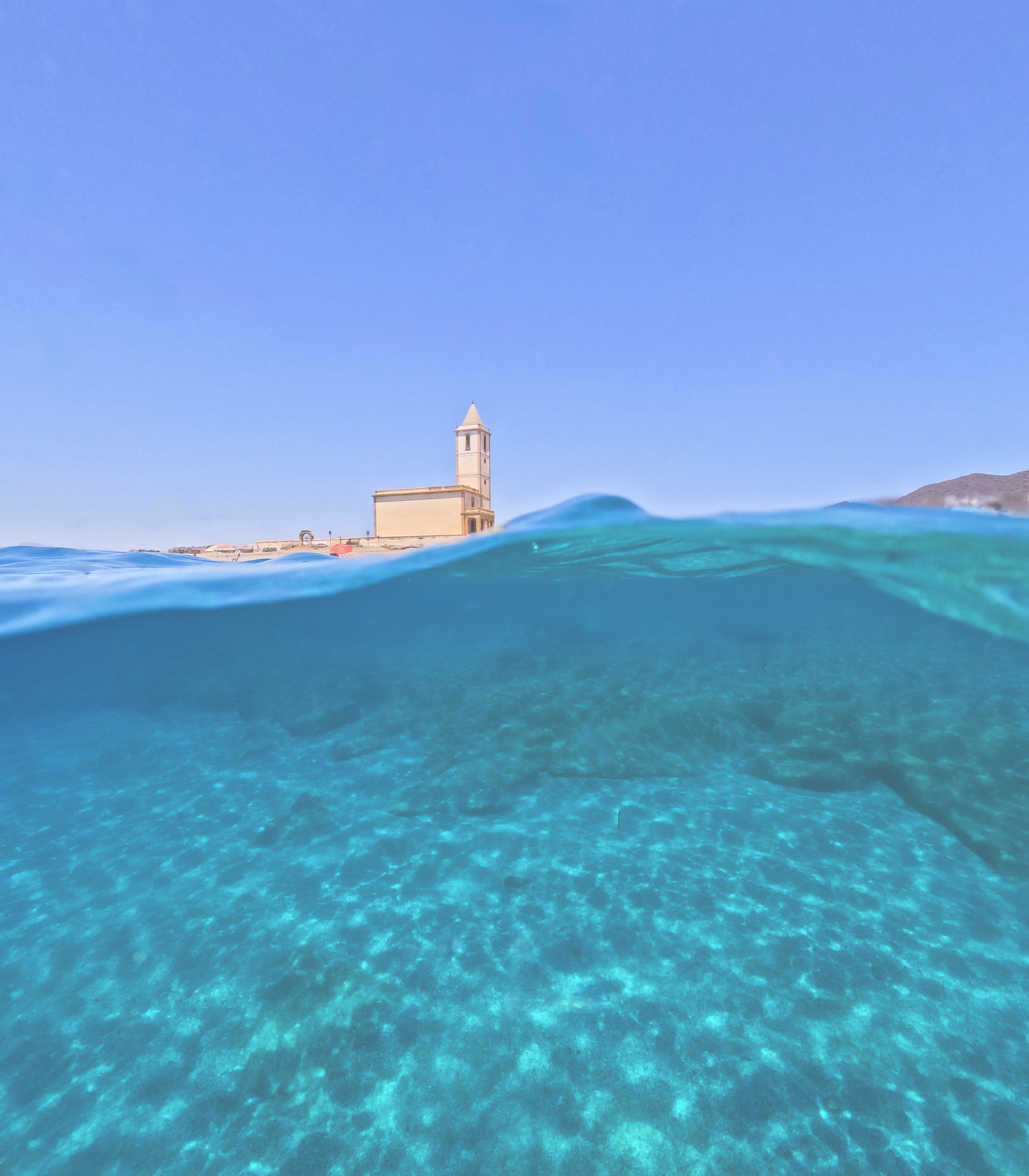
Growing up along the Mediterranean coast in southern Spain, the ocean has always felt like home. Ear health issues prevent me from scuba diving, but that has not stopped me from photographing shallow coastal waters. To capture my underwater images—which focus heavily on split shots showing both above and below the surface—I use a GoPro fitted with a dome port.
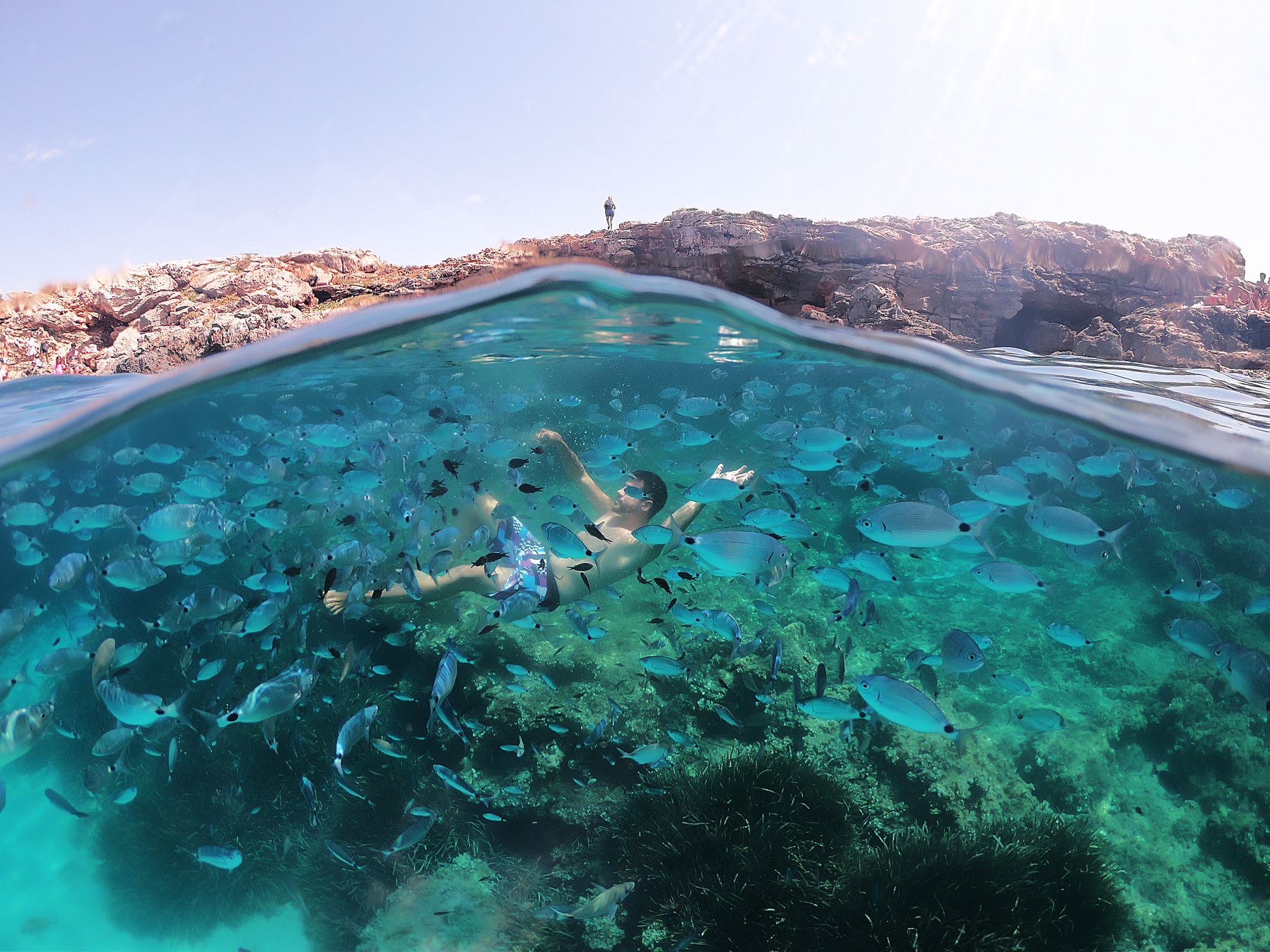
Achieving a great frame requires calm sea conditions, ideal lighting between 11:00 AM and 2:00 PM, and keeping the sun positioned directly behind me. Because it is a numbers game where only three to five percent of the frames turn out well, taking a high volume of photos is essential.
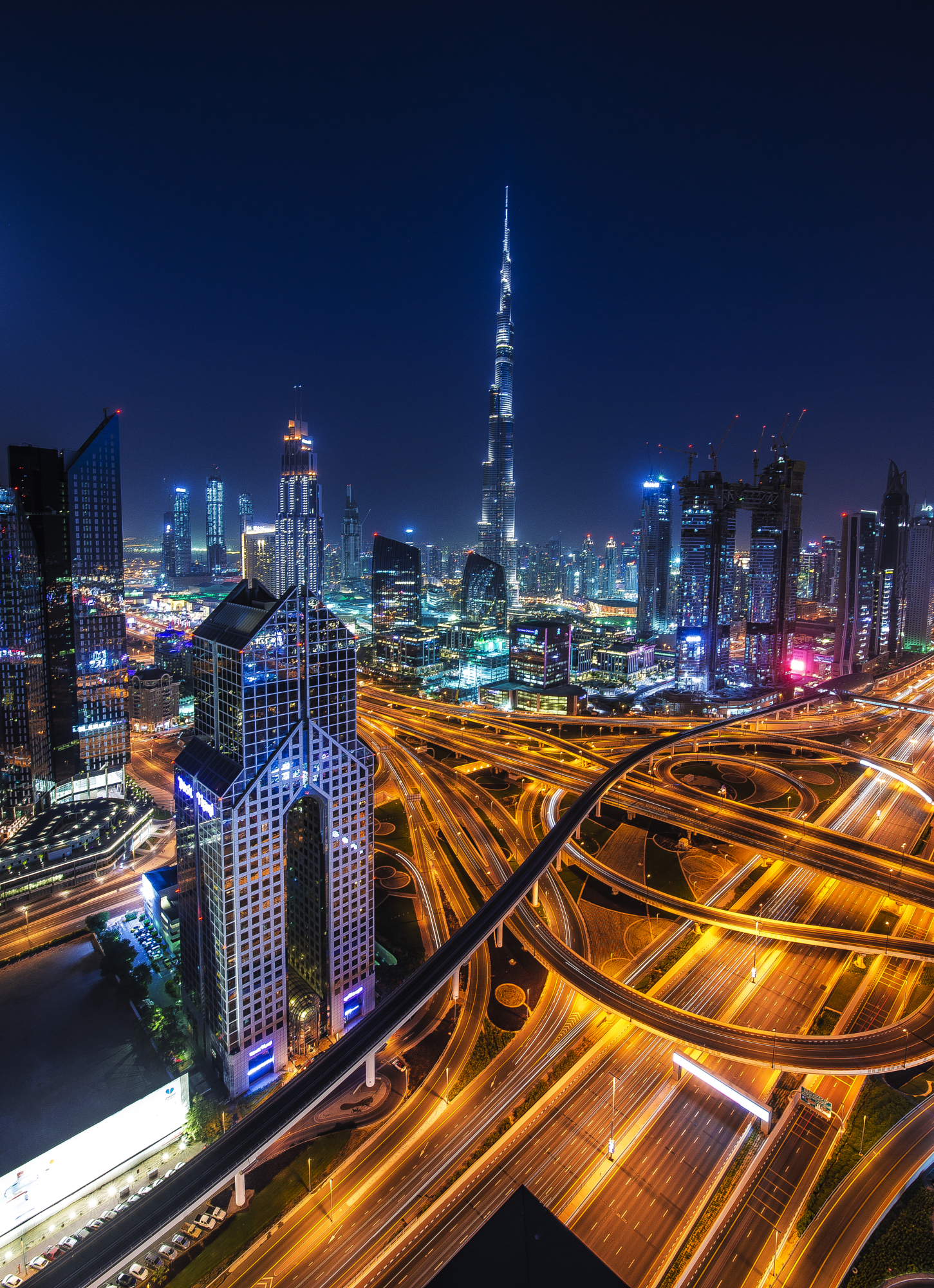
When framing a cityscape versus an empty landscape, do you look for fundamentally different elements, or does the same instinct get pointed at different subjects?
It always comes down to what inspires me in the moment. If I spot a striking composition or something unique, I feel driven to capture it. For instance, I might find a quiet, ordinary village visually captivating while finding a famous city like Barcelona less harmonious for my specific style. Visual impact is entirely subjective, and I lean into what catches my eye regardless of the location’s popularity.
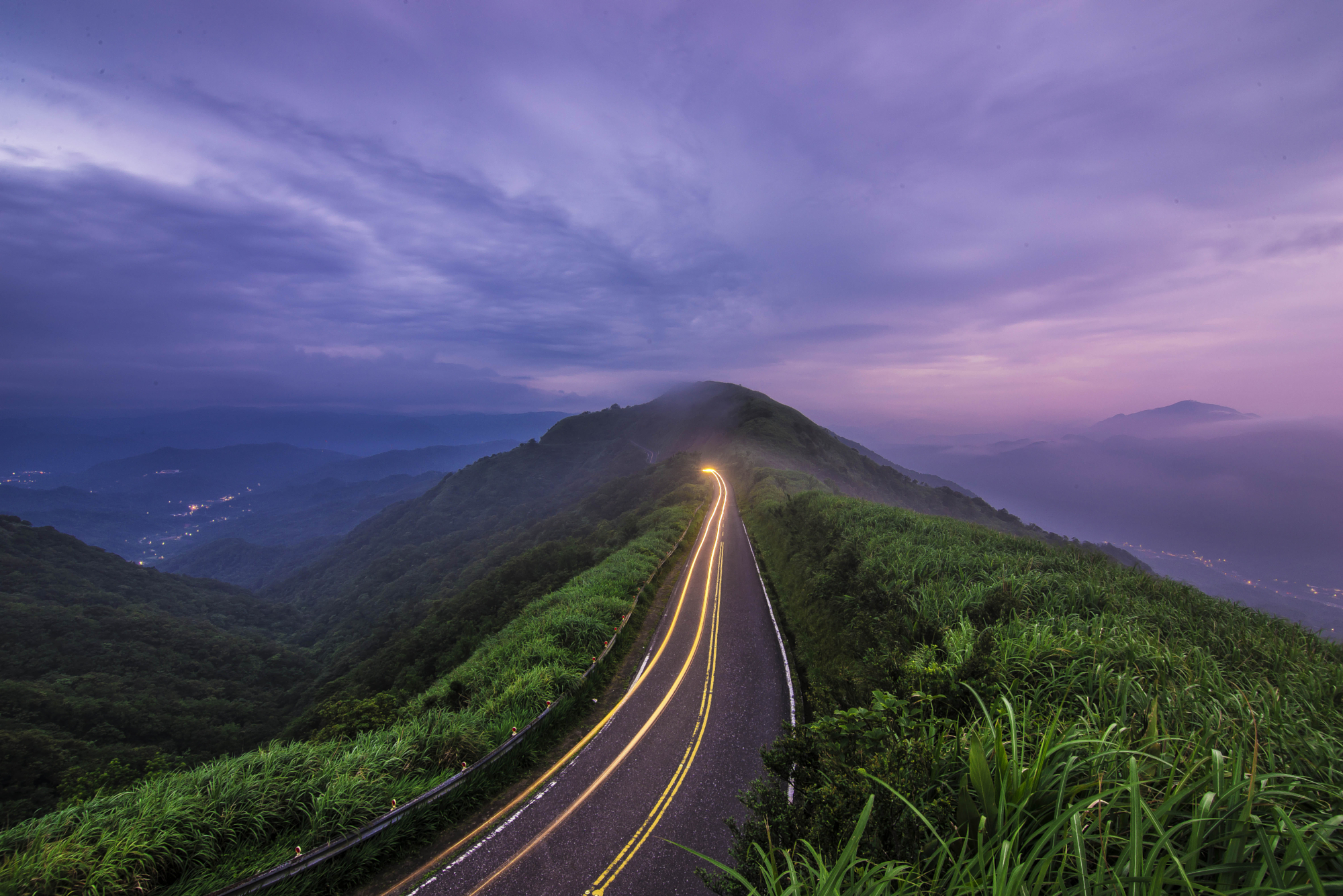
Much of your work demands serious physical effort or risk. How much of your process relies on physical preparation versus reacting to light and composition on the fly?
I have hiked long distances and occasionally ended up in risky situations to capture a specific shot—much to my mother’s concern! However, I do not do structured physical training, nor do I consider myself exceptionally athletic. My process is more like a dog chasing a ball: once I visualize a specific image in my head, I focus entirely on realizing that vision, and that creative obsession provides all the momentum I need to push past physical exhaustion.
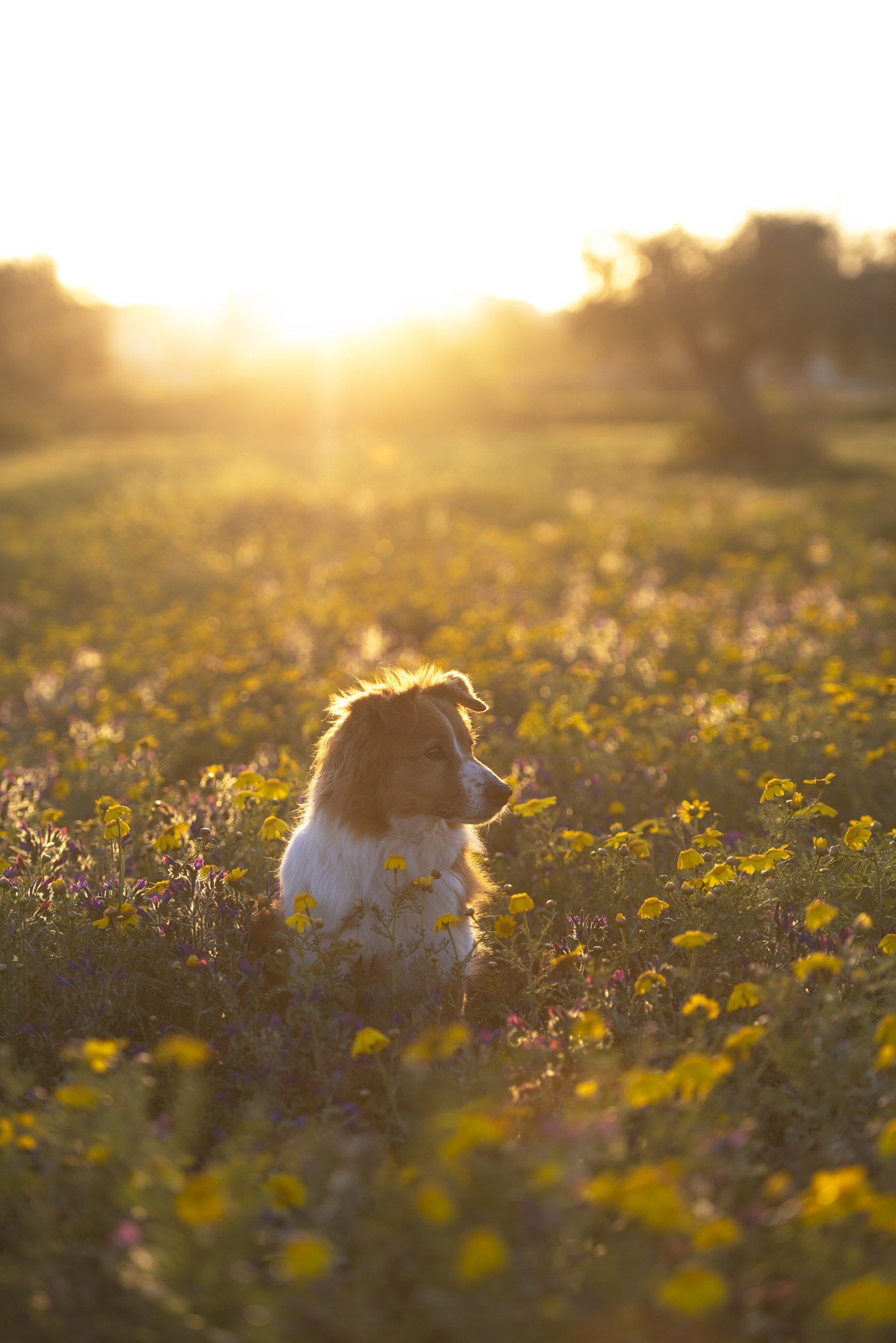
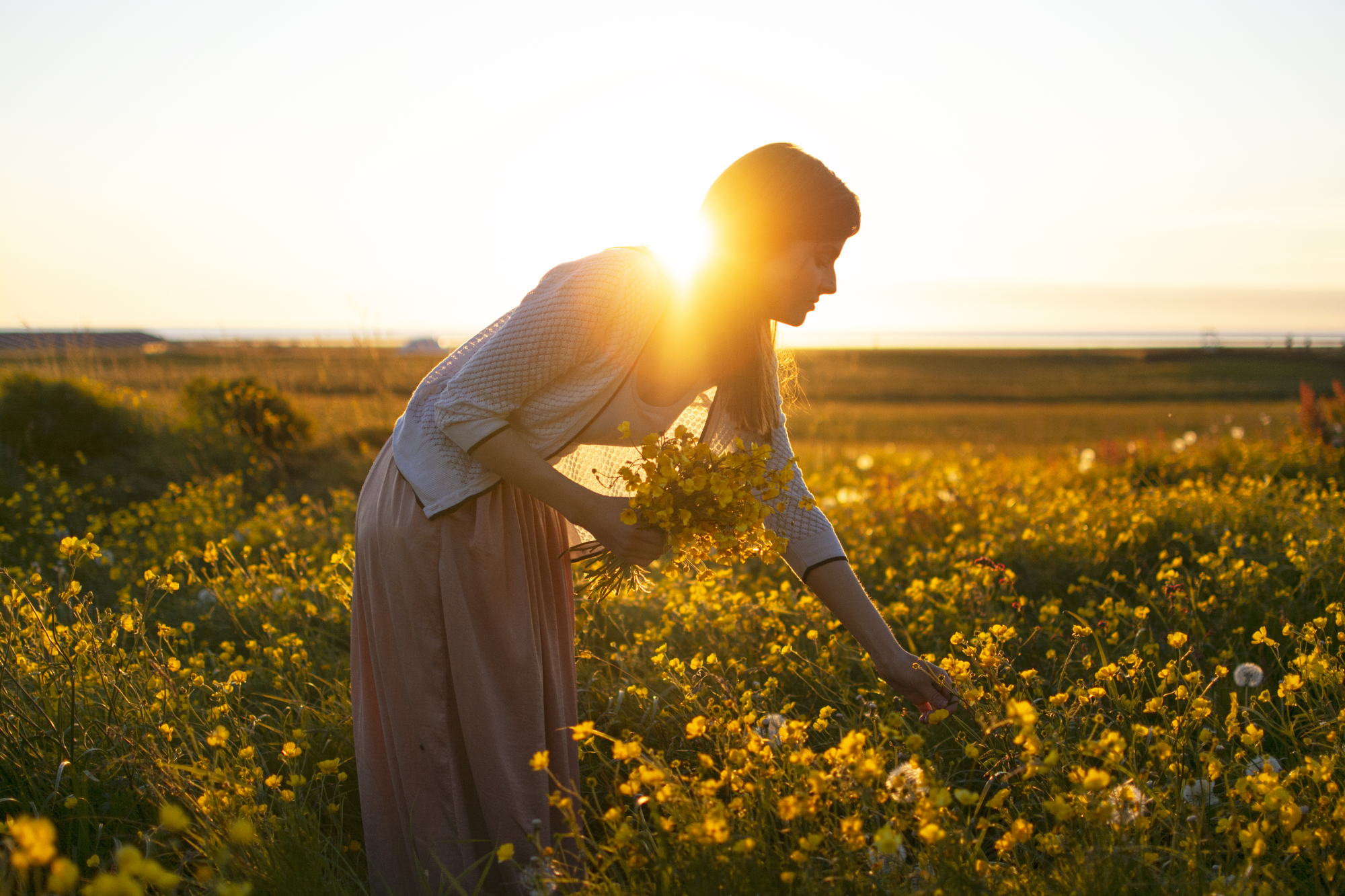
Being based in Madrid, how did growing up around Spanish landscapes shape your eye before you started traveling further afield?
Spain is remarkably diverse, offering endless photographic opportunities across mountains, coasts, and arid regions. However, because I was fortunate enough to travel internationally from a young age, my visual eye was shaped by a combination of global landscapes and the scenery back home.
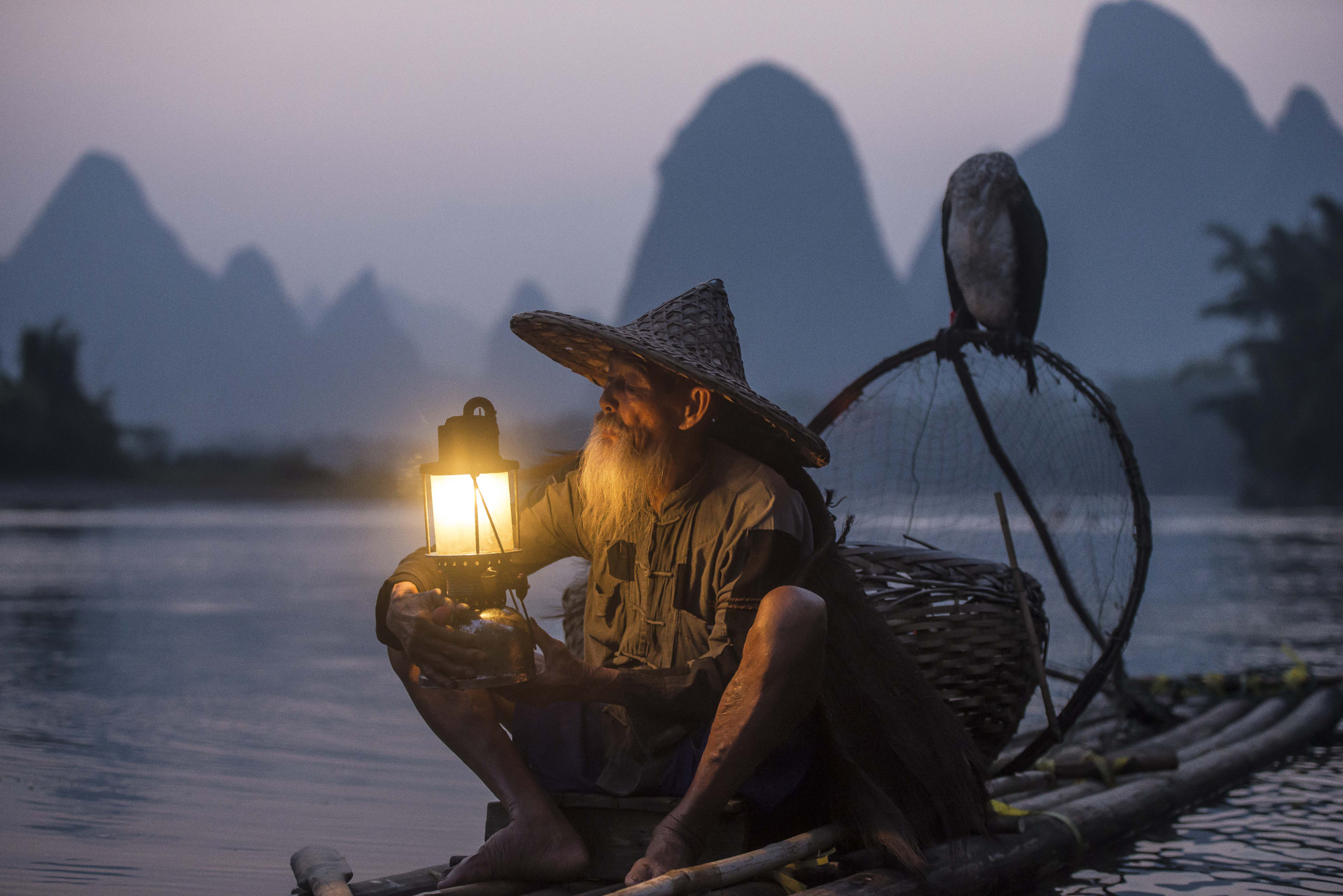
What makes a place worth photographing to you? Do you recognize potential instantly, or does it take time on location to reveal itself?
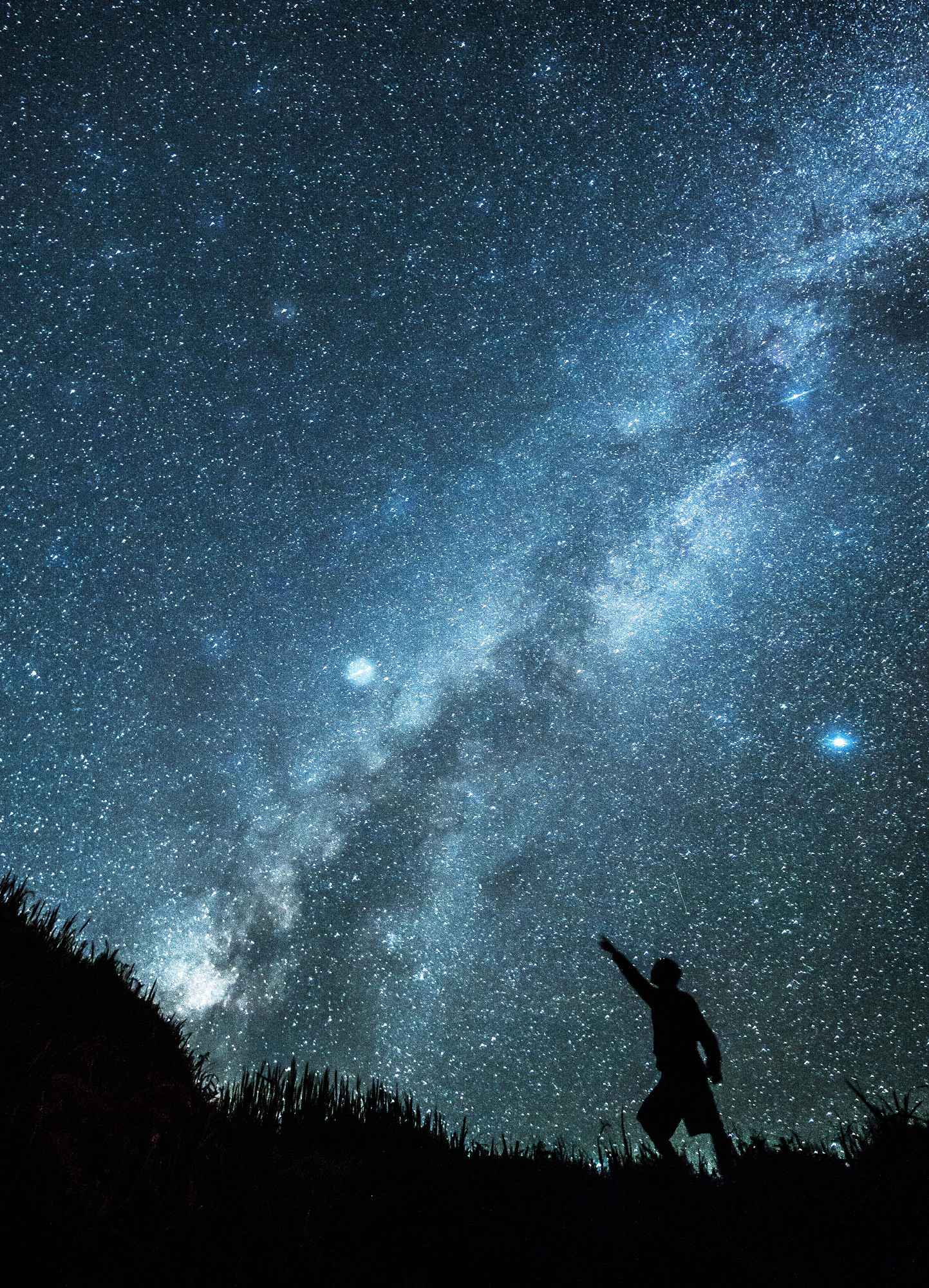
I tend to notice subtle details that others might walk right past. Beyond the primary subject—whether it is a mountain, a vehicle, a person, or a building—the chosen perspective fundamentally changes the picture. When I arrive at a location, I usually know within ten seconds if it holds potential, instantly picturing how the scene would look using specific focal lengths or shutter speeds. Even when I doubt a location, I still carry my gear, and while it occasionally surprises me, taking the chance is always worthwhile.
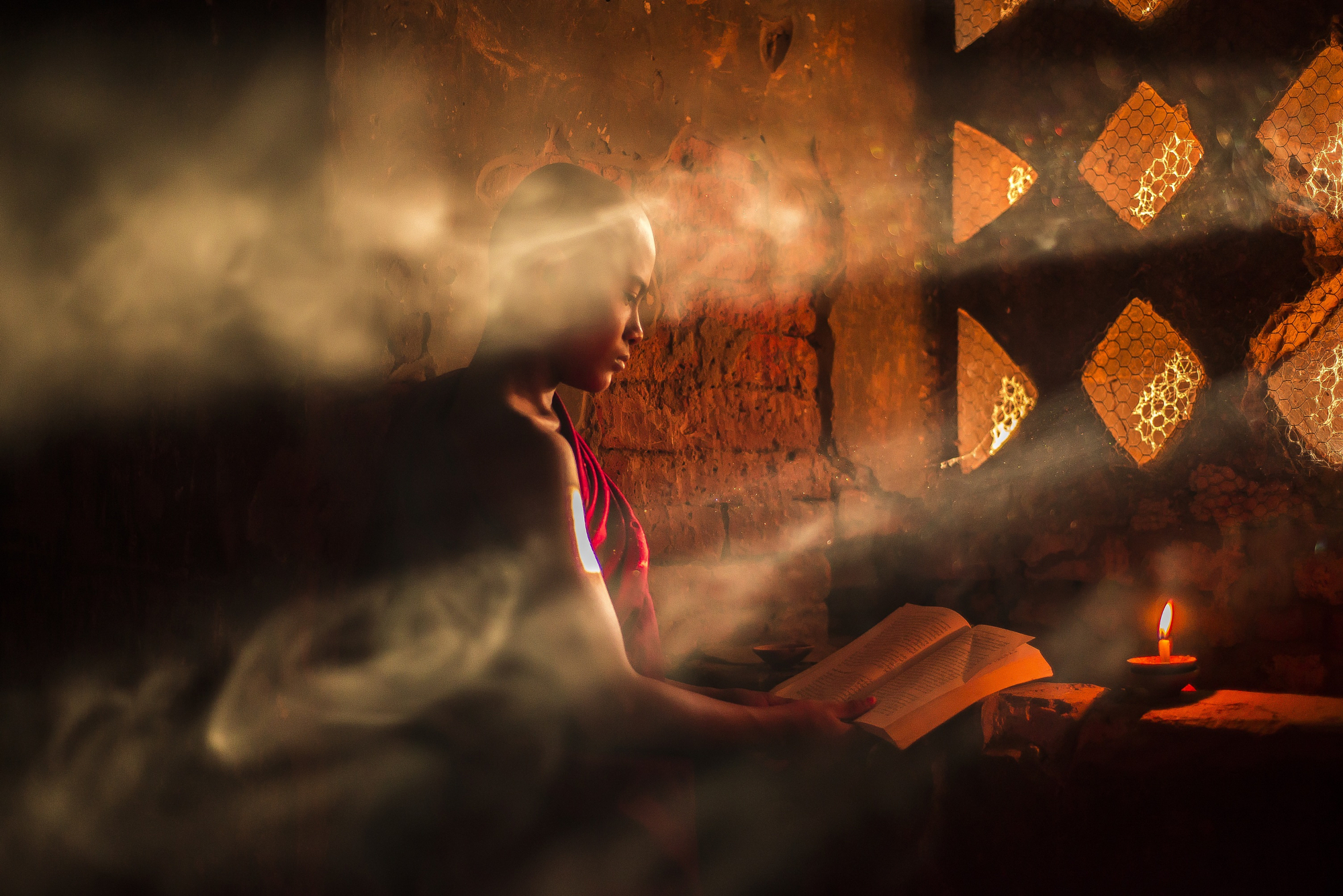 Having visited over 50 countries, which locations stand out as your absolute favorites, and what made those experiences memorable?
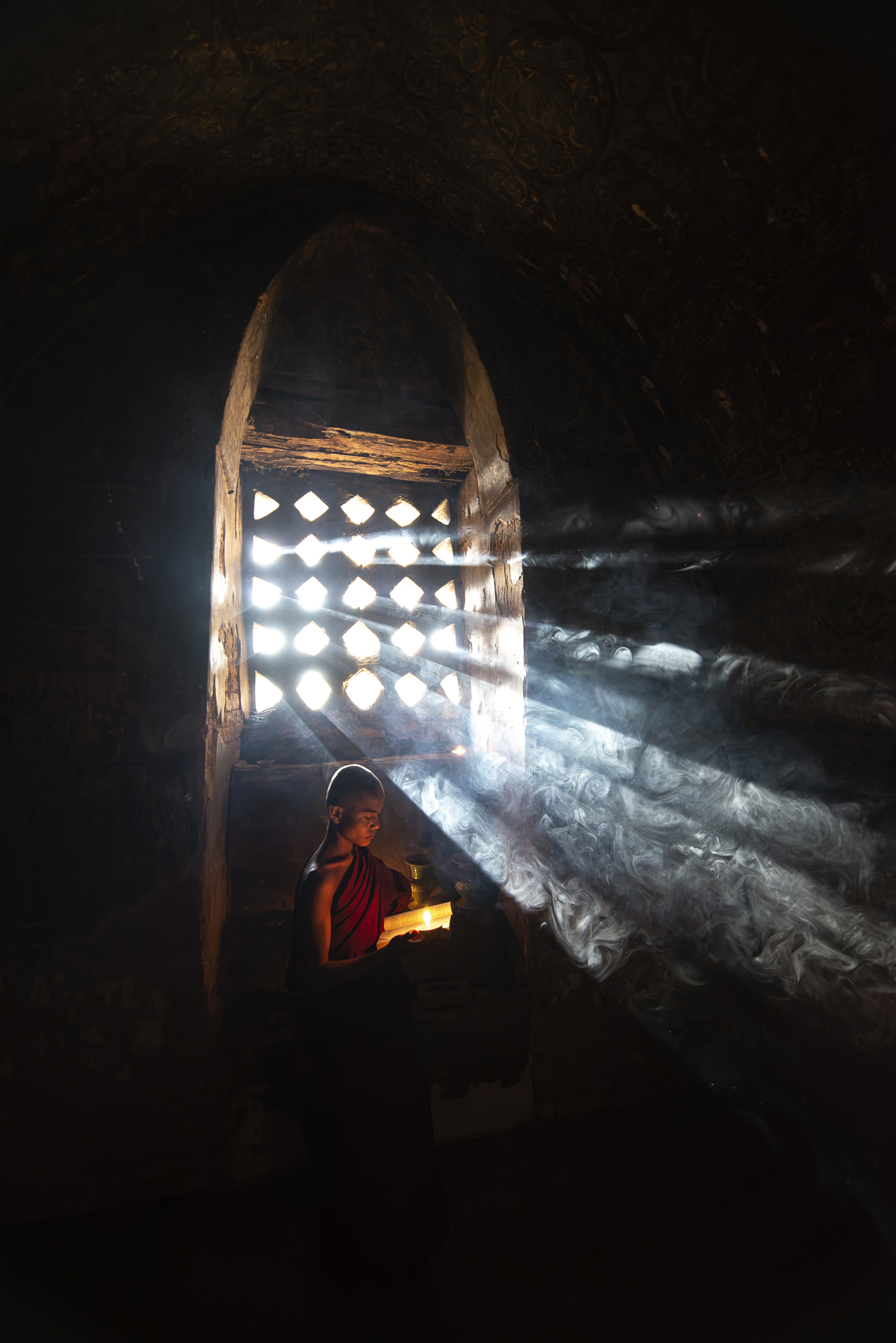
Two long-term trips stand out above the rest: a month spent in Myanmar in early 2016 and a month in Sichuan later that same year. In Myanmar, the landscape possessed a distinct golden quality created by the pagodas, dry terrain, and warm sunsets, while capturing monks and locals in traditional attire created an incredible atmosphere. In Sichuan, my friends and I hitchhiked into Larung Gar, home to the world’s largest Buddhist academy with over 40,000 resident monks, yielding photographic opportunities that eventually earned publication in major news outlets.
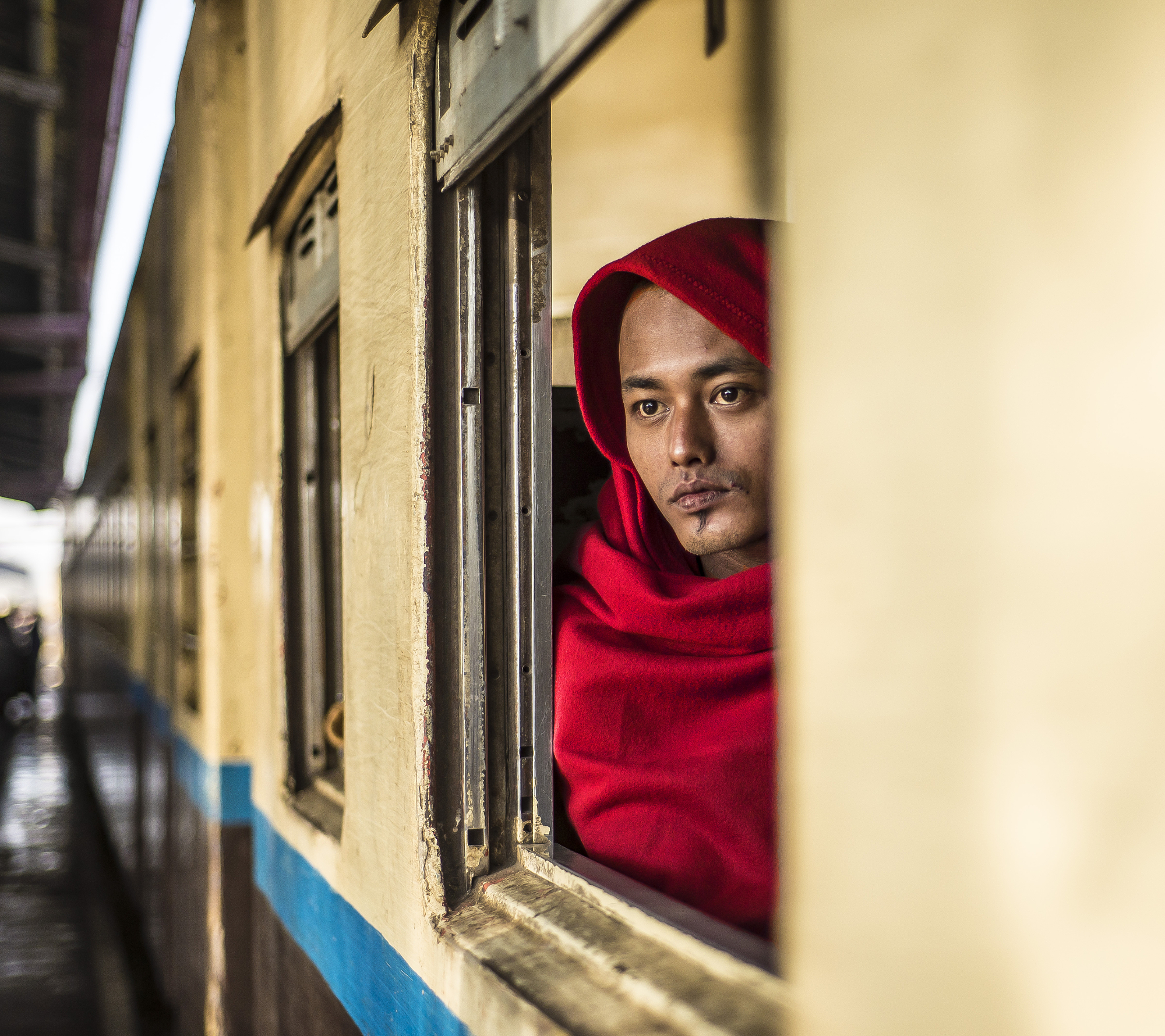
Traveling by train through North Korea in 2014 was another highlight, where spending hours photographing rural villages through the window with a 400mm lens felt like entering another era. Taiwan, Norway, Iceland, and Spain also remain top destinations for their sheer visual variety.
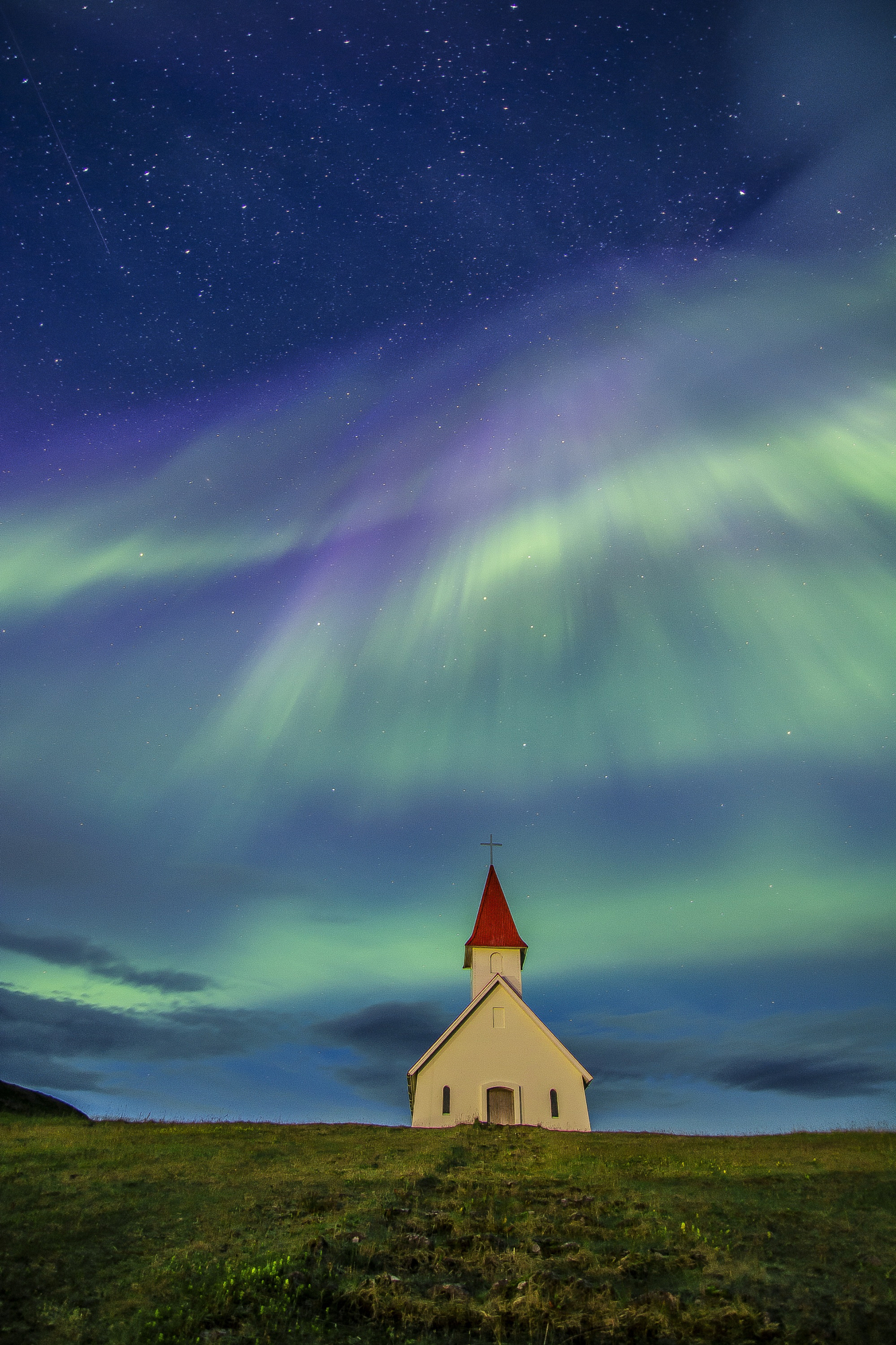
Our previous featured photographer, Younes Ezzentri, asked: “When you return to the same place multiple times, how do you keep your vision evolving instead of repeating the same image—and what tells you that you’ve truly discovered something new in that familiar landscape?”
Every visit offers new variables, including changing light, shifting skies, different human elements, and even my own evolving mood. For example, I frequently visit Cabo de Gata National Park near my hometown. Depending on the visit, I might focus on aerial drone photography, capture underwater split shots with a GoPro, experiment with astrophotography, or shoot long-exposure sea frames during sunset. Changing your equipment or focus keeps a familiar location fresh.
Do you have any upcoming trips, projects, or new ventures on the horizon that you would like to share?
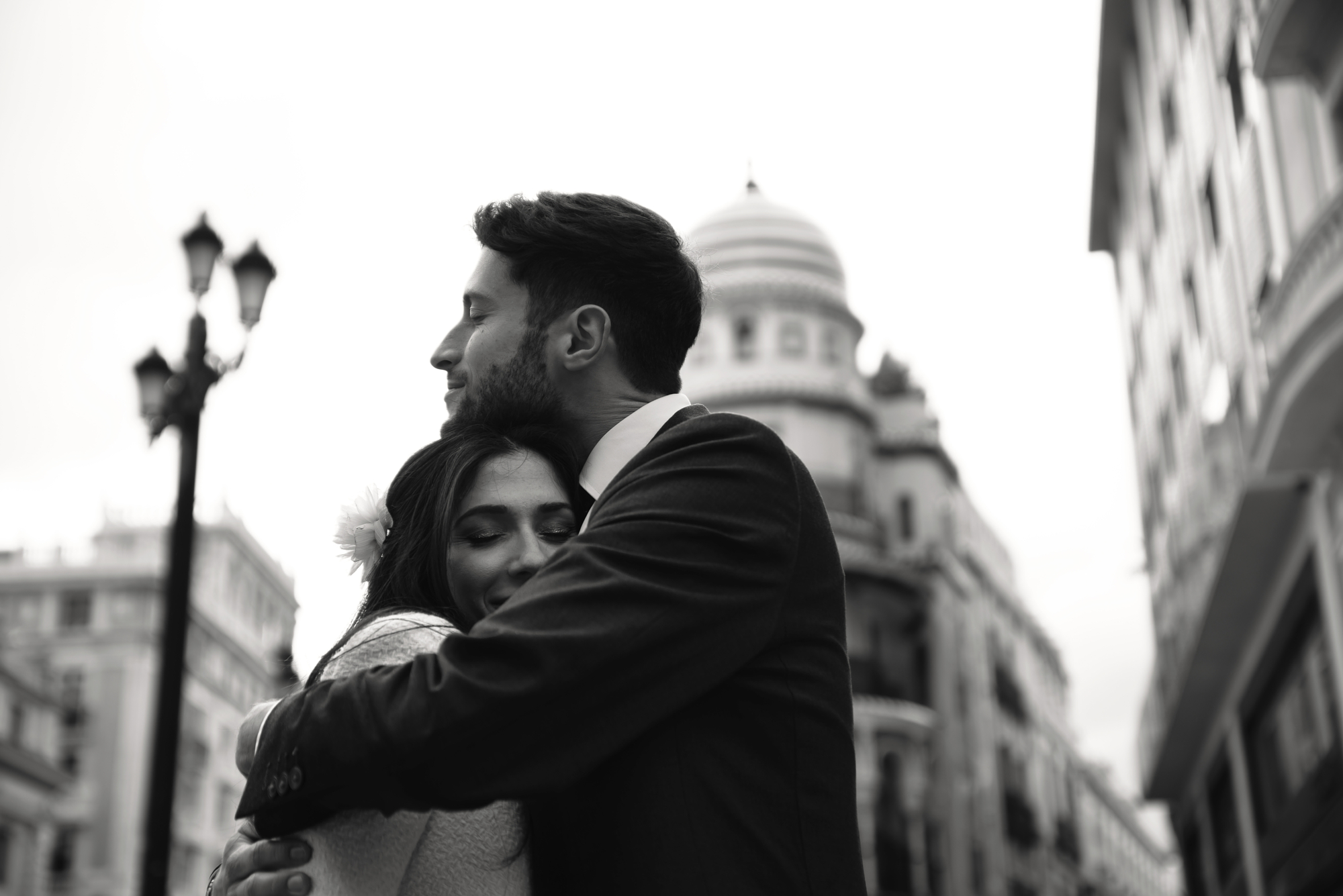
I am currently developing a new luxury venture called Golden Lux in partnership with Royal Travel Mexico. We are creating curated photographic and wine-tourism experiences in Spain’s Ribera del Duero region, targeting clientele looking for high-end editorial portraits. As for future personal expeditions, I am eager to explore and document Central Asia—specifically Kyrgyzstan and Uzbekistan—alongside African nations like Madagascar, Namibia, and Lesotho.