Small details often go unnoticed. However, in macro photography for beginners, those details become the subject. Tiny textures, patterns, and shapes suddenly feel larger than life.
You don’t need complicated gear to start. Instead, you need curiosity and attention to detail.
What Is Macro Photography?
Macro photography for beginners focuses on capturing subjects at a very close distance. As a result, small objects appear large and detailed in the frame.
Common subjects include:
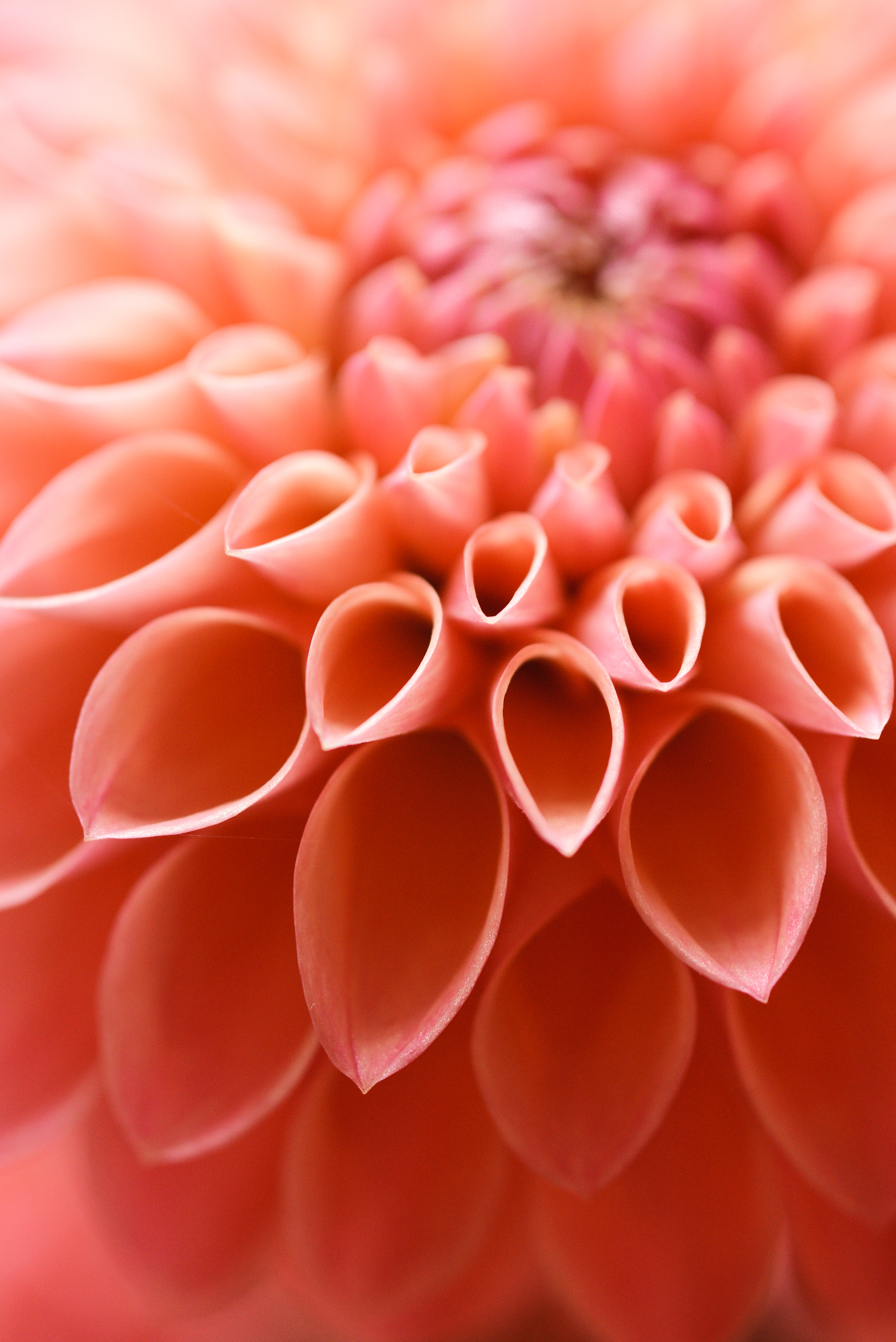
- Flowers and plants
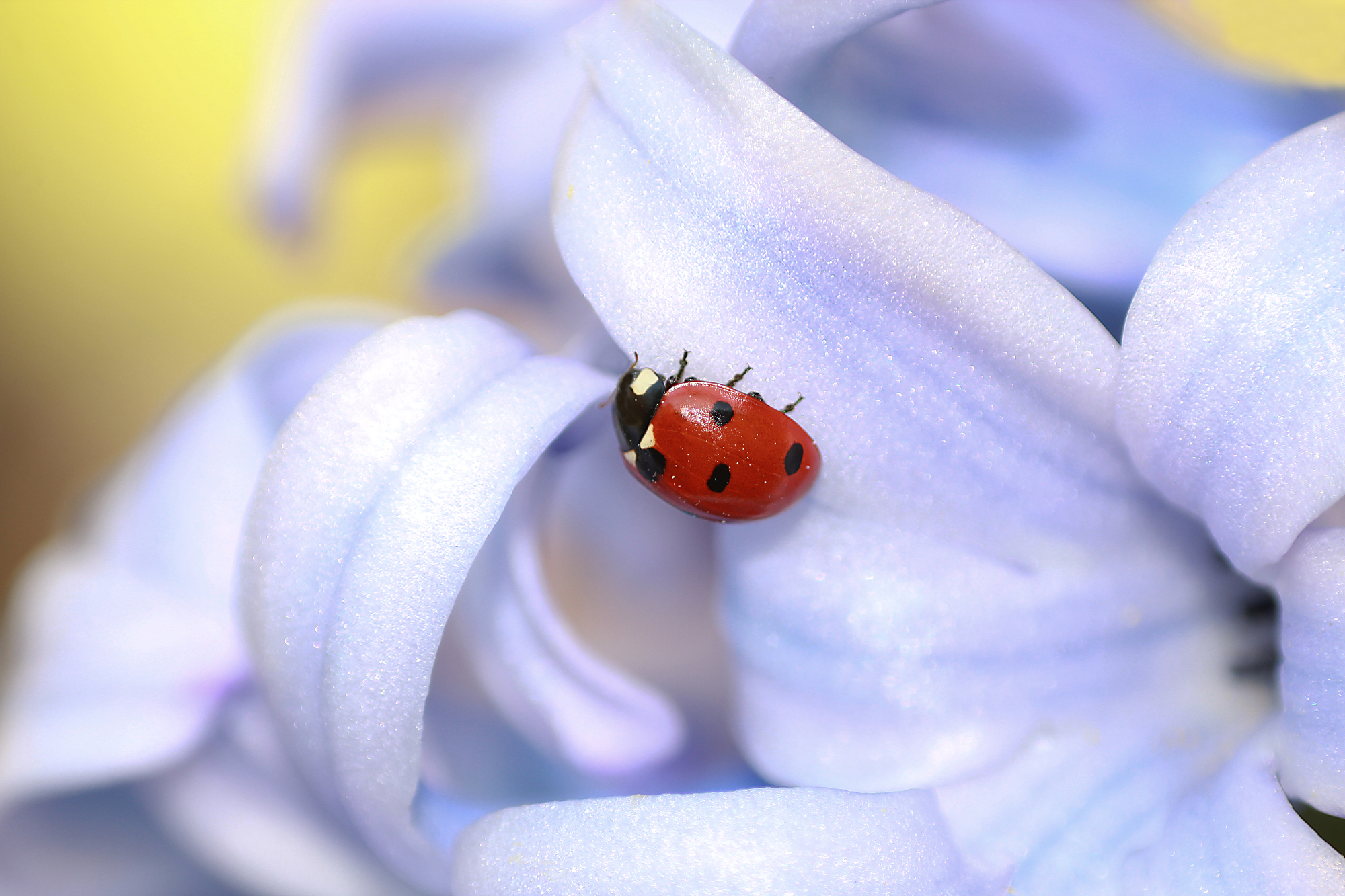
- Insects
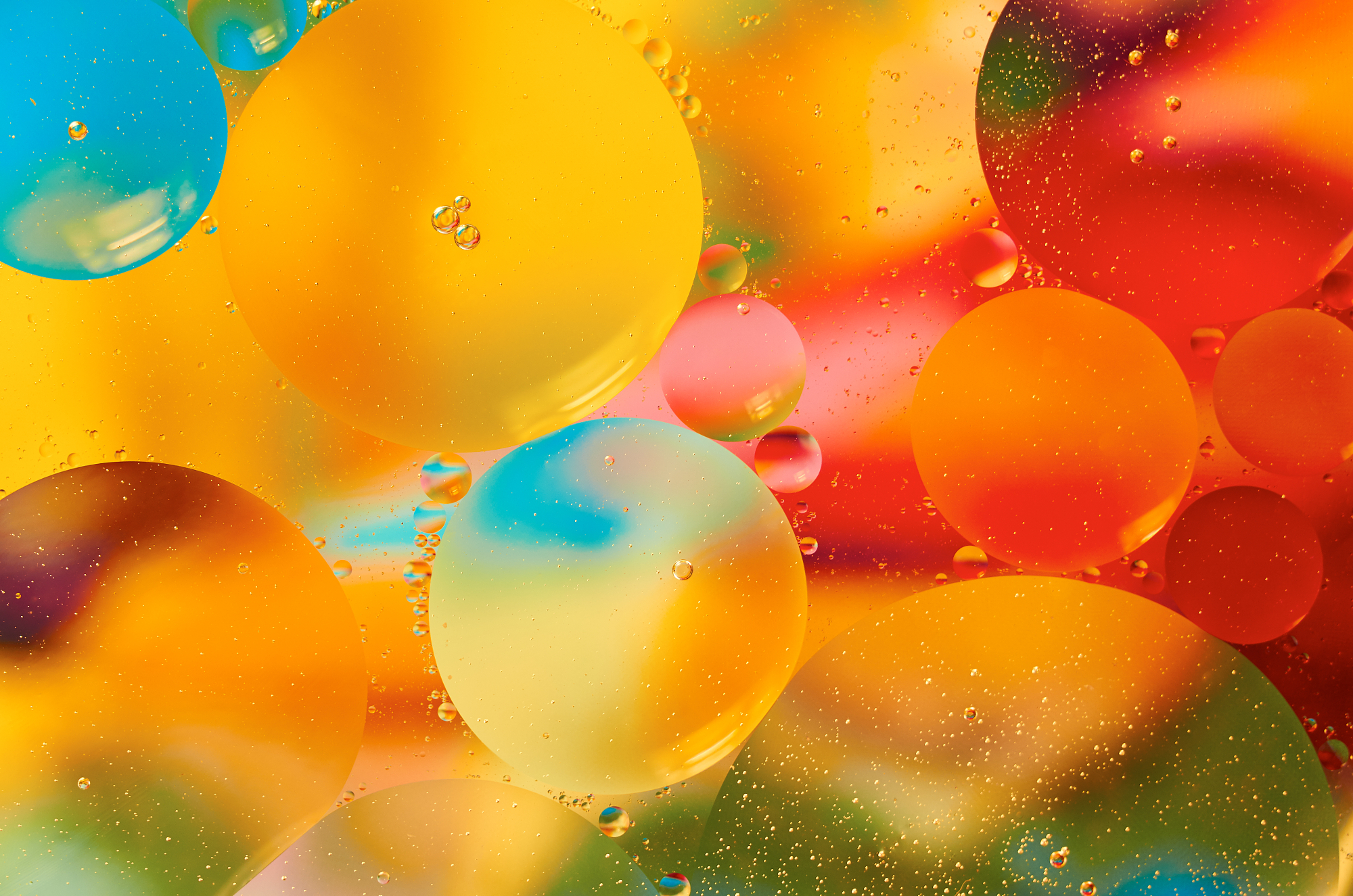
- Textures and everyday objects
Therefore, macro photography reveals a world that is usually overlooked.

Choosing the Right Gear for Macro Photography
You don’t need expensive equipment to get started with macro photography. However, having the right tools can make it easier to capture detailed close-up images.
For beginners, a dedicated macro lens is the best option, but extension tubes offer a more budget-friendly alternative. Close-up filters are another affordable way to increase magnification.
If you’re just starting out, use the equipment you already have and focus on learning the fundamentals. Strong technique will make a bigger difference than expensive gear.
Understanding Depth of Field in Macro Photography
Depth of field becomes very shallow in macro photography. Therefore, only a small part of your subject will be in focus.
To manage this:
- Use a smaller aperture (f/8–f/16)
- Focus carefully on key details
- Keep your camera steady
As a result, your images will feel sharper and more intentional.
Lighting for Macro Photography
Light plays a critical role in macro photography, and small subjects can look dramatically different with even slight changes in lighting.
When starting out, use soft natural light whenever possible and avoid harsh direct sunlight, which can create strong shadows and blown-out highlights. Experimenting with different lighting angles can help reveal textures and details more effectively.
You can also use reflectors to bounce light back onto your subject. This helps create more balanced lighting and brings out fine details in your macro images.
Stabilizing Your Shot
Even small movements can ruin sharpness. As a result, stability is essential.
To improve stability:
- Use a tripod
- Hold your camera steady
- Use a timer or remote
This is especially important in macro photography for beginners.
Composition Tips for Macro Photography
Strong composition can make a significant difference in macro photography. Without careful framing, close-up images can easily feel cluttered or distracting.
Focus on a single subject and simplify the background to eliminate unnecessary elements. Look for leading lines or repeating patterns that guide the viewer’s eye, and fill the frame intentionally to emphasize important details.
As a result, your subject becomes the clear focal point of the image.
Finding Subjects for Macro Photography
You don’t need to travel far. In fact, great subjects are everywhere.
Look for:
- Gardens and parks
- Kitchen textures
- Everyday objects
In macro photography for beginners, curiosity matters more than location.
Why Macro Photography Is Worth Exploring
Macro photography changes the way you see the world by encouraging you to notice details that are often overlooked. It also trains your eye to observe textures, patterns, and subtle variations in light.
As you practice, you improve your focus and precision while developing greater patience. In turn, macro photography helps build strong photographic fundamentals that can enhance every other genre you shoot.
Final Thoughts on Macro Photography for Beginners
You don’t need perfect conditions. Instead, start small. Get close. Slow down. Pay attention.
Mastering macro photography for beginners is about seeing detail where others don’t.