Christophe Staelens is a photographer known for his minimalist black and white landscapes, which are a masterclass in reduction. By utilizing neutral density filters and long exposures, he strips away the chaotic details of a scene to reveal silky waters and sweeping clouds. Staelens captures photos that feel meditative and timeless. We spoke with Christophe about the art of freezing time in a single frame and how his minimalist eye translates even to the bustling streets and city architecture.
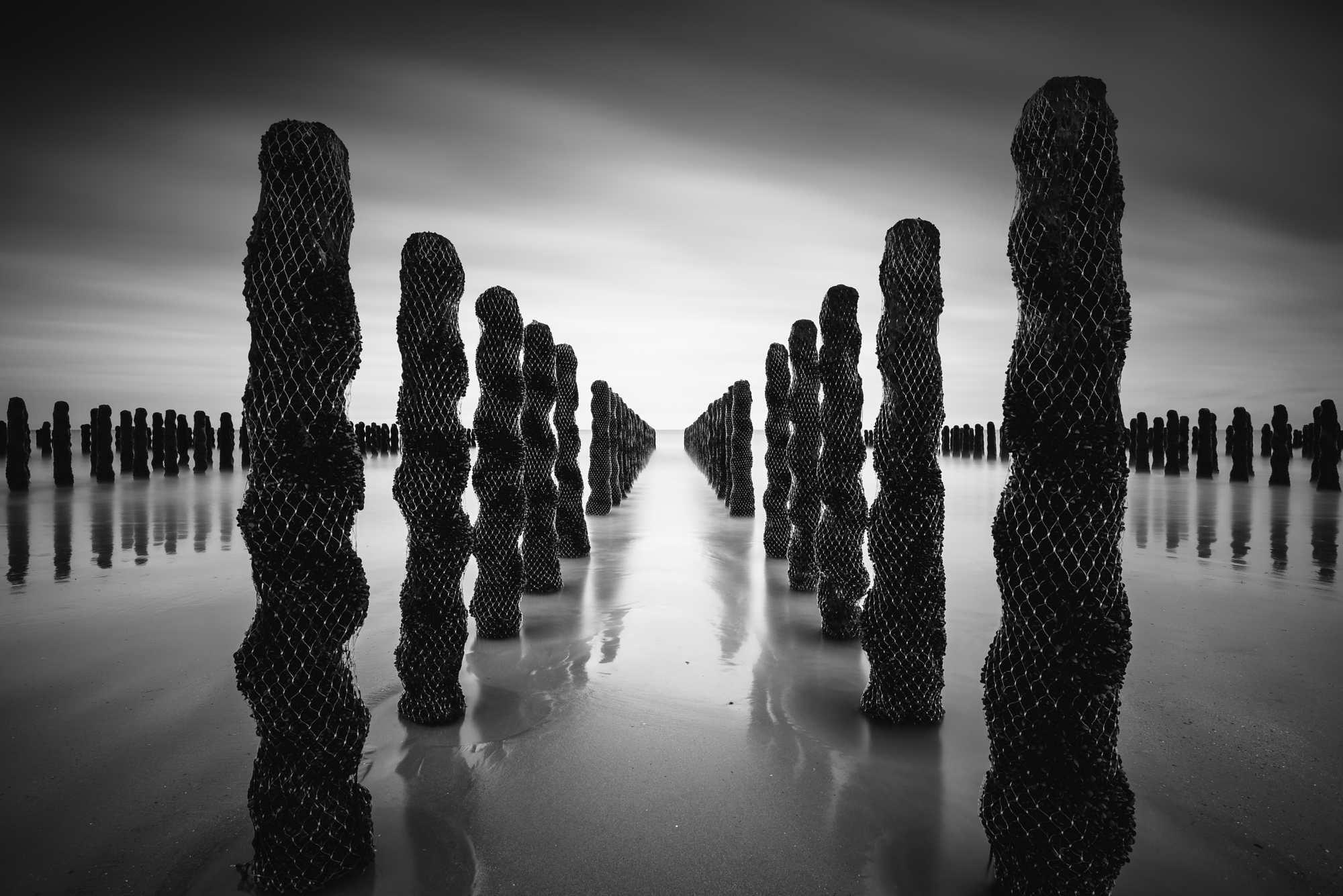
To start, could you tell us about your beginnings in photography? What was it that moved you to start experimenting with long exposures and the technical side of photography?
My creative journey actually began with music at a young age. Music, like photography, is an art form that invites you to express yourself and create something meaningful. Photography entered my life later, sparked by a colleague who introduced me to the creative and technical possibilities of working with a camera.
From the very beginning, I learned the basics of long-exposure photography—something I am still grateful for today. Although I had always been drawn to nature and visual aesthetics, this was the moment when I began capturing what I saw and felt.
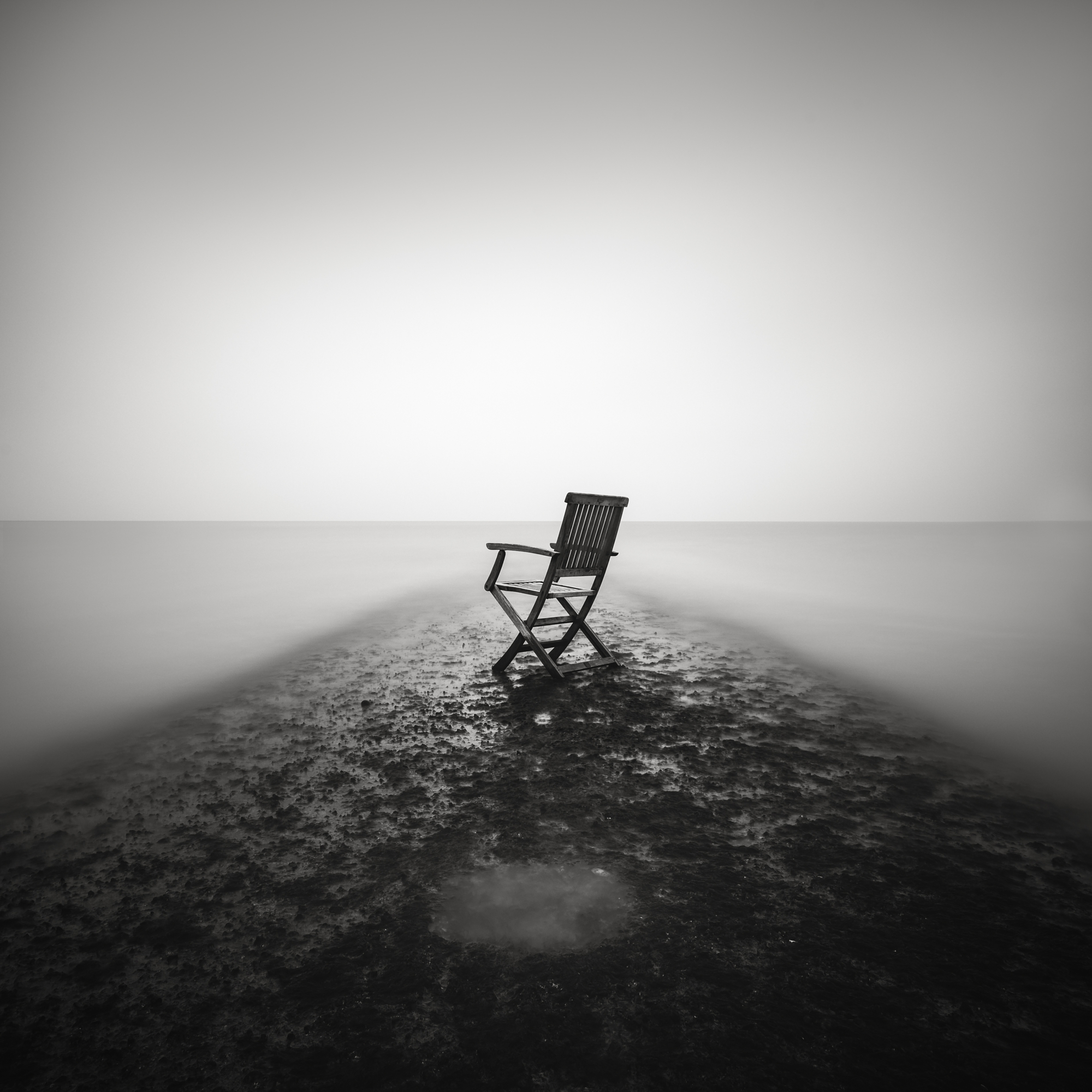
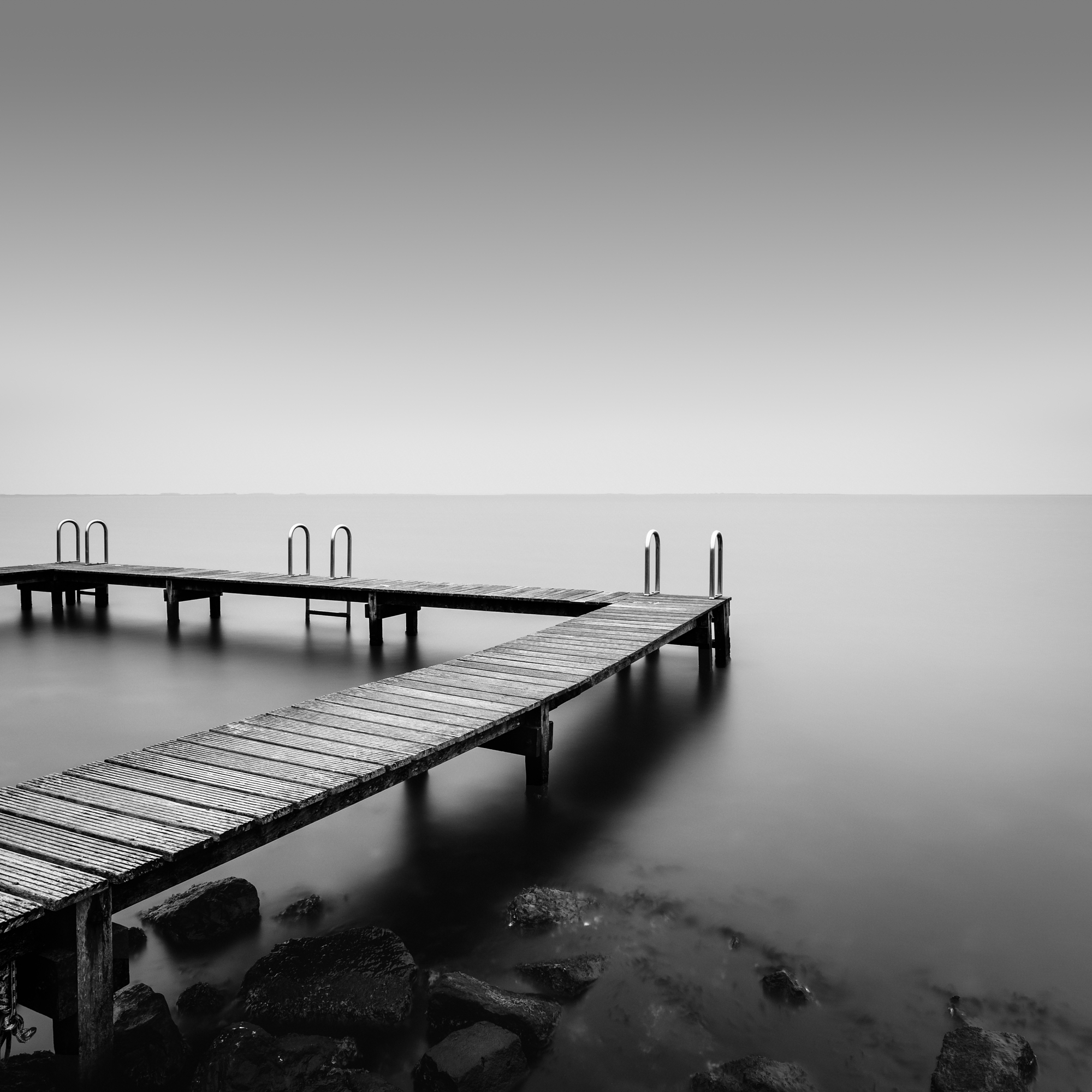
You’ve spoken about how photographers like Michael Kenna and Michael Levin shape your artistic vision. What specific elements of their work resonated with you early on, and how did you carve out your own voice within that minimalist black-and-white aesthetic?
I have always been deeply drawn to long-exposure photography because no two images are ever the same. The experience itself remains magical to me—watching the movement of the clouds, capturing the passage of time, creating softness in the water, and finally seeing the result appear straight out of the camera.
Besides photographers such as Michael Kenna and Michael Levin, there are many artists who continue to inspire me. Darren Moore is certainly high on that list, as is Keith Aggett. I particularly admire their dreamy imagery, strong contrasts, and minimalist approach.
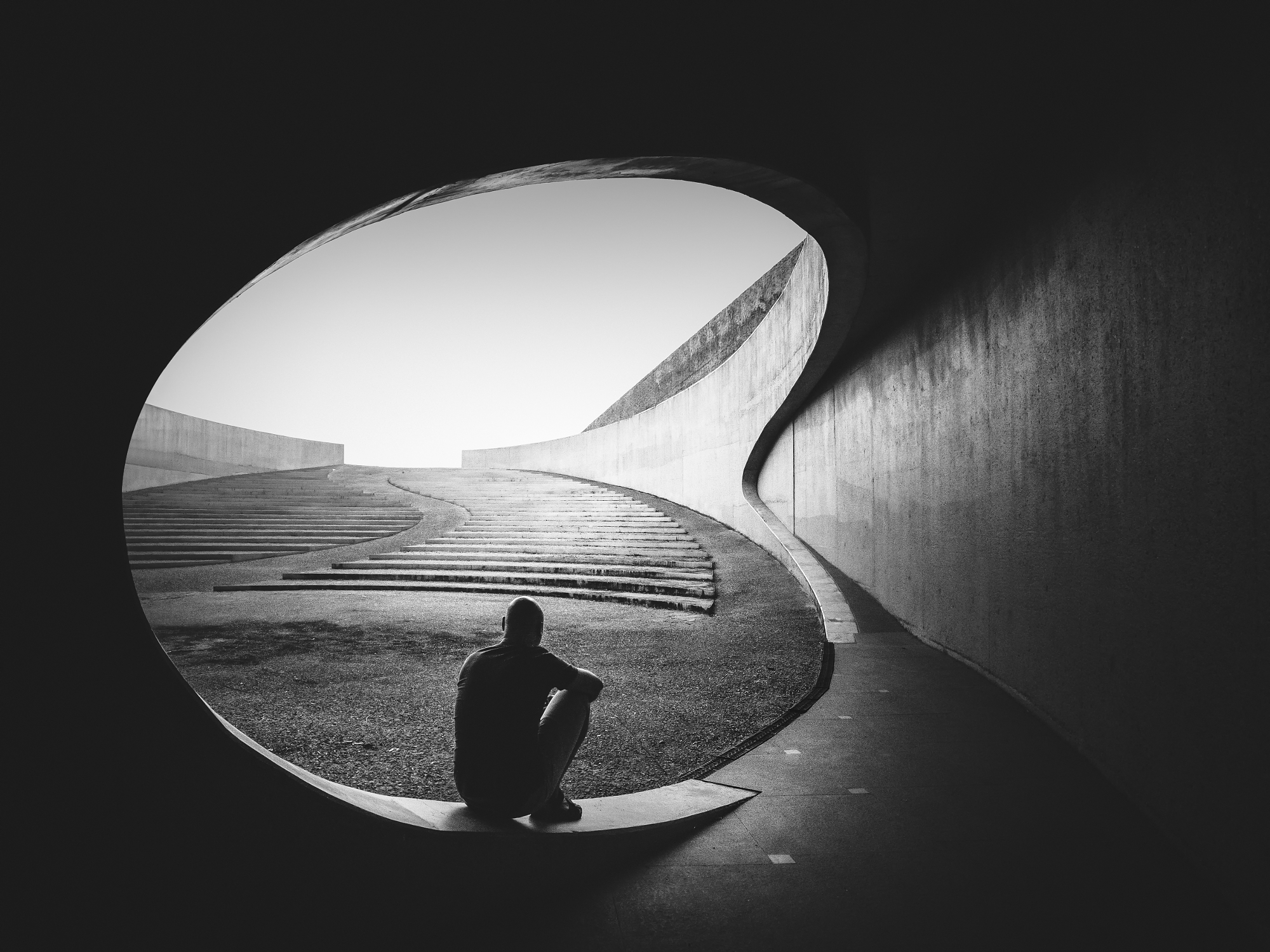
The sense of perfection and the essence of objects within an environment, free from distracting elements, is something that deeply resonates with me.
I am often drawn to the coast or places near water, where even the absence of subjects can be enough to create a minimalist image. There is something powerful in simplicity—in finding beauty and atmosphere within emptiness and silence.
Wherever you go—whether in Belgium, the Netherlands, England, or France—there is always something worth photographing when you truly take the time to look. The real challenge is capturing the essence of a subject in its purest form.
It is also an area in which I still want to grow, developing a stronger eye for minimalism and learning to see even more essence in a scene.
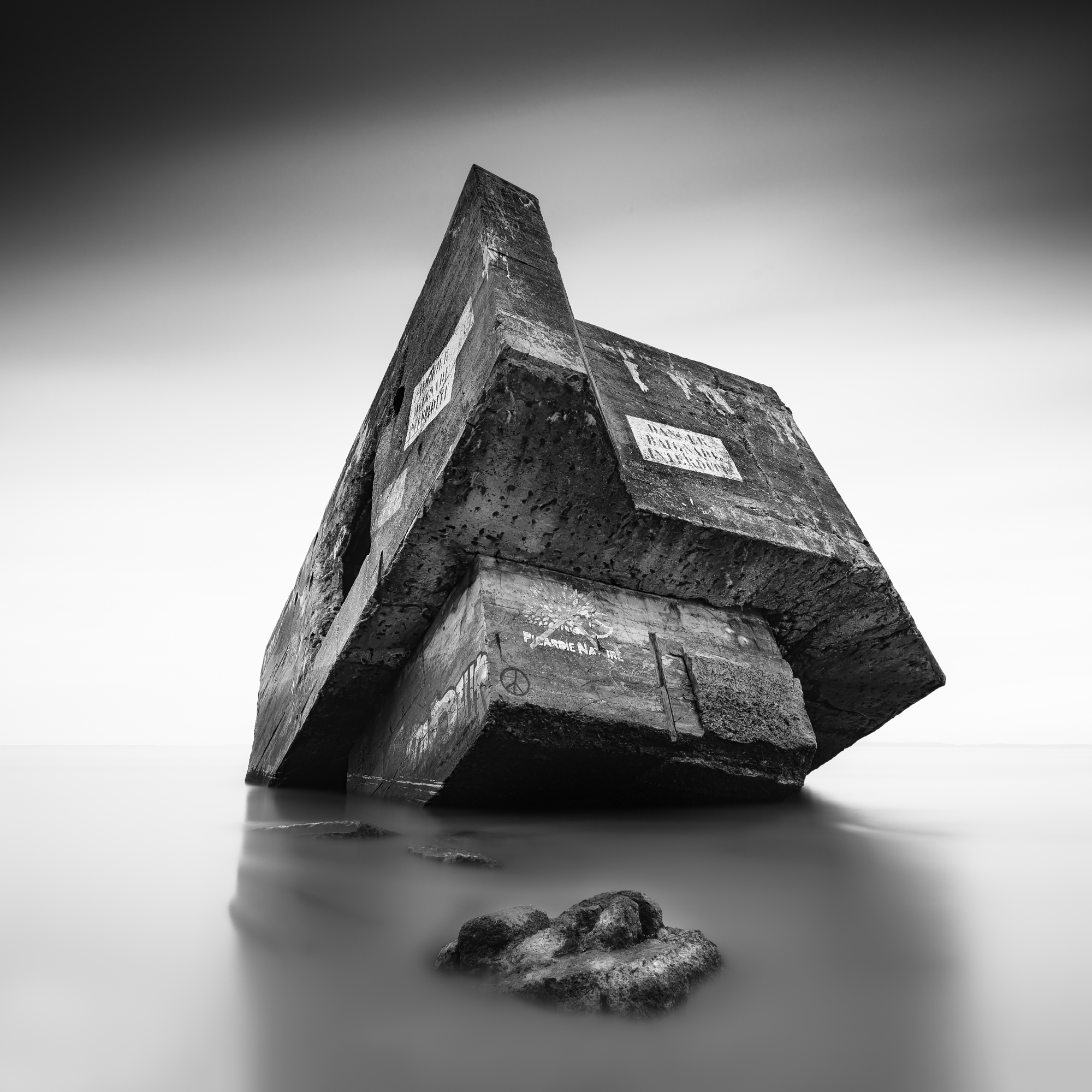
There is a profound sense of stillness in your seascapes and waterscapes. What do you think about while waiting for a long exposure to finish by the water, and how much of the final image do you pre-visualize before you click the shutter?
While the exposure timer is running, I equally enjoy being immersed in the elements of nature—the wind, the sound of the sea, the salty ocean air, and the clouds drifting by overhead. Long-exposure photography is a unique process, especially here along the Belgian Coast and the North Sea, where you constantly have to be aware of the tides and carefully assess their risks.
During an exposure, I take in all of these natural elements, which makes the entire experience feel deeply connected and almost meditative. Most of the time, the final image turns out close to what I had envisioned in my mind—something that mainly comes through experience. Understanding the direction of the wind, the movement of the clouds, and choosing the right shutter speed to control the softness of the water or the streaks in the sky all play an important role in creating the image I am looking for.
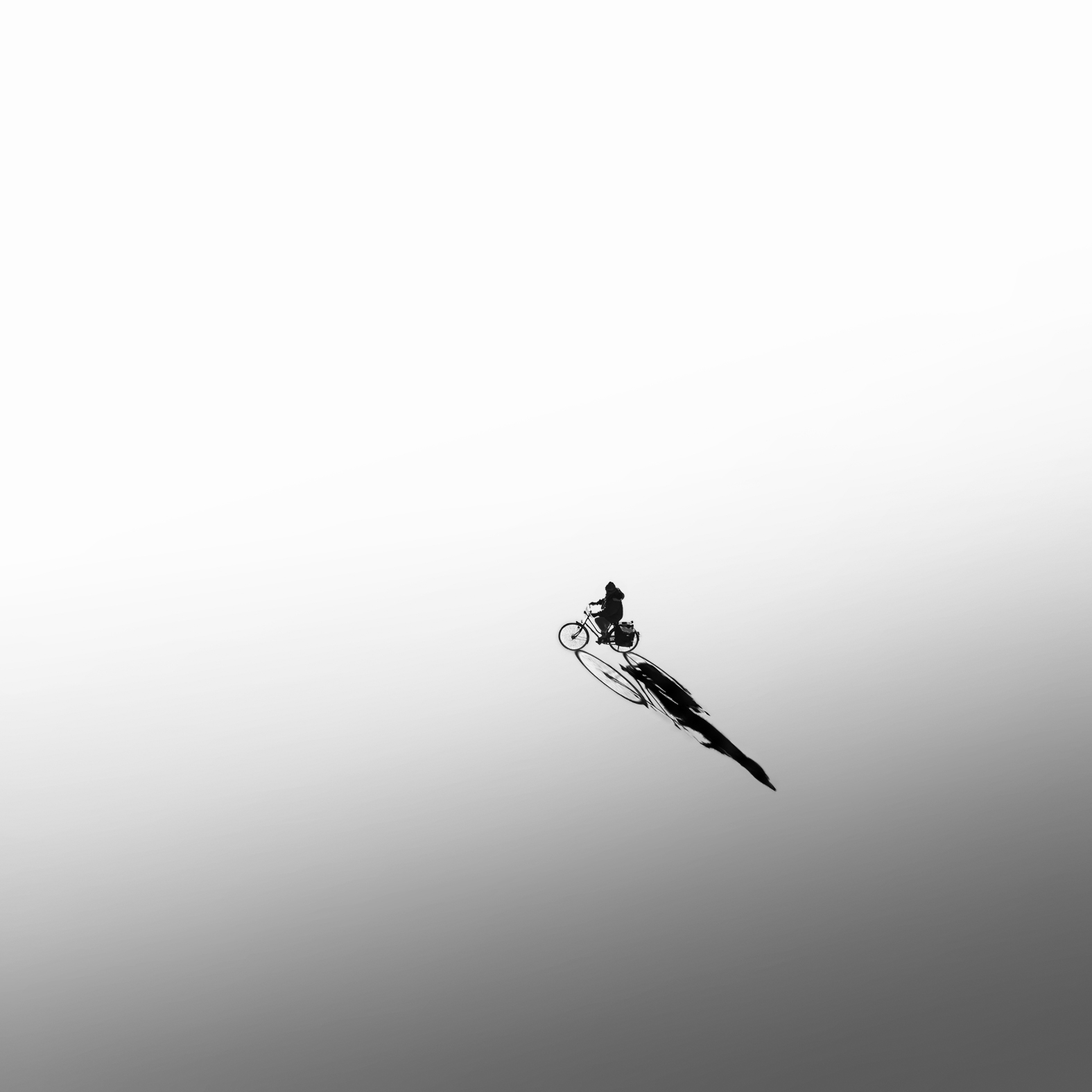
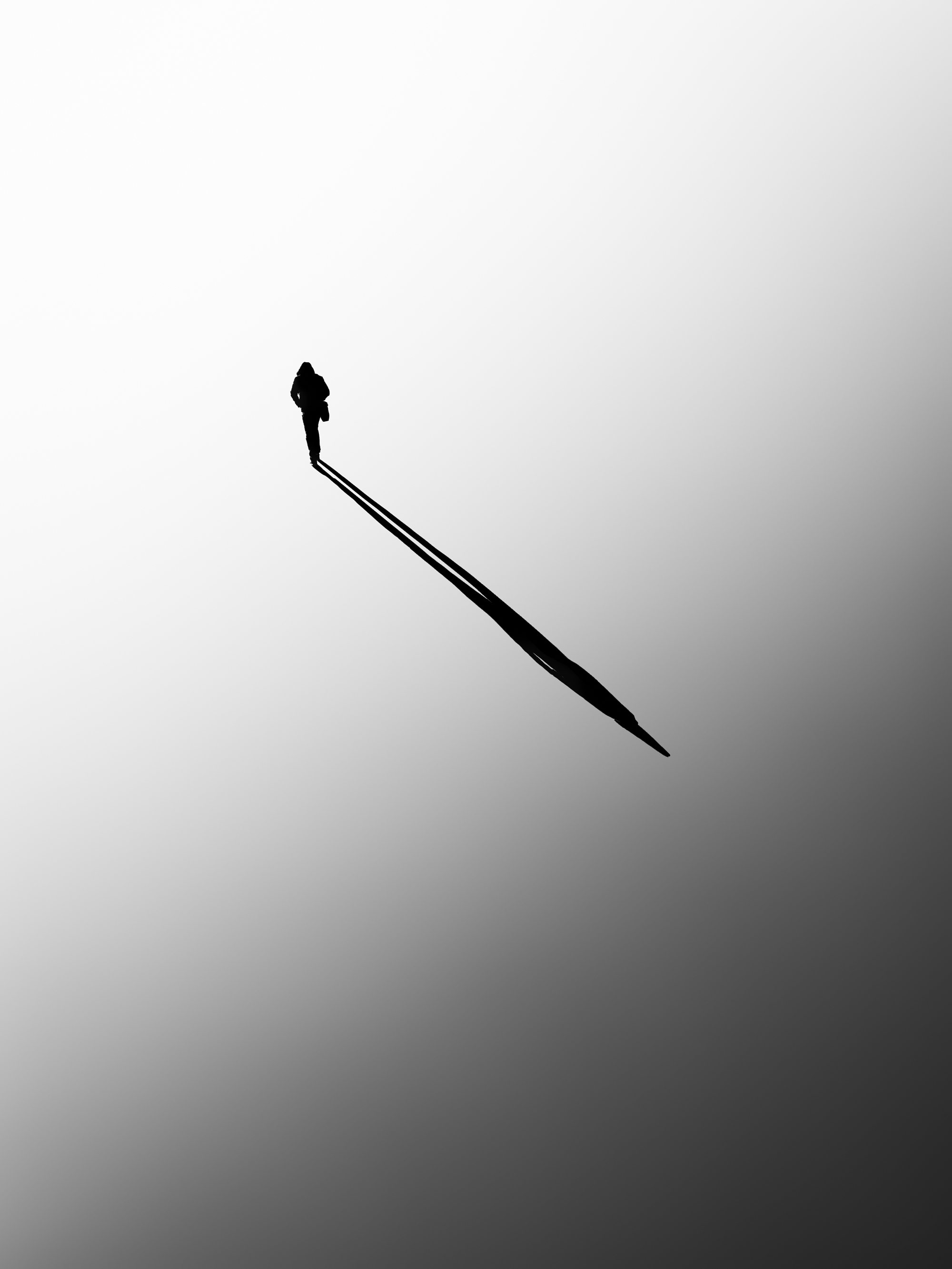
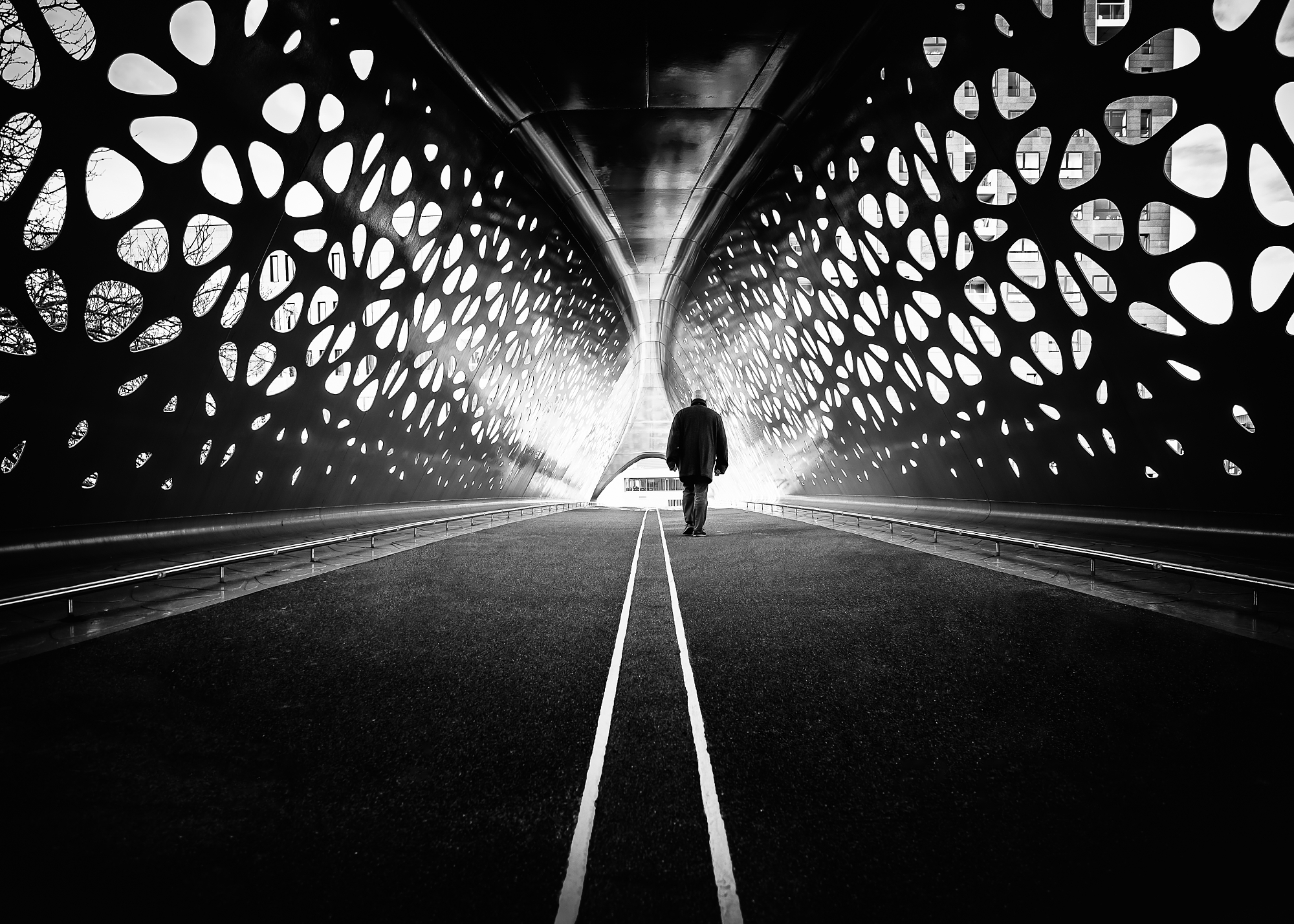
You noted that even when you shoot street or architectural photography, you unintentionally capture things as minimally as possible. Why do you think your brain automatically filters out the “noise” of a scene, regardless of the subject matter?
When I look at the images that attract me most, many of them naturally fall within minimalism.
Even portrait photography is part of that for me—a single person drawing all the attention, separated from everything around them. I notice the same tendency in music. I am often drawn to the notes, melodies, or solos that stand out from the whole composition—the presence of one dominant element that captures the emotion of the moment. It is something that comes naturally to me and has grown instinctively over time: a way of looking beyond the overall scene and focusing on what truly stands out.
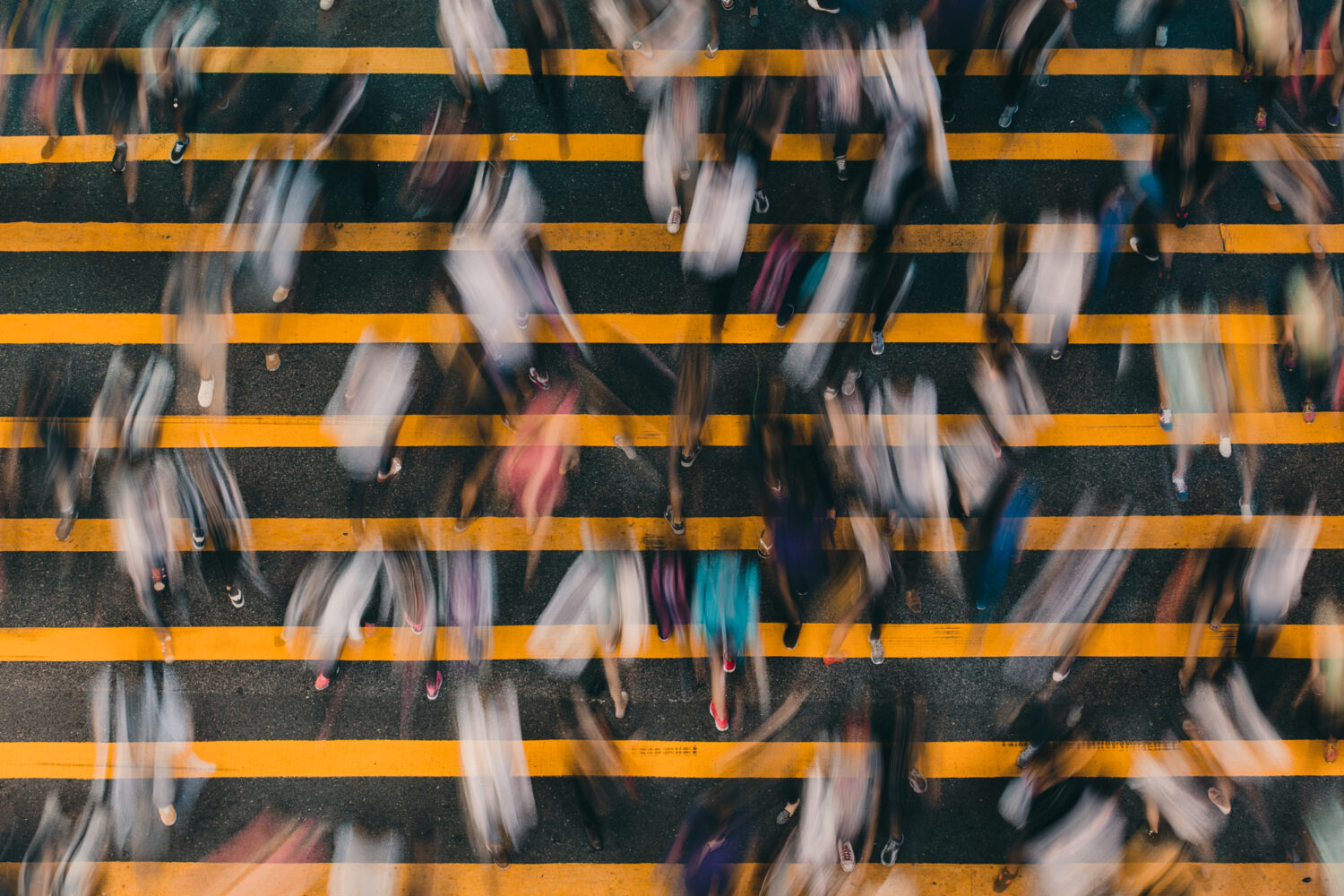
Perhaps this is also why I sometimes lose the bigger picture during a trip, constantly searching for details and isolated moments, but it happens almost automatically. The same applies to street photography, although it is much more challenging there to isolate a single element while still maintaining a minimalist approach. Yet that challenge is also part of the joy of photography for me.
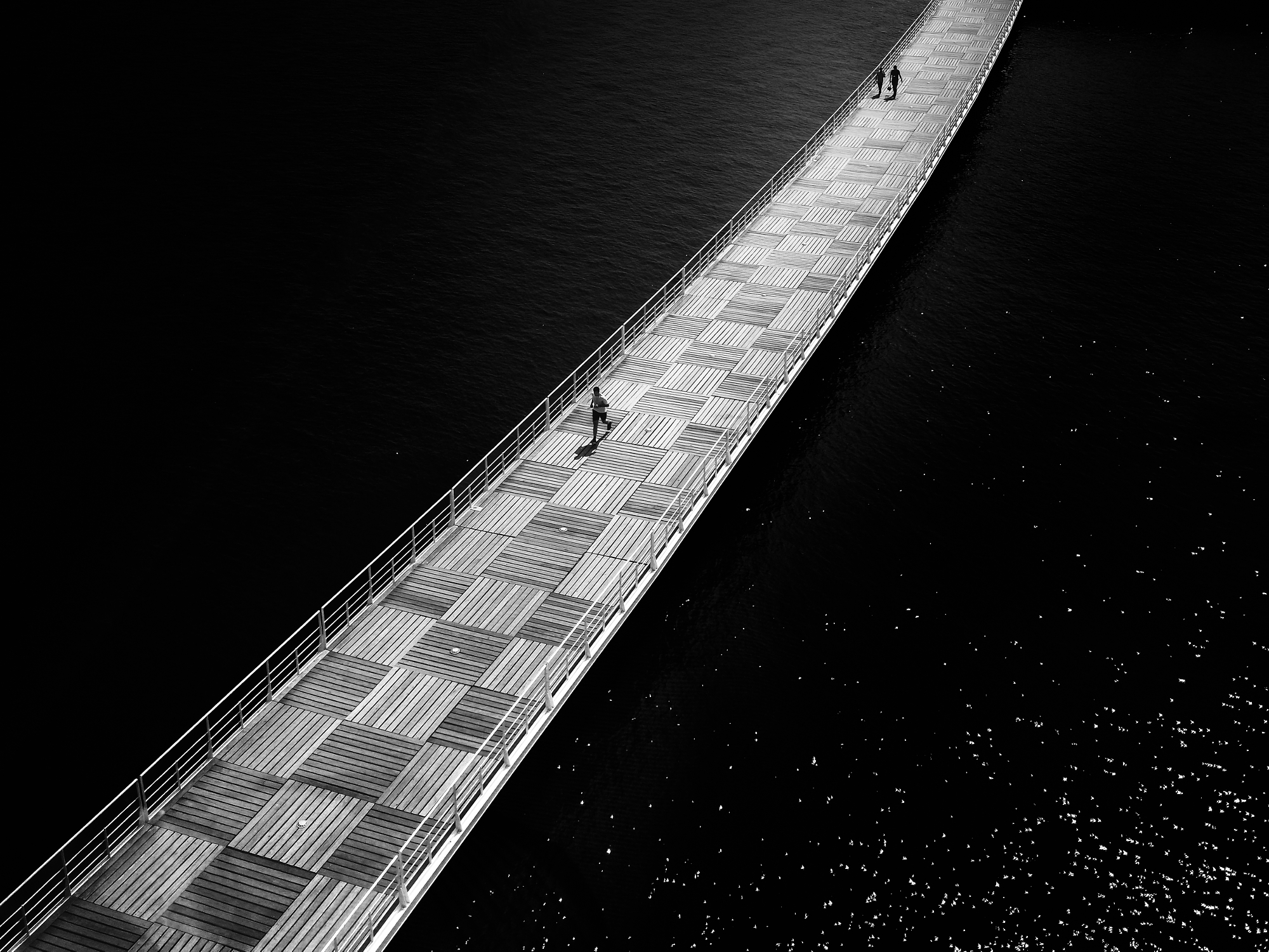
Choosing to work almost exclusively in black and white is a bold creative constraint. How does removing color help you communicate the specific mood or atmosphere you are trying to share with your audience?
I feel that minimalism often works more powerfully in black and white because the absence of color creates a calmer and less distracting image. Especially in street photography, architecture, and long-exposure work, black and white naturally draws attention to the subject itself.
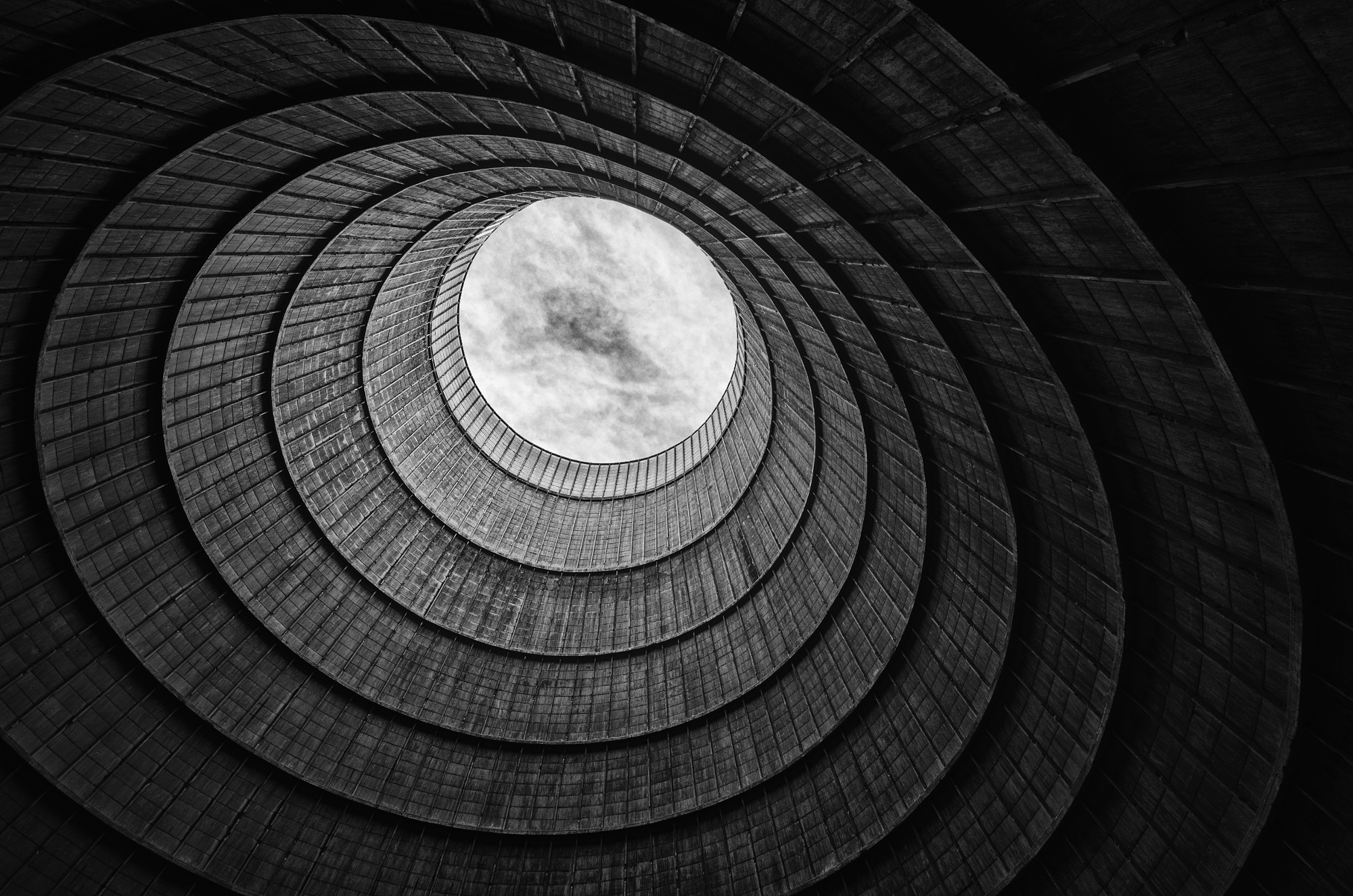
Without color, the eye is guided more towards lines, composition, shapes, textures, contrast, and atmosphere. It allows the essence of a scene to stand out more clearly and gives the image a more timeless and meditative feeling.
In landscape photography, color can certainly add value, but for me, the real challenge lies in creating a strong black-and-white image using only the right elements: light, balance, and emotion.
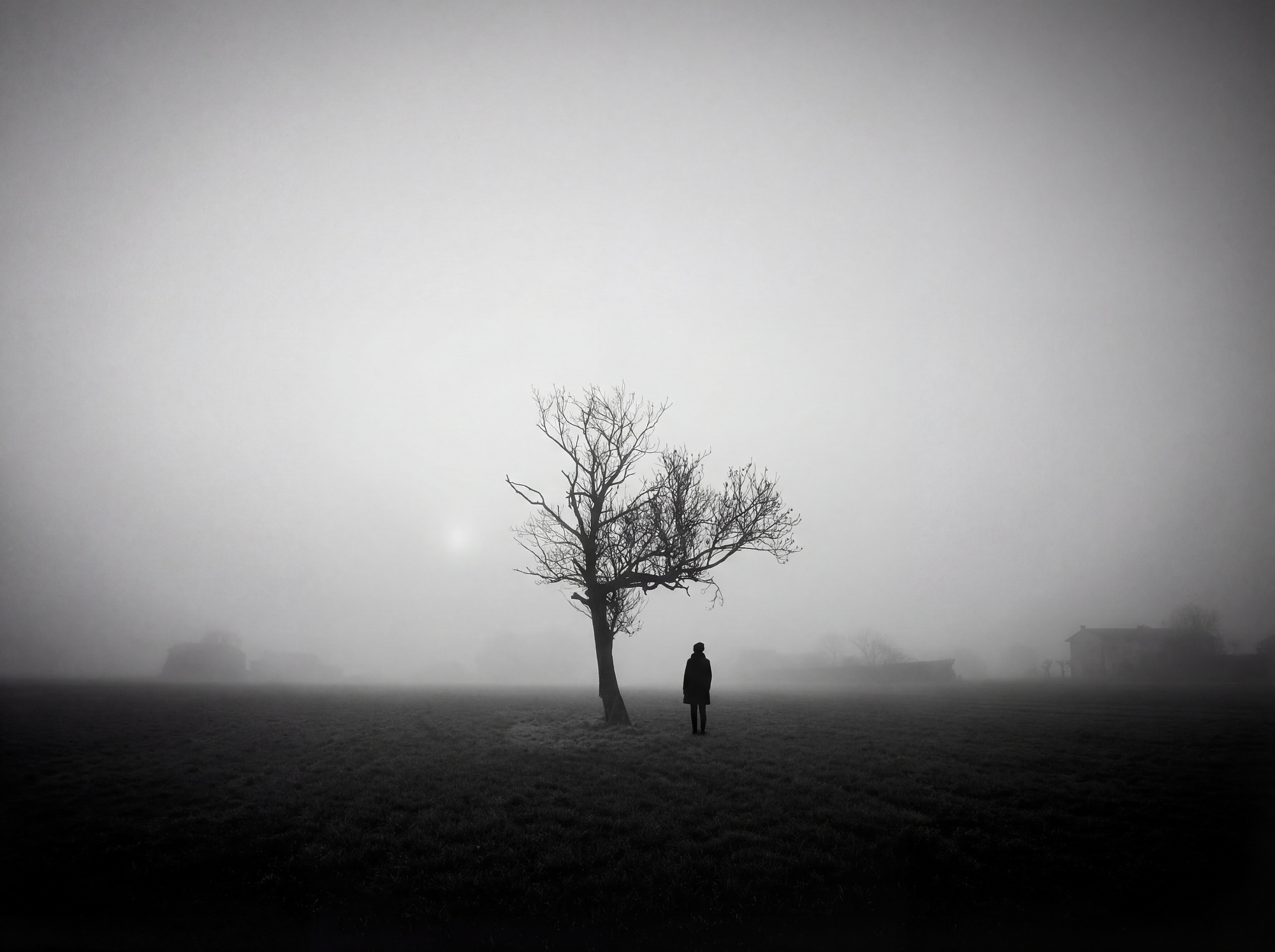
How do you decide the exact length of an exposure to achieve the perfect “silky” texture without losing the structure of the landscape?
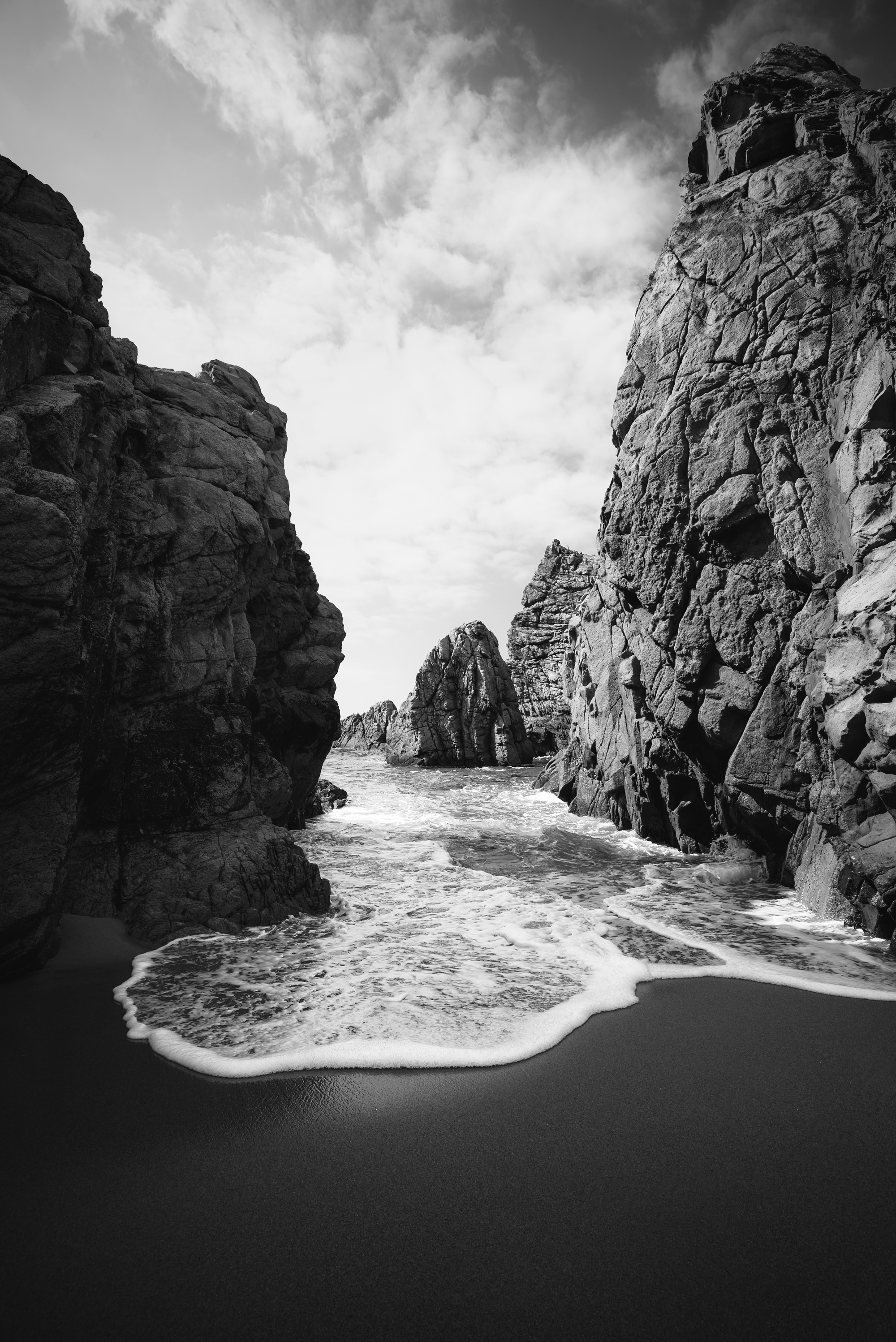
The length of my long exposures and the amount of blur or dreamlike softness in the sea and sky are always connected to a specific feeling. Most of the time, I decide this on location, depending on the movement of the water and the speed and direction of the clouds.
The closer I am to the water, or the more water that is present in the frame, the more I enjoy creating a smooth and almost surreal texture that isolates the subject even further. When more landscape elements enter the composition, it often feels more natural to work with a shorter shutter speed or sometimes avoid a long exposure altogether.
I mostly work instinctively, choosing the shutter speed based on the atmosphere and emotion of the moment. In many ways, it feels similar to improvising a solo in music—no performance is ever exactly the same twice. Every long exposure becomes a unique interpretation of a moment in time.
What is your go-to source for inspiration? With millions of images flooding our screens daily, how do you curate your visual diet to ensure you are absorbing high-quality, inspiring work?
There are two platforms where I still regularly save images to my favorites, especially Instagram and 500px. Over the years, I have created different collections there, ranging from street photography and architecture to portraits and long-exposure work. On Instagram alone, I usually save a few images almost every day.
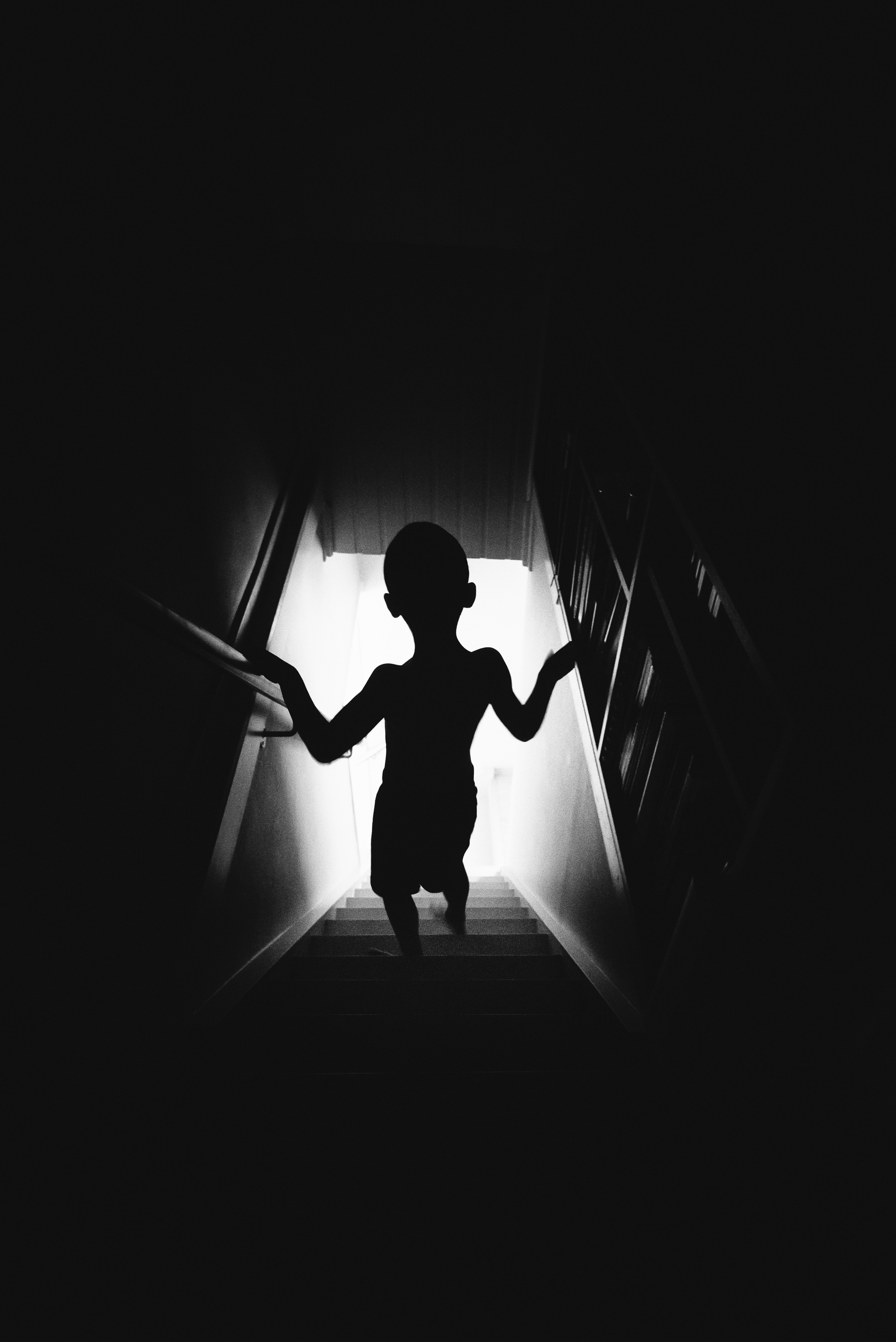
When I look through these collections, I notice that many of the images share a similar atmosphere and visual language—something quite different from the typical content found on the main pages of those platforms. Certain images on 1X and Flickr also strongly appeal to me, but because I have been using Instagram and 500px for such a long time, those remain the places where I continue saving and revisiting inspiring work.
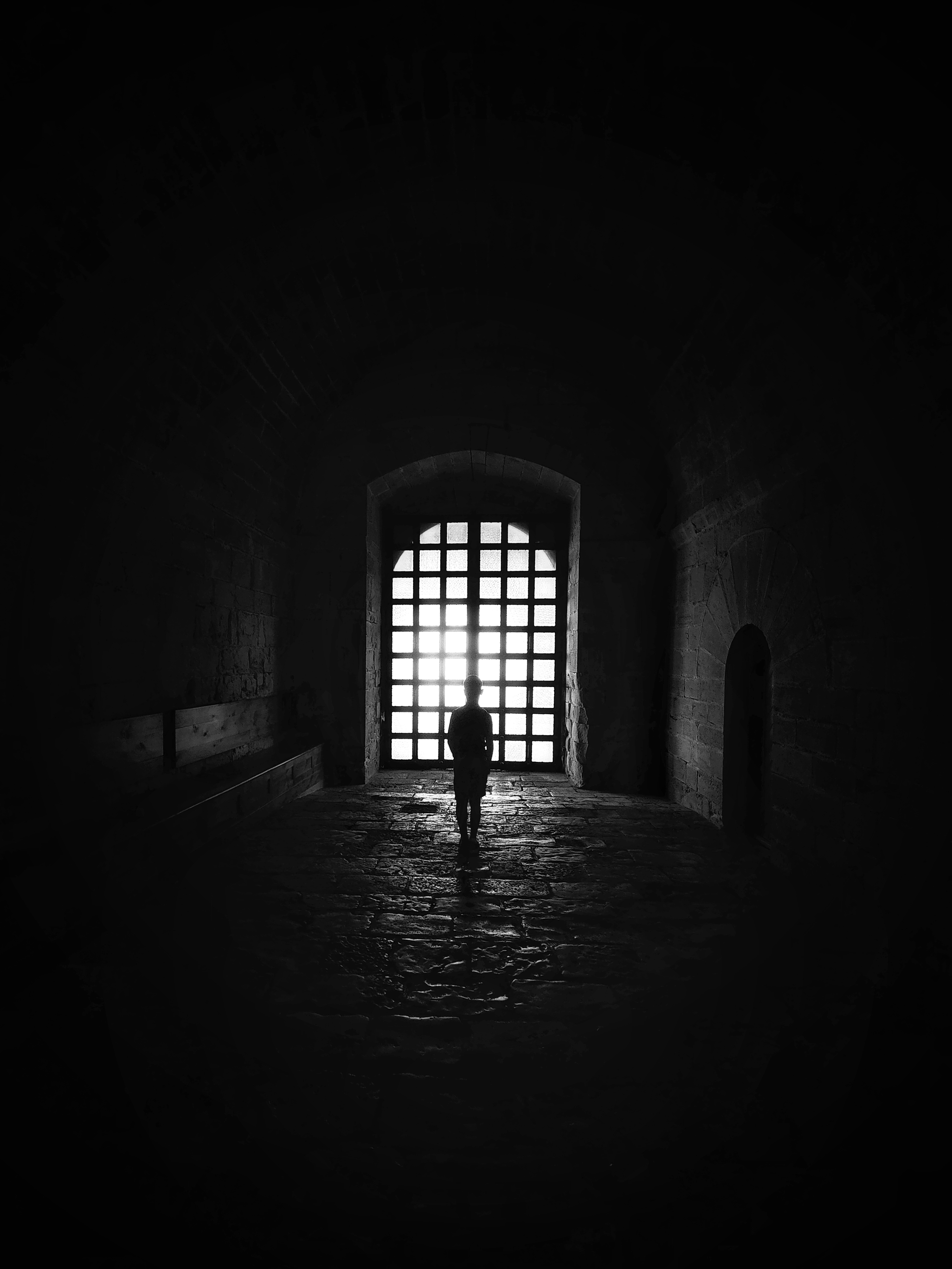
I should spend more time looking through those collections again; they have been an important source of inspiration ever since I started photography. Not to copy the work of others, but to stay inspired by the mood, simplicity, emotion, and way of seeing that certain photographers are able to capture.
We have a question from a previous featured photographer, Fabrizio Casale, who asked, “We often showcase our best shots, but what is one ‘failed’ project or photograph that taught you a more valuable lesson than any of your successes?”
There have been many projects and photographs over time that simply did not work out as I had hoped. Sometimes a location turns out differently than I imagined; sometimes the weather does not cooperate; and sometimes mistakes happen—like a tripod slowly sinking into the sand because I was not paying close enough attention.
But all of that is part of the process. Those experiences are exactly what help you improve. Some images simply require more than one attempt before you are able to capture them the way you truly envisioned them. Very few things in life work perfectly the first time, and photography is no different. That is also part of what makes photography so rewarding. You learn from every mistake and every experience, and over time, you develop a better understanding of what works and what does not. In the end, that experience allows you to use your time more consciously and purposefully in the field.
Christophe, thank you for joining us today! To close, are there any projects on the horizon that you would like to share or promote with our readers?
There are still so many places I would like to visit and photograph. First of all, I would love to further explore the coastlines of France and England. I’m also interested in revisiting locations along the Belgian Coast and in the Netherlands. Coastal landscapes are constantly changing—elements disappear, new structures appear, the light changes, and every visit creates a different atmosphere.
I would also very much like to visit Ireland and Scotland in the future. Because of my shift work, weekend work, and night shifts, it can sometimes be difficult to photograph sunrises and sunsets, but I definitely want to focus more on that in the future. Being present during those moments and capturing that unique light always brings an extra sense of satisfaction.
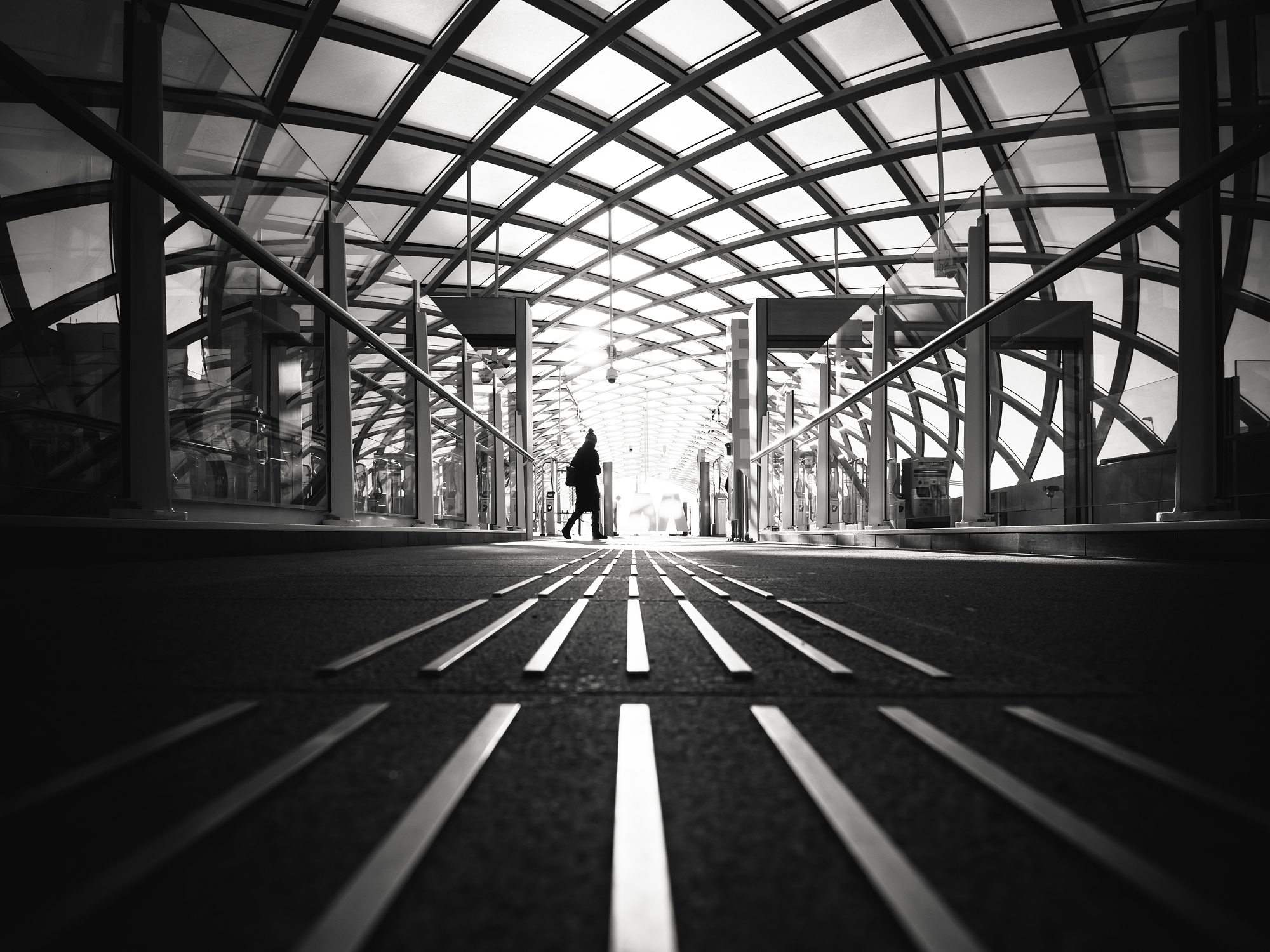
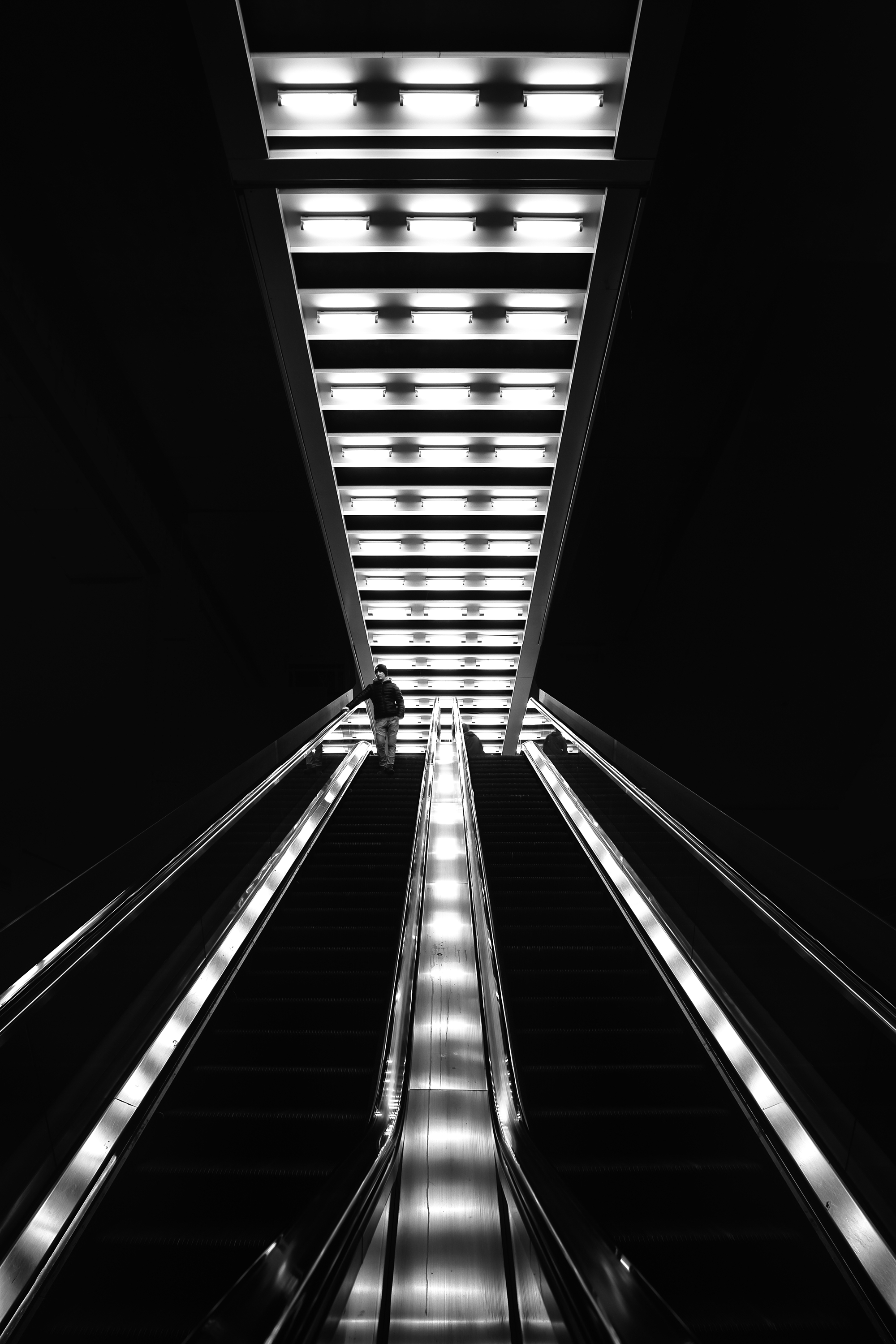
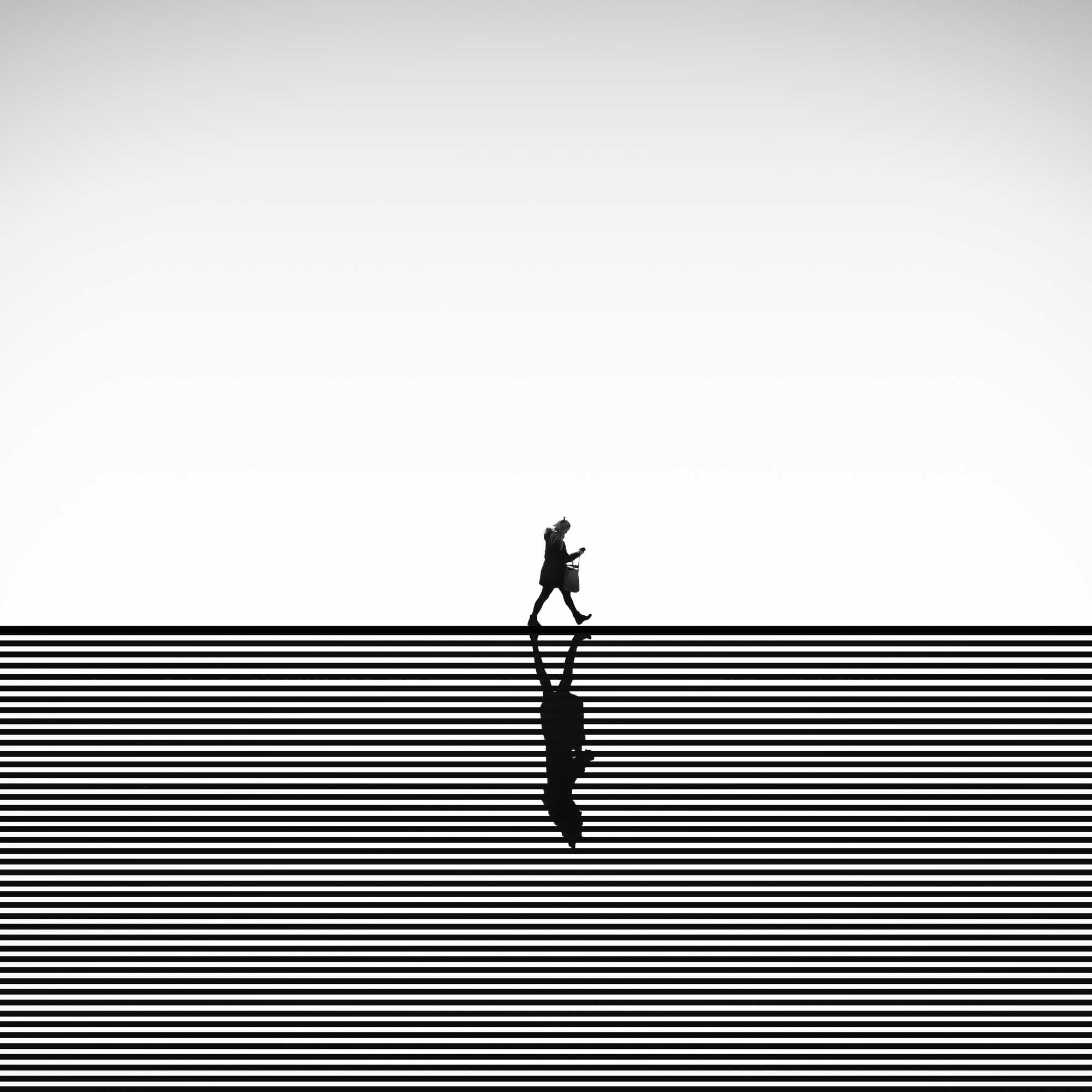
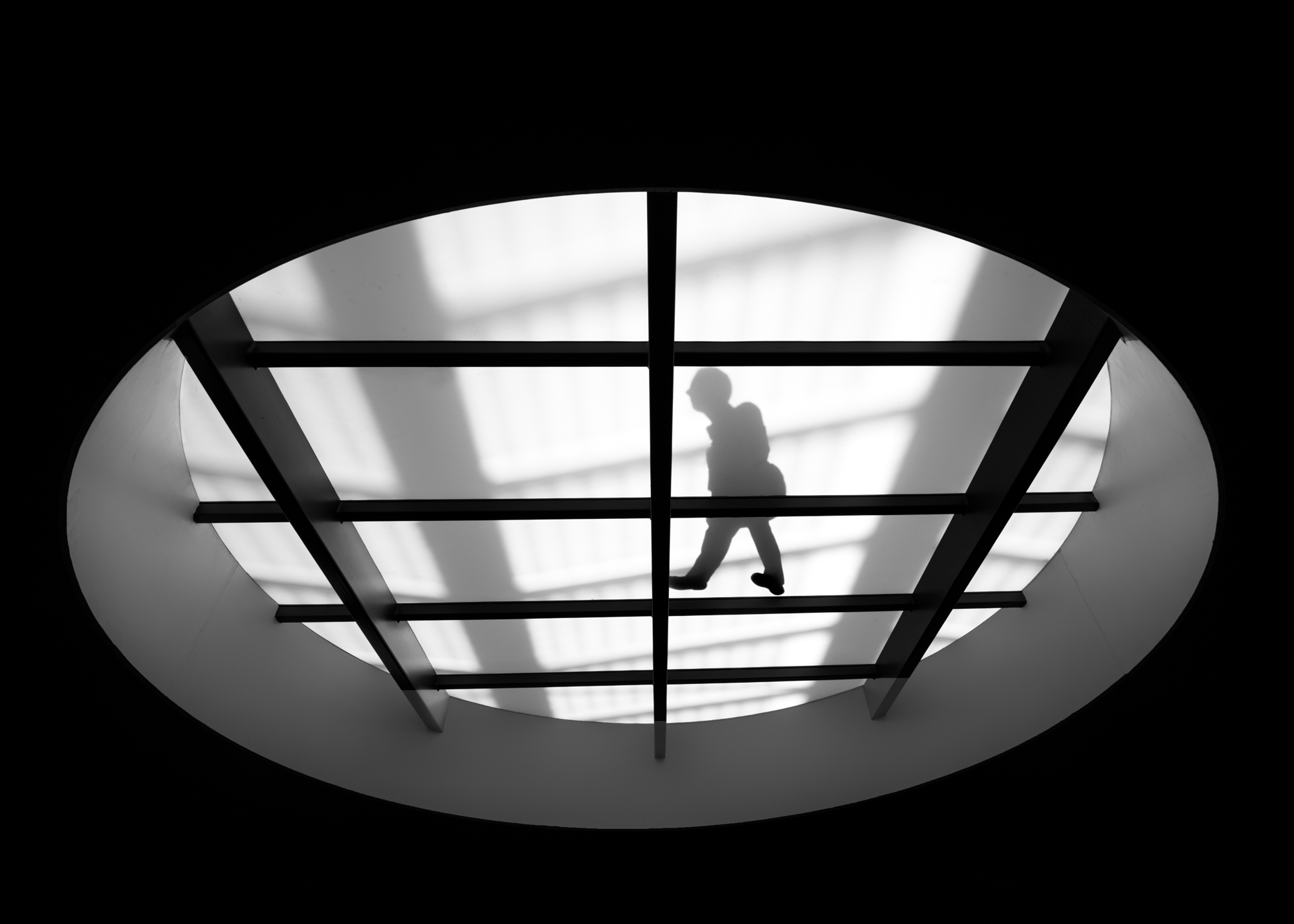
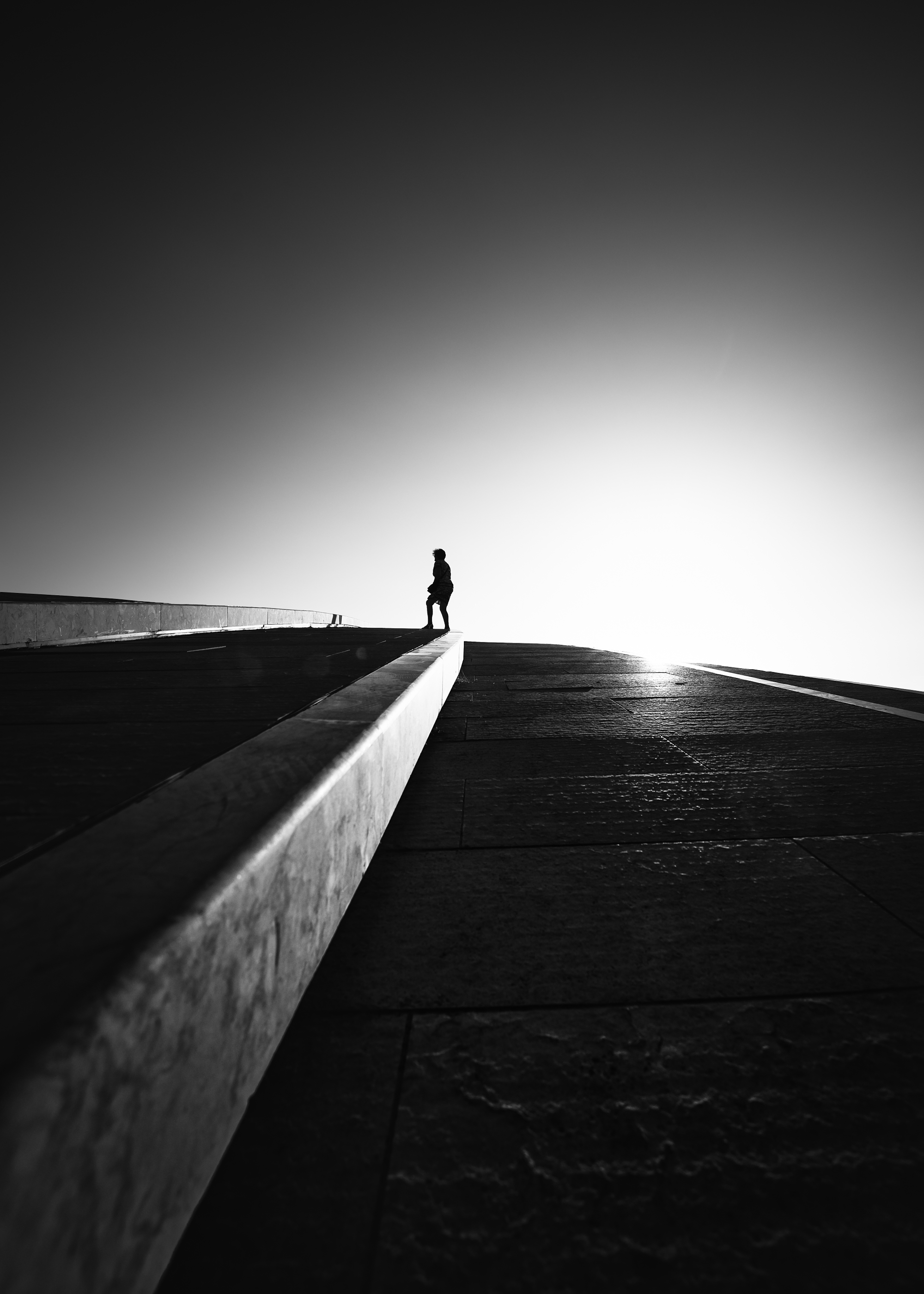
Although I still enjoy visiting cities and photographing architecture, I feel less attracted to pure street photography than before. What continues to inspire me most is the relationship between people and geometry. Such as a single human presence surrounded by large buildings or structures, captured in a strong black-and-white contrast.
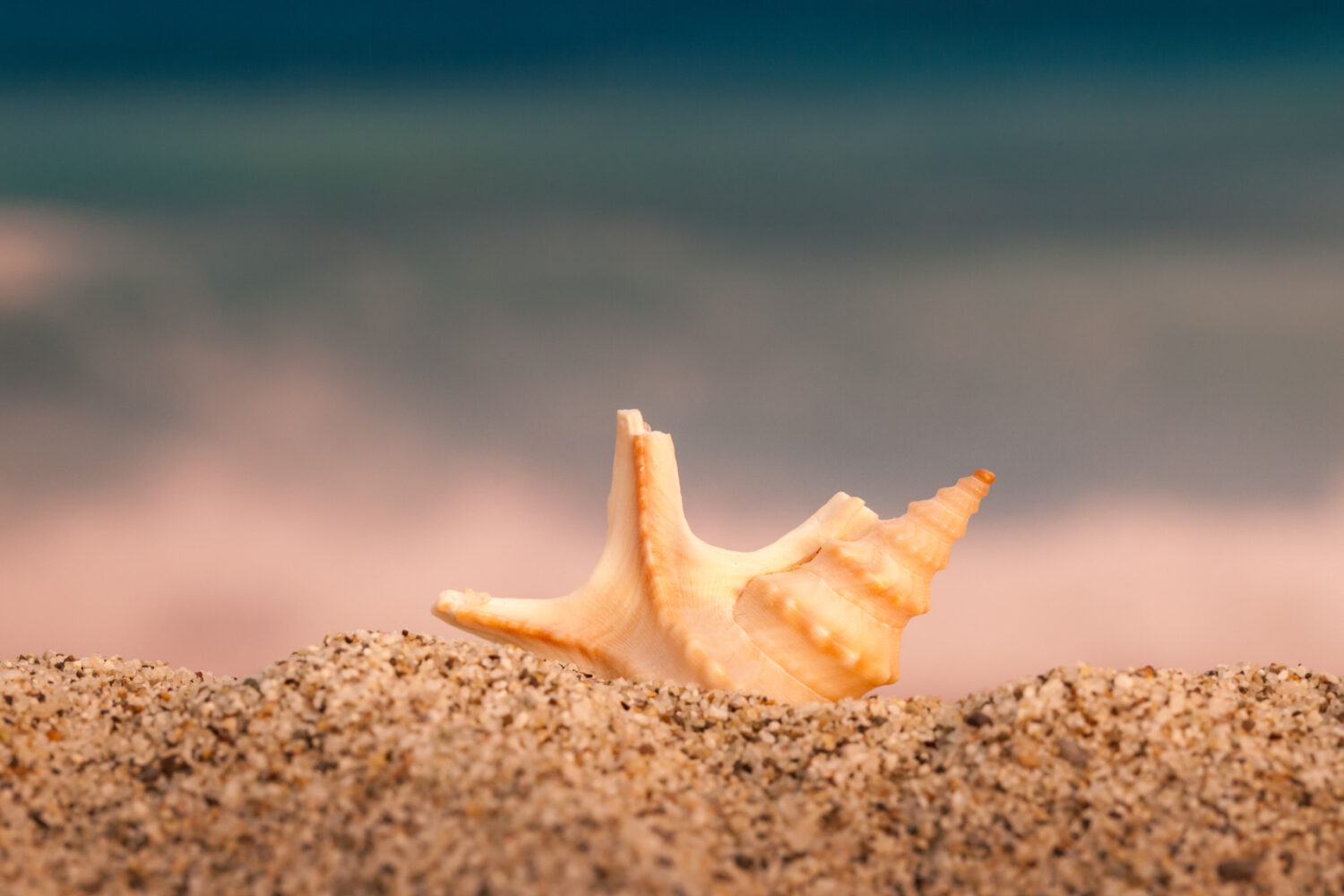
At the same time, there are still countless challenges, places, and subjects left to explore. I would also like to continue experimenting with macro photography and occasionally creating portraits. In the end, there is always something worth photographing.