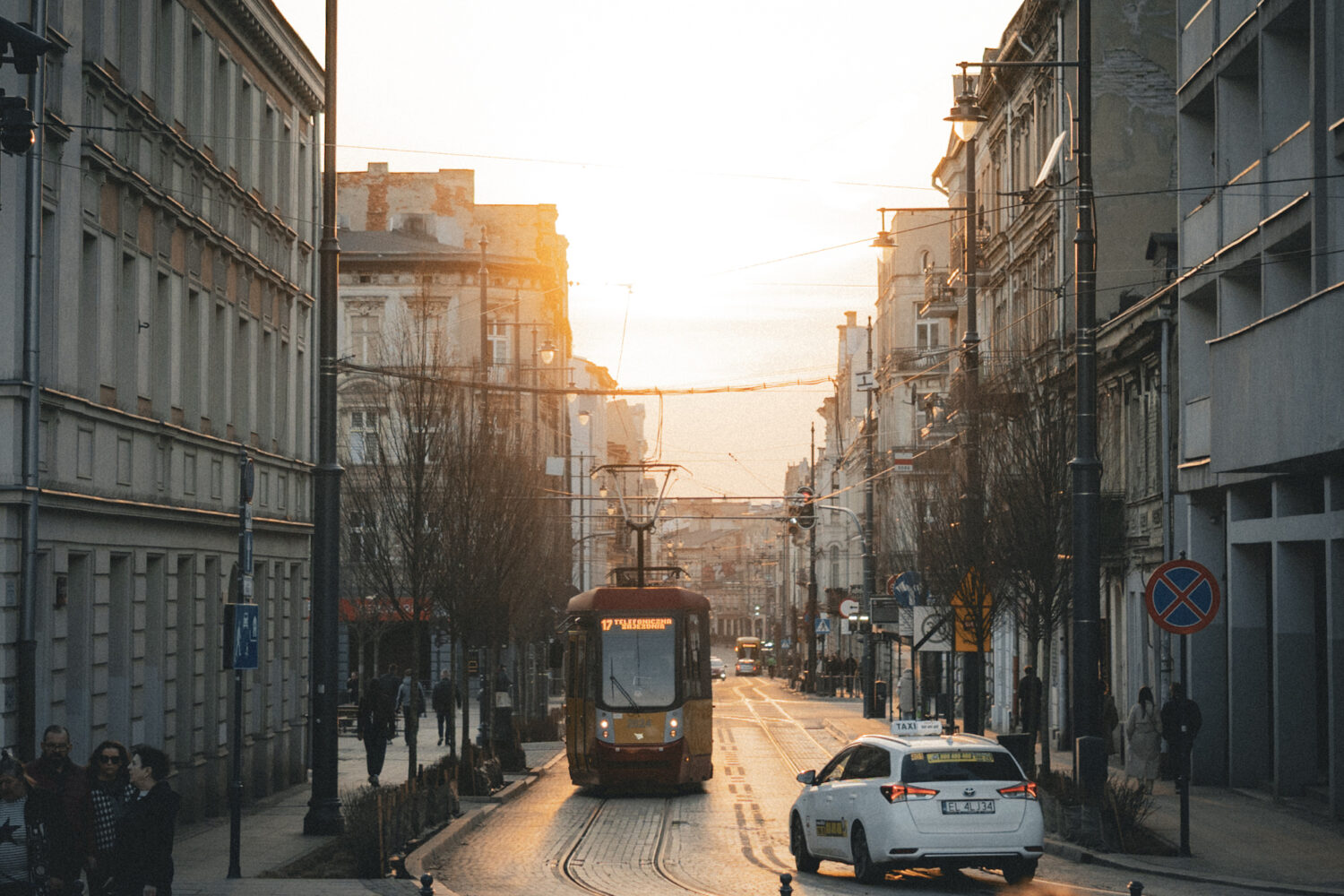
Energy is what makes an image feel alive. Tension is what makes it memorable. In street and sports photography, these two elements turn ordinary action into something powerful. Whether you’re photographing a busy city or a fast-paced game, the goal is the same, capture the moment where something is about to happen or just has.

What Is Street and Sports Photography?
Street and sports photography both focus on capturing real-time action. However, they differ in context.
- Street photography captures everyday life in public spaces
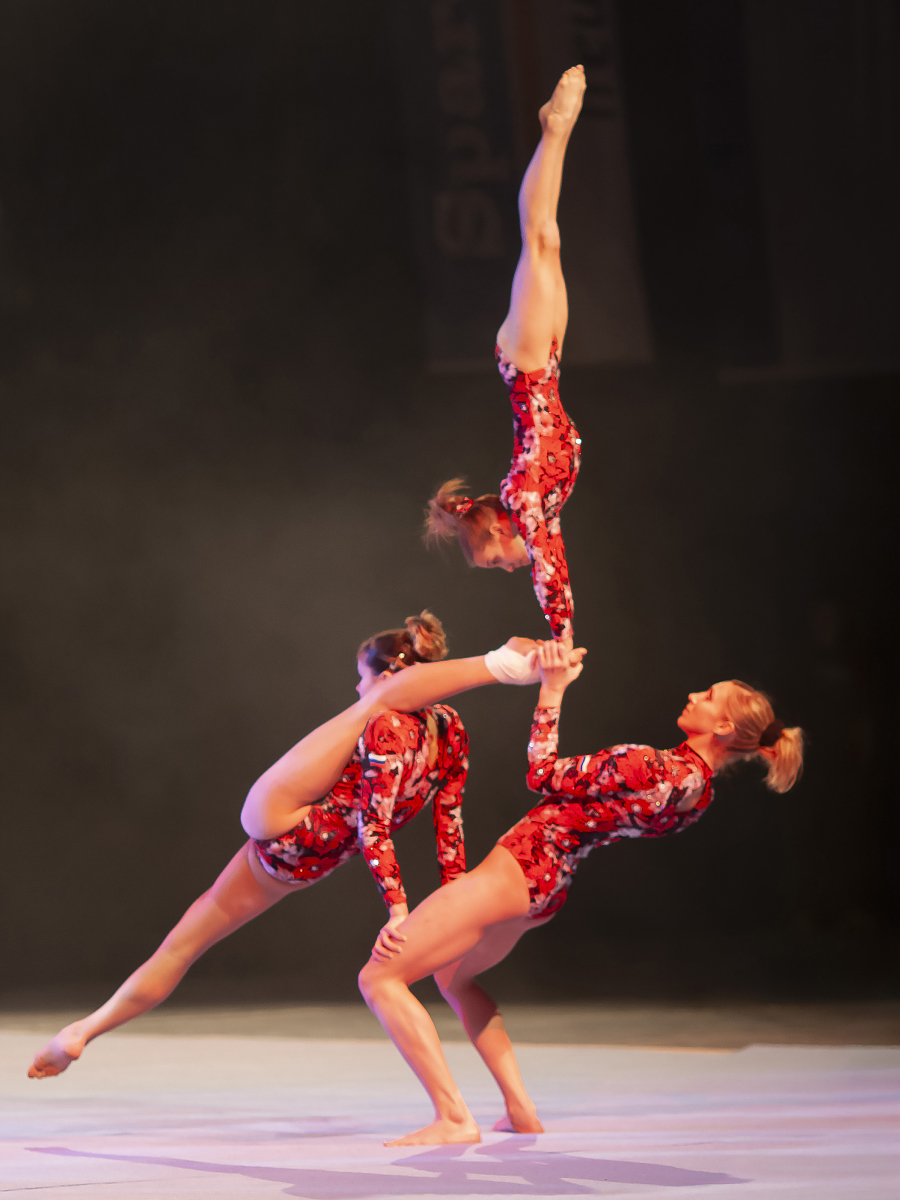
- Sports photography focuses on athletes and competition
Despite this difference, both rely on timing, anticipation, and awareness.
Capturing the Decisive Moment
Timing is everything in street and sports photography. The decisive moment is often what transforms an ordinary scene into a compelling image.
To improve your timing, anticipate the action before it happens, pay close attention to body language and movement, and keep your camera ready at all times. The more you observe and prepare, the better you become at recognizing when a meaningful moment is about to unfold.
You capture photographs that feel intentional, dynamic, and emotionally engaging rather than random.
Using Fast Shutter Speed to Freeze Action
Sharp action requires control. Therefore, shutter speed plays a critical role.
In street and sports photography:
- Use 1/500 sec or faster for sports
- Adjust based on subject speed
- Increase ISO if needed
As a result, you freeze motion at the peak of action.
Embracing Motion for Energy
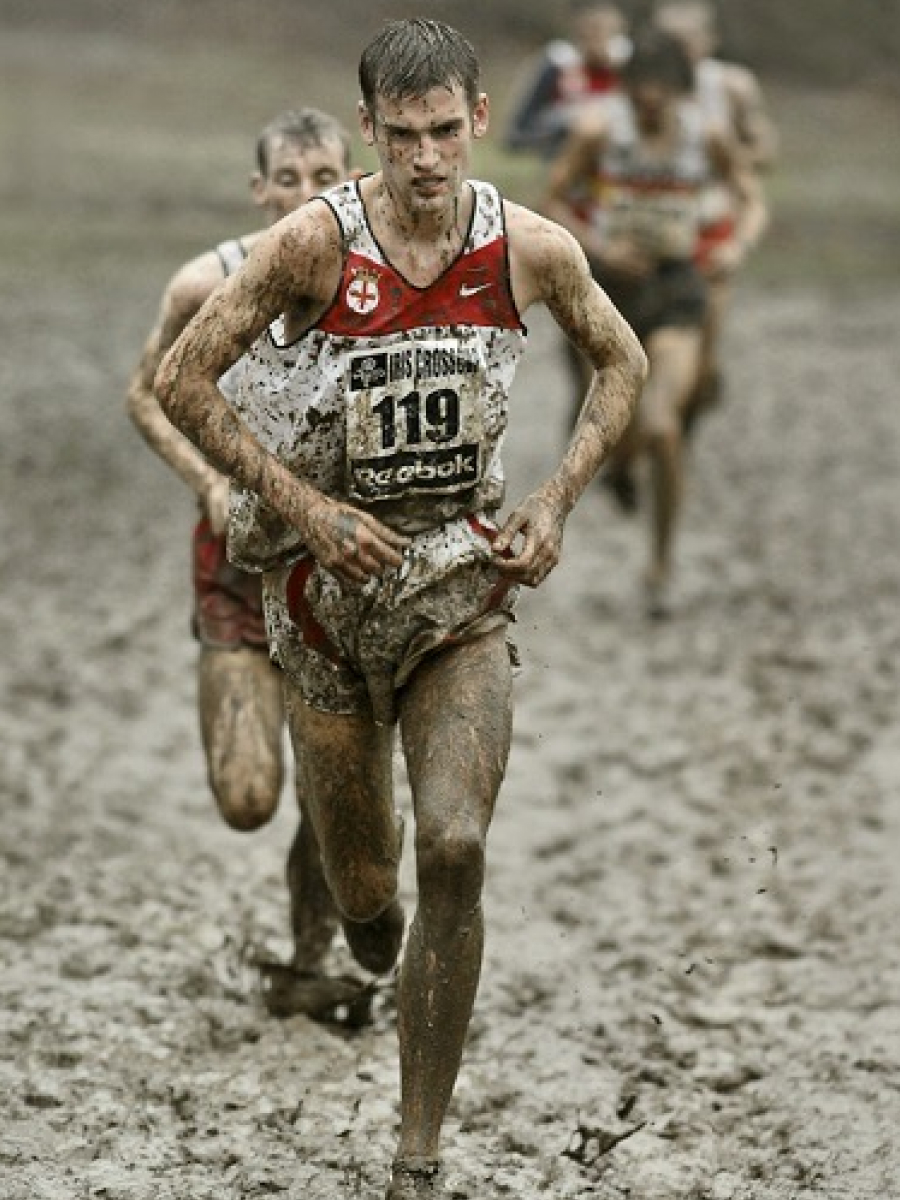
Not every shot needs to be perfectly sharp. In street and sports photography, motion blur can be a powerful creative tool that adds energy and movement to your images.
Motion blur suggests speed, introduces dynamism, and creates visual tension. When used intentionally, it can convey the intensity of a fast-moving scene more effectively than a completely frozen frame.
Experimenting with slower shutter speeds can help you capture photographs that feel more vivid and expressive.
Composition for Tension and Impact
Composition shapes how energy is perceived. Without it, action can feel chaotic.
To create tension:
- Use tight framing
- Include opposing elements
- Capture interactions between subjects
As a result, your images feel more intentional and engaging.
Positioning and Anticipation
Where you stand matters because your position determines what you are able to see and capture.
In fast shutter speed photography, placing yourself where action is most likely to unfold can make a significant difference. Study patterns of movement, anticipate where key moments may happen, and stay ready for the unexpected.
Thoughtful preparation greatly improves your chances of capturing strong and compelling images.
Using Light to Enhance Action
Light adds clarity and drama. However, it must support the action.
In street and sports photography:
- Use directional light to highlight subjects
- Shoot during golden hour for depth
- Avoid flat lighting when possible
Your images gain dimension and focus.
Why Fast Shutter Speed Photography Works
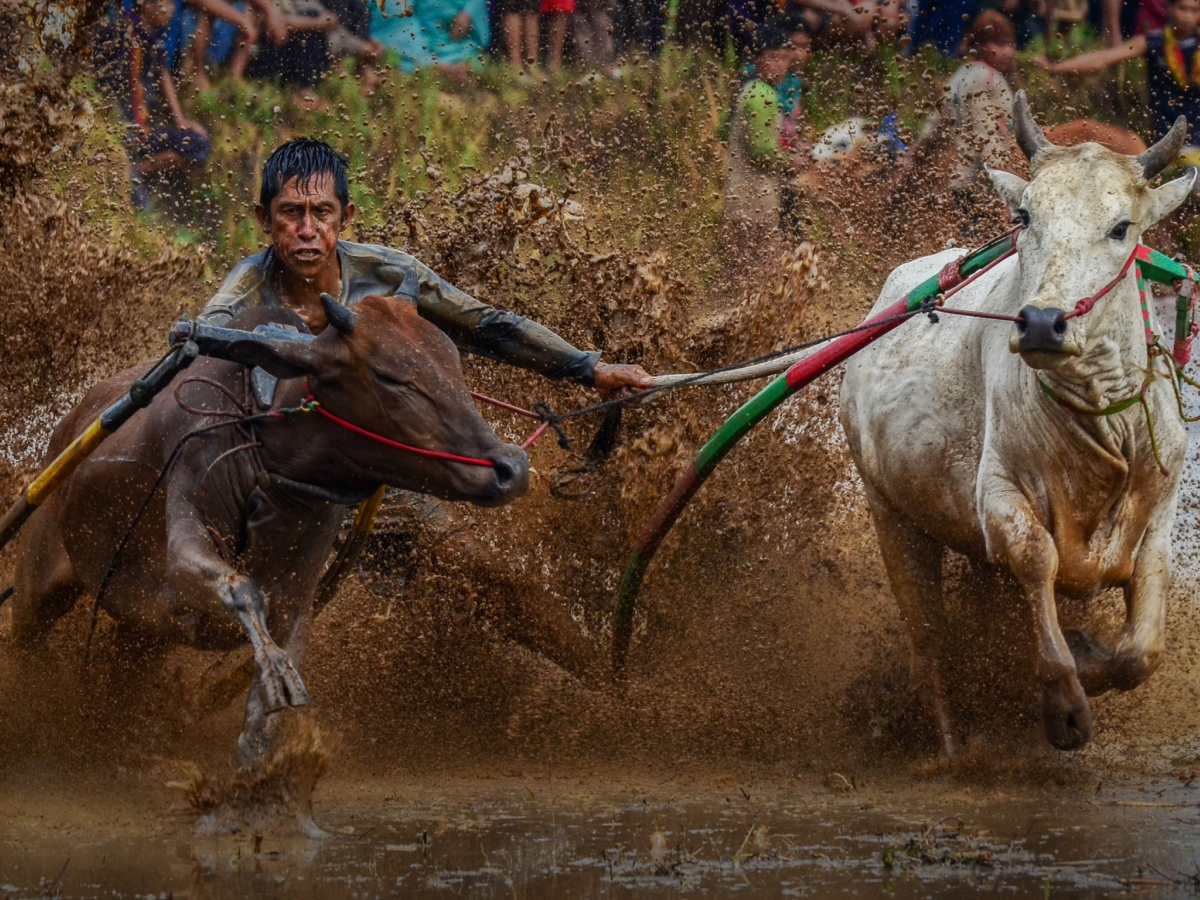
It captures real life in motion, revealing human behavior in moments of pressure, spontaneity, and emotion.
These genres are compelling because they preserve authentic moments, reward precise timing and technical skill, and create a strong sense of emotional engagement. Whether it is a fleeting expression on the street or a decisive moment in competition, the images draw viewers into the action.
Street and sports photography produce photographs that feel dynamic, relatable, and deeply engaging.
Final Thoughts on Street and Sports Photography
Energy and tension are always present. You just need to recognize them. Anticipate action. Control your settings. Trust your instincts.
Extended reading: Crafting Compelling Stories Through Your Lens