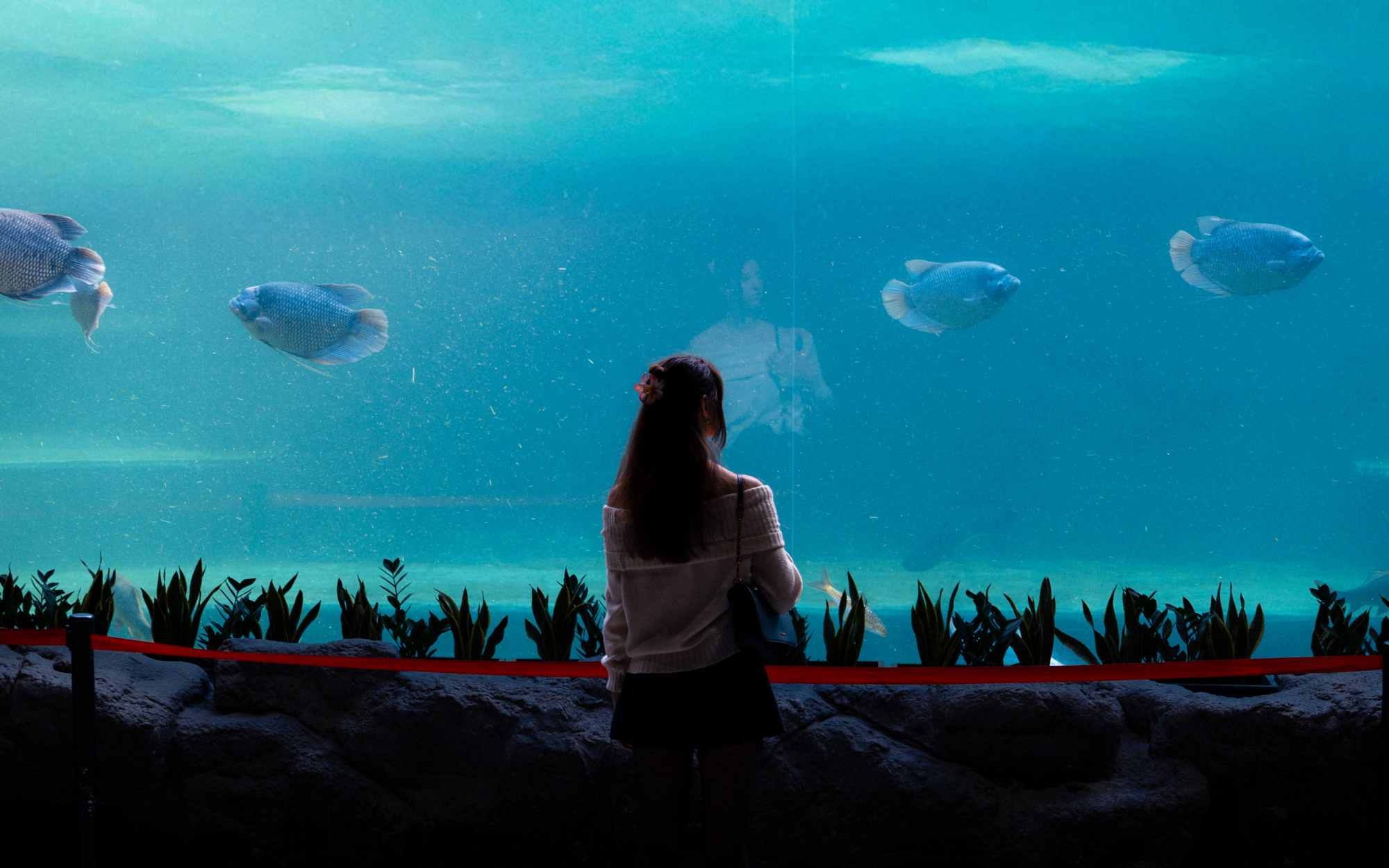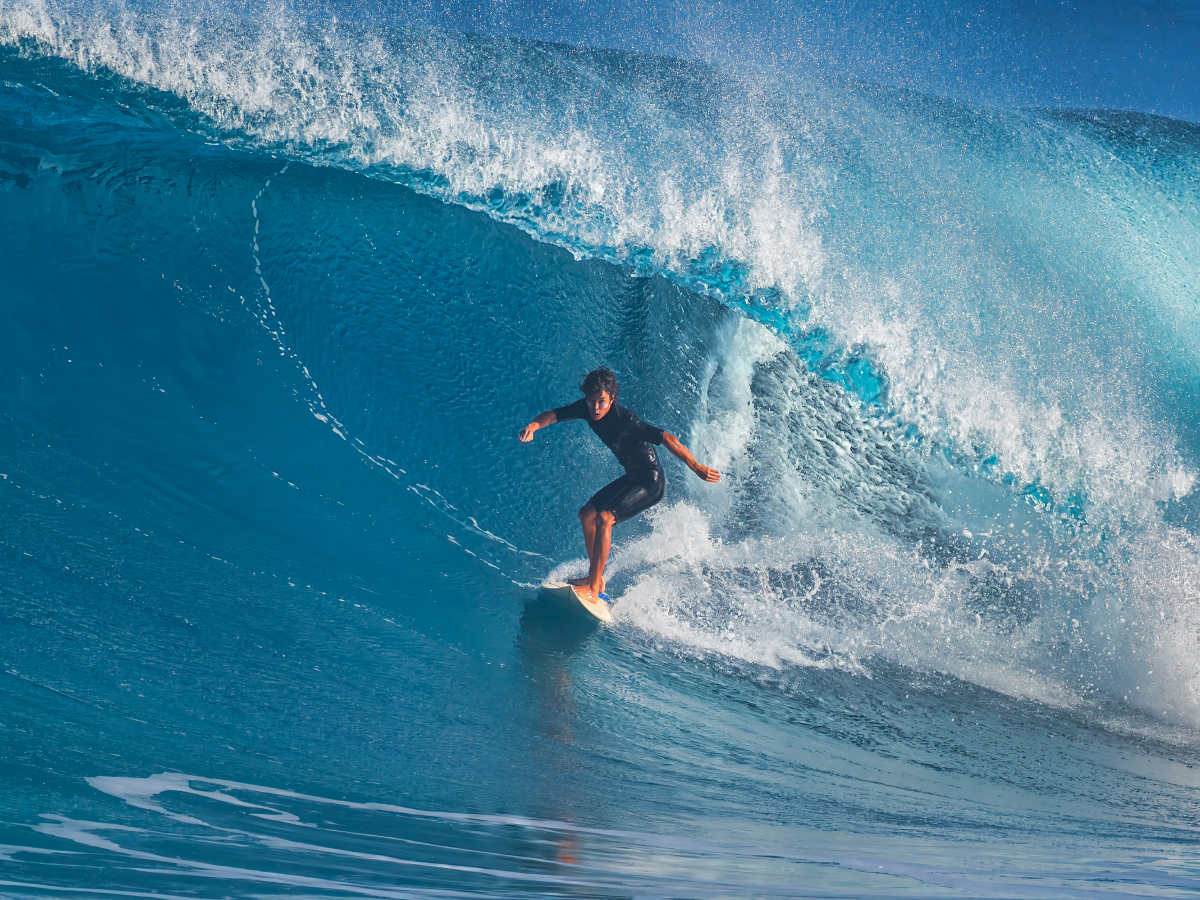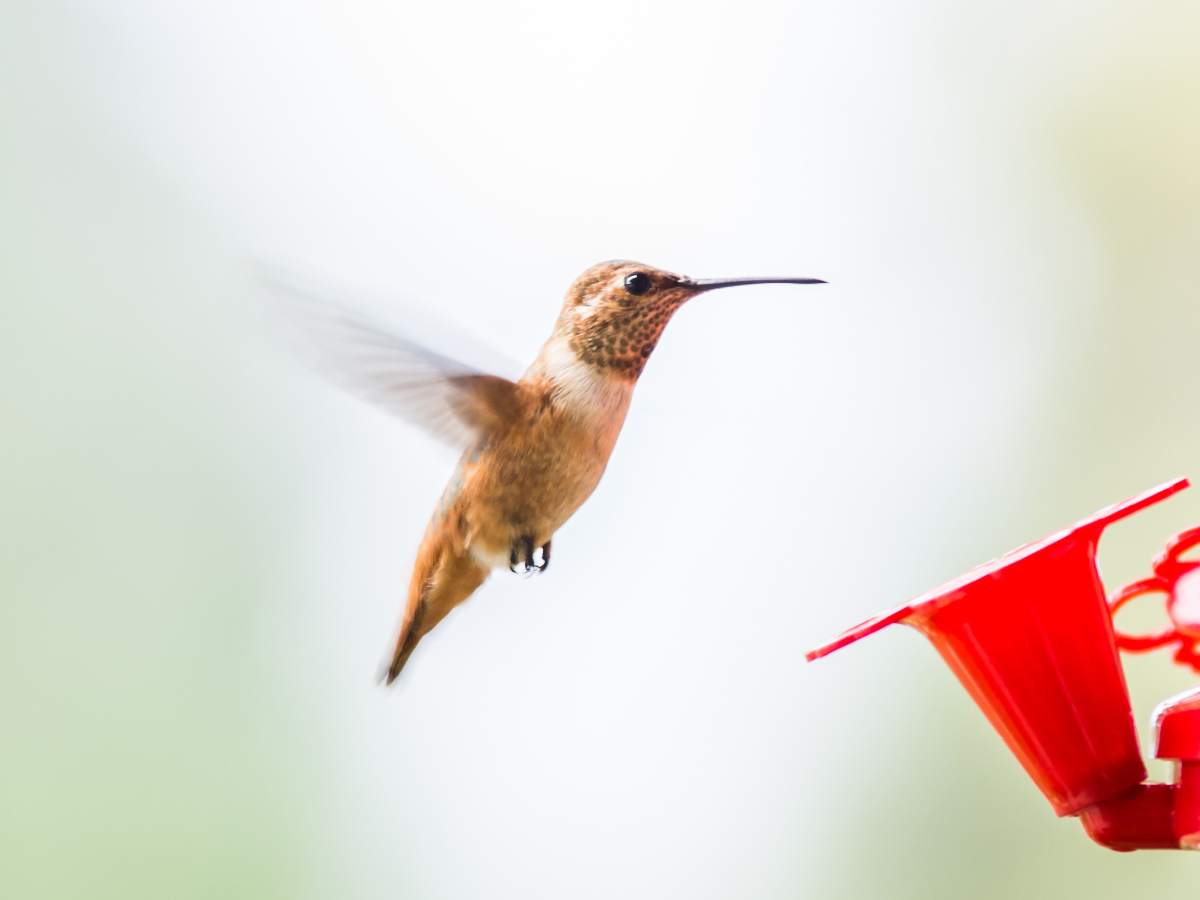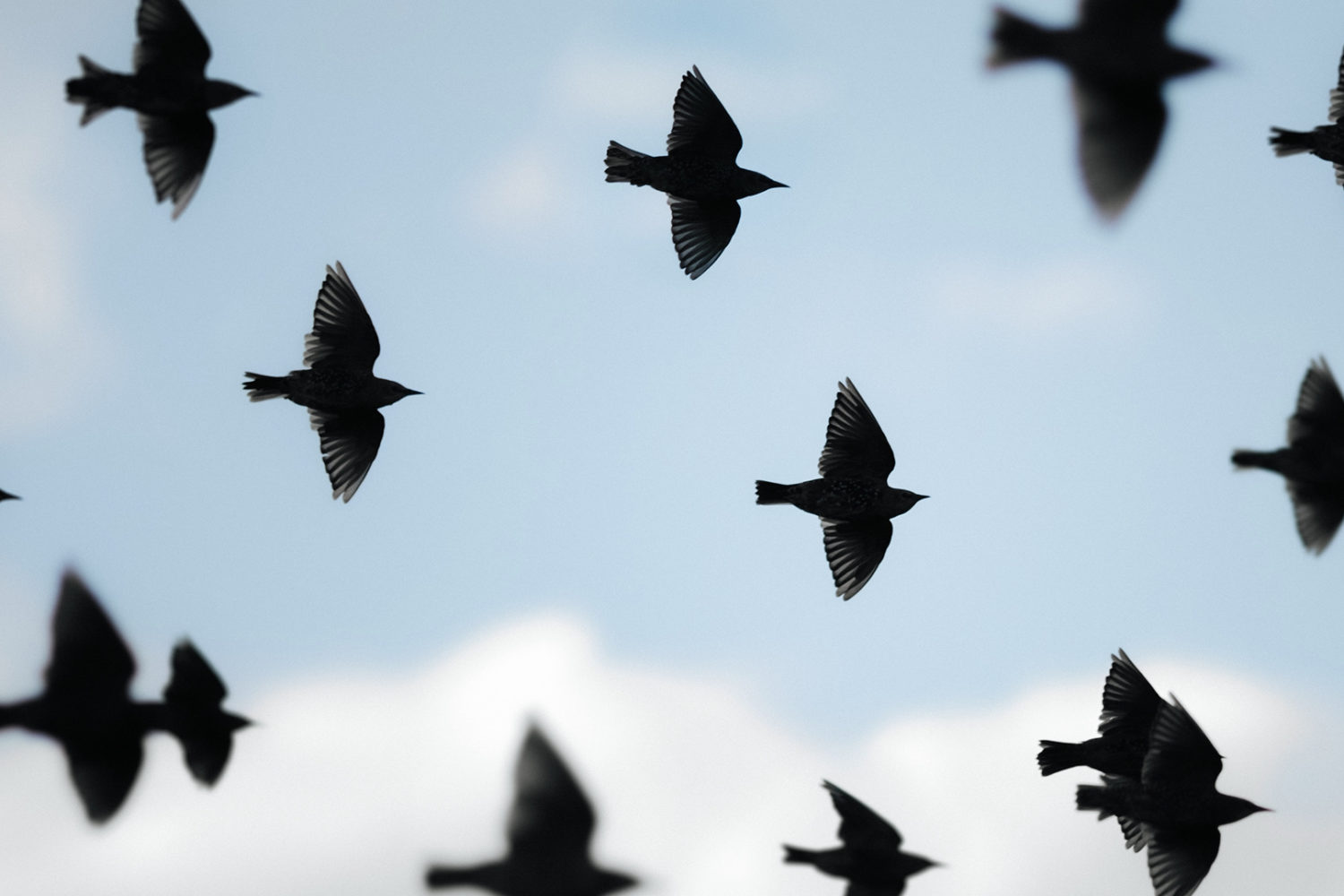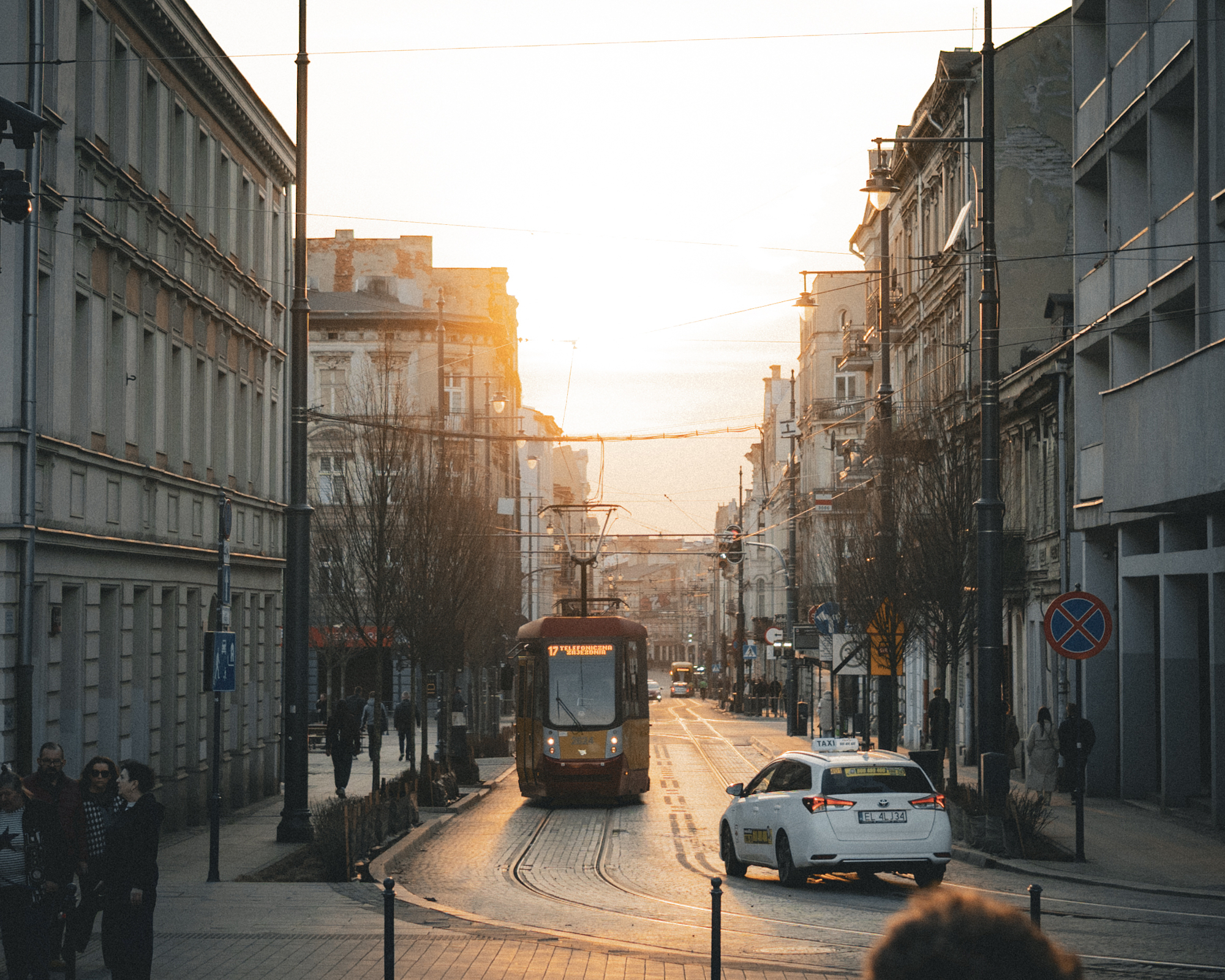
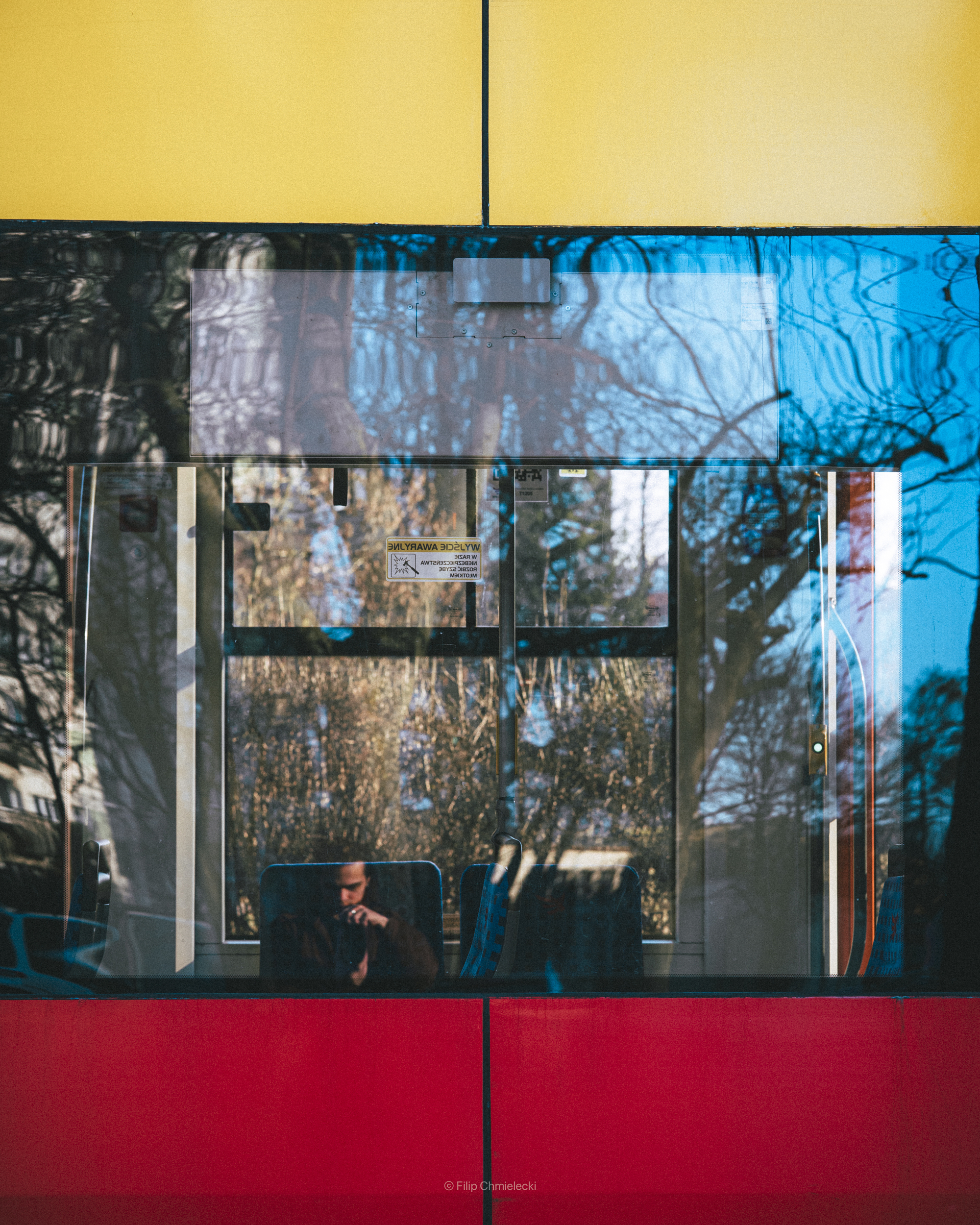
Filip Chmielecki is a Lódz-based photographer whose portfolio captures urban life with a rich visual style as layered as the city architecture he focuses his lens on. Chmielecki has spent years refining a style that rejects the polished, hyper-saturated aesthetic common in the digital age. Instead, he treats photography as a tool for honest observation. Whether working in digital or analog, his focus remains on the structural truth of a space, capturing texture and form without the need for romanticism. We spoke with Filip about the discipline of his “unembellished” eye and how he maintains his creative curiosity outside the pressures of professional photography.
Filip, growing up in a place like Lódz, a Polish city known for its industrial character and cinematic heritage, how did your early environment influence your desire to document the world, and what made you decide to keep this pursuit strictly personal?
It’s hard for me to say exactly how much the city itself influenced my passion for photography, but it certainly helped shape my style and character. Lódz is a city of contrasts: 18th-century industrial architecture combined with modern skyscrapers of large corporations, and the boundaries between poorer and wealthier neighborhoods are drawn as if with a ruler; all of this has partly influenced my passion for contrast.
Photography itself developed in me more from a skill into a passion, which is generally the opposite of the typical process. Many of my friends bought cameras to take nice photos. The problem is that a camera isn’t like a phone that you can use to easily snap a selfie with. That’s why, without really wanting to, I was often the one standing behind the camera, taking the photo.
You’ve mentioned a preference for portraying reality without “rose-colored lenses.” In a visual culture that often prioritizes dramatic edits and high-impact colors, why do you feel it is important to maintain a sense of restraint and honesty in your work?
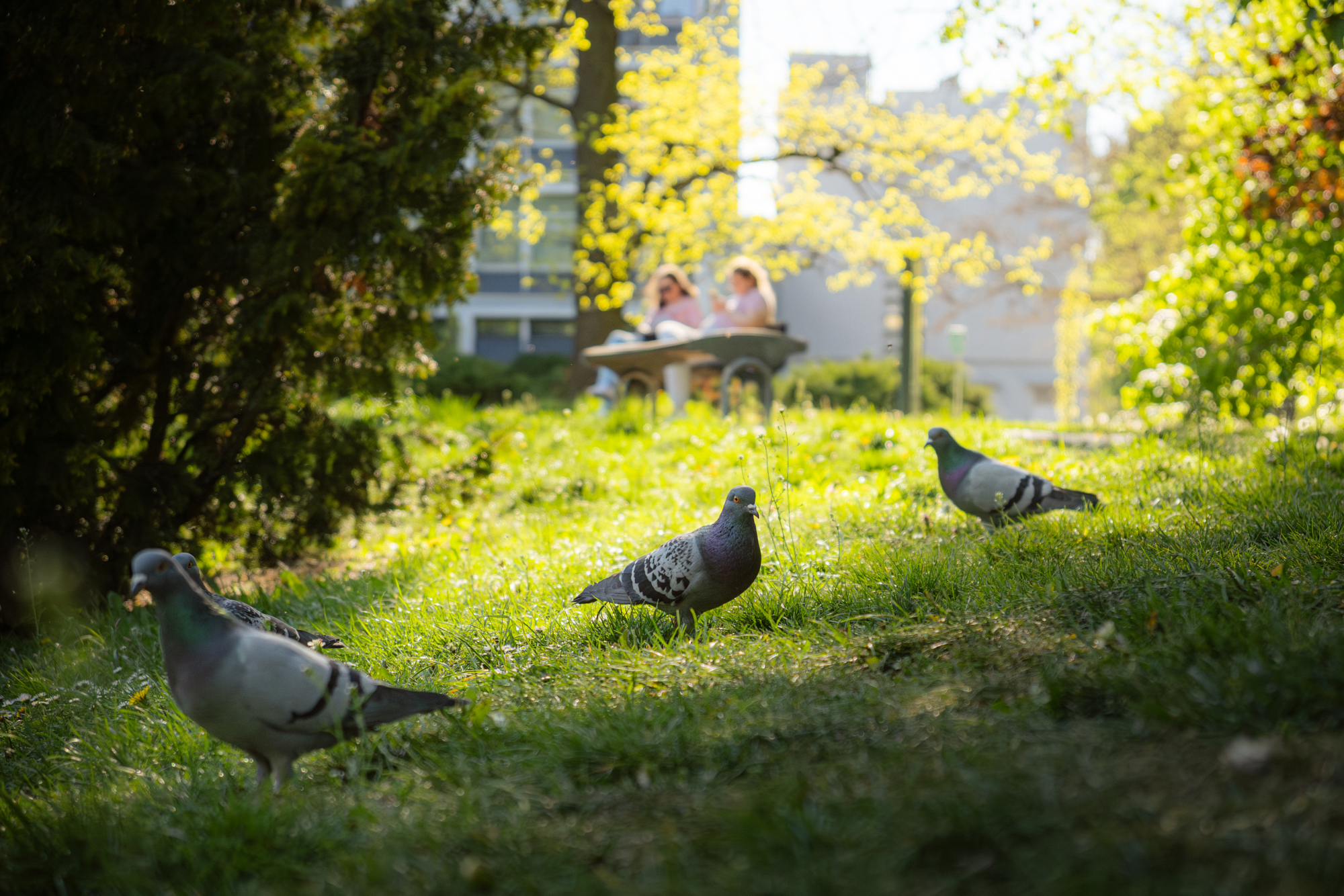
I believe that social media has created a trend toward consumerist photography. Photos with striking bokeh, bursting with color, and ideally featuring an attractive subject are a real dopamine rush and are sure to generate a lot of likes on a post. Though it may sound pretentious, I wanted to treat my work more as art than as a craft, which is why I decided that my measure of a photo’s “quality” or “value” would be its print.
As humans, we’re more likely to stop and lean in to look at a physical image. And that is exactly where an image that is “just pretty” ceases to be interesting. It might serve as a decorative element in an apartment; perhaps it will match the furniture… but if it doesn’t depict anything, it becomes merely an ornament, devoid of value.
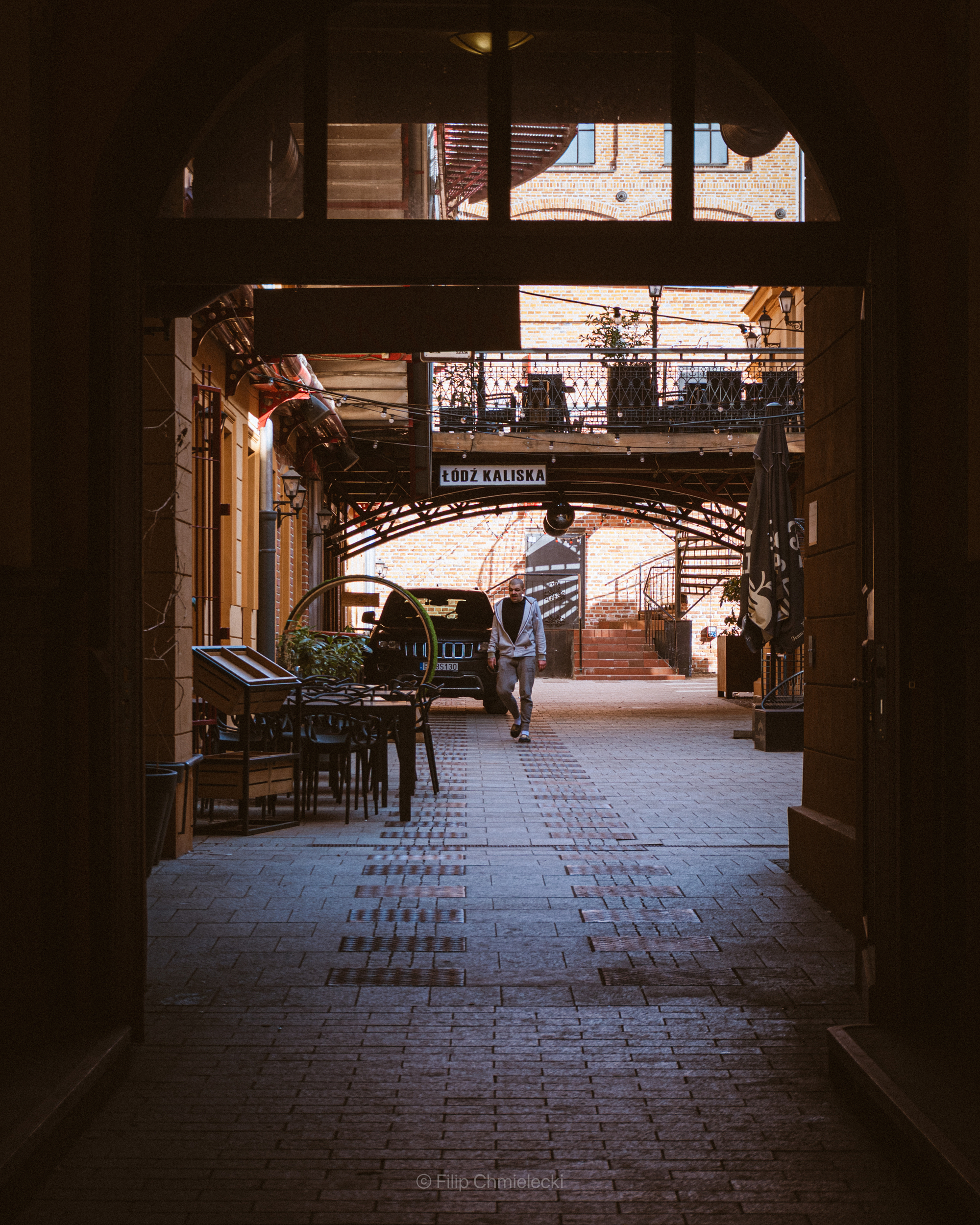
Ultimately, I believe the world isn’t just black and white. A photograph that shows reality as it is is a photograph that allows us to understand. Old and new, poorness and snobbery, sadness and joy—these are all extremes that cannot exist without one another. Personally, I see beauty in this, and I hope that my work will resonate with people who share my perspective.
Having explored both digital and analog formats, how does the more tactile process of film impact your visual language? Does the physical nature of a negative help you lean further into that unembellished perspective you strive for?
I know that for many people, the physical nature of film is an essential part of analog photography, but that argument doesn’t really resonate with me. Despite this, analog photography has strongly influenced my sense of style and approach to photography.
Starting with the simplest limitation—36 exposures per roll—digital photography has accustomed us to the idea that we can always take an endless series of shots and then delete them later. With a limited number of frames, the question “do I really want to press the shutter?” comes up much more often… and ends up with just a half-press. I don’t want to convince anyone to give up on burst mode; it’s still a modern tool that’s very useful when trying to capture a specific moment. I do want to point out, however, that sometimes it’s worth asking yourself whether you’re trying to capture a specific moment or hoping to stumble upon something cool by chance. For me, considering that one question has meant that instead of 1 good photo out of 100, I now have 5 or even 10.
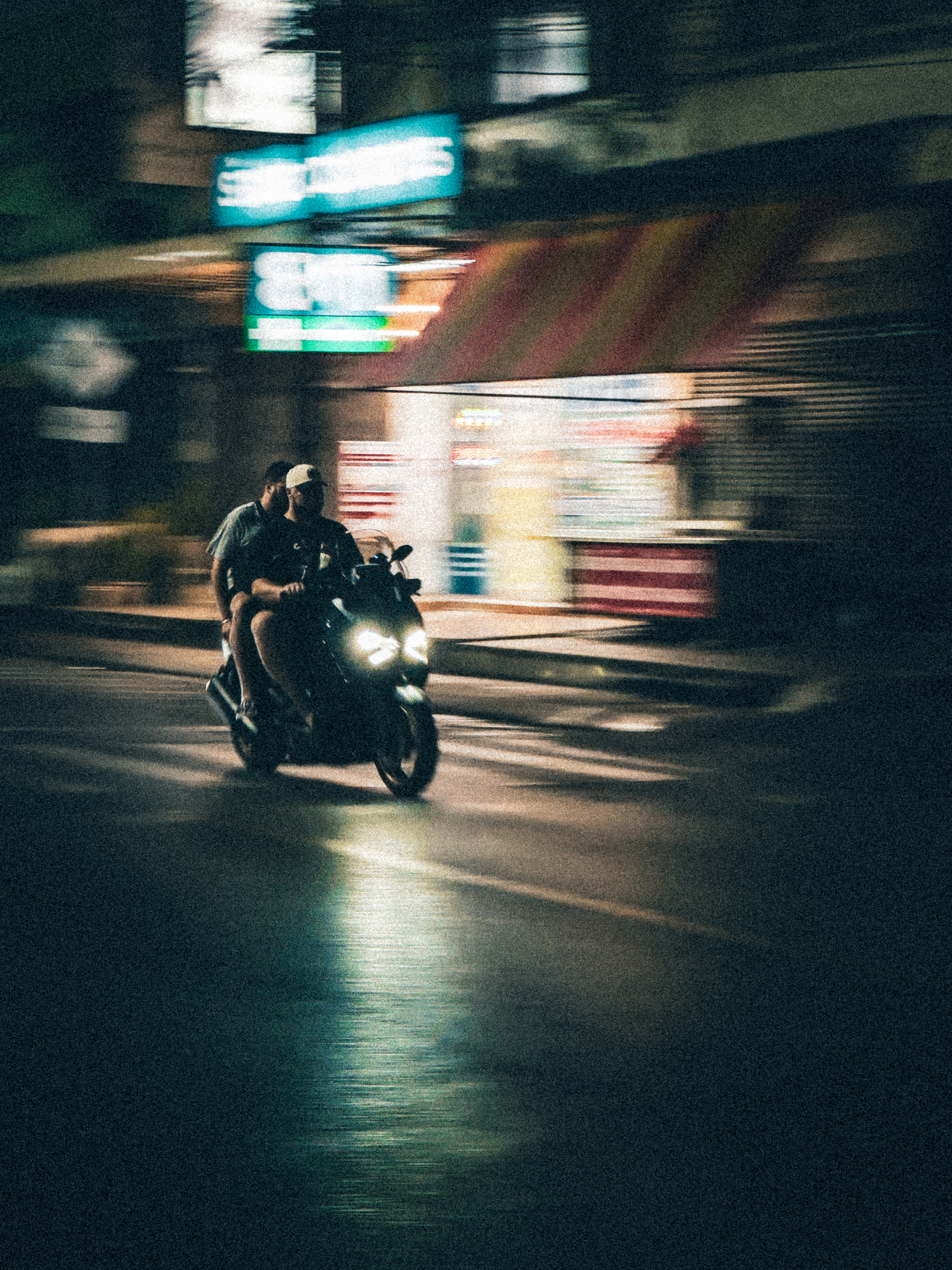
The second point is imperfection—the inability to see the result immediately forces you to focus on the here and now. There are no second chances. A week later, after developing the film and receiving the scan, you begin to look at the photo as a real record of a specific moment in the entire timeline. Something you can never go back to. In this case, it doesn’t matter if the photo was blurry, underexposed, tilted, or out of focus; these are just little details. What matters most is what it actually shows.
Today’s digital cameras are fully automated, with autofocus, automatic exposure, and a huge tonal range. All of this means that the mere ability to “take a photo” has lost its importance. I see photos among many beginner photographers that are technically great, yet they still get lost in the crowd.
Today, the skill of “taking photos” has shifted toward the skill of seeing. I feel that shooting with good, old film largely made me realize this.
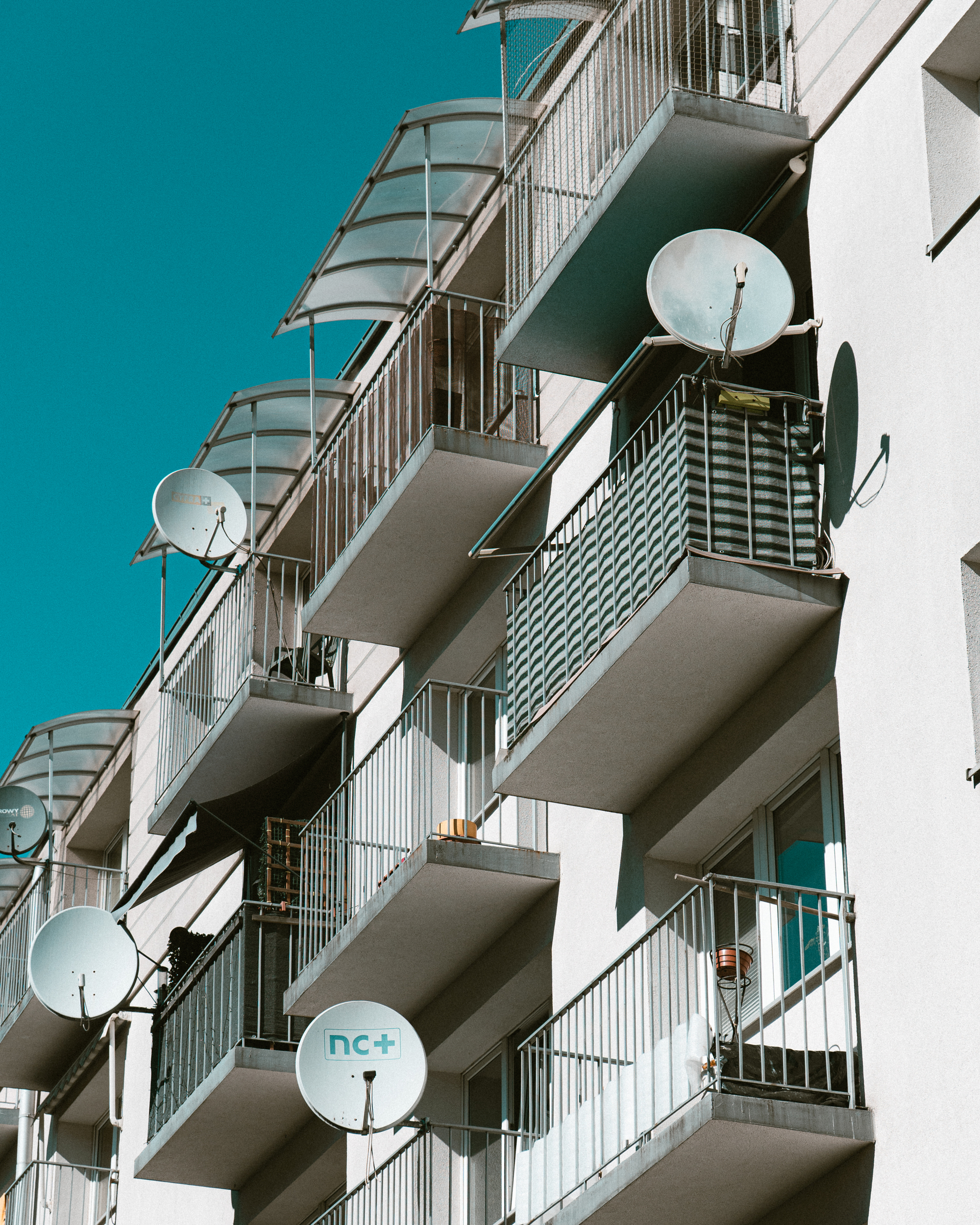
Your architectural photography often feels more like a study of texture and atmosphere. When you approach a structure, are you looking for its intended purpose, or are you more interested in how time and light have transformed its surface?
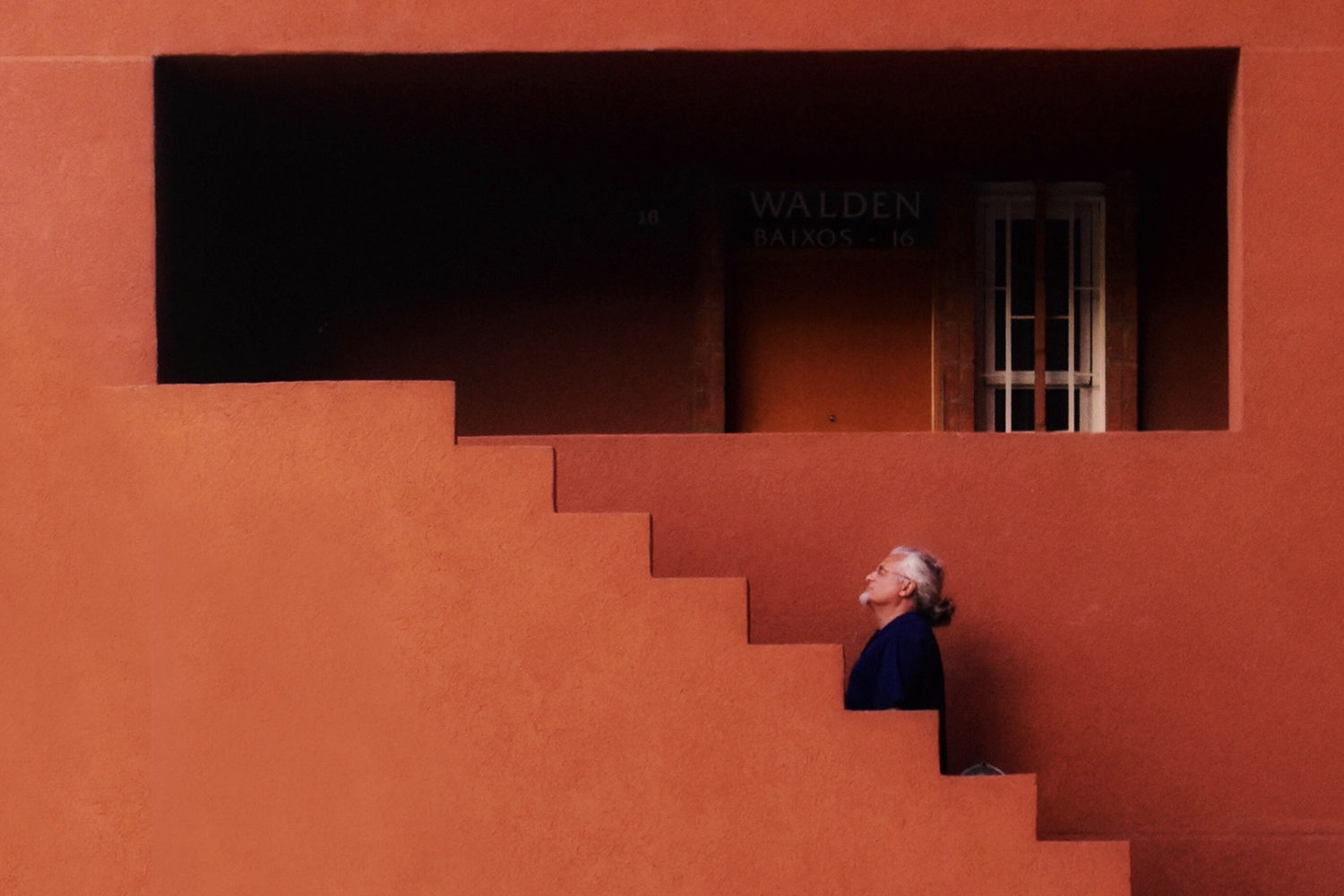
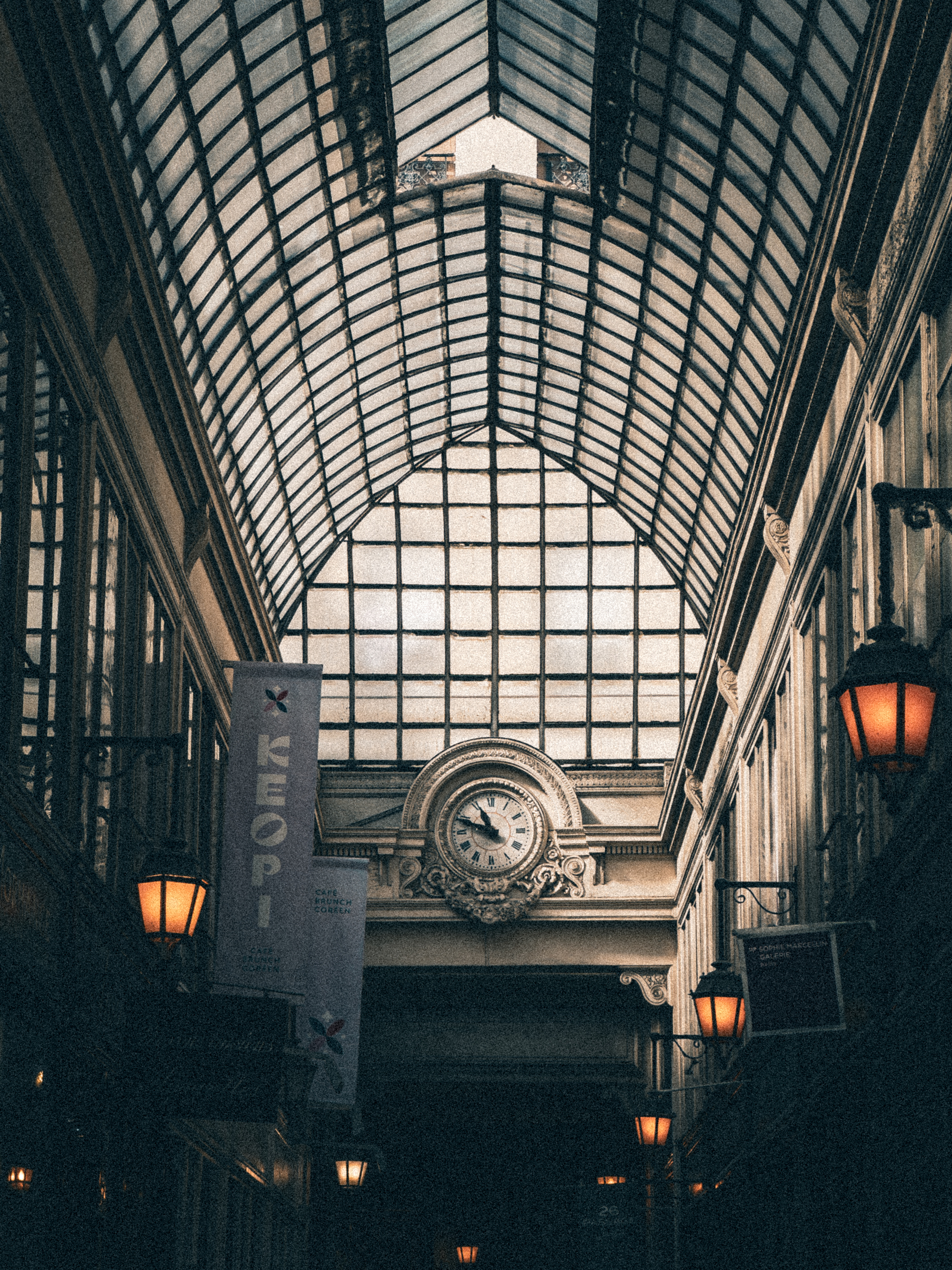
To be honest, I’ve never really thought about it, but there’s definitely something to that. When photographing architecture, my goal is rarely to show the building as a whole. In my shots, I look for geometry and depth. Texture and patterns also play a huge role, which is why I often boost the contrast in these photos.
Unlike the “mainstream,” I don’t really use wide-angle lenses for this type of photography. Instead, I aim to isolate a specific fragment of the city’s architecture or a particular structure that seems to be the most interesting geometrically.
Your street and urban photography often feels like a dialogue between the viewer and the space itself. How do you determine when a human presence is necessary? Or, is architecture capable of carrying the narrative on its own?
It seems to me that there’s always room for a person in a photo, especially in street photography. Their role will depend on the story we want to tell, but the human figure will always serve as an additional narrative element. However, I don’t believe that every photograph without a human figure is automatically worse—I’ve always been the kind of person who, when traveling to new places, likes to keep my head up.
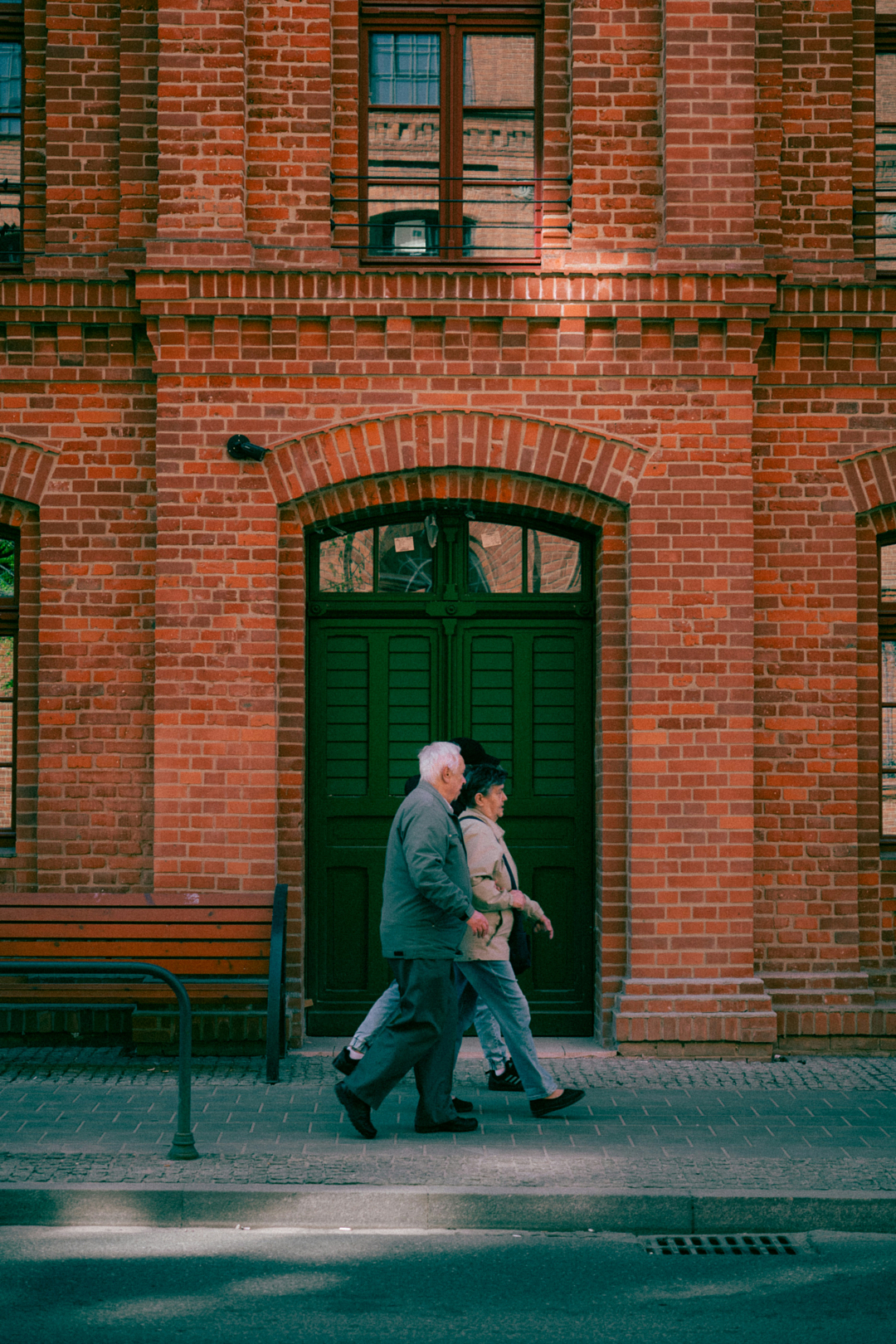
The buildings, trees, and landscapes I passed by are often much older than anyone I might meet. I like to imagine how a given place has changed over the many years and what beautiful and terrifying stories have taken place there. Even though photography focuses on capturing a still fragment of the timeline in the form of a photo, it can still carry this idea. In such a situation, in fact, a photo of an empty street will spark the imagination much more effectively than if there were dense crowds in the photo.
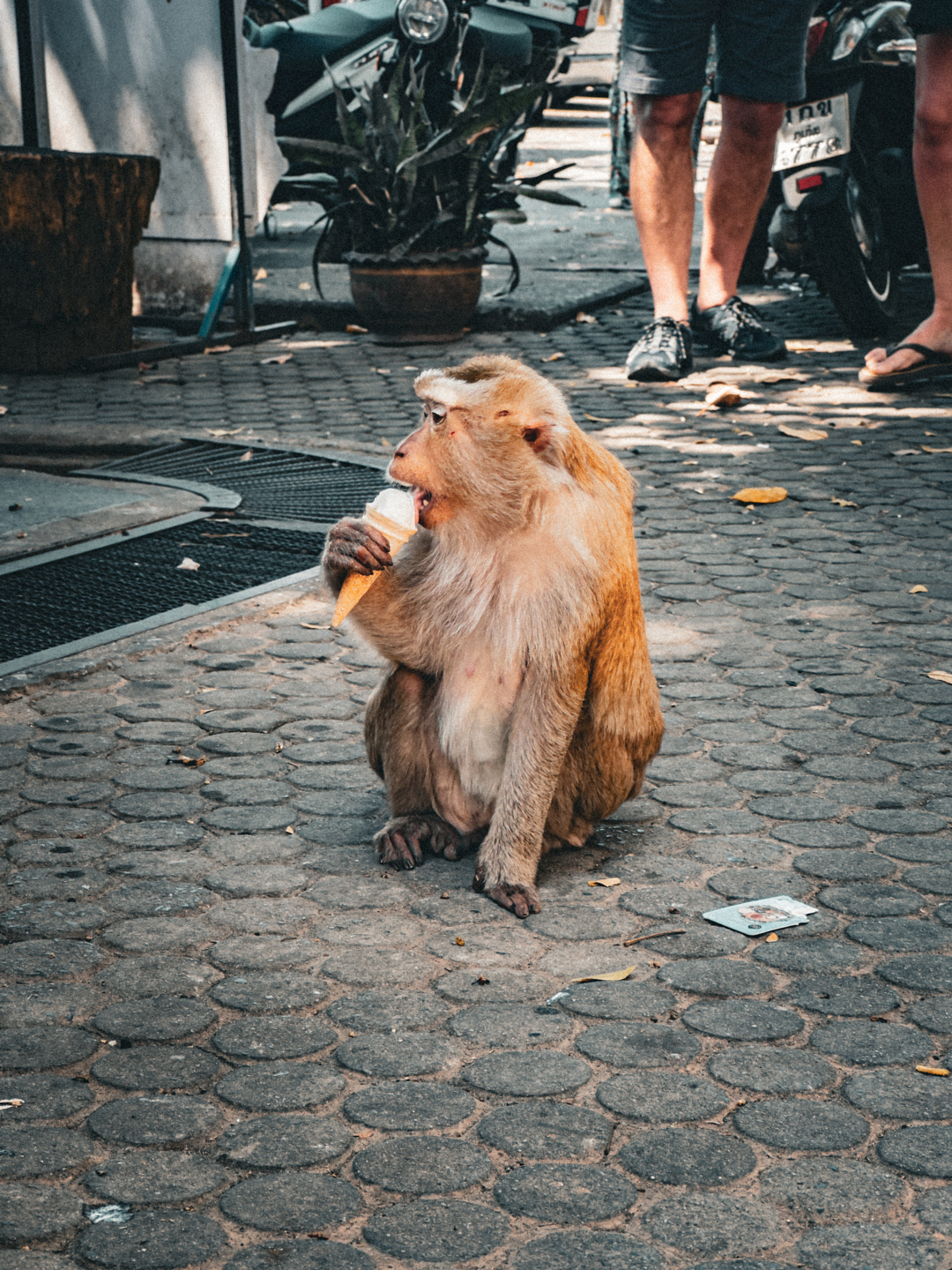
Travel feels like a significant catalyst for your work. Do you find that being a “stranger” in a new city makes it easier to observe its authentic form? Or is it more challenging to avoid the romanticized tourist perspective?
Travel is definitely my main motivation for taking photos. And yes… romanticizing the places I visit is much easier—before I go, I watch thousands of TikTok videos about beautiful spots in a given city or country. I also see every trip as a way to escape from everyday life and, most importantly… Travel is a relatively expensive hobby, so my brain tries to justify the expense.
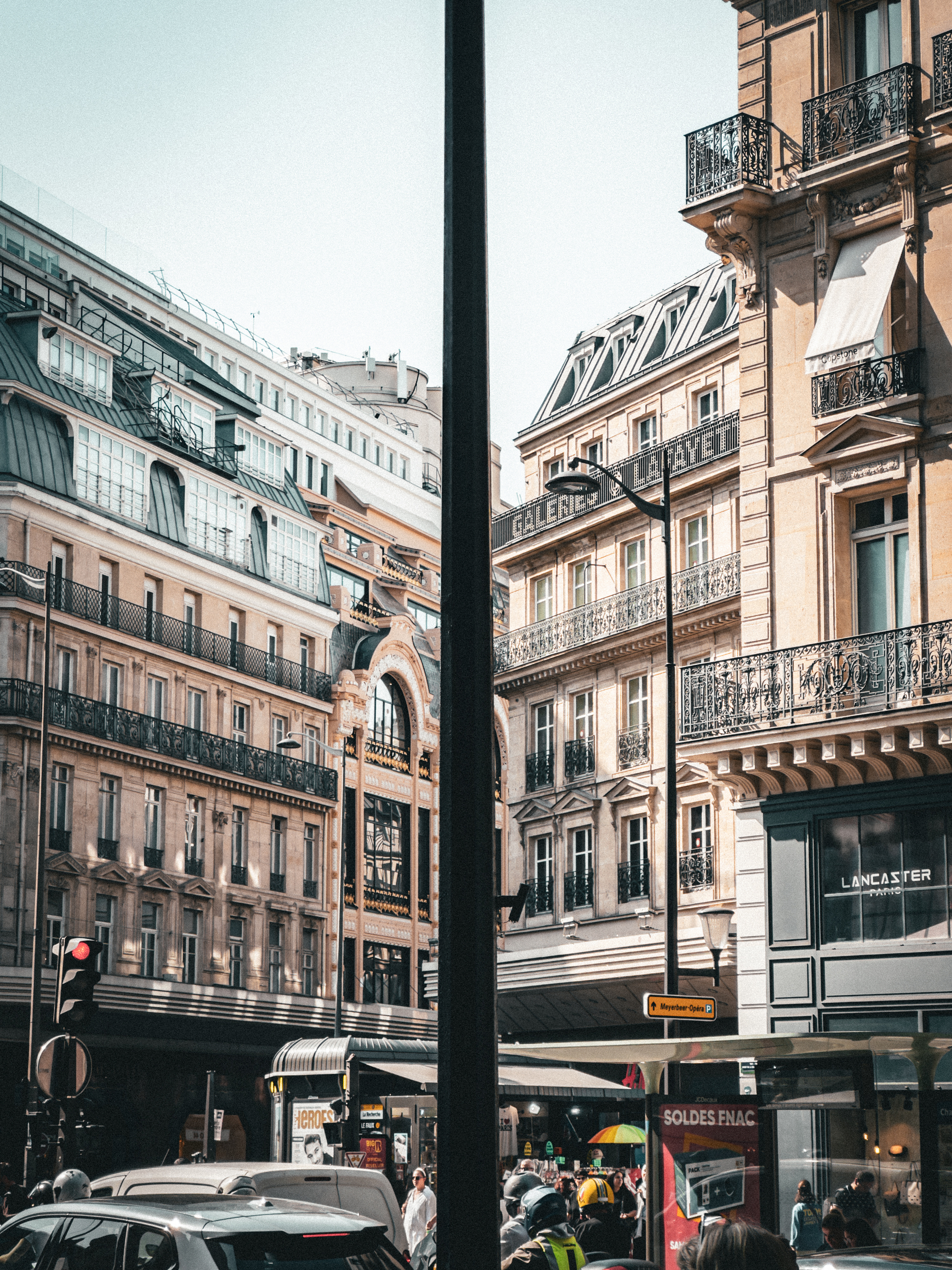
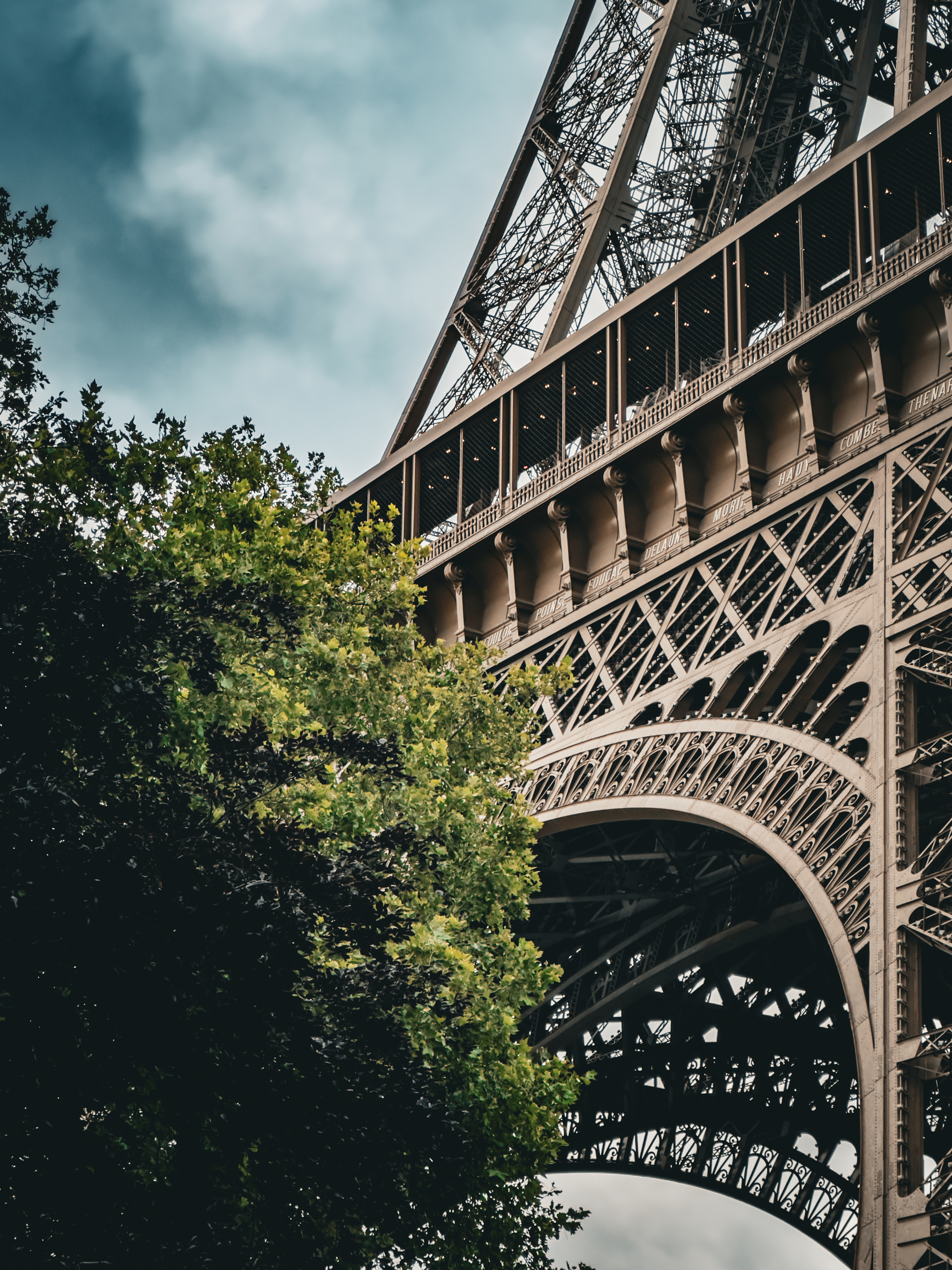
It’s hard to admit that Paris, while a dream travel destination, can turn out not as you expected. Sometimes, the streets are surprisingly dirty, and the city can feel artificial. It’s much easier to show friends a photo under the Eiffel Tower to feel appreciated, even if just for a moment. I try, however, to learn to see beauty where it may not seem to exist.
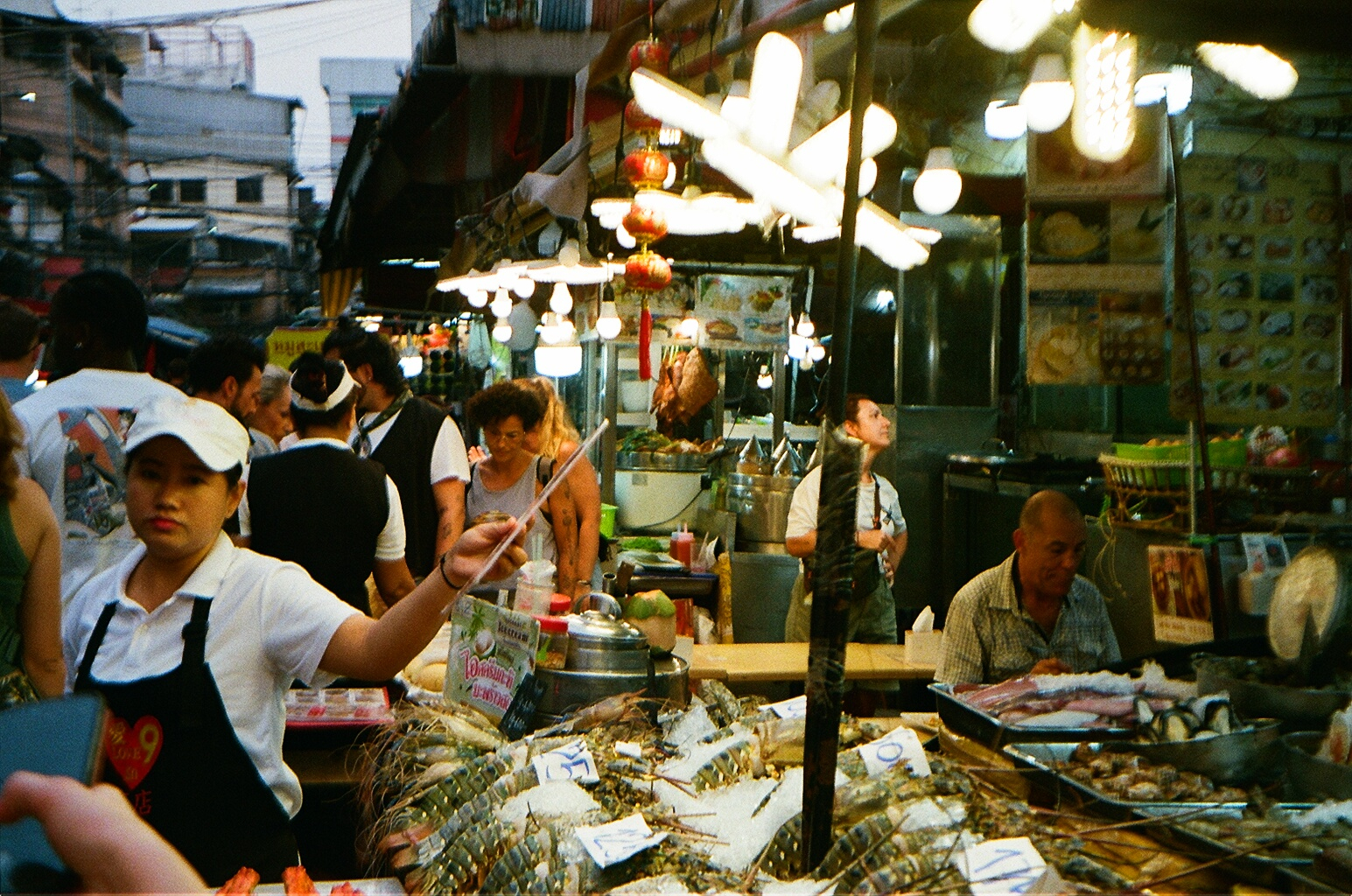
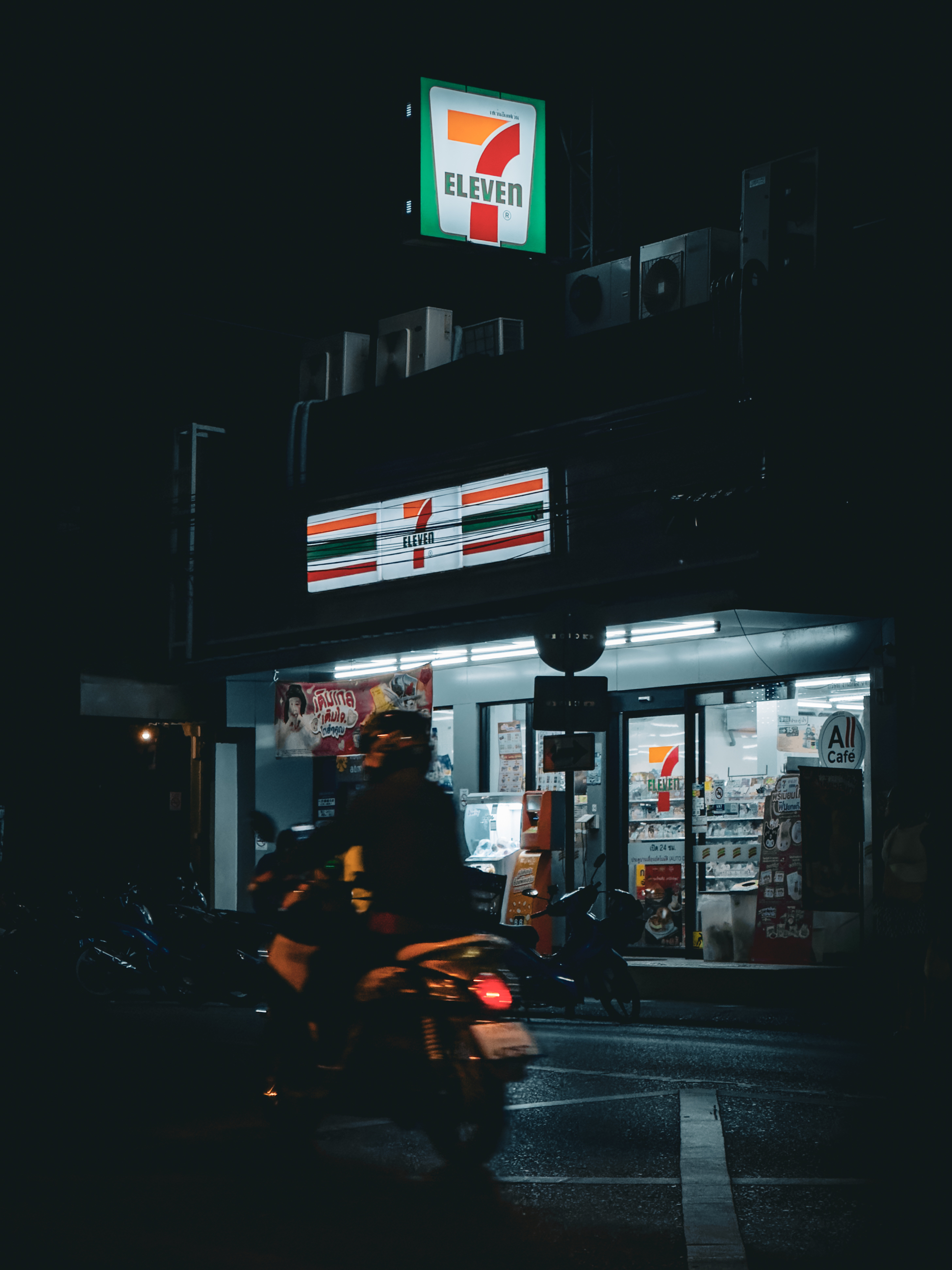
Trips to places like Palermo or Bangkok have greatly changed my perspective. Ruined houses, children running down the street in clothes that are too big for them, rusty cars on the streets… none of this necessarily makes for a good Instagram post. However, if you ask them about their city, their country, or their own stories, they’ll have so much to tell you.
It’s precisely these real stories that I’ll remember the most, and they stay with you for the rest of your life. If photography is meant to tell stories, then I aim to focus on exactly these kinds of stories.
When shooting, do you prefer working on self-directed projects or as part of a larger project and team? And how does this preference influence your approach to experimentation and following your own curiosity?
Photography has always been, is, and will always be nothing more than a hobby for me. Looking at the world through the viewfinder is one of the ways of observing the world that brings me joy. I don’t want to spoil that by treating it like a job.
I’m more than happy to organize a photo shoot for a friend, and I’m more than happy to get involved in a larger photography project—but only on the condition that it serves my own growth, not financial gain.
Photography isn’t a cheap hobby; I’m well aware of that. Despite this, I believe it’s impossible to combine artistry with the creation of a product, and I wouldn’t be able to function in both of these worlds at the same time.
Minimalism and restraint are difficult to master because they require knowing exactly what to leave out. Is there a particular photo in your portfolio that made you realize that “less was more”?
I wouldn’t say I have a specific photo in mind, but I’ll refer again to my experiences with analog photography.
Digital photography is very sterile—details in the shadows and highlights, HDR, epic skies. It can all look great, but it leaves little room for interpretation. Film tends to overexpose and underexpose quickly. Total blackness in the shadows is more intriguing and raises more questions than a fully exposed photo. More questions mean more unique interpretations and feelings.
And it seems to me that this is my definition of minimalism in photography. Not revealing all the cards at once. Leaving that space for the viewer to fill in the gaps on their own.
We have a question from a previous featured photographer, David Baca, who asked, “How do you balance actually experiencing a moment versus trying to capture it, especially when it’s something that really hits you emotionally?”
That is something every photographer asks themselves, but I don’t have a good answer. However, I do have a piece of advice that I at least try to follow myself:
I realize that when I see something emotional, my instinct is to pull my camera out of my bag. But I think once in a while, just tell yourself NO. I know it can hurt, and that you might regret not capturing it. But let’s remember one thing: memories are for us. Some should remain only in our minds, and for others, they should serve only as a story we tell.
To close, are there any specific upcoming travel plans or projects you would like to mention?
Thank you for this opportunity. I don’t have a specific project, so I’m going to suggest something a little different.
I’d like to encourage everyone in the photography community to comment on each other’s photos more often. I know it’s easier to click ‘like’ and just leave a heart, but very often, a single kind comment means more than a thousand likes.