Cities are full of reflections. However, most people walk past them without noticing. In urban reflection photography, these reflections become the subject, transforming ordinary streets into layered, almost surreal scenes.
From glass buildings to rain-soaked pavement, the city constantly creates mirror worlds. Once you start looking, you’ll see them everywhere.
What Is Urban Reflection Photography?
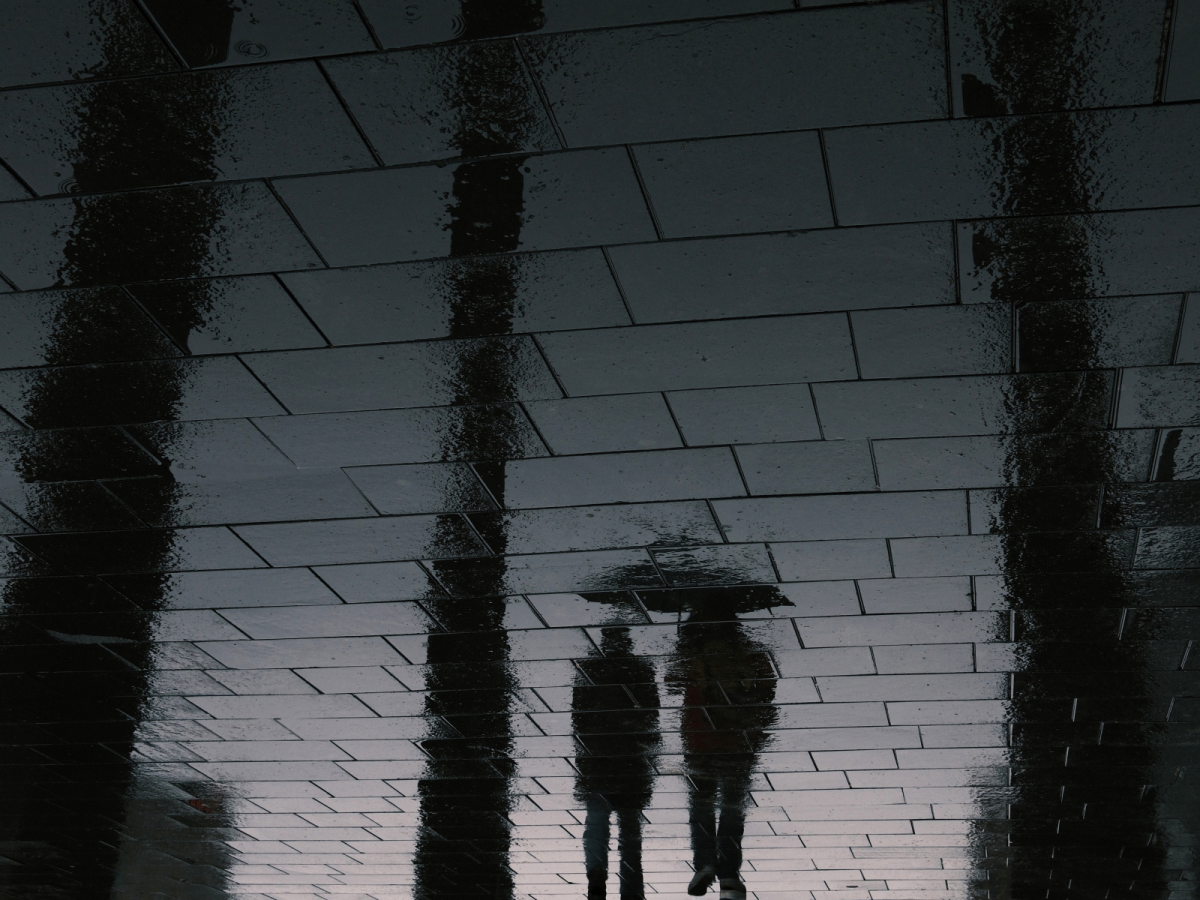
Urban reflection photography focuses on capturing reflections in city environments. Instead of photographing subjects directly, you use reflective surfaces to create depth and visual complexity.
Common surfaces include:
- Glass windows
- Puddles after rain
- Polished metal
- Storefront displays
As a result, your images feel more dynamic and less predictable.
Finding Reflections in the City
Reflections are everywhere. However, you need to train your eye to spot them.
Start by looking at:
- Building facades with glass
- Store windows with layered scenes
- Wet streets after rainfall
Moreover, reflections often appear stronger at certain angles. Therefore, move around your subject instead of shooting from eye level.
Creative Urban Photography for Mirror Effects
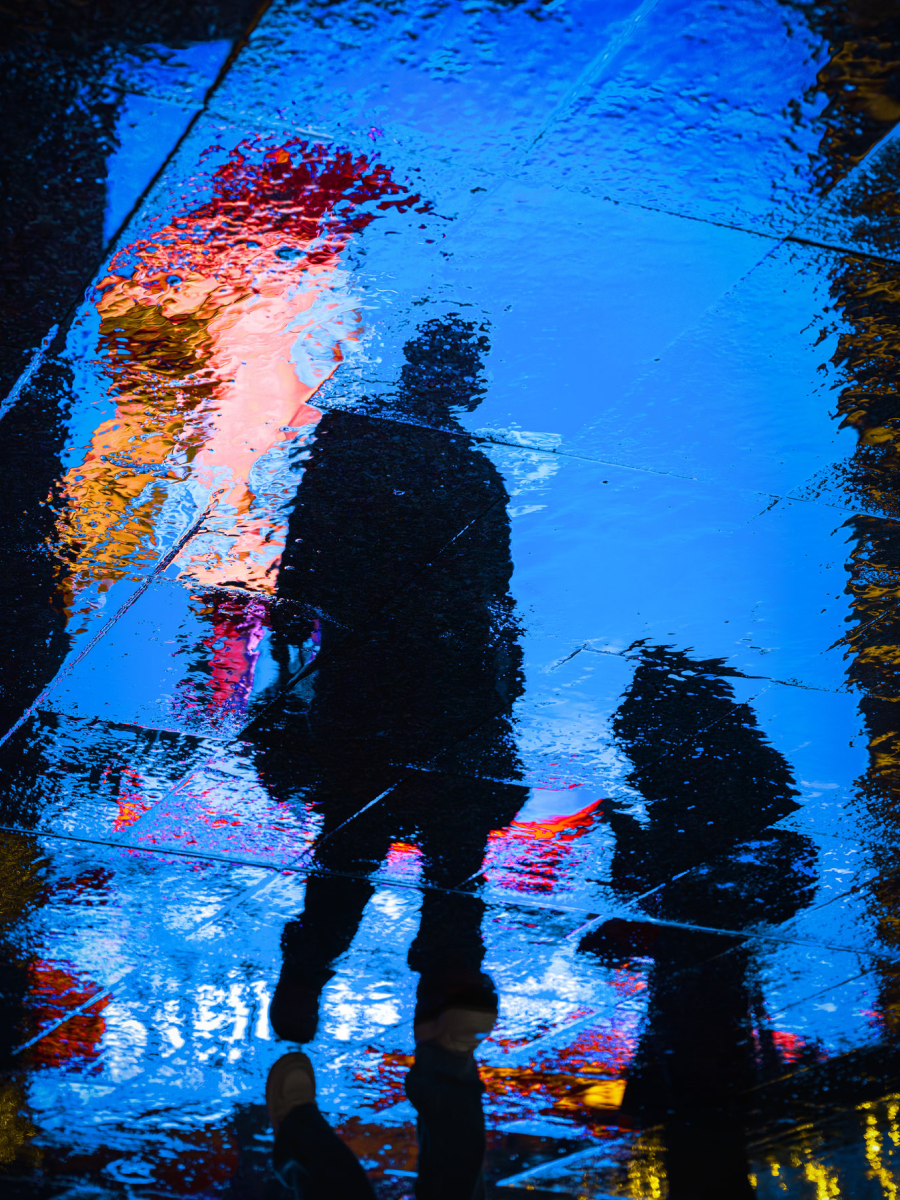
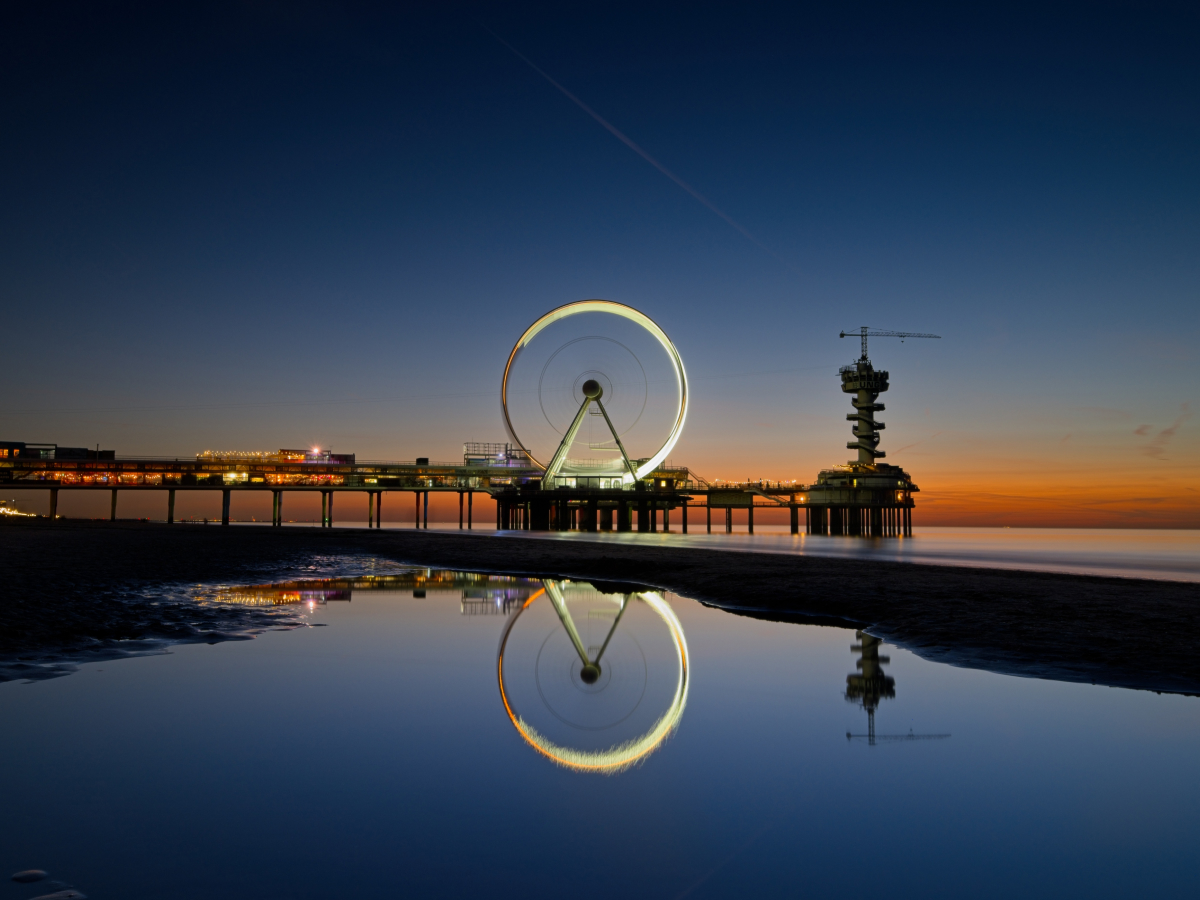
Puddles are one of the easiest ways to create mirror-like reflections.
Puddles can:
- Create near-perfect symmetry
- Add a second layer to your composition
- Turn a simple street into a cinematic frame
To improve your shots:
- Lower your camera angle
- Get close to the water surface
- Focus on alignment and symmetry
As a result, your reflections will appear stronger and more intentional.
Shooting Through Glass for Layered Scenes
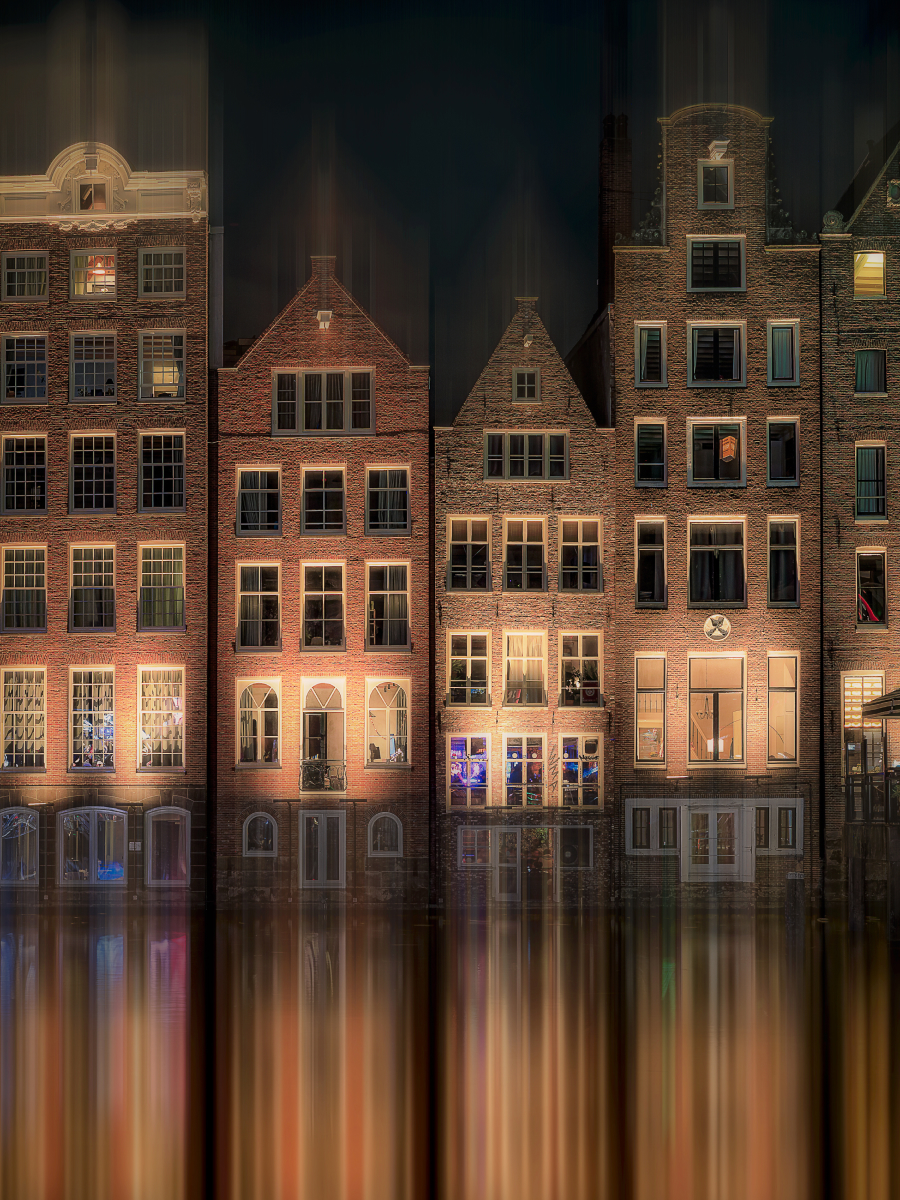
Glass reflections create layered compositions. Consequently, your images can show multiple moments at once.
For example, you can capture:
- A person walking inside a building
- Reflections of the street outside
- Light bouncing between both layers
This creates a more complex and engaging image.
Minimal Reflections for a Clean Look
Not all reflections need to be busy. In fact, minimal reflections often feel more refined.
In urban reflection photography, simplicity helps:
- Highlight shapes and lines
- Focus attention on composition
- Create a calm visual tone
Therefore, don’t always chase complexity. Sometimes, less is stronger.
Composition Tips for Creative Urban Photography
Strong reflections need strong framing. Otherwise, the image can feel confusing.
Keep these in mind:
- Use symmetry when possible
- Align your subject carefully
- Eliminate distractions
- Use leading lines within reflections
As a result, your photos will feel more polished and intentional.
Why Urban Reflection Photography Works
Cities are visually busy. However, urban reflection photography helps simplify and reframe that chaos.
It allows you to:
- See familiar places differently
- Create depth without adding clutter
- Turn everyday scenes into something unexpected
Therefore, it pushes your creativity without needing new locations.
Final Thoughts on Urban Reflection Photography
Reflections are already there. You just need to notice them. Look at windows, puddles, and glass surfaces. Move your angle. Experiment with layering.
Mastering urban reflection photography comes from seeing familiar scenes in a different way, rather than constantly looking for new subjects.
Extended reading: Using the magic of reflections to elevate your photography