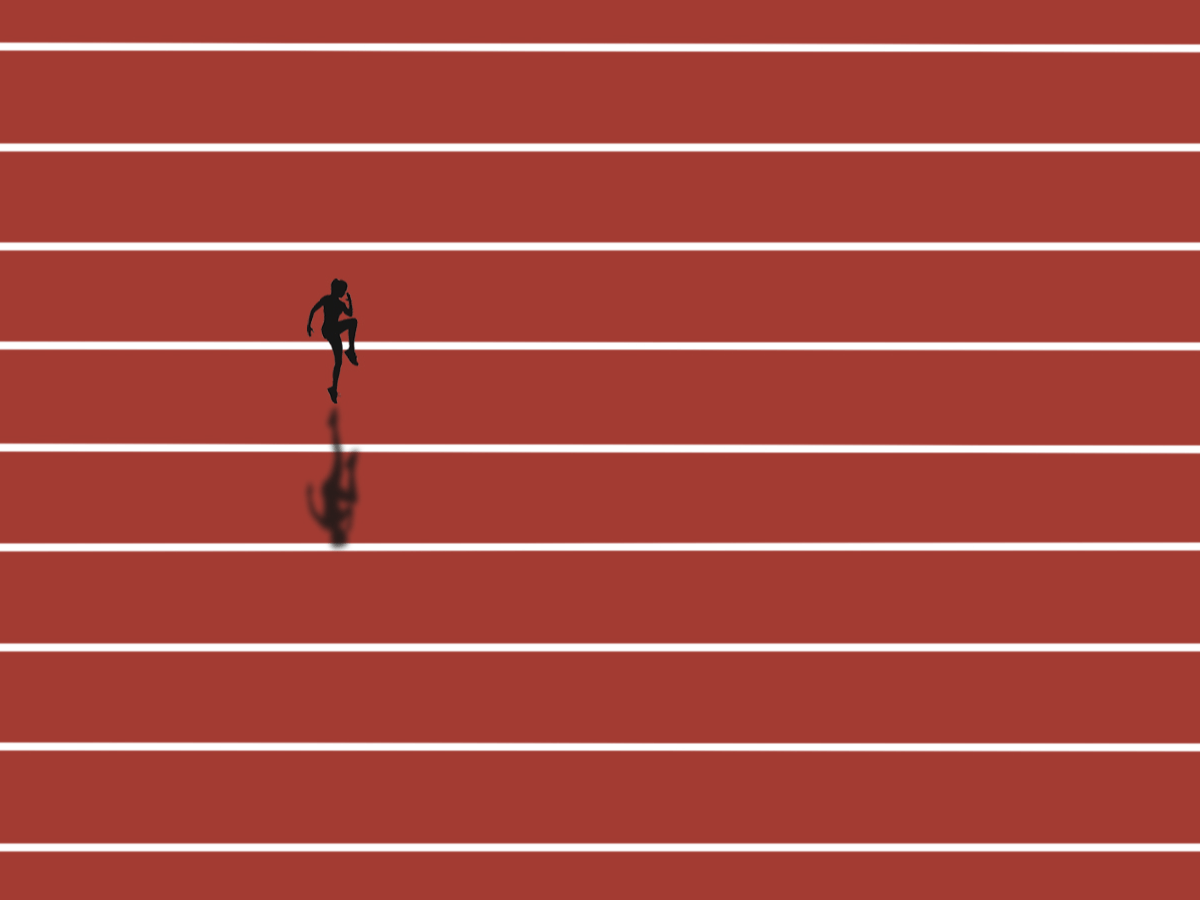
The rule of thirds is one of the most well-known and widely used compositional techniques in photography. But when applied with intention, it becomes more than a guideline; it becomes a tool for purposeful storytelling and emotional impact.
Let’s explore how you can use the rule of thirds in photography to frame with purpose and elevate your shots from good to unforgettable.
What Is the Rule of Thirds in Photography?
The rule of thirds in photography is a simple compositional technique that divides your frame into nine equal parts using two horizontal and two vertical lines. The idea is to place your subject or key elements along these lines or at their intersections.
Why does this matter?
Because our eyes naturally gravitate toward these points, creating balance and tension that feels both natural and dynamic.
Why Framing with Purpose Matters
Pro Tip: Use the rule of thirds to guide the viewer’s eye, not just to follow a rule
When you frame with purpose, you’re making conscious decisions about:
- What the focal point is
- How you want the viewer to feel
- Where you want their attention to go
The rule of thirds in photography helps you compose scenes that are visually engaging while reinforcing the story you’re telling.
Applying the Rule of Thirds in Different Photography Styles
Here are ways you can apply the rule of thirds across genres:
1. Portraits
Instead of centering your subject, try placing their eyes along the top third line or aligning their face at an intersection point. This adds balance while allowing room for context or leading lines.
2. Landscapes
Place the horizon along the top or bottom third, depending on what you want to emphasize; sky or land. This instantly creates more depth and interest.
3. Street or Candid Photography
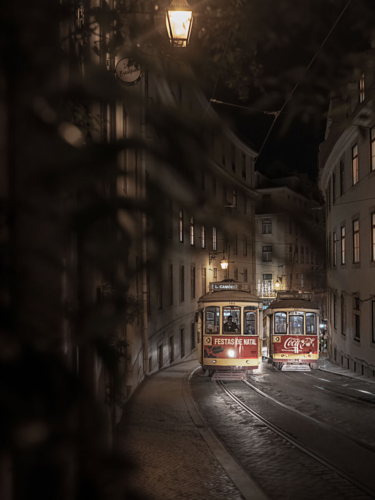
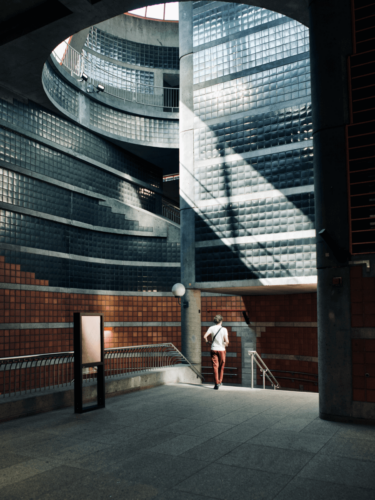
Use intersections to align people within busy scenes, letting the rest of the image support their story.
When to Break the Rule
Yes, you can break the rule of thirds. But when you do, do it with intention.
For example:
- Centering your subject can create symmetry and power.
- Off-balance framing might evoke tension or unease.
Pro Tip: Master the rule of thirds in photography first, then learn when it’s worth breaking
Knowing when to follow and when to bend the rule gives you more creative control and visual impact.
Practice Makes Purposeful
To start using the rule of thirds in photography with greater impact:
- Turn on your camera’s grid overlay
- Experiment with different focal points and placements
- Review your favorite photos and notice how they’re composed
- Crop intentionally during editing to reinforce visual flow
Framing isn’t just about what’s in the photo, it’s about why you’re placing it there.
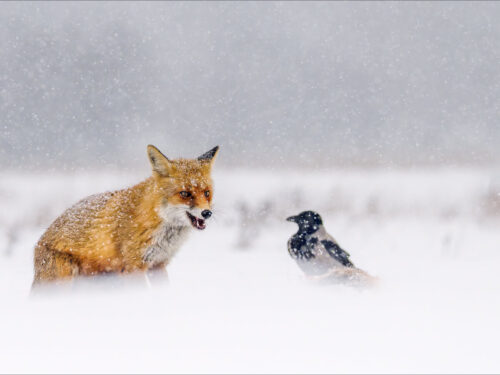
Conclusion: Frame to Tell, Not Just to Show
The rule of thirds in photography is more than a formula, it’s a doorway into thoughtful, expressive composition. When you use it to frame with purpose, you invite your audience to see and feel what you saw in that moment.
So next time you raise your camera, pause. Ask yourself: Where does the story live in this frame?
Then place it with purpose.
Extended reading: 14 photography composition tips that aren’t the rule of thirds