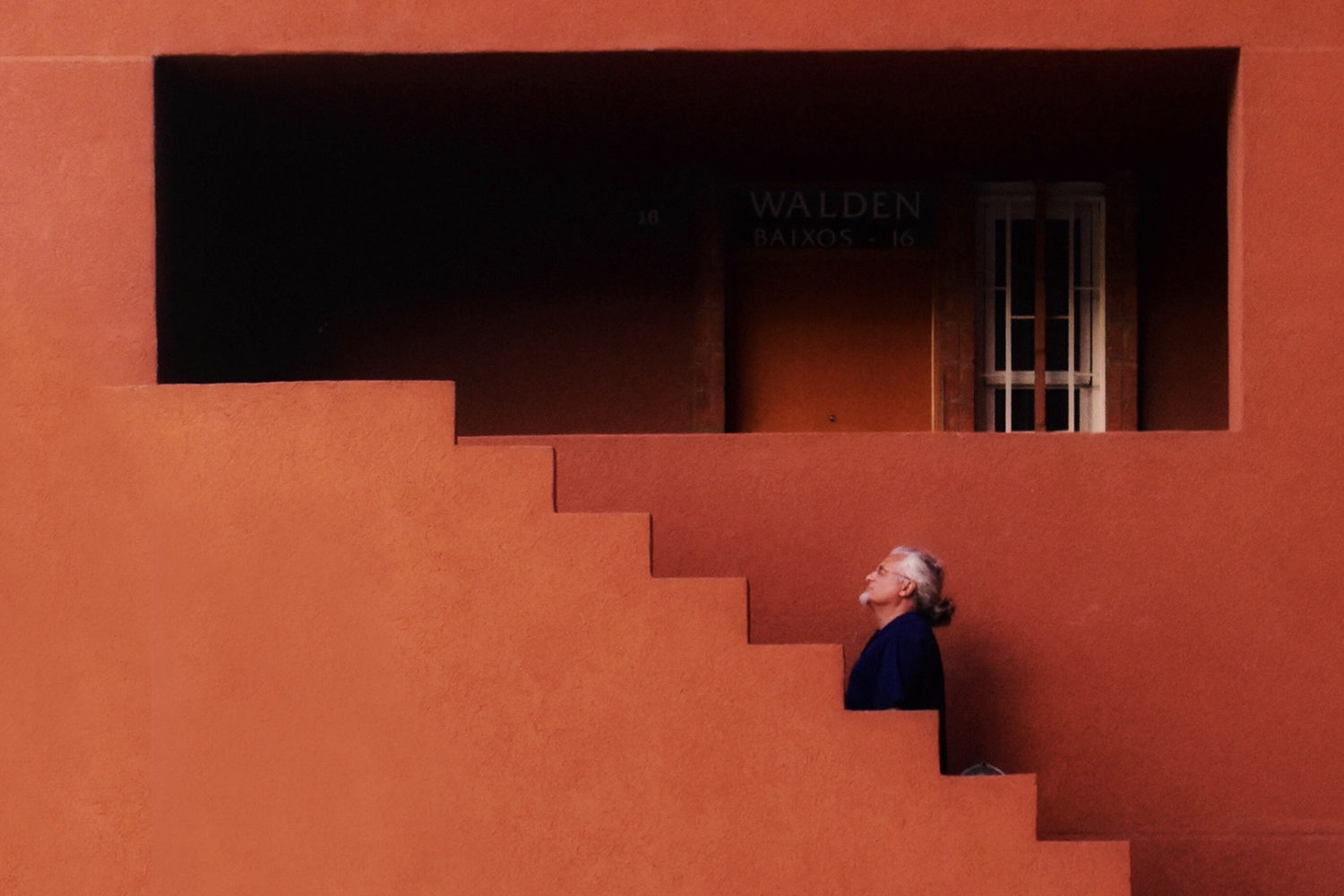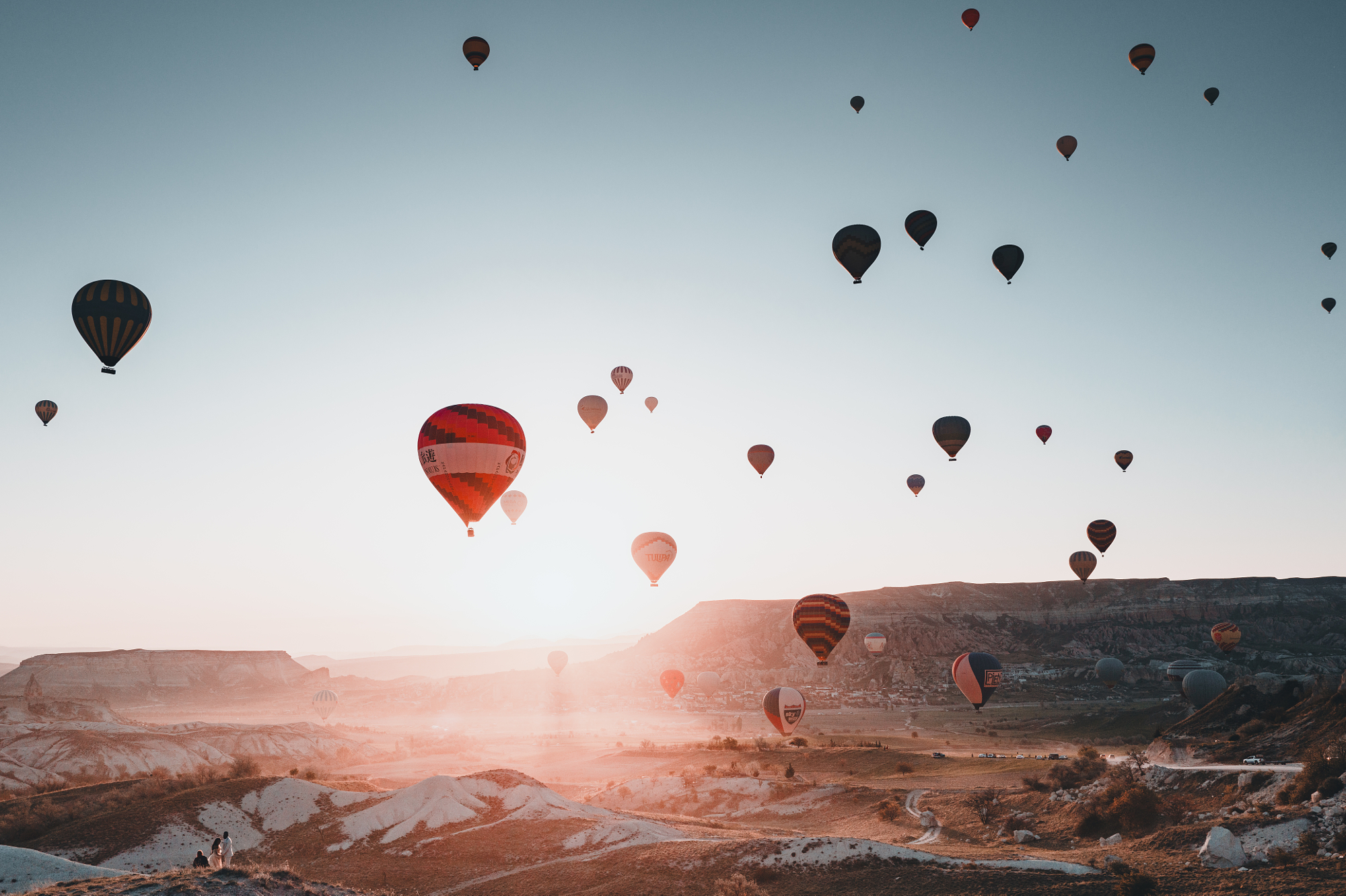
Leon Eule captures photos that feel less like snapshots and more like memories of a perfect afternoon. His portfolio is a blend of landscapes, street photography, and lifestyle moments with a postcard-perfect aesthetic that manages to be both aspirational and deeply serene. Whether documenting a quiet corner of a European city or a sprawling mountain range, Eule strips away the visual noise of the world to reveal a version of reality that is cleaner, softer, and infinitely more inviting.
The Travel Photography of Leon Eule
We spoke with Leon about the discipline of his compositions and the philosophy behind his travel-focused lens. In this interview, Leon Eule shares how travel, light, and solitude shape his photography.
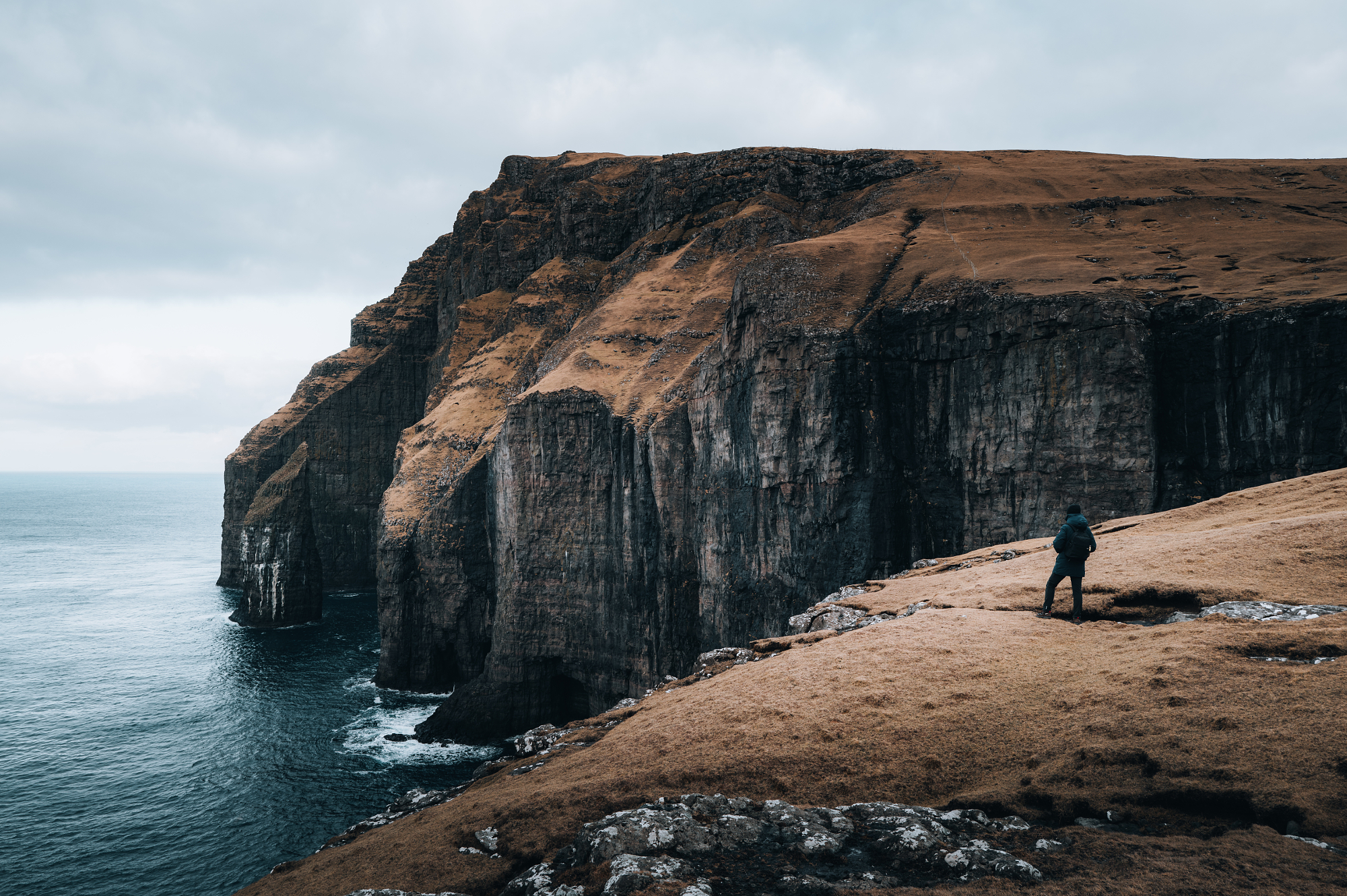
Leon, can you describe the exact moment photography shifted for you, from a casual interest to the driving passion it is today?
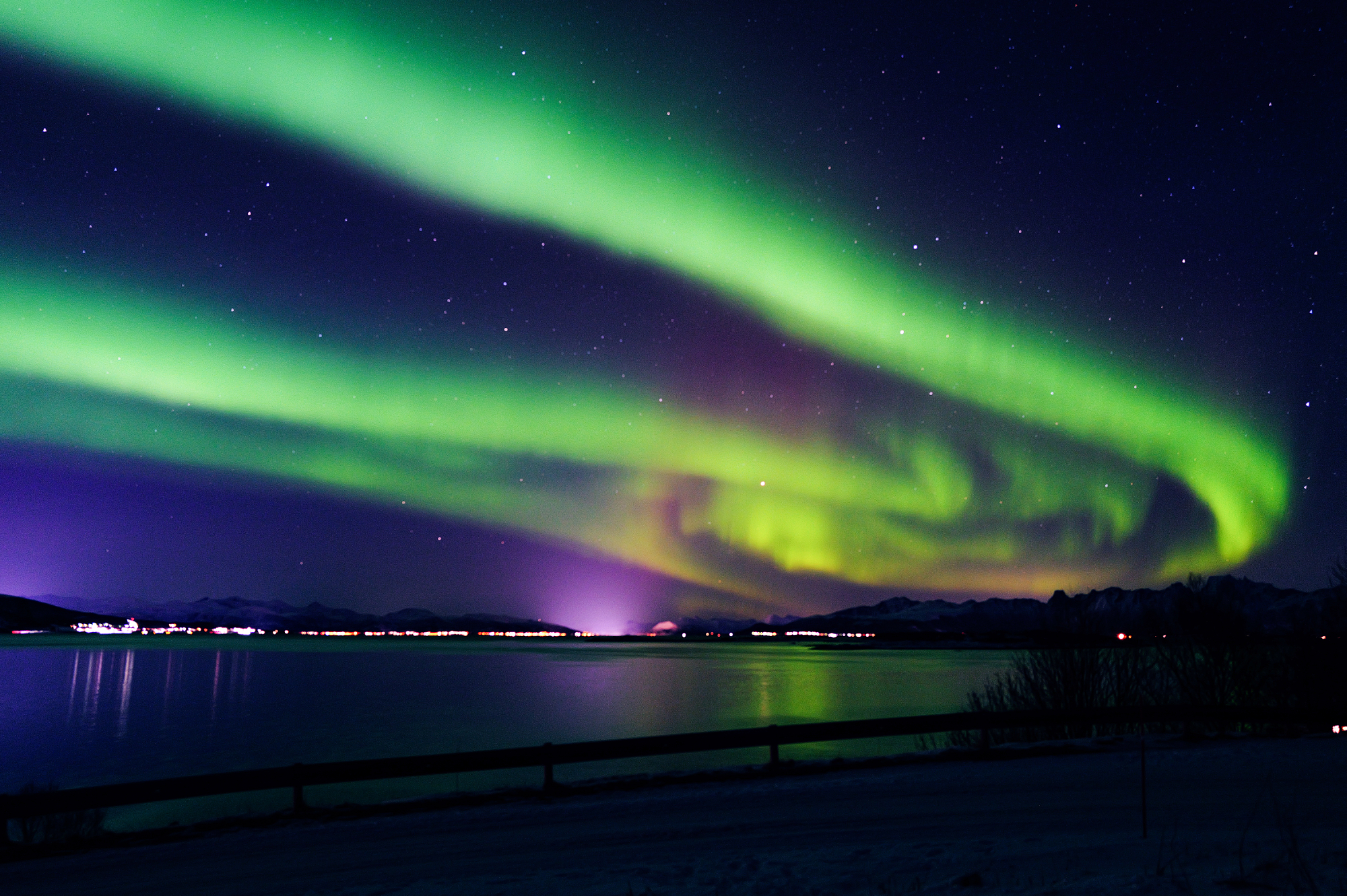
When it comes to what really sparked my passion for photography, I would say that it was my trips through Scandinavian countries. I had tried to take pictures of the Aurora Borealis for the first time, and I felt that the result was just very impressive photos. After that, I devoted more time while travelling to capture beautiful moments, and from there the obsession grew.
You are often seen shooting with the Leica Q3, a camera that demands a certain level of intimacy and commitment to a fixed focal length. How has the limitation of a single lens influenced the way you “see” a landscape before you even bring the camera to your eye?
With my experience, I find that using the Leica can be challenging for landscape photography. It makes me give up the view that is too far away and focus on the scenes that are closer to me. Sometimes, this forces me to rethink and carefully consider what kind of photo I wish to take.
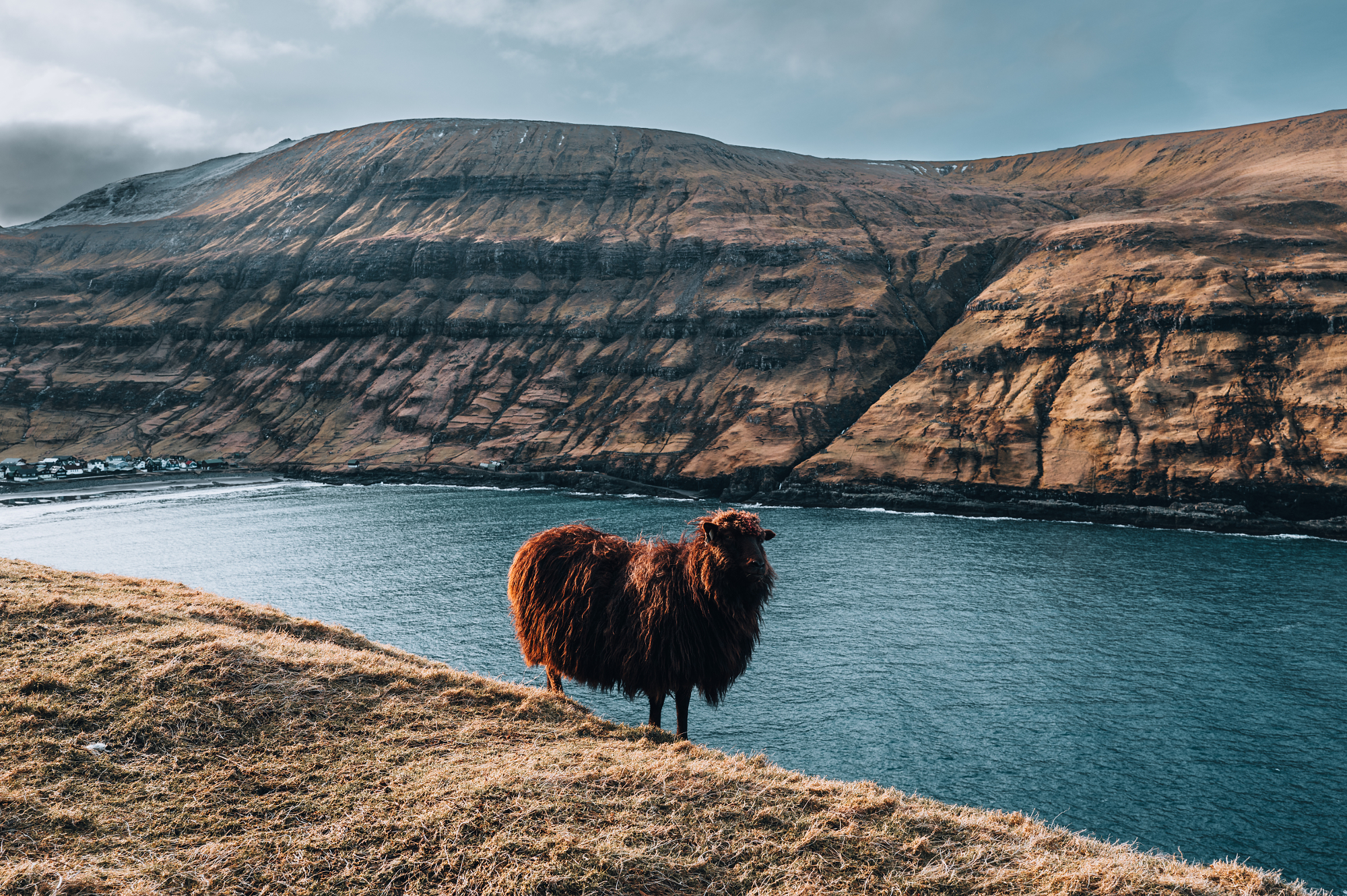
There is often a sense of stillness in your travel work that makes even the most famous landmarks feel like private discoveries. When you arrive at a popular location, what is your strategy for mentally and visually tuning out the crowd to find that perfect frame?
For me, the trick is to pick the right time. I usually try to reach popular spots and landmarks early in the morning, before sunset, and during the off-seasons, when there are not as many tourists. When a location feels too crowded, and there are just too many people around, the best strategy is to wait for that quiet, perfect moment.
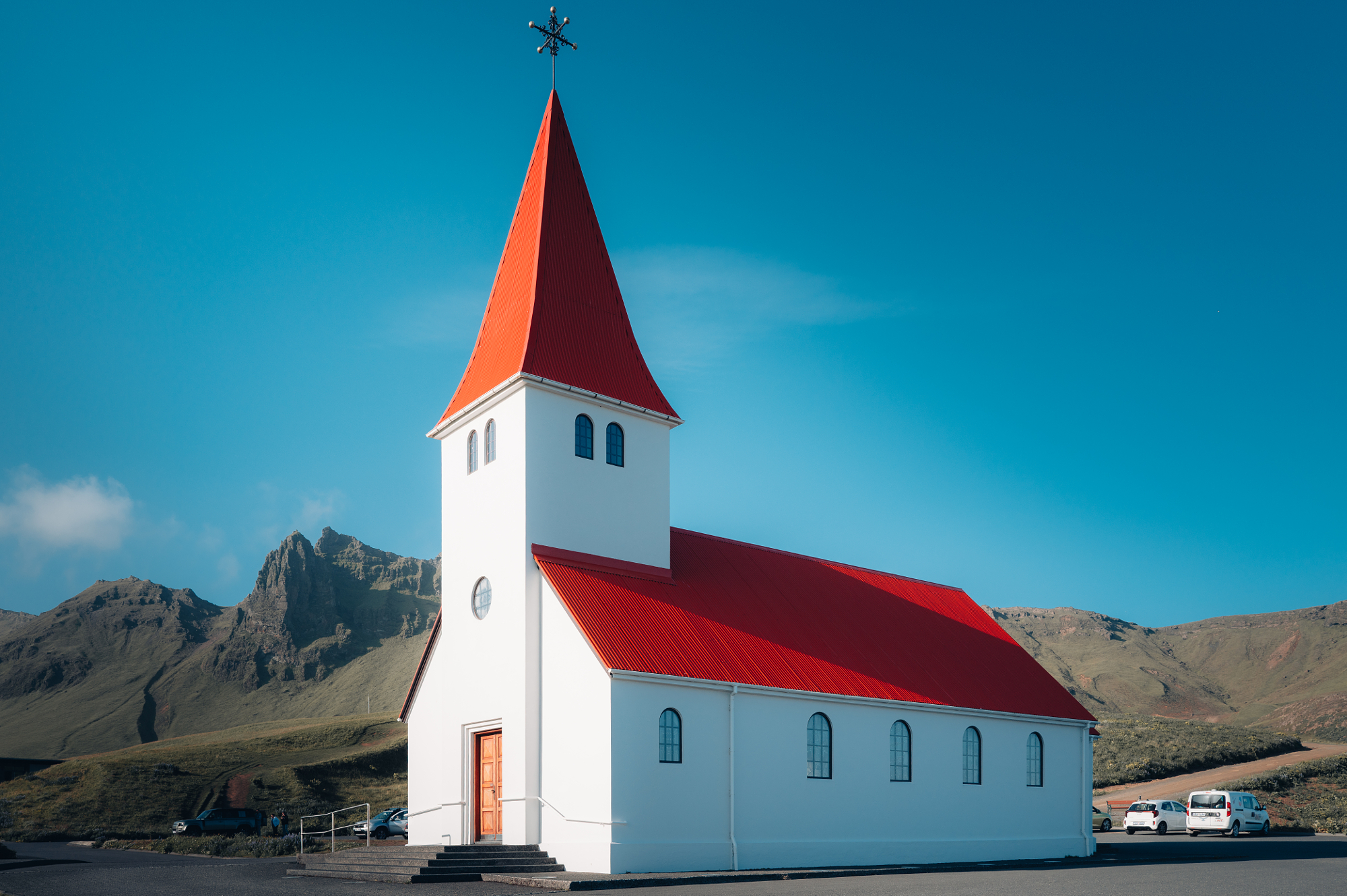
Your street photography avoids the typical grit of the genre, opting instead for harmony and soft light. How do you view your street work in comparison to your landscapes? Do you find yourself looking for different emotional cues when you move from the mountains to the city?
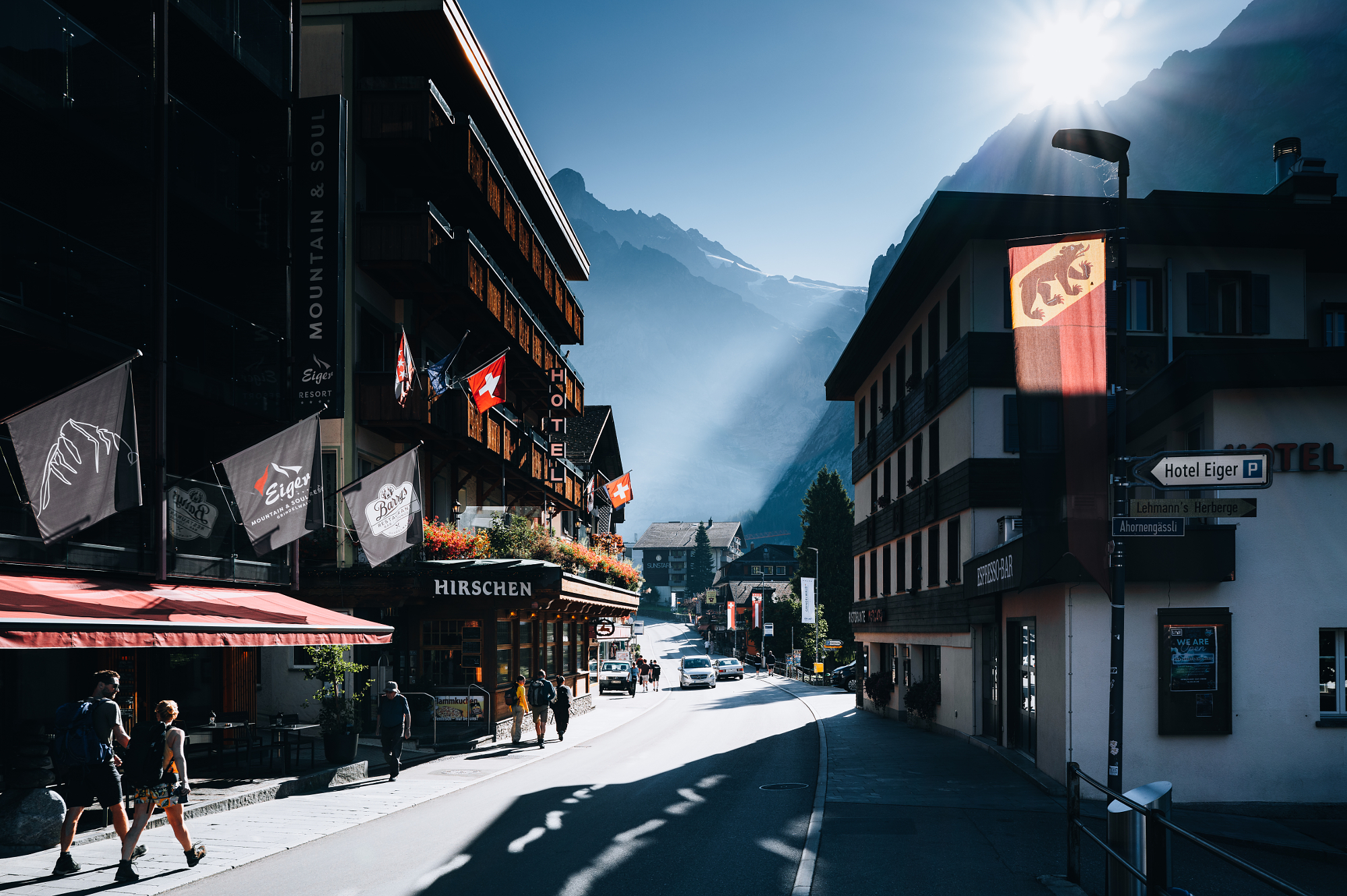
While on an urban shoot, capturing photos in cities, I find that the mood and emotion while taking the photo play a major role. I try to capture the city as if I were someone actually living in the city, viewing it as a local and not in a “touristic” way.
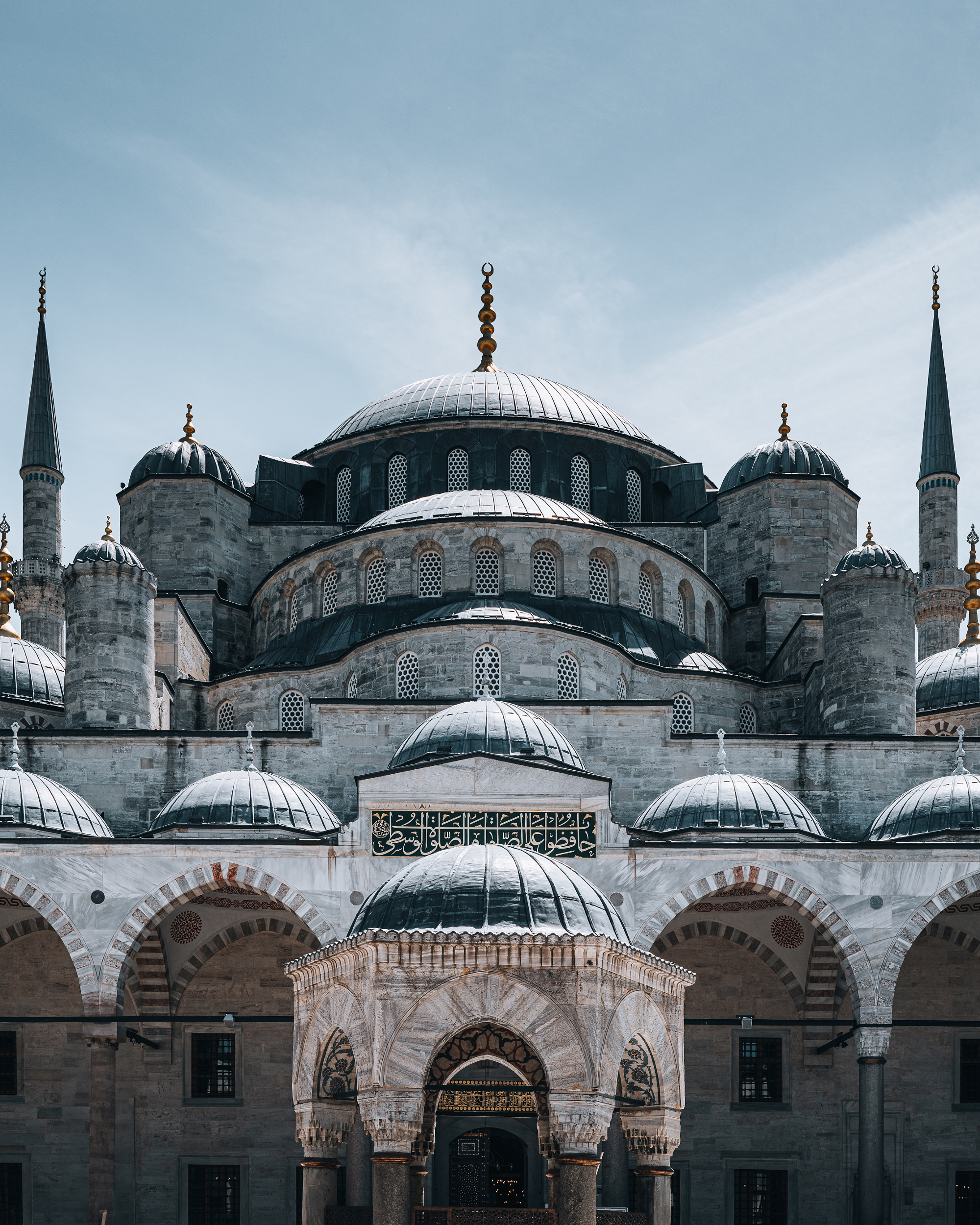
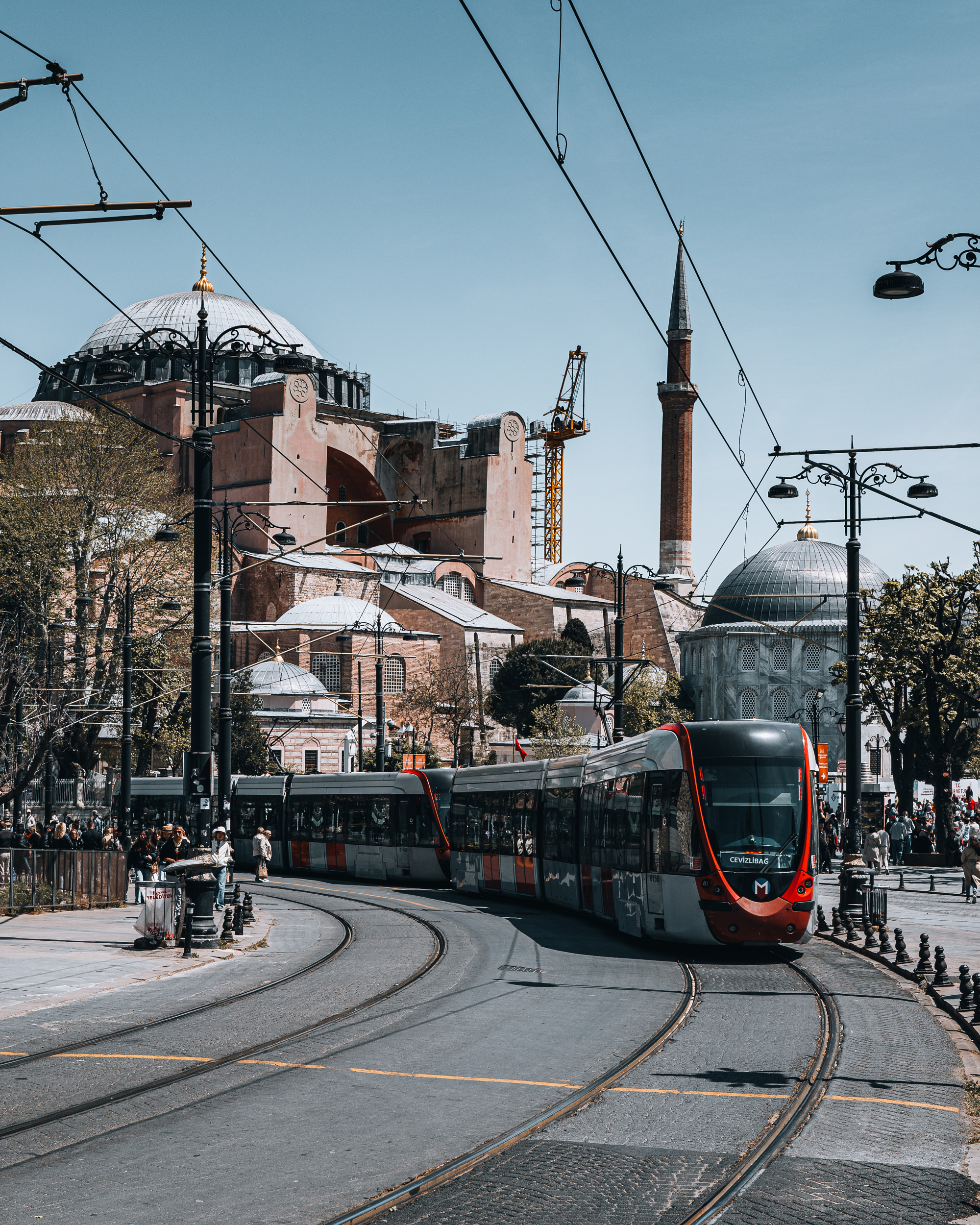
The wanderlust in your portfolio feels very intentional. Beyond the visual beauty of a location, what is the specific feeling or atmosphere you are trying to bottle up and bring home for your audience?
Solitude. In most of my photos, I try to capture the moment of a peaceful connection between the photographer and nature. I feel like that same connection will resonate with viewers once they see the final images.
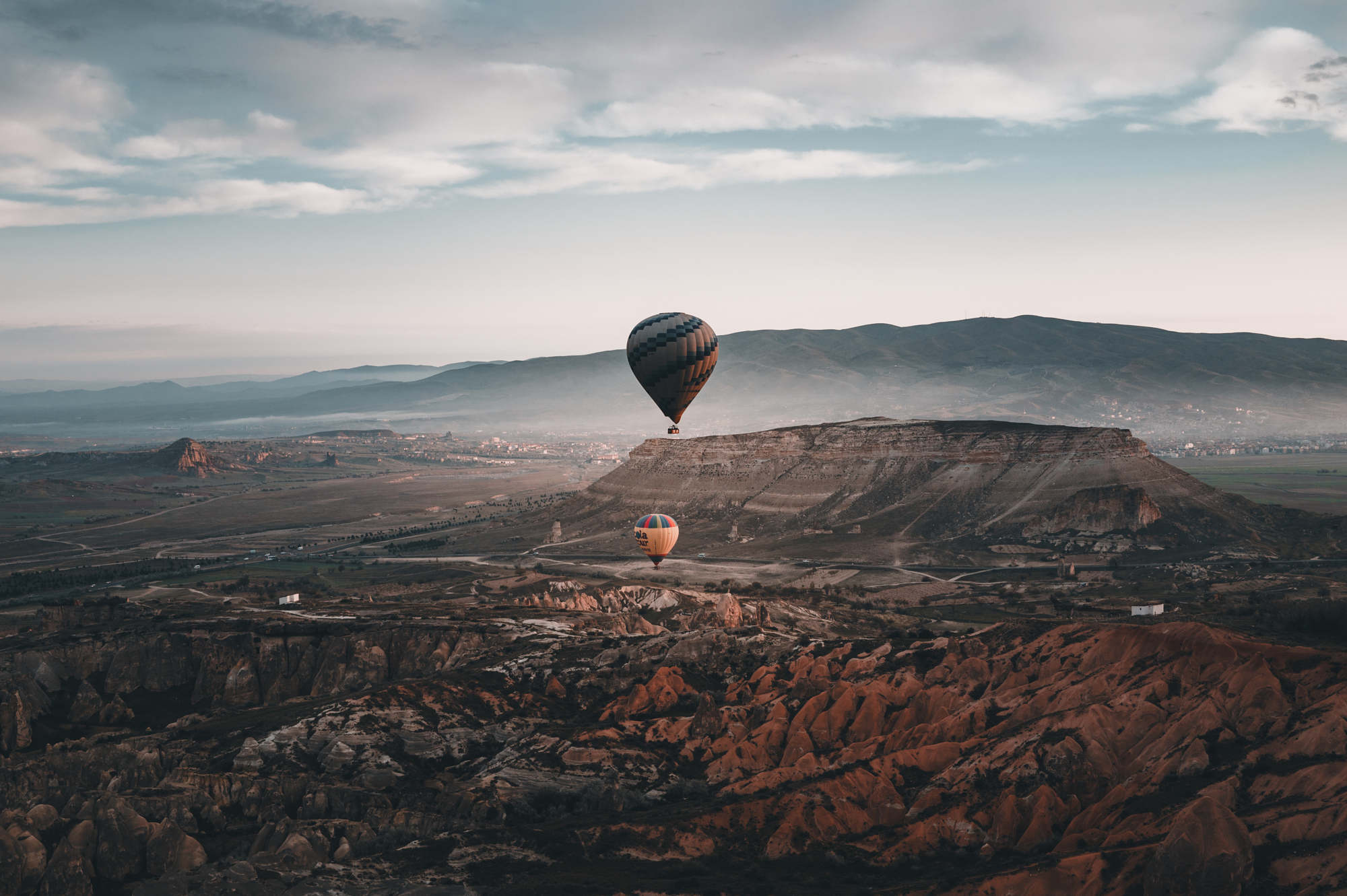
Many photographers struggle with the urge to over-edit, yet your work maintains a very natural, luminous quality. Can you walk us through your post-processing philosophy and how you ensure the final image retains the honesty of the original moment?
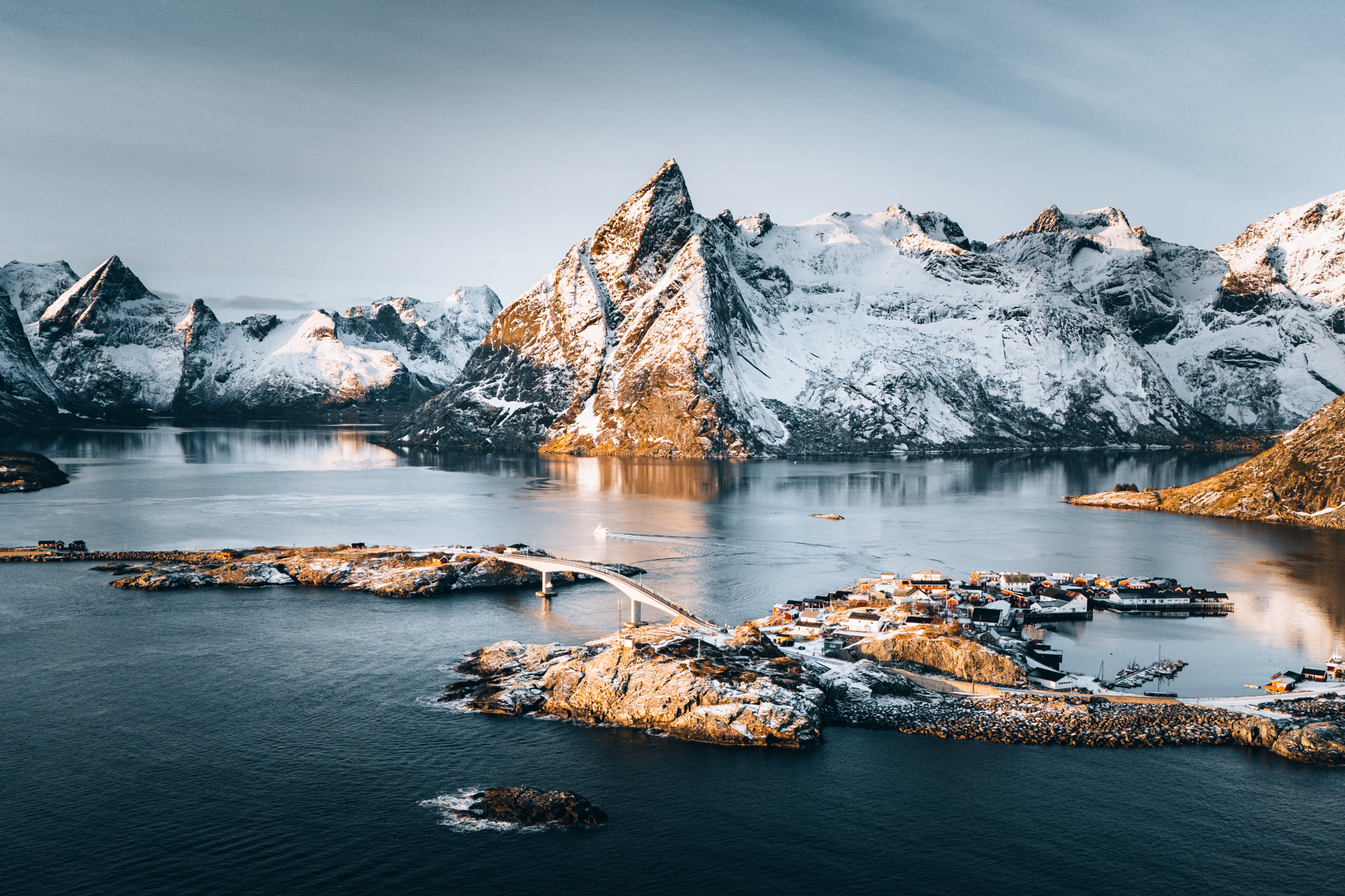
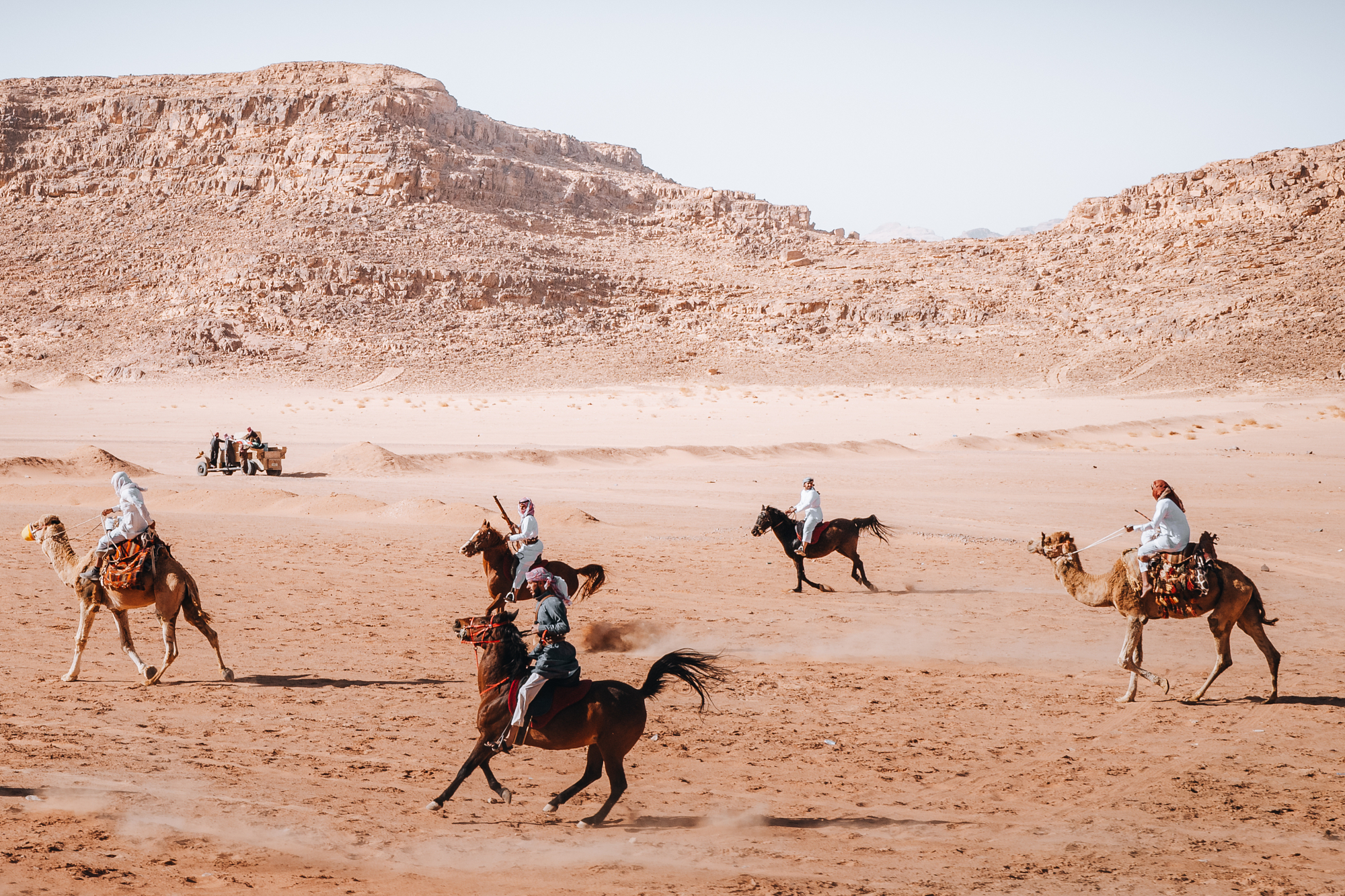
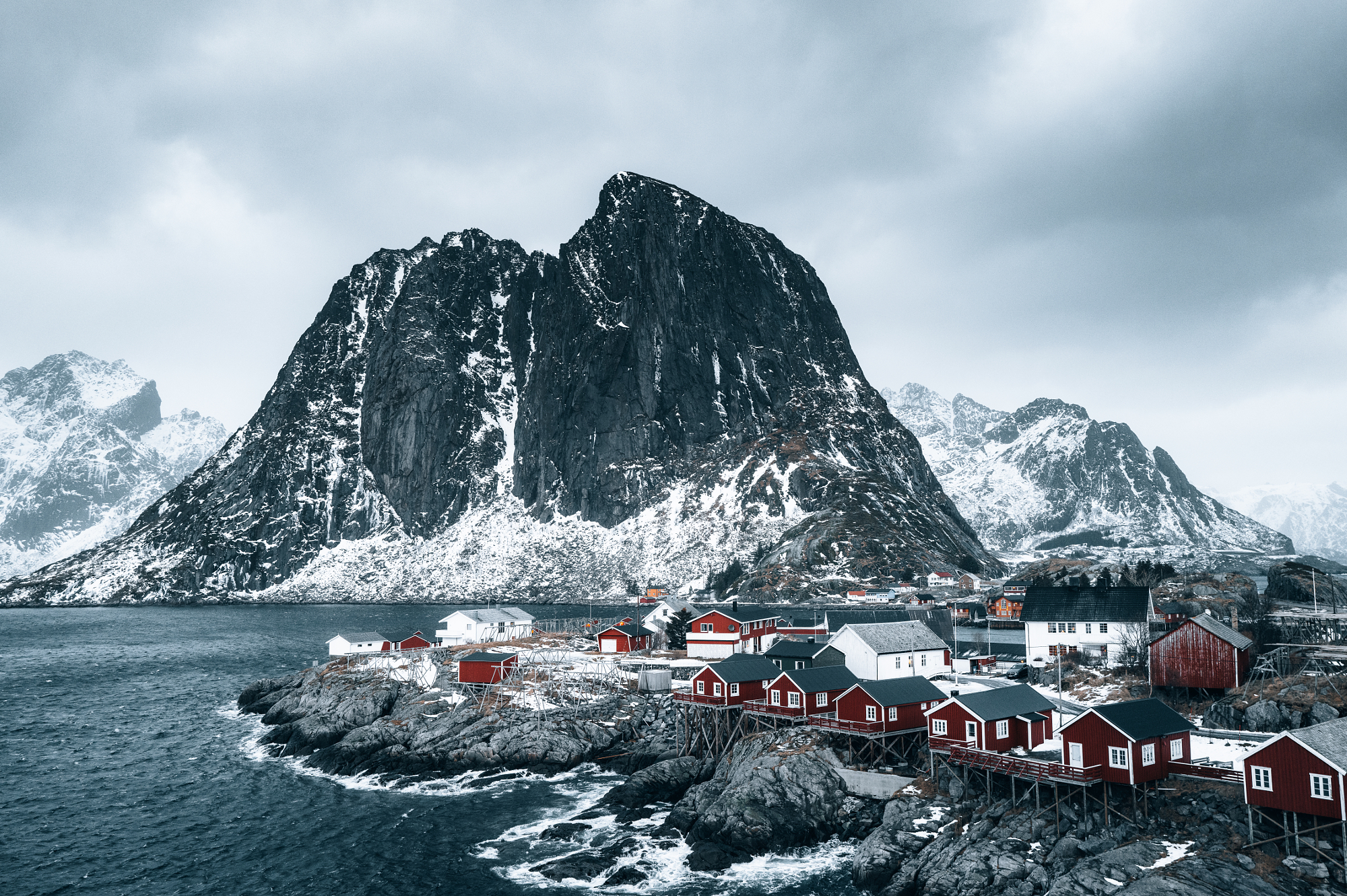
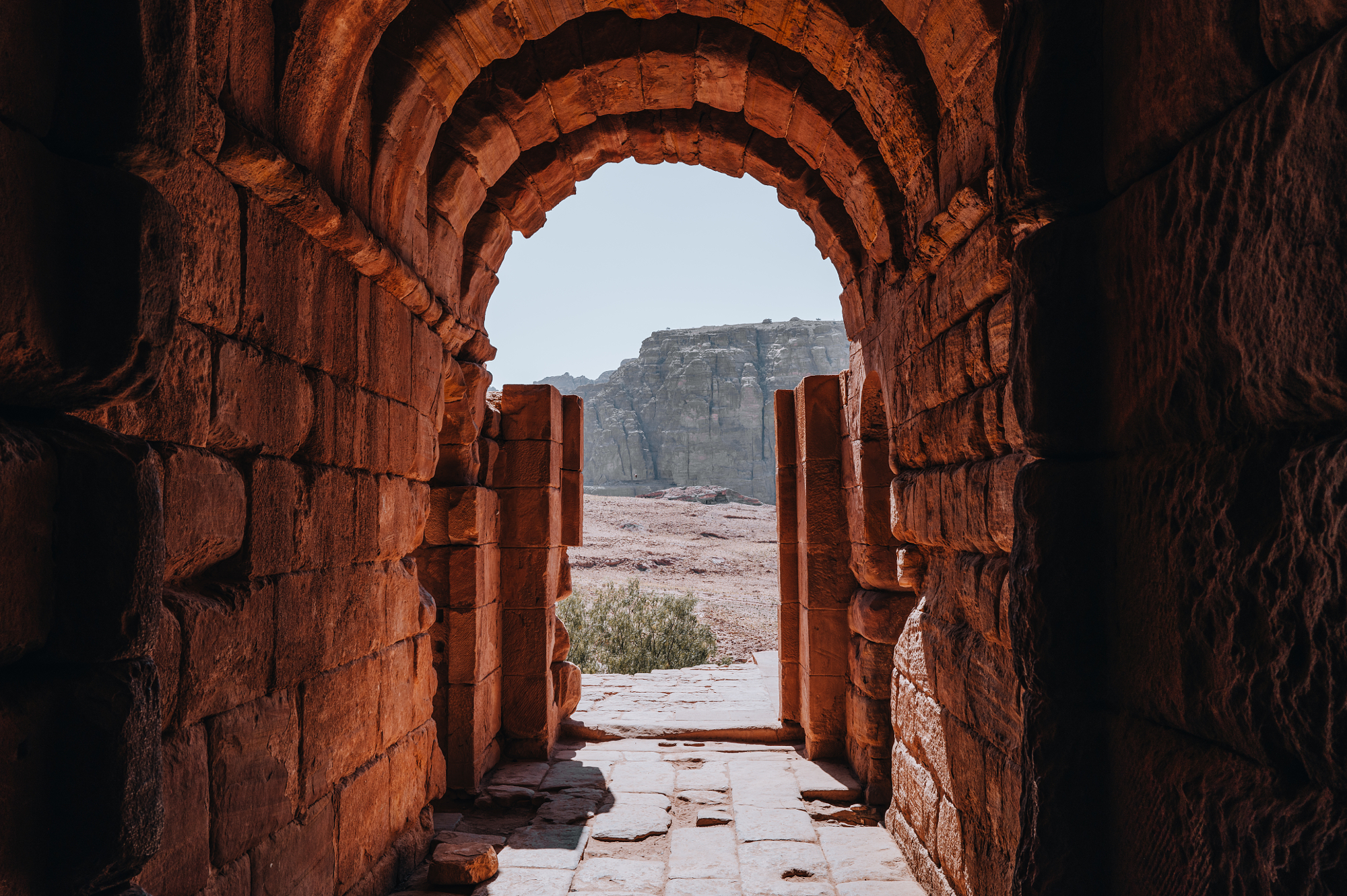
I take thousands of photos during each trip, so it is not possible to put too much time into editing that many photos. Personally, I feel like the key is adjusting the white balance and saturation to enhance the atmosphere of certain scenes (Norway in freezing winter, Jordanian hot desert, etc.). The purpose is to convey the temperature of the landscape as I remember it from the trip.
Your portfolio features stunning locations. Could you share some of your favorite places you’ve photographed? Is there a dream location still on your photography bucket list?
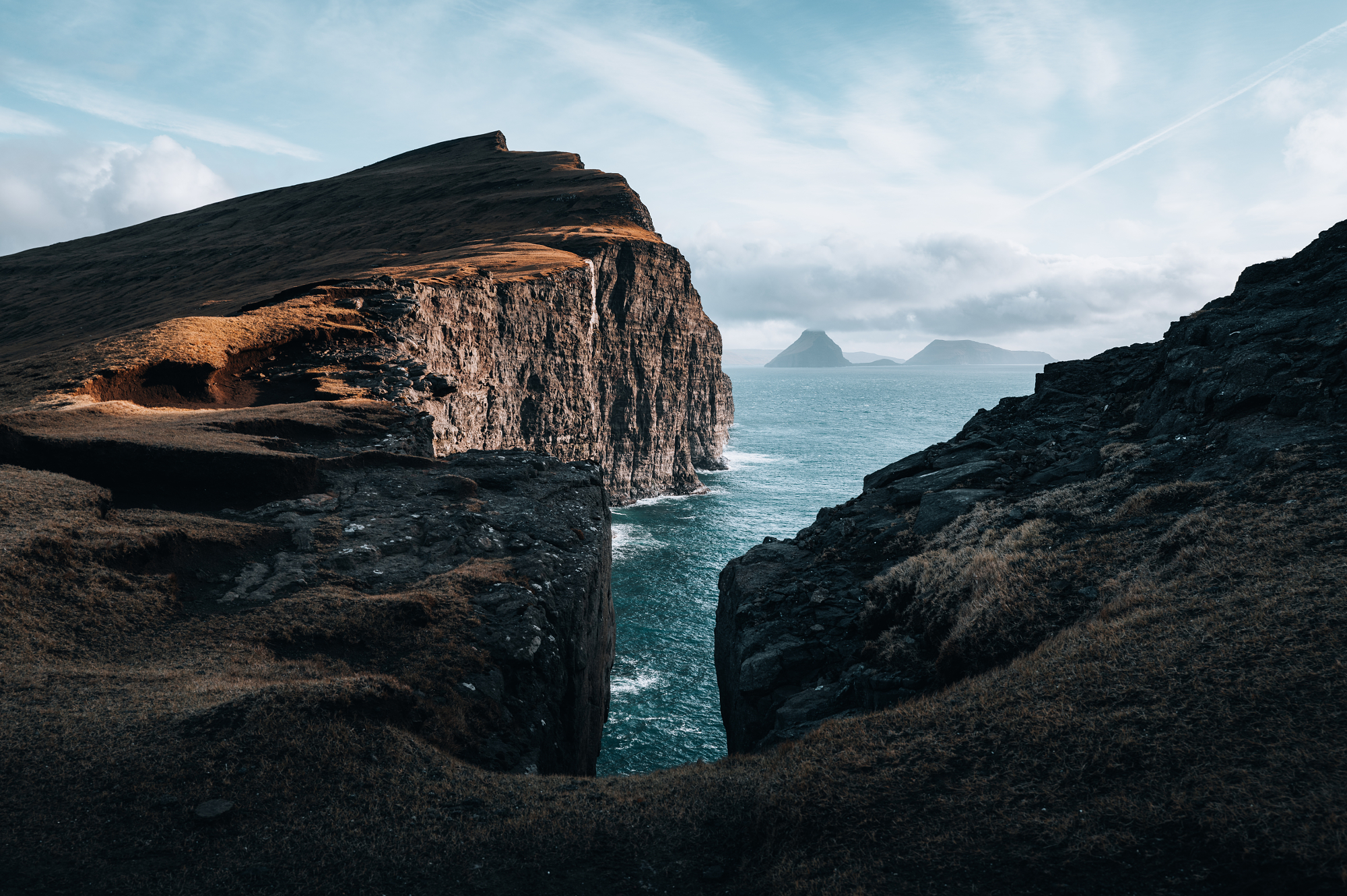
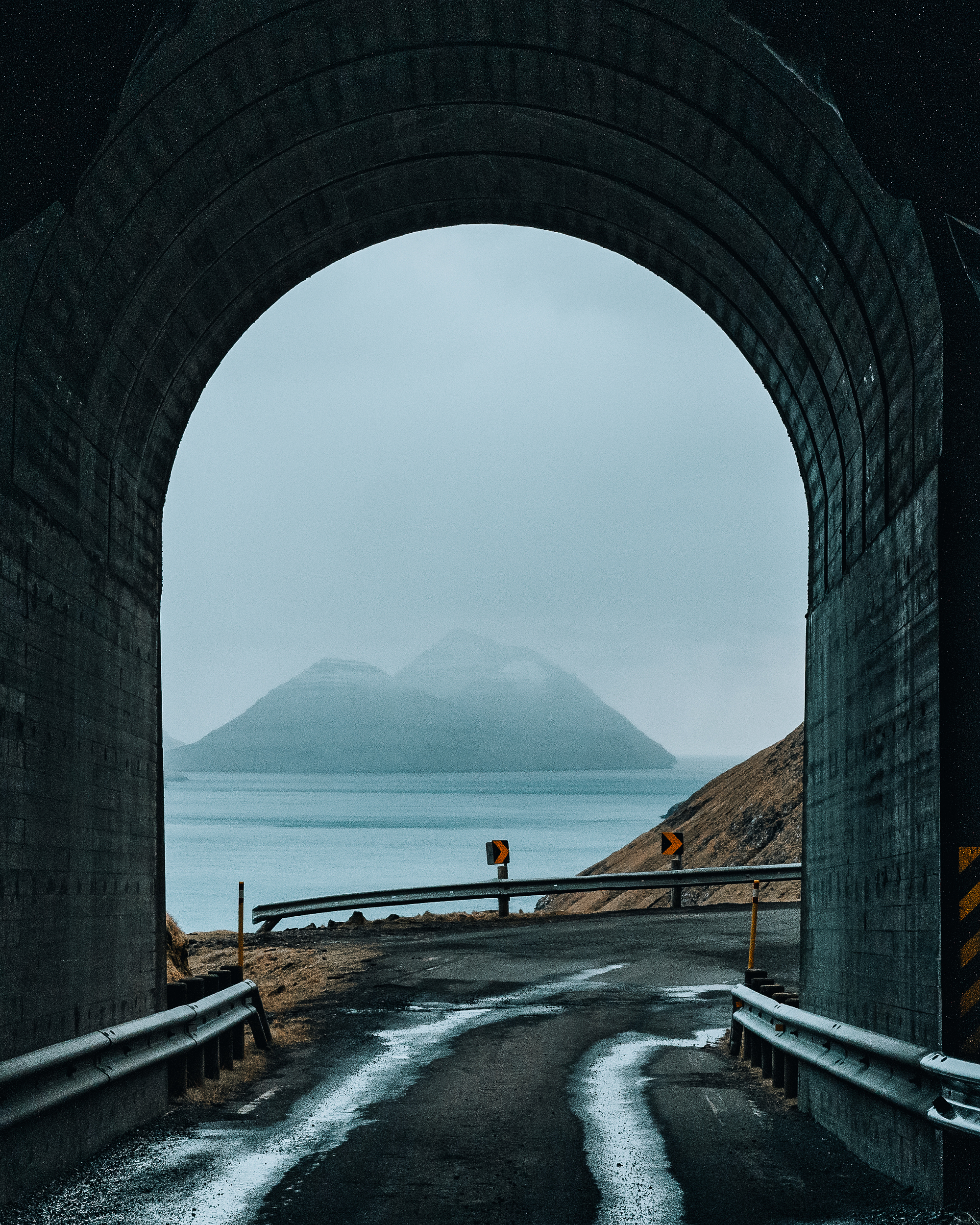
Thank you, with travel content, my aim is to use my photos to keep travel memories longer as well as motivate me for the next trip. Among places I have photographed, I would highly recommend the Faroe Islands and Norway, as they both present incredibly beautiful landscapes. For future destinations, I would look forward to visiting Canada one day.
Shooting while traveling can often feel like a race to capture as many photos as possible in a limited amount of time. How do you balance the pressure to “get the shot” with the experience of being present in a new culture?
For me, actual cultural experience is the priority. I find that I shoot to capture and preserve my travel experiences, not vice versa. Engaging with a location’s culture will also allow me to better see a location through the eyes of the locals, and allow me to see a place beyond the typical tourist spots.
We have a question from a previous featured photographer, Gz Miimaa, who asked, “Did you approach becoming a photographer with a clear strategy, something you were working towards, or do you feel it is more a result of circumstance and being in the right place at the right time?”
Good question from a fellow photographer! I would say that becoming a photographer is quite like a casual circumstance for me, and the actual travel and different experiences remain my focus. Though, as I have developed as a photographer, I take a lot more photos now, I sometimes will rearrange my travel schedules intentionally for certain shoots.
Leon, thank you again for joining us, do you have any upcoming trips or projects coming up that you would like to mention?
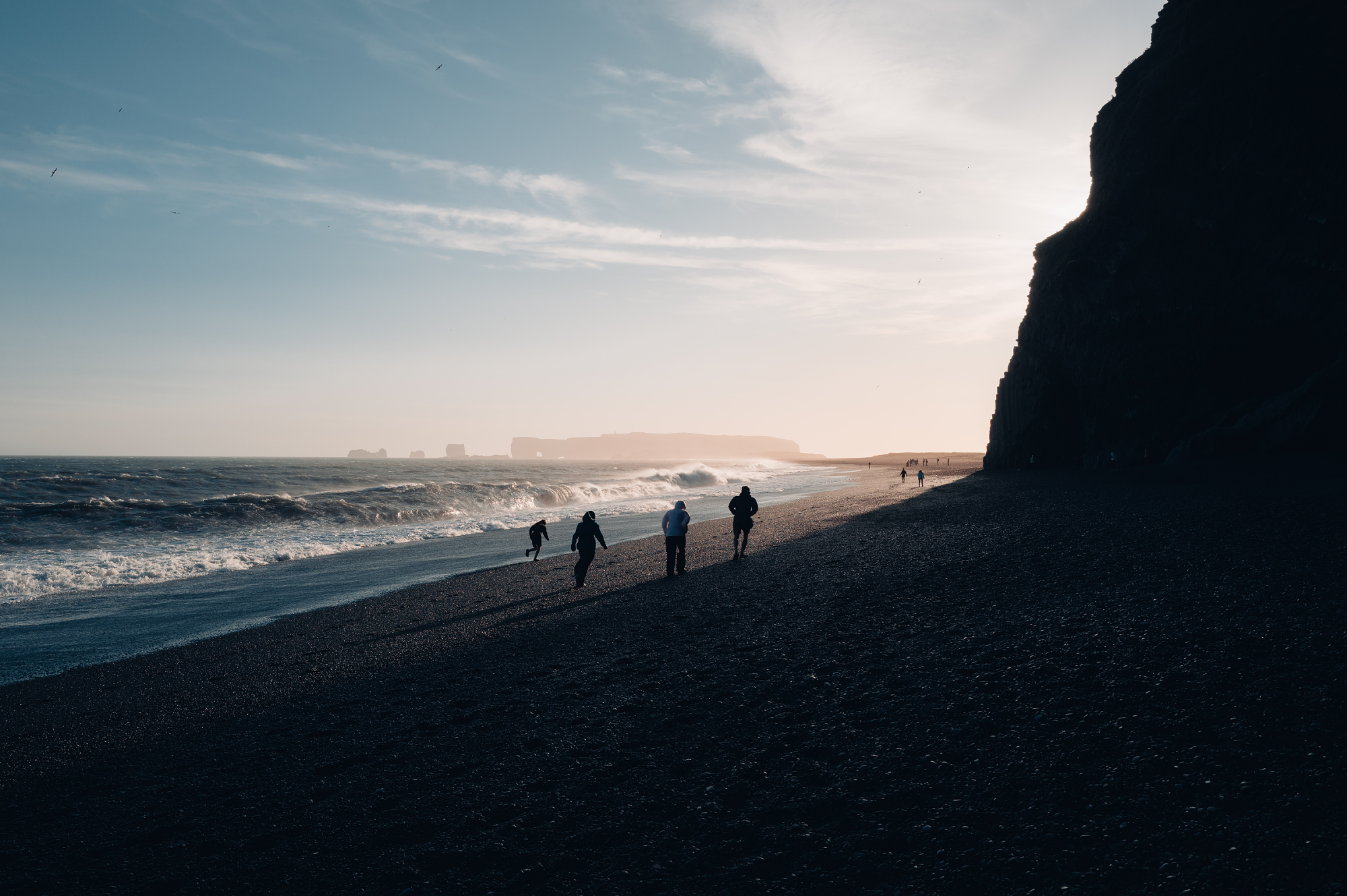
Currently, I am planning to visit Iceland for the third time. I’m excited to be traveling again and have another great opportunity to shoot beautiful landscapes and further enrich my portfolio!
As he continues exploring new destinations, Leon Eule remains focused on capturing quiet, meaningful moments through his lens.