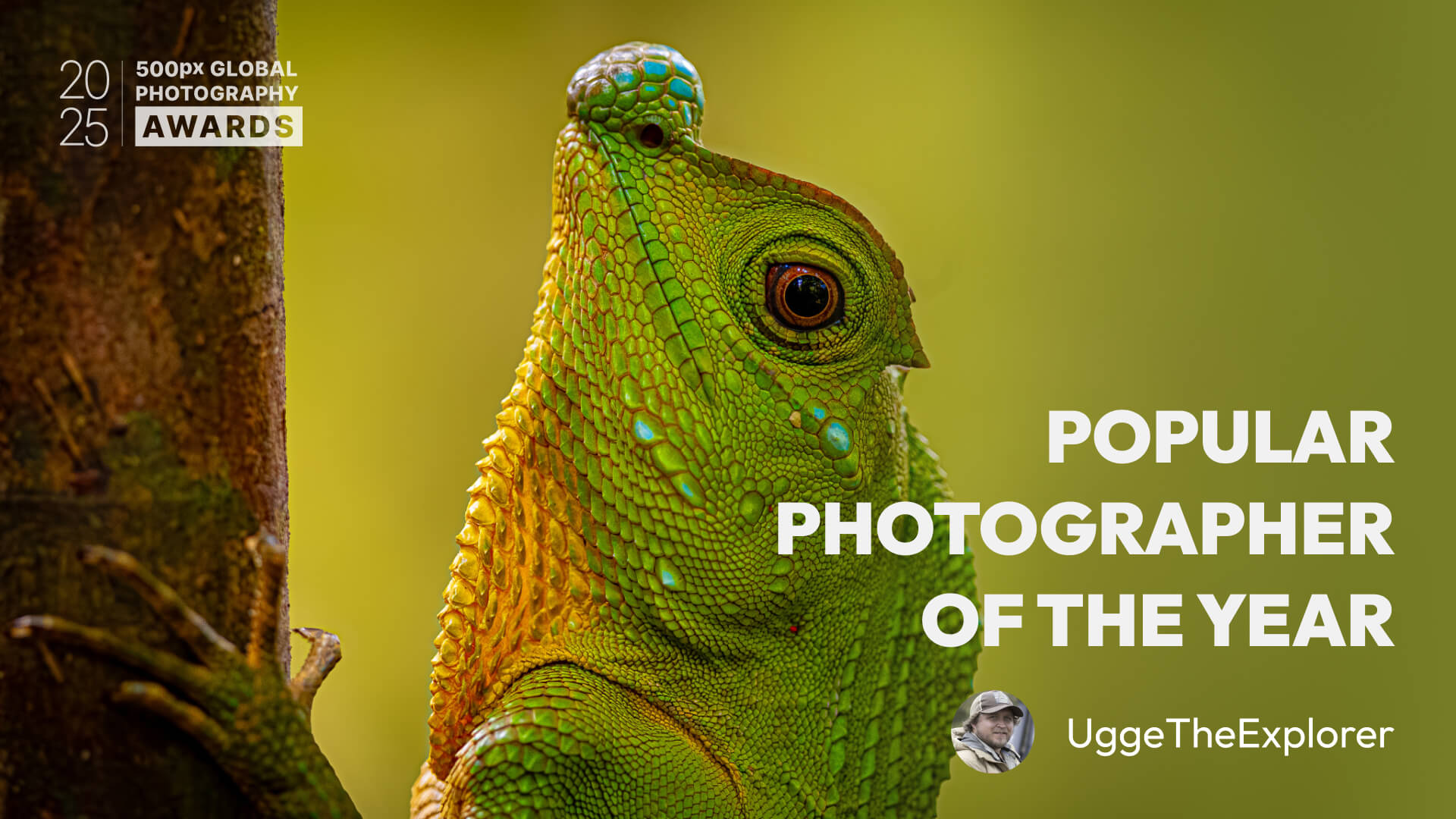
There is an undeniable magnetism in Emil Nygård’s work. Recently named 500px Popular Photographer of the Year 2025, Emil Nygård has captured the attention of the PULSEpx community with his intimate wildlife portraits. Whether trekking through the humid depths of a rainforest or scaling a jagged ridge, he manages to return with portraits that feel less like wildlife documentation and more like an intimate conversation. Recently named the 500px Popular Photographer of the Year 2025 by the PULSEpx community, Emil sits down with us to discuss the patience, the philosophy, and the singular moment that defined his year.
In this interview, Emil Nygård shares how curiosity, patience, and respect for wildlife shape the way he approaches photography.
The Wildlife Photography Journey of Emil Nygård
To start at the very beginning, what was the initial spark that led you to pick up a camera and dedicate your life to exploring the natural world?
I wouldn’t say I set out to dedicate my life to photography. I’m still very much a happy amateur with a regular job and a deep curiosity about the world, but I’ve always been fascinated by animals. As a child, I could spend hours watching documentaries on Animal Planet, listening to David Attenborough narrate stories from places that felt almost mythical. Africa, in particular, stayed with me. Long before photography entered the picture, I dreamed of experiencing those landscapes and wildlife encounters for myself.
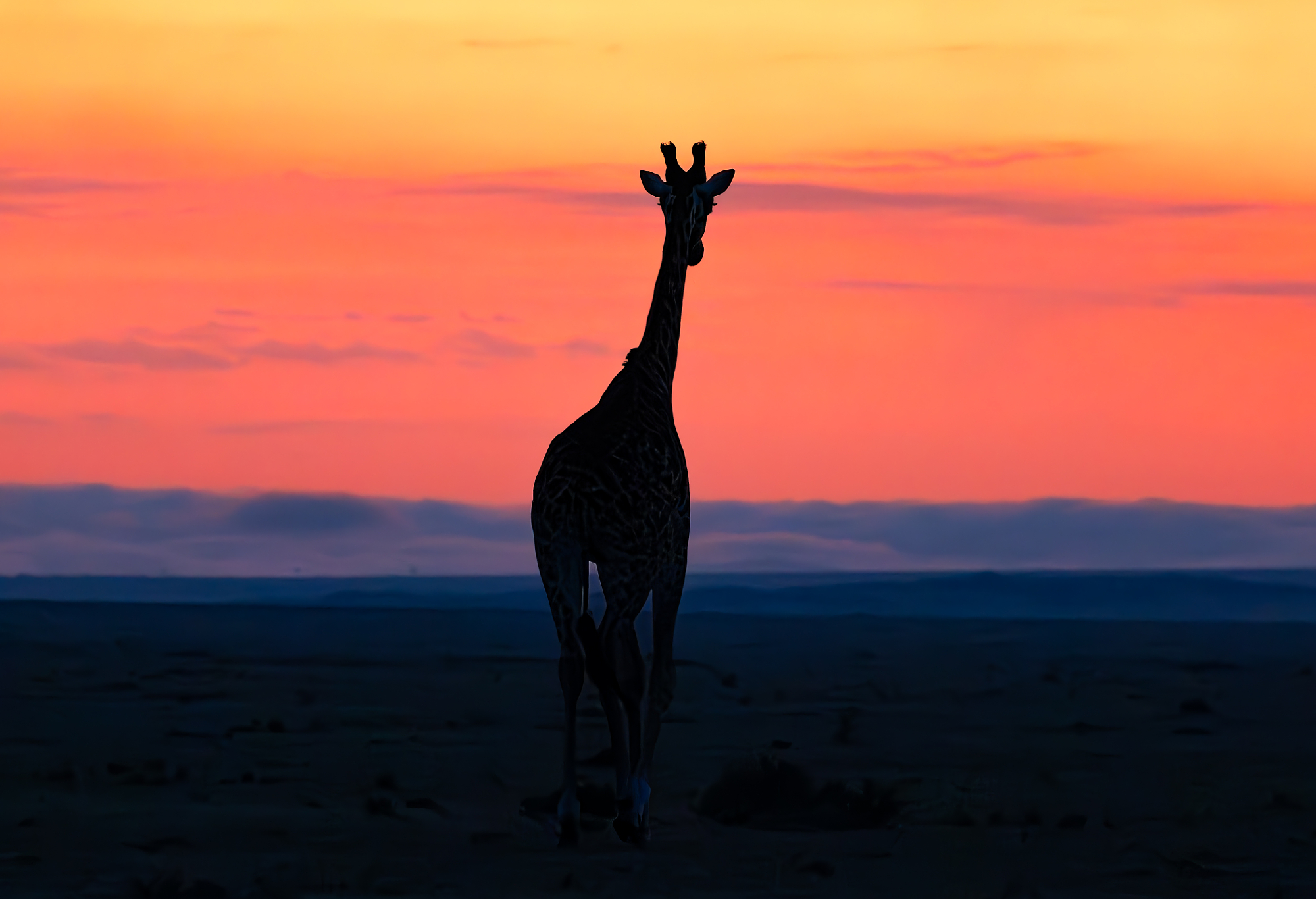
In August 2024, I went on my first dedicated safari in Tanzania. Before the trip, I made a conscious decision to buy my first serious camera, a Canon EOS R8. I wanted to do the experience justice. I didn’t expect it to change anything profoundly, but somewhere between the dust, the silence, and the wildlife moving freely across the savannah, something shifted. I was completely hooked.
When I returned home to Norway, I invested further, upgrading to a Canon EOS R3 and a Canon RF 100–500mm lens, not because I suddenly saw myself as a professional, but because I wanted to keep improving. I still do. Each journey is an opportunity to observe more carefully and hopefully become just a little better than I was before.
I feel incredibly fortunate to have the opportunity to travel. That’s not something I take for granted. A big part of why I share my images and write about my journeys is that I know not everyone has the same chance to stand in those places. If someone can feel like they are part of the experience through my work, even briefly, then it feels meaningful beyond myself.
Africa strengthened a dream that had been there for years. Photography simply became the way I chose to live it.
Your portfolio has a distinct sense of atmosphere that feels cinematic. How much of your style is a result of your technical environment versus your own internal creative intuition?
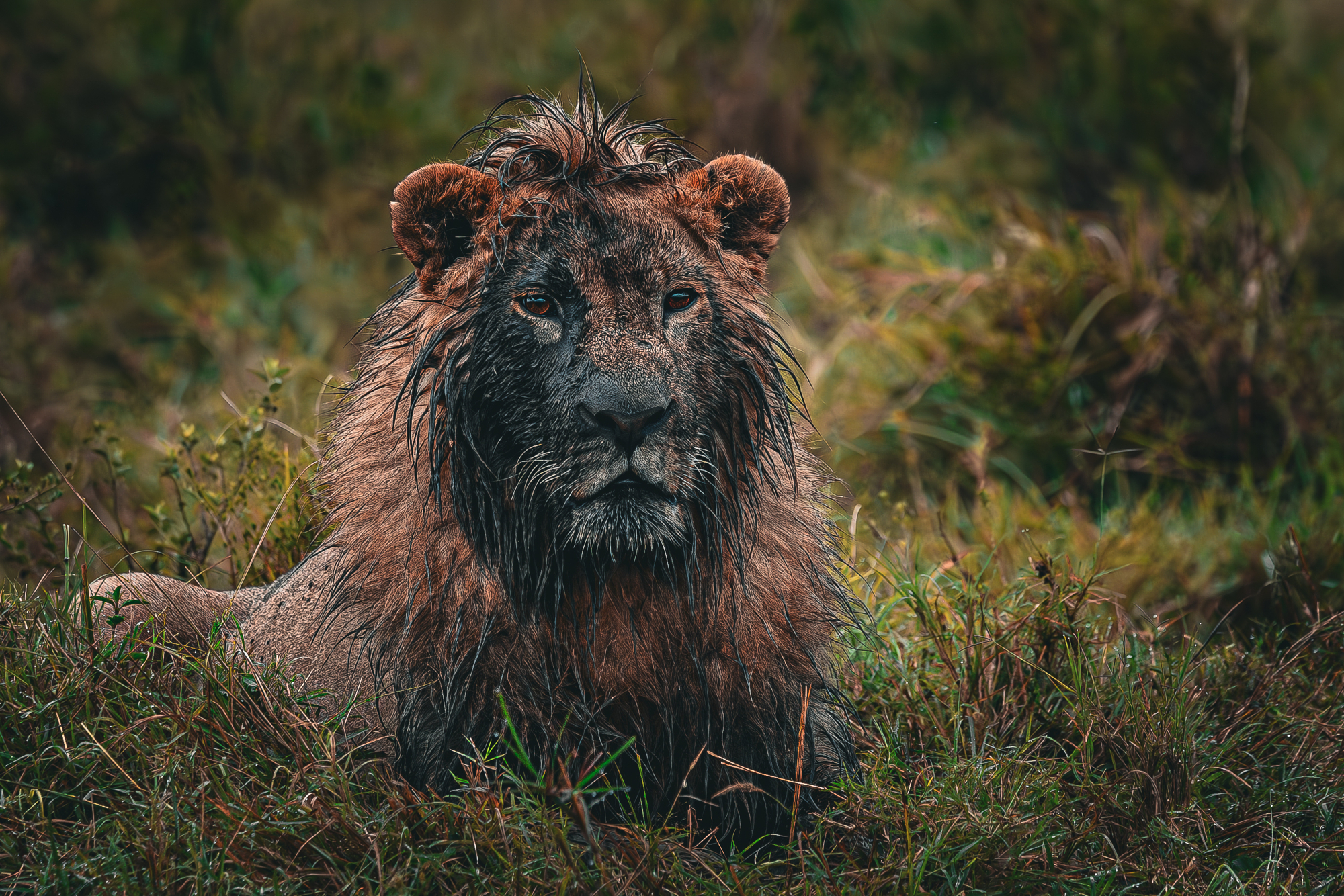
I didn’t consciously set out to create something cinematic, but I take that as a huge compliment. The environment definitely plays a role. When you’re standing in golden African light or surrounded by deep jungle shadows, there’s already a natural drama in the scene. Good equipment helps me capture the detail and depth I see in front of me, but I don’t believe gear alone creates atmosphere.
A big part of it is how the moment feels. When I edit my images, I lean into that feeling. I’ll often adjust tones, contrast, and light to enhance the mood I experienced when I was there. I’m not trying to change reality; I’m trying to translate it. I want the viewer to sense what it felt like to stand in that exact place.
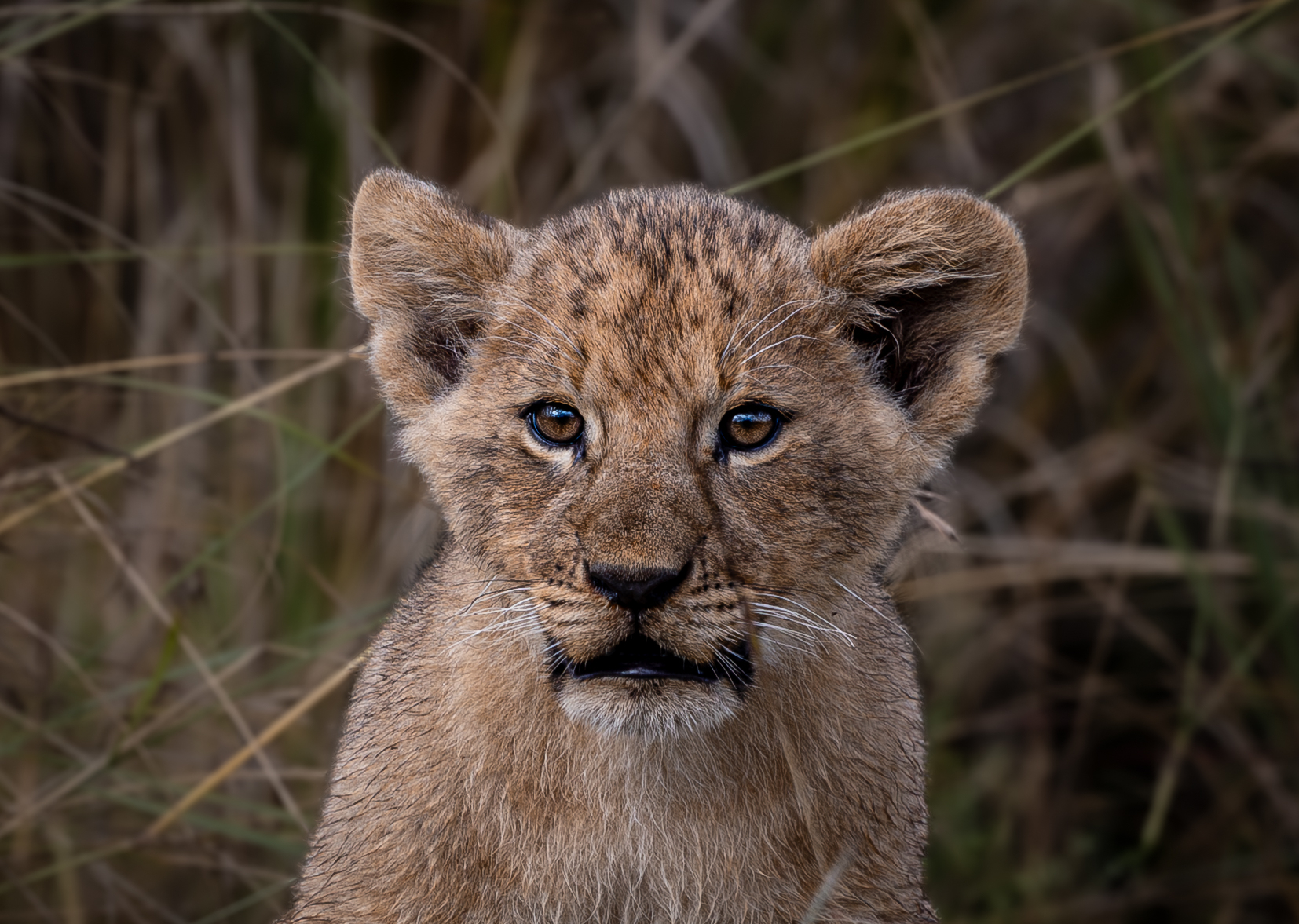
What people describe as “cinematic” may simply be my attempt to slow the image down, to create tension in a gaze, to let shadows breathe, and to give the subject space within the frame. I’m still learning and experimenting. My style isn’t something I engineered; it’s something that’s gradually forming as I continue to explore both the world and my own way of seeing it.
When we look at your winning photograph of the lizard, the detail is staggering, but it is the personality in the eye that truly captivates. Can you walk us through the day you captured this shot and what was going through your mind in that specific moment?
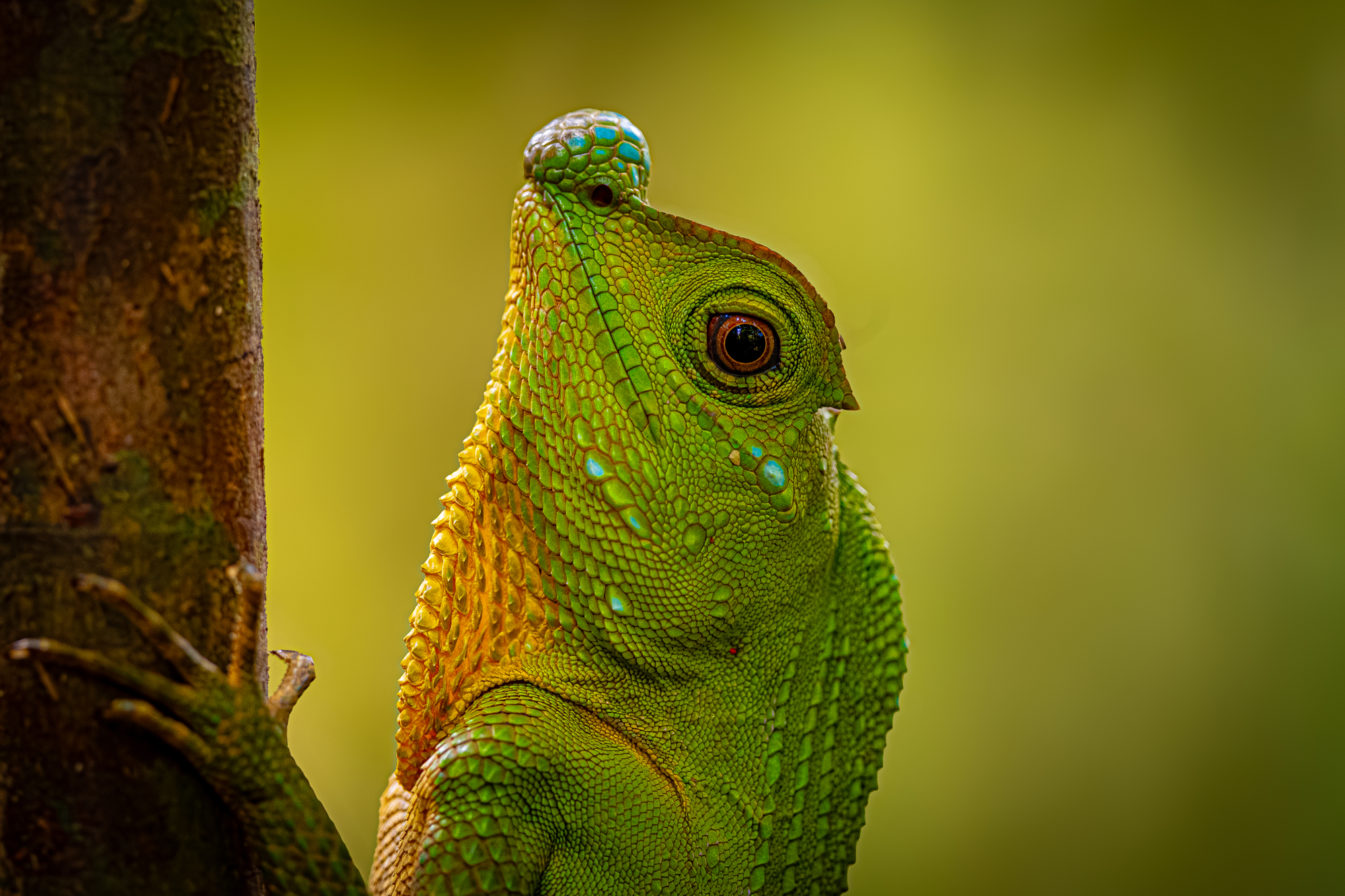
The photograph was taken in Sinharaja Forest Reserve in Sri Lanka during sunrise. It had already been an eventful morning, to put it mildly, but by the time I stepped into the rainforest, everything felt still again. The forest was dense, humid, and alive with sound. Soft morning light filtered through the canopy, creating pockets of shadow and glow. When I first spotted the lizard clinging to a tree trunk, I was immediately drawn to its eye. There was something alert, almost curious, in its expression.
I didn’t wait for hours, but it wasn’t easy either. I had a specific vision for the background, a smooth, natural blur that would isolate the subject and create depth. As I carefully repositioned myself, the lizard kept moving around the trunk, almost as if we were circling each other. It became a quiet negotiation. I stayed calm and patient, conscious that I was a guest in its world.
For about thirty minutes, I adjusted my position inch by inch, trying not to disturb the moment.
Then it happened: the lizard paused, the background aligned, the light softened, and I took a short burst of frames.
When I looked down at the back of my camera, I remember thinking, “Yes, this is the one.” Outwardly, I try to remain composed. Inside, there’s always adrenaline. Not because I’ve “won” something, but because for a split second everything aligns: subject, light, timing, and feeling. That moment of alignment is what I keep chasing.
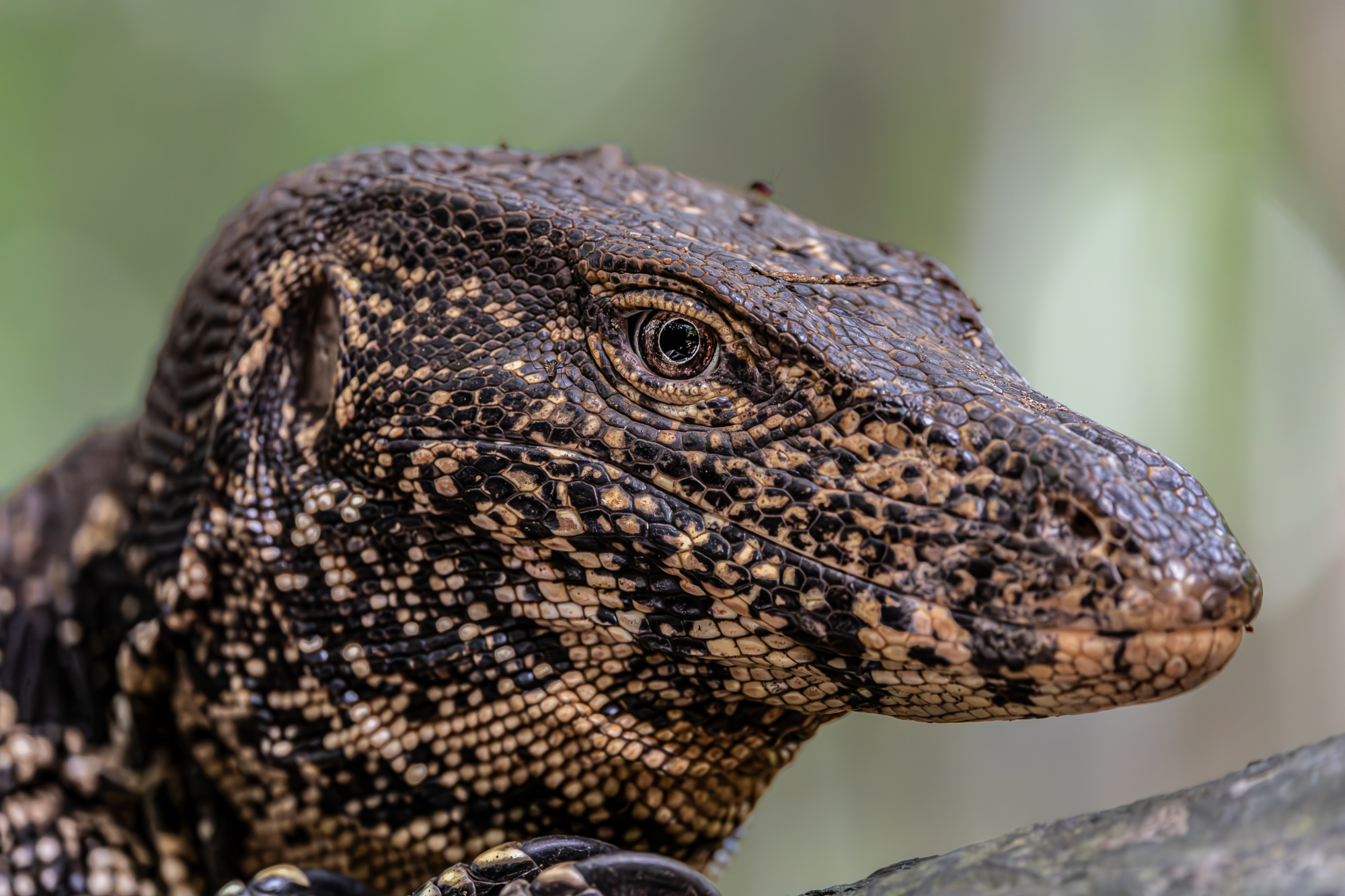
Many photographers focus on the vastness of a landscape, but you often zoom in on the textures and the micro-details. What draws you to the smaller, often overlooked stories of the wild?
The vastness of nature is breathtaking, but I’ve always found myself drawn to the smaller details within it. A wide landscape can show scale and beauty, but when I zoom in on an eye, a texture, or a pattern in the skin or feathers, the experience becomes more personal. It stops being “wildlife” in a general sense and becomes an individual presence.
When you spend minutes, hours, or sometimes even days observing an animal, you start to notice something interesting: each individual has its own personality. Some are cautious. Some are bold. Some are curious. That’s what fascinates me. I find it both meaningful and fun to try to capture that personality in a single frame.
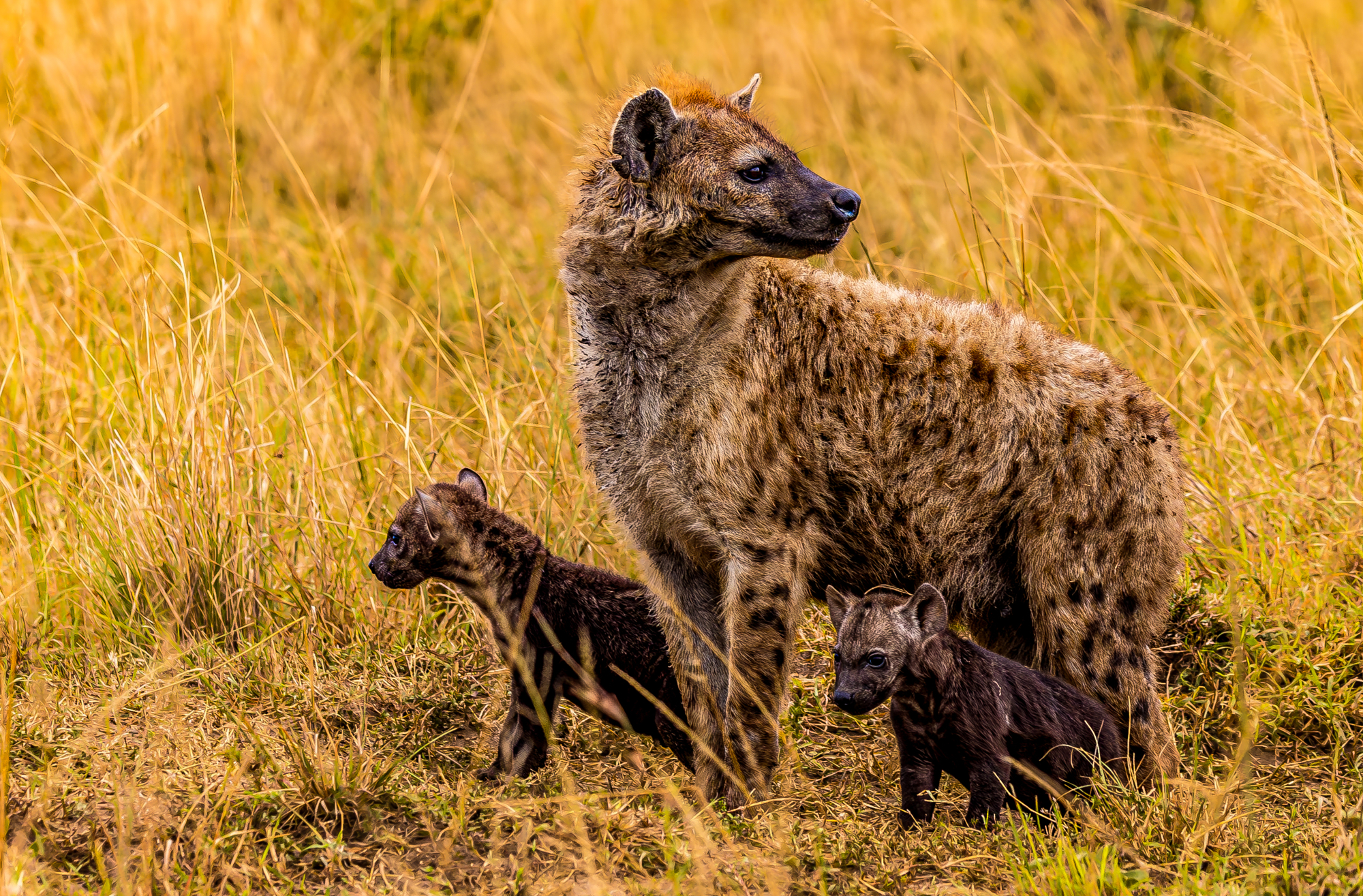
For me, photography isn’t just about documenting that an animal was there. It’s about showing something of who it is, even if that “who” is subtle. A tilt of the head, a tension in the gaze, the way it holds its ground.
There’s also something humbling about focusing on what is often overlooked. In a world that constantly pushes us to look at the biggest and most dramatic scenes, I find myself asking, “What happens if we look closer?” Sometimes the smallest detail reveals the strongest character.
How has your perspective on the relationship between humans and nature changed after years of spending so much time in the wild with your subjects?
I wouldn’t claim to have too much experience in isolation, but even in the relatively short time I’ve been traveling and photographing wildlife, my perspective has deepened. Spending time in nature, especially in places where you are clearly the outsider, makes you aware of how small you really are. The forest, the savannah, the rainforest… they function perfectly well without us.
We are visitors—temporary ones.
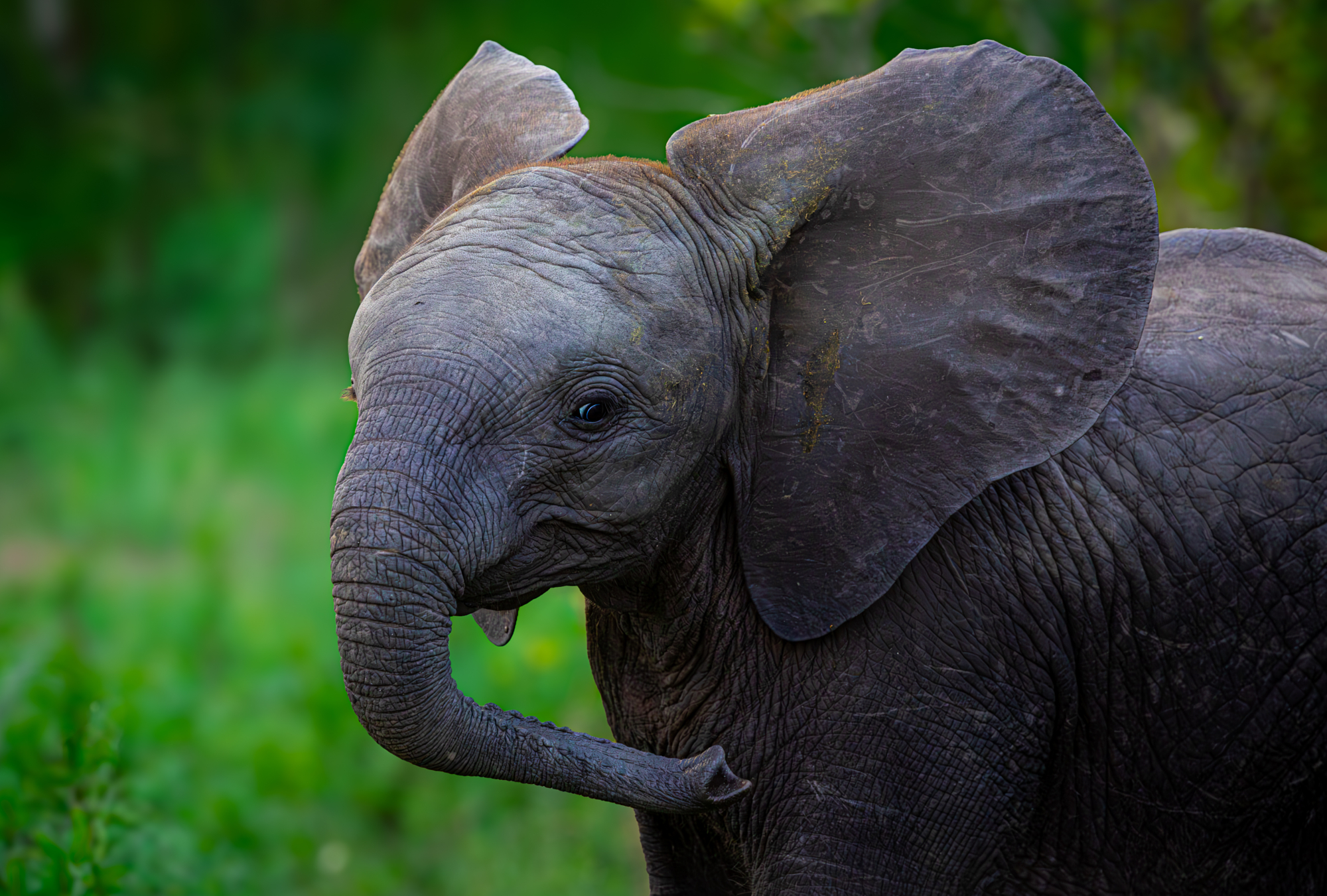
Concern for the balance between humans and nature is something I cared about even before I picked up a camera. But photography has made it more tangible. When you sit quietly and observe wildlife up close, it becomes impossible not to think about how fragile that balance can be. It’s also something I often discuss with local guides and communities wherever I travel. No matter where I am in the world, the message tends to be similar: humans are expanding, and wildlife is losing space. I’ve also witnessed situations where visitors push too close, chasing the “perfect shot” without considering the stress it places on the animal. Guides frequently speak about this challenge.
For me, no image is worth compromising an animal’s well-being. Ethical conservation and respect must always come first. A photograph should never be taken at any cost. I believe coexistence is possible, but it requires humility and restraint. We depend on animals and nature for our survival. They do not depend on us in the same way. Photography hasn’t created that belief in me, but it has strengthened it. It has made responsibility feel personal.
Every great artist has a mentor or a muse. Who are the figures, either in photography or perhaps in literature and film, that have most heavily influenced the way you frame a shot?
I wouldn’t say I’ve had a single mentor in the traditional sense, but there are definitely people who have influenced the way I see and frame the world.
Like many wildlife enthusiasts, I grew up inspired by natural history documentaries and David Attenborough. Those early impressions shaped how I think about atmosphere and narrative, not just capturing what an animal looks like, but conveying how a moment feels.
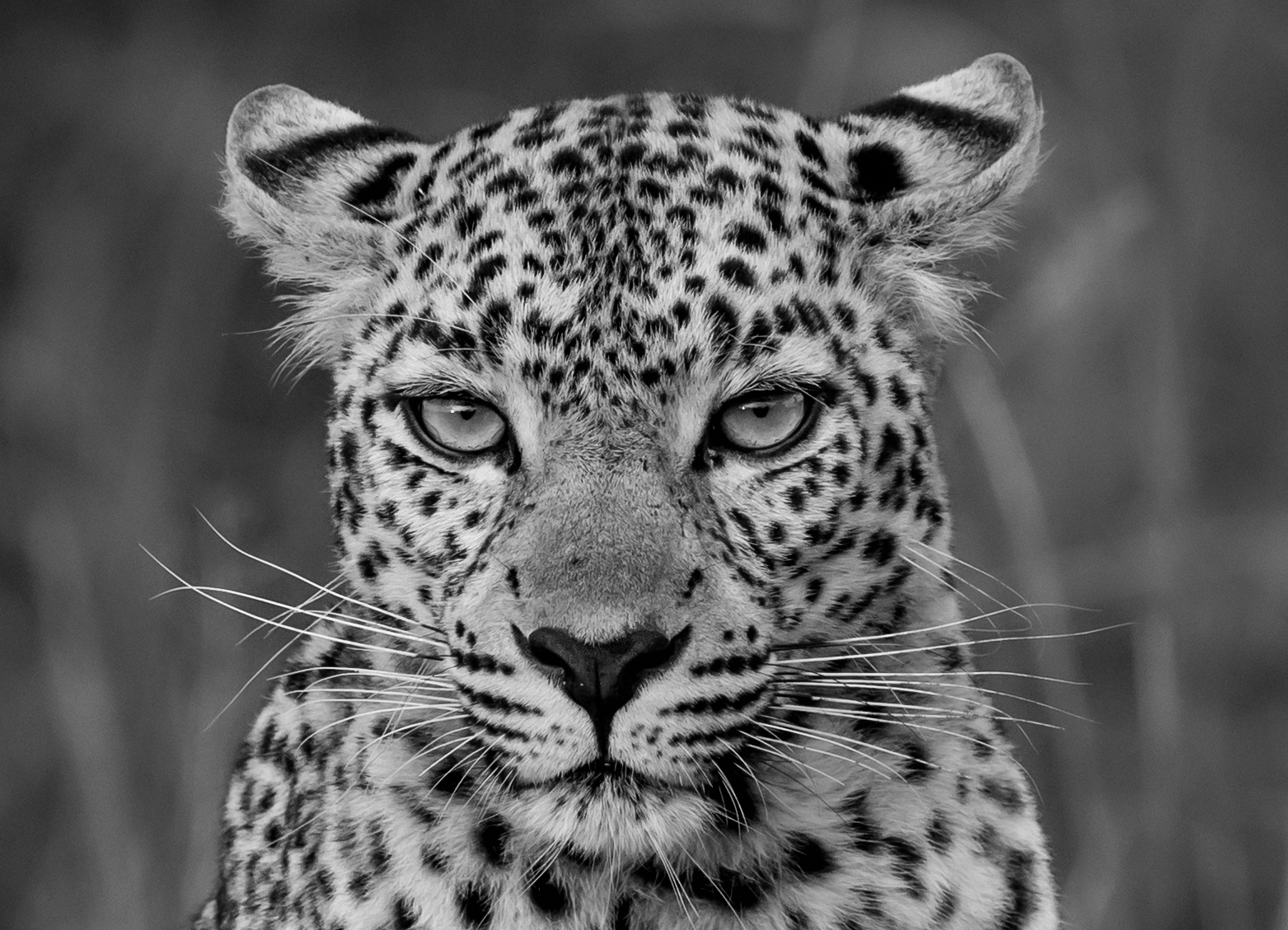
Last summer in the Maasai Mara, Kenya, I had the privilege of meeting Mario Moreno, a 500px Ambassador, and that experience became a turning point for me. He was actually the one who introduced me to 500px in the first place.
Beyond his extraordinary talent, what struck me most was his generosity. He openly shared his knowledge and offered subtle but powerful insights into patience, composition, and respecting the rhythm of wildlife. Watching the way he worked in the field, calm, observant, and deeply respectful, reinforced many of the values I try to carry into my own photography.
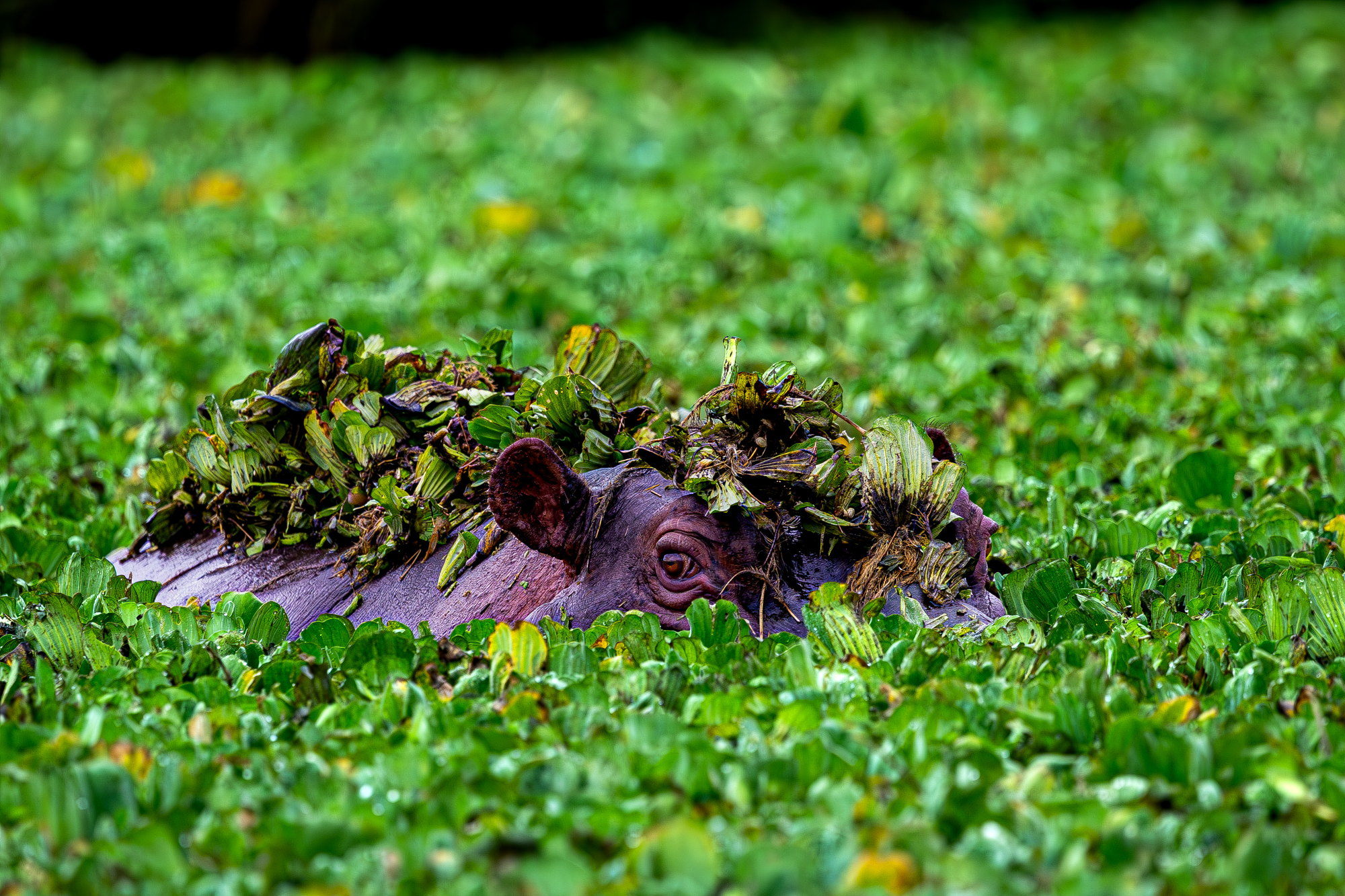
More broadly, I’ve been inspired by photographers who are willing to share what they know. In wildlife photography, especially, I’ve experienced a community that genuinely wants others to grow and succeed. That spirit of generosity has shaped not only how I frame a shot, but how I approach the journey itself.
Being voted Popular Photographer of the Year by the PULSEpx community is a significant honor. How do you balance the desire to create art for yourself with the reality of sharing it with a global digital audience?
Being voted Popular Photographer of the Year came as a very big surprise. I never started photography with awards or recognition in mind, so to receive that kind of support from the community was honestly overwhelming.
I’m still the same person who picked up a camera in 2024 out of curiosity and a lifelong fascination with wildlife. Photography started, and continues, as something deeply personal. It’s about the experience, the quiet focus, and the challenge of improving little by little. At the same time, it’s incredibly rewarding to see that a global audience connects with what I create. Knowing that people from different parts of the world respond to these moments means a lot to me. I don’t take that lightly.
Of course, when you share work online, there’s always an awareness of the audience. But I try not to let that dictate what I photograph. The images that matter most to me are the ones that felt meaningful when I pressed the shutter, not the ones I think might perform best. While I am grateful for the award and recognition, it doesn’t change why I do this. I still create because I love the process, the learning, and the feeling of standing quietly in nature with a camera in my hands, surrounded by wildlife and the quiet rhythm of the natural world.
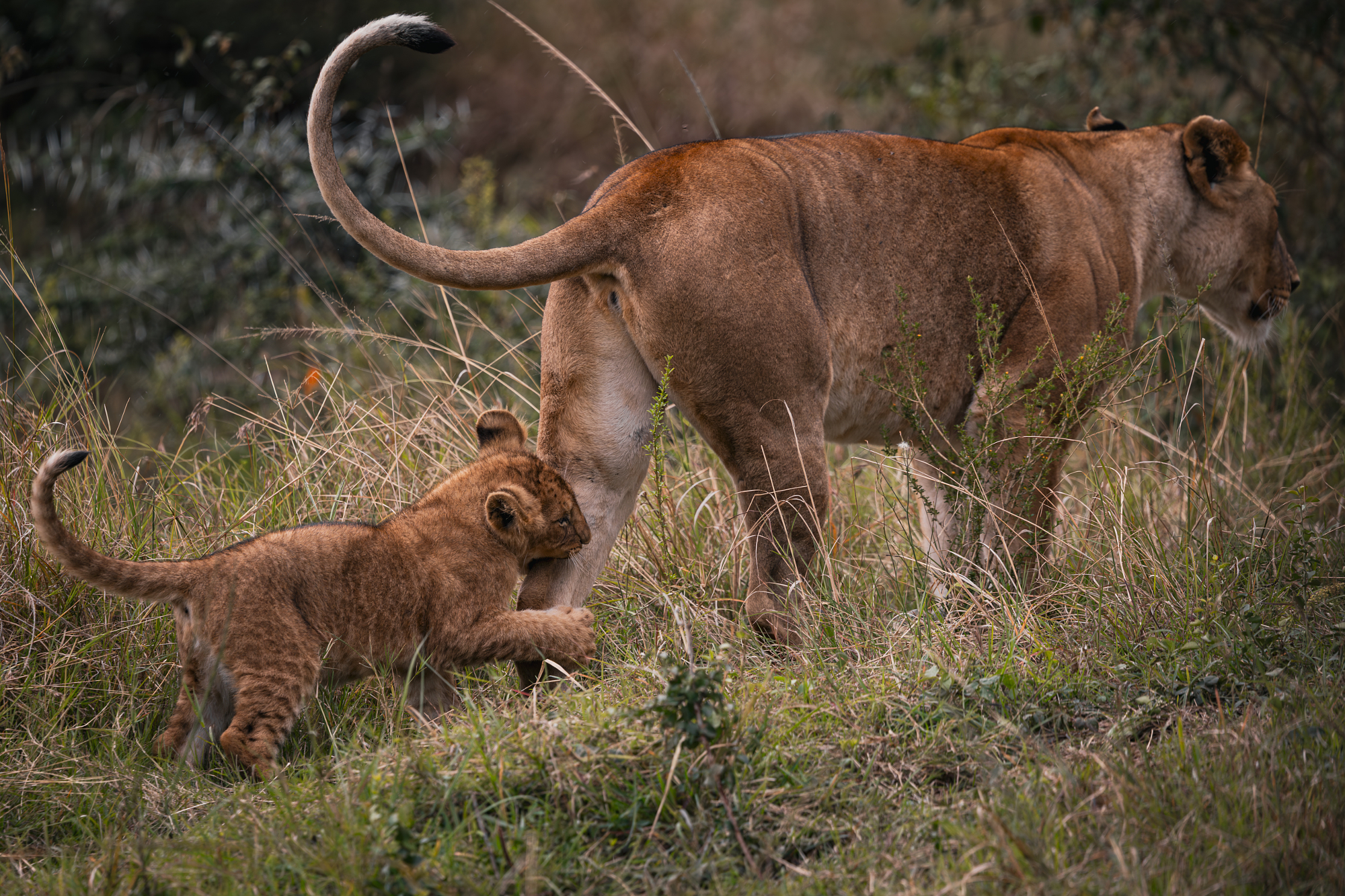
When you are out in the field for weeks at a time, what is the one piece of gear or personal item that you absolutely cannot live without?
My Canon RF 100–500mm lens is always with me when I travel. It’s incredibly versatile and allows me to adapt quickly, whether an animal is far out on the savannah or suddenly much closer than expected. That flexibility makes it one of the most important pieces of gear I own.
But if I’m being completely honest, the one thing I absolutely cannot live without is a power bank.
There are few things more stressful than spending 14 or 15 hours in a safari vehicle, dust in your face, eyes scanning the horizon, waiting patiently, only to see the battery icon blinking red just as the sun begins to set.
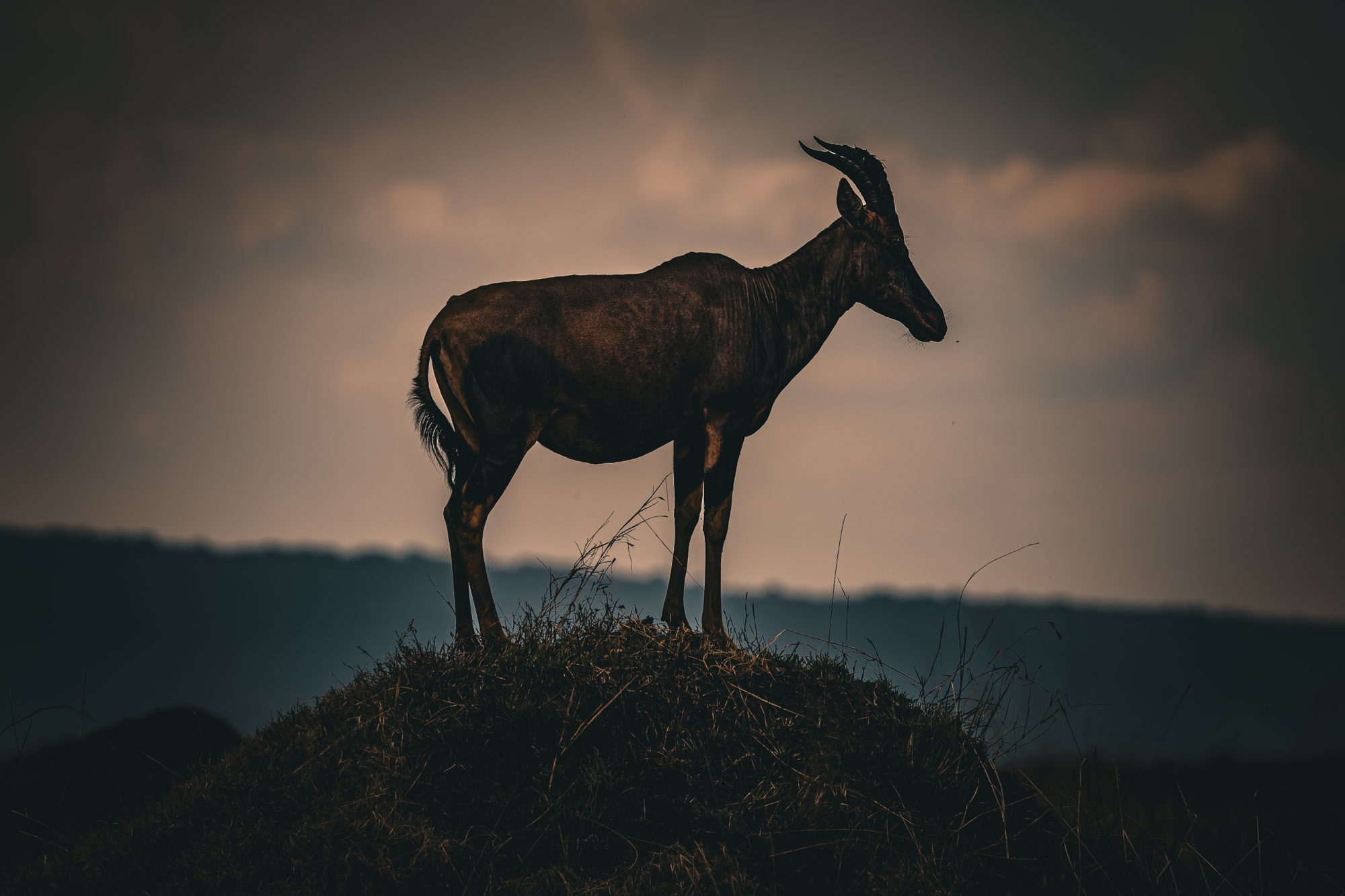
And of course, sunset is usually when the magic happens. The light softens, the shadows stretch, and everything turns golden on the drive back to the lodge or tent. Now, to be fair, it’s still a privilege just to sit there and witness it. But not being able to capture and share that moment with others would feel like a missed opportunity.
So while good glass captures the moment, reliable power makes sure you’re able to bring a piece of it home.
Experience has taught me: always respect the wildlife, and always respect your battery level.
Looking back at your early work compared to your 2025 portfolio, what is the most important lesson you have learned about the “art of the wait”?
When I first started, I thought waiting was mostly about time, about staying long enough for something to happen.
In reality, the hardest part wasn’t the time. It was the mindset.
In the beginning, I felt more stress than calm. There were so many settings to manage. I made a decision early on to shoot in manual mode because I wanted to truly understand photography properly from the start. That meant constantly thinking about shutter speed, aperture, and exposure. I still “cheat” with Auto ISO occasionally, but gradually the technical side became more instinctive. The buttons started to sit in my fingers without me really thinking about them.
That shift changed everything.
When you’re no longer fighting your camera, you can start paying attention to what’s actually happening in front of you.
For me, the “art of the wait” has become less about time and more about inner calm. Sitting on the African savannah or deep in a rainforest brings a kind of stillness that’s hard to find elsewhere. Nature moves at its own pace. You can’t rush it, you can only be present.
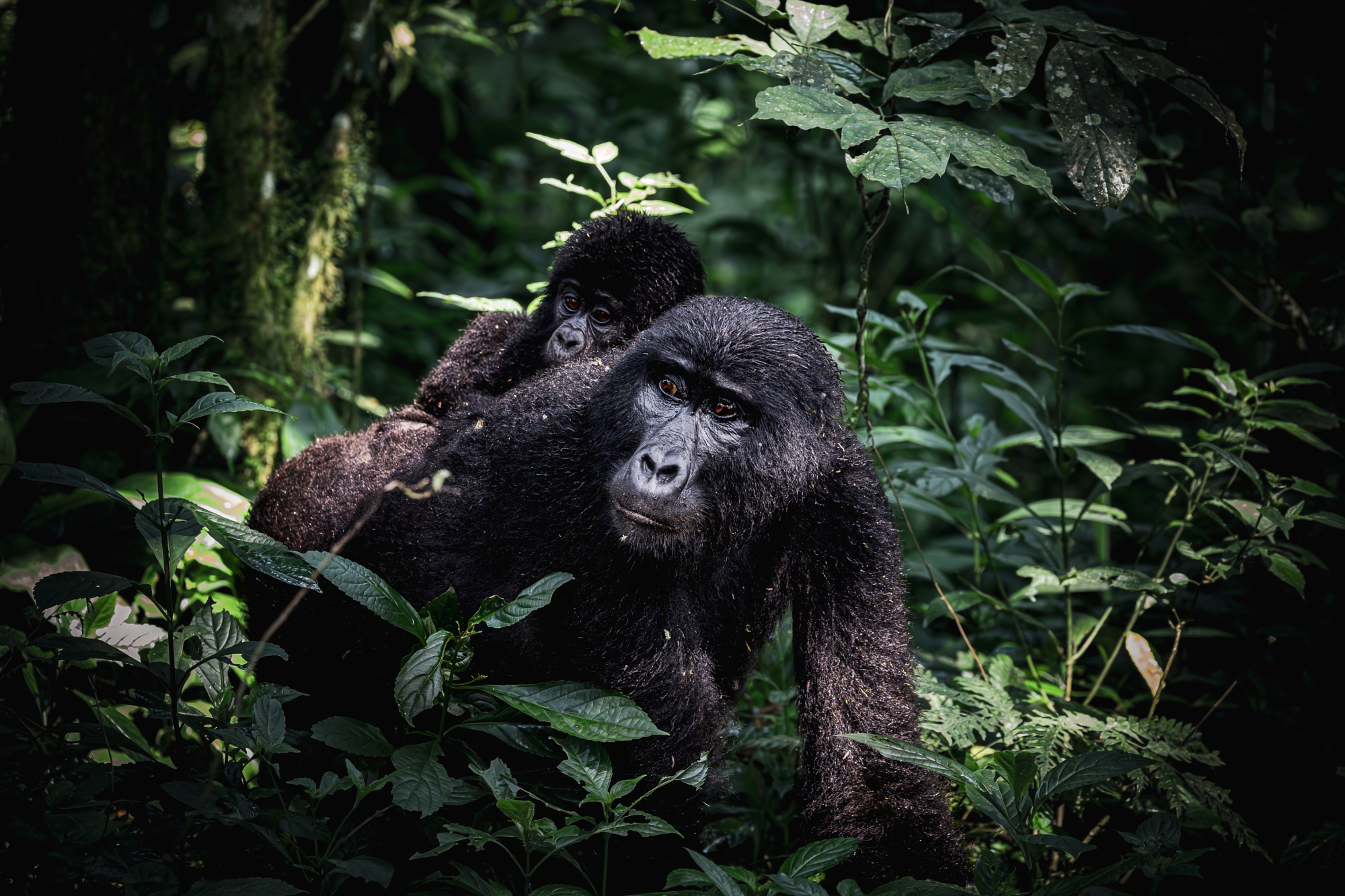
And it’s often in that state of calm that the best images happen. When you’re not forcing anything. When you’re simply observing and ready.
Sometimes nothing happens. Sometimes the moment lasts only seconds. But I’ve learned that the more at peace I am in the moment, the more likely I am to recognize it when it arrives.
For me, that’s what waiting really means.
Beyond the technical settings and the high-end glass, what do you believe is the most essential quality a person must possess to become a great photographer?
Beyond technical skill and equipment, I believe curiosity is the most essential quality a photographer can have.
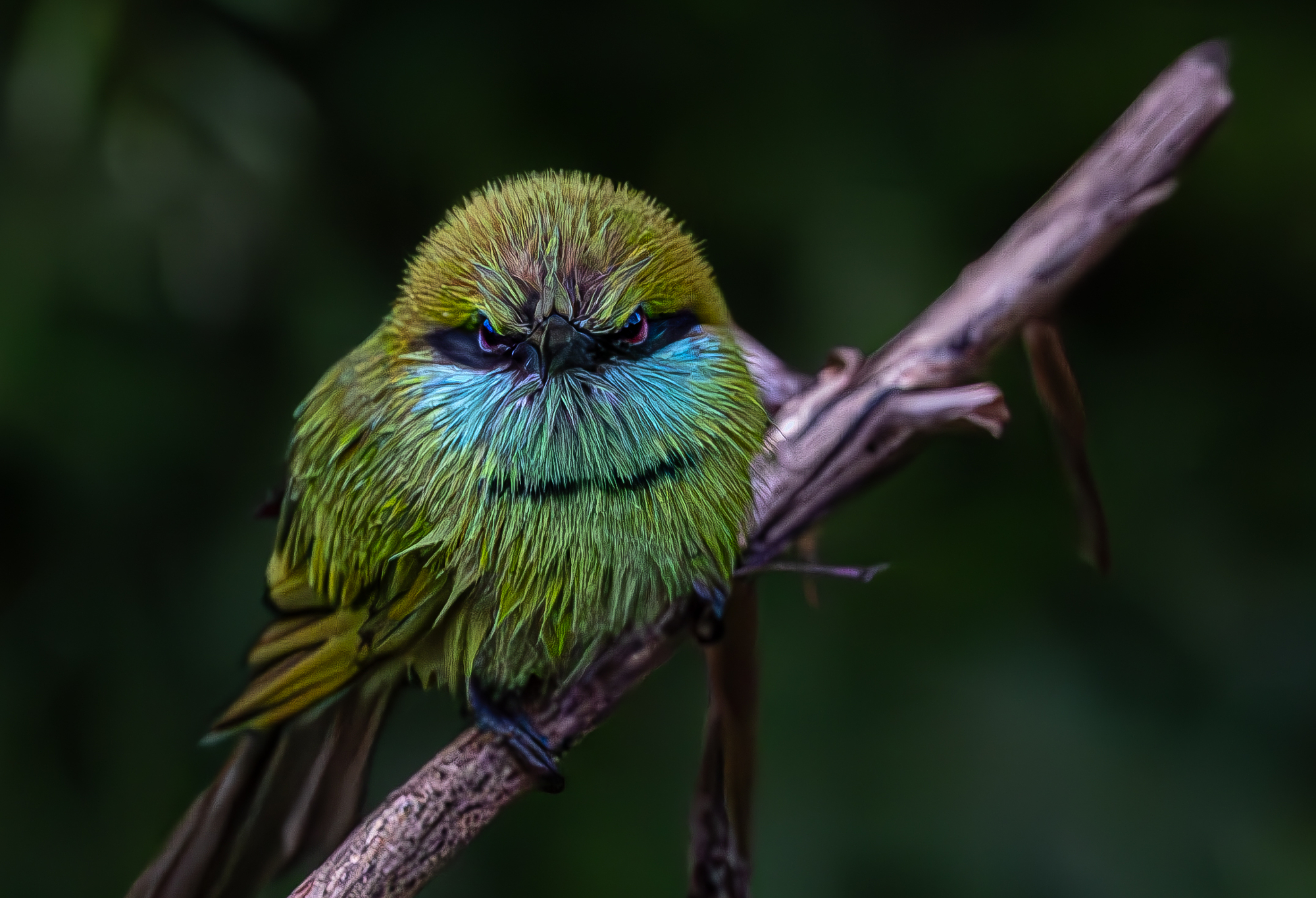
Curiosity is what makes you look twice. It’s what makes you ask, “What happens if I move slightly to the left?” or “What if I wait just a little longer?” Without curiosity, it’s easy to take a photo and move on. With it, you stay. You observe. You learn. But curiosity alone isn’t enough. It has to be paired with respect, especially in wildlife photography. You’re entering someone else’s world. If you don’t approach it with humility and awareness, the image loses its meaning. No photograph is worth compromising the well-being of an animal.
And then there’s patience. Curiosity might draw you in, but patience is what allows the moment to unfold naturally. Nature doesn’t respond to urgency. It responds to stillness. For me, those three qualities work together.
Curiosity makes you explore. Respect keeps you grounded. Patience allows the story to reveal itself.
A previous featured photographer, Andrea Gambirasio, asked, “If you could give one piece of advice to photographers trying to find their own style, what would it be?”
It feels a little intimidating to give advice to so many incredibly talented photographers here on 500px, I still see myself as a happy amateur. I’m learning every time I go out with my camera. But if I could offer one thought, it would be this: don’t rush the process of finding your style.
Style isn’t something you decide overnight. It develops gradually, often without you realizing it. In the beginning, it’s completely natural to be inspired by others. But if you focus too much on copying what works for someone else, you might miss what makes your own perspective unique.
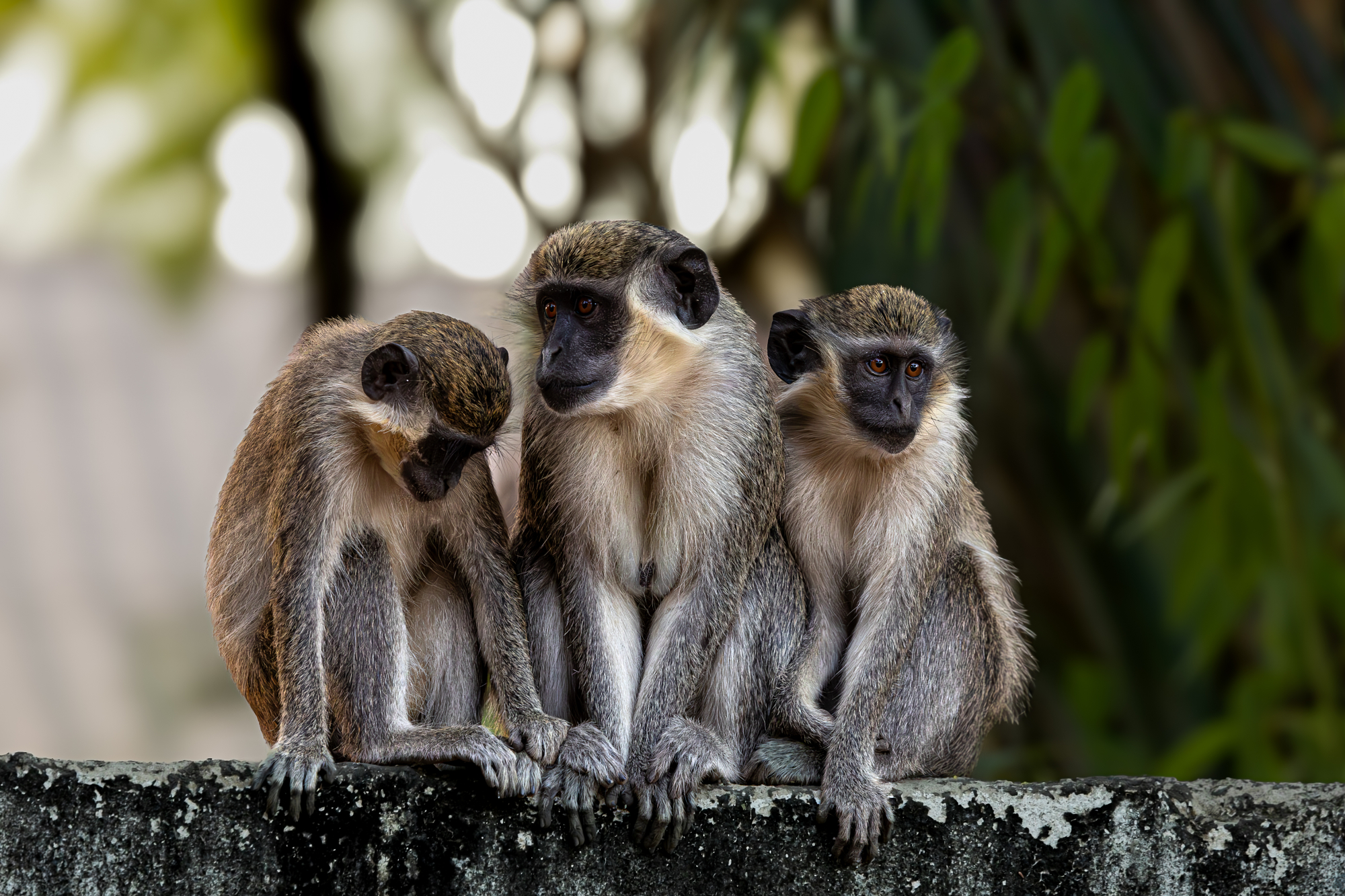
Photograph what genuinely makes you happy—what excites you—and what keeps you curious!
If you’re creating because it feels meaningful or fun, that honesty will eventually show in your work. And remember, you don’t have to improve overnight. You just have to become a little bit better each time.
It’s also absolutely okay to make mistakes. Every photographer does, even the very best of them, at least from what I’ve heard. Missed shots, wrong settings, and moments that didn’t turn out the way you imagined—that’s part of the journey.
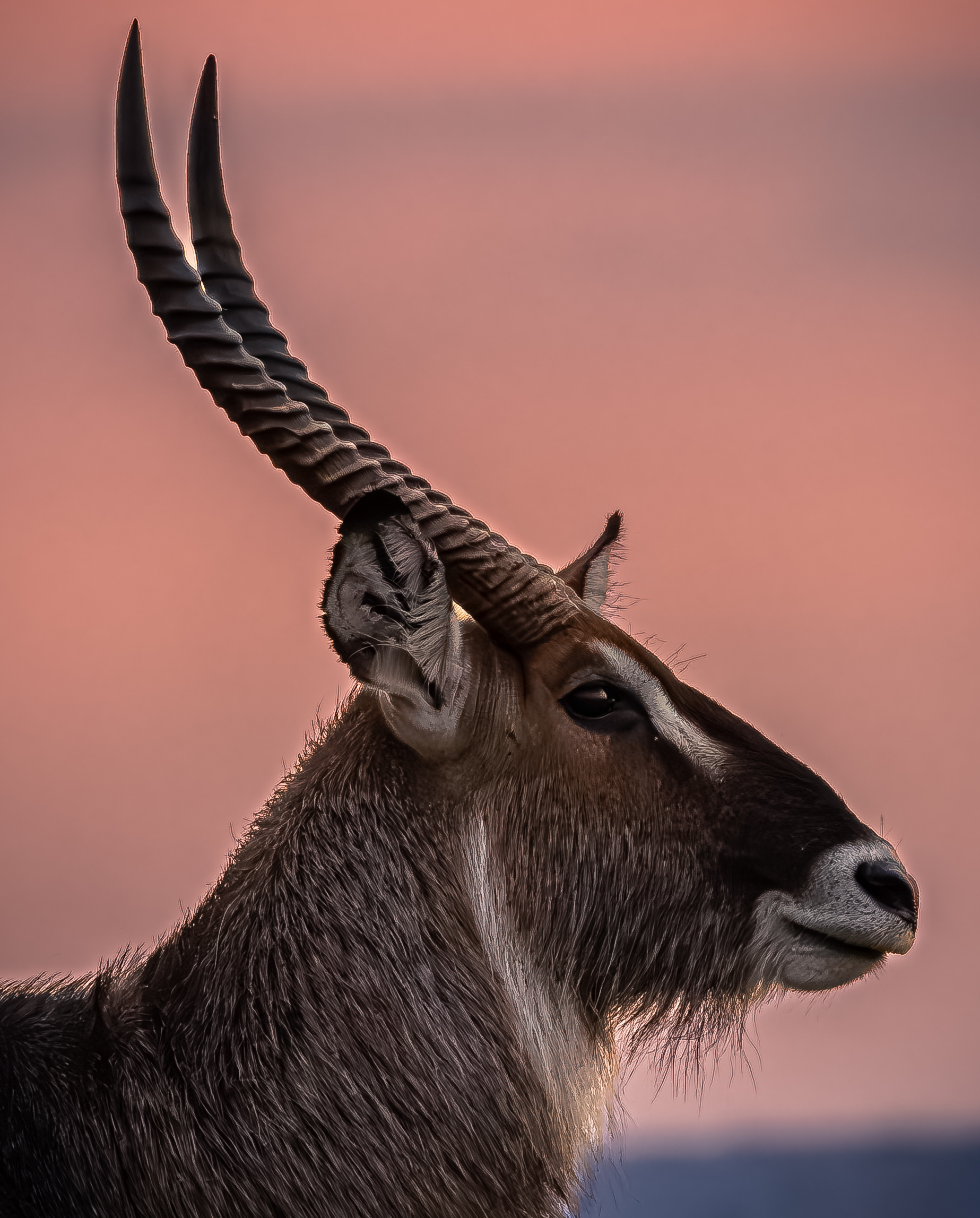
One thing I’ve truly appreciated in the wildlife photography community is how supportive it is. Many experienced photographers are generous with their knowledge and genuinely want others to grow and succeed. That spirit of generosity has shaped not only how I frame a shot but also how I approach the journey itself.
For me, style wasn’t something I designed; it slowly revealed itself as I kept shooting, learning, and enjoying the process.
Last question, can you give us any insider info on any upcoming projects you have on the go?
At the moment, I’m in the early planning stages of a trip to Madagascar for later this August.
It’s a destination I’ve dreamed about since I was a child. Long before I owned a camera, Madagascar felt almost mythical to me, a place shaped by isolation, where wildlife evolved in completely unique ways. The idea of finally experiencing that ecosystem firsthand feels incredibly exciting.
My main goal is to photograph as many different species of lemurs as possible. Their expressions, social behavior, and variety fascinate me. I’m looking forward to observing them patiently and hopefully capturing not just their appearance but something of their personality.
If I’m fortunate, I would also love to encounter the elusive Fossa. It has always intrigued me, a mysterious predator found nowhere else on Earth. Whether I see one or not, the search itself will be part of the adventure.
For me, this trip feels like a continuation of the same childhood curiosity that started everything. It’s still about exploring, learning, and standing quietly in a place that once only existed in documentaries and imagination, so hopefully I’ll have something worth sharing when I return.
Read more 500px Photographer Spotlight interviews: Ganzorig Miimaa