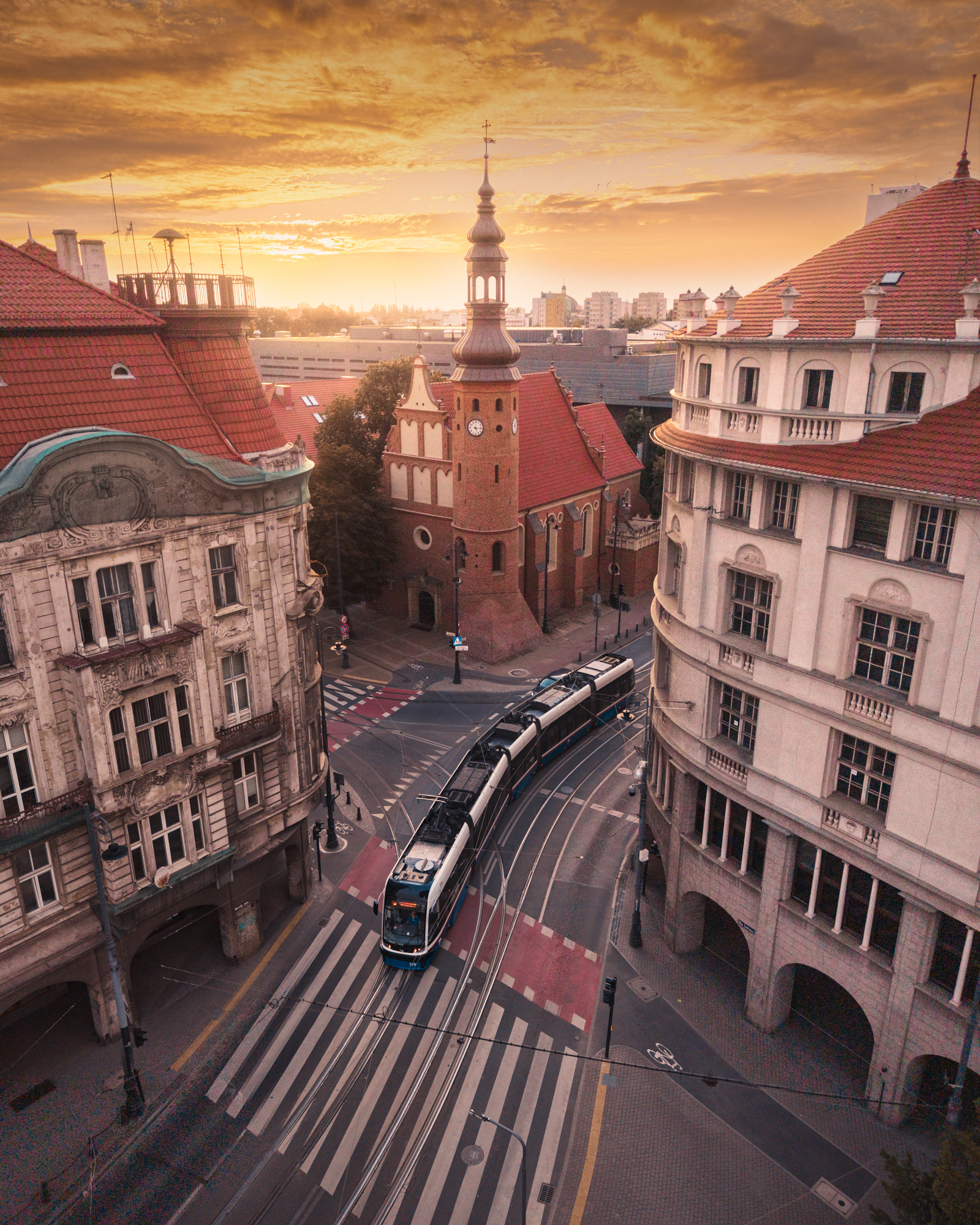
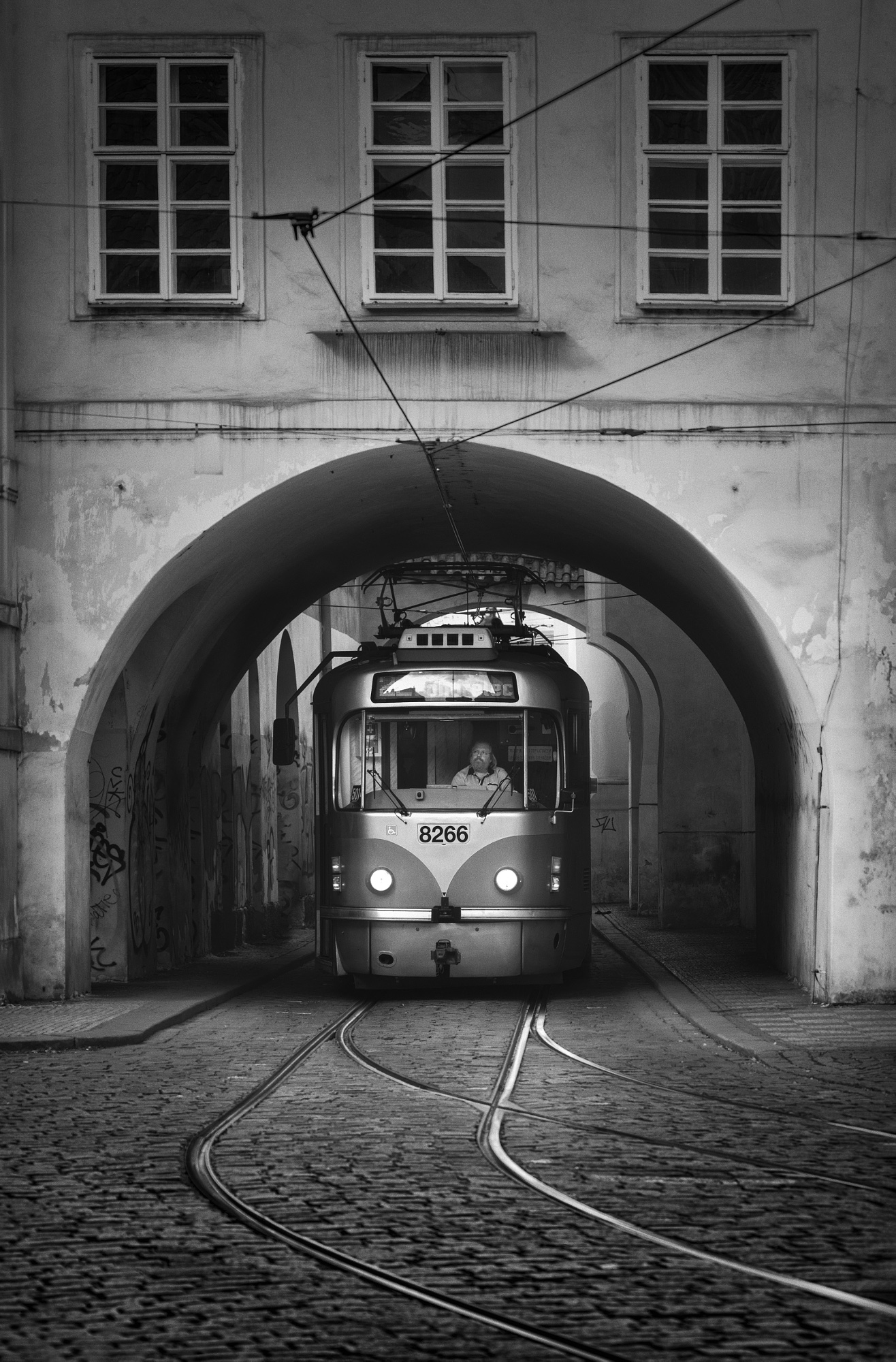
Lukasz Derangowski puts things in the center frame with intention. The Polish photographer is based in Bydgoszcz, and he builds his moody urban photography around hard symmetry and one strong central subject. More often than not, that subject is a tram. A red one holds a cobbled corner in Prague. A yellow one is doubled in standing water in Budapest. An orange bus sits against the Palace of Culture in Warsaw, and a blue train crosses a stone viaduct under a bruised sky.
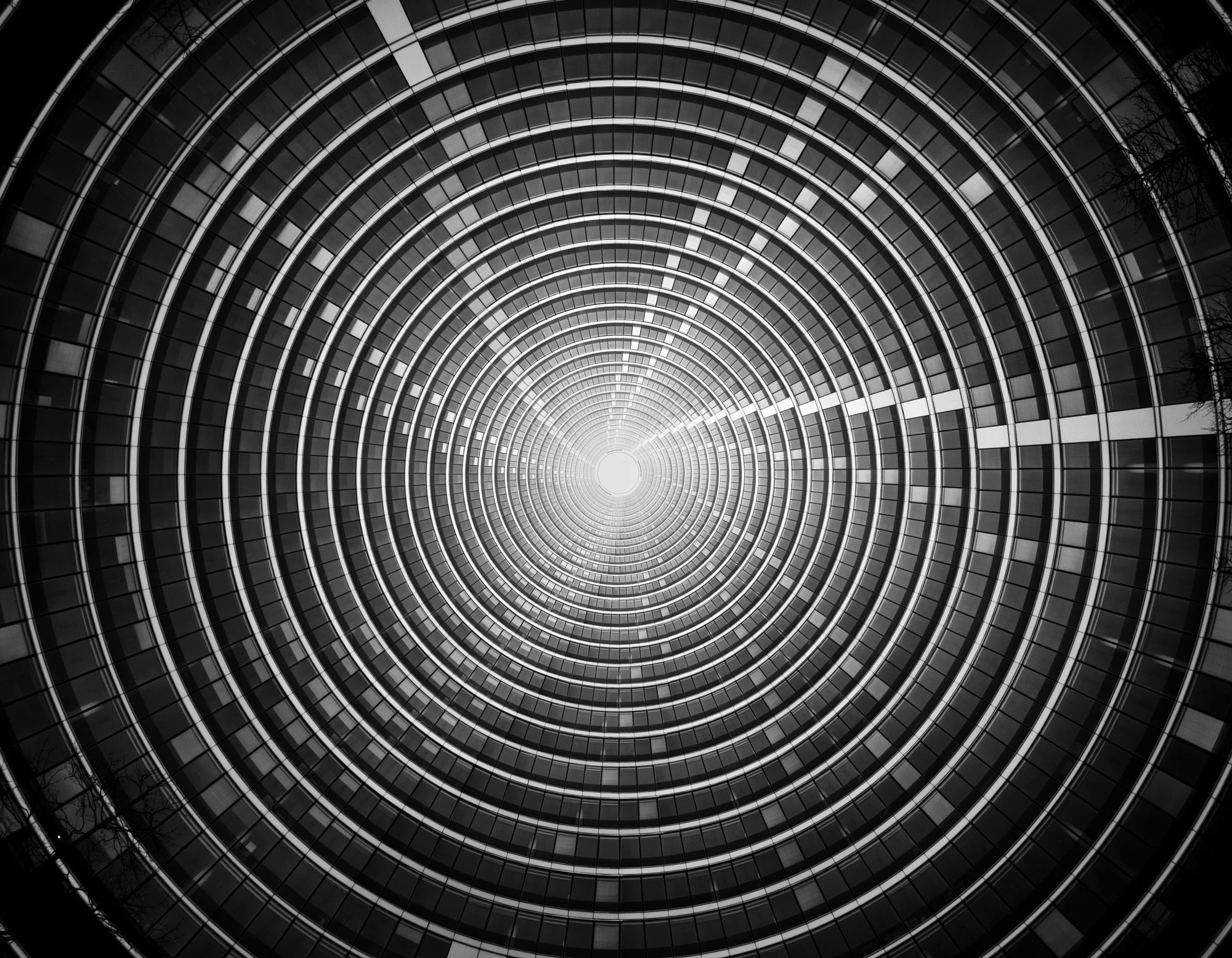
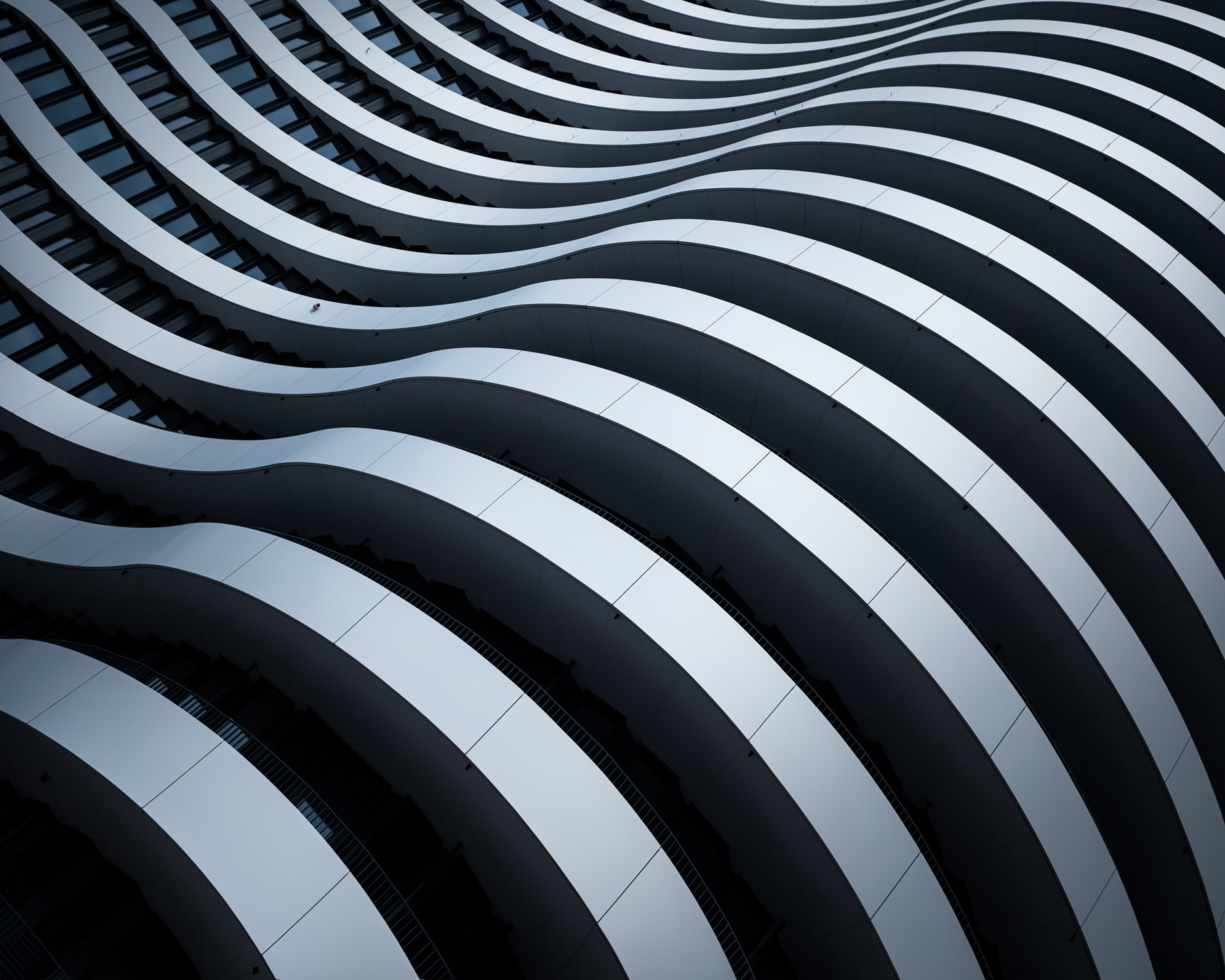
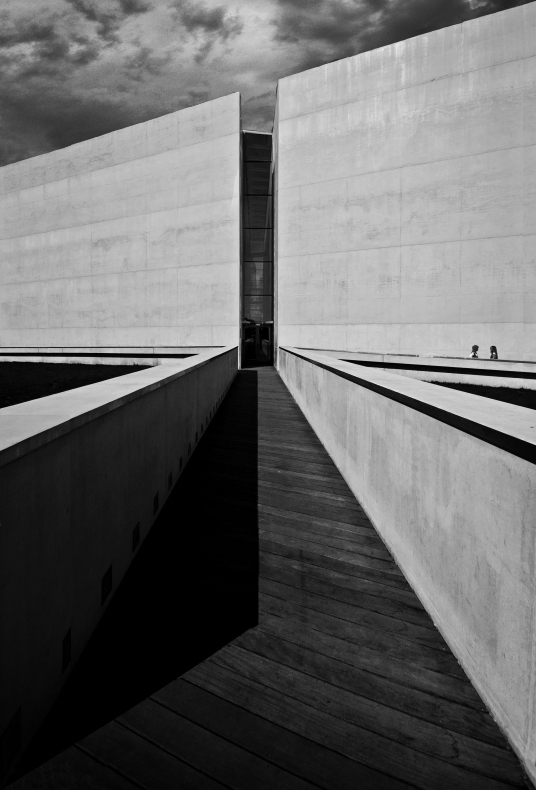
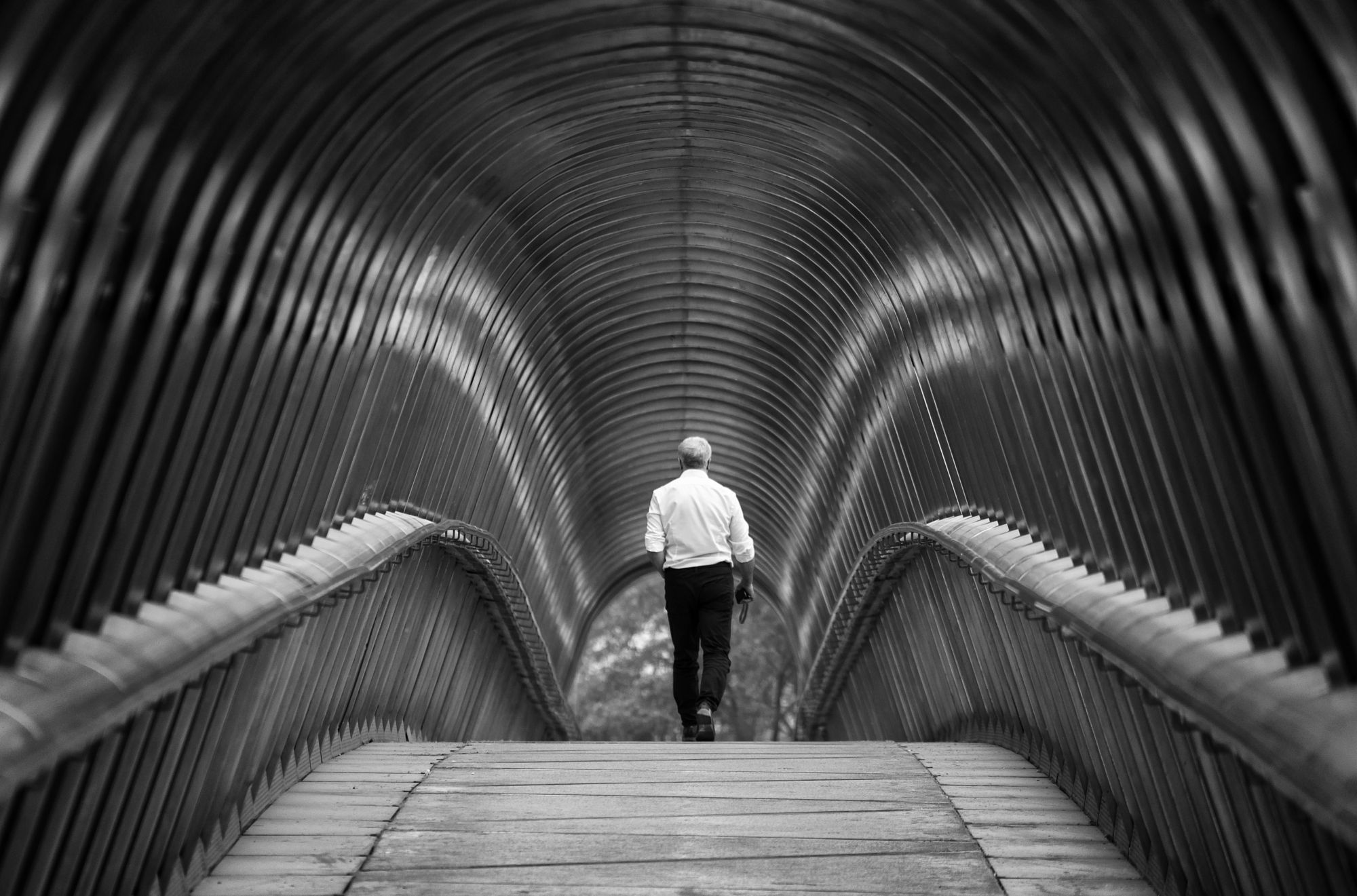
Away from the streets, he turns the same eye on architecture. Ribbed concrete tunnels, spiral staircases, high-contrast black and white. His 500px bio is a line from The Little Prince: what is essential is invisible to the eye.
We spoke with Lukasz about why public transport keeps ending up at the center of his pictures, the discipline of symmetry, and a decade of shooting for an audience.

A Camera Bought on a Whim
Lukasz, start us at the beginning. How did photography find you? And what were you pointing the camera at in the early days in Bydgoszcz?
I actually bought my first camera somewhat on a whim, without a clear plan of what I would do with it.
At the beginning, I pointed the lens at literally everything. I was constantly experimenting with different camera settings, just to see what kind of results I could get. I have to admit, I got hooked on the whole process very quickly.
Why Trams Keep Taking the Lead
Trams and trains are everywhere in your portfolio, and they are almost never background. They are the leading man of your moody urban photography. What keeps drawing you to public transport?
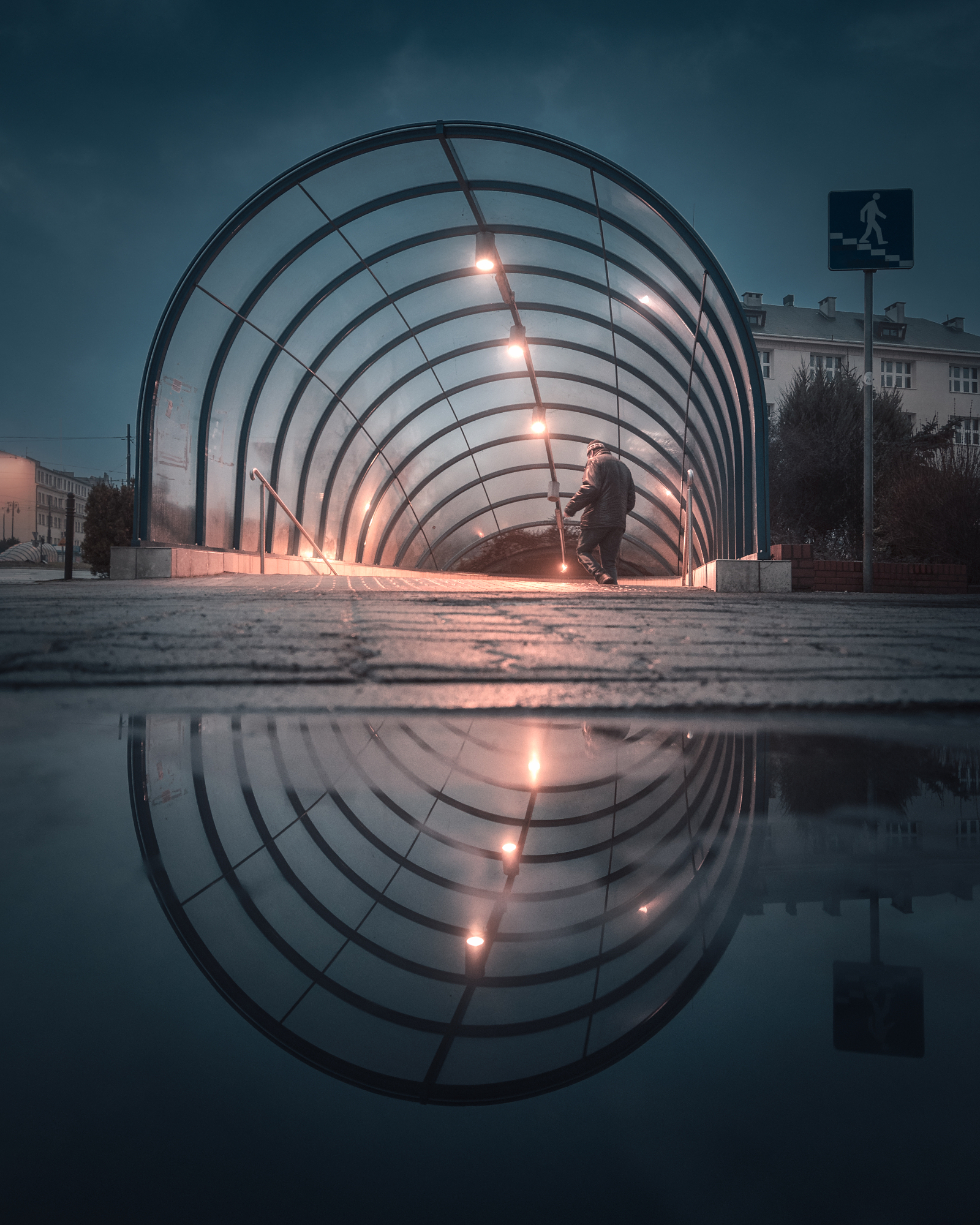
Public transport, especially trams, fits the exact mood I love capturing. Rainy or foggy days, where a tram or a train emphasizes the gloomy, atmospheric feel of the scene.
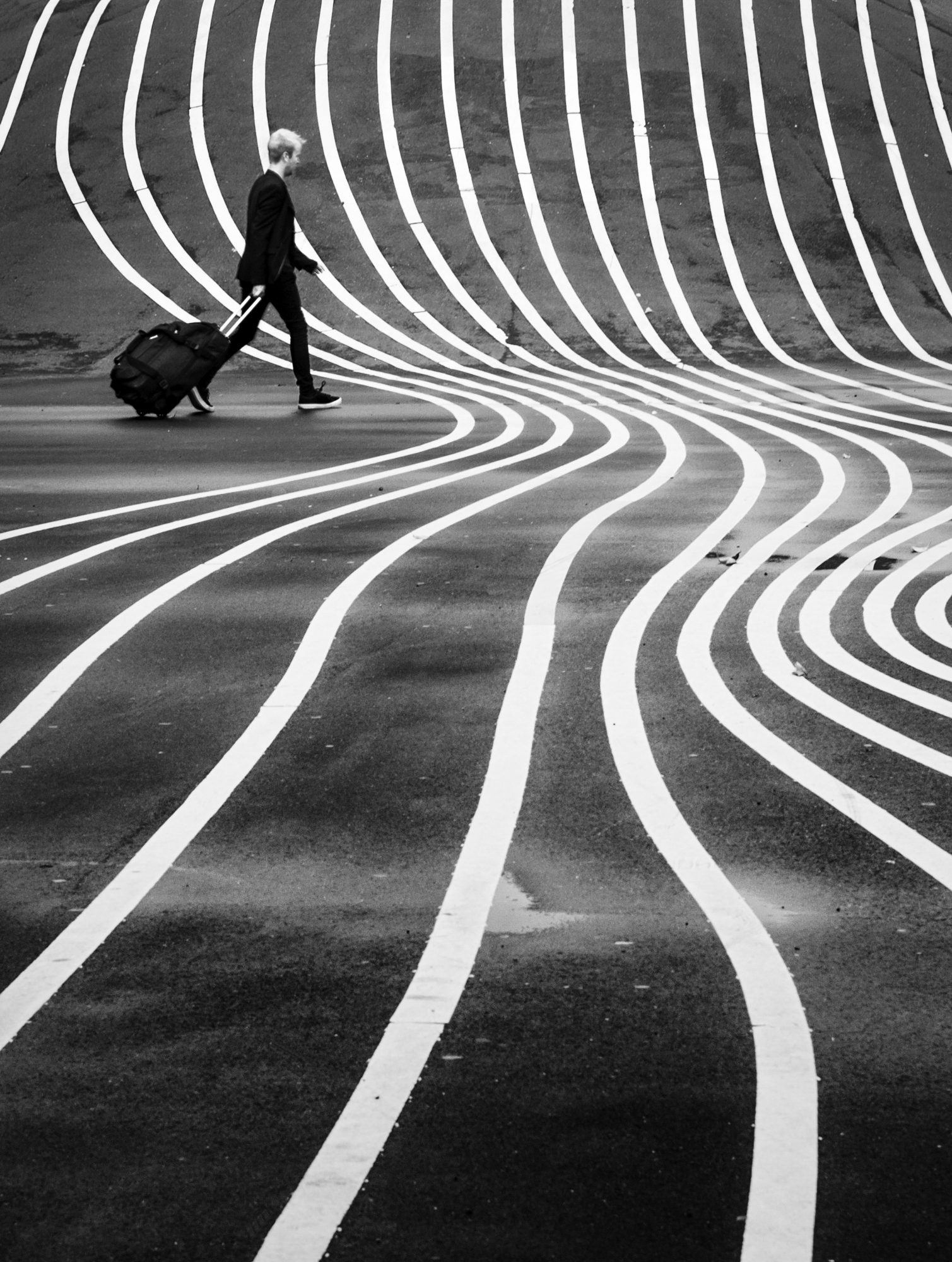
On top of that, tracks are a dream element for composition. The leading lines and curves created by rail tracks give me endless possibilities when framing a shot.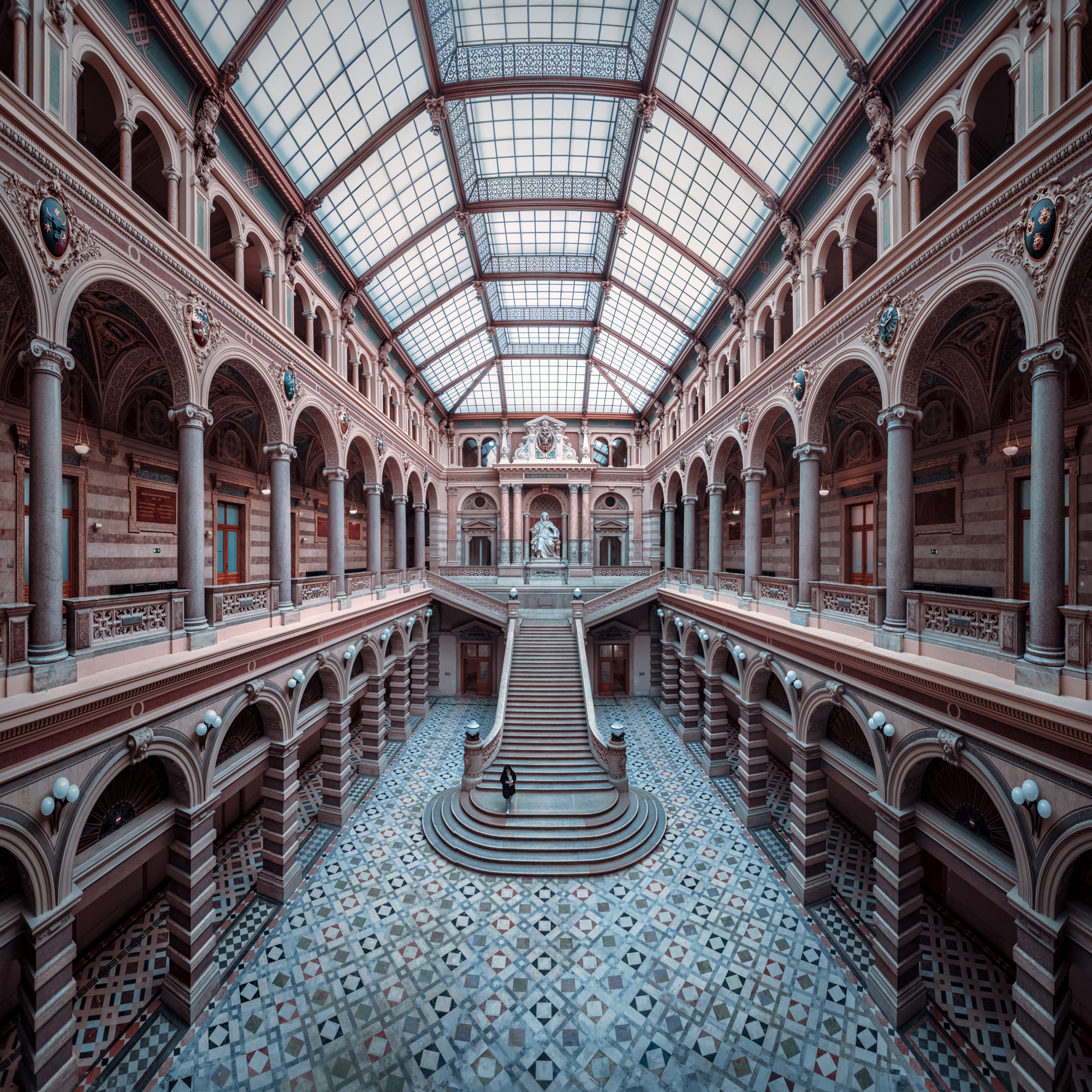
The Case for Dead-Center Composition
Every beginner gets told to keep the subject out of the middle. You have spent years doing the opposite. What does symmetry do that an off-center composition cannot?
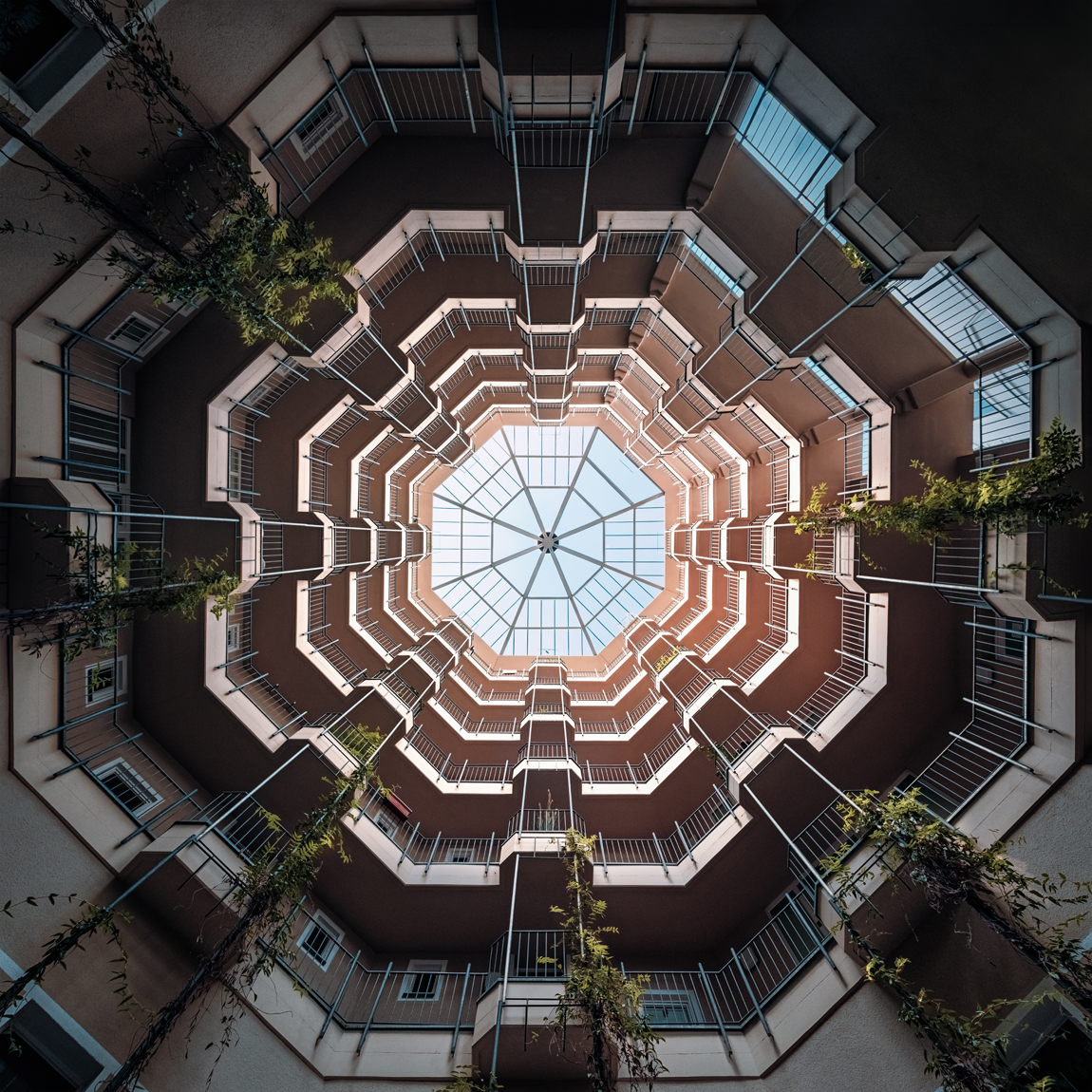
I think the golden ratio is a great approach to composition, but you definitely don’t have to follow it every single time. For me, creating balance in the frame is much more important.
I try to avoid cropping objects awkwardly at the edges. I also aim to give my main subject a visual counterweight, like placing a tram on one side of the frame and a building in the background on the other.
On top of that, I love it when a frame pulls the viewer deep into the scene. Central composition paired with symmetry is the ultimate tool for achieving that depth.
What He Means by Invisible
Your 500px bio is the line from The Little Prince about what is essential being invisible to the eye. That is an unusual motto for a photographer this precise about surfaces and geometry. What is the invisible thing you are chasing?
Through my photography, I try to present my own vision of a place.
That vision usually isn’t something you can simply see by standing there. It lives in my imagination. I strive to translate that inner idea into a final image, so that anyone looking at my photos can feel exactly what I was feeling in that moment.
Rain, Storm Light and Moody Urban Photography
Your skies do an enormous amount of work. Storm light over a viaduct. Wet asphalt throwing a whole tram back at you. How much of that is waiting for the right day, and how much happens later at the desk?
I am always thrilled when it starts raining during my photo trips. Bad weather opens up so many possibilities, and it fits the exact mood I want to create.
A crucial rule for me in those conditions is to never blow out the highlights in the sky. Keeping those details in camera gives me huge flexibility in post-processing to bring out a rich, dramatic sky later.
Of course, I can’t control the weather, so I do end up shooting in harsh, full sun sometimes. I approach editing those differently, but I will admit it is much harder for me. More often than not, those bright sun shots never make it off my hard drive.
Staircases, Facades and Look-Ups
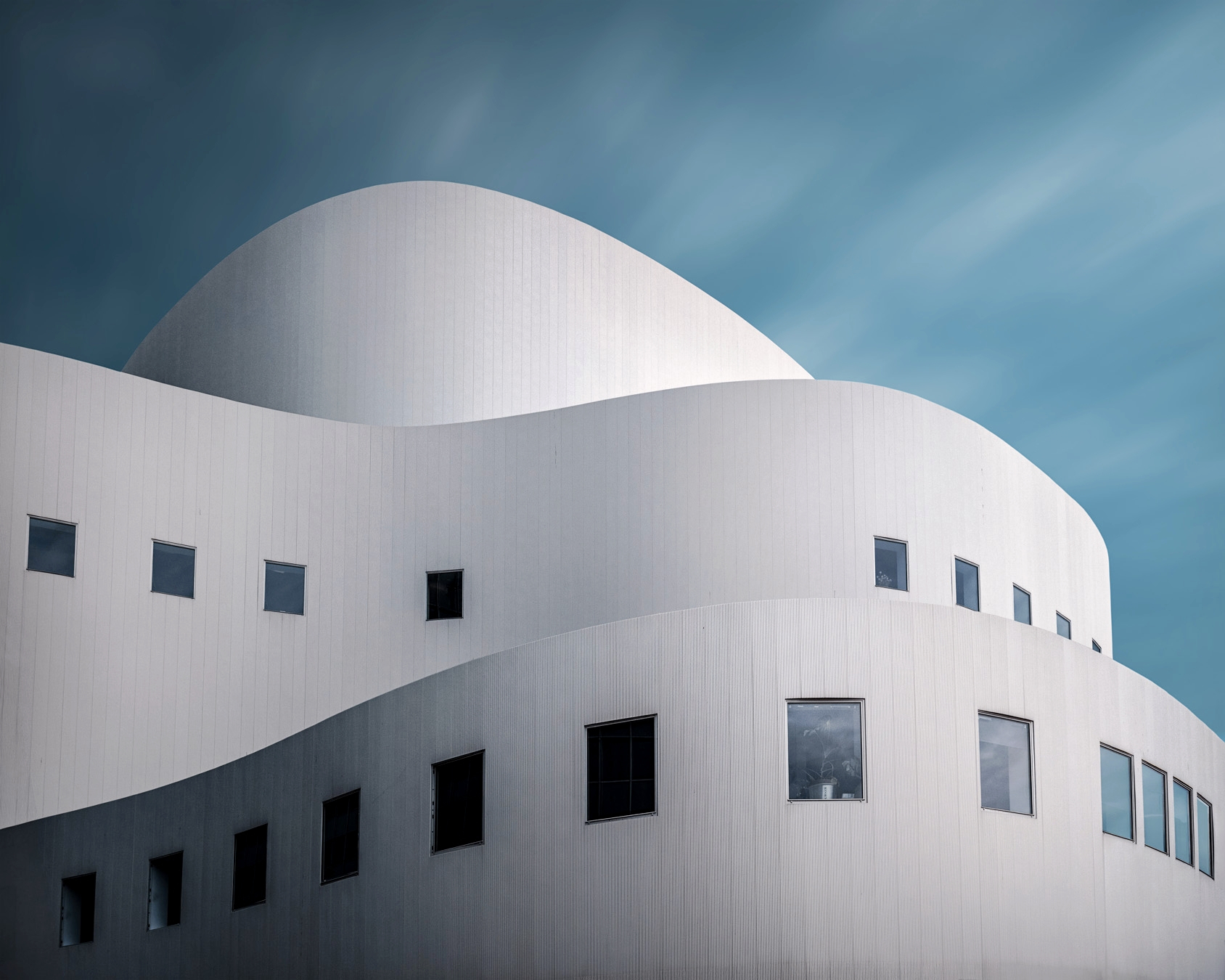
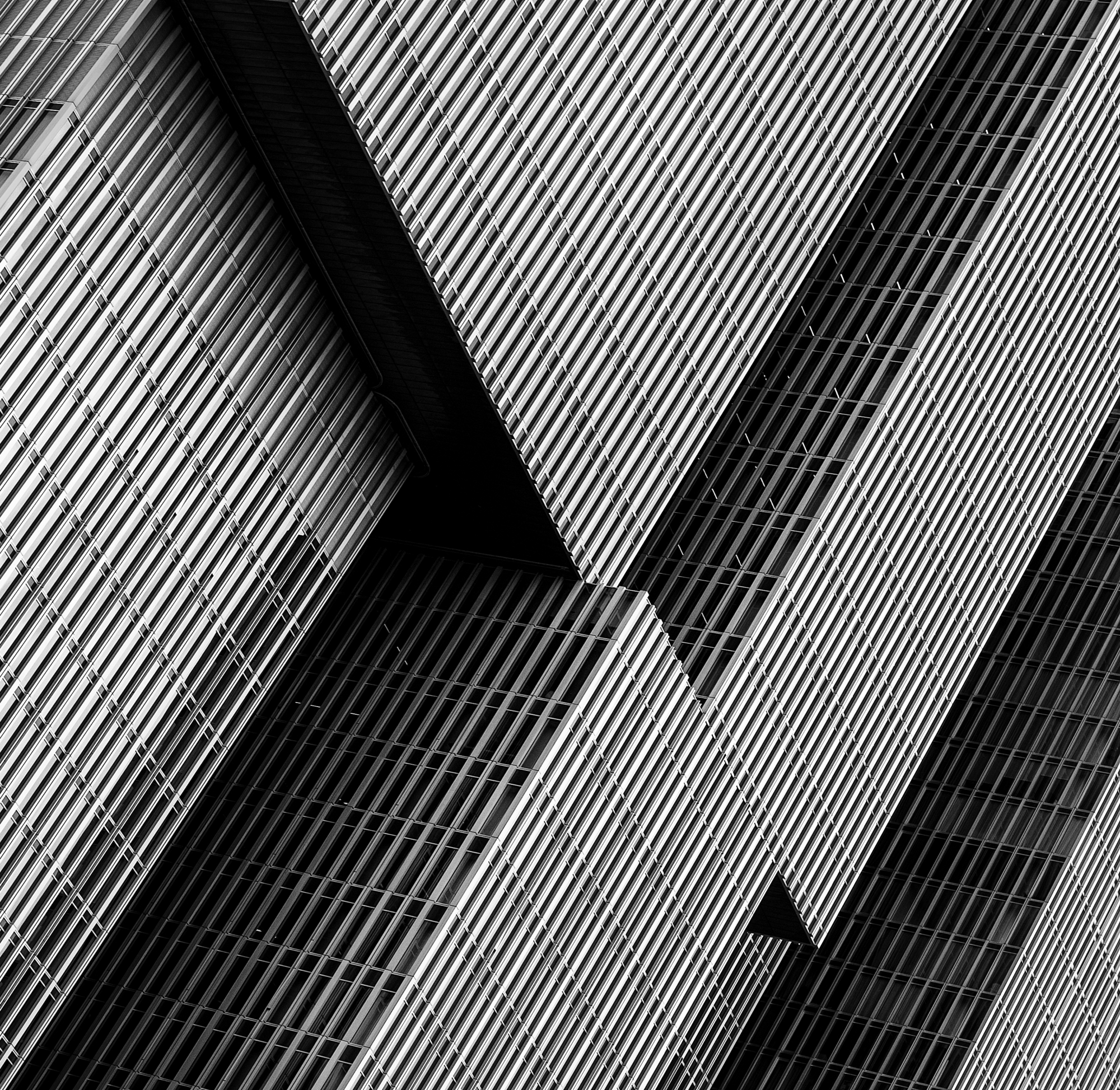
There is a second body of work alongside the city pictures. Concrete tunnels, a white curved facade, a staircase shot straight down. Colder, quieter, no vehicles anywhere. Is something different going on when you walk into a building?
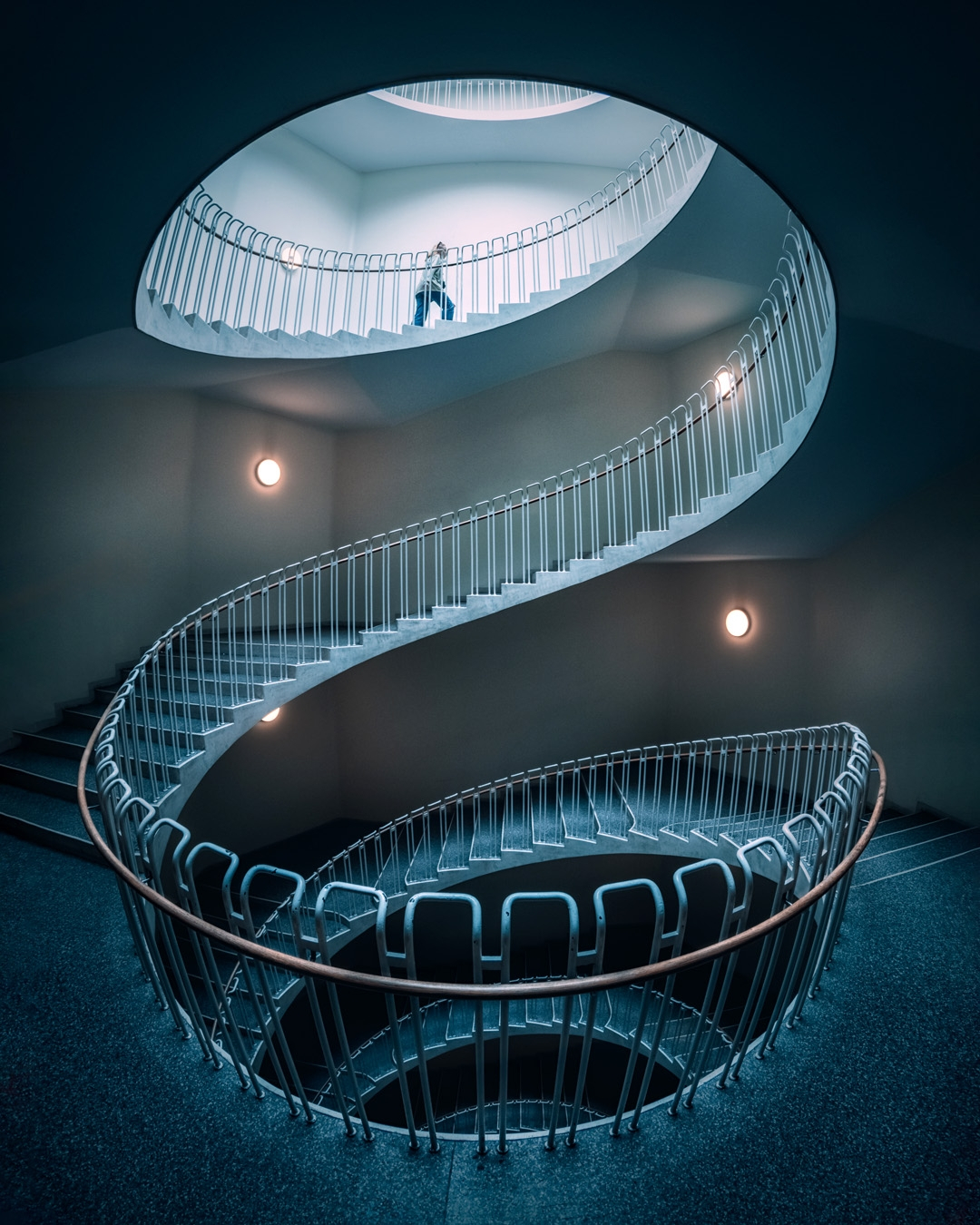
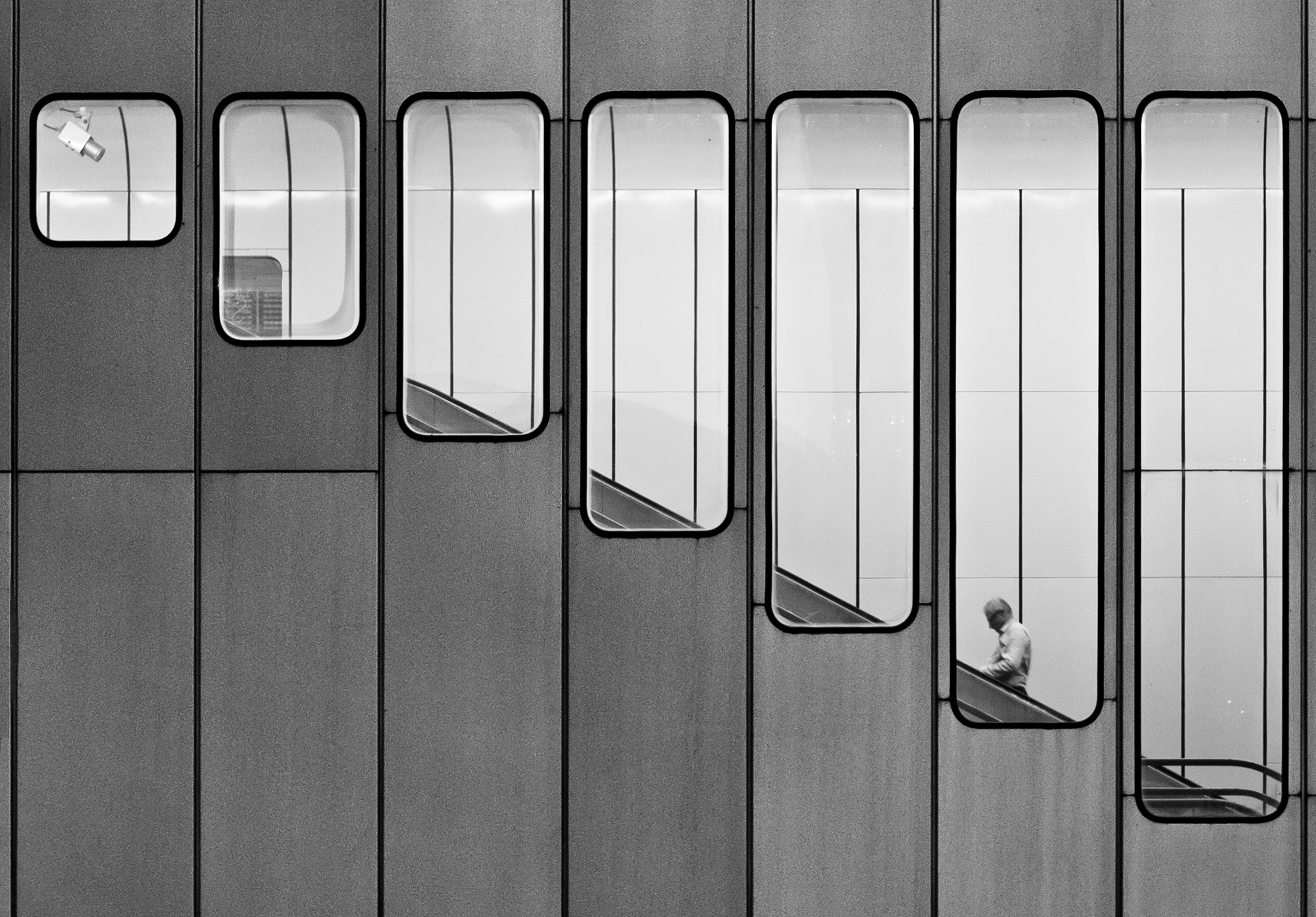
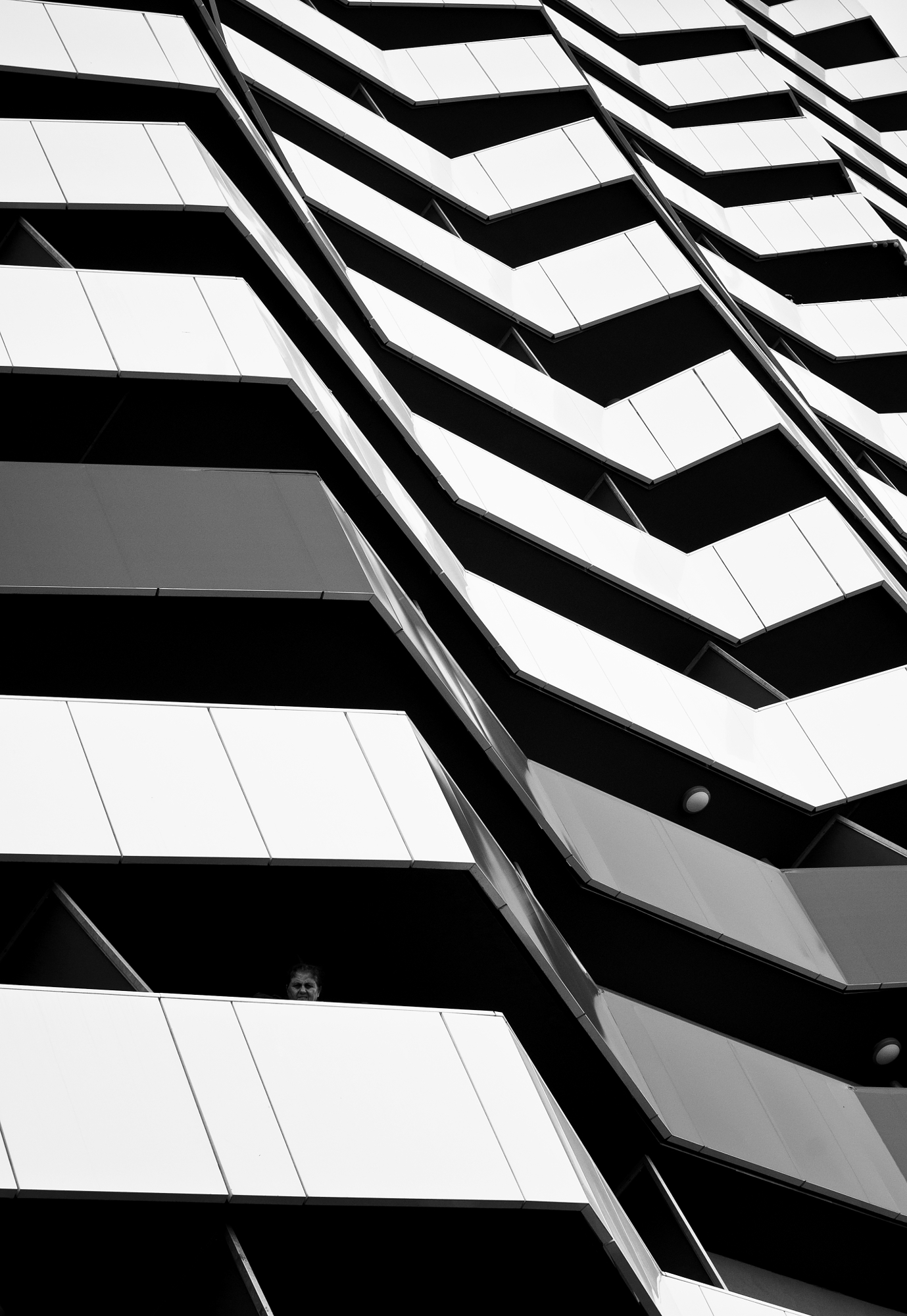
The whole city is my photographic playground, so it is not strictly limited to wet streets and trams. It naturally includes building facades, interiors and atmospheric courtyards.
Spiral staircases, in particular, are such a rewarding subject. They can really surprise you with their beauty, and they look incredible in photos.
When I head out to shoot, I actually keep a categorized list of locations to visit: tram shots, staircases, look-ups, and so on.
Why Central Europe Rewards the Curious
You shoot Bydgoszcz, Prague, Budapest and Warsaw. Central Europe gets far less attention than the usual photographic destinations. What does this part of the world give a photographer that people elsewhere are missing?
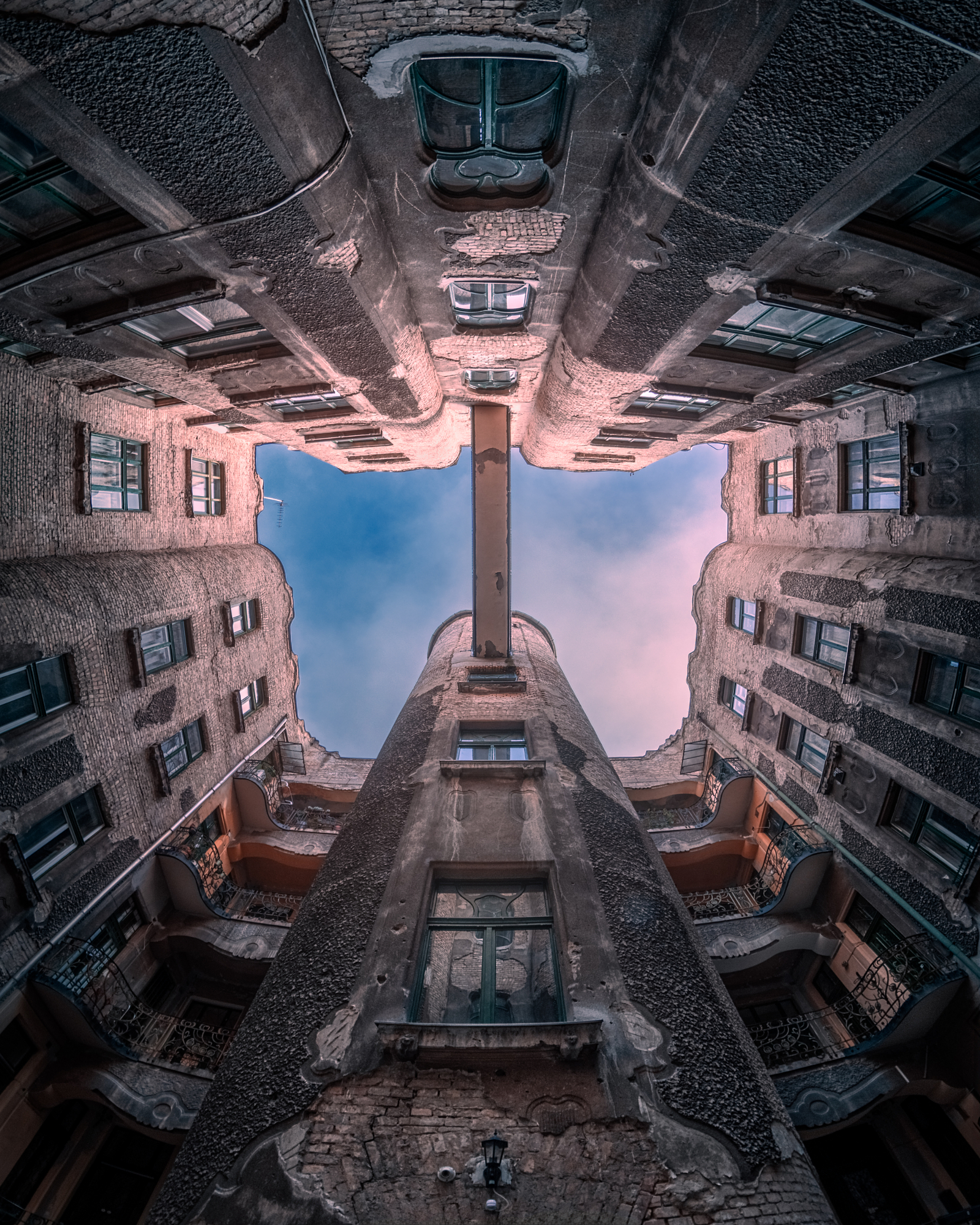
Central European cities carry the weight of history, and not always a pleasant one. You can really feel that in the air. For me, that atmosphere is a gift, because it helps me achieve that dark, moody feel in my photos.
Right now, Budapest is my absolute favorite European city. I have been there three times and still can’t get enough. The number of spots that fit my style feels endless.
That said, these cities aren’t for everyone. They are meant for people who look beyond the typical tourist paths to find the hidden, unexpected corners. Once you start doing that, places like Warsaw or Budapest truly become a photographer’s paradise.
Ten Years of Shooting While Being Watched
You have posted to 500px for more than a decade and built a following of several thousand. That is a long time to make pictures while being watched. Has having an audience changed what you shoot?
Of course it has happened, but those shots were always still true to my personal style.
As an amateur, the primary goal of my photography is to satisfy myself. It is my way of unwinding and resetting. Chasing trends, or trying to meet other people’s expectations, simply defeats the purpose for me.
A Question From Martien Aerts
We have a question from a previous featured photographer, Martien Aerts, who asked, “When you look through the photographs you have made over the years, what do they reveal about you that you didn’t consciously put into them?”
My photos definitely reveal a lot about my personality. At the same time, they don’t disclose my physical appearance or any private details.
I think I would actually prefer to leave this question right here, with a short response. Let the viewers imagine who I am based solely on what they see in my work.
What Comes Next
Lukasz, thank you for taking the time. To close, is there a project or a trip in progress that you would like to tell our readers about?
I don’t have any set plans at the moment. In the future, I definitely want to visit cities I haven’t been to yet.
Earlier this year, I managed to travel to Milan. I will likely start publishing photos from that trip in the near future.
See More of Lukasz Derangowski
To see more of his moody urban photography, visit his 500px Profile and follow him on Instagram at @lukasz_de_83.