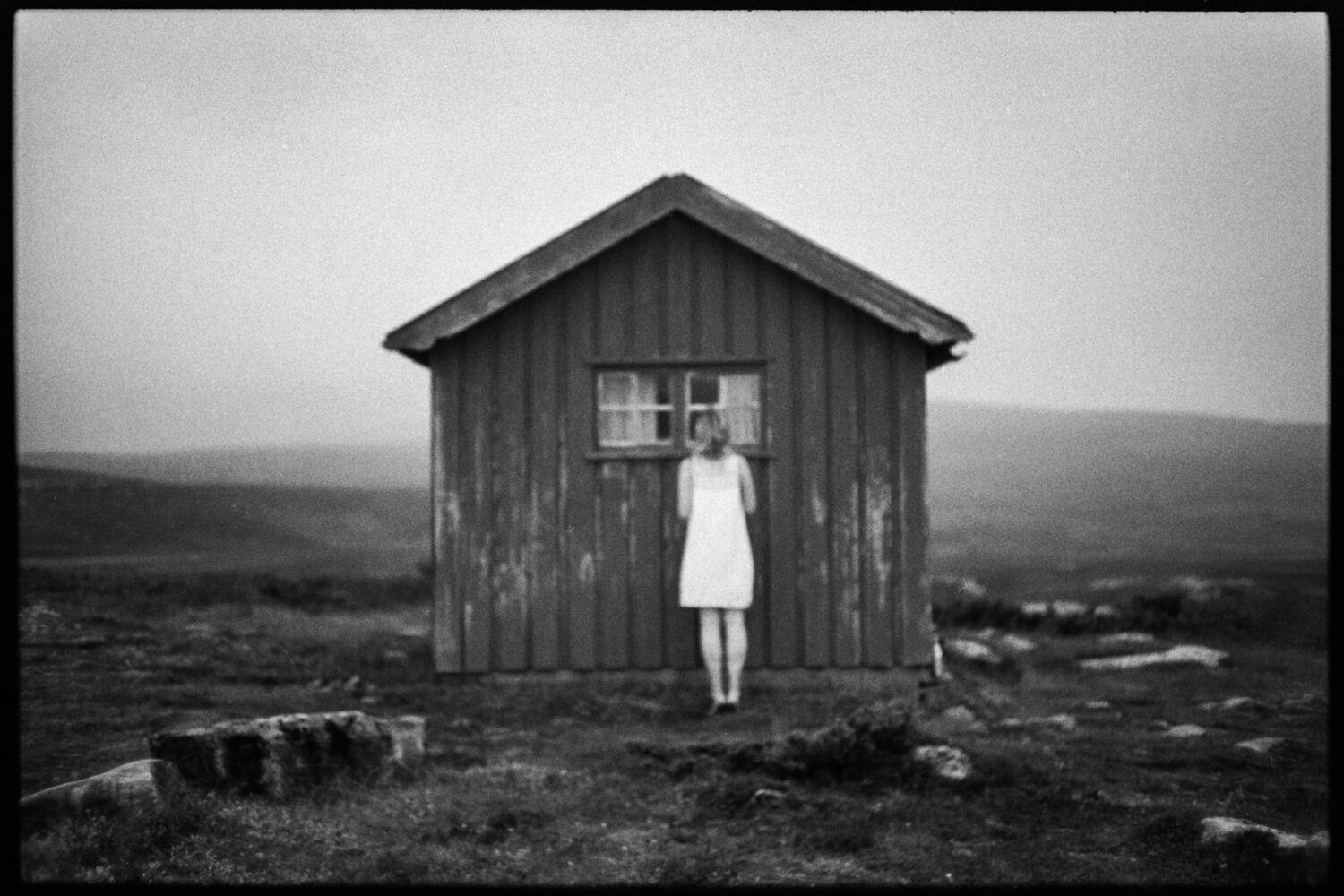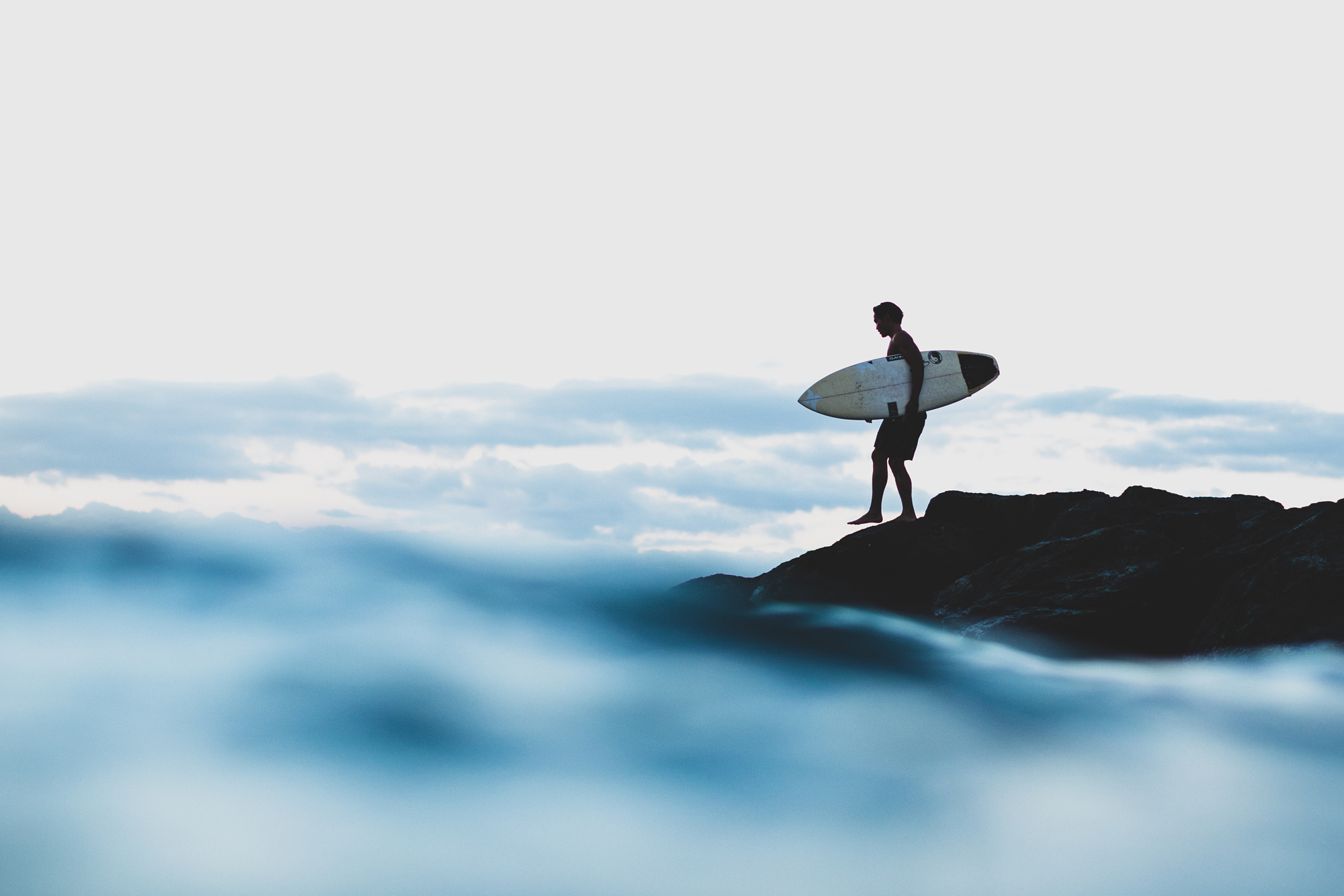
A silhouette is one of photography’s oldest tricks and one of its most enduring. Strip a subject of texture, color, and detail, and what remains is pure shape against light. Done well, silhouette photography forces the viewer to fill in what they can’t see, and that act of imagination is what gives silhouette images their emotional pull. The challenge isn’t technical. It’s learning to see subjects as shapes first and everything else second.
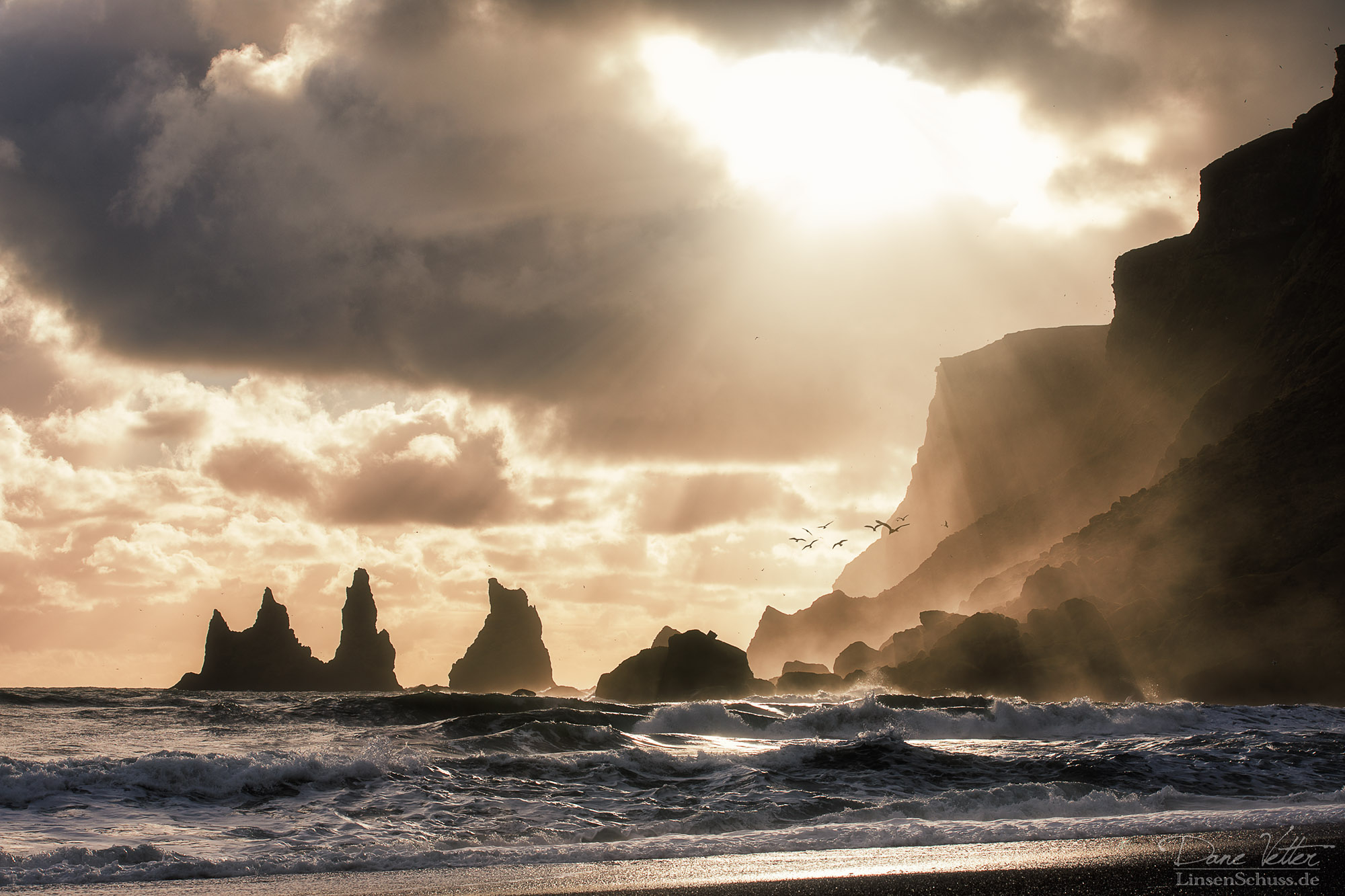
Why silhouettes work
The human brain is extraordinarily good at reading shape. We recognize a person, a tree, a bicycle from outline alone before we process any other detail. Silhouette photography exploits that hardwired recognition and uses it to create images that feel immediate and graphic at the same time.
Removing detail also removes distraction. A cluttered background, unflattering light, a subject that isn’t quite sharp. All of it disappears when you commit to a silhouette. What’s left has to work on shape alone, which raises the compositional stakes and usually produces a stronger, cleaner image.
Where to find the light
Silhouette photography requires a bright background and a darker subject. The gap between the two is what creates the effect.
Sunrise and sunset
The classic silhouette scenario. A bright horizon behind a dark subject gives you strong contrast with minimal effort. Golden hour works especially well because the warm tones in the sky add color interest behind the black shape of the subject. Position your subject between you and the sun, expose for the sky, and let the subject go dark.
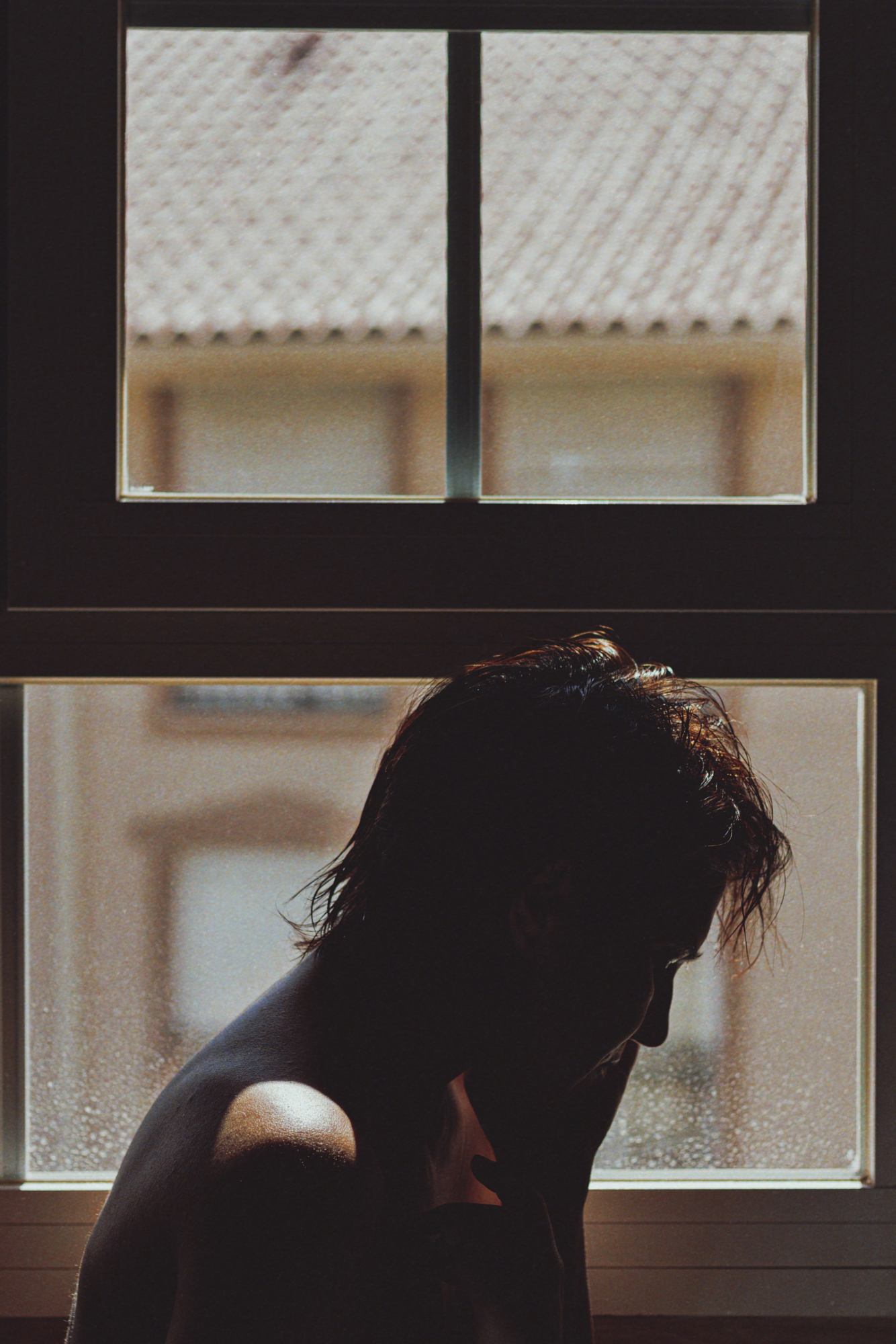
Open doorways and windows
Interior silhouette photography is underused. A subject standing in an open doorway with bright light behind them creates a natural frame and a clean, high-contrast edge. The same applies to windows, archways, and any opening where bright exterior light meets a darker interior.
Overcast bright days
A heavily overcast sky is brighter than most people expect. Shoot upward with a subject against a white or grey sky and you can achieve a clean silhouette without any direct sun at all. The light is softer and more even, which suits certain subjects better than the drama of a sunset.

Getting the exposure right
Silhouette photography is one of the few situations where you actively want to underexpose your subject.
Meter for the brightest part of the scene, usually the sky or the light source behind your subject. In manual mode, dial in an exposure that renders the background correctly and let the foreground fall into shadow. In semi-automatic modes, use exposure compensation to pull the exposure down until the subject loses its detail and becomes a clean shape.
Shoot in RAW. Even in silhouette photography, having the latitude to recover sky detail or deepen the shadow of a subject in post gives you more control over the final result.
Shape is everything
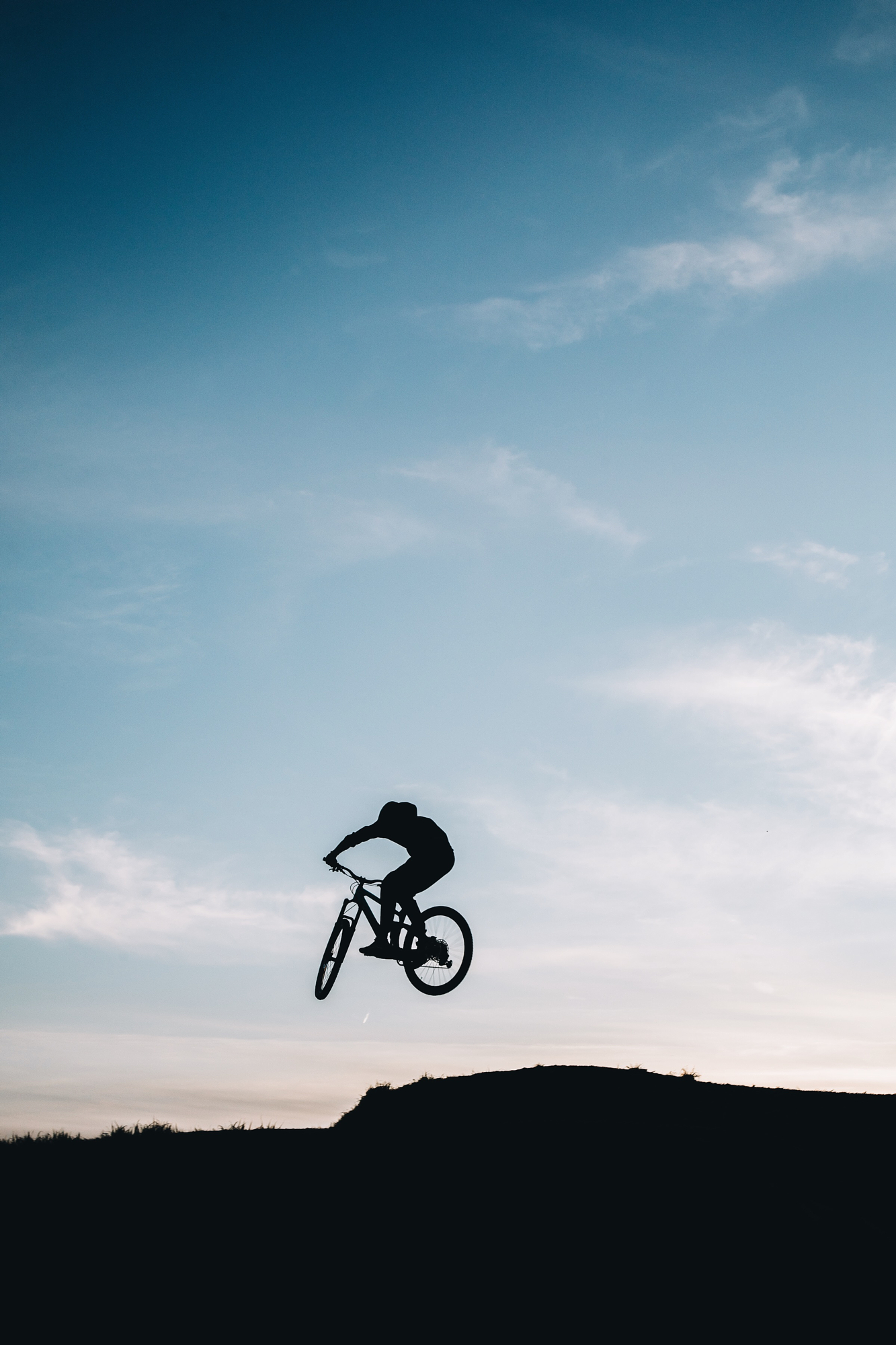
Because silhouette photography removes detail, the outline of your subject has to carry the entire image. A shape that is ambiguous, cluttered, or too similar to its background will produce a weak silhouette regardless of the light.
Look for separation
The subject’s edges need to read clearly against the background. A person standing in front of a tree, for example, can create a muddy merged shape where the two outlines blend together. Move the subject or shift your angle until the silhouette reads as a single clean form.
Choose subjects with strong outlines
Bicycles, birds in flight, a person mid-stride, two people facing each other, a lone tree on a ridge. These subjects produce silhouettes that are immediately readable and visually satisfying. A subject with a complex, irregular outline that doesn’t simplify well rarely makes a strong silhouette.

Add implied narrative
The most memorable silhouette photographs tell a story through shape alone. A person reaching toward something. Two figures close together. A child mid-jump. The pose or relationship between elements implies movement, emotion, or connection without showing a single facial expression. That’s the quiet power of silhouette photography done well.