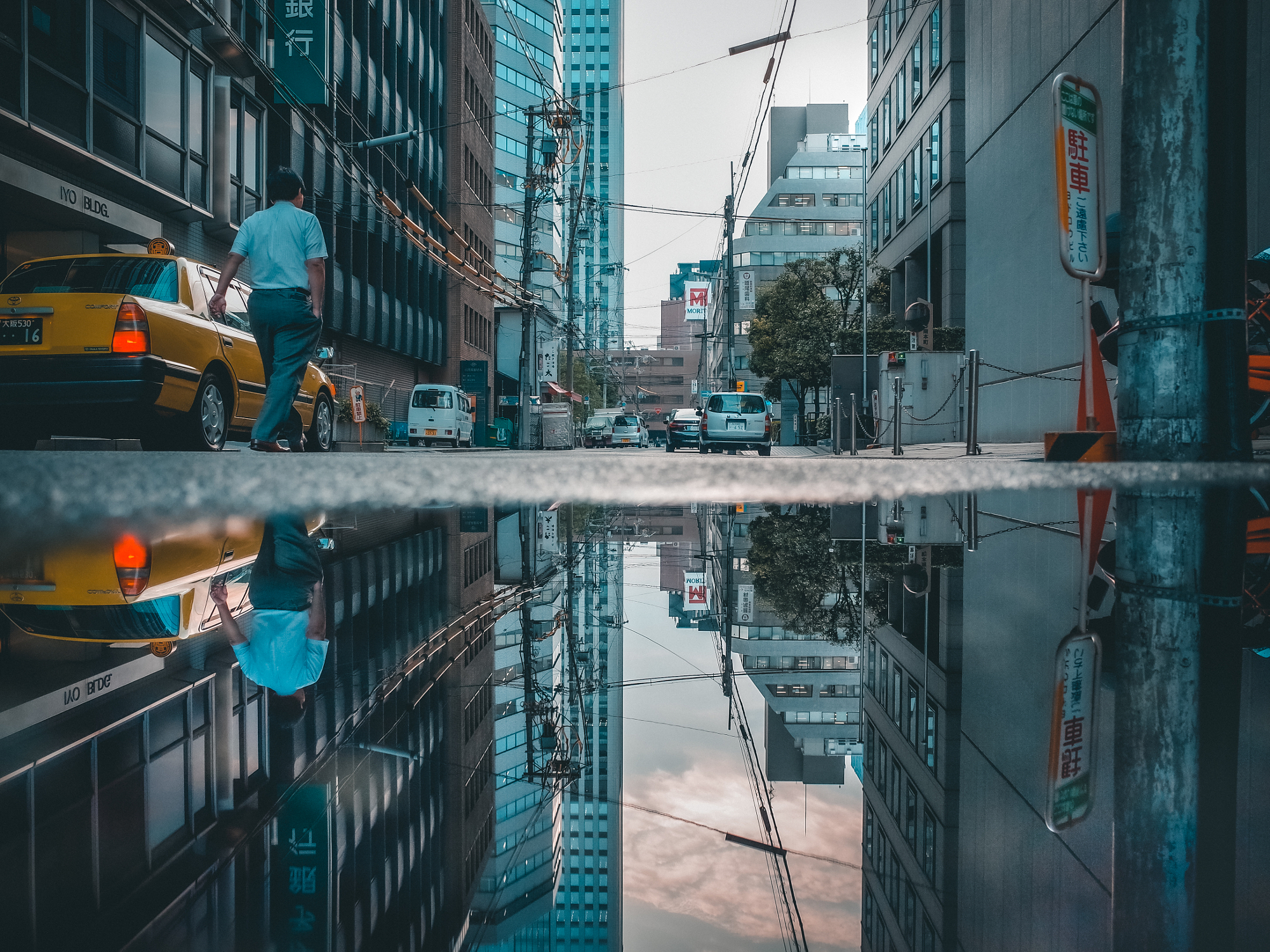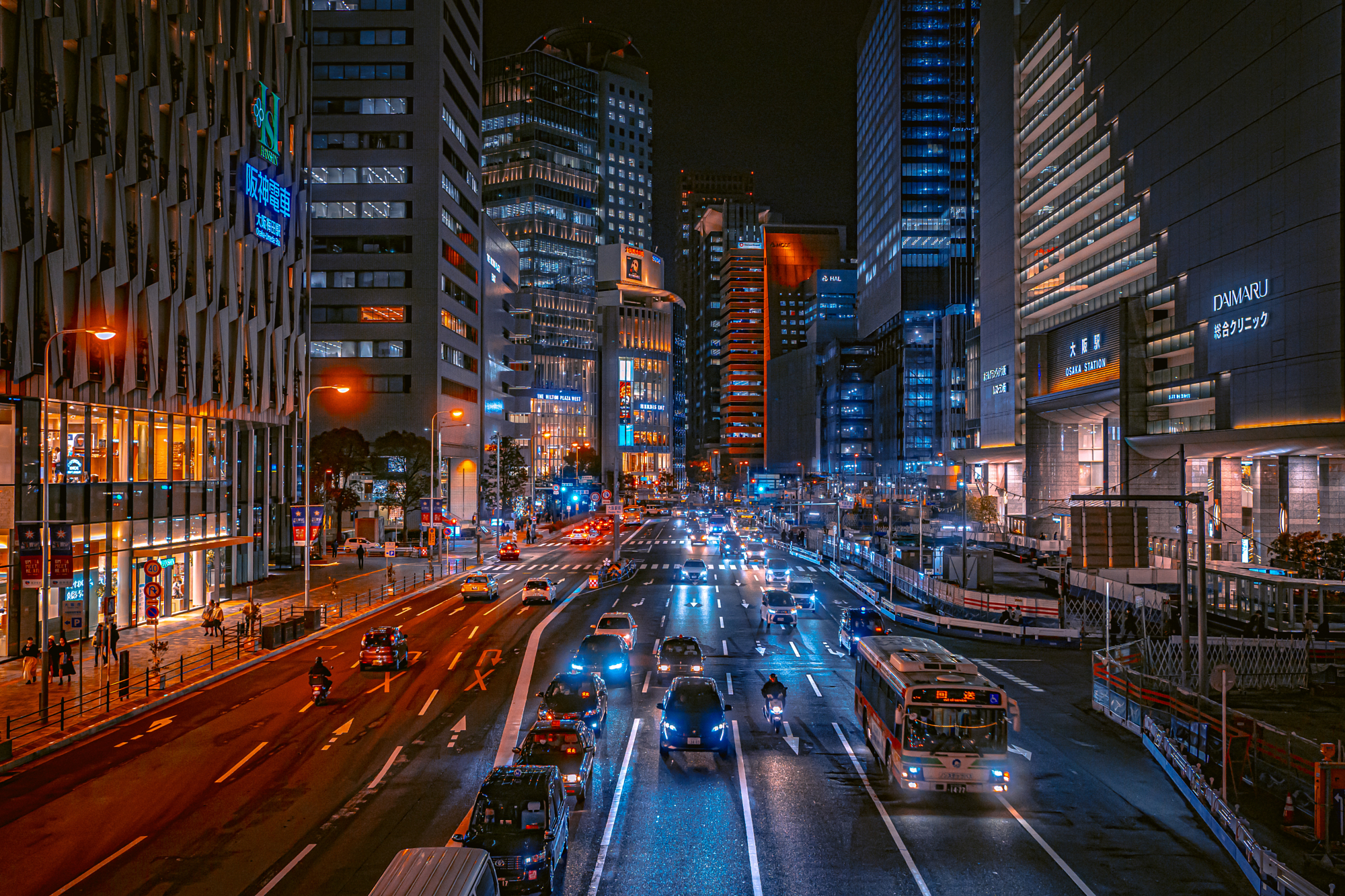
Japanese street photographer Masahiro Miyagi captures the layered energy of urban life through a distinct, cinematic lens. Armed with a Sony ?7 III and a Sigma 85mm f/1.4 lens, he frames moments of city life with breathtaking clarity and depth.
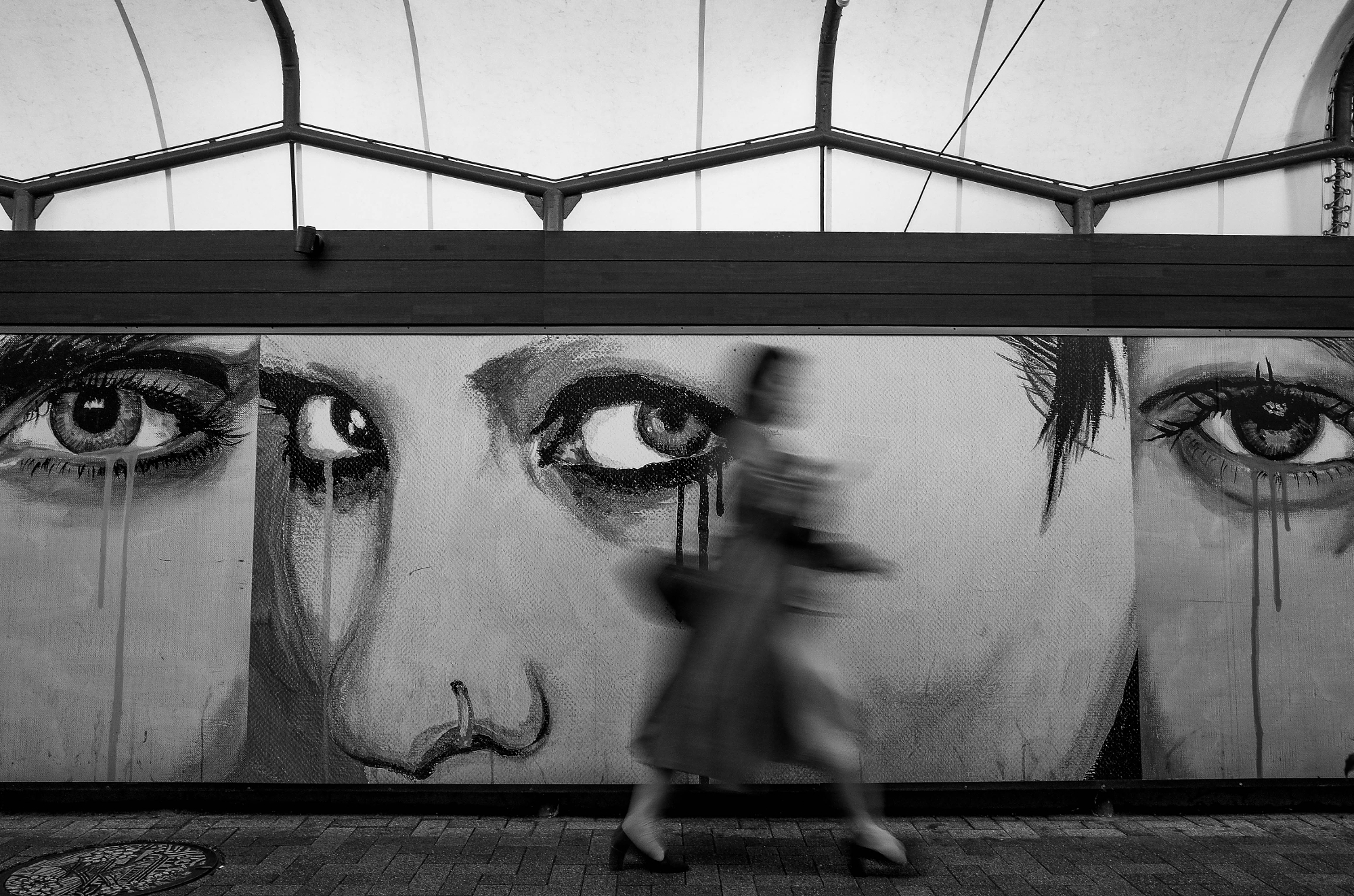
By choosing a longer focal length for his street photography, Miyagi beautifully compresses the neon-lit chaos of the city. This technique allows him to bring an intimate, portrait-like focus to the faces of people moving through the crowds.
Finding Cinema on the Streets
How did your journey into photography begin, and what early experiences drew your lens so deeply toward the streets of Japan?
I have always loved watching movies. One day, while flipping through a photo book, I came across a single image that made me feel as if I had just watched an entire feature film. That photograph was by Robert Capa.
From that moment on, I began diving deep into photo books by various photographers. Capa photographed extraordinary, historic moments, but his work made me wonder if I could express the everyday scenery around me in my own unique way. That curiosity is exactly what inspired me to pick up a camera and start shooting.
Most street photographers favor wide-angle lenses to get close to the action. Why did you choose a distinctive 85mm f/1.4 lens, and how does that shallow depth of field shape your visual storytelling?
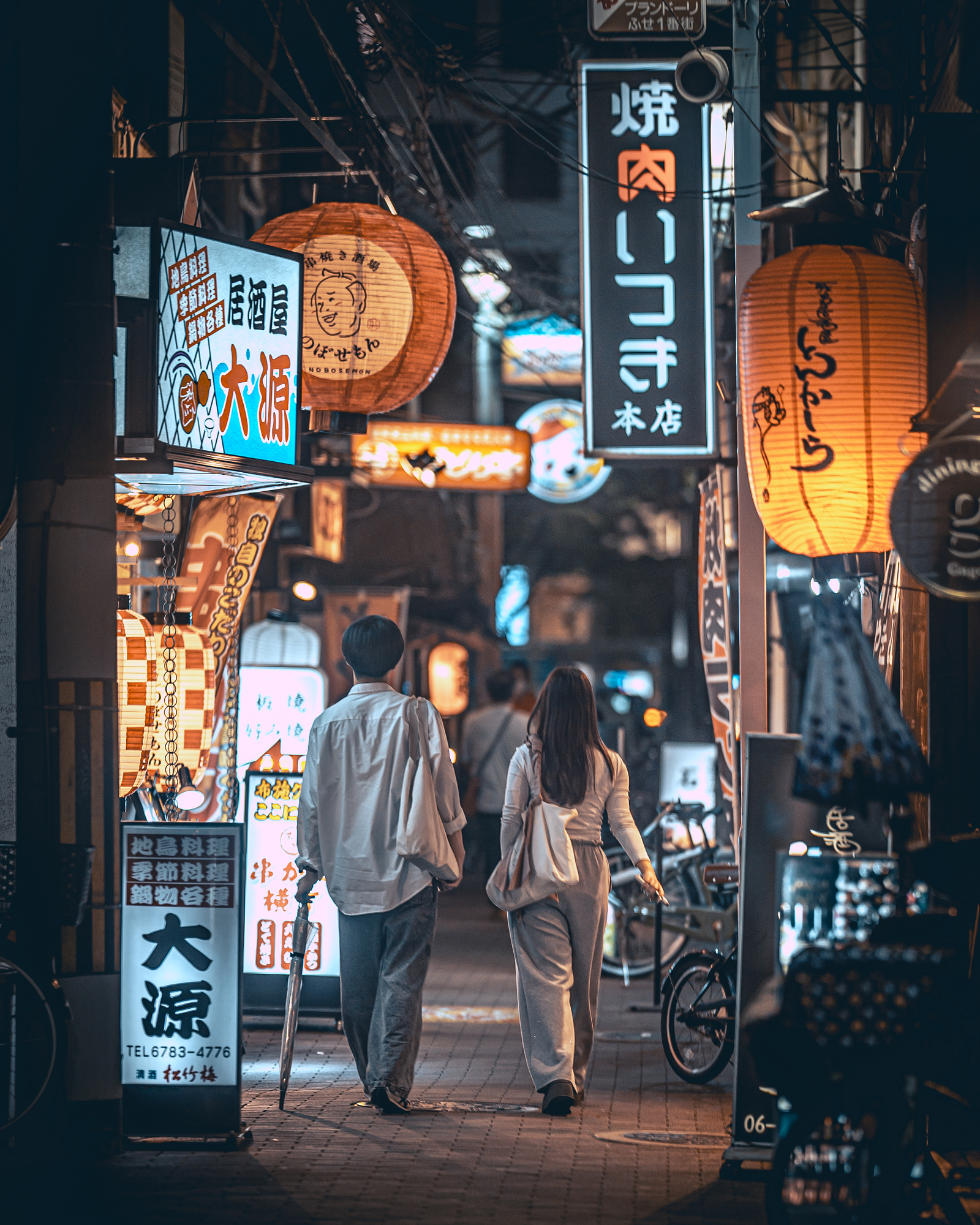
Within the world of street photography, I am especially drawn to shooting narrow back alleys. Initially, I used 28mm and 35mm lenses. However, I view the primary elements of a back alley to be its bar lanterns, neon signs, and billboards, while the people passing through act as secondary characters. For my specific vision, wider lenses began to feel a bit lacking.
Consequently, I decided to experiment with an 85mm lens to take advantage of its compression effect. By using the 85mm focal length, I can pull distant lanterns and neon signs closer to the frame. At the same time, shooting wide open allows me to isolate and focus on a person. This technique brings the final image much closer to what I mentally envision.
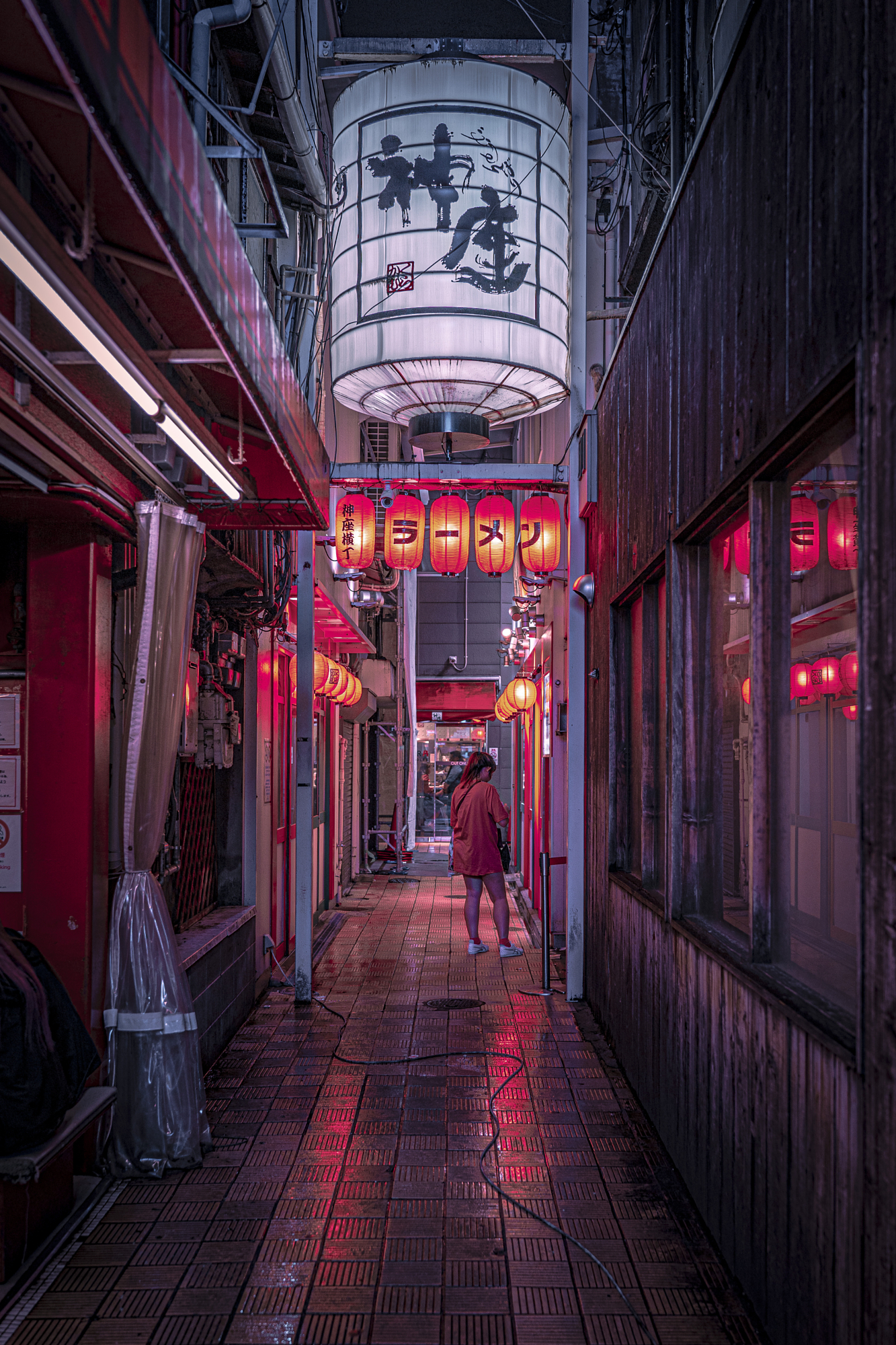
Naturally, the people often step into the spotlight as the main focus depending on the scene. Even in those moments, the 85mm lens, which is traditionally optimized for portraiture, does a phenomenal job.
Japan uniquely blends ancient traditions with ultra-modern architecture. When you walk the streets with your camera, do you actively look for that contrast, or are you more drawn to the human element regardless of the background?
I frequently notice that Japan excels at adopting cultures and technologies from abroad and reinterpreting them into a distinctly Japanese style. Because of this trait, our cityscapes evolve at a dizzying pace every single day.
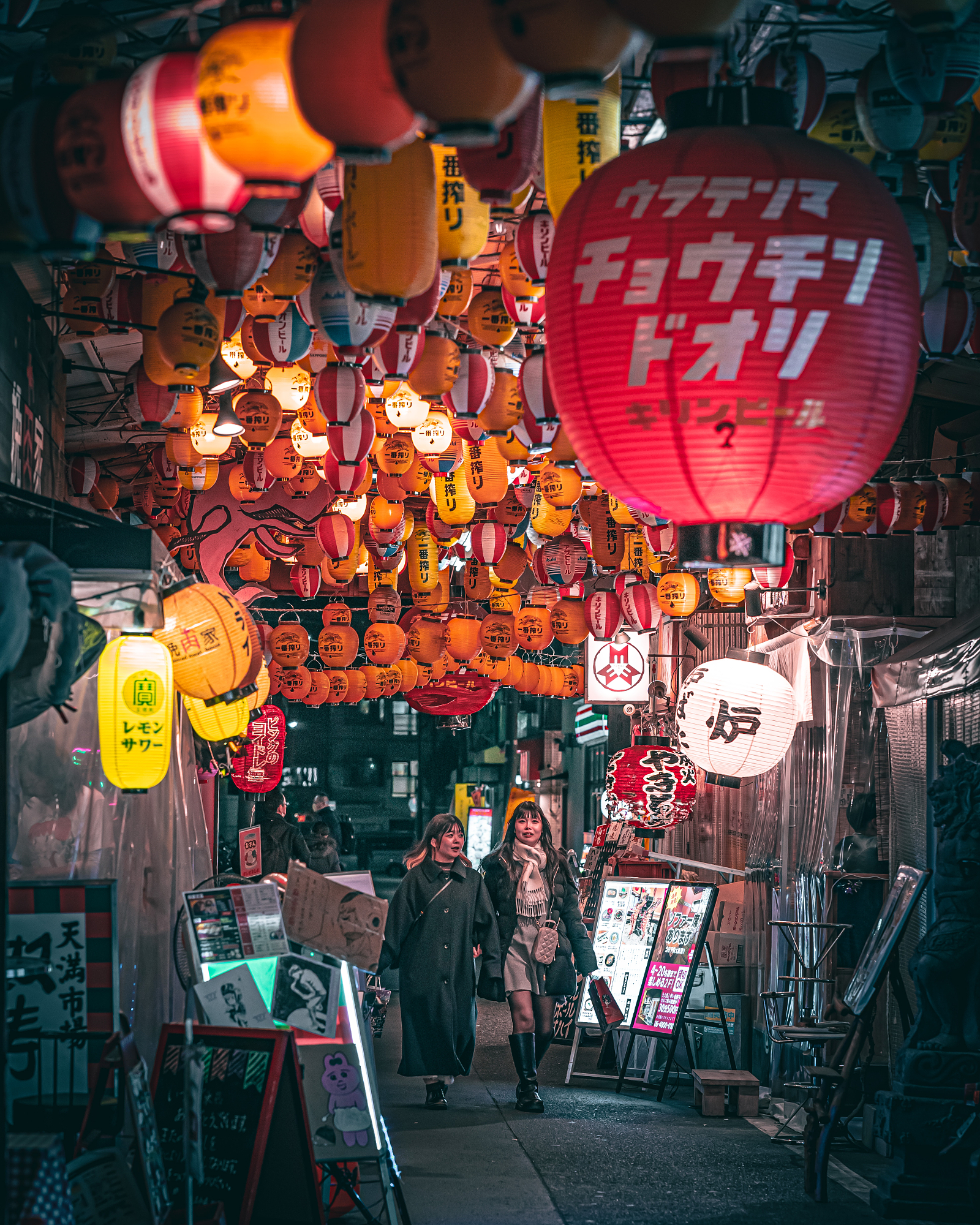
I believe this constant evolution works heavily in favor of my street photography. Because the environment changes so rapidly, I am always able to observe the city with a completely fresh perspective.
Since this transformation is an everyday reality, I accept it almost unconsciously. Ultimately, I try to release the shutter in a way that spontaneously responds to both the ever-changing background and the human elements within it.
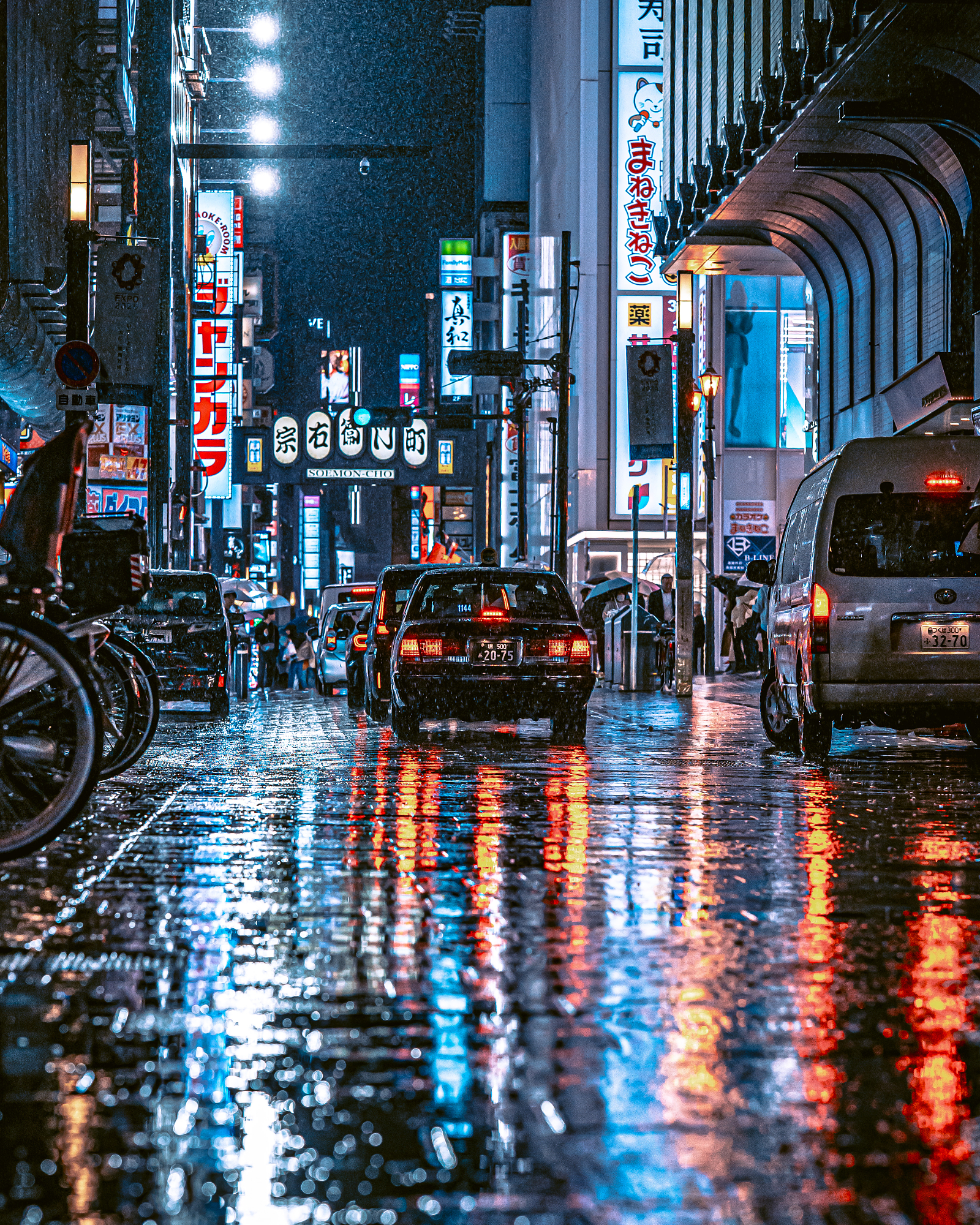
Using a fast lens like an f/1.4 works wonders in low-light photography. As the sun sets and the neon lights of Japan’s streets begin to glow, how does the atmosphere of your photos change?
An f/1.4 aperture is an incredibly powerful ally for nighttime street photography. The nocturnal alleys I shoot are filled with glowing lanterns, neon lights, and deep, unlit shadows. Therefore, it is vital to my process to emphasize that contrast while keeping digital image noise to an absolute minimum.
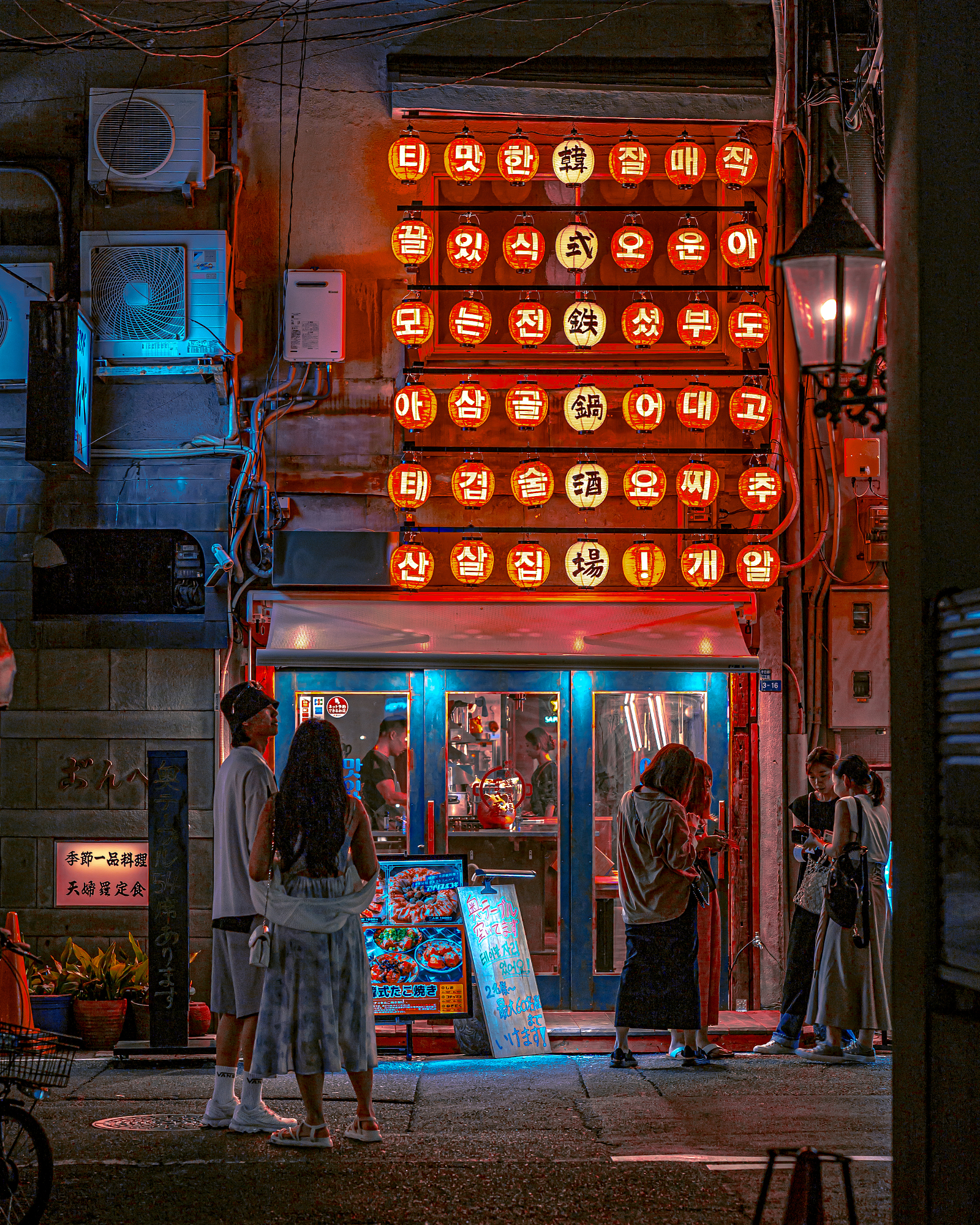
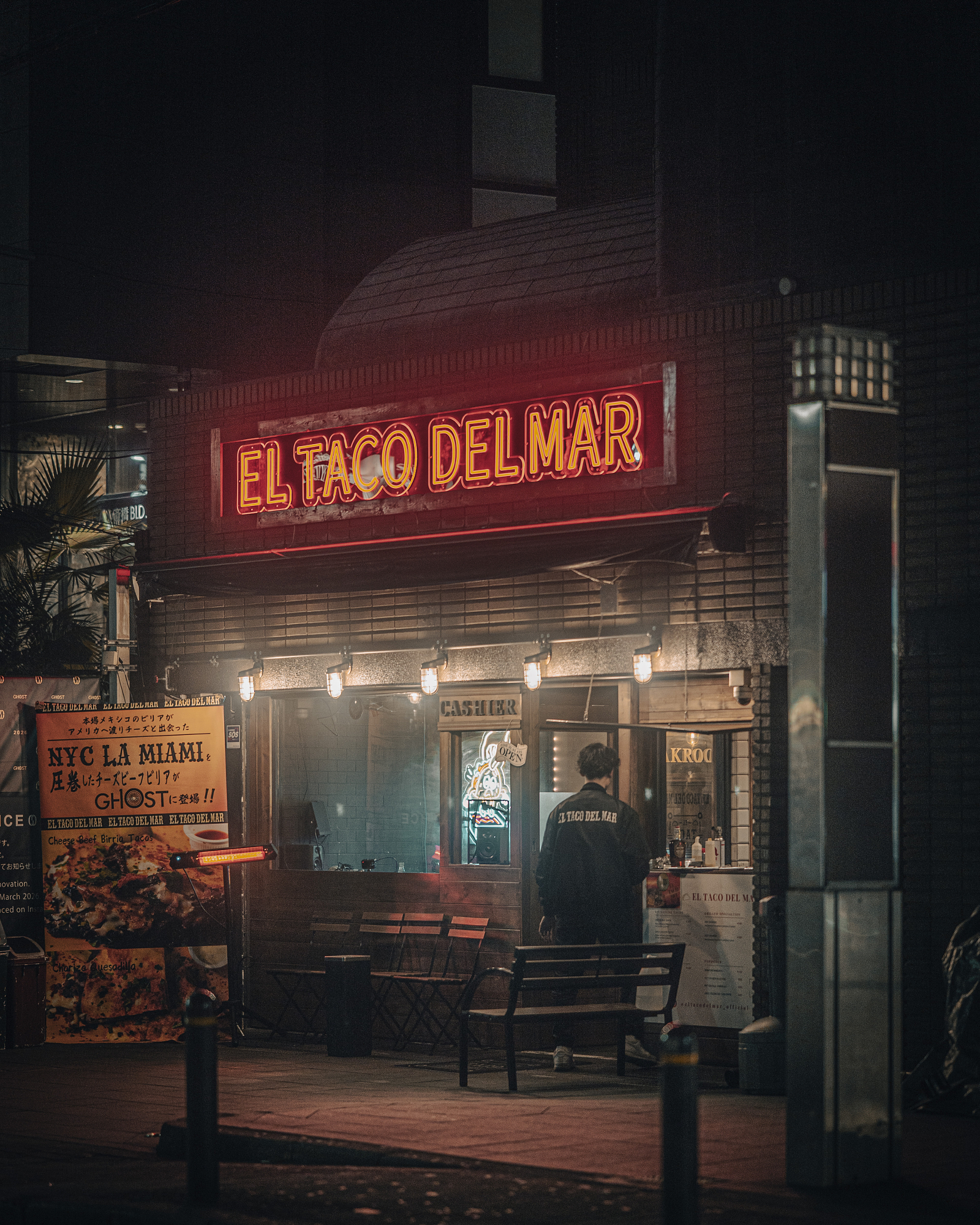
Additionally, to better suit my personal stylistic preference, I have recently been attaching a Black Mist filter to my lens. This tool helps to beautifully soften the glow of the nighttime lights.
The Sony ?7 III is celebrated for its speed and autofocus. How much does modern camera technology influence your ability to capture candid, fleeting moments undetected?
The performance of modern digital cameras is absolutely staggering. They are exceptionally well-suited for freezing a split-second moment or capturing a stunning landscape without ever missing focus. It is undeniable that my current digital setup is far more convenient than a traditional film camera.
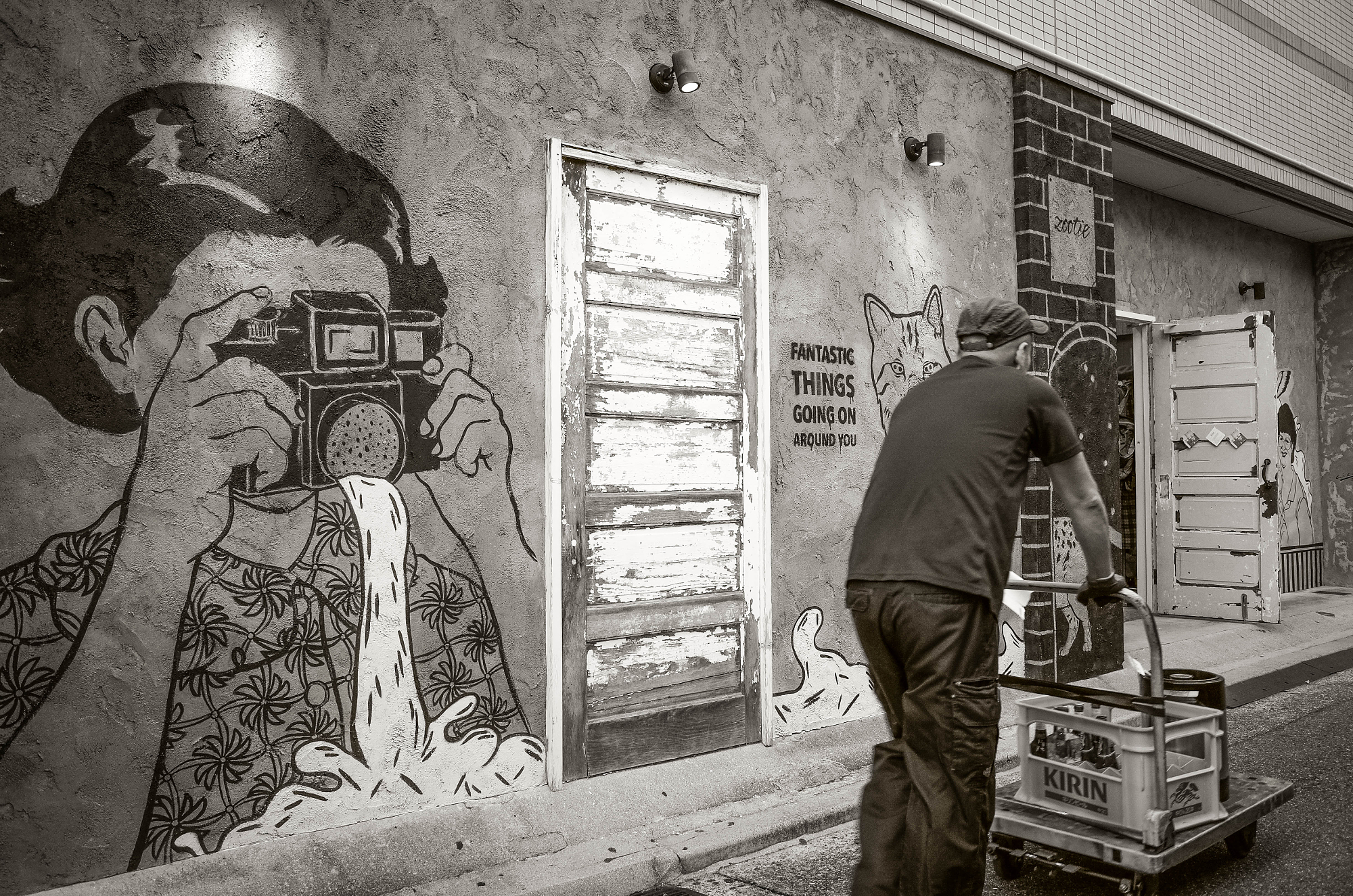
However, I believe the actual impact of technology on the essence of street photography is relatively minor. My heart is still deeply moved by the timeless works of Vivian Maier and Saul Leiter, both of whom achieved masterpiece status using purely analog cameras.
Your compositions beautifully emphasize scale and depth. What draws you to this perspective, and are you trying to capture layers or flatten the scene?
When I am framing a back alley, I naturally find myself paying attention to the lanterns and signs deep in the background, rather than just the immediate foreground light. Because of this habit, that sense of depth likely happens instinctively.
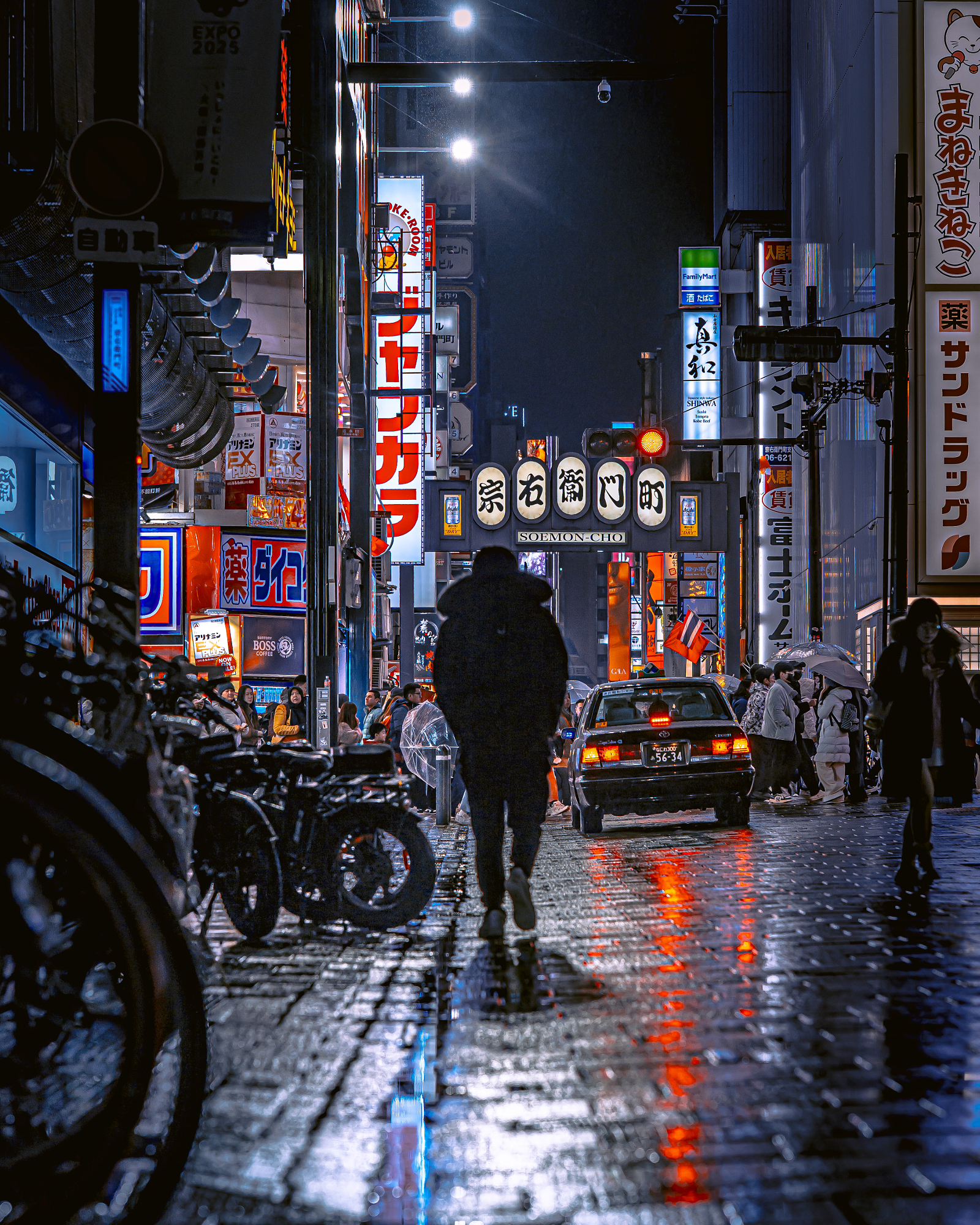
On the other hand, there are times when a person or a deeply human gesture feels far more compelling than the surrounding architecture. In those specific instances, I focus entirely on the subject without giving the background a second thought. As a result, I prefer to adapt my approach on a case-by-case basis.
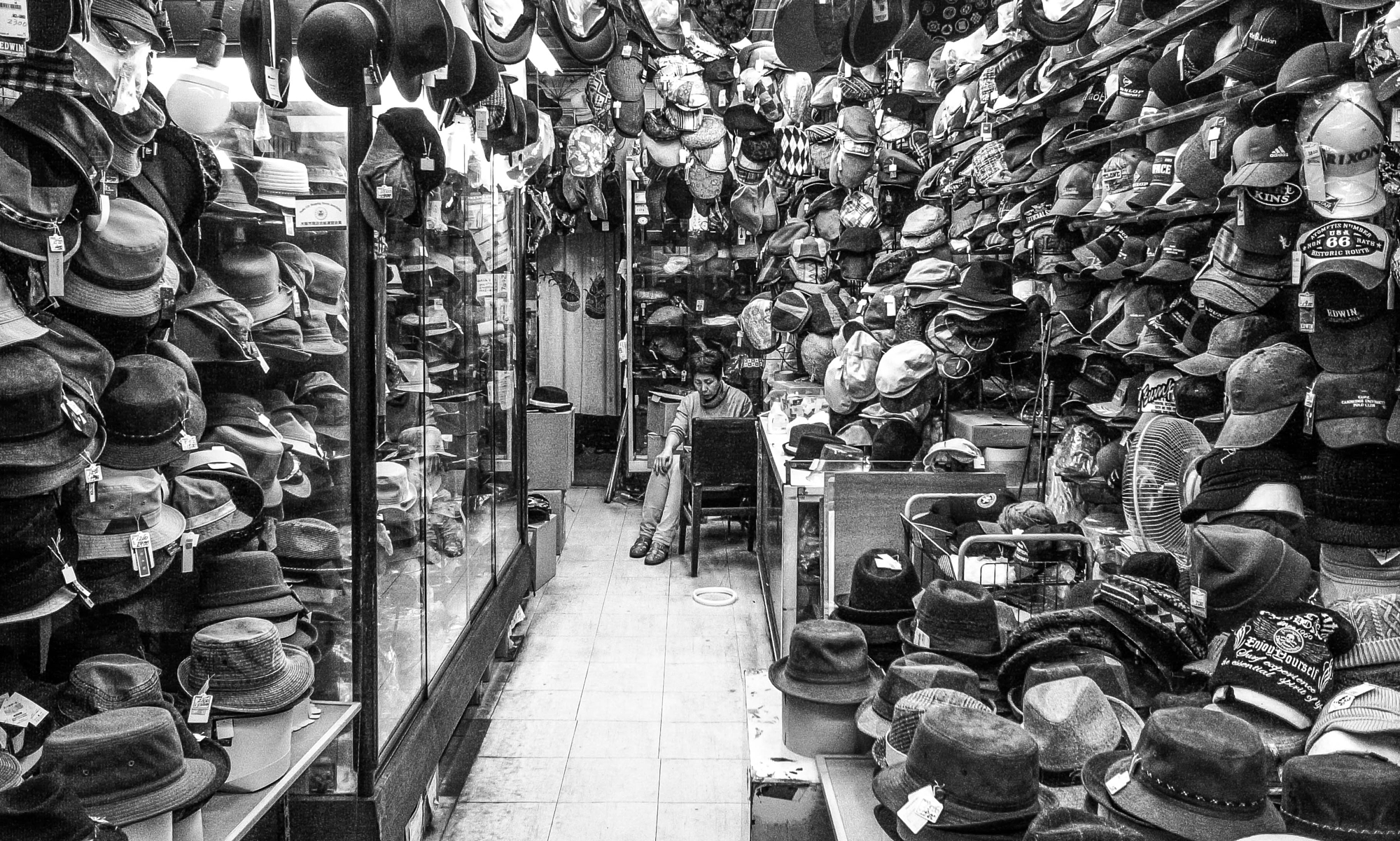
Your work has an undeniable cinematic quality. Outside of photography, which film directors or movies have significantly shaped your visual style?
Because cinema is crafted with meticulous thought given to composition, lighting, and focus, I believe movies have an enormous amount to teach us. I watch films frequently, so I have likely been influenced to some degree by nearly every movie I have ever seen.
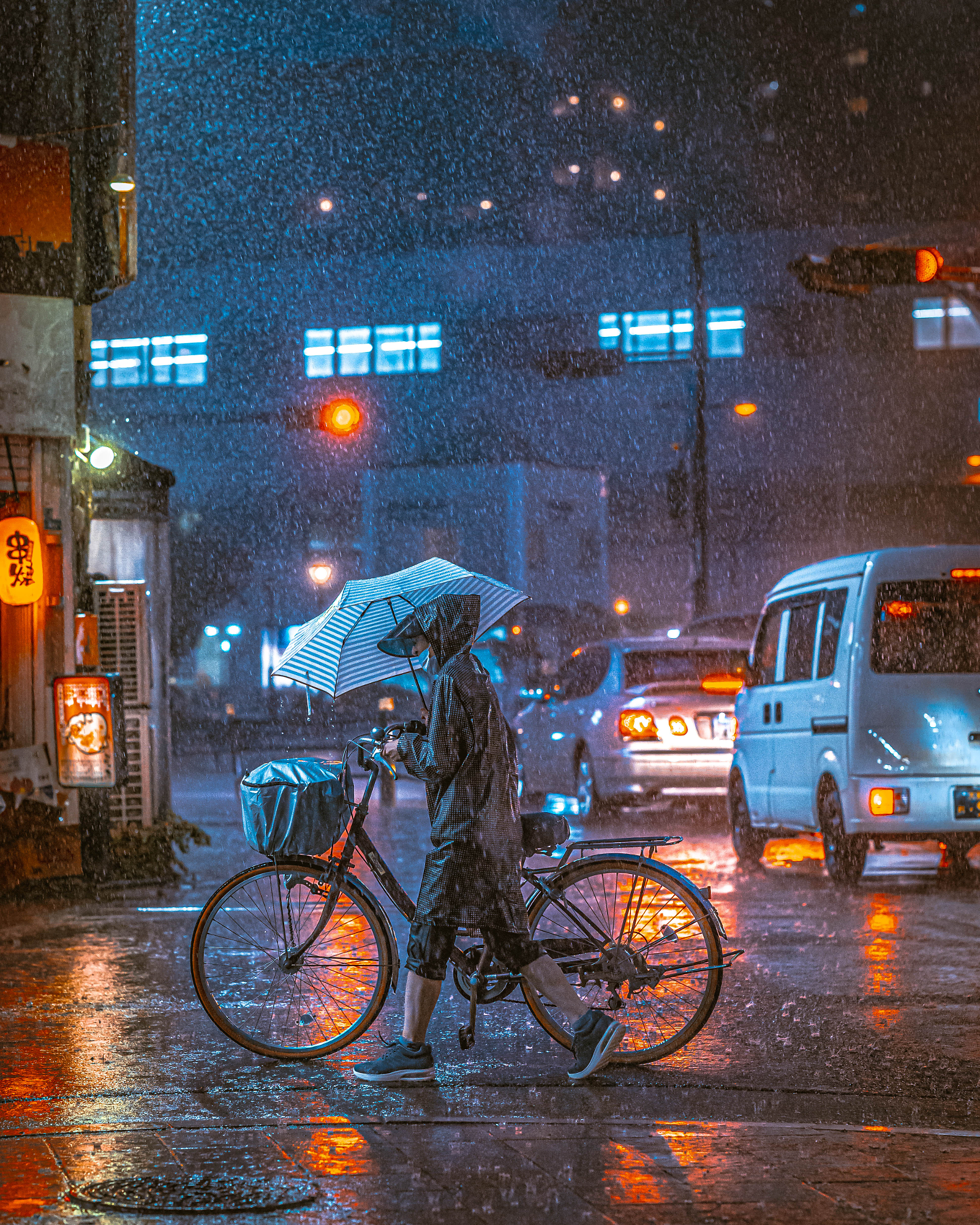
When analyzing cinema strictly as a visual art form, my favorite directors are Federico Fellini and Luchino Visconti. Specifically, Fellini’s La Strada and Visconti’s Death in Venice are two works that have left a profound impact on my visual style.
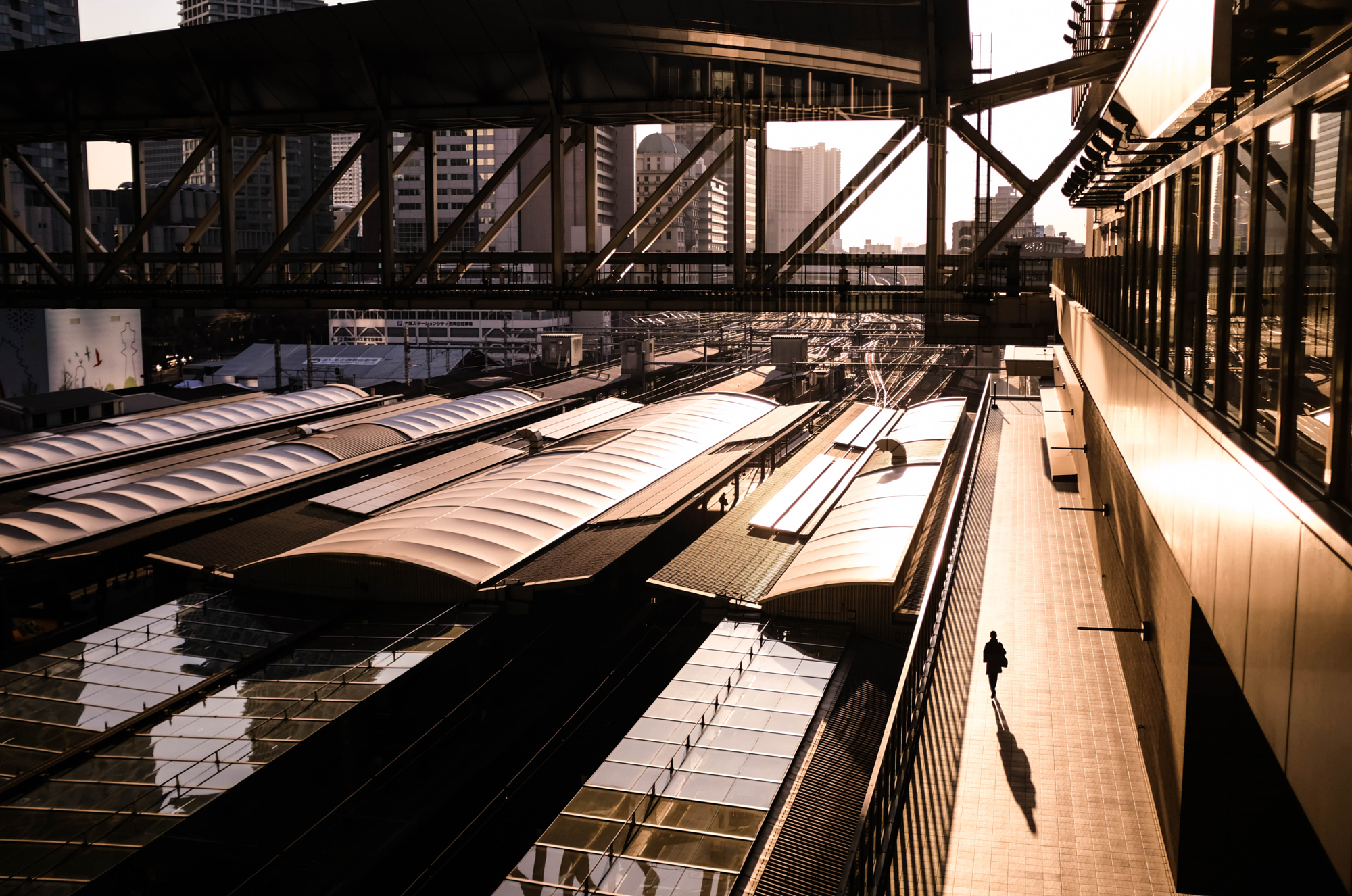
The fast-paced energy of Japan’s bustling cities can be overwhelming. How do you find and capture quiet, human moments amidst the chaos?
I actually prefer shooting in highly crowded, bustling areas. However, when you immerse yourself completely in a massive crowd, it is easy to lose your sense of self, even with a camera in hand. Because of this, intense concentration becomes vital.
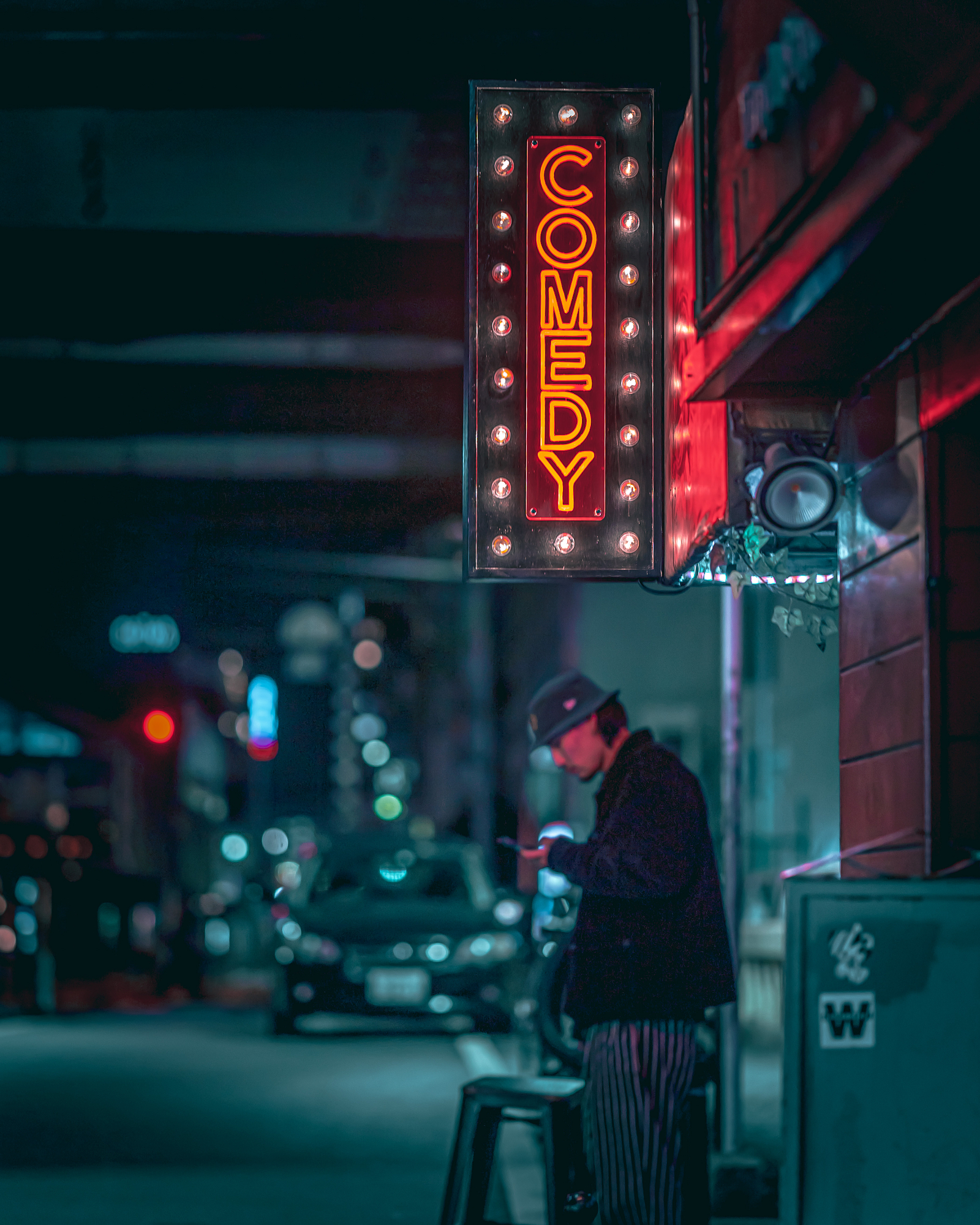
Whenever I feel even the slightest emotional spark, I try to release the shutter without a moment of hesitation. My ultimate ideal is for my intuition and my body to react naturally before my brain can overthink the scene. That said, I know I still have a long way to go before I truly master that state of mind.
What is your personal favorite photograph in your portfolio, and what is the story behind it?
That is an incredibly difficult question to answer. Even when I finish editing a photo and feel completely thrilled with it, time passes, and I inevitably begin noticing its flaws. I always find myself wondering if I could have captured a better shot if I had just waited a few moments longer.
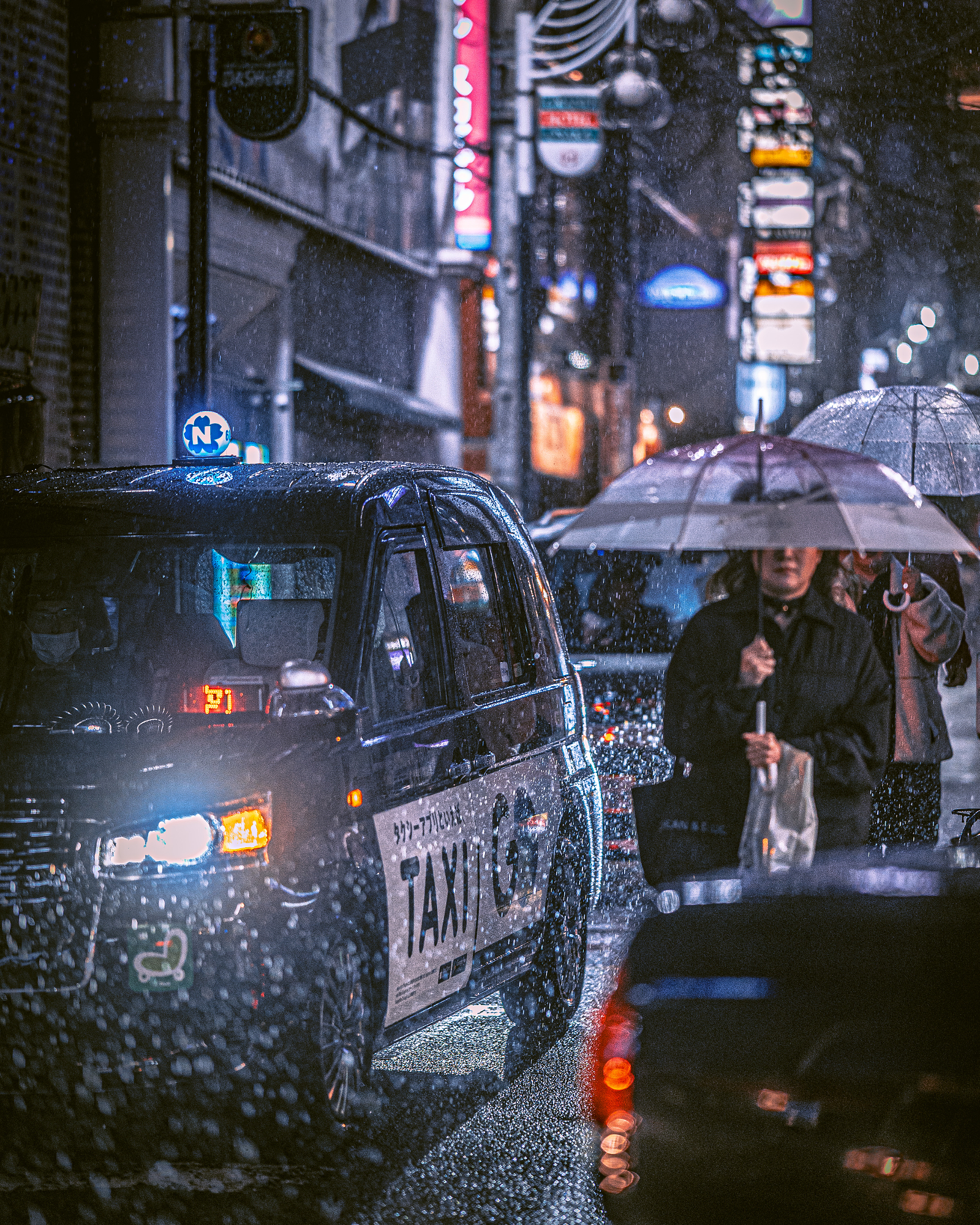
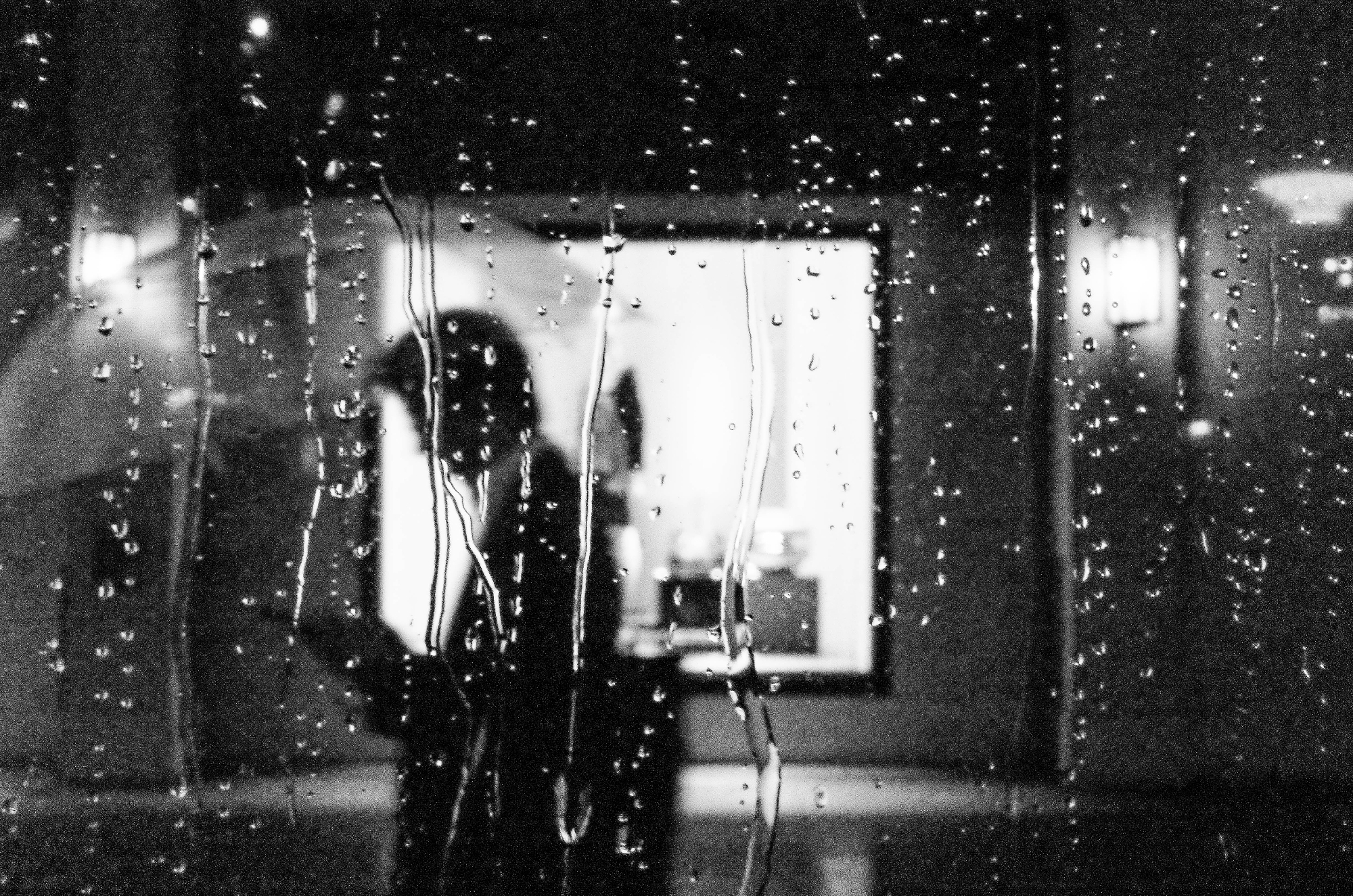
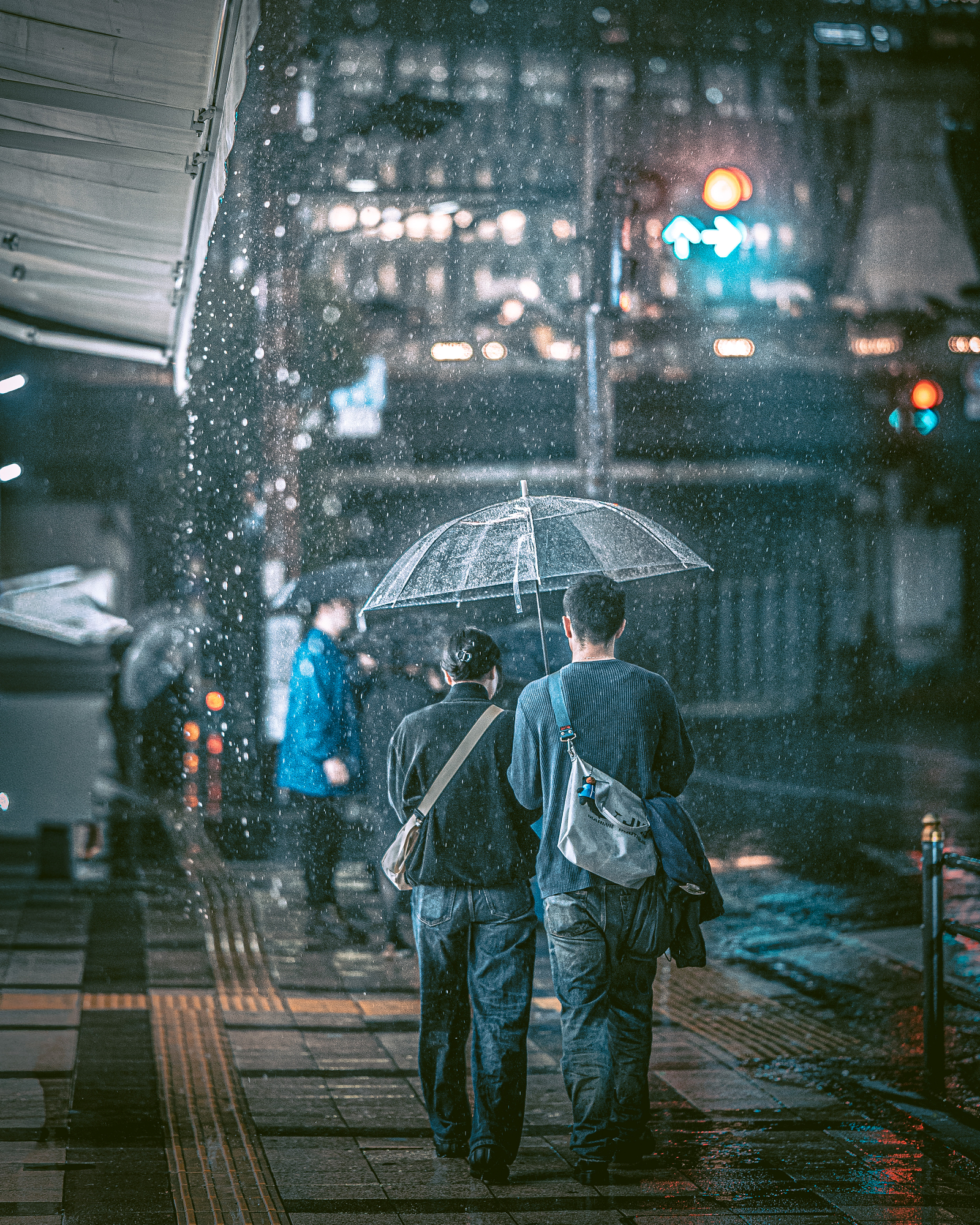
However, if I had to choose one image that holds a truly deeply sentimental place in my heart, it would be my photograph titled “street 222,” taken in October 2025. It is a frame that required an immense amount of patience and perseverance to capture while standing unsheltered in the middle of a torrential downpour.
What’s next for you? Are there any upcoming photography trips or specific projects you are excited to pursue?
Right now, there are still countless locations across Japan that I am eager to explore and photograph, especially within Tokyo. With that said, I also find myself frequently thinking about returning to India. I would love to travel back to the streets of Varanasi and Kolkata to capture the people and urban rhythms there, just as I did when I was younger.
Check out Masahiro Miyagi’s Portfolio on 500px!