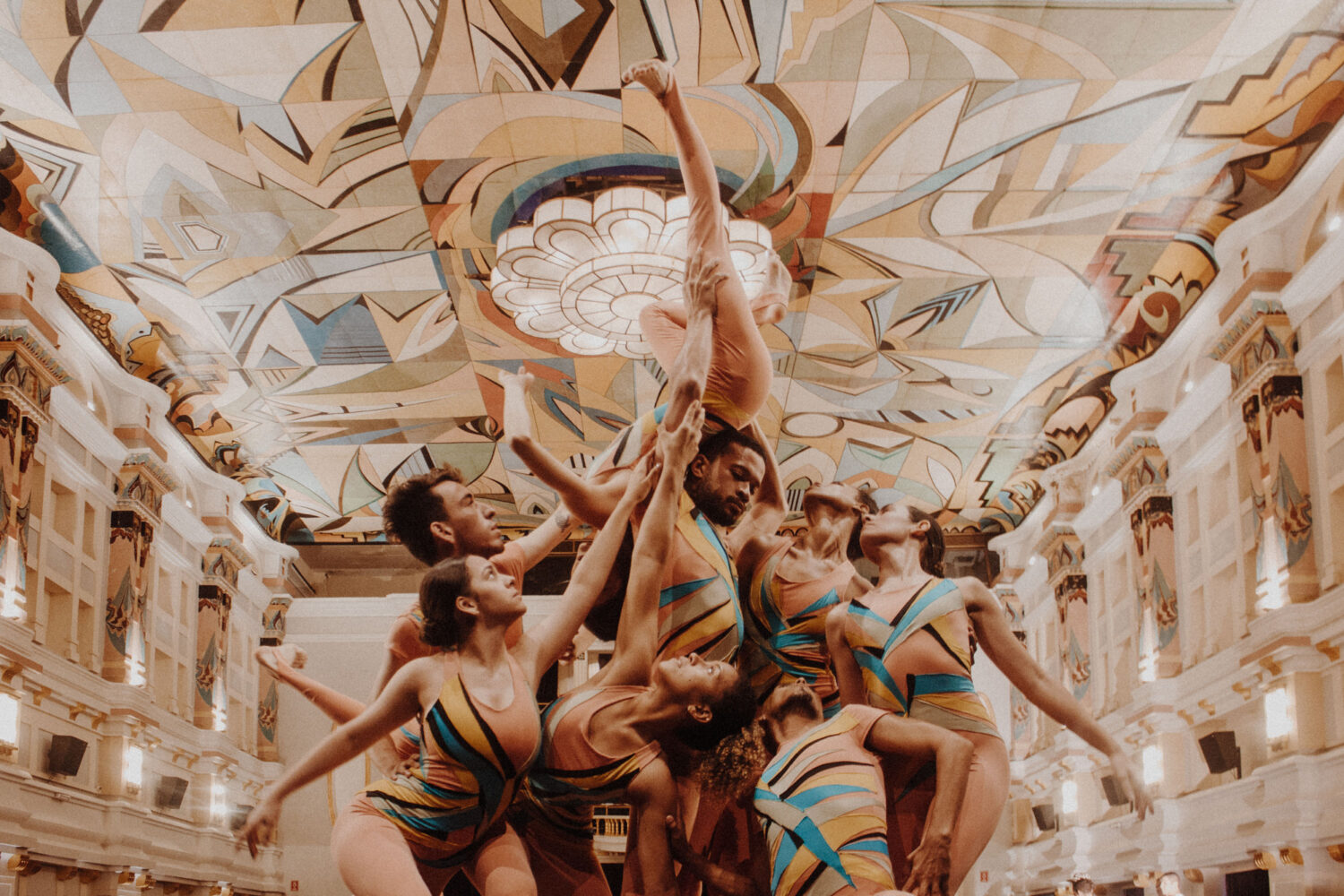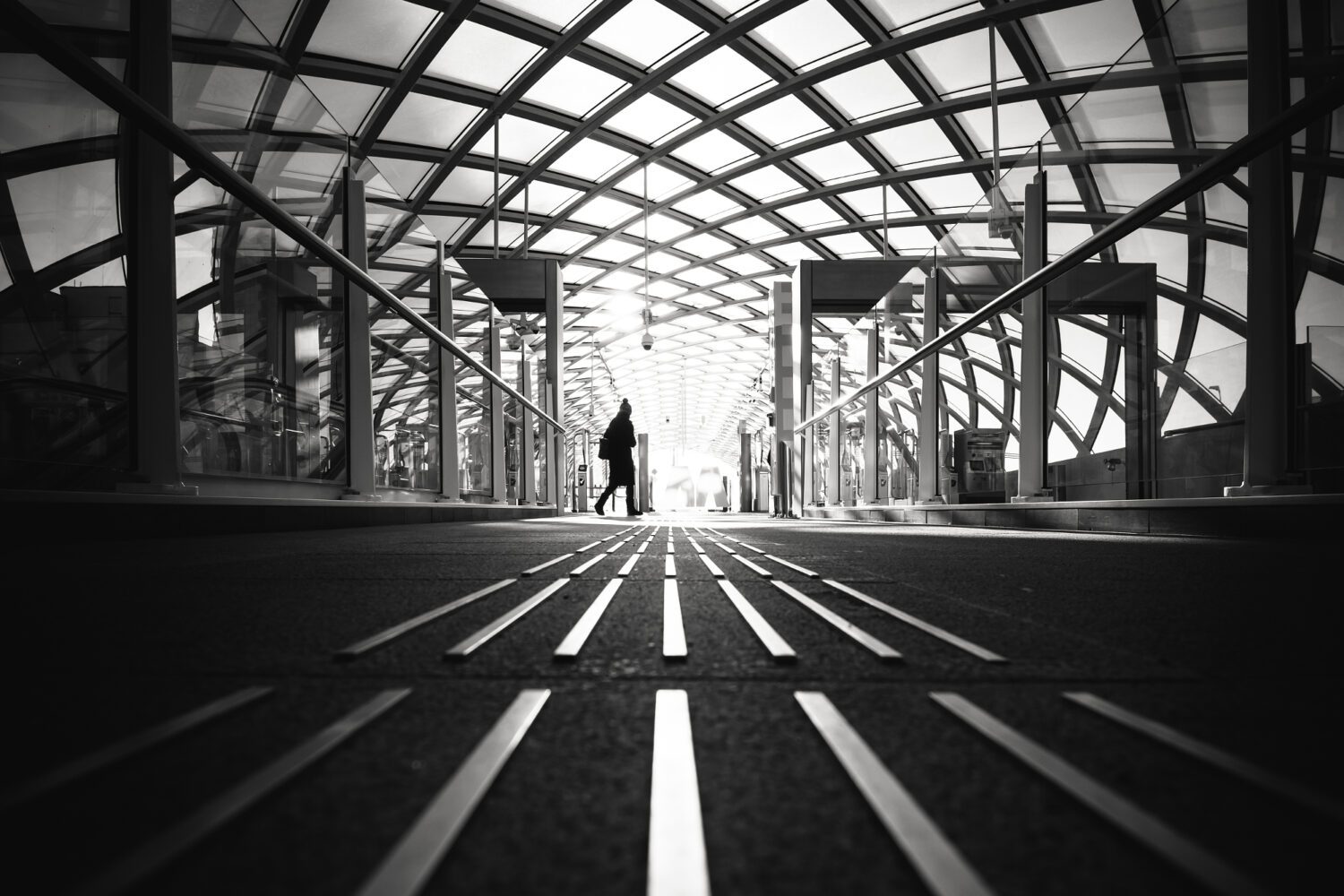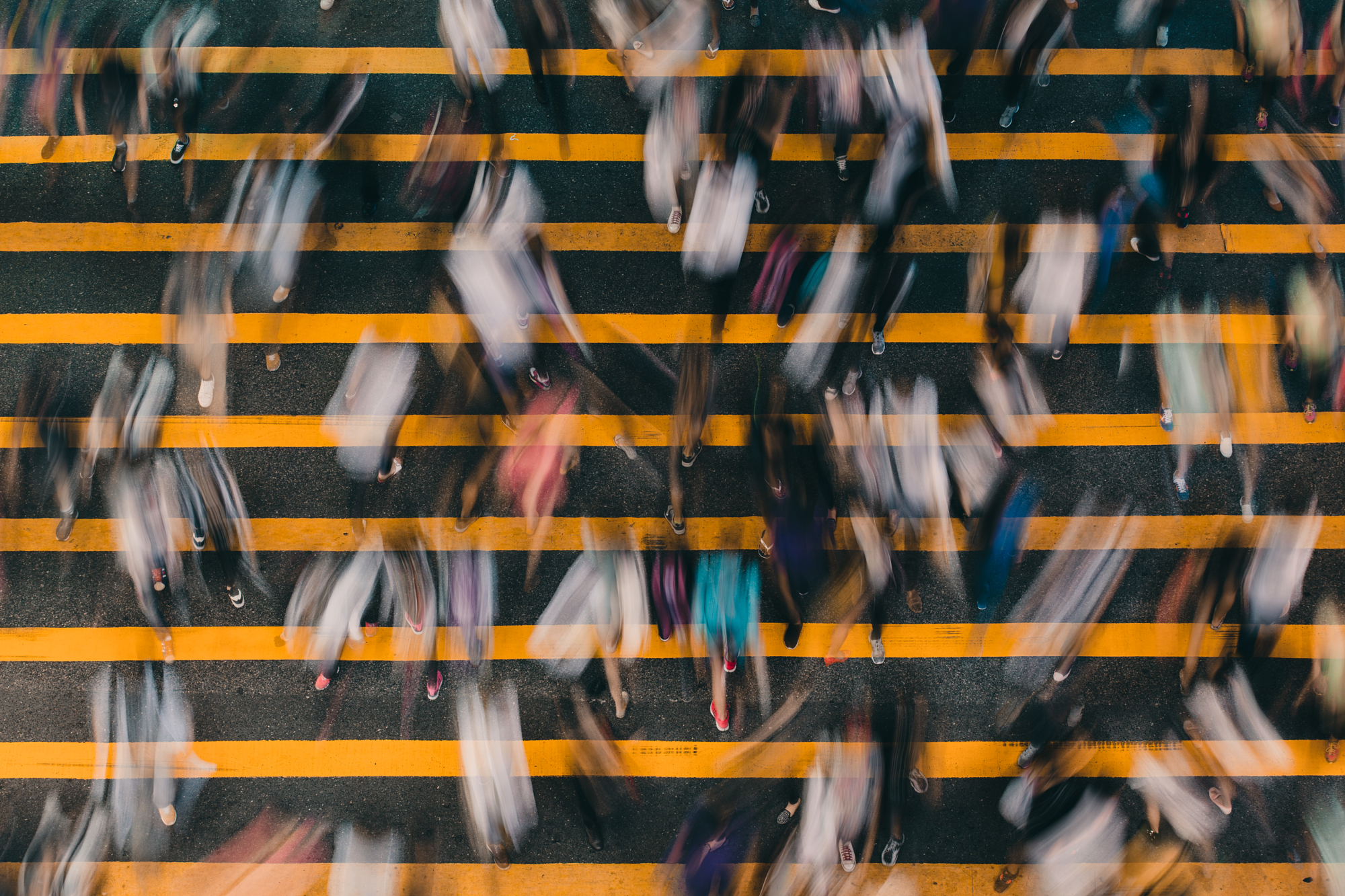
Time usually passes unnoticed. However, in long exposure photography, you make time visible. Instead of capturing a single instant, you stretch moments across seconds or even minutes.
The result is something surreal. Water becomes smooth. Lights become trails. Movement becomes art.
What Is Long Exposure Photography?
Long exposure photography uses a slow shutter speed to capture movement over time. Instead of freezing action, it allows motion to flow through the frame and become part of the composition.
This technique works by recording time rather than a single instant. It simplifies complex movement and creates a dreamlike effect, turning flowing water, moving clouds, and city lights into smooth and expressive forms.
Everyday scenes become visually striking and often reveal details that are impossible to see with the naked eye.
Using Slow Shutter Speed to Stretch Time
Shutter speed controls how time appears in your image.
In long exposure photography:
- 1–2 seconds ? subtle motion
- 5–10 seconds ? strong movement
- 30+ seconds ? dramatic transformation
To get started:
- Lower your shutter speed
- Use a tripod for stability
- Keep your camera still
As a result, movement becomes smooth and continuous.
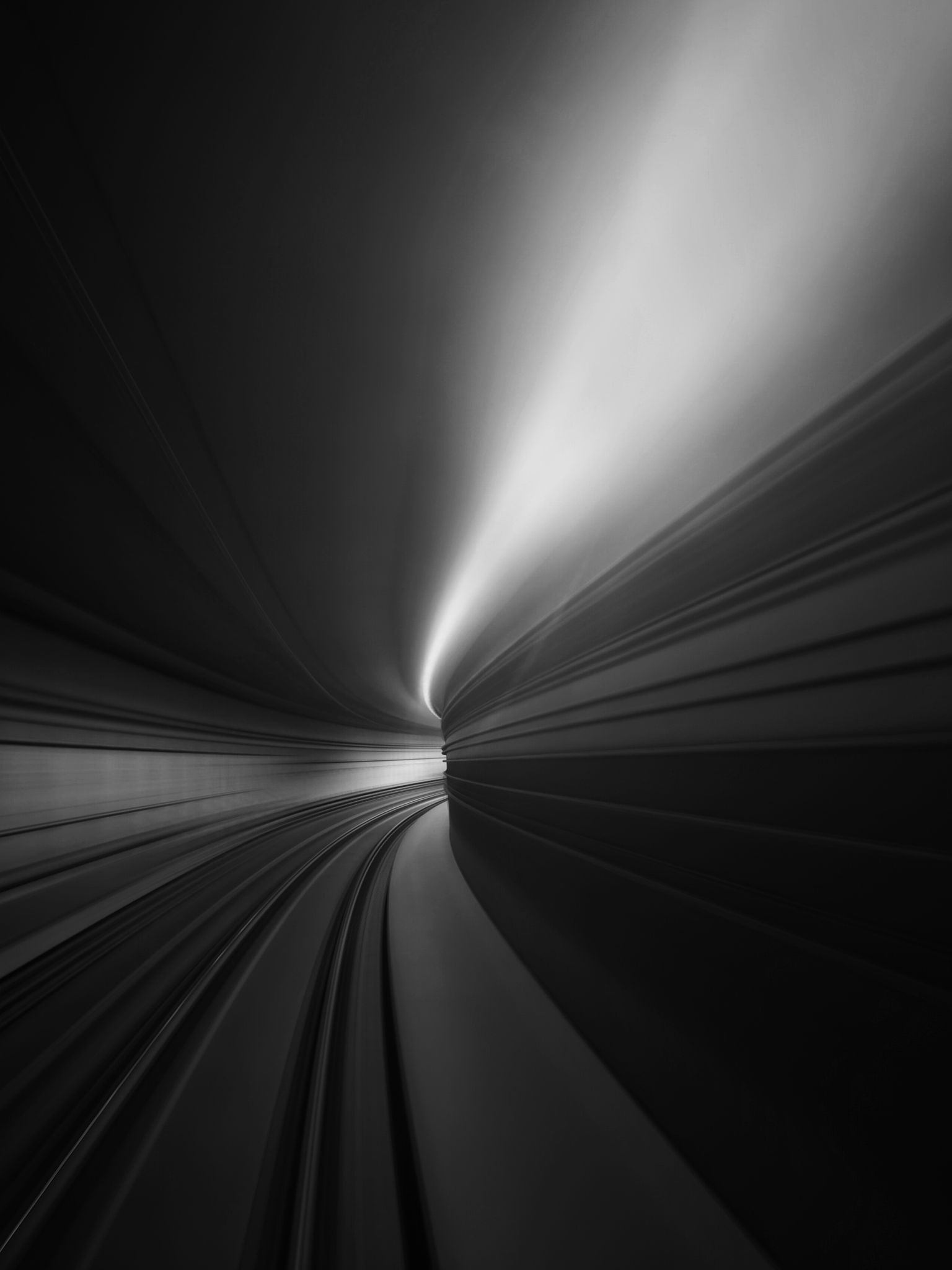
Creating Light Trails at Night
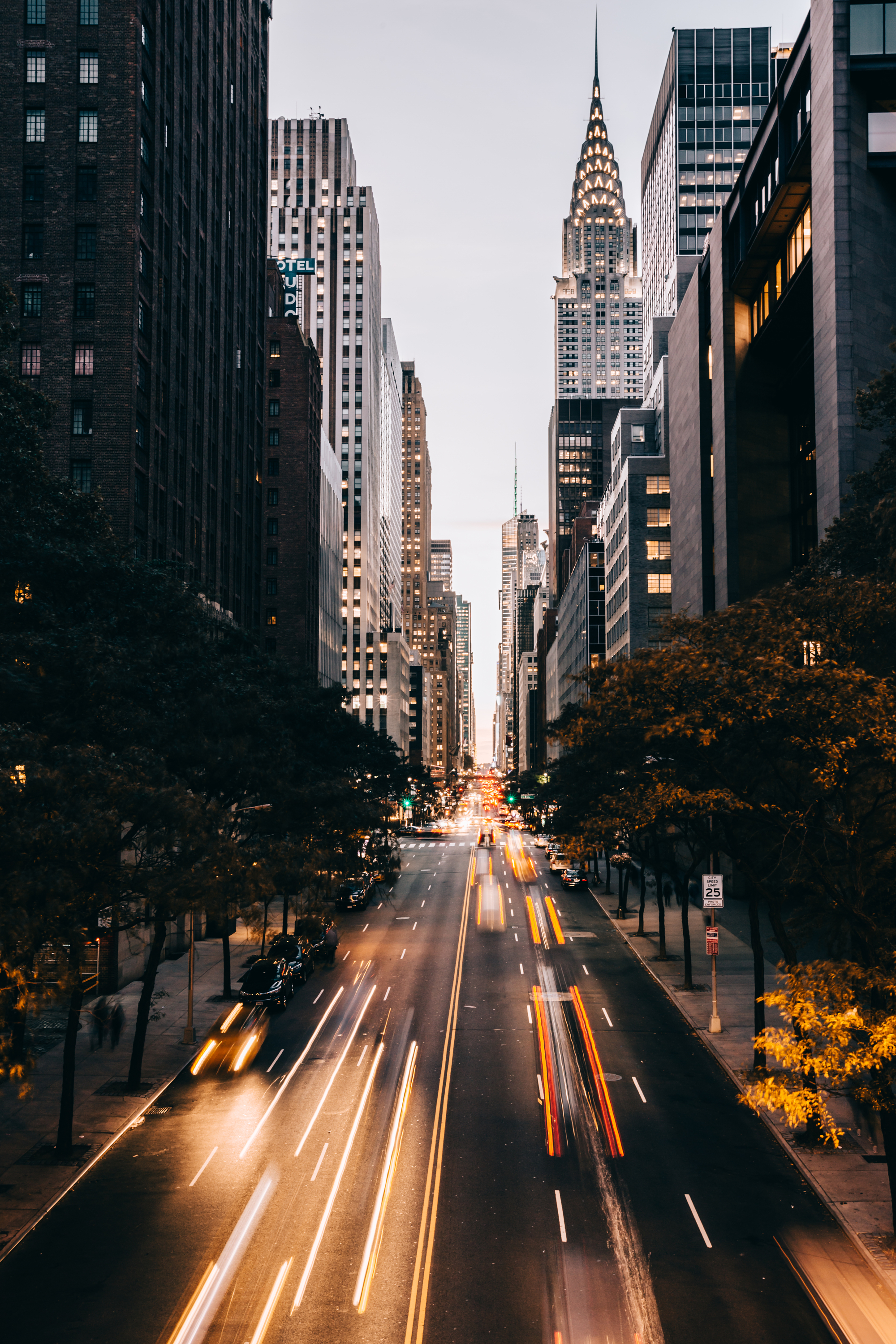
Light trails are one of the most recognizable effects in long exposure photography.
You can capture them by photographing:
- Moving cars
- City streets at night
- Passing lights
To enhance light trails:
- Shoot in low-light conditions
- Use longer exposures
- Compose with leading lines
Consequently, your images feel dynamic and cinematic.
Smoothing Water for a Dreamlike Effect
Water transforms beautifully with long exposure.
In long exposure photography:
- Fast shutter ? sharp texture
- Slow shutter ? soft, flowing water
To achieve this:
- Use a tripod
- Shoot during low light
- Adjust exposure carefully
As a result, water appears smooth and almost unreal.
Removing Movement for Minimal Scenes
Long exposure photography can also remove distractions by causing moving subjects to disappear if they do not remain in the frame long enough to register clearly.
This technique is especially useful for simplifying busy scenes, reducing the presence of crowds, and creating clean, minimal compositions. In locations that are normally chaotic, long exposures can produce images that feel quiet and uncluttered.
Your photographs take on a calmer, more deliberate, and controlled appearance.
Essential Gear for Long Exposure Photography
You don’t need much, but a few tools help significantly.
Basic setup:
- Tripod for stability
- Camera with manual settings
- Neutral density (ND) filter for bright conditions
Optional:
- Remote shutter release
- Timer to reduce camera shake
As a result, you gain more control over exposure time.
Composition Tips for Long Exposure Photography
Strong composition is essential. Otherwise, long exposure effects can feel random.
Keep these in mind:
- Anchor your frame with a static subject
- Use leading lines to guide motion
- Simplify your scene
- Balance movement with stillness
As a result, your images feel intentional and refined.
Why Long Exposure Photography Works
Long exposure photography reveals details and patterns that the human eye cannot see in a single moment. By extending the shutter speed, it transforms time into an essential part of the composition.
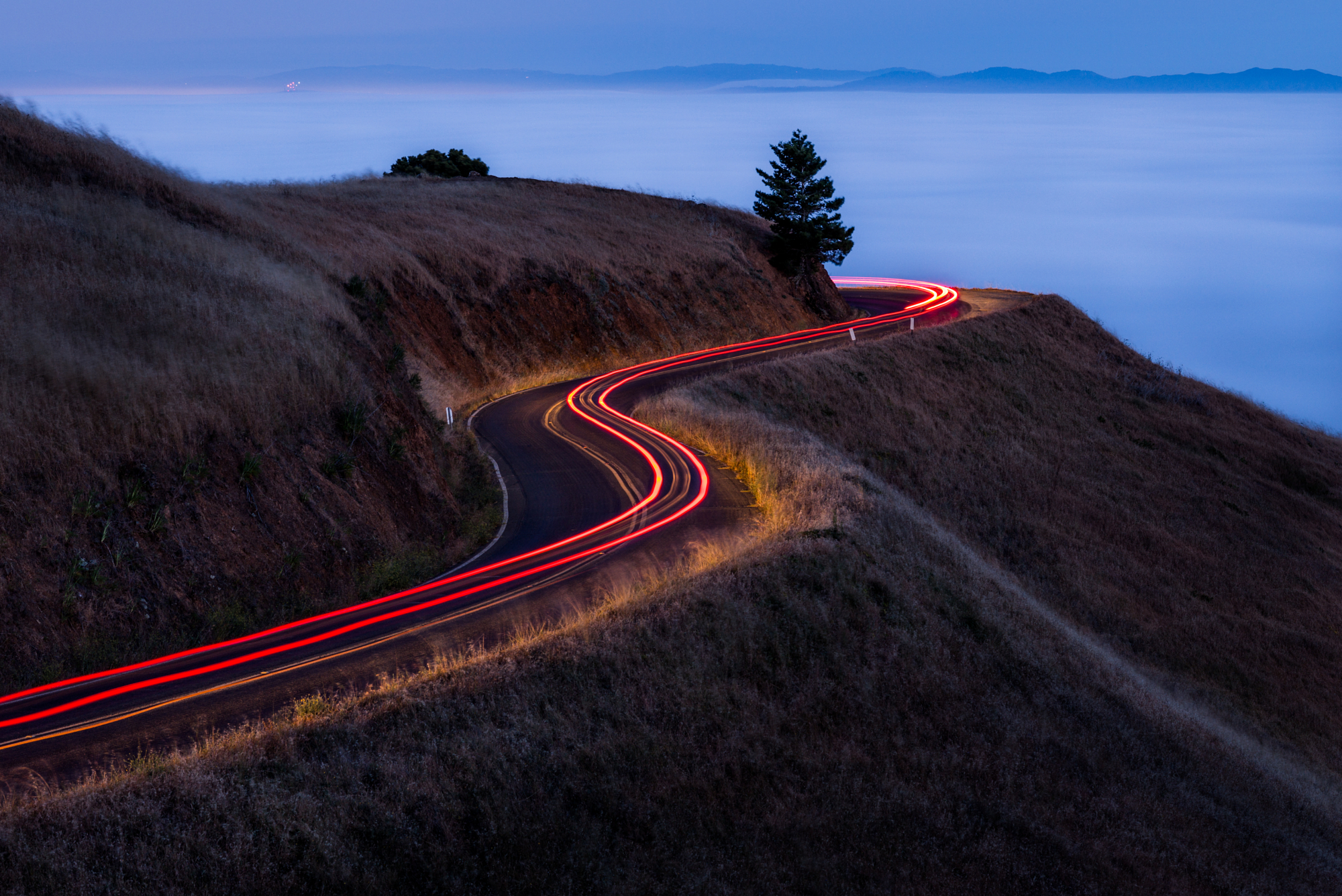
This technique works by capturing motion over several seconds or even minutes, simplifying complex scenes and creating distinctive visual effects. Moving water becomes silky, clouds stretch across the sky, and lights form elegant trails.
Long exposure photography expands the way you interpret a scene, turning ordinary moments into more abstract and expressive images.
Final Thoughts on Long Exposure Photography
You don’t need dramatic locations. Instead, you need patience and observation. Watch how light moves. Observe how water flows. Experiment with time.