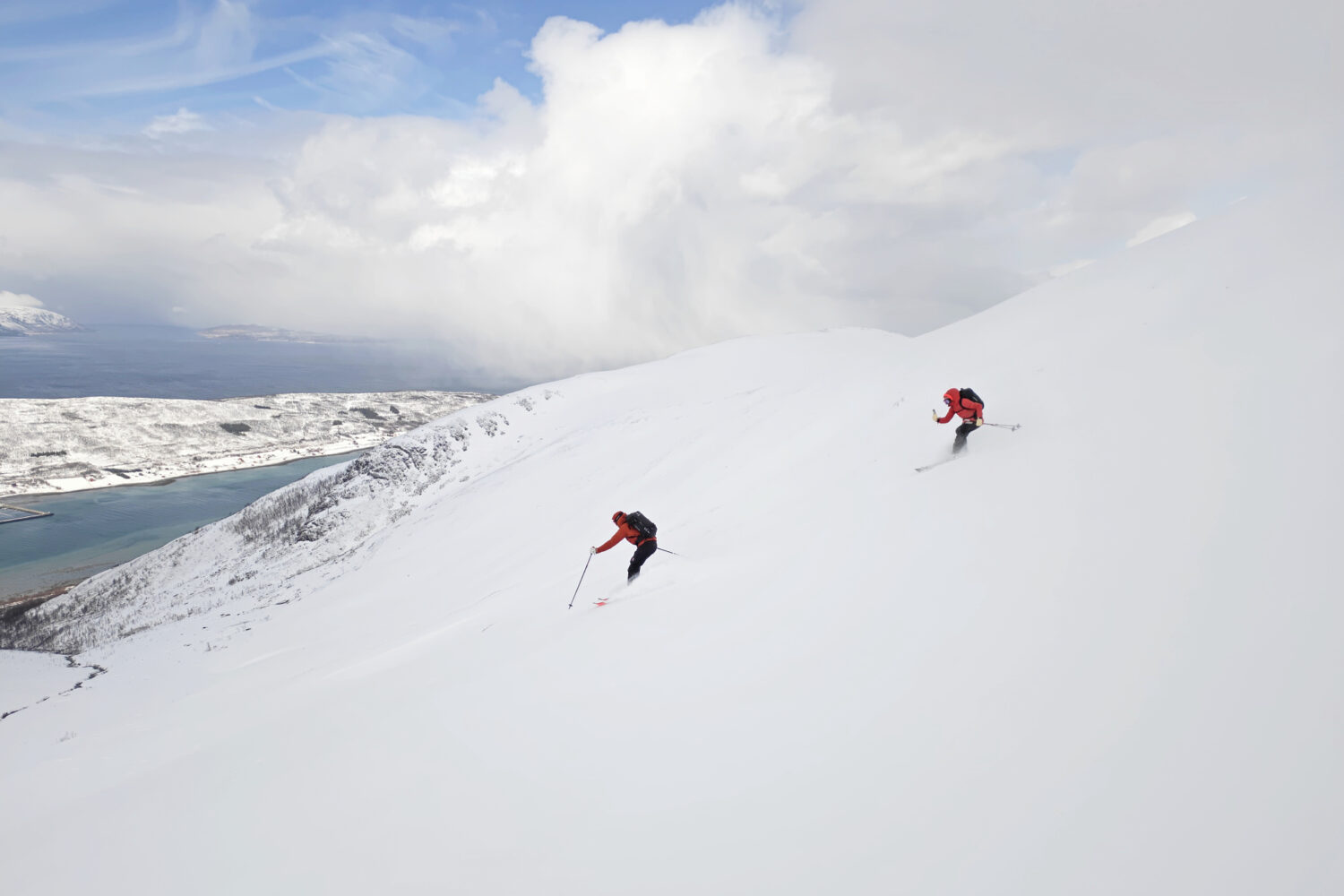
Nature is never still. Wind moves through trees, water flows endlessly, and birds cut through the sky in an instant. In nature movement photography, these elements bring life and rhythm to your images.
Instead of freezing everything, you learn when to let movement flow through the frame.
What Is Nature Movement Photography?
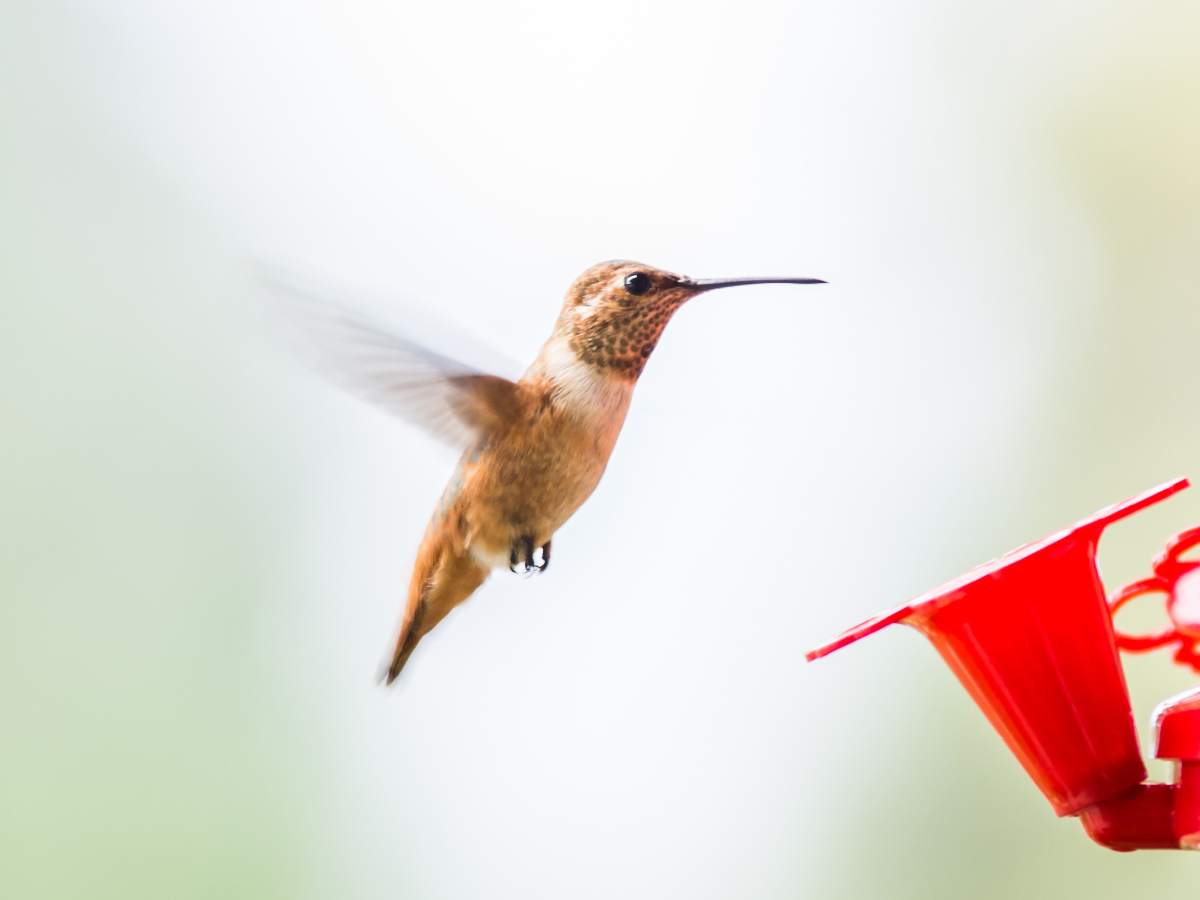
Nature movement photography focuses on capturing motion in natural environments. Rather than static landscapes, you highlight how elements interact and change over time.
This includes:
- Wind moving leaves and grass
- Water flowing in rivers or oceans
- Wildlife in motion
Your images feel more alive and immersive.
Capturing Wind Through Subtle Motion
Wind is invisible, but its presence becomes visible through movement in the natural world.
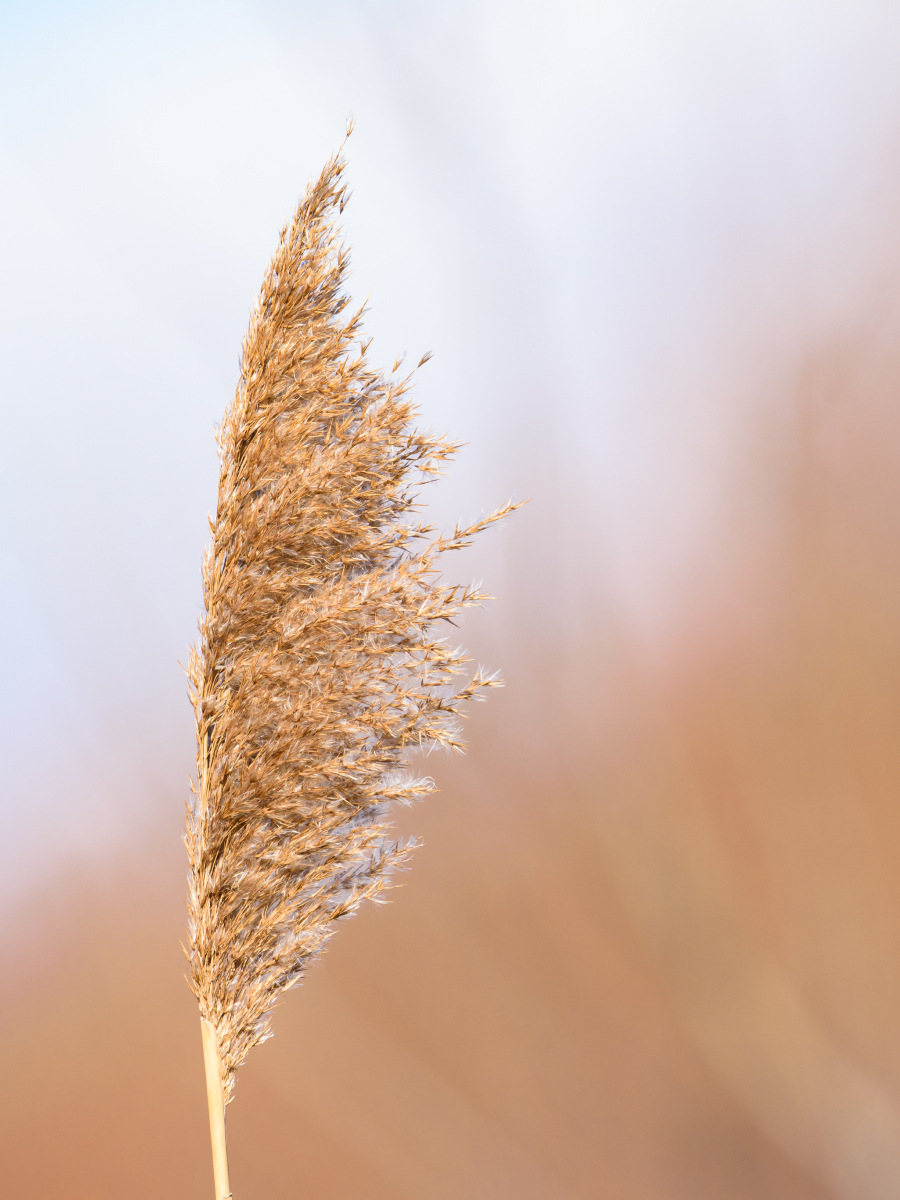
In nature movement photography, you can capture the effects of wind by focusing on swaying grass, bending trees, flowing leaves, or other repeating patterns in motion. These subtle movements add energy and atmosphere to your images.
To enhance this effect, use a slightly slower shutter speed, concentrate on areas with consistent movement, and keep your composition simple. This allows the motion to stand out without overwhelming the frame.
The movement of the wind becomes a compelling visual element in your photograph.
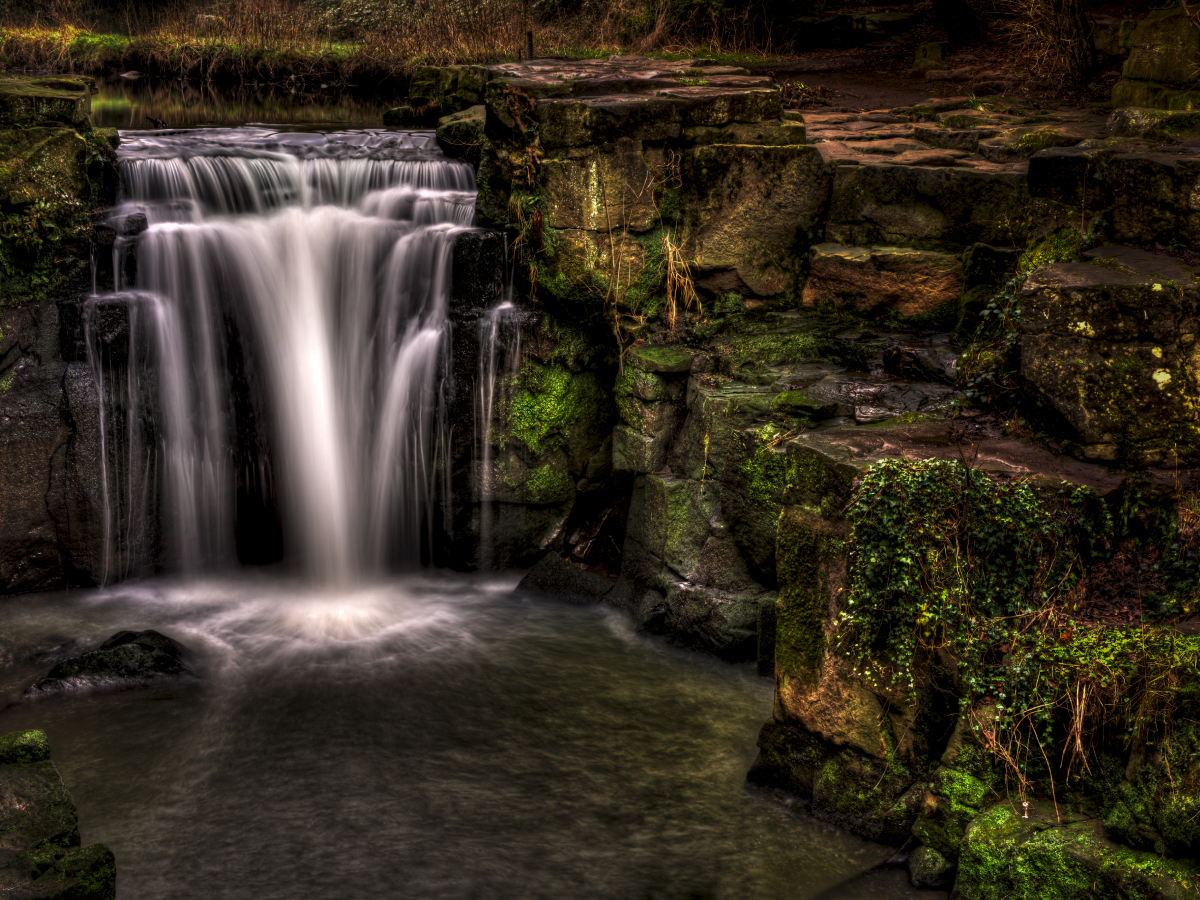
Using Long Exposure for Water Movement
Water is one of the most expressive elements in nature movement photography.
With long exposure:
- Fast shutter -> sharp splashes
- Slow shutter -> smooth, flowing water
To capture flowing water:
- Use a tripod for stability
- Lower your shutter speed
- Shoot during softer light conditions
Consequently, water becomes soft and almost painterly.
Photographing Birds and Wildlife in Motion
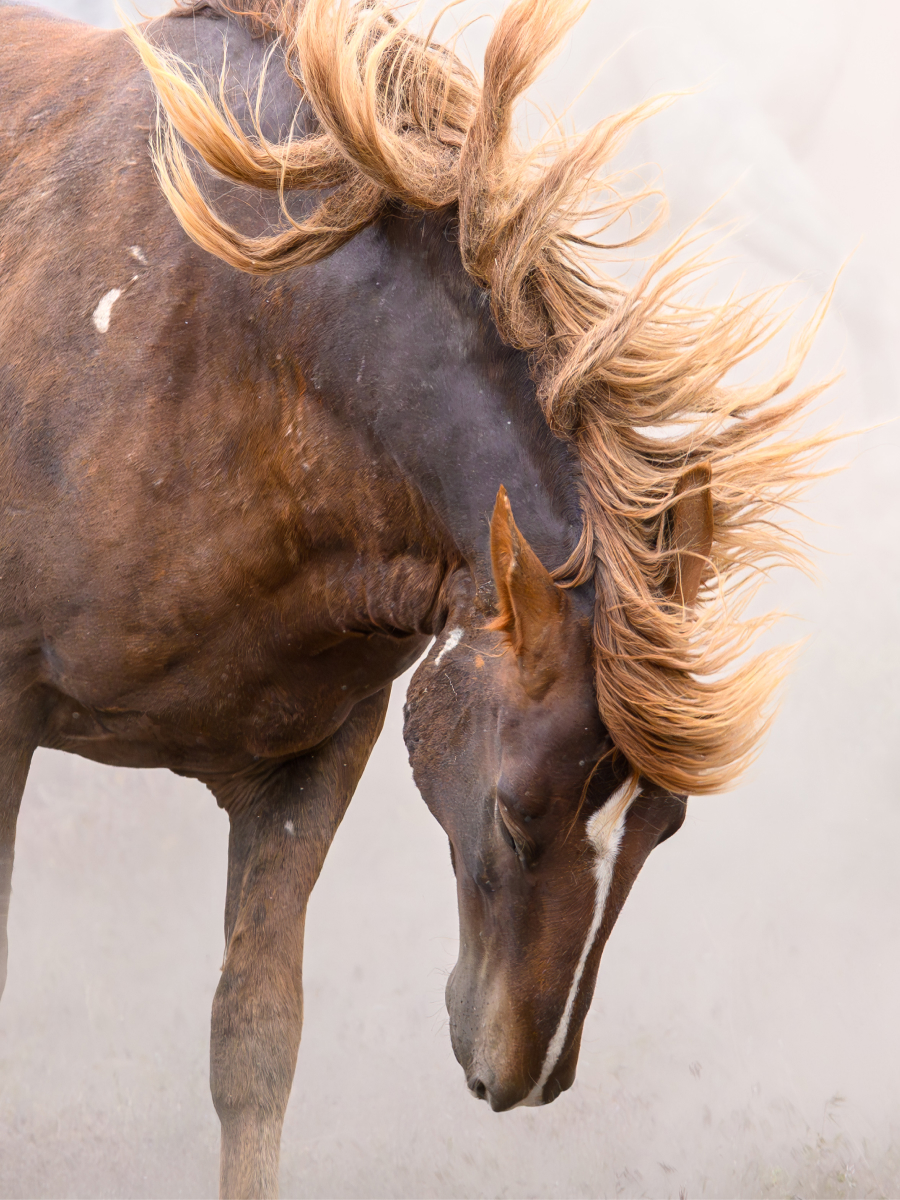
Wildlife introduces an element of unpredictability, making timing especially important in nature movement photography. Birds in flight are a particularly powerful subject because they combine motion, grace, and spontaneity.
To improve your results, use a fast shutter speed to freeze movement, track your subject with continuous autofocus, and anticipate its direction and behavior. The more familiar you become with animal patterns, the better prepared you will be to capture decisive moments.
Your photographs will feel dynamic, energetic, and full of life.
Blending Motion and Stillness
Movement is more impactful when contrasted with stillness.
In nature movement photography, combine:
- Moving elements (water, wind, wildlife)
- Static elements (rocks, trees, horizon)
This contrast:
- Creates balance
- Adds visual tension
- Strengthens composition
Therefore, your image feels more intentional.
Composition Tips for Nature Movement Photography
Movement can easily feel chaotic. However, strong composition keeps it controlled.
Keep these in mind:
- Anchor your frame with a still subject
- Use leading lines to guide motion
- Simplify the scene
- Choose a clear focal point
Your images remain clean and focused.
Capturing Movement in Nature
Nature is constantly changing, and movement adds a sense of emotion and depth to your images.
Nature movement photography captures the passage of time and the transformation of the natural world. Flowing water, drifting clouds, and swaying trees introduce energy into a scene and create a more immersive visual experience.
This approach goes beyond traditional static landscape photography, allowing you to create images that feel more dynamic and expressive.
Final Thoughts
You don’t need dramatic conditions. Instead, look for subtle motion. Watch how wind moves through a field. Observe how water flows. Follow birds across the sky.
Extended reading: Capturing the Moment: Mastering High-Speed Photography