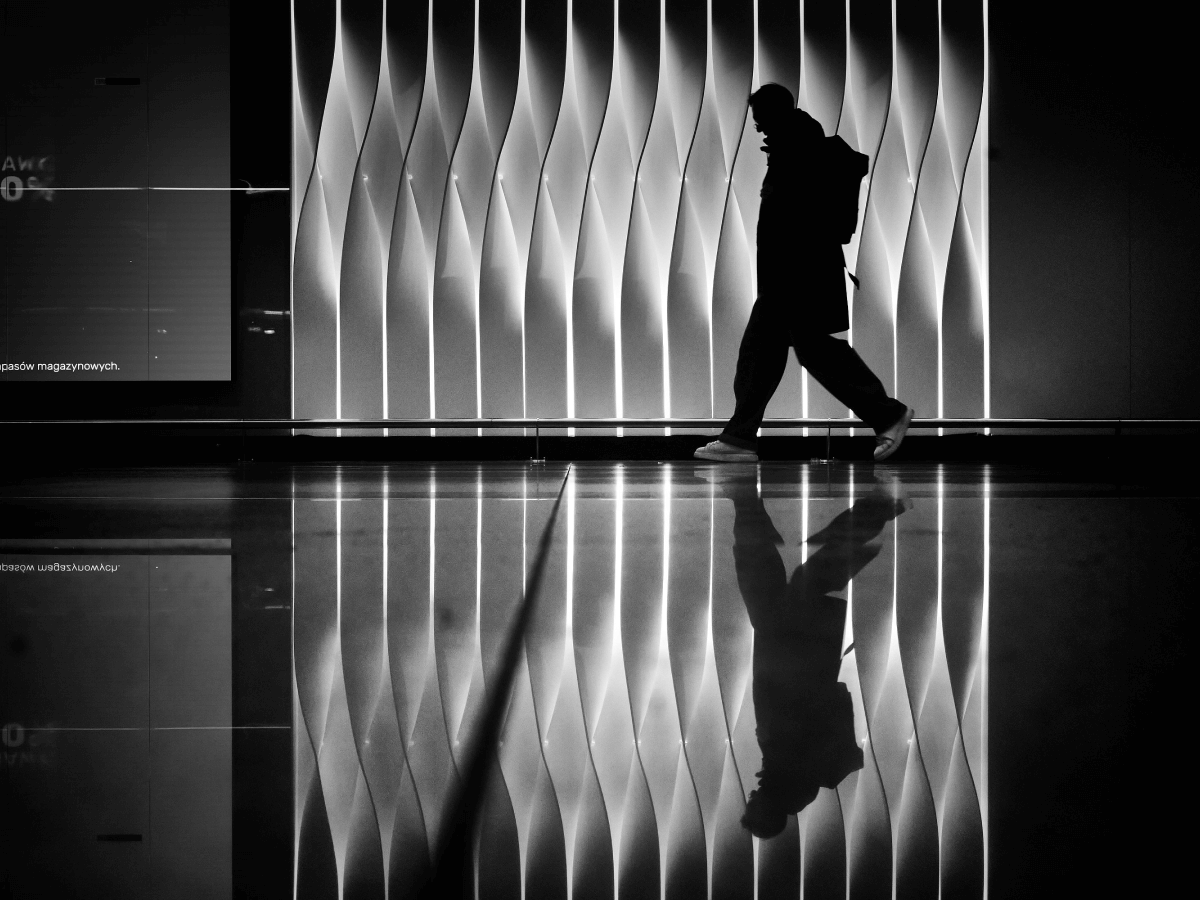
When it comes to composition, few techniques are as effective as layering and framing in photography. These methods help guide the viewer’s attention, add depth, and emphasize the main subject, turning a flat image into a dynamic visual story. Whether you’re shooting portraits, landscapes, or street scenes, mastering layering and framing can elevate your work and create more compelling photographs.
Why Layering and Framing Work
At their core, layering and framing in photography are about control, directing the eye exactly where you want it to go. Layers create a sense of depth, while frames add context and structure. Together, they help define the subject in a busy scene and evoke a more immersive experience for the viewer.
Pro Tip: Use layering to build dimensionality in your photos, and framing to isolate your subject for impact.
Building Layers in Your Composition
Layers in photography refer to the presence of foreground, middle ground, and background elements. Thoughtfully incorporating each of these layers gives your image a three-dimensional feel.
- Foreground interest: Introduce natural elements like foliage, fences, or architectural details to build depth.
- Middle ground: This is typically where your main subject resides, make sure it’s clearly distinguishable.
- Background: Use background elements to support the story without distracting from the subject.
Pro Tip: A wide aperture (e.g., f/2.8) can help separate your subject from layered surroundings, drawing sharper focus where it matters.
Framing with Intention
Framing involves using objects within the scene to surround or highlight your subject. This can be literal like windows, arches, or doorways or more abstract, such as light and shadow.
Some popular framing techniques:
- Natural frames: Trees, branches, or caves
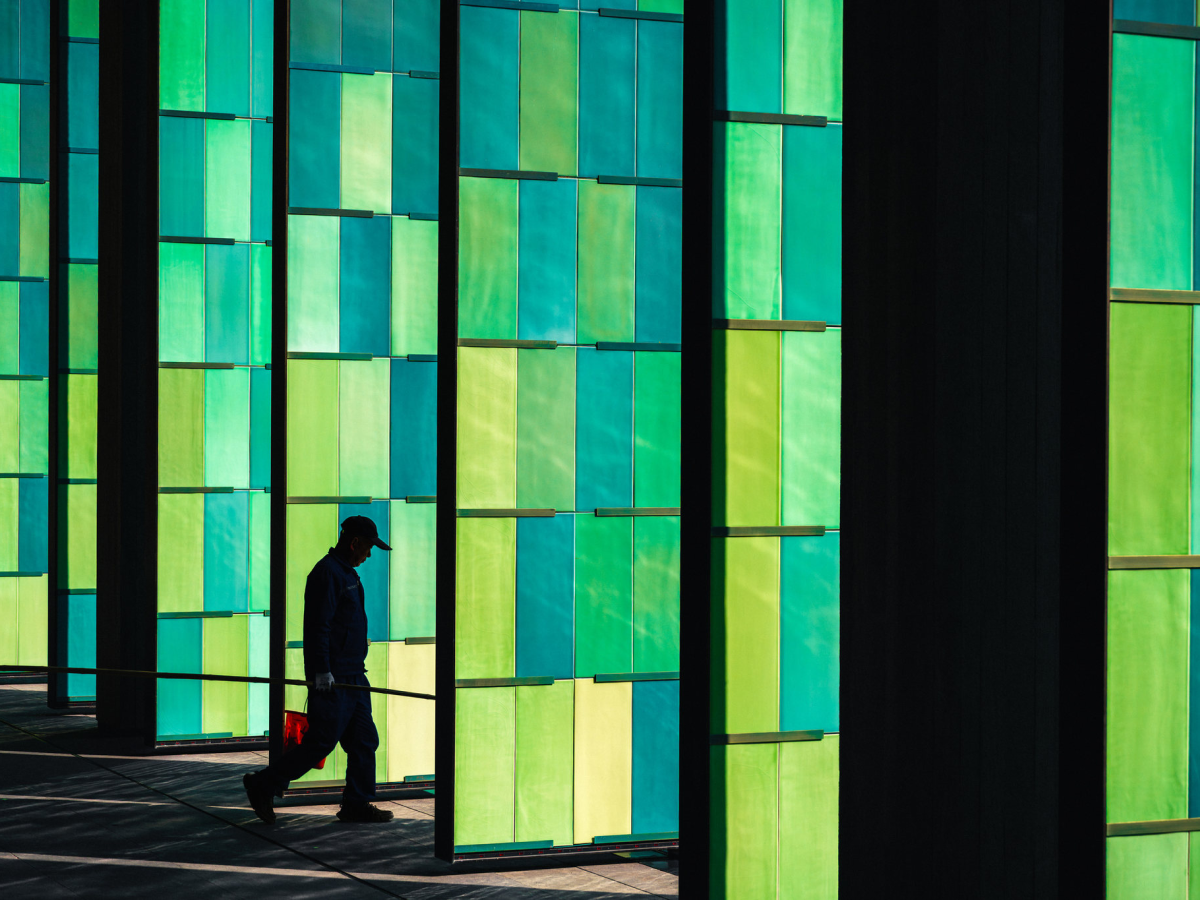
- Architectural frames: Windows, columns, or tunnels
- Environmental frames: Shadow play, reflective surfaces, or contrasting textures
Framing not only draws the eye but also adds context, helping your subject feel more grounded in the scene.
Pro Tip: Move around your subject to find unique framing angles. Crouch, peek through barriers, or shoot through translucent materials for creative effects.
Combining Both for Impact
The real magic happens when you use both layering and framing in photography. Layers build narrative complexity, while frames focus the story. Used together, they:
- Add structure and dimension
- Enhance storytelling
- Guide the eye naturally
- Create visual tension or harmony
Try photographing a person standing in a doorway (frame) with flowers in the foreground (layer). The result is a dynamic, multi-dimensional shot with emotional resonance.
Editing to Reinforce the Effect
- Post-processing can further refine your layering and framing:
- Use selective exposure or vignettes to darken surrounding elements and highlight the subject.
- Adjust clarity or sharpness to draw more attention to your subject within the frame.
- Enhance color separation between foreground, subject, and background.
Pro Tip: Use local adjustments to reduce distractions in your frame or layers without affecting the main subject.

Focus with Intention
Layering and framing in photography are powerful tools for visual storytelling. By adding depth, guiding the eye, and providing structure, these techniques help your subjects stand out while enriching the viewer’s experience. Practice observing scenes with these tools in mind, and your compositions will feel more intentional, more dynamic, and more engaging.
Extended reading: Composing for Mood: Minimalism, Framing, and Negative Space